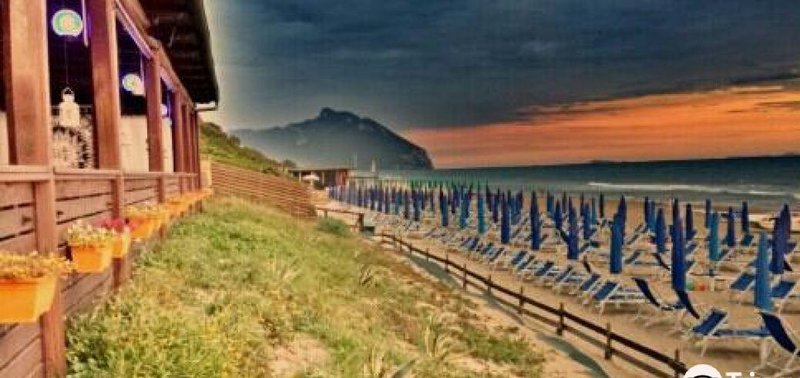
Hotels in Procida
Discover your perfect stay in Procida.
Procida(Italy) Travel 2026: Cheap Flights, Hotels & Top Attractions
Popular Landmarks in Procida
Discover the most iconic attractions in Procida
Recommended Hotels in Procida
Find the perfect place to stay in Procida
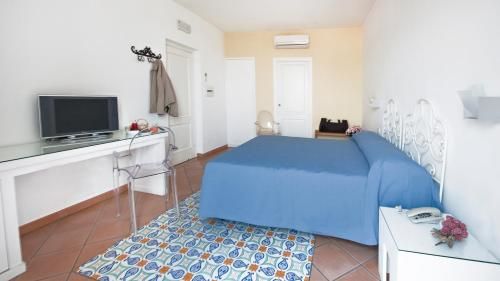
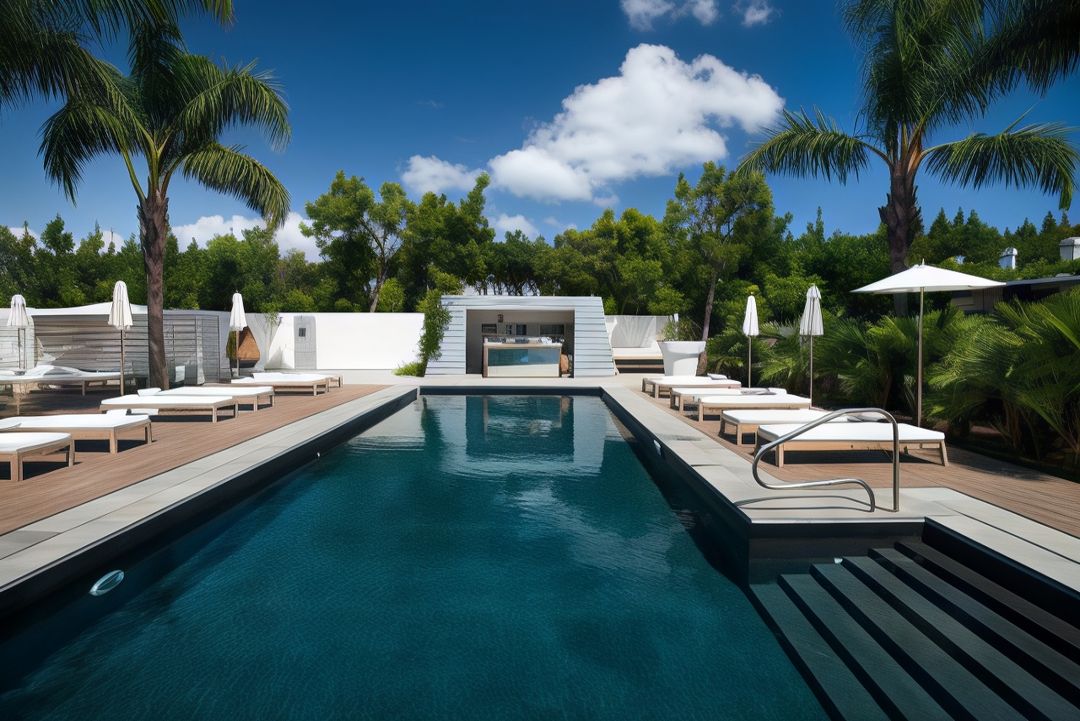
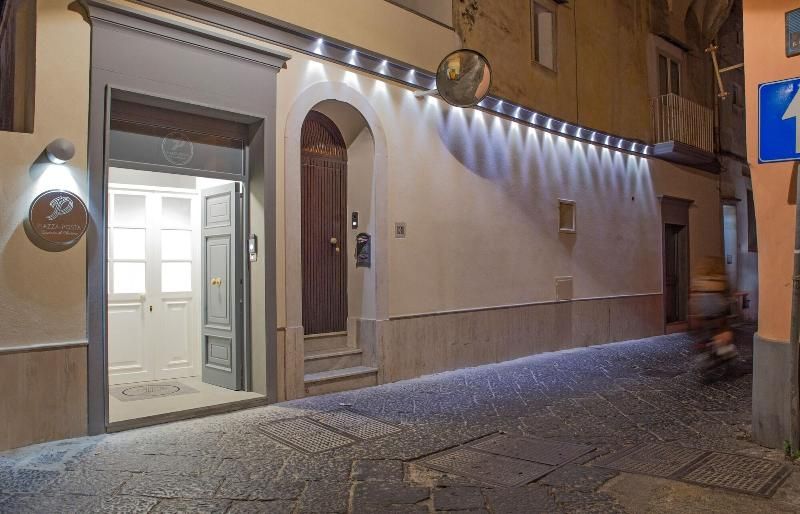
Best Hotels in Procida
Discover curated hotel collections in Procida




Frequently Asked Questions about Traveling to Procida
Questions You Might Need to Know About Traveling to Procida
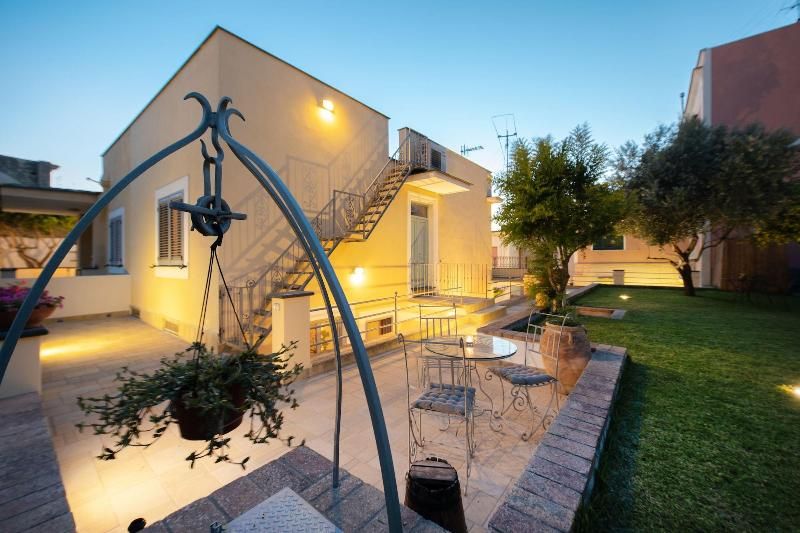
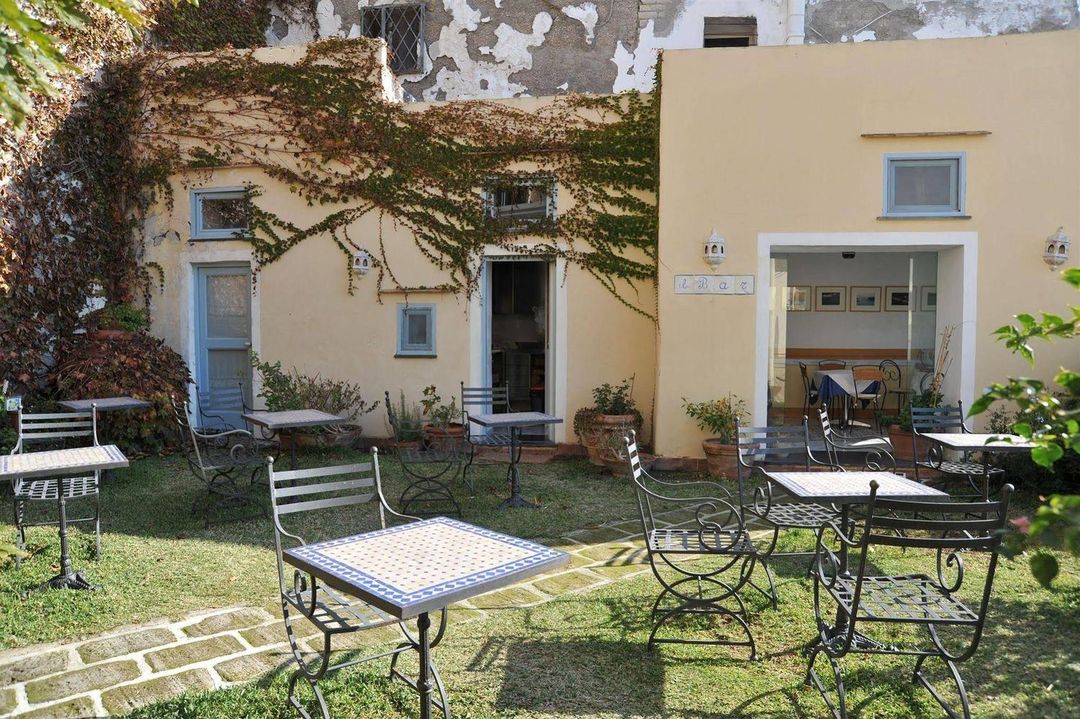
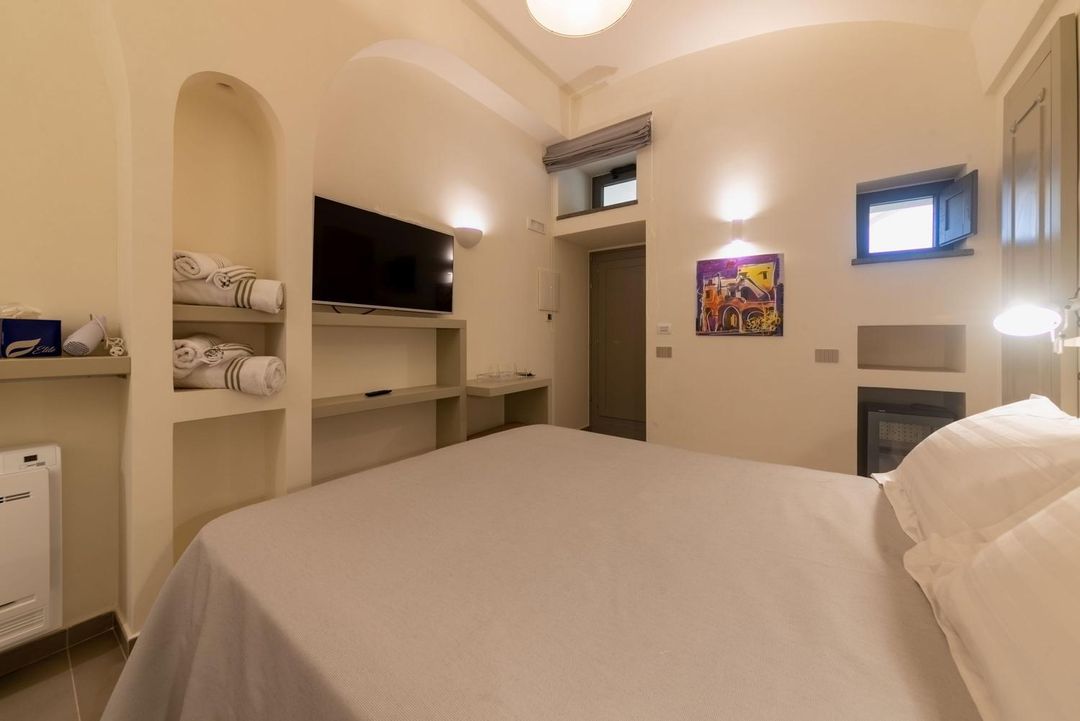
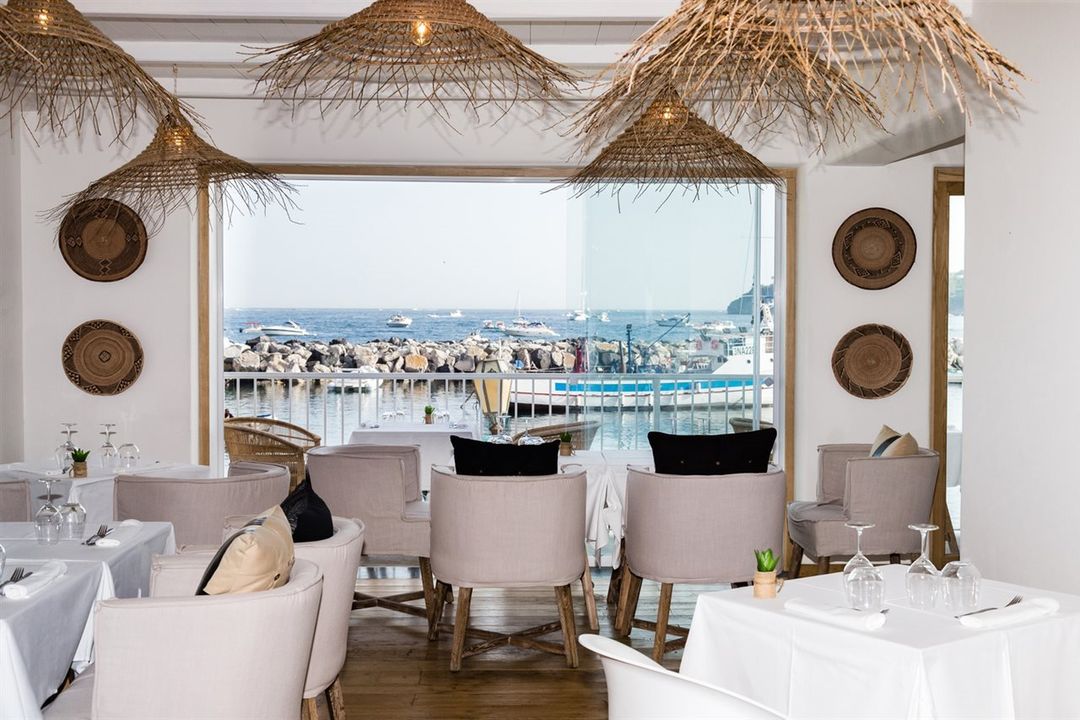
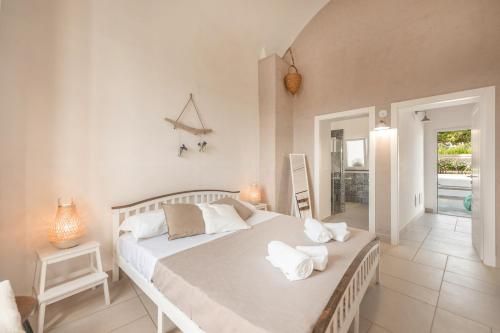
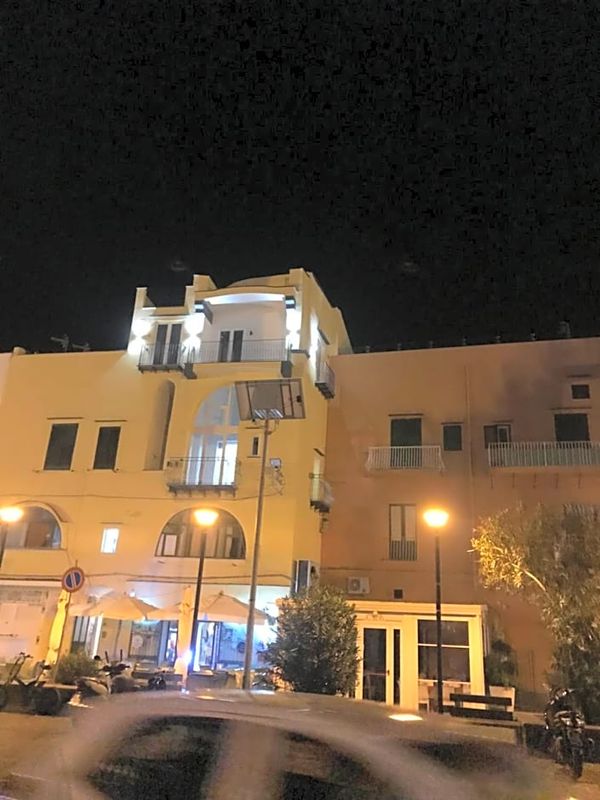
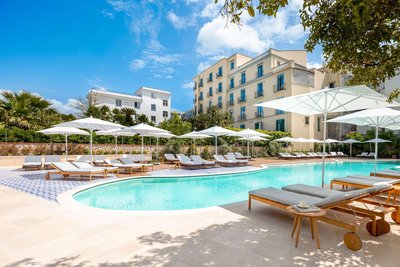
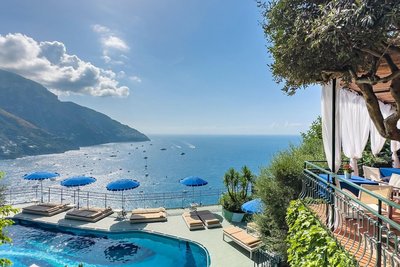
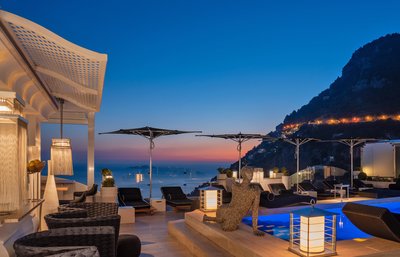
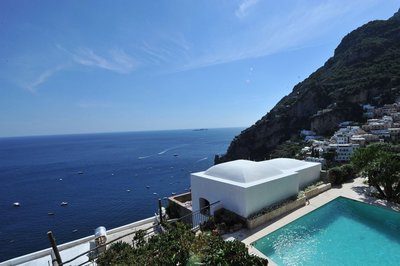
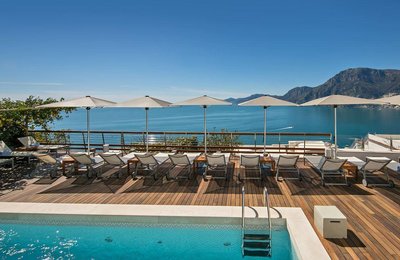
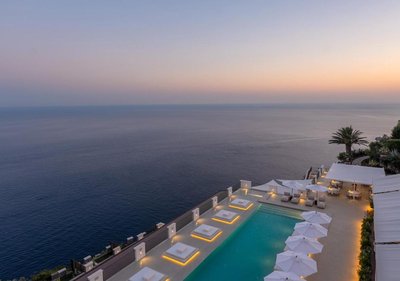
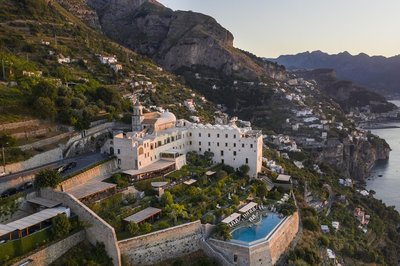
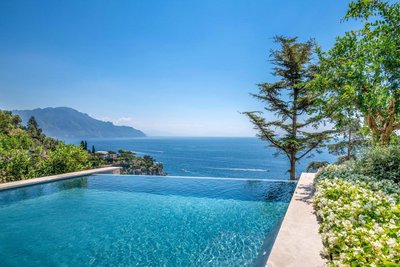
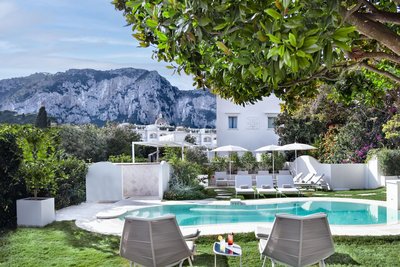
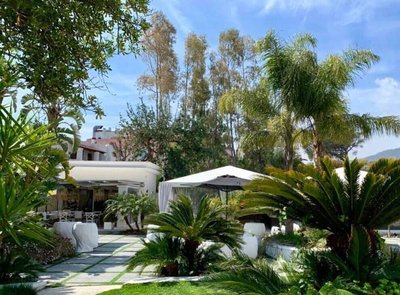
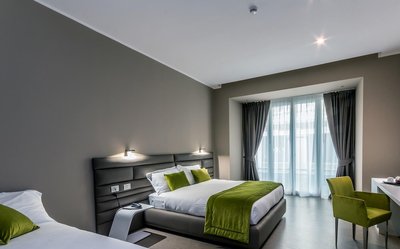
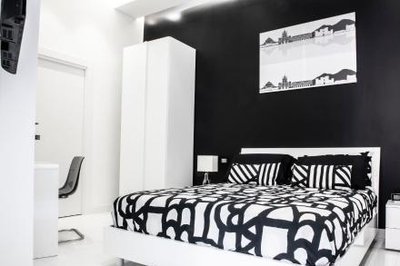
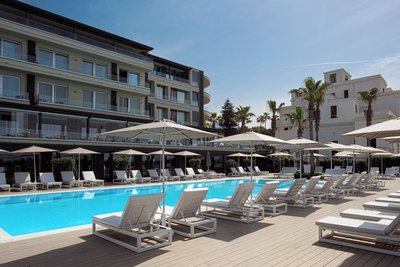
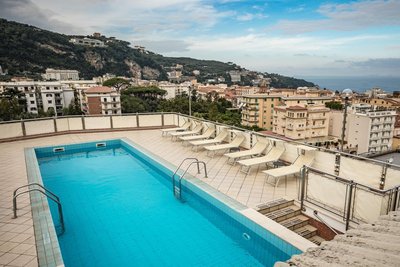
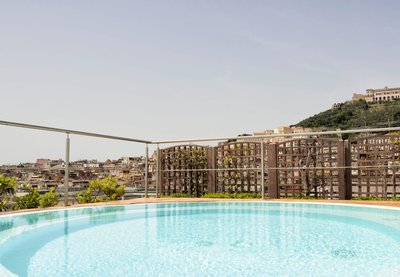
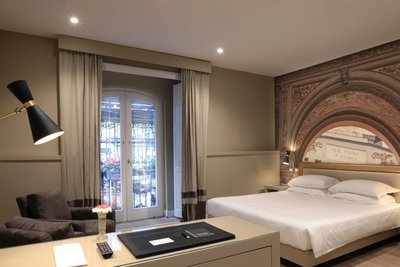
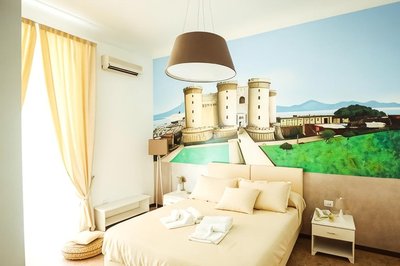
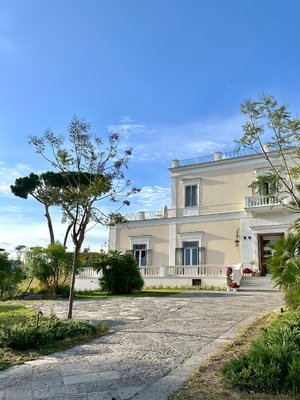
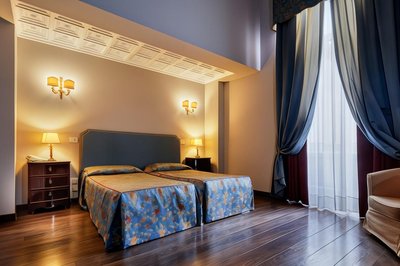
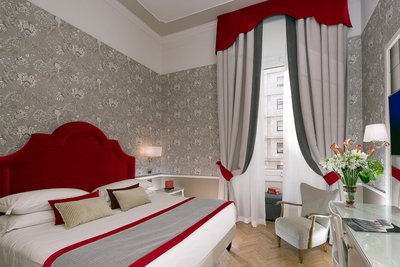
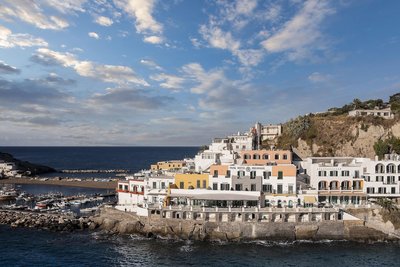
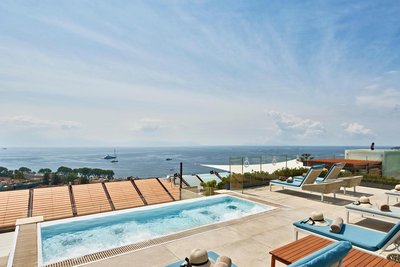
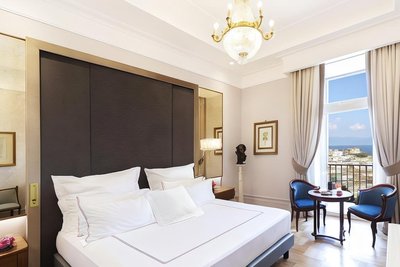
On Procida Island, top boutique stays include Hotel Punta Carena, a stylish retreat with private sea-view terraces and minimalist Italian design, nestled near the eastern cliffs. Another standout is La Dimora del Sole, located in the heart of the historic center, offering intimate rooms decorated with local art and access to family-run dining experiences. For a unique stay, consider B&B Villa Margherita, a restored 19th-century villa with a sun-drenched garden and personalized service. All these properties emphasize authenticity, sustainability, and immersion in Procida’s Mediterranean charm, making them ideal for travelers seeking character-rich accommodations away from mass tourism.
Guests enjoy curated breakfasts featuring local bread, honey, and seasonal fruit, while many hotels partner with nearby artisans for cultural workshops—perfect for those wanting an authentic island experience.
For first-time visitors, the historic center (Centro Storico) is the ideal base. This charming district features narrow cobbled streets, iconic blue-and-white buildings, and easy access to key landmarks like the Church of Santa Maria della Libera, Porto di Marìa, and bustling local cafés. Walking here reveals the island’s soul—artisan shops, street musicians, and traditional trattorias serving fresh seafood risotto.
Staying in the historic center allows seamless exploration: you can reach the beach within 10 minutes, visit the Procida Museum on foot, or join evening folklore events. Avoid the southern industrial zone, which lacks tourist amenities. Opt for accommodations near the main square or harbor for maximum convenience and immersion in daily island life—a true gateway to Procida’s slow-paced, authentic culture.
Must-do cultural experiences on Procida Island include attending the weekly Cantori Nights (Serata dei Cantori), where locals sing traditional Neapolitan folk songs in the town square—an emotional and authentic display of island heritage. Visit the Grotta della Madre Maria, a sacred sea cave used for centuries by fishermen and pilgrims, now a spiritual and artistic site.
Participate in a hands-on ceramic workshop at Bottega dell'Argilla, where you’ll craft your own piece using ancient techniques passed down through generations. Don’t miss the Festa del Pescatore (Fisherman’s Festival) held each summer, featuring boat processions, seafood markets, and live music. For history buffs, explore the Procida Historical Museum, housing artifacts from Etruscan times to modern emigration records.
These experiences offer deep insight into the island’s identity, rooted in faith, craftsmanship, and maritime tradition—making your visit truly memorable.
Procida Island’s cuisine centers around fresh seafood and volcanic soil-grown ingredients. The signature dish is Risotto ai Frutti di Mare, a rich, saffron-infused rice stew made with daily catch—shrimp, mussels, and octopus—cooked in a tomato-based broth. Another must-try is Fritto Misto di Pesce, crispy fried fish and squid served with lemon, often enjoyed at seaside tavernas.
Don’t miss Pane Nero (Black Bread), a dense, dark loaf baked from volcanic wheat, traditionally paired with olive oil and local cheese. Seasonal highlights include Sorbetto di Vino Nero, a refreshing sorbet made from black grape juice harvested on the island. Pair any meal with Vino Rosso di Procida, a bold red wine grown in volcanic soil, known for its mineral depth.
Restaurants like Da Tonino and Trattoria da Mario use family recipes handed down for generations, ensuring an honest taste of Campania’s culinary soul.
The easiest way to reach Procida Island from Naples is by ferry. Multiple daily departures leave from the Naples Port (Porto di Napoli), with journey times of about 45 to 60 minutes. Operators like SNAV and Alilaferries run reliable services, with round-trip tickets starting at €12–€18. Tickets can be booked online in advance, especially during peak season (June–September).
An alternative is the shorter 30-minute ride from Pozzuoli Harbour, which offers more frequent departures but fewer connections. Ferries dock at Porto di Marìa, the island’s main port, where rental bikes, maps, and tour desks are available. Avoid driving—private vehicles aren’t allowed on the island. Instead, embrace the scenic journey and plan your arrival with time to explore the car-free charm of Procida’s historic center.
Procida Island boasts dramatic volcanic landscapes and pristine coastal beauty. The Monte Faito hiking trail leads to the island’s highest point, offering panoramic views of the Tyrrhenian Sea and surrounding islands. Along the way, you’ll pass wild herbs like rosemary and lavender, typical of the region’s volcanic soil.
The Grotta della Madre Maria is a sea cave with stunning rock formations and religious significance, accessible via short boat tours. The eastern coastline features hidden coves like Calanca and Lido del Sole, perfect for swimming and snorkeling among vibrant marine life. Water clarity is exceptional due to strict environmental protection laws.
The island’s commitment to conservation ensures untouched nature—no motorized vehicles, limited construction, and protected marine zones. Visitors enjoy unspoiled scenery, making Procida a true gem for eco-tourists and nature lovers seeking authenticity and tranquility.
Procida Island has a layered history spanning over 2,500 years. Originally settled by the Etruscans in the 8th century BCE, it later became a Greek and Roman outpost due to its strategic location. The island flourished as a trade hub and was fortified with watchtowers during the Middle Ages.
In the 12th century, the Church of Santa Maria della Libera was built, symbolizing both religious devotion and civic pride. From the 19th century onward, large-scale emigration occurred—especially to the U.S., particularly New York—creating a strong diaspora community.
The island declined in the 20th century but experienced revival through tourism and cultural preservation. Today, the historic center is protected as a UNESCO Cultural Heritage Zone, maintaining original architecture and urban layout. The Procida Historical Museum displays artifacts from ancient times to modern migration, preserving the island’s identity as a resilient, seafaring community with deep roots in Southern Italy.
Key festivals on Procida Island include the Festa della Madonna della Libera in July, a major religious celebration featuring a grand procession, fireworks, and nightly concerts in the town square. Locals wear traditional costumes, and the entire island transforms into a vibrant stage of faith and festivity.
The Festa del Pescatore (Fisherman’s Festival) takes place in summer, honoring the island’s maritime heritage with boat parades, seafood markets, and live folk music. Children participate in themed games and storytelling sessions.
During autumn, the Festival d'Arte di Procida turns the island into an open-air gallery, with international artists painting murals across old walls. It’s a celebration of creativity, community, and cultural exchange. These events not only attract tourists but also strengthen local identity and intergenerational connection—offering visitors a living window into Procida’s soul.
Yes, Procida Island is highly suitable for families with children. With no cars allowed, the island is safe and peaceful—kids can freely explore on foot or by electric bike. The shallow waters near Porto di Marìa serve as a natural wading pool, perfect for young swimmers.
Many family-friendly accommodations, such as La Dimora del Sole and B&B Villa Margherita, offer spacious rooms, baby cots, and kid-oriented activities like treasure hunts and cooking classes. The Children’s Art Festival and storytelling evenings in the historic center engage young minds with local legends.
Interactive experiences like seafood cooking workshops and volcanic soil gardening teach children about island ecology and food origins. With calm beaches, gentle slopes, and warm locals, Procida offers a low-stress, enriching environment for family travel—ideal for creating lasting memories in a serene Mediterranean setting.
On Procida Island, transportation is designed for sustainability and leisure. The primary modes are electric bicycles (E-bikes), rented from local shops for €15–€20 per day, allowing easy access to all major sights including the historic center, Monte Faito, and coastal coves.
A few electric shuttle buses operate on fixed routes between key points, though schedules are limited. For remote areas like Calanca Bay, private boat transfers are available from the main port. Public transit is minimal—no cars, taxis, or trains are permitted.
Walking remains the most common method, especially in the compact historic center. Trails are well-marked, and many paths are paved with volcanic stone. Travelers are encouraged to bring comfortable shoes and a small backpack. This car-free system enhances the island’s peaceful atmosphere, inviting guests to slow down and savor every moment of their journey.
Procida Overview
City Summary
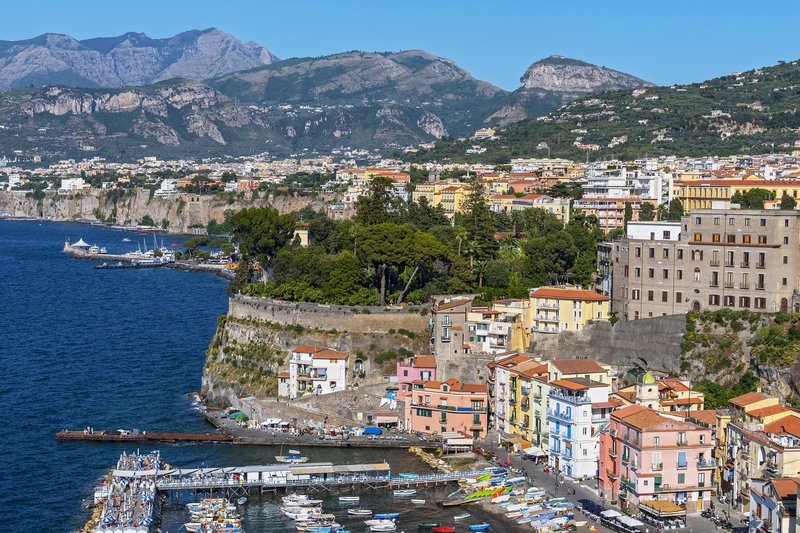
Procida is a small island in the Campania region of Italy, located in the Bay of Naples. This colorful fishing village is known for its Mediterranean charm and laid-back atmosphere, often referred to as "Italy's hidden gem". The island is dotted with pastel-colored houses and narrow streets, rich in fishing village culture. It was also the filming location for the movie "The Postman", attracting many art enthusiasts.
Must-See Attractions
Must-see attractions include Corricella Beach, the oldest fishing village on the island, famous for its colorful houses and harbor views. Castello Aragonese is a historic castle offering panoramic views of the island. Chiesa di Santa Maria delle Grazie showcases Baroque-style art.
Food Guide
Food Guide: Procida is renowned for its seafood. Recommended dishes include Frittura di Paranza (fried small fish) and Spaghetti alle Vongole (clam spaghetti). The local Limoncello is a must-try.
Transportation Guide
Transportation Guide: From Naples, you can take a ferry or hydrofoil to Procida, with a journey time of about 30-40 minutes. The island is best explored on foot, but you can also rent small electric vehicles or bicycles. Avoid peak seasons to escape crowds.
Best Time to Visit
The best time to visit is from May to September, when the weather is warm and perfect for beach activities. July-August is the peak tourist season, so book accommodations in advance.
Travel Tips
- Safety Tip: The streets are narrow, so watch out for vehicles when walking.
- Etiquette Advice: Respect the local fishing village culture and avoid loud noises.
- Customs: After lunch, there is usually a siesta time, and shops may close.
- Dress Code: Summers are hot, so wear light clothing and bring sunscreen.
- Language Tip: Learning basic Italian greetings will be appreciated.
- Eco Tip: Do not litter to protect the island's environment.
Useful Information
Useful Info: The local currency is the Euro. Most shops accept credit cards, but small vendors may only take cash. Network coverage is good, but some areas may have weak signals. For emergencies, contact the local hospital (Ospedale di Procida). The main language is Italian, but English is understood in tourist areas.