Hotels in Pugo
Discover your perfect stay in Pugo.
Pugo(Philippines) Travel 2026: Cheap Flights, Hotels & Top Attractions
Popular Landmarks in Pugo
Discover the most iconic attractions in Pugo
Frequently Asked Questions about Traveling to Pugo
Questions You Might Need to Know About Traveling to Pugo
For authentic cultural immersion in Pugo, stay at Pugo Heritage Inn, a beautifully restored ancestral home showcasing traditional Ilocano architecture. Its hand-carved wooden beams, bamboo walls, and open-air courtyard reflect centuries-old craftsmanship. Located just steps from the historic Banaoan Church, guests can experience Sunday Mass in Ilocano dialect and join local fiestas.
Alternatively, Casa de Pugo offers a modern twist with eco-friendly design and a rooftop terrace overlooking the Manila River Valley. Both properties emphasize community-based tourism, offering cooking classes featuring dishes like dinuguan and puto, ensuring travelers connect deeply with Ilocano traditions and hospitality.
Yes, Pugo Heritage Inn offers family-friendly accommodations with dedicated play areas and child-safe amenities. The property features interconnected cottages with private gardens, ideal for families with young children. Kids can enjoy hands-on experiences like bamboo weaving workshops and guided rice field walks, learning about Ilocano farming traditions.
Casa de Pugo provides family packages including free breakfast, stroller rentals, and airport transfers. Both hotels maintain a quiet, secure environment with 24/7 surveillance and smoke-free zones. Their commitment to eco-conscious family travel ensures a safe, enriching stay for all ages.
Visitors to Pugo must tour the Banaoan Church, a well-preserved 19th-century Spanish-era church with intricate stone carvings and stained-glass windows. During festivals like the Assumption Festival, locals perform traditional dances such as tinikling and play indigenous instruments like the gangsa.
Join a local craft market to try bamboo basket weaving or operating a kotek (traditional loom). Evening highlights include the Puso Feast, a communal dinner hosted by families using heirloom recipes like sinigang na baboy and bagoong-based dishes. All experiences are led by trained community guides, promoting authentic, respectful cultural exchange.
The downtown district is the most convenient area to stay in Pugo, offering walkable access to key landmarks. The Banaoan Church, Ilocano Heritage Museum, and craft market are all within a 10-minute stroll. Local favorites like Pugo Heritage Inn and Casa de Pugo combine charm with central location.
Downtown also features well-lit streets and strong community safety, making it ideal for evening walks. Street food vendors line the main road, serving local treats like turon and isaw. For a more rural experience, consider staying in Kalanba Village, a short drive away, where you can engage with farmers and traditional weavers—though slightly less convenient for sightseeing.
Must-try dishes in Pugo include dinuguan, a rich, savory stew made with pork blood and garlic, served with steamed rice and calamansi juice. Another highlight is turon, a popular street dessert of fried banana and coconut wrapped in spring roll pastry—crispy outside, sweet inside.
Don’t miss pito, a steamed glutinous rice cake made with coconut milk, often enjoyed with fresh mango or buko (young coconut). For an authentic taste, join a Puso Feast, a homestyle dinner featuring sinigang na baboy (sour pork soup) and bagoong-based dishes, prepared by local women using family recipes.
Visit small stalls along the market alley—many have been run by the same family for generations—where flavor meets tradition.
Pugo has a tropical monsoon climate with high temperatures and heavy rainfall from June to October. Choose hotels with elevated wooden structures or large cross-ventilation windows—like Pugo Heritage Inn—to promote airflow and reduce humidity.
During the rainy season, prioritize rooms with air conditioning and dehumidifiers to combat heat and dampness. Opt for units with private balconies or rooftop terraces to enjoy post-rain breezes and scenic views.
From November to May, the weather cools down, making outdoor exploration pleasant. Stay near the market or Banaoan Church for easy walking access. Overall, selecting accommodations with natural ventilation and moisture-resistant materials ensures greater comfort year-round, especially for extended stays or families.
Pugo Overview
City Summary
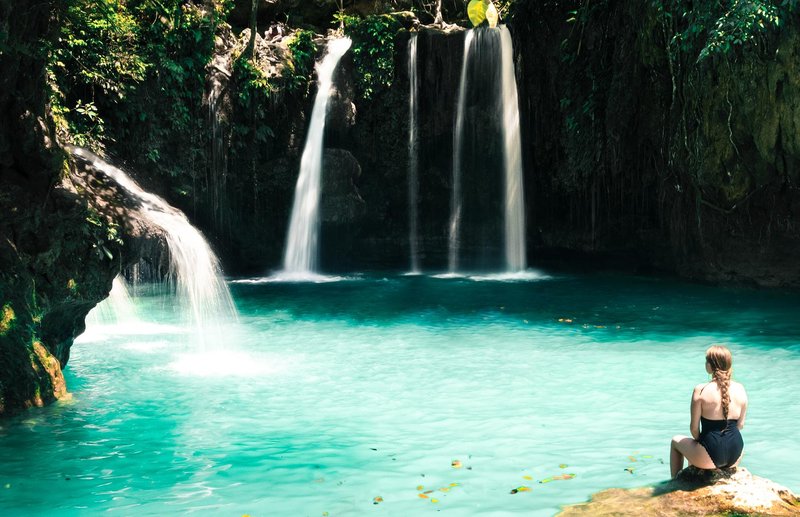
Pugo is a small town located in the Ilocos Region of the Philippines, known for its lush mountain scenery, clear streams, and rich agricultural resources. Visitors can experience traditional Filipino rural life and explore the unique Ilocano culture. The town's main allure lies in its tranquil environment and unspoiled natural landscapes, making it an ideal escape from urban hustle.
Must-See Attractions
Key attractions in Pugo include the Pugo Adventure Camp, which offers outdoor activities like hiking, camping, and rock climbing. Tonglo Hill is a paradise for hikers, providing panoramic views of the town. Additionally, local churches and traditional architecture showcase the history and culture of the Ilocos Region. In the evening, travelers can join local festivals to enjoy traditional music and dance performances.
Food Guide
Pugo's street food features traditional Filipino snacks such as Pinakbet (vegetable stew) and Bagnet (crispy pork belly). Local markets also offer fresh tropical fruits and handicrafts. Don’t miss trying Ilocos Longganisa (local sausage) and Vigan Empanada (fried stuffed pastry), both regional specialties.
Transportation Guide
Getting around Pugo primarily relies on Jeepneys and Tricycles, the most common local transport options. Due to the town's small size, walking is also convenient. Visitors should plan routes in advance and confirm fares with drivers to avoid issues. For longer trips, consider renting a car or taking a bus to nearby cities.
Best Time to Visit
The best time to visit is from November to February, when the weather is cool and dry, perfect for outdoor activities. Avoid the rainy season (June to October) to minimize typhoon disruptions. Fewer tourists during this period allow for a more peaceful experience.
Travel Tips
- Safety Tip: Carry insect repellent to avoid mosquito bites.
- Etiquette: Dress modestly when visiting churches.
- Cultural Note: Engage with locals; they are generally very friendly.
- Eco-Friendly: Preserve nature by not littering.
- Payment: Bring cash as credit cards are rarely accepted.
Useful Information
The official languages in Pugo are Filipino and English, with most locals conversant in English. Internet coverage is limited, so downloading offline maps is recommended. Payment methods are mostly cash-based, though some vendors accept mobile payments. Emergency services are available at local clinics or hospitals; pack basic medications. The voltage is 220V, with Type A and B sockets, so bring a travel adapter.
Other Cities You Might Like
Explore more amazing destinations