Hotels in Pundong
Discover your perfect stay in Pundong.
Pundong(Indonesia) Travel 2026: Cheap Flights, Hotels & Top Attractions
Popular Landmarks in Pundong
Discover the most iconic attractions in Pundong
Recommended Hotels in Pundong
Find the perfect place to stay in Pundong
Frequently Asked Questions about Traveling to Pundong
Questions You Might Need to Know About Traveling to Pundong
In Pujon, explore authentic Javanese batik workshops led by local artisans using natural dyes and traditional techniques. Participate in a family homestay dinner where you’ll enjoy Nasi Liwet served on banana leaves, paired with homemade sambal and fresh coconut water. Weekly Wayang Kulit shadow puppet shows at village squares bring ancient tales like the Ramayana to life with gamelan music. For deeper immersion, join a sunrise trek to Bukit Puntung, offering panoramic views of Mount Merapi and surrounding rice terraces—perfect for photography and spiritual reflection.
Stay at Surya Homestay or Green Garden Villa & Resort, both located just 10–15 km from Borobudur Temple. These eco-friendly accommodations provide free early-morning shuttles, ideal for witnessing sunrise over the UNESCO World Heritage site without crowds. Many also offer guided tours to nearby temples like Prambanan and Ratu Boko, with knowledgeable local guides sharing historical insights. Bike rentals are available for exploring scenic rural roads through rice fields and villages, blending adventure with authenticity.
Yes, Green Garden Villa & Resort is perfect for families, featuring a children’s playground, organic farm for hands-on learning, and a swimming pool with shallow zones. Kids can help harvest coconuts, plant herbs, or make their own batik patterns under supervision. The resort offers themed dinners like ‘Farm-to-Table Night,’ where families cook together using local ingredients. Evening storytelling sessions with traditional Javanese folktales keep children engaged while fostering cultural appreciation.
Try Gudeg Wonogiri (young jackfruit stewed in palm sugar), Opor Ayam (coconut milk chicken curry), and Bakpia Pathok (sweet mung bean pastries). Visit Warung Mbah Budi, a decades-old street stall famous for grilled Sate Klatak with peanut sauce. For a true local experience, book a home-cooked meal in a village household, where meals are prepared in clay pots and served on banana leaves—offering an immersive taste of Javanese hospitality.
Enjoy the vibrant Pasar Malam Bukit Sari night market every Friday, offering street food like Tahu Gejrot (sweet tofu drink) and Klepon (palm sugar dumplings). Attend live Wayang Kulit puppet shows under the stars, accompanied by hypnotic gamelan music. For tranquility, visit Sumber Laras Spa for a stargazing aromatherapy session, listening to crickets and distant temple bells—a serene way to connect with rural Javanese rhythms.
While Pujon is rural, transport is manageable via motorbike taxis (Gojek) and minibuses (Bemo) from Yogyakarta City, taking about 30 minutes. Many hotels offer complimentary shuttle services to major sites like Borobudur and Prambanan. For exploration, rent bicycles or electric scooters—ideal for navigating quiet country roads. Use Google Maps offline to navigate narrow paths safely. Always confirm schedules in advance, especially during festivals when routes may change.
Most guesthouses in Pujon offer basic English service, especially at front desks and tour bookings. Hotels like Pondok Sari Homestay and Green Garden Villa employ staff fluent in English, Indonesian, and some Mandarin, assisting with reservations and local tips. For deeper communication, use translation apps like Google Translate. Check if your hotel provides multilingual brochures detailing safety rules and cultural etiquette for a smoother stay.
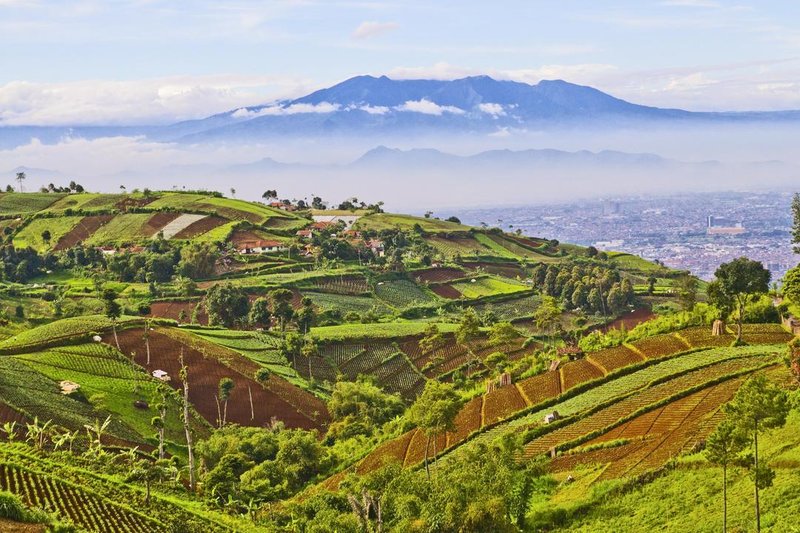
Explore lush rice terraces, bamboo forests, and crystal-clear springs like Sumber Harjo Spring, a sacred water source used by locals. Hike to Bukit Puntung at dawn for breathtaking views of Mount Merapi and endless green fields—ideal for photography and quiet contemplation. Many resorts organize ecological tours teaching sustainable farming practices. Wild monkeys and birds inhabit the trails, adding excitement to light treks through untouched landscapes.
Unlike crowded tourist hubs, Pujon offers authentic, low-key charm with minimal commercialization. Its focus on cultural preservation, eco-tourism, and community-based travel sets it apart. Visitors experience real Javanese village life—participating in daily rituals, farming, and crafts—without the rush. The slower pace, coupled with stunning natural backdrops and warm hospitality, creates a deeply meaningful travel experience rooted in tradition and sustainability.
Yes, many hotels and local cooperatives in Pujon offer guided nature walks through rice fields, bamboo groves, and volcanic foothills. Led by experienced local guides, these walks include lessons on indigenous agriculture, medicinal plants, and water conservation. Some include visits to hidden springs or ancient stone shrines. HopeGoo in advance ensures availability, especially during peak season. Perfect for photographers, hikers, and culture seekers wanting to connect with nature and heritage.
Pundong Overview
City Summary
Bantul, located in the southern part of Yogyakarta Special Region, Indonesia, is a city rich in cultural heritage and natural beauty. Known for its traditional arts, handicrafts, and fertile agricultural lands, it offers an authentic Javanese cultural experience. Bantul's landscapes, featuring majestic volcanoes, lush rice fields, and mysterious beaches, make it an ideal destination for travelers seeking both nature and culture.
Must-See Attractions
Must-visit spots in Bantul include Parangtritis Beach, a legendary black sand beach perfect for sunset walks. Goa Pindul Cave offers unique cave exploration and underground river tubing. Kasongan Pottery Village showcases traditional crafts, where visitors can try pottery-making. The Imogiri Royal Cemetery provides deep insights into Javanese history.
Food Guide
Bantul's cuisine reflects Javanese traditions. Don't miss Gudeg (young jackfruit stewed in coconut sugar), Bakpia Pathok (sweet bean pastry), and Soto Bantul (local chicken soup). Street snacks like Jadah Tempe (rice cake with tempeh) and Krecek (spicy cowhide soup) are also must-tries.
Transportation Guide
Local transport relies on Ojek (motorcycle taxis) and Angkot (minibuses) for short trips. Renting a motorbike is convenient for exploring, but beware of traffic. Trans Jogja buses connect to some attractions. For comfort, use taxis or private car rentals for longer distances.
Best Time to Visit
The best time to visit is April to October, with dry and cool weather ideal for outdoors. Avoid the rainy season (November-March). Festivals like Sekaten and Grebeg Maulud offer cultural richness but expect crowds.
Travel Tips
- Dress modestly when visiting religious sites—avoid shorts or sleeveless tops.
- Drink bottled water and avoid raw food to prevent stomach issues.
- Negotiate fares for Ojeks or taxis in advance, or insist on meters.
- Sun protection is crucial—carry sunscreen and hats under the equatorial sun.
- Cash is king—many small vendors and rural areas don’t accept cards.
- Tipping 5-10% in restaurants and for services is appreciated.
Useful Information
Language: Bahasa Indonesia is primary; basic English works in tourist areas. Learn simple Indonesian greetings. Internet: Stable 4G in cities; local SIM cards (e.g., Telkomsel) offer affordable data. Payments: Cash dominates; cards work in some hotels/attractions. Healthcare: Yogyakarta has international hospitals (e.g., Bethesda Hospital); travel insurance is advised. Emergency: Police (110), ambulance (118). Voltage is 220V with Type C/F plugs.