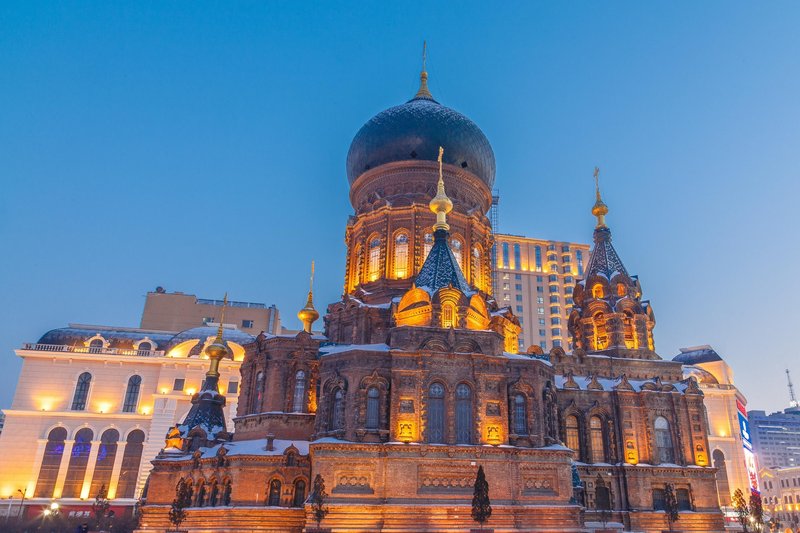
Hotels in Purworejo
Discover your perfect stay in Purworejo.
Purworejo(Indonesia) Travel 2026: Cheap Flights, Hotels & Top Attractions
Popular Landmarks in Purworejo
Discover the most iconic attractions in Purworejo
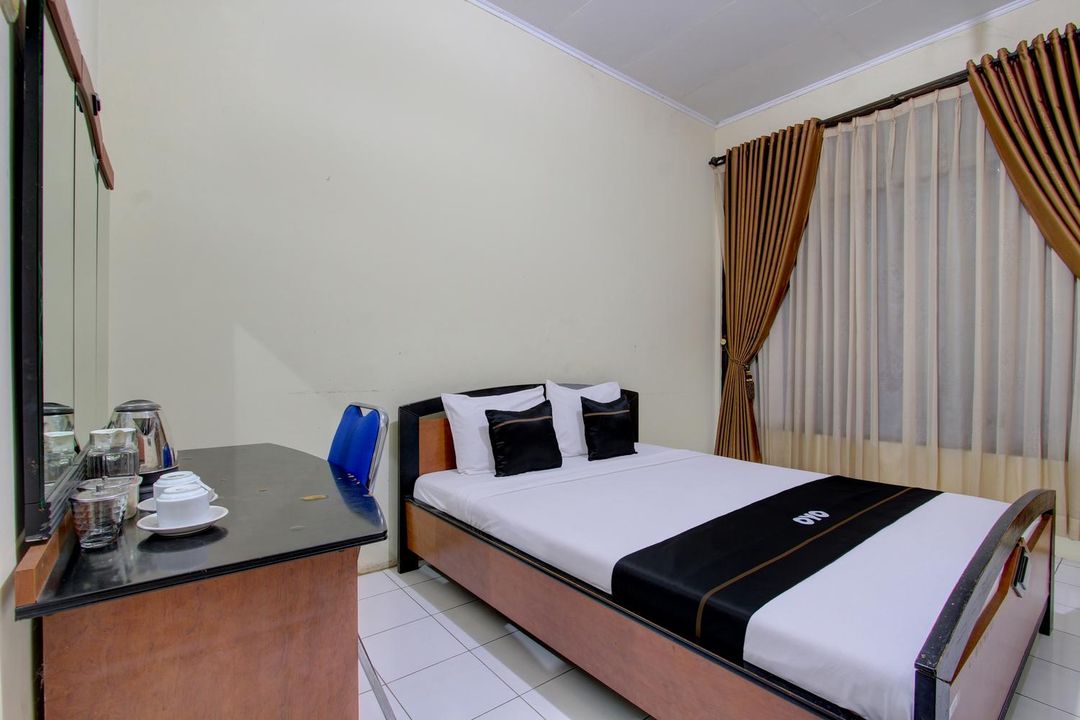
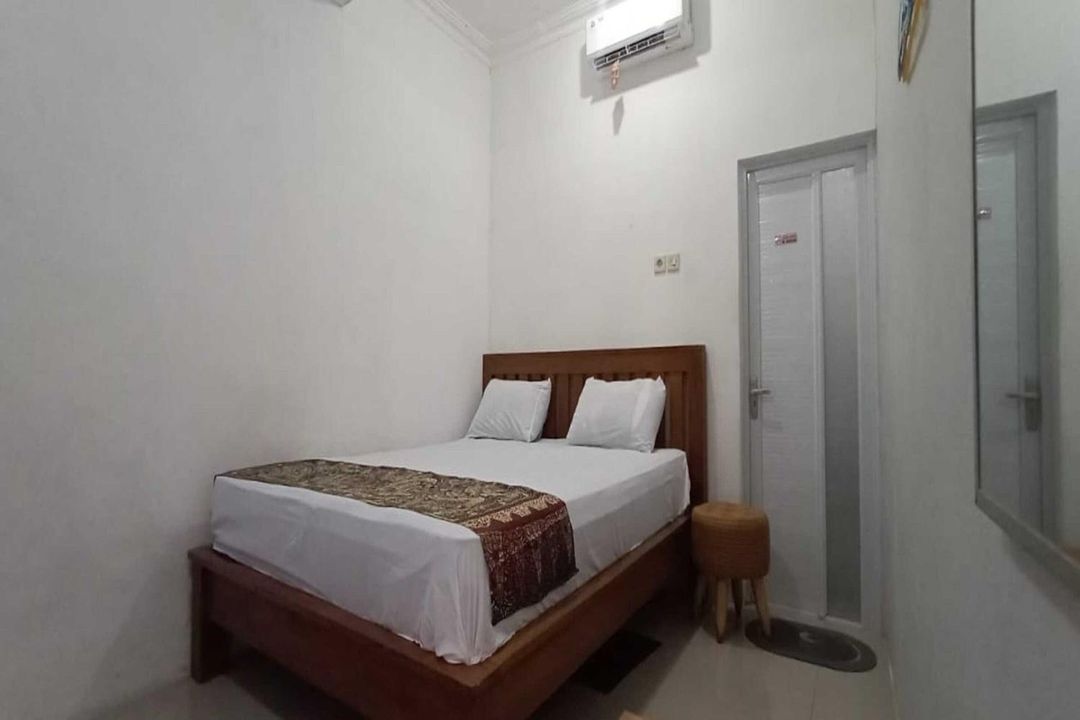
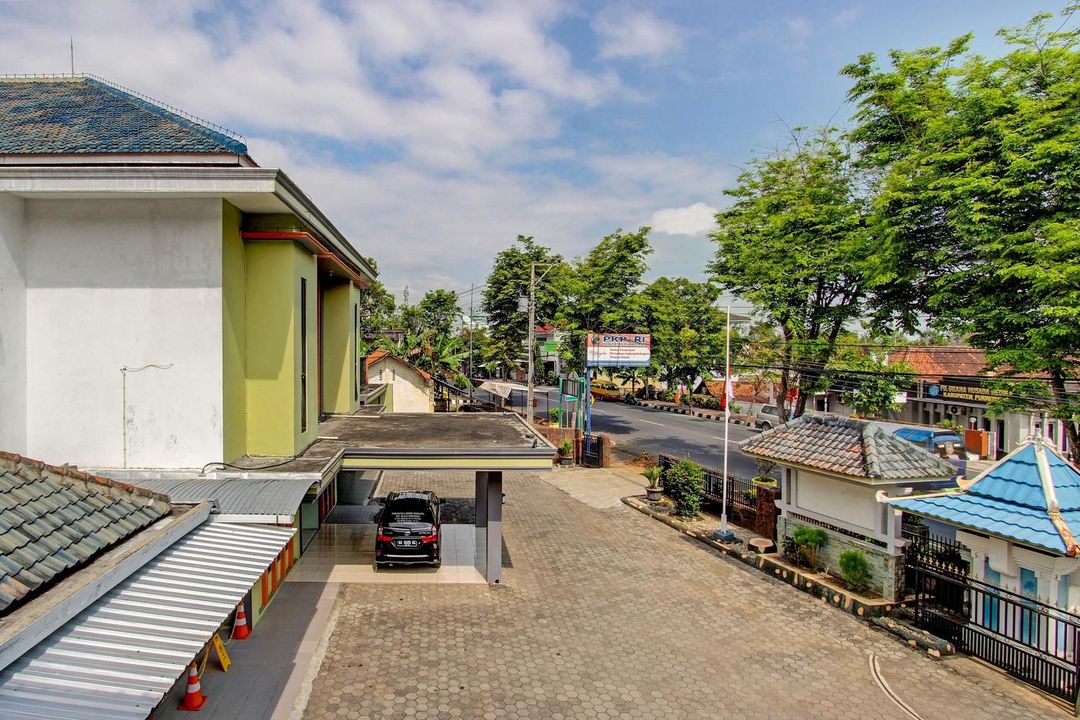
Recommended Hotels in Purworejo
Find the perfect place to stay in Purworejo

Frequently Asked Questions about Traveling to Purworejo
Questions You Might Need to Know About Traveling to Purworejo
In Purohoy, the top family-friendly option is Taman Wisata Candi Prambanan Resort, located just steps from the Prambanan Temple Complex. This resort blends traditional Javanese architecture with modern comforts, offering spacious family suites, a kids’ play area, and a private pool. Guided cultural tours to nearby Borobudur and local villages are available, making it ideal for travelers seeking both relaxation and authentic experiences. The property also hosts interactive workshops like batik painting and traditional dance lessons for children.
The best area for accommodations in Purohoy is along Sleman Road, near the Prambanan Temple Complex. This neighborhood offers quiet surroundings, easy access to major attractions, and a range of boutique hotels and villas such as Prambanan Heritage Villas. Many properties feature traditional Javanese courtyards, private terraces, and proximity to local markets and cafes, providing an immersive experience while remaining convenient for sightseeing and dining.
To immerse yourself in authentic Javanese culture in Purohoy, join a traditional dance workshop at the Prambanan Cultural Center, where you can learn movements from the Ramayana Ballet and wear ceremonial costumes. Visit the Blandas Market to sample handmade Gethuk and Sarong, and explore a batik-making studio to create your own textile. Participating in a family-style meal during a local festival or religious ceremony offers deeper insight into daily life and spiritual traditions.
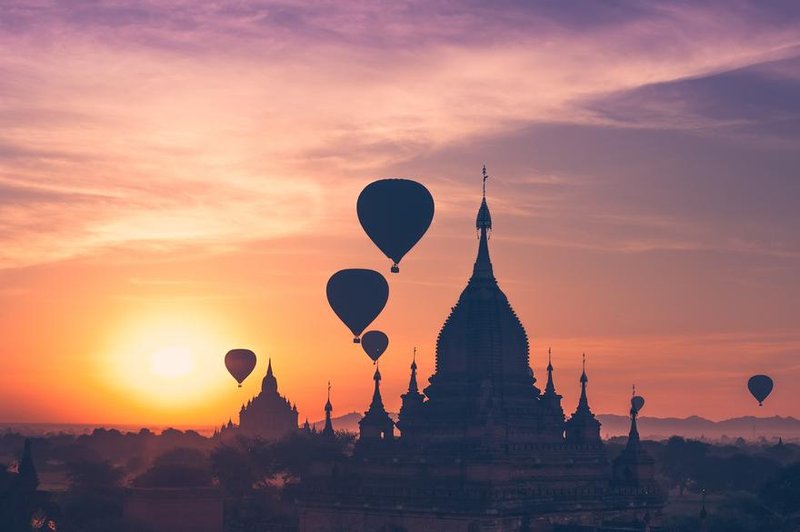
Near Purohoy, the must-visit cultural landmarks are the Prambanan Temple Complex, a Hindu temple site featuring nine towering shrines symbolizing cosmic order, and Borobudur, the world’s largest Buddhist temple, located about one hour away. Both are UNESCO World Heritage Sites. The temples offer profound insights into ancient Javanese religion, art, and cosmology, and are especially magical at sunrise or sunset when light bathes the stone structures in golden hues.
Yes, many hotels in Purohoy provide guided cultural tours. For instance, Taman Wisata Candi Prambanan Resort offers daily excursions to the Prambanan Temple Complex, complete with expert narration on history and symbolism. Some partner with local communities to deliver full-day experiences including village visits, traditional craft workshops, and home-cooked meals, allowing guests to engage deeply with Javanese heritage beyond sightseeing.
Absolutely. Purohoy is a paradise for photographers. Capture stunning reflections of the Prambanan Temple Complex in morning mist and water pools, or frame the silhouette of Borobudur at golden hour. Hotels like Prambanan Heritage Villas boast beautifully designed courtyards perfect for architectural and lifestyle shots. During festivals like the Gamelan Music Festival or traditional weddings, you’ll find rich visual storytelling opportunities—ideal for capturing culture in motion.
Purohoy has a tropical monsoon climate with temperatures ranging from 26–30°C year-round. The rainy season (November to March) brings high humidity and occasional downpours—opt for air-conditioned rooms with anti-moisture features. The dry season (April to October) offers clear skies and ideal conditions for temple visits. Pack lightweight clothing, rain gear, and sunscreen, and avoid midday outings during peak heat to stay comfortable.
In Purohoy, don’t miss a traditional Javanese family meal (Nasi Liwet) hosted by local homestays or resorts like Prambanan Heritage Villas, featuring coconut milk-steamed rice served with fried chicken, fresh vegetables, and peanut sauce. Join a cooking class at Blandas Market to learn how to make Sate and Gado-Gado. During religious festivals, participate in a ceremonial feast accompanied by Gamelan music, experiencing the spiritual and culinary heart of Javanese culture firsthand.
Yes, Purohoy is well-connected. It’s just over an hour from Borobudur, and most hotels offer shuttle services or can arrange car rentals. Travel to Yogyakarta City takes about 1.5 hours, making it a central hub for exploring Central Java. Use local apps like Gojek or Grab for reliable rides. For longer trips, consider hiring a private driver for a full-day itinerary covering Prambanan, Borobudur, and Sangiran Prehistoric Site, ensuring flexibility and comfort.
Hotel prices in Purohoy vary widely: budget guesthouses start at ¥80–150 per night, while boutique villas like Prambanan Heritage Villas cost ¥300–600. Luxury resorts such as Taman Wisata Candi Prambanan Resort range from ¥800+ per night, offering private pools, guided tours, and premium amenities. Prices rise 20–30% during peak seasons (July–August, December), so HopeGoo early is recommended to secure the best rates.
Purworejo Overview
City Summary
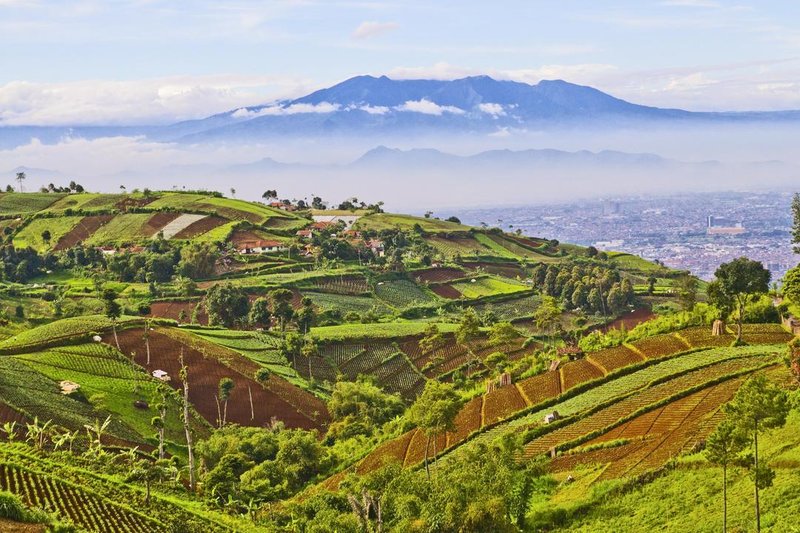
Purworejo, located in Central Java, Indonesia, is a small town rich in history and culture. Known for its traditional Javanese culture and natural beauty, it offers historical sites and serene rural landscapes. The town's core appeal lies in its long history and unique folk traditions, making it an ideal destination for exploring inland Javanese culture.
Must-See Attractions
Key attractions in Purworejo include the Purworejo Regency Museum, showcasing local history and heritage; Kedung Kayang Waterfall, perfect for nature lovers; and Alun-Alun Purworejo, the town's central square brimming with local life. Visitors can also experience traditional Javanese dance and handicraft workshops to delve deeper into the culture.
Food Guide
Purworejo's street food features traditional Javanese dishes. Must-tries include Gudeg (sweet and spicy jackfruit stew), Soto Purworejo (local-style chicken soup), and Klepon (coconut-covered rice cakes). These dishes highlight the region's culinary traditions.
Transportation Guide
Getting around Purworejo relies on motorbike rentals and public buses, which are affordable but infrequent. Renting a motorbike is recommended for exploring nearby attractions. Ride-hailing apps like Grab are available but limited. For long-distance travel, trains or buses to nearby cities like Yogyakarta or Solo are options.
Best Time to Visit
The best time to visit is May to October, when the weather is dry and cool. Avoid the rainy season (November to April) to prevent disruptions. Peak crowds occur during local festivals, so plan ahead.
Travel Tips
- Respect local customs; dress modestly when visiting temples.
- Carry cash, as many small vendors don't accept cards.
- Learn basic Indonesian phrases for easier communication.
- Be cautious with traffic, especially motorbikes.
- Avoid tap water; opt for bottled water.
- Keep the environment clean by disposing of trash properly.
Useful Information
Language: Indonesian and Javanese are spoken; English is limited in tourist areas. Network: 4G is available in town but may be weak in rural areas. Payment: Cash is king; some hotels and restaurants accept cards. Emergency: Hospitals and clinics are available; travel insurance is advised. Voltage: 220V, with two-pin round plugs. Time zone: UTC+7, no daylight saving.