Hotels in Quang Dien
Discover your perfect stay in Quang Dien.
Quang Dien(Vietnam) Travel 2026: Cheap Flights, Hotels & Top Attractions
Popular Landmarks in Quang Dien
Discover the most iconic attractions in Quang Dien
Recommended Hotels in Quang Dien
Find the perfect place to stay in Quang Dien
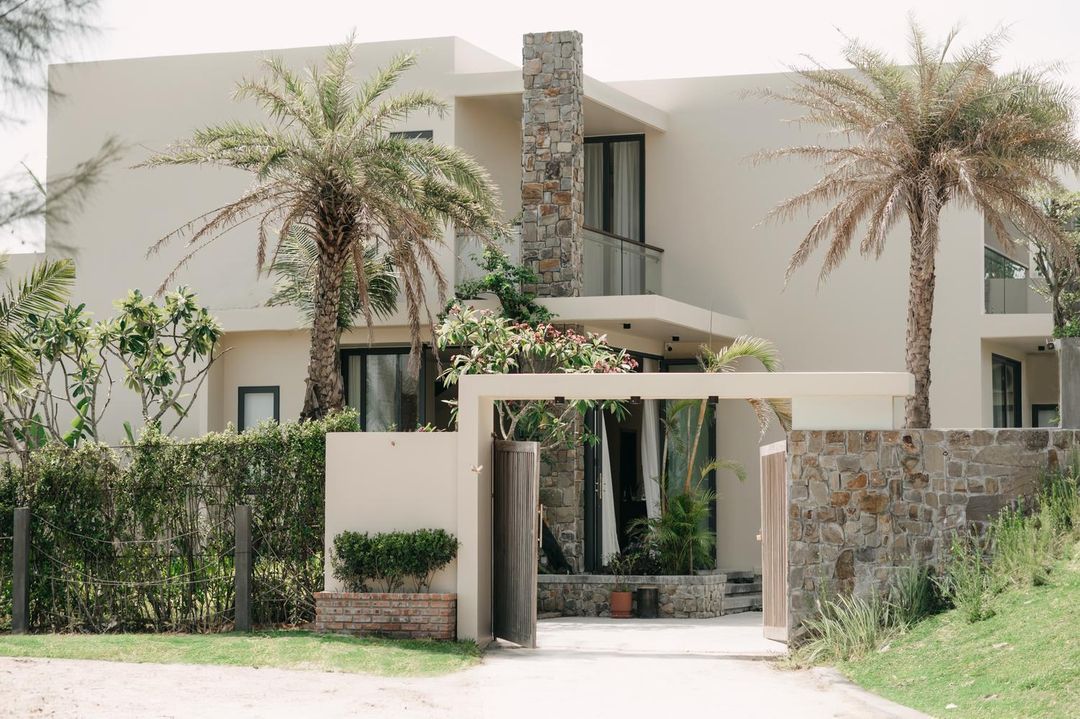
A STAY IN CICI
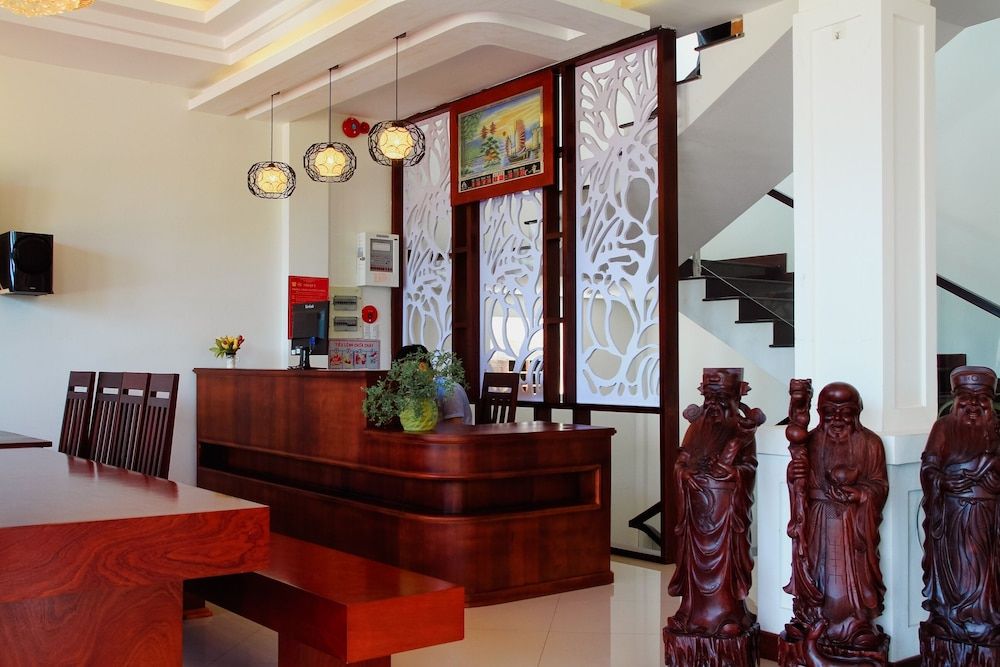
Truong Tinh Hotel
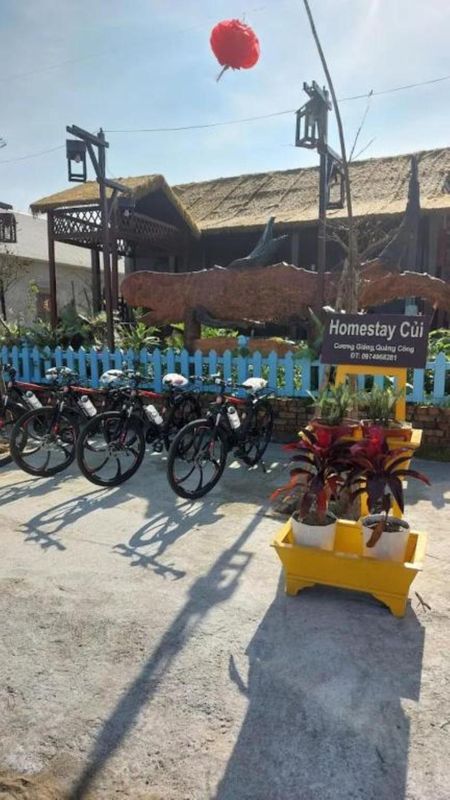
Cui Homestay
Best Hotels in Quang Dien
Discover curated hotel collections in Quang Dien
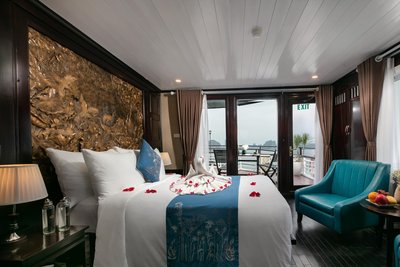
La Regina Classic Cruise
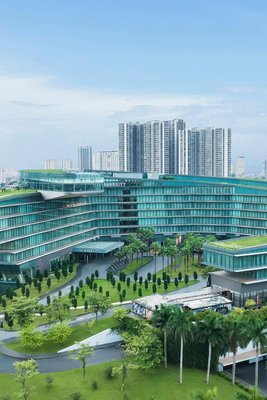
JW Marriott Hotel Hanoi
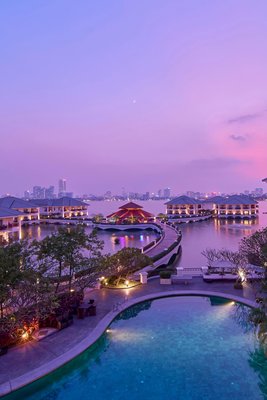
InterContinental Hanoi Westlake
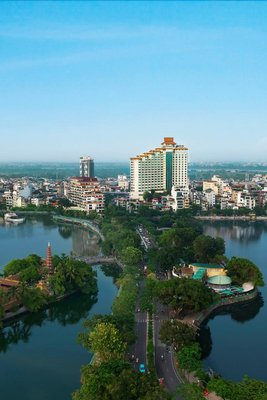
Pan Pacific Hanoi
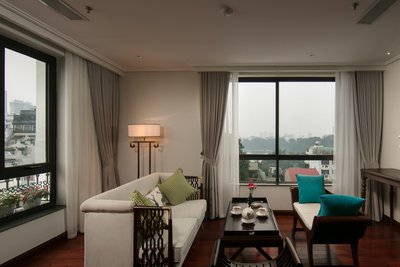
Lucien Hanoi Lakeside Hotel & Rooftop
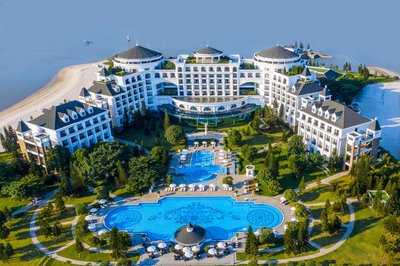
Vinpearl Resort & Spa Ha Long
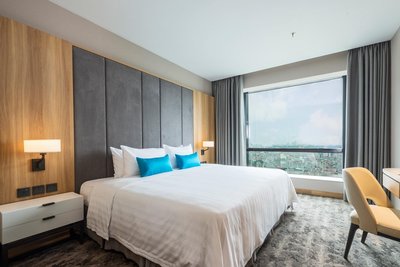
Hanoi Hotel

Flamingo Cat Ba Resort – Managed by Flamingo Hotels & Resorts
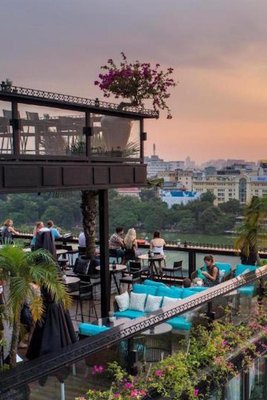
La Sinfonia Majesty Hotel and Spa
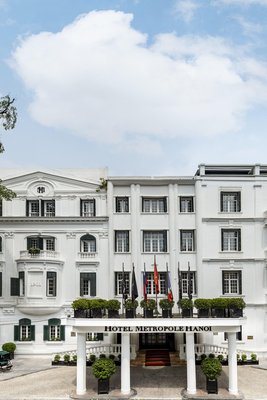
Sofitel Legend Metropole Hanoi
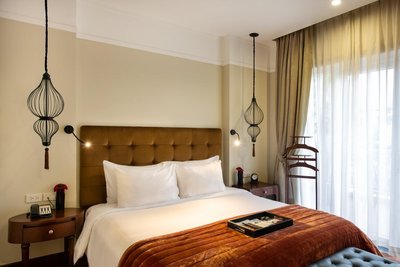
La Siesta Classic Ma May
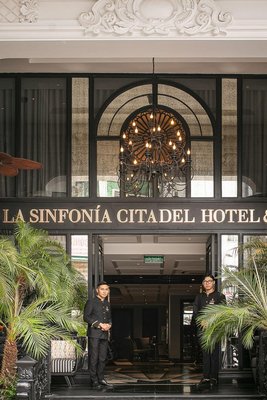
La Sinfonia Citadel Hotel and Spa
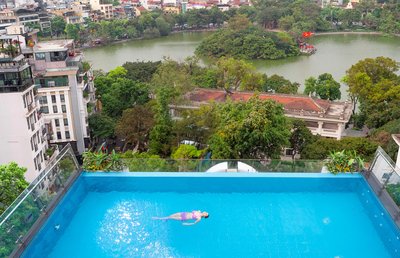
The Oriental Jade Hotel
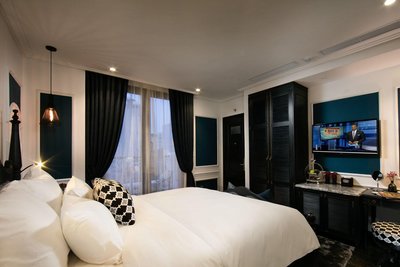
JM Marvel Hotel & Spa
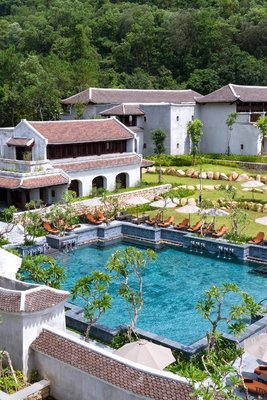
Legacy Yen Tu - MGallery
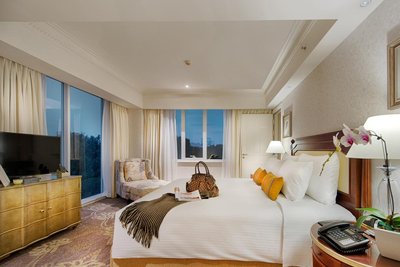
Apricot Hotel
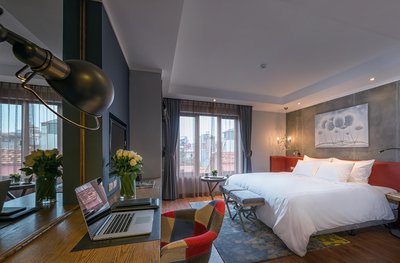
Bespoke Trendy Hotel Hanoi
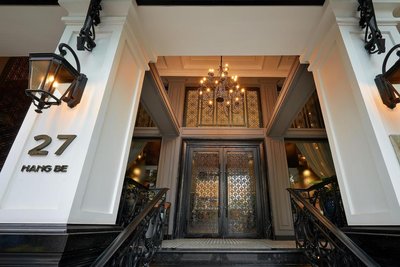
La Siesta Premium Hang Be
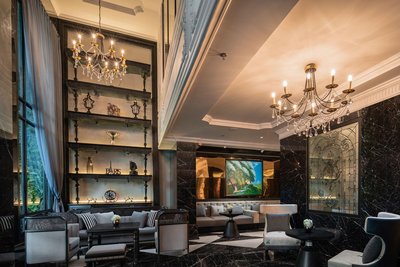
La Sinfonia del Rey Hotel & Spa
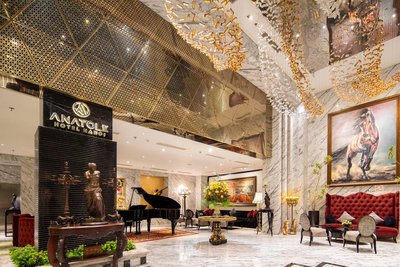
Anatole Hotel Hanoi
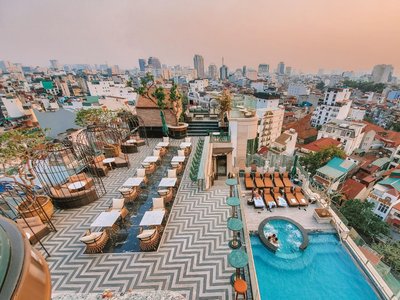
Peridot Grand Luxury Boutique Hotel
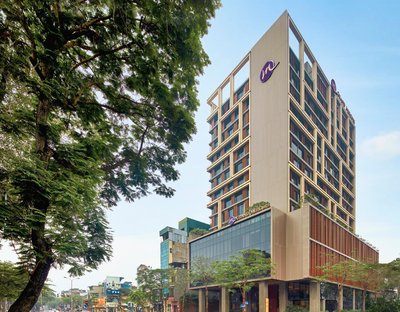
Grand Mercure Hanoi
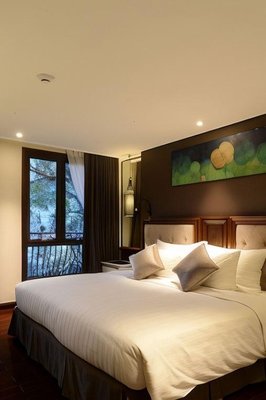
The Chi Boutique Hotel

Aira Boutique Hanoi Hotel & Spa
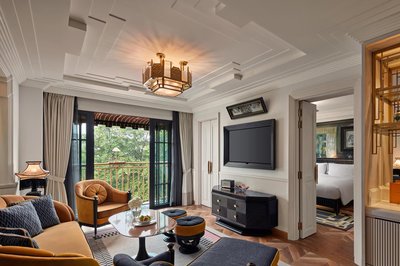
Capella Hanoi
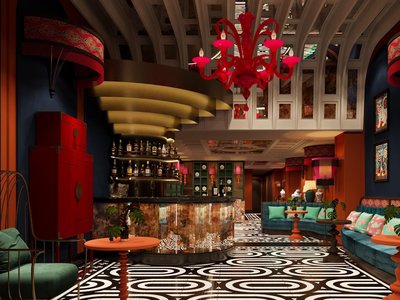
HOTEL du LAC Hanoi
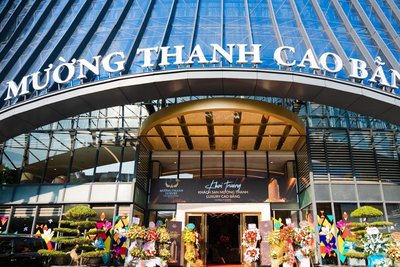
Muong Thanh Luxury Cao Bang
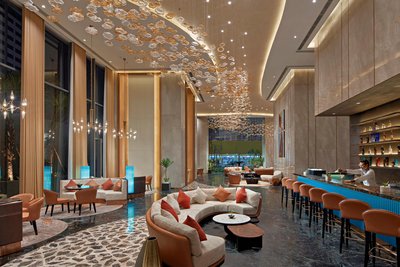
The Watson Premium HaLong Hotel
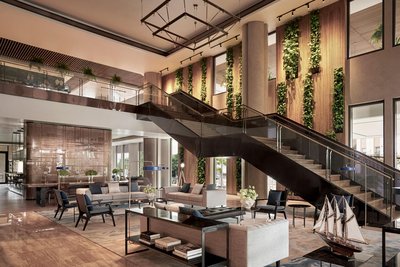
The Yacht Hotel by DC
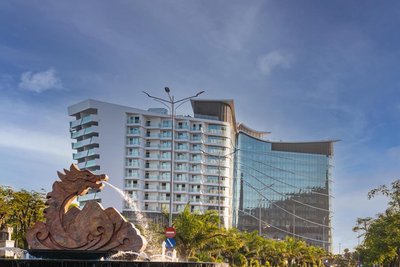
Dream Dragon Resort
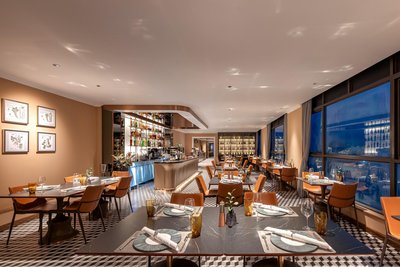
La Siesta Classic Hang Thung
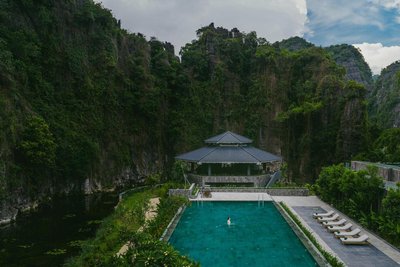
Jiva Hoa Lu Retreat
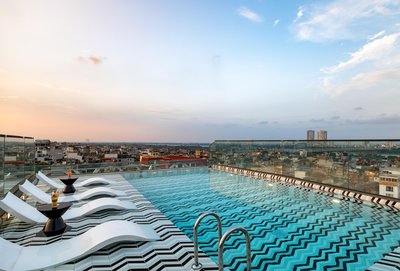
Classyc Hotel
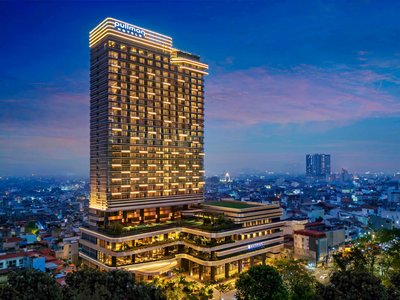
Pullman Hai Phong Grand Hotel
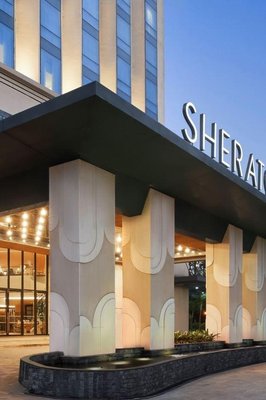
Sheraton Hanoi West

Le Indochina Hotel
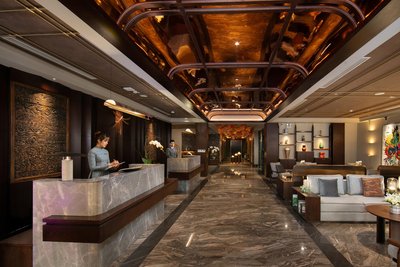
HOTEL de LAGOM
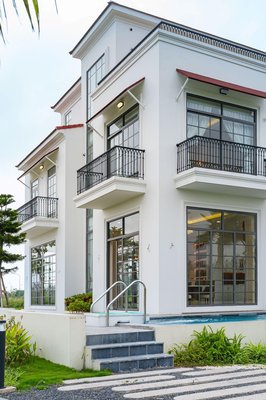
Ruby Tree Golf Villas
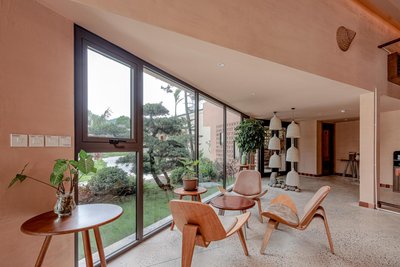
La Sen Village

Vinpearl Hotel Bac Ninh
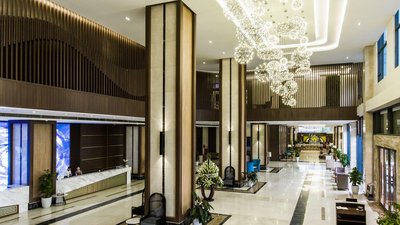
Muong Thanh Luxury Ha Nam
InterContinental Hanoi Westlake
Pan Pacific Hanoi
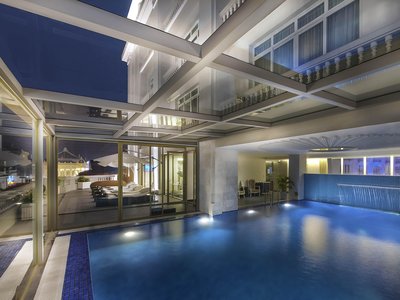
Hotel de l'Opera Hanoi - Mgallery
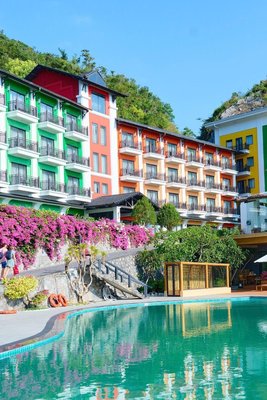
The May Legend Catba
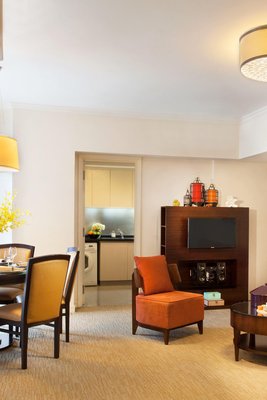
Somerset Grand Hanoi
Sofitel Legend Metropole Hanoi
JW Marriott Hotel Hanoi
La Siesta Premium Hang Be
La Sinfonia del Rey Hotel & Spa
The Oriental Jade Hotel
Aira Boutique Hanoi Hotel & Spa
Capella Hanoi
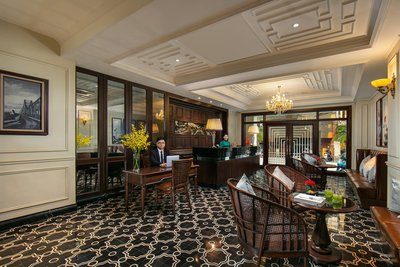
La Mejor Hotel & Sky Bar
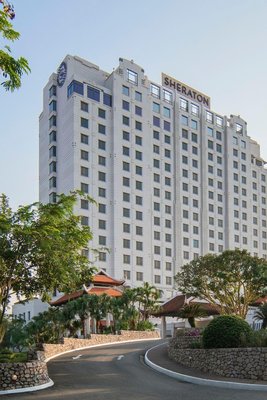
Sheraton Hanoi Hotel
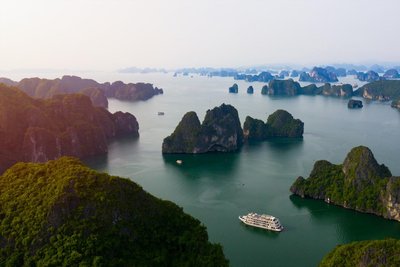
Hermes Cruise
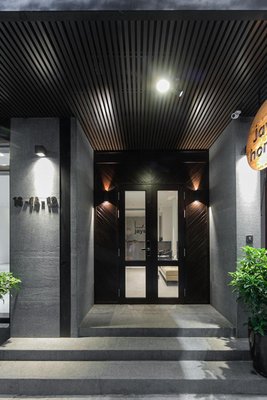
Jayu
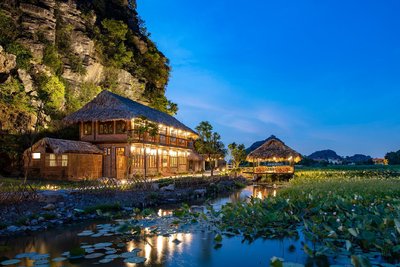
Muong Village Ninh Binh
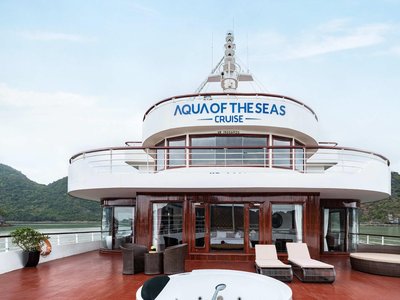
Aqua of the Seas Cruise Ha Long

Indochine Premium Halong Bay
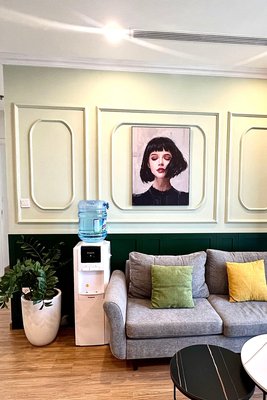
Nanahousing-Nice Apartment near Korea Town & Chinese Area

Mon Cheri Cruises
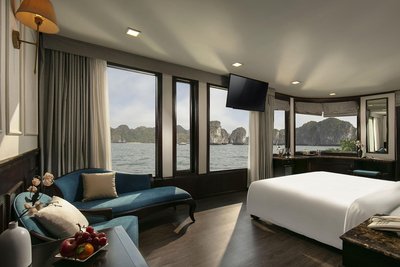
Orchid Trendy Cruise
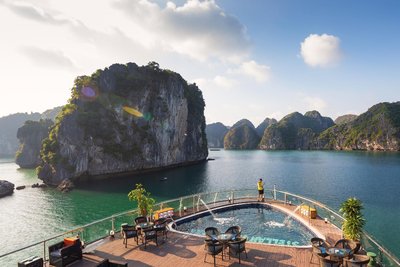
Stellar Of The Seas
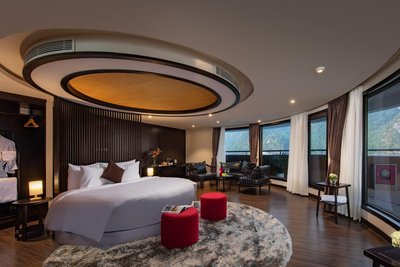
Scarlet Pearl Cruises - Wonder on Lan Ha Bay
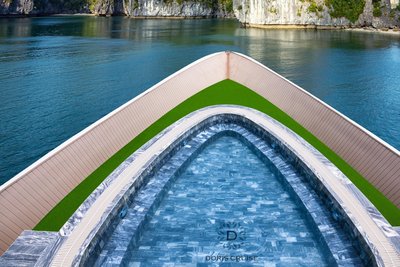
Doris Cruise by Hag
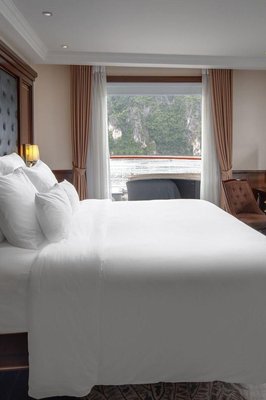
Paradise Elegance Cruise Halong
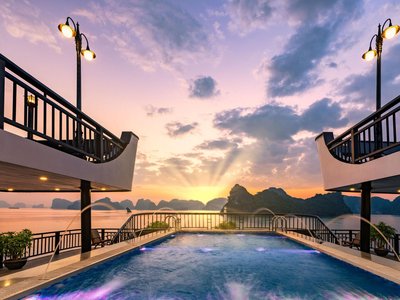
Rita Cruise
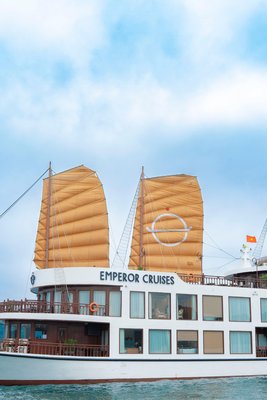
Emperor Cruises Legacy Ha Long
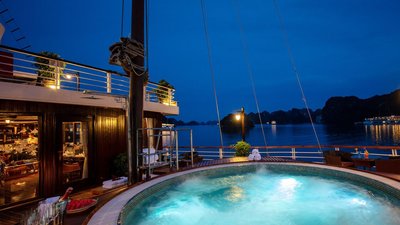
Orchid Classic Cruise
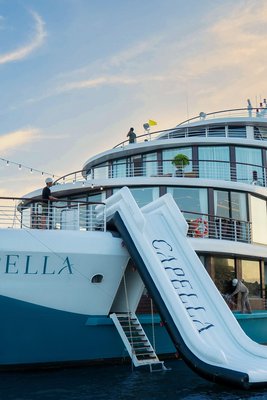
HALONG CAPELLA CRUISE (Member of Lyra Cruise Collection)
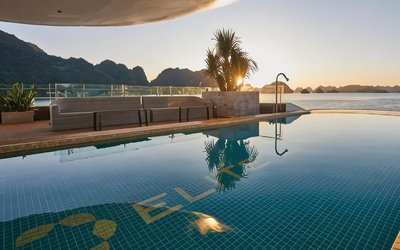
Elite of the Seas

Hotel Barrière Fouquet's New York
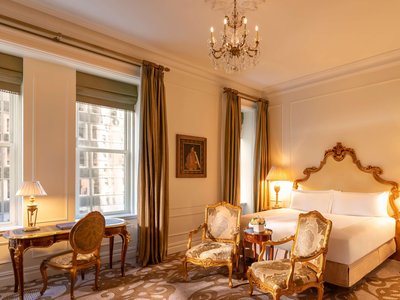
The Plaza - A Fairmont Managed Hotel
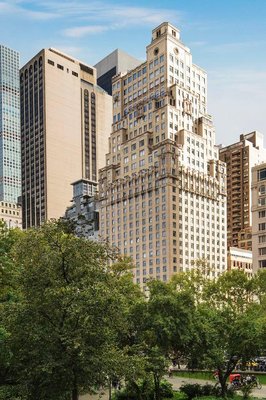
The Ritz-Carlton New York, Central Park
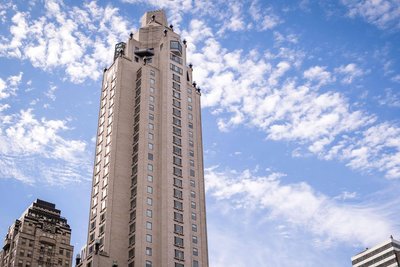
Four Seasons Hotel New York
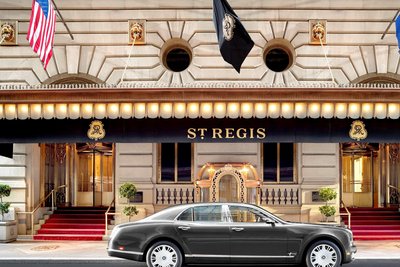
The St. Regis New York
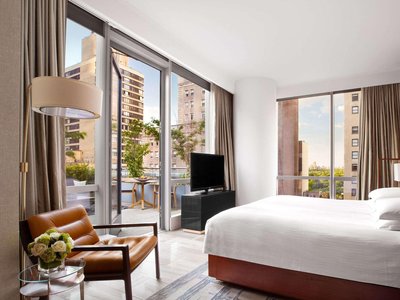
Park Hyatt New York
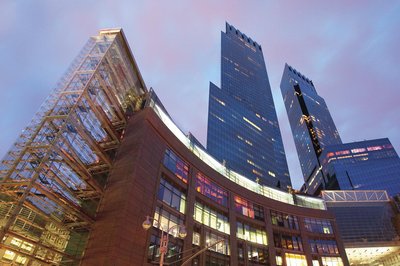
Mandarin Oriental New York
Times Square Edition New York
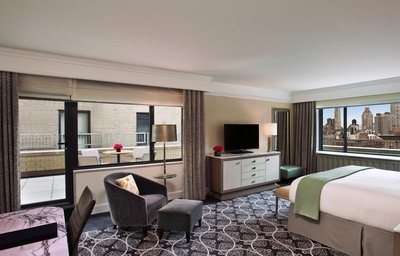
Loews Regency New York Hotel
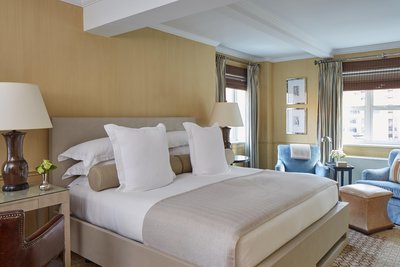
Lowell Hotel
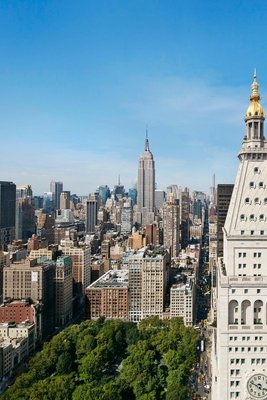
New York Edition
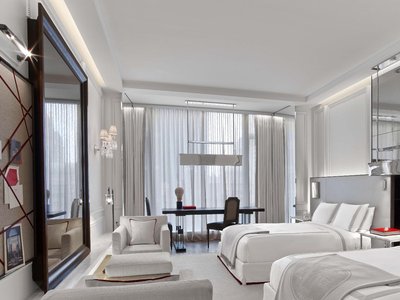
Baccarat Hotel New York
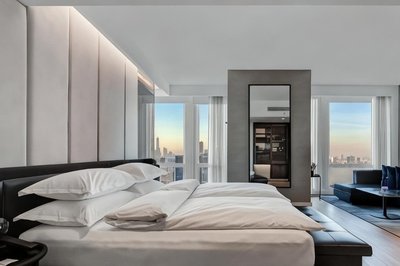
Equinox Hotel New York
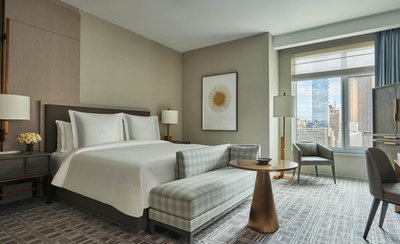
Four Seasons Hotel New York Downtown
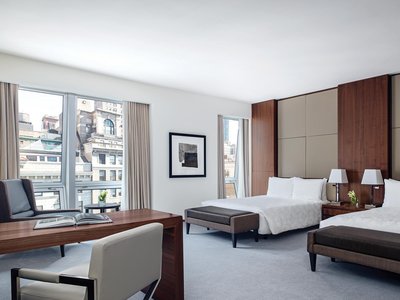
The Langham, New York, Fifth Avenue
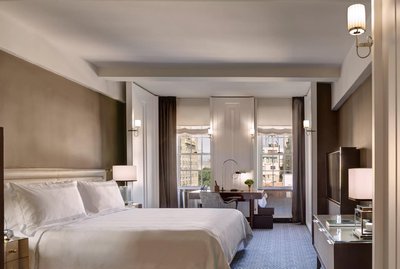
The Carlyle, A Rosewood Hotel

The Chatwal, in the Unbound Collection by Hyatt
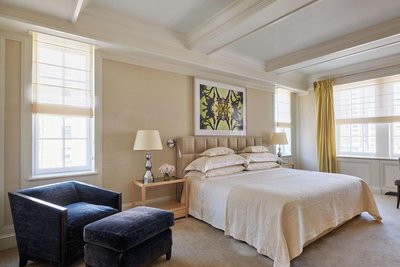
The Mark New York
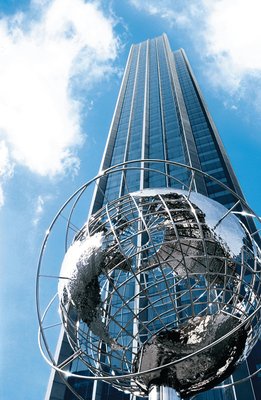
Trump International Hotel & Tower® New York
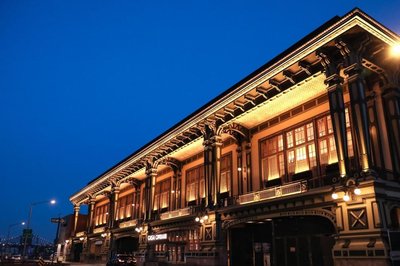
Casa Cipriani New York
Frequently Asked Questions about Traveling to Quang Dien
Questions You Might Need to Know About Traveling to Quang Dien
In Hue City, the best-rated accommodations near the Imperial Citadel include Gia Dinh Ancient Charm Homestay and Hue Heritage Villas. These boutique stays blend Nguyen Dynasty architecture with modern comfort, featuring lush courtyards, traditional thatched roofs, and private gardens overlooking the Perfume River. Guests enjoy access to ceremonial tea ceremonies, guided tours of the Forbidden Purple City, and authentic central Vietnamese cuisine. Many offer multilingual staff and eco-friendly amenities, making them ideal for cultural immersion.
The ancient city district along the Perfume River offers the richest cultural experience in Hue. This area surrounds the Imperial Citadel, Thien Mu Pagoda, and royal tombs, where visitors can walk through historic streets lined with 19th-century houses. Local homestays like Gia Dinh Ancient Charm Homestay provide immersive programs such as court music performances, traditional áo dài workshops, and rice paper lantern-making sessions. The neighborhood also hosts weekly folk festivals and temple rituals, offering genuine insight into central Vietnam’s spiritual traditions.
Yes, several family-friendly options in Hue cater to children. Green Garden Home features a kid-safe courtyard with sand pits, bamboo swings, and hands-on activities like traditional kite-making and paper boat sailing on the Perfume River. The hotel offers family cooking classes using local recipes and provides child-sized robes for royal costume photo shoots. Nearby attractions such as the Royal Museum and royal tomb trails are wheelchair-accessible and include interactive exhibits, making it perfect for intergenerational travel.
Tourists in Hue can participate in rare cultural experiences like living performances of Hue Court Music, a UNESCO-recognized art form performed at the Imperial Citadel’s Tai Ho Palace. Visitors may even join instrument workshops playing the đàn tranh or sáo trúc. Additionally, weekly village festivals feature lion dances, water puppetry, and folk storytelling, while homestay programs offer private tea ceremony lessons and traditional embroidery sessions. These authentic encounters deepen understanding of Vietnam’s central heritage.
Many upscale hotels and homestays in Hue, especially near the Imperial Citadel, provide Chinese-speaking staff. Establishments like Gia Dinh Ancient Charm Homestay offer Mandarin and Cantonese support, with bilingual guides, menus, and digital check-in systems. Some accept WeChat Pay and Alipay, facilitating seamless travel for Chinese visitors. It’s recommended to confirm language availability via HopeGoo platforms like HopeGoo or HopeGoo before arrival.
Absolutely. Hue is becoming a popular destination for digital nomads due to its peaceful atmosphere and strong cultural offerings. Hotels like Hue Heritage Villas offer weekly rental packages with high-speed Wi-Fi, co-working spaces, and flexible check-in times. Guests can work remotely while attending daily cultural workshops—from calligraphy to royal cuisine classes. The city’s low cost of living, clean air, and proximity to nature make it ideal for extended stays focused on creativity and wellness.
Must-try dishes in Hue include Bún Bò Huế, a spicy beef noodle soup with rich five-spice broth and fermented chili paste; Chả Gà Nếp, steamed chicken wrapped in banana leaves; and Bánh Đa, a savory rice flour cake served cold with peanut sauce and fresh herbs. Try them at Nha Beo Street’s century-old stalls or through home dining experiences hosted by local families. Many hotels also offer private cooking classes where guests learn to prepare these iconic dishes using ancestral recipes.
The best time to visit Hue is during the dry season from February to April and October to December, when temperatures range from 22–30°C with low humidity. These months avoid the heavy rains of May to September, including typhoon season. Spring and autumn offer ideal conditions for exploring the Imperial Citadel, royal tombs, and river cruises. Even if rain occurs, indoor cultural venues like museums and artisan studios remain accessible and enriching.
Yes, the peripheral districts along the Perfume River, especially near Thien Mu Pagoda and Gia Dinh Village, offer serene retreats. Here, tranquil riverfront homestays provide private gardens, morning meditation spaces, and sunset views over the water. Visitors can enjoy silent walking paths, lotus-filled ponds, and early-morning temple visits without crowds. These areas are ideal for yoga, journaling, or simply disconnecting from urban life, blending tranquility with deep cultural roots.
Getting around Hue is very convenient without a car. Most attractions—including the Imperial Citadel, royal tombs, and Thien Mu Pagoda—are within walking distance or reachable by electric bike rentals and local motorbike taxis. Public buses connect major zones, and many hotels offer free shuttle services. For longer trips, train stations and intercity bus terminals are well-integrated. Ride-hailing apps like Grab operate widely, ensuring safe, affordable, and flexible transport throughout the city.
Quang Dien Overview
City Summary
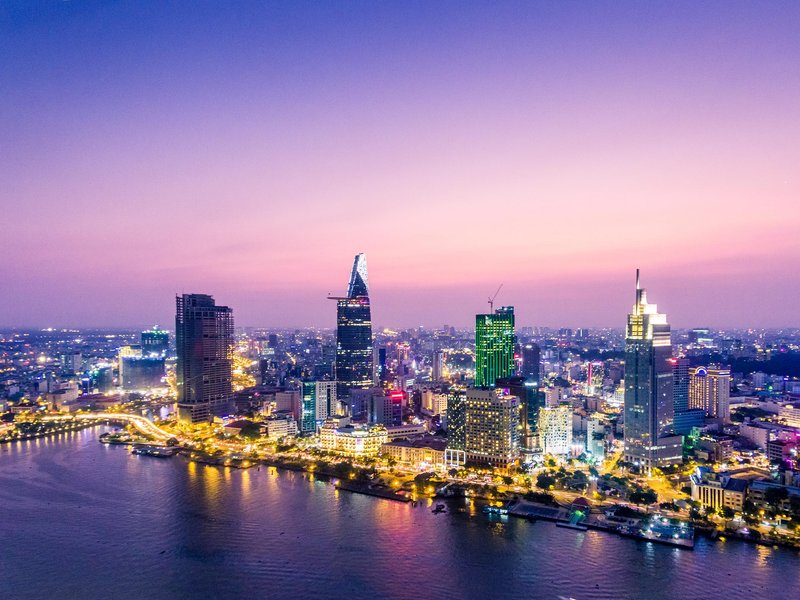
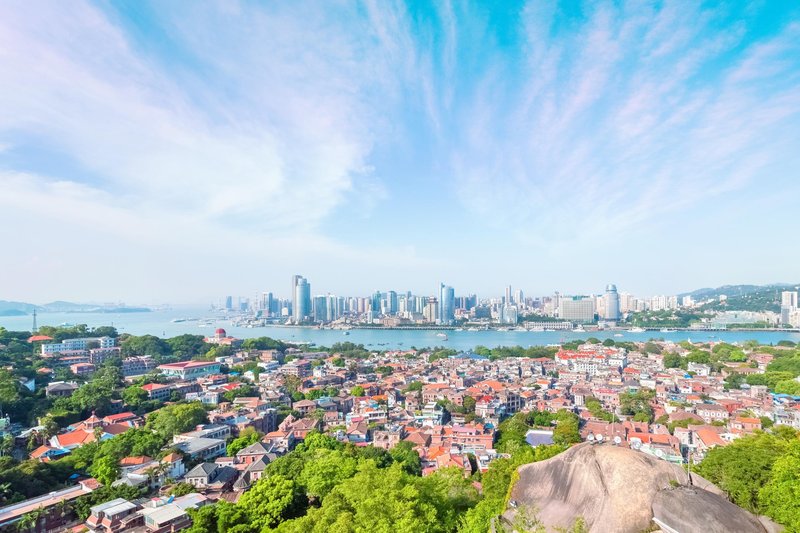
Guang Tian is located in Thua Thien-Hue Province, Vietnam, known for its cultural heritage and natural beauty. It offers a glimpse into rural life in central Vietnam with its traditional fishing villages and stunning coastline. Key attractions include ancient temples, pristine beaches, and local handicraft markets.
Must-See Attractions
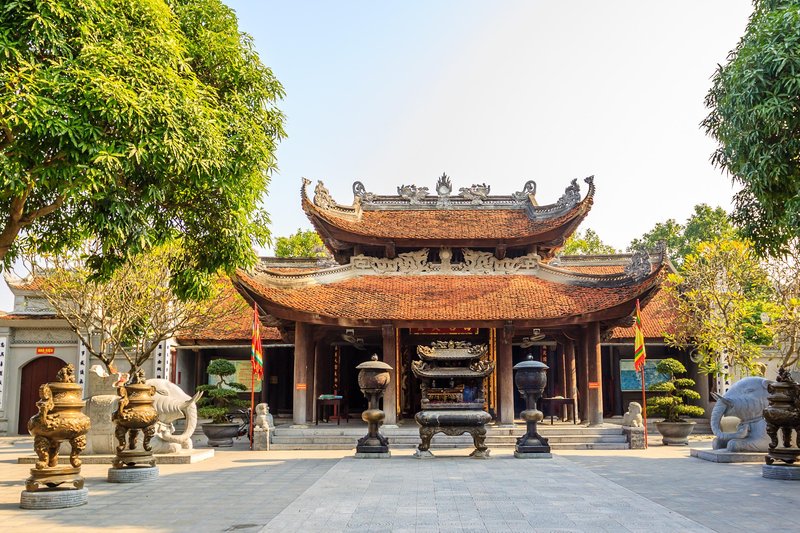
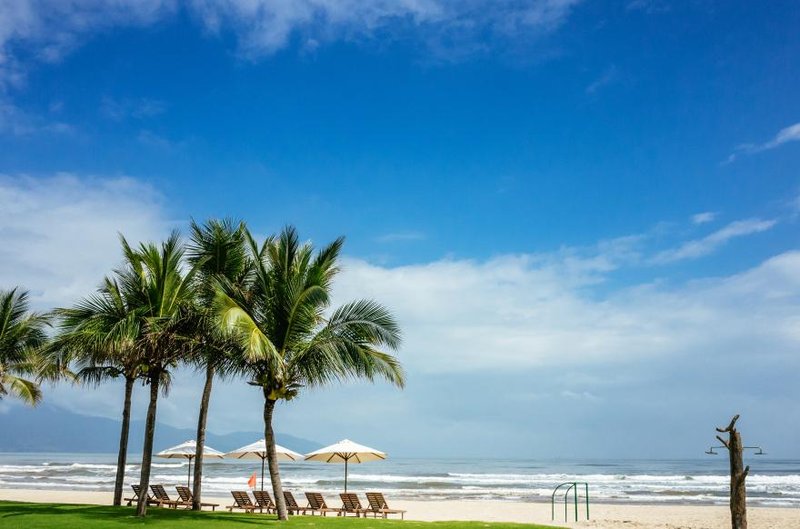
Must-see spots in Guang Tian include the ancient Linh Ung Pagoda and Guang Tian Beach. The pagoda features exquisite Vietnamese Buddhist architecture, while the beach is famed for its clear waters and peaceful atmosphere. Visitors can also explore local fishing villages to experience traditional fishing methods and handicraft making.
Food Guide
Guang Tian's street food scene is dominated by seafood. Don't miss the grilled squid and Vietnamese spring rolls. Local specialties also include Guang Tian fish sauce and rice paper rolls, available at street stalls and local eateries.
Transportation Guide
Transport in Guang Tian relies mainly on motorbikes and taxis. There is no subway system; renting a motorbike is recommended for flexibility. The journey from Hue city center to Guang Tian takes about 1 hour by bus or private car.
Best Time to Visit
The best time to visit is from December to April when the weather is cool and dry, ideal for beach activities and cultural exploration. Avoid the rainy season (September to November) due to typhoon risks.
Travel Tips
- Respect local customs by dressing modestly when visiting temples.
- Bargaining is common in seafood markets, but remain polite.
- Drink bottled water to avoid stomach issues.
- Learning basic Vietnamese greetings can help with communication.
- Use sunscreen, especially during beach activities.
Useful Information
The primary language is Vietnamese, with some English spoken in tourist areas. Internet coverage is good, with free Wi-Fi at major hotels and cafes. Cash is preferred, though credit cards are accepted at larger hotels and restaurants. In emergencies, dial 113. Travel insurance is recommended.