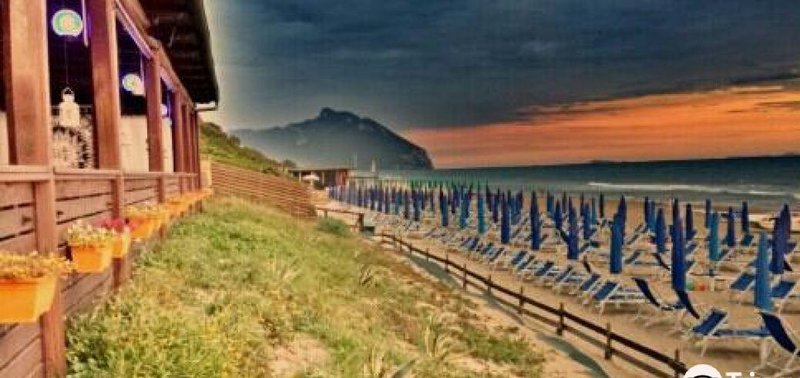
Hotels in Quarona
Discover your perfect stay in Quarona.
Quarona(Italy) Travel 2026: Cheap Flights, Hotels & Top Attractions
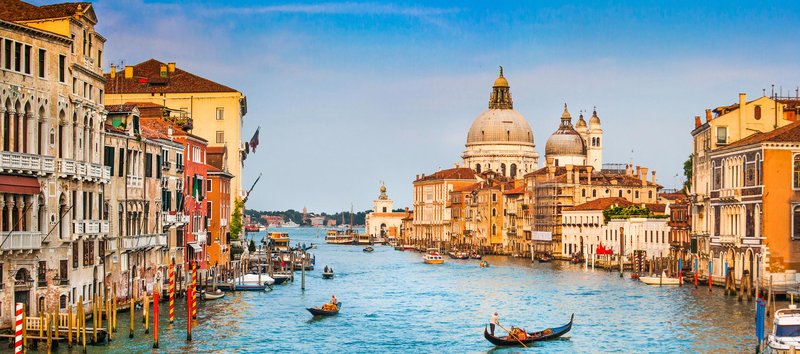
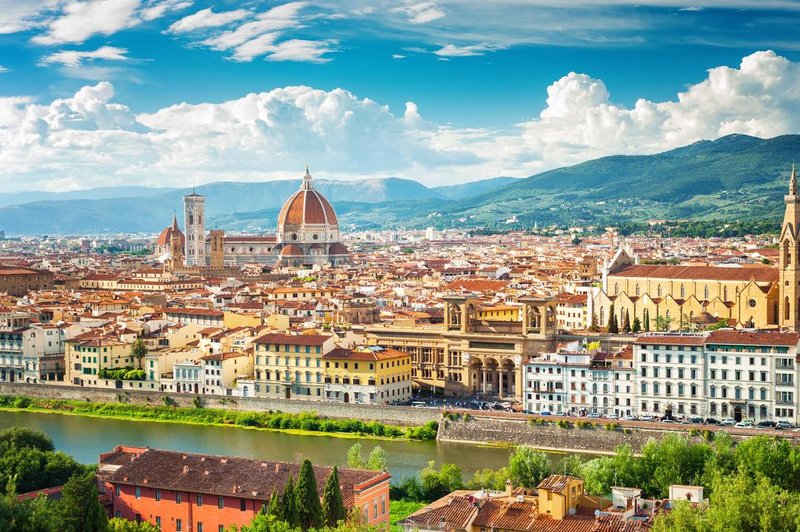
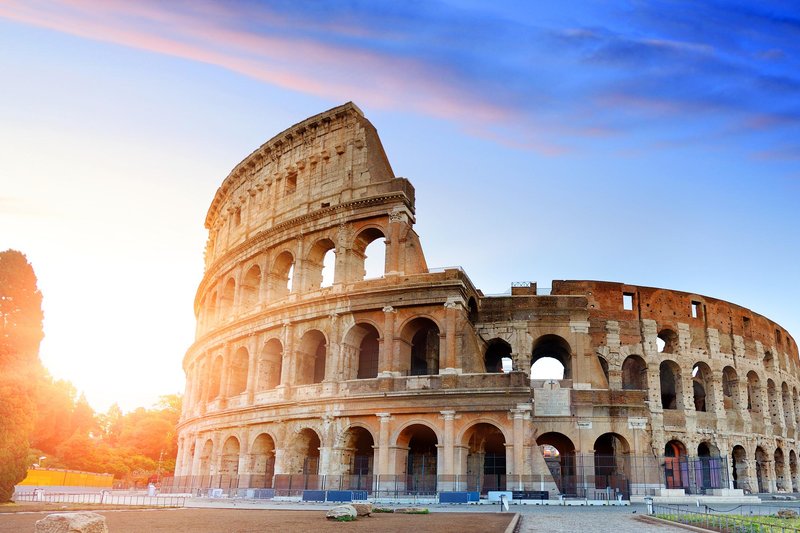
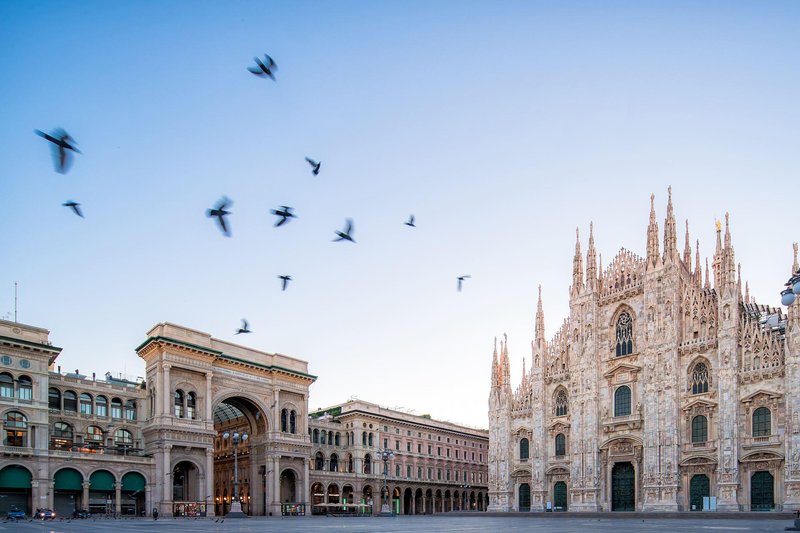
Popular Landmarks in Quarona
Discover the most iconic attractions in Quarona
Recommended Hotels in Quarona
Find the perfect place to stay in Quarona
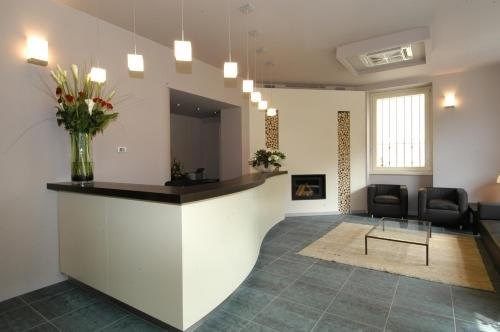
Albergo Grand Italia
Best Hotels in Quarona
Discover curated hotel collections in Quarona
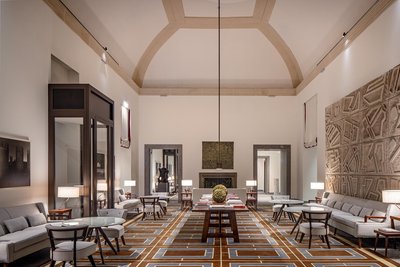
Portrait Milano - Lungarno Collection
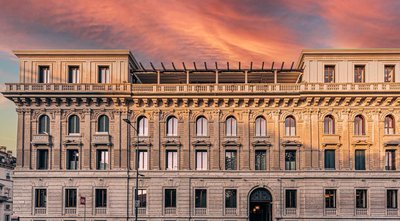
Casa Cipriani Milano
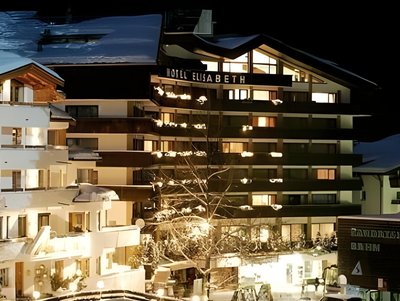
Elizabeth Arthotel
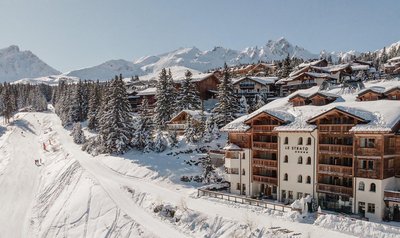
Le Strato
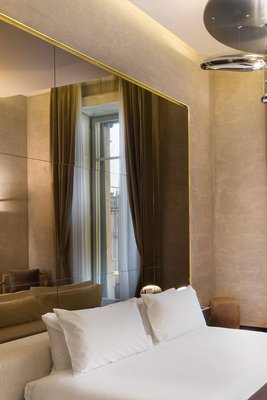
The Glamore Milano Duomo
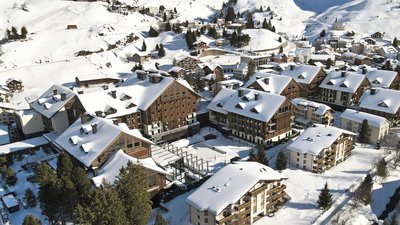
The Chedi Andermatt, Switzerland
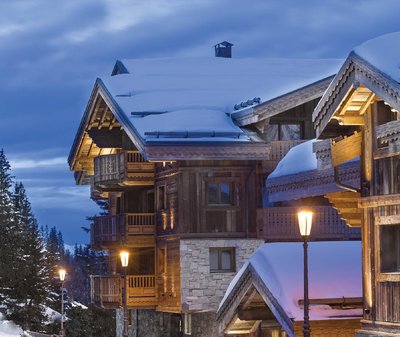
Six Senses Residences Courchevel
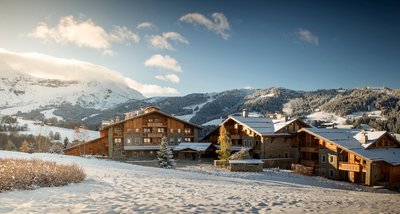
Four Seasons Hotel Megeve
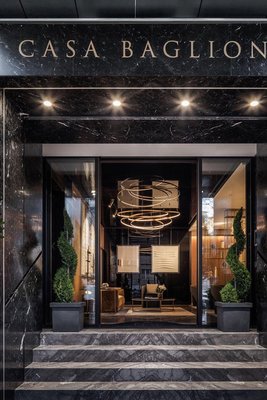
Casa Baglioni Milan - the Leading Hotels of the World
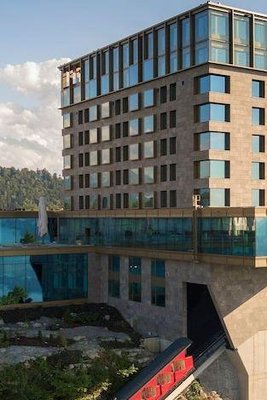
Burgenstock Hotel & Alpine Spa
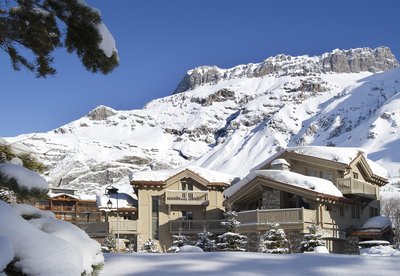
Hotel le K2 Altitude
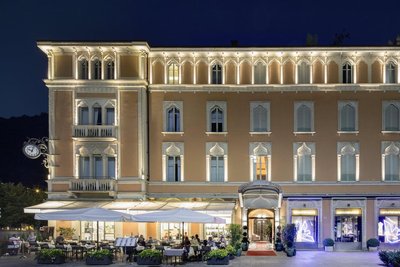
Vista Lago di Como
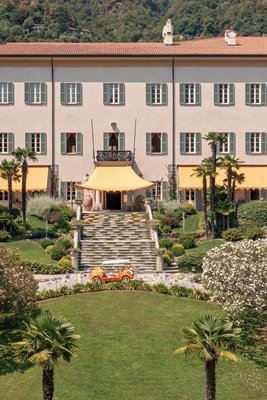
Passalacqua
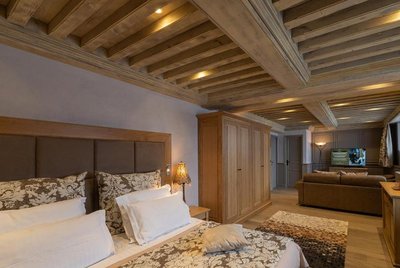
Le Lana
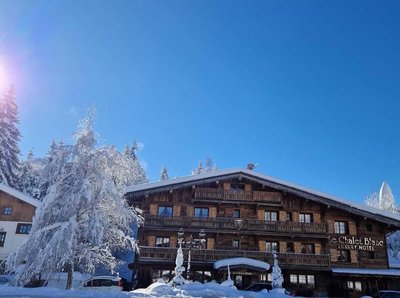
Le Chalet Blanc
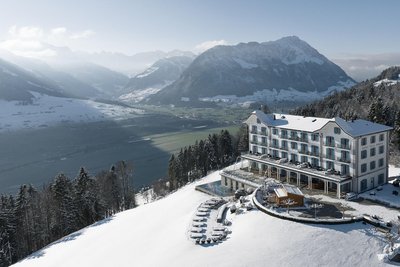
Hotel Villa Honegg
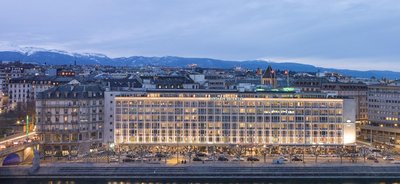
Mandarin Oriental, Geneva
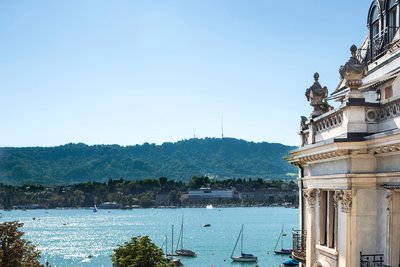
La Réserve Eden au Lac Zurich
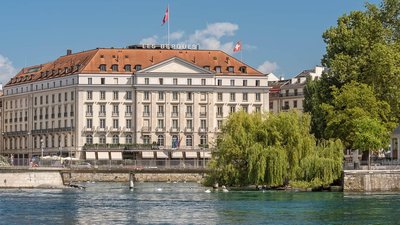
Four Seasons Hotel des Bergues Geneva
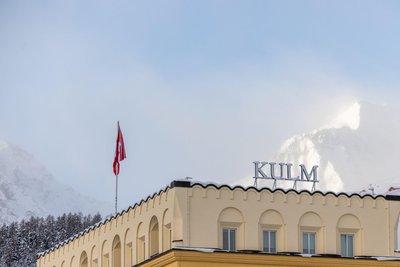
Kulm Hotel St. Moritz
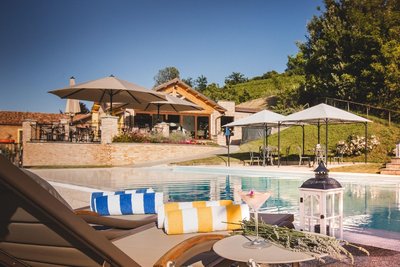
Relais Almaranto
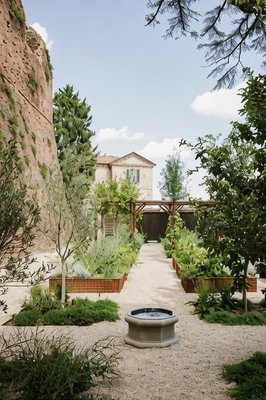
Rocca di Arignano
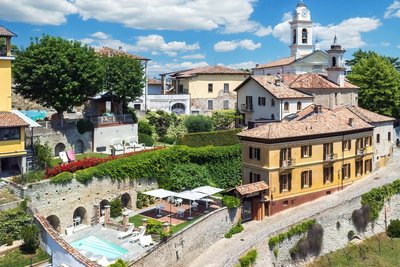
Relais Villa del Borgo
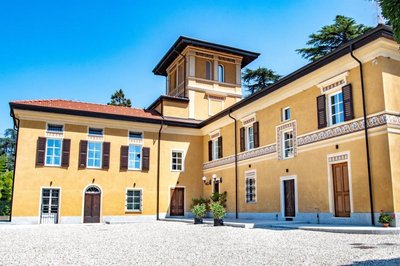
Capriccio Art Hotel

Alagna Mountain Resort & SPA
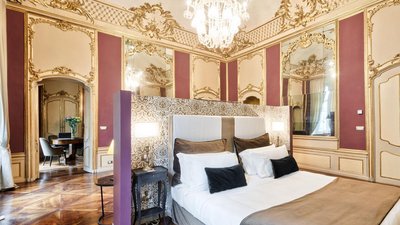
Palazzo Del Carretto-Art Apartments and Guesthouse
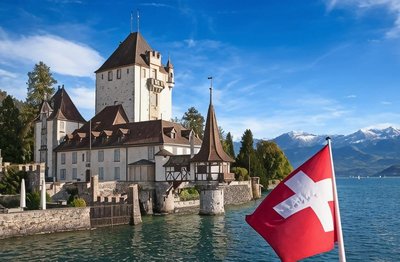
Hapimag Ferienwohnungen Interlaken
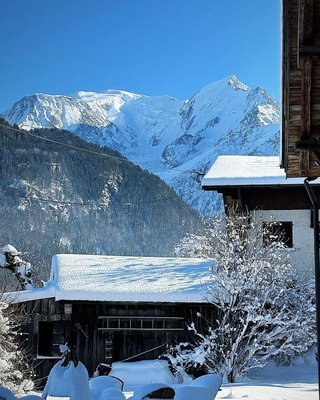
Wanderful Life MontBlanc Refuge Haut de Gamme
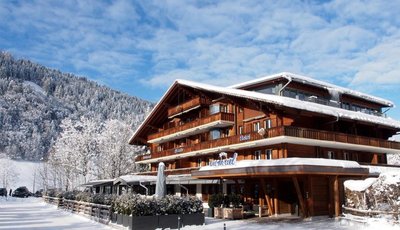
Hotel Arc-en-Ciel Gstaad
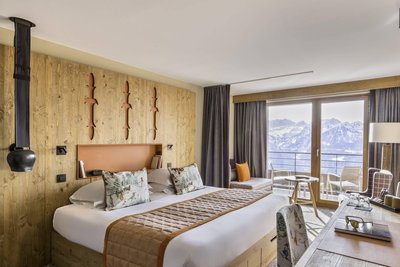
Club Med La Rosière
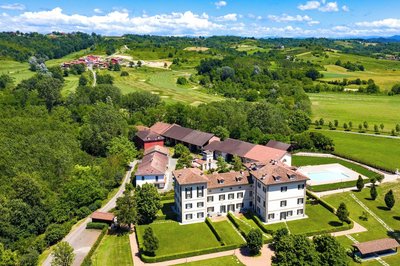
Villa Raggi
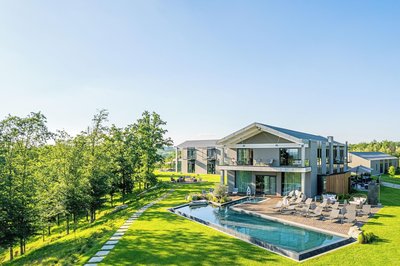
Le Cattedrali Relais by Laqua Collection
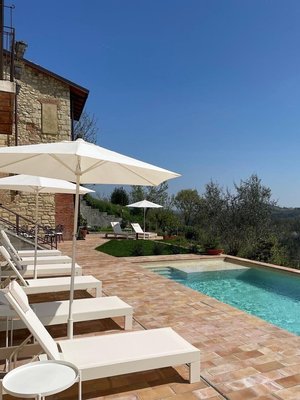
Relais Dal Cavaliere
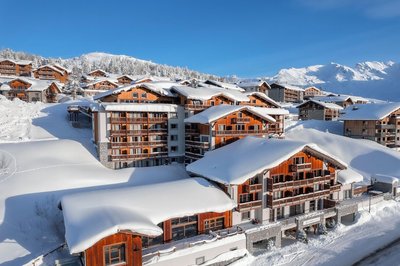
Ily Hotels & Spa la Rosiere
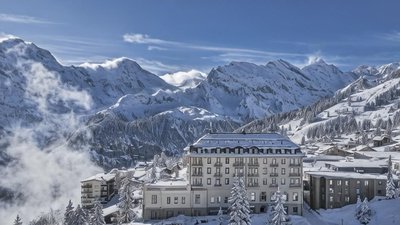
Hotel Mürren Palace
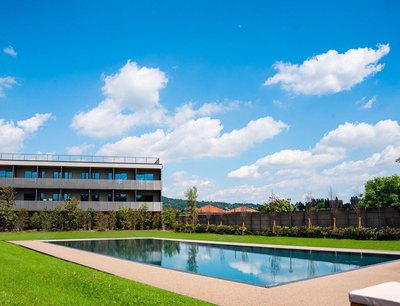
Como Hills Hotel
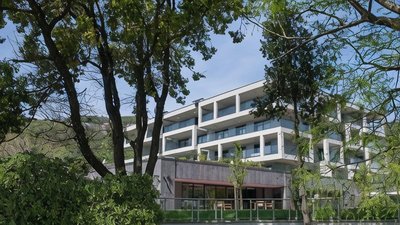
Swiss Diamond Boutique Hotel La Romantica
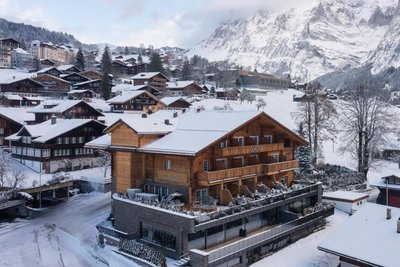
Boutique Hotel Glacier
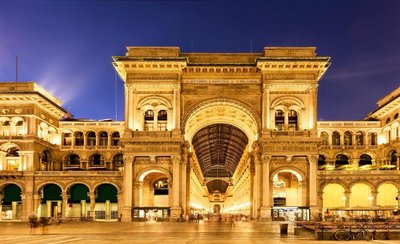
Art Hotel Navigli
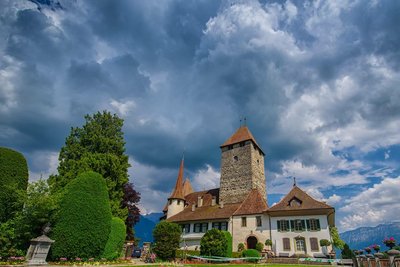
Hotel Eden Spiez
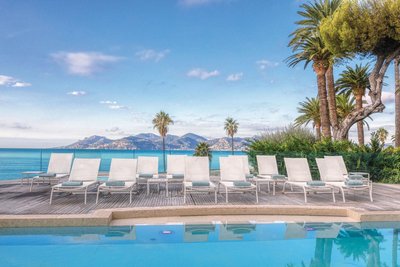
Canopy by Hilton Cannes
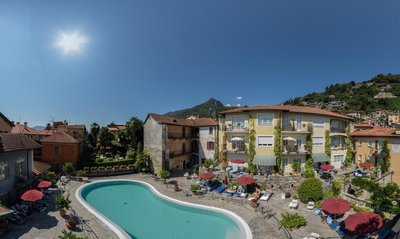
Hotel Cannero
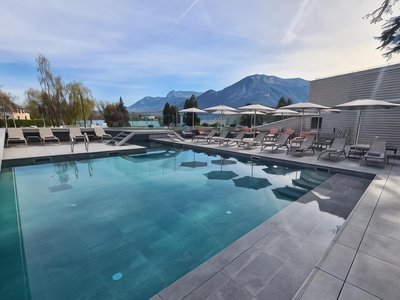
Le Pélican
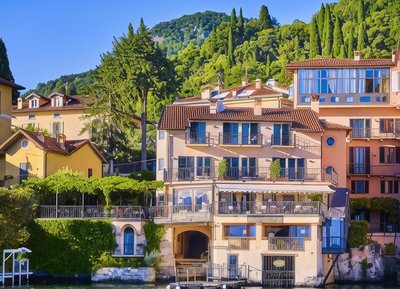
Casa du Lac, by R Collection Hotels
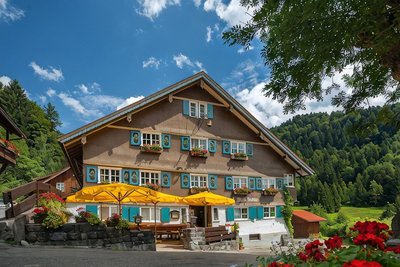
Hotel Bad Rain Mit Oberstaufen PlusGolf
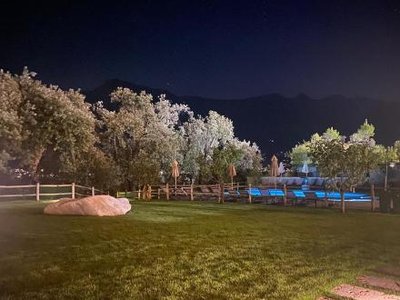
Sibenbras Natural Aparthotel
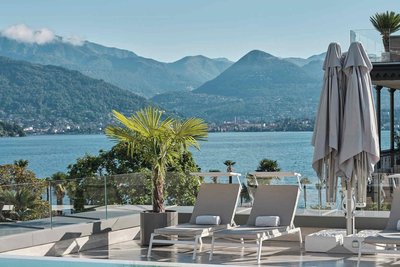
Boutique Hotel Stresa
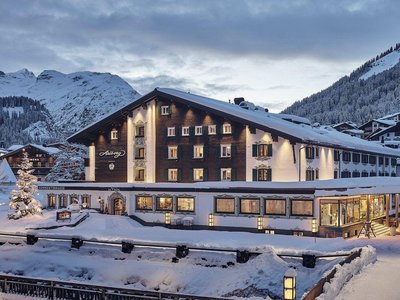
Hotel Arlberg Lech
Hapimag Ferienwohnungen Interlaken
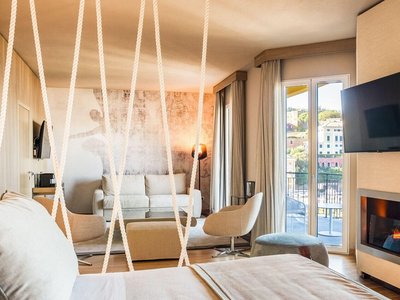
Miramare Suites
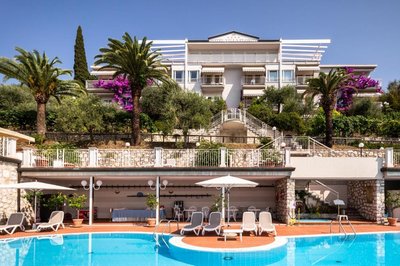
Hotel Villa Florida & Suite Apartments
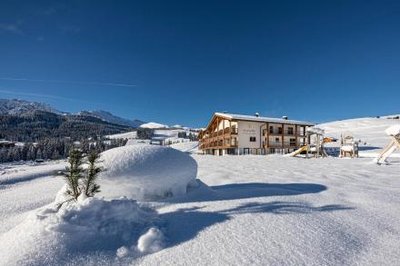
Brunelle Seiser Alm Lodge
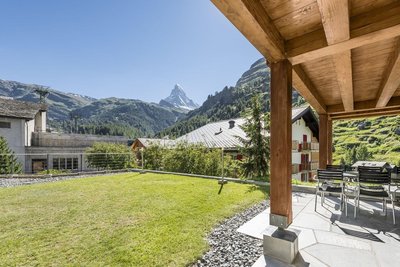
Ari Resort Apartments
Burgenstock Hotel & Alpine Spa
Vista Lago di Como
Passalacqua
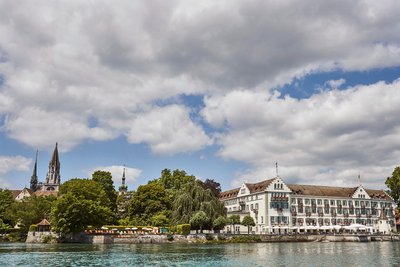
Steigenberger Inselhotel
Hotel Villa Honegg
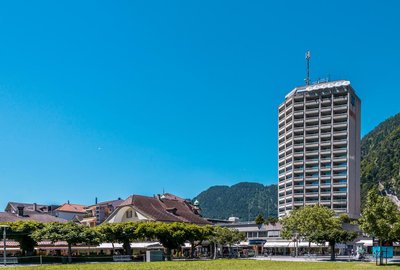
Hotel Metropole Interlaken
Hotel Eden Spiez
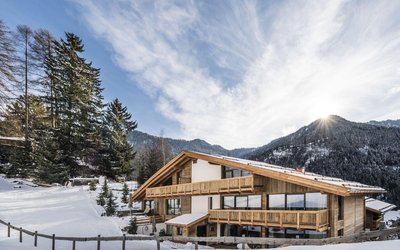
Hotel Montchalet
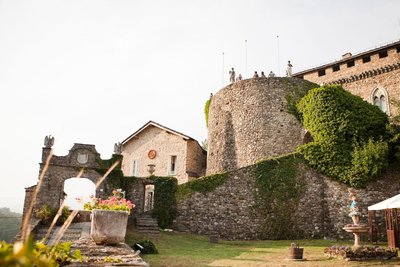
Castello di Compiano Hotel Relais Museum
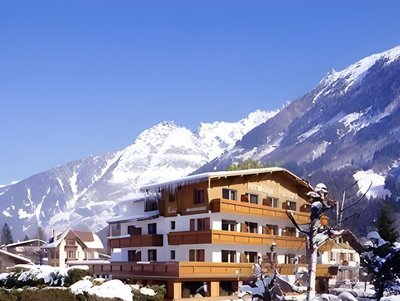
Chalet Hôtel Hermitage Chamonix
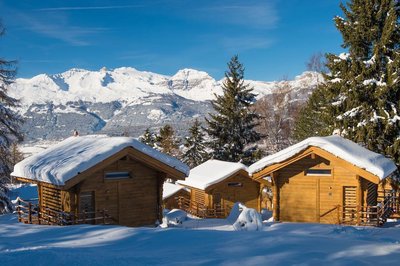
Les Mazots de la Source & Spa
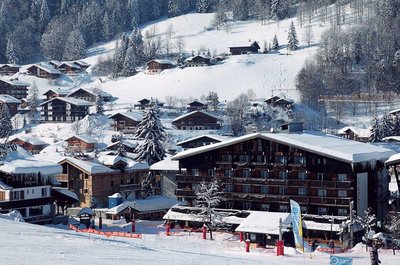
Chalet-Hôtel la Marmotte, la Tapiaz & Spa, the Originals Relais
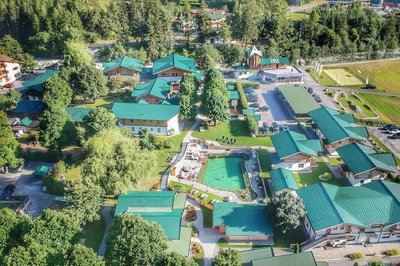
Feelfree Nature Resort
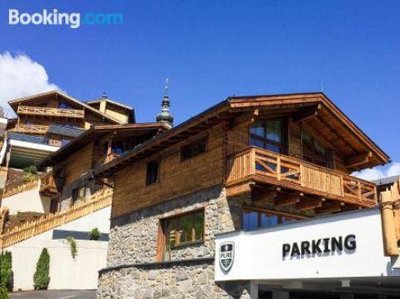
Pur Suites & Chalets
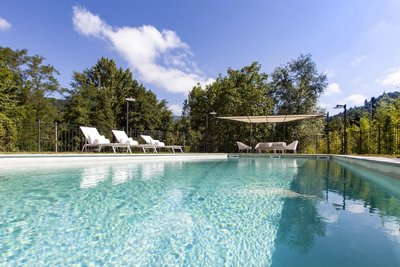
Castello di Pontebosio Luxury Resort
Passalacqua
Le Chalet Blanc
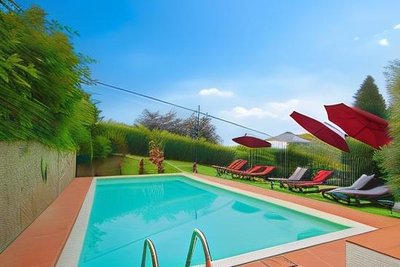
Hotel Villa Sermolli
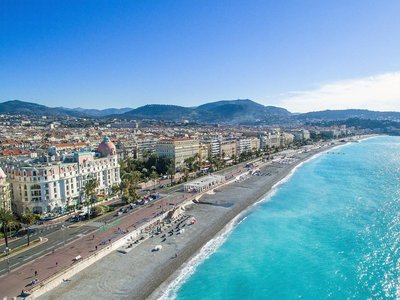
Hotel Suisse Nice
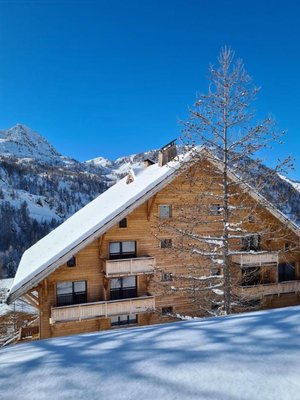
Chalet Marano Restaurant & Spa
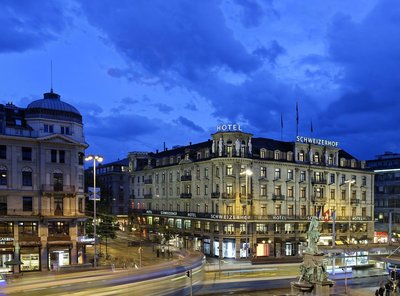
Hotel Schweizerhof Zürich
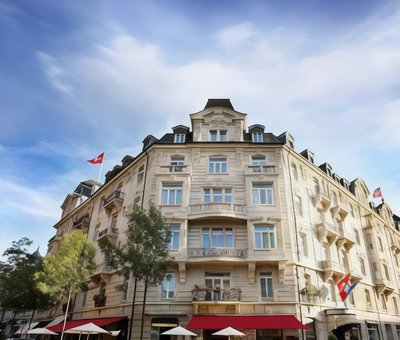
Small Luxury Hotel Ambassador Zurich
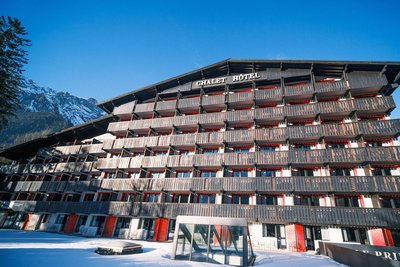
Chalet Hôtel le Prieuré & Spa
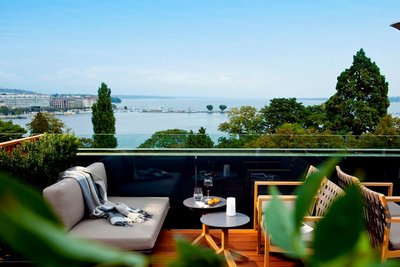
Hôtel Métropole Genève
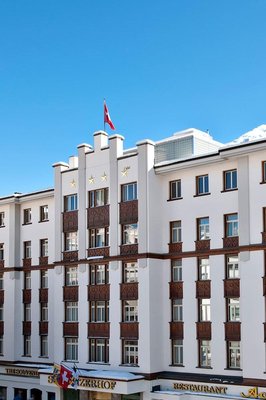
Hotel Schweizerhof St. Moritz
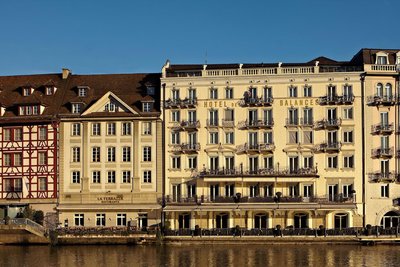
Hotel des Balances
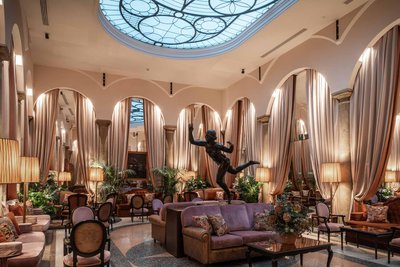
Grand Hotel et de Milan - the Leading Hotels of the World
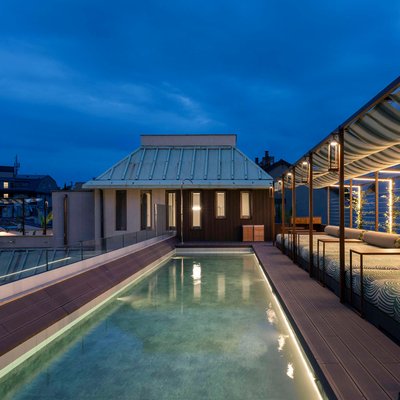
Radisson Collection Hotel Santa Sofia Milan
Small Luxury Hotel Ambassador Zurich
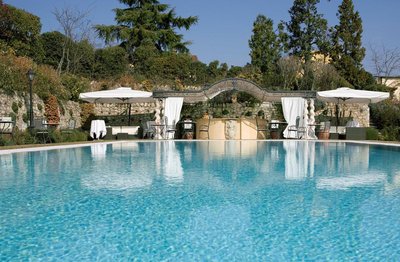
Byblos Art Hotel Villa Amista
La Réserve Eden au Lac Zurich
Four Seasons Hotel des Bergues Geneva
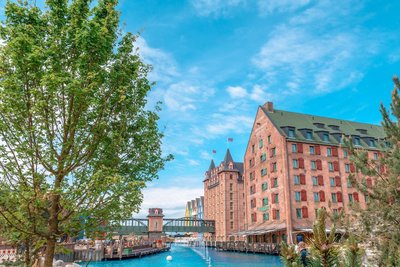
Europa-Park Freizeitpark & Erlebnis-Resort, Hotel Krønasår
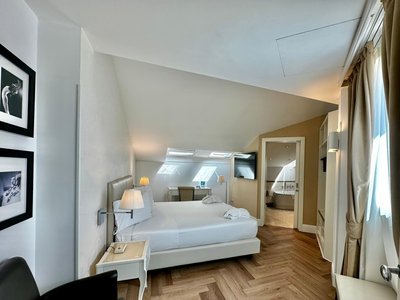
Maison Milano | UNA Esperienze
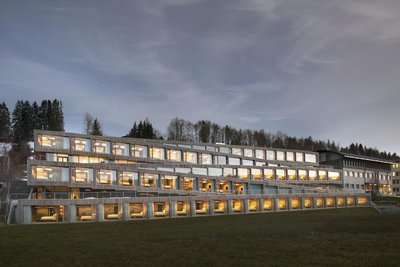
Hôtel des Horlogers
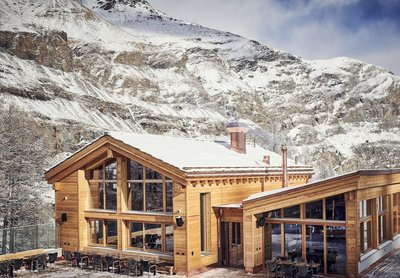
Matthiol Boutique Hotel
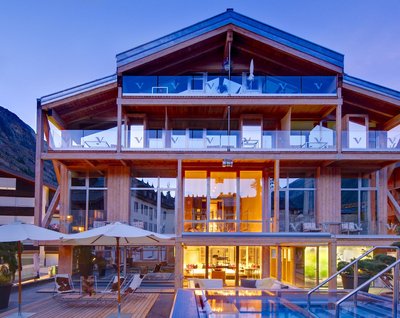
Backstage Boutique Spa Hotel
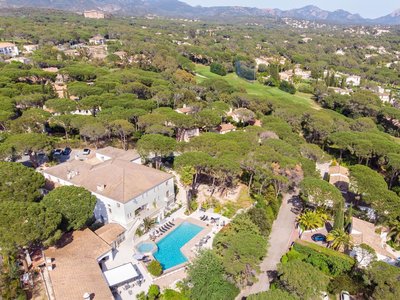
Le Confidentiel Hôtel & Spa
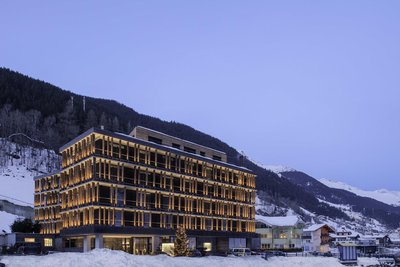
Hotel Zhero – Ischgl/Kappl
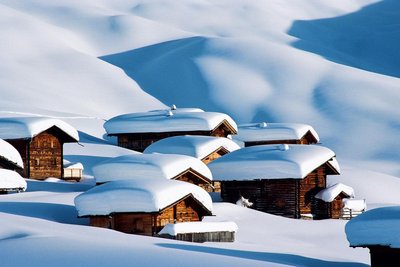
Valsana Hotel Arosa - Small Luxury Hotel
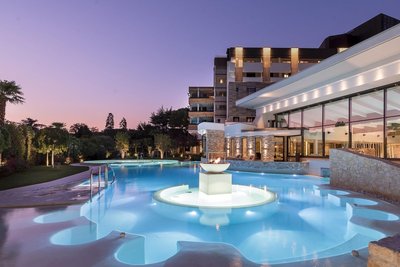
Esplanade Tergesteo - Luxury Retreat
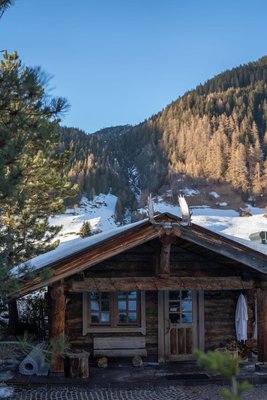
Hotel Madlein
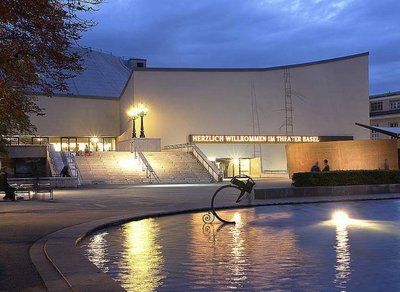
Art House Basel - Member of Design Hotels
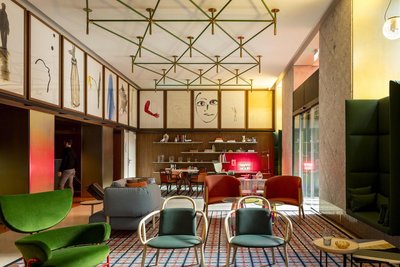
Room Mate Collecton Giulia, Milan
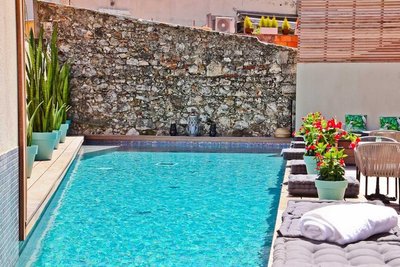
Hôtel la Villa Port d'Antibes & Spa
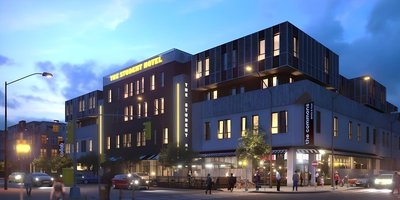
The Social Hub Bologna
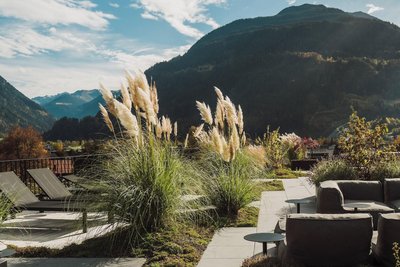
Amrai Suites
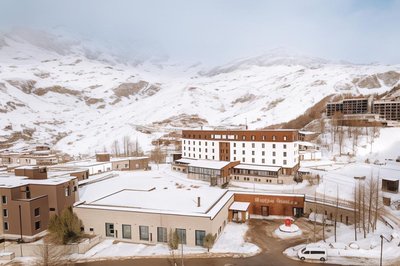
Valtur Cervinia Cristallo Ski Resort
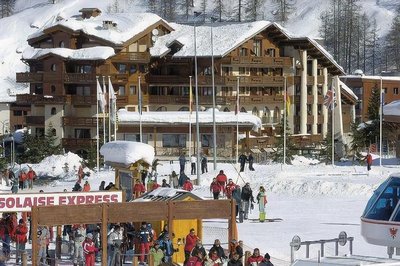
Hôtel Christiania
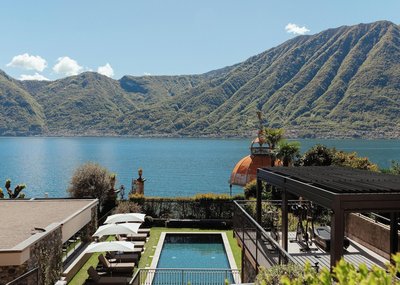
MUSA Lago di Como
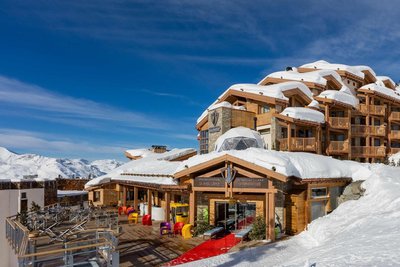
Hotel Pashmina le Refuge
Radisson Collection Hotel Santa Sofia Milan
Boutique Hotel Stresa
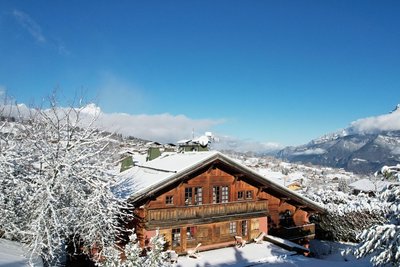
Magic Megève Bois
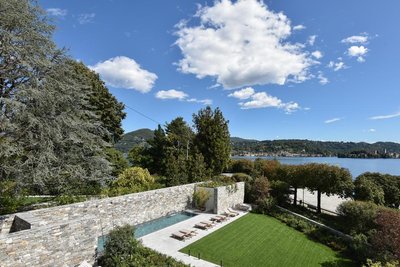
Casa Fantini - Lake Time
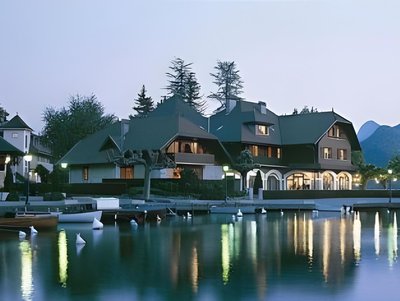
Auberge du Père Bise - Jean Sulpice
Ari Resort Apartments
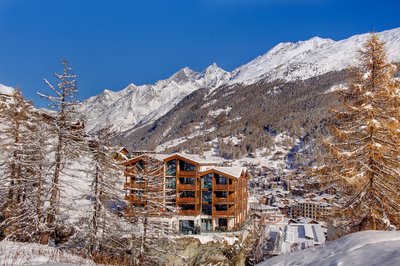
La Vue Luxury Living Apartments
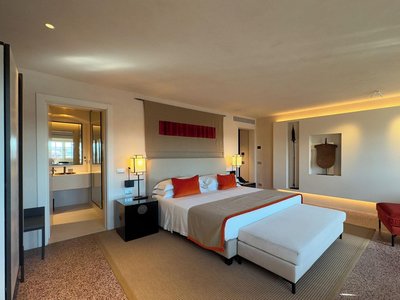
Hotel Palazzo Durazzo Suites
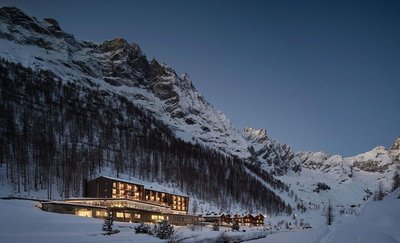
Cervino - VRetreats
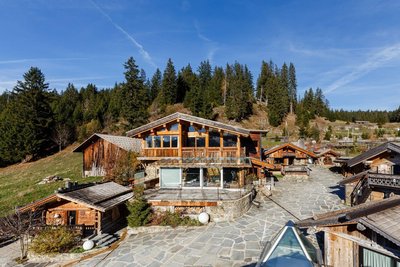
Le Hameau de Mon Père
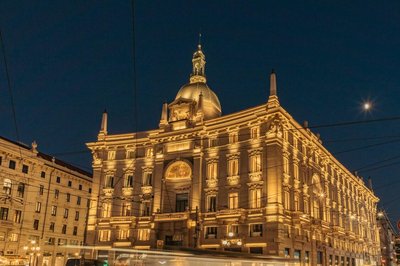
Palazzo Cordusio Gran Meliá – The Leading Hotels of the World
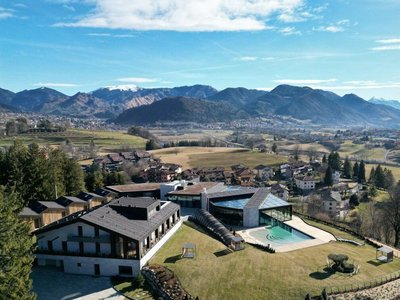
Collina Luxury Relais
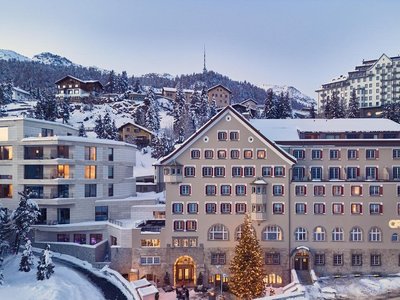
Hotel Grace la Margna ST Moritz
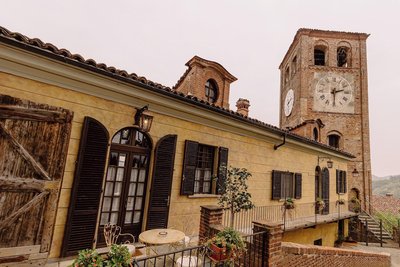
Castello di Casalborgone - Luxury Castle
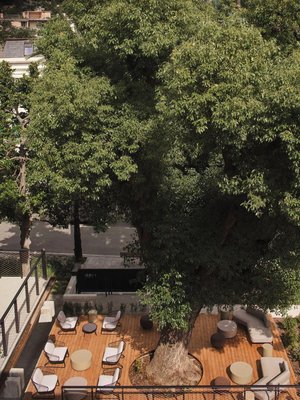
Capitolo Riviera
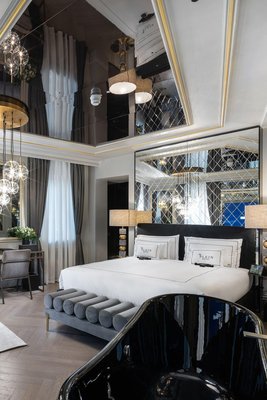
The Plein Hotel - Small Luxury Hotels of the World
Casa Baglioni Milan - the Leading Hotels of the World
Four Seasons Hotel des Bergues Geneva
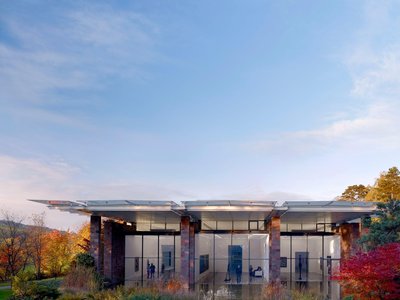
Grand Hotel les Trois Rois
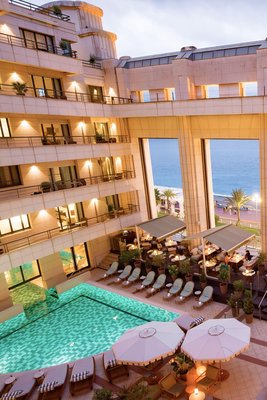
Hyatt Regency Nice Palais de la Méditerranée
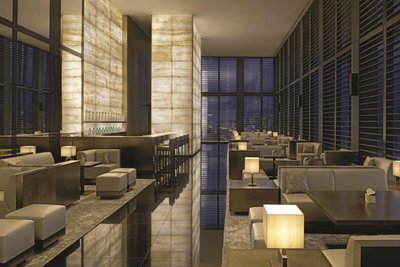
Armani Hotel Milano
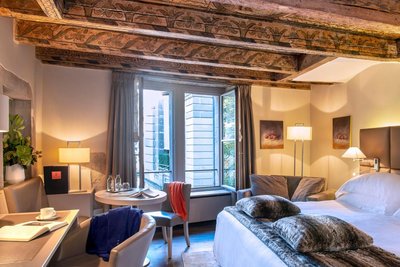
Hôtel les Armures
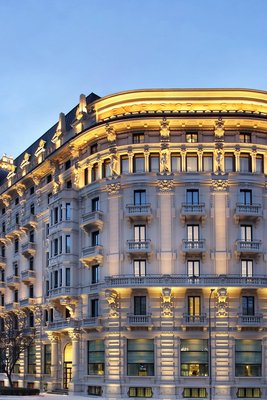
Excelsior Hotel Gallia, a Luxury Collection Hotel, Milan
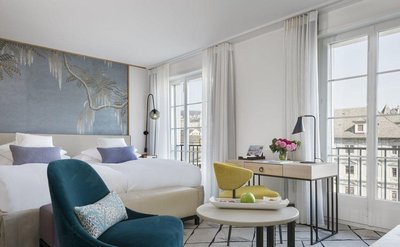
Storchen Zürich
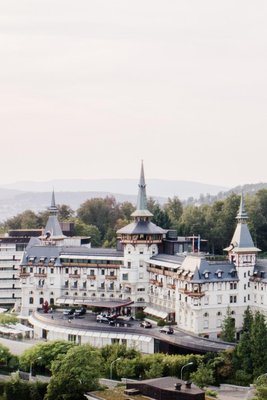
The Dolder Grand
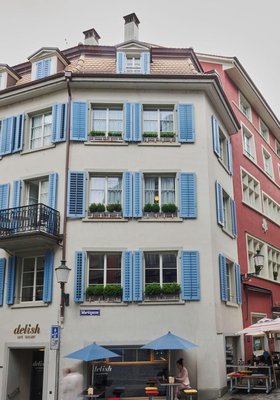
Marktgasse Hotel
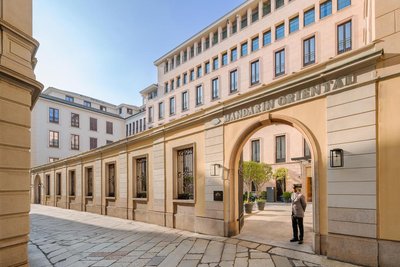
Mandarin Oriental, Milan
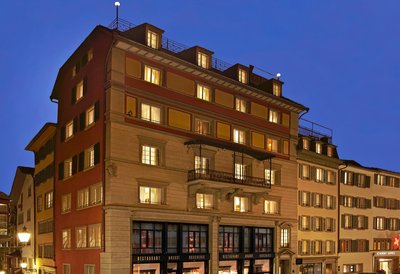
Widder Hotel - Zurichs Luxury Hideaway
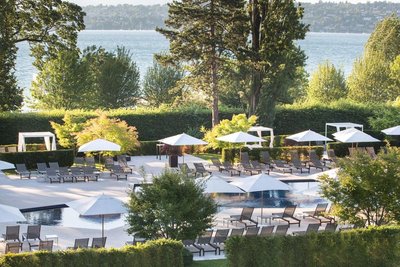
La Réserve Genève Hotel & Spa
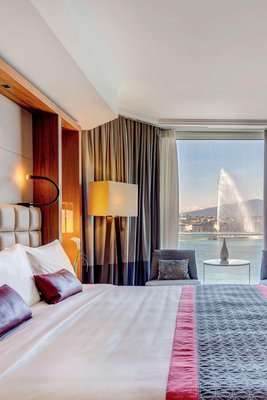
Fairmont Grand Hotel Geneva
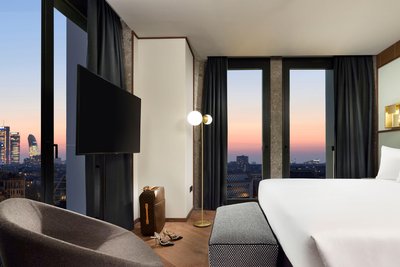
Milano Verticale | UNA Esperienze
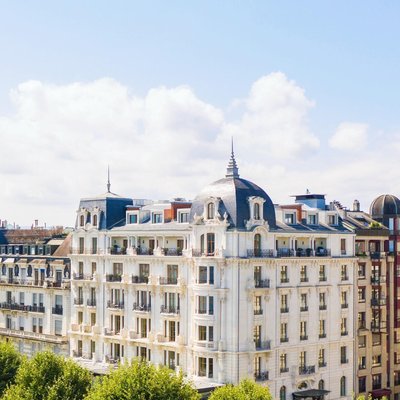
The Woodward - Auberge Resorts Collection
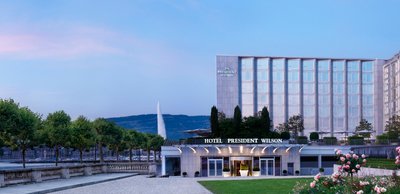
Hotel President Wilson, a Luxury Collection Hotel, Geneva
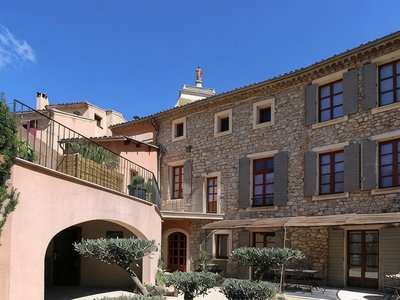
Ancienne Cure
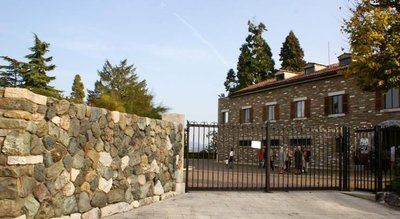
Villa Ottolenghi Wedekind
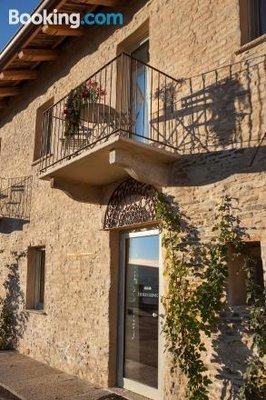
Borgese Camere e Suites
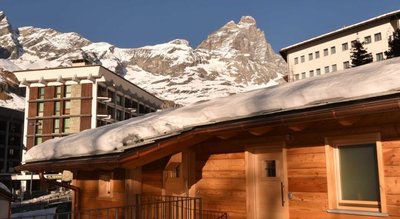
Il Cuore Del Cervino
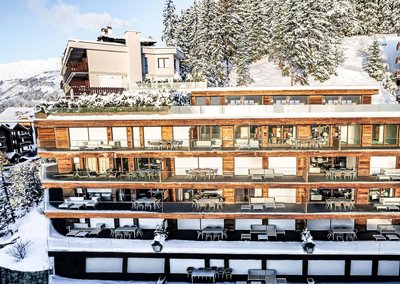
Sport Club Residences & Spa
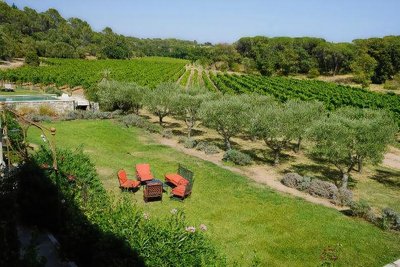
La Bastide du Clos des Roses
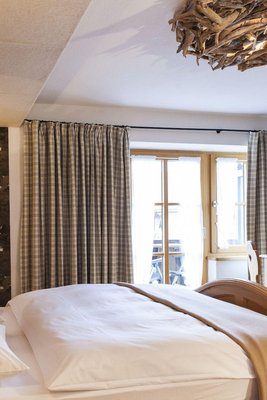
Fiakerhof
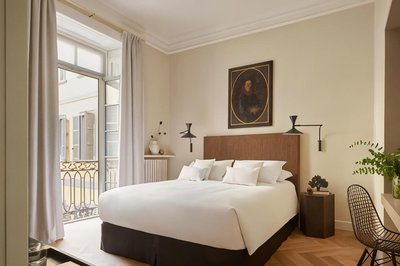
Crossing Manzoni
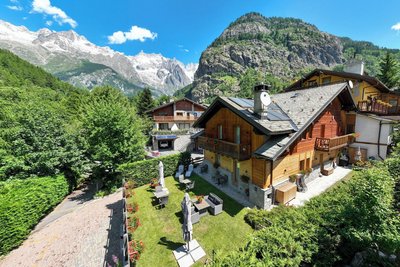
L'Abri des Amis
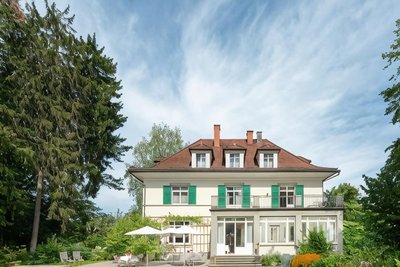
Signau House & Garden
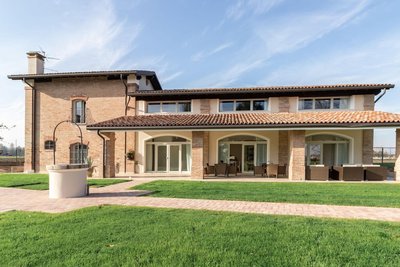
Monteborre
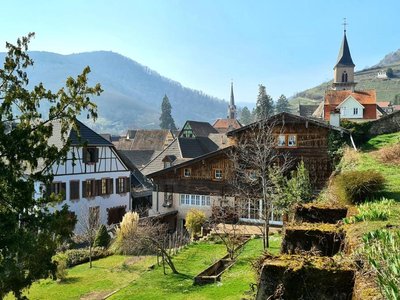
La Grange du Couvent B&B
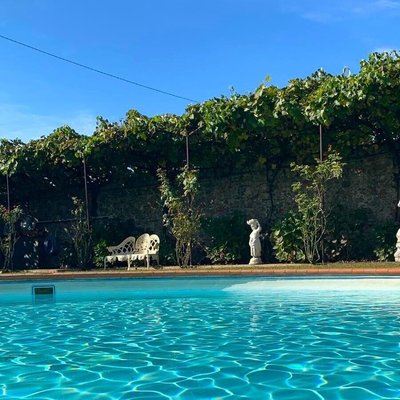
Villa la Preziosa
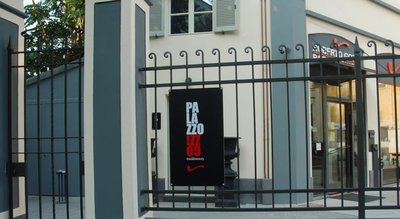
Palazzo Gozzi Bed & Beauty
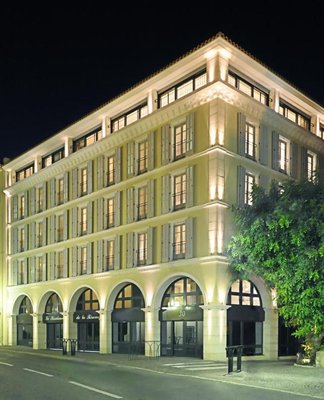
La Résidence de La Réserve
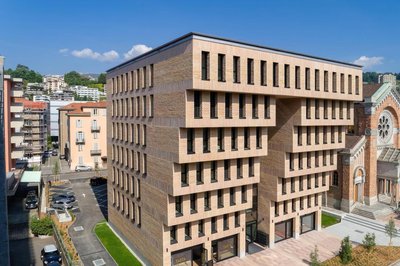
Swiss Hotel Apartments - Lugano
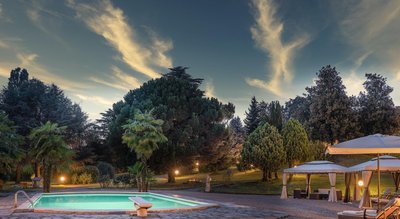
Palazzo Cavagna Sangiuliani
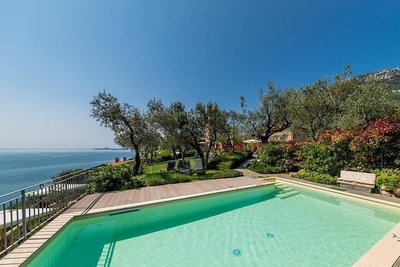
San Giorgio Resort
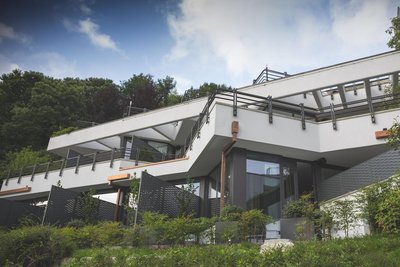
B&B Vista Lago
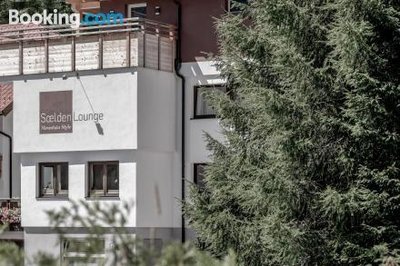
Soelden Lounge
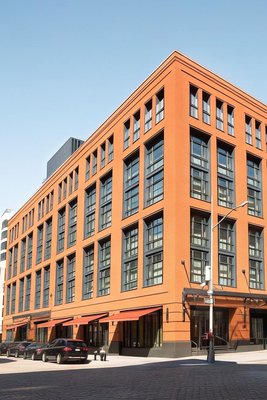
Hotel Barrière Fouquet's New York
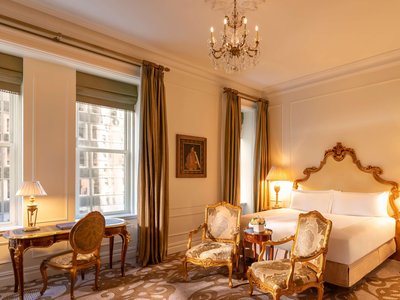
The Plaza - A Fairmont Managed Hotel
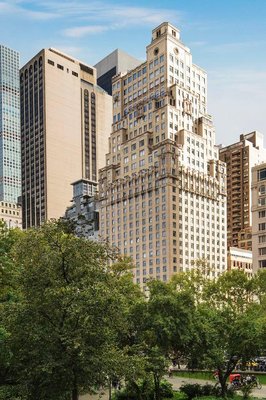
The Ritz-Carlton New York, Central Park
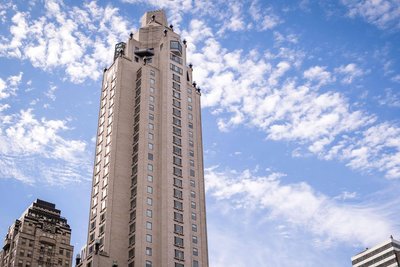
Four Seasons Hotel New York
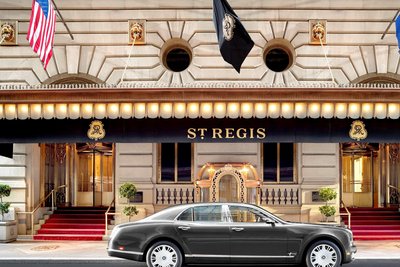
The St. Regis New York
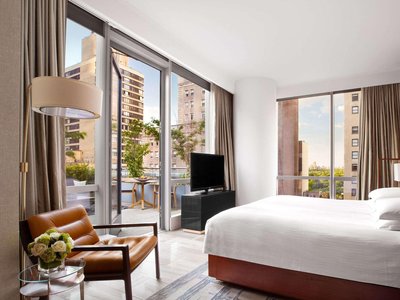
Park Hyatt New York
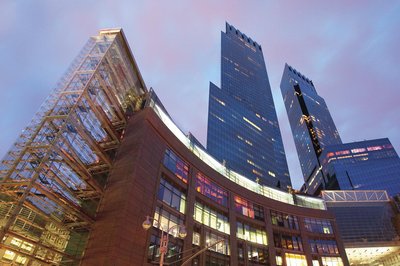
Mandarin Oriental New York
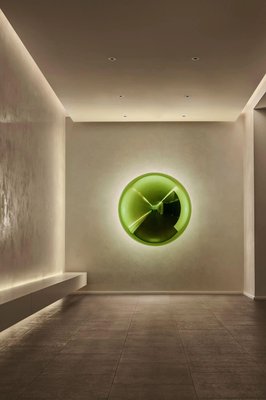
Times Square Edition New York
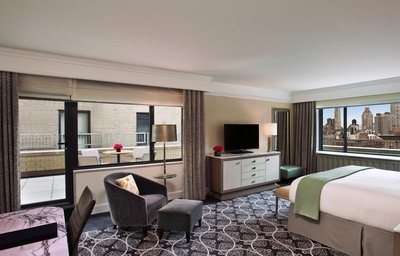
Loews Regency New York Hotel
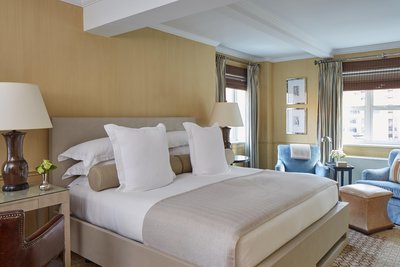
Lowell Hotel
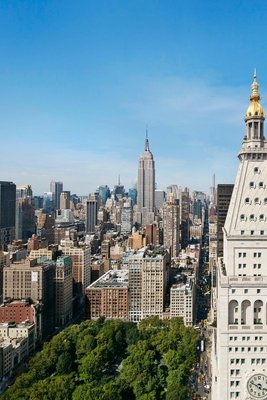
New York Edition
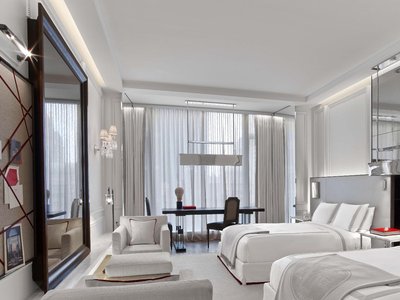
Baccarat Hotel New York
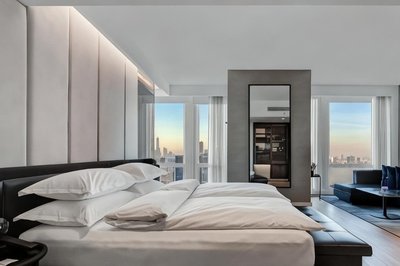
Equinox Hotel New York
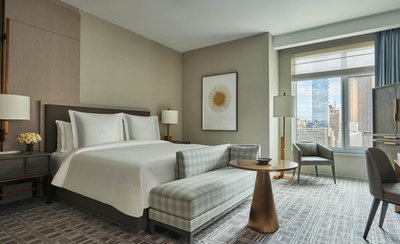
Four Seasons Hotel New York Downtown
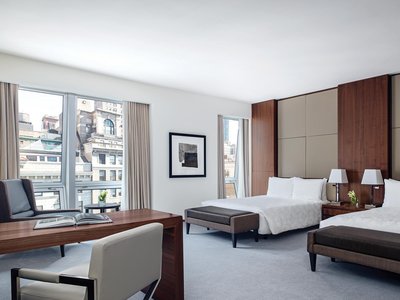
The Langham, New York, Fifth Avenue
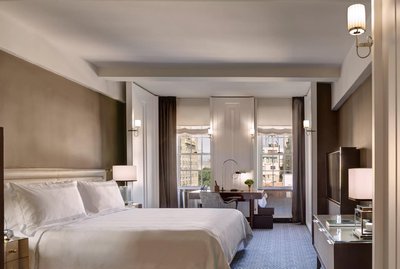
The Carlyle, A Rosewood Hotel

The Chatwal, in the Unbound Collection by Hyatt
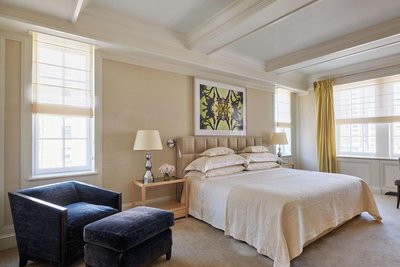
The Mark New York
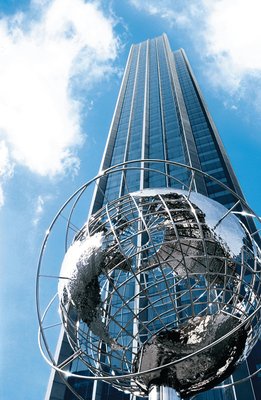
Trump International Hotel & Tower® New York
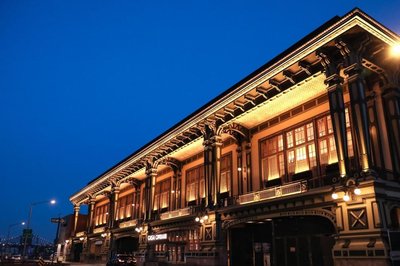
Casa Cipriani New York
Frequently Asked Questions about Traveling to Quarona
Questions You Might Need to Know About Traveling to Quarona
For breathtaking mountain vistas, Hotel Villa Rosa stands out as a premier boutique choice in Cuneo, nestled on a hillside overlooking the Alpine foothills and the historic town below. Originally a 19th-century villa, it blends elegant Italian design with modern comforts, featuring private balconies with panoramic views of Monte Mottarone and surrounding valleys.
Each room is meticulously furnished with handcrafted woodwork, plush textiles, and a private spa bath. The rooftop terrace hosts intimate dinners with local wines like Barolo and seasonal dishes crafted from regional ingredients. Guests can also enjoy guided sunrise hikes or stargazing sessions under the clear Alpine sky. With only 12 rooms, privacy and personalized service are guaranteed—ideal for couples seeking romance and tranquility.
The Centro Storico (Historic District) is the prime area for accessing Cuneo’s main attractions. Located just steps from Piazza della Libertà, this charming old town center houses key landmarks including the Church of the Assumption, Palazzo Civico (Town Hall), and the Cuneo Museum.
Streets here are cobbled and lined with 18th-century facades, offering an authentic European village atmosphere. Most boutique hotels and B&Bs are concentrated here, such as Hotel La Loggia and B&B Il Glicine, which provide easy walking access to cultural sites and local cafés. Many guesthouses even offer free guided walking tours led by residents who share stories of medieval life and architectural heritage. For travelers wanting immersion in local history, staying in the Centro Storico is unbeatable.
Yes, Hotel Villa Rosa is widely regarded as the most romantic retreat in Cuneo. Perched on a hillside with sweeping views of the Alps, this boutique hotel offers secluded suites with deep soaking tubs, ambient lighting, and custom scent diffusers filled with rose and lavender.
The rooftop terrace features private dining experiences curated by the hotel’s chef—featuring five-course meals paired with premium Barolo wine. Couples can also book a couples’ massage using local herbs and oils, or join a twilight hike to the Castello di Cuneo ruins for stunning sunset views.
On special occasions, the hotel arranges surprise amenities like champagne, handmade chocolates, and a personalized love letter in Italian. With only 12 rooms and no public areas open to non-guests, privacy and intimacy are paramount—perfect for a memorable getaway.
Visitors to Cuneo can immerse themselves in authentic Piedmontese traditions through several distinctive experiences:
-
Traditional Pasta Workshop: Join a hands-on class at Cucina del Tempo to learn how to make tagliatelle al ragù using locally milled black wheat flour and slow-cooked meat sauce.
-
Autumn Truffle Fair (Fiera del Tartufo): Held every October in the Piazza della Libertà, this event showcases fresh truffles, artisanal oils, and guided truffle-hunting walks with trained dogs.
-
Bell Tower Tour: Explore the Church of the Assumption’s ancient clock mechanism and hear the chimes during a guided historical tour—especially magical at dusk.
These activities offer more than sightseeing; they provide a living connection to the region’s culinary, spiritual, and artistic roots.
Seek out Locanda del Sole, a family-run farm-to-table gem tucked away in a quiet alley of the historic district. Run by three generations of cooks, the restaurant sources all ingredients daily from local farms and their own garden.
Signature dishes include slow-cooked lamb stew with wild mushrooms, homemade polenta with aged cheese, and pear liqueur made from estate-grown pears. The menu changes weekly based on harvest availability, ensuring maximum freshness.
With limited seating and no fixed hours, reservations are required at least 72 hours in advance. The rustic interior—with exposed beams, terracotta tiles, and a stone fireplace—creates an intimate, warm atmosphere. Travelers often call it "the soul of Piedmont cuisine" for its honesty, simplicity, and depth of flavor.
Cuneo offers exceptional photography opportunities, especially for those drawn to light, architecture, and storytelling.
-
Church of the Assumption: Capture dramatic morning light filtering through stained glass onto white limestone façades—ideal for architectural detail shots.
-
Old Town Cobblestone Alleys: Shoot long shadows cast by narrow streets during late afternoon, particularly along Via del Castello, where archways frame perfect compositions.
-
Sunset Panorama from Castle Ruins: Hike up to the Castello di Cuneo ruins at golden hour for sweeping views of the city and distant Alps, ideal for wide-angle landscape shots.
-
Winter Snowscapes: Visit between December and February when the town is blanketed in snow. The rooftops, stone walls, and church spires become surreal white silhouettes against a gray sky—perfect for dreamy winter photography.
Bring a tripod and wide-angle lens for best results, especially during low-light conditions.
Though not a ski resort itself, Cuneo becomes a magical winter destination with unique seasonal offerings:
-
Christmas Market (Mercatino di Natale): Held in Piazza della Libertà, this festive market features wooden stalls selling handmade candles, embroidered textiles, truffle chocolates, and hot mulled wine (Vin Brulé).
-
Free Shuttle to Mottarone Ski Area: The local tourism board provides regular shuttles to Mottarone Mountain, where visitors can enjoy downhill skiing, snowshoeing, and scenic gondola rides.
-
Nighttime Lantern Parade: On winter evenings, locals gather with handmade paper lanterns, marching through the old town to light up the square—a moving tribute to tradition.
-
Fireplace Dinner Experience: Book a private evening at B&B Il Focolare, where you’ll dine by candlelight on slow-cooked game and bread baked in a wood-fired oven, accompanied by folk music.
These events transform Cuneo into a cozy, storybook winter village.
The nearest international airport is Turin Casella Airport (TRN), approximately 70 km from Cuneo, with a drive time of about 1 hour 15 minutes.
For convenience, pre-booked transfers via companies like AutoSicura cost around €60–80 one-way. Alternatively, take a regional train (Trenitalia) from Turin Porta Nuova Station to Cuneo Station, departing hourly and taking roughly 45 minutes. From there, a short bus ride or taxi transfer (€8–12) brings you to the city center.
Once in Cuneo, the historic district is pedestrian-only, so leave luggage at hotels or lockers at the train station. For visitors with mobility needs, many hotels offer wheelchair-accessible entrances and elevators.
Libreria Antiquaria San Giorgio is a must-visit for bibliophiles and artists in Cuneo. Housed in an 18th-century building, this hybrid bookstore and café holds over 30,000 volumes—including rare first editions, antique maps, and illustrated manuscripts on philosophy and Italian literature.
The space includes a quiet reading nook with leather armchairs and floor lamps, perfect for writing or contemplation. Monthly events feature poetry readings, author talks, and workshops on medieval manuscript illumination—where guests learn to paint letters using natural pigments.
Adjacent, Caffè Letterario is a vibrant underground arts hub with graffiti walls, live performances, and open mic nights. It remains open late into the night, attracting young creatives from across Piedmont. These venues reflect Cuneo’s enduring love for knowledge, expression, and cultural preservation.
The highlight of Cuneo’s calendar is the Festa di San Antonio, held annually during the first weekend of May in honor of the town’s patron saint.
Key events include:
-
Flower Parade: Colorful floats adorned with fresh blooms and handmade lanterns glide through Piazza della Libertà, symbolizing gratitude and renewal.
-
Traditional Costume March: Locals don 19th-century rural attire—handwoven hats, woolen shawls, and hand-stitched boots—performing folk dances with traditional instruments.
-
Local Food Stalls: Vendors sell roasted potatoes with cheese, black wheat flatbread (Farinata), and homebrewed beer, with proceeds supporting local charities.
-
Evening Torchlight Procession: As dusk falls, residents carry paper lanterns through the streets, culminating in a grand torchlit ceremony at the church.
This festival embodies community spirit, heritage, and joy—offering travelers a genuine taste of rural Italian life.
Quarona Overview
City Summary
Quarona is a charming town in Italy's Piedmont region, renowned for its medieval architecture, tranquil countryside, and distinctive wine culture. Surrounded by the Alps, the town offers picturesque landscapes year-round, especially during autumn when vineyards and mountains blend into a stunning panorama. As part of Piedmont's wine-producing area, Quarona is celebrated for its high-quality Barolo and Barbaresco wines, attracting global enthusiasts. Visitors can experience the slow-paced Italian rural life here, where history and nature harmoniously coexist.
Must-See Attractions
Must-see attractions include the Castello di Quarona, a medieval castle providing panoramic views of the town and vineyards. The Chiesa di Santa Maria Assunta impresses with its Baroque frescoes. Nearby vineyards and wineries (e.g., Cascina Roccalini) offer tours and tastings—ideal for exploring local wine culture. Stroll along Via del Vino to discover hidden artisan shops and traditional Italian eateries.
Food Guide
Culinary highlights focus on Piedmont specialties: try truffle risotto (Risotto al Tartufo) paired with local Barolo, or savor beef carpaccio with Parmesan (Carne Cruda all'Albese). For dessert, indulge in hazelnut chocolate cake (Torta Gianduia), inspired by Piedmont's famed nuts. Weekend markets offer artisanal bread and cured meats, while family-run osterias serve authentic rustic dishes.
Transportation Guide
Transport options:
- Driving is most flexible (1.5 hours from Turin), but parking is limited.
- Public transport: Take a train from Turin Porta Nuova to Vercelli, then a bus (total ~2 hours); infrequent schedules require planning.
- Taxis must be booked in advance (e.g., Radiotaxi Vercelli +39 0161 250000) and are costly.
- The town center is walkable; rent bikes or join guided tours for winery visits.
Best Time to Visit
Best seasons are May-June (lush vineyards, mild weather) and September-October (harvest and autumn colors), avoiding July-August crowds. Winter (November-March) sees some wineries closed but offers serene snowy scenery.
Travel Tips
- Book winery visits weeks ahead during peak seasons.
- Carry cash—some rural shops/markets don't accept cards.
- Dress code: Cover shoulders/knees in churches.
- Tipping: Service is usually included; rounding up by €1-2 is appreciated.
- Language: Locals may speak Piedmontese; basic Italian is more useful.
- Festivals: Book accommodations early for September wine events.
Useful Information
Practical info:
- Language: Italian dominant; limited English in tourist areas.
- Currency: Euros; Visa/Mastercard widely but not universally accepted.
- Internet: Free Wi-Fi in the center; rural areas have poor coverage—consider a TIM prepaid SIM.
- Emergency: Ambulance 112, police 113. Nearest hospital is in Vercelli (Azienda Ospedaliera Universitaria Maggiore della Carità).
- Voltage: 230V, Type L outlets.
- Tourist office: Piazza San Giovanni provides maps and info (open 9:00-13:00/15:00-18:00).