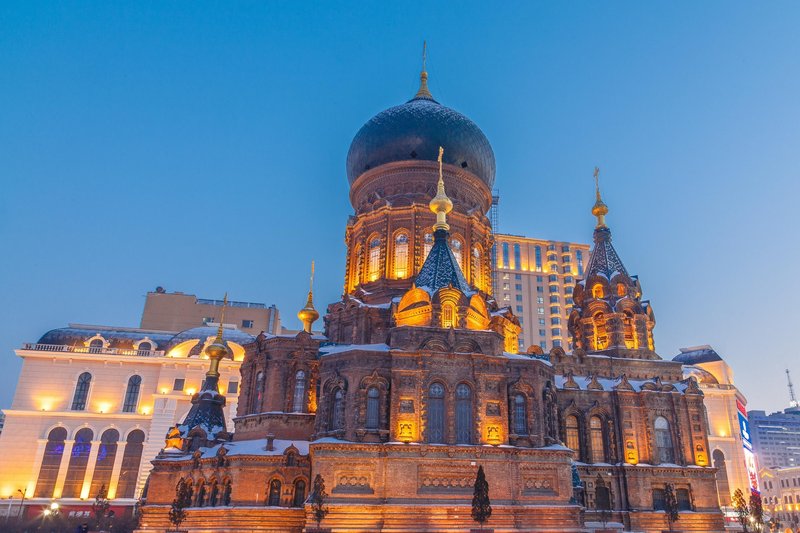
Hotels in Queensburgh
Discover your perfect stay in Queensburgh.
Queensburgh(South Africa) Travel 2026: Cheap Flights, Hotels & Top Attractions
Popular Landmarks in Queensburgh
Discover the most iconic attractions in Queensburgh
Recommended Hotels in Queensburgh
Find the perfect place to stay in Queensburgh
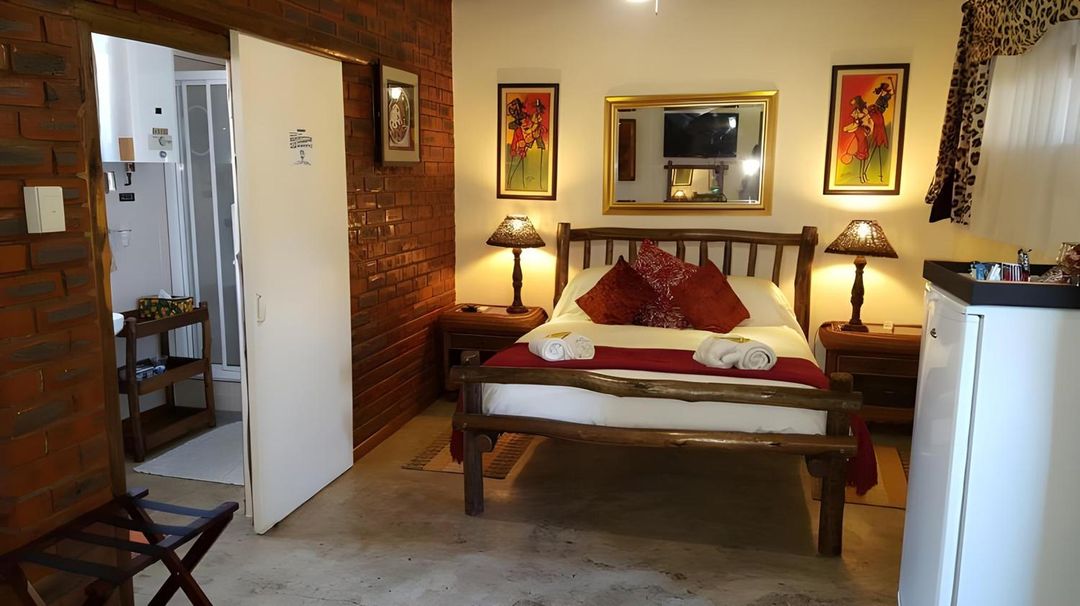
Roosfontein Bed and Breakfast and Conference Centre
Frequently Asked Questions about Traveling to Queensburgh
Questions You Might Need to Know About Traveling to Queensburgh
In KwaZulu-Natal, near the Hluhluwe Game Reserve, the top-rated eco-lodges include Hluhluwe Country Lodge and Umkhuwane Lodge. Both emphasize sustainability, offering private thatched villas with panoramic views of the savanna and built using local materials.
Hluhluwe Country Lodge is renowned for its conservation-focused approach, hosting guided night drives and walking safaris led by expert rangers. Guests often spot leopards, elephants, and rare white rhinos. Meanwhile, Umkhuwane Lodge integrates traditional Zulu architecture and cultural storytelling into its design, offering immersive experiences like bush breakfasts and starlit dinners under the African sky.
These lodges not only provide luxurious comfort but also contribute directly to wildlife protection and community development, making them ideal choices for eco-conscious travelers seeking authentic immersion in South Africa’s natural heritage.
The most peaceful, nature-focused area in KwaZulu-Natal is the Hluhluwe-Emakhazeni region, nestled within the Hluhluwe Game Reserve and surrounded by the Drakensberg Mountains. This remote zone offers minimal light pollution and uninterrupted access to wild landscapes.
Stay at Hluhluwe Country Lodge or Umkhuwane Lodge, where private suites blend seamlessly into the bushveld. Guests enjoy early morning birdwatching, guided walks through acacia forests, and evening game drives where lions, rhinos, and buffalo are frequently sighted. The air is crisp, the silence profound, and the stars breathtakingly clear.
This area is perfect for those seeking solitude, deep connection with nature, and an authentic safari experience far from crowds—ideal for photographers, writers, and wellness travelers wanting to unplug and recharge in one of Africa’s most pristine ecosystems.
Visitors to KwaZulu-Natal can enjoy several unique cultural experiences rooted in Zulu heritage. One must-try is attending an Isicathamiya performance, a traditional Zulu choral dance featuring harmonized singing and rhythmic footwork, often held at village events or lodge ceremonies.
Another highlight is participating in a Zulu craft workshop, where artisans teach how to weave baskets, dye fabric using natural plants, or carve wooden masks inspired by ancestral spirits. Many workshops are hosted by local women’s cooperatives, supporting community livelihoods.
For deeper insight, join a Zulu elder storytelling session, where elders share myths, rituals, and the significance of tribal symbols. These experiences go beyond tourism—they foster genuine cultural exchange, allowing travelers to understand the values, resilience, and artistry that define the Zulu people’s identity in modern South Africa.
Near KwaZulu-Natal, must-see natural attractions include the Hluhluwe Game Reserve, home to Africa’s Big Five, especially the critically endangered white rhino, and a prime destination for wildlife photography and safari adventures.
Adjacent is the uKhahlamba-Drakensberg Park, a UNESCO World Heritage Site featuring ancient San rock art dating back over 4,000 years. Hikers can explore trails leading to cliffside caves where vivid paintings depict hunting scenes, spiritual rituals, and animal figures.
Also notable are the Mkuze Falls and Nhlangele Wetlands, which offer lush greenery, abundant birdlife, and serene waterfalls—perfect for nature photography and peaceful reflection. Together, these sites showcase the region’s biodiversity, geological wonders, and deep cultural roots, making KwaZulu-Natal a cornerstone of South Africa’s natural and historical legacy.
When visiting KwaZulu-Natal, be sure to try Umngqusho, a hearty cornmeal porridge cooked with vegetables and served with grilled meat—a staple dish reflecting Zulu culinary tradition. Another must-try is Sobolo, a refreshing fermented pawpaw drink, naturally sweet with a tangy finish, perfect for hot days.
At local markets like Mkhondvo Village Market, sample Inyama Yekhaya—whole roasted lamb slow-cooked over open fire, often accompanied by side dishes like umqombothi (traditional beer) and amahewu (fermented millet drink).
Many lodges also host Zulu BBQ feasts with live music and storytelling, combining taste, culture, and atmosphere. These meals aren’t just food—they’re a celebration of heritage, community, and the spirit of hospitality deeply embedded in Zulu culture.
Yes, KwaZulu-Natal is highly suitable for family travel, especially for families interested in nature, wildlife, and cultural learning. Lodges like Hluhluwe Country Lodge offer child-friendly accommodations with family suites, safe play areas, and educational programs such as "Junior Ranger" activities.
Children can join guided bush walks, learn about animal tracks, participate in conservation talks, and even take part in traditional Zulu games and crafts. The region’s dry season (May–October) ensures comfortable weather for outdoor exploration.
With low-density tourism and rich natural surroundings, families can enjoy quiet mornings watching elephants at waterholes or stargazing under crystal-clear skies. It’s a safe, enriching environment that nurtures curiosity, respect for nature, and intergenerational bonding—making it one of South Africa’s top destinations for meaningful family getaways.
The best time to visit KwaZulu-Natal for wildlife viewing is between May and October, during the dry season. During this period, animals gather around limited water sources, making them easier to spot across the Hluhluwe Game Reserve and surrounding areas.
Peak sightings occur from June to August, when large herds of elephants, buffaloes, and rhinos frequent watering holes. Lions are more active in the cooler mornings and evenings, while leopards are often seen in tree branches.
Additionally, this season offers clearer skies, lower humidity, and excellent visibility for photography. The Drakensberg Mountains are also more accessible for hiking, and cultural festivals like the Zulu Reed Dance take place during this time. Avoid the rainy months (November–April), as muddy roads and reduced visibility can hinder safaris.
The best photo spots in KwaZulu-Natal include the Hluhluwe Game Reserve at sunrise and sunset, where golden light enhances images of lions lounging, elephants drinking, and rhinos crossing paths. Use long lenses for dramatic wildlife close-ups.
The uKhahlamba-Drakensberg Park offers stunning landscape photography—especially at Maloti Peaks and Cave of the Swallows, where ancient San rock art contrasts with towering cliffs. Early morning mist adds mystery to your shots.
Mkuze Falls during the wet season creates cascading waterfalls framed by lush vegetation, ideal for wide-angle and macro photography. At night, the unpolluted skies allow for breathtaking star trail and Milky Way shots.
Each location captures both natural beauty and cultural depth, turning every photograph into a story of Africa’s wild heart and timeless heritage.
To reach KwaZulu-Natal from Durban, the most convenient option is driving via the N2 highway, which takes approximately 3 hours. The route passes scenic coastal plains and rolling hills, ideal for road trips.
Many lodges, including Hluhluwe Country Lodge, offer free airport or bus station transfers upon request. For public transport, Translux Bus Service runs daily from Durban’s main terminal to KwaZulu-Natal towns, though schedules are limited—book in advance.
For a luxury alternative, some high-end lodges provide helicopter shuttles from King Shaka International Airport, offering aerial views of the coastline and mountains. While pricier, it saves time and delivers a memorable arrival experience. Always confirm access routes, especially in remote areas, and consider renting a 4x4 vehicle for off-road flexibility.
In KwaZulu-Natal, local souvenirs reflect rich cultural craftsmanship. Visit Mkhondvo Village Craft Market to purchase handmade items such as Zulu woven baskets, beaded jewelry with symbolic patterns, and wooden masks inspired by ancestral spirits.
Look for natural dye fabrics made from indigo and madder root, or hand-carved animal figurines representing totem animals like the leopard or elephant. Some shops sell Zulu herbal teas and organic skincare products derived from indigenous plants like Aloe ferox.
Purchasing directly from artisans supports local communities and ensures authenticity. Ask about the meaning behind each piece—many items carry stories of lineage, protection, or spiritual belief. These meaningful keepsakes serve not just as mementos, but as bridges to understanding Zulu culture and sustainable traditions in South Africa.
Queensburgh Overview
City Summary
Queensburgh is located in KwaZulu-Natal, South Africa, a city known for its natural beauty and outdoor activities. Surrounded by the Drakensberg Mountains, it offers breathtaking hiking trails and stunning landscapes. The city also boasts a rich cultural heritage, showcasing the diverse ethnic cultures of South Africa.
Must-See Attractions
The Drakensberg Mountains are the most famous attraction in Queensburgh, offering various hiking trails for all levels. The Royal Natal National Park features the Tugela Falls, one of Africa's highest waterfalls. For cultural enthusiasts, visiting a Zulu cultural village provides insight into traditional Zulu lifestyles and crafts.
Food Guide
Queensburgh's cuisine is influenced by Zulu traditions and South Africa's multiculturalism. Don't miss Braai, a South African barbecue cooked over charcoal. For street food, try Bunny Chow, a curry-filled bread loaf. Local desserts and drinks made from marula fruit are also unique and delicious.
Transportation Guide
Public transport in Queensburgh is limited, so renting a car is recommended for flexibility. There are some buses and taxis in the city, but services are infrequent. If planning to visit the Drakensberg Mountains, arrange transportation in advance as some sites are far from the city. Road conditions are good, but mountain routes require careful driving.
Best Time to Visit
The best time to visit is during South Africa's spring (September-November) and autumn (March-May), when the weather is mild and ideal for outdoor activities. Summers (December-February) can be hot with occasional thunderstorms, while winters (June-August) are colder but suitable for skiing.
Travel Tips
- Safety Tips: Queensburgh is relatively safe, but always keep an eye on your belongings, especially at tourist sites.
- Etiquette: Respect local customs, particularly when visiting Zulu cultural villages.
- Outdoor Prep: Bring enough water and sunscreen for hikes, and pack warm clothing as mountain weather changes quickly.
- Language: English is widely spoken, but learning a few Zulu greetings can be appreciated.
- Eco-Consciousness: Protect the environment by not littering and following park rules.
- Health: Mountain areas may have insects, so carry insect repellent.
Useful Information
Language: English and Zulu are the main languages; English is widely used in tourist areas. Internet: Mobile coverage is good in the city but may be weak in mountainous areas. Payment: Most businesses accept credit cards, but small vendors may only take cash, so carry some South African Rand. Emergency: Hospitals and clinics are available in the city, but mountain areas have limited medical facilities, so bring basic medications. Voltage: South Africa uses 220V with three-round-pin plugs; bring an adapter if needed.
Other Cities You Might Like
Explore more amazing destinations