Hotels in Queimados
Discover your perfect stay in Queimados.
Queimados(Brazil) Travel 2026: Cheap Flights, Hotels & Top Attractions
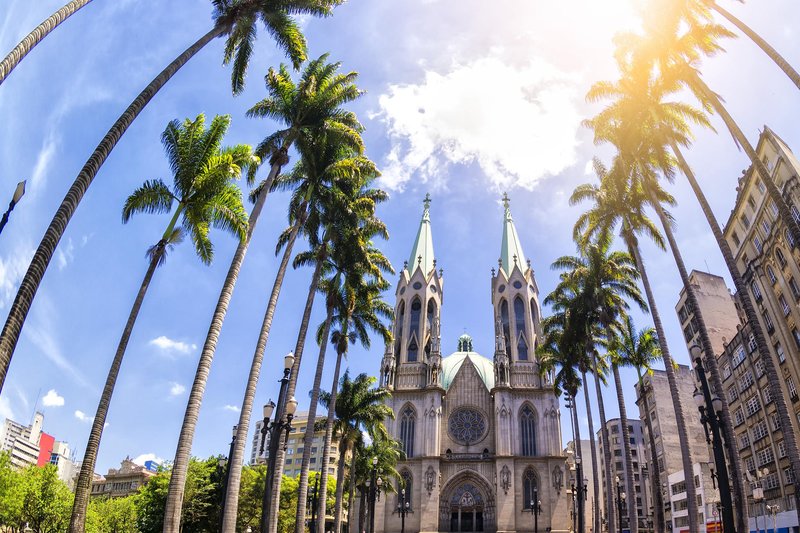
Popular Landmarks in Queimados
Discover the most iconic attractions in Queimados
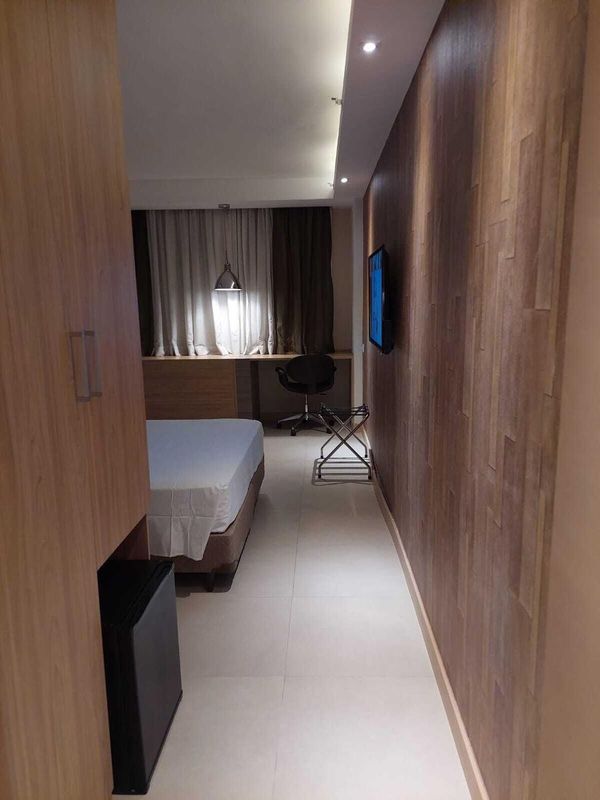
Recommended Hotels in Queimados
Find the perfect place to stay in Queimados
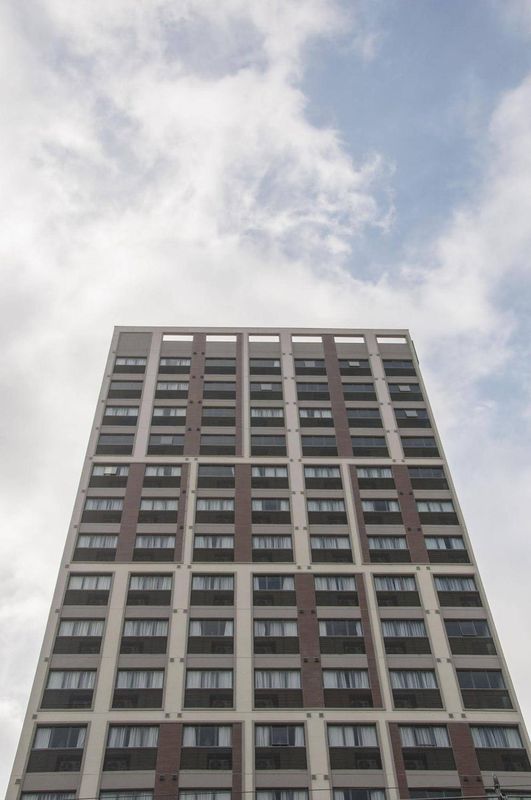
Best Hotels in Queimados
Discover curated hotel collections in Queimados



























Frequently Asked Questions about Traveling to Queimados
Questions You Might Need to Know About Traveling to Queimados
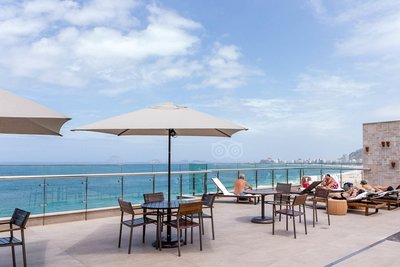
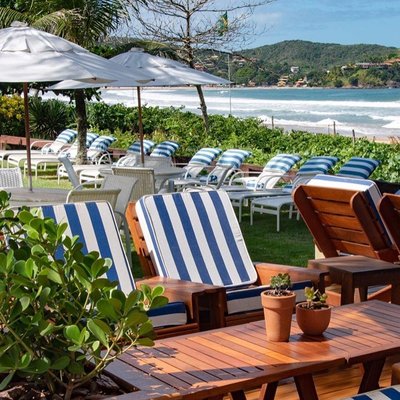
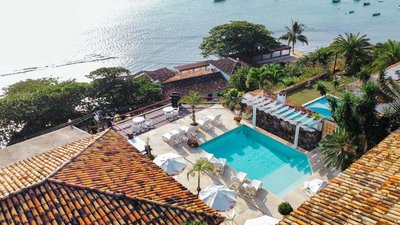
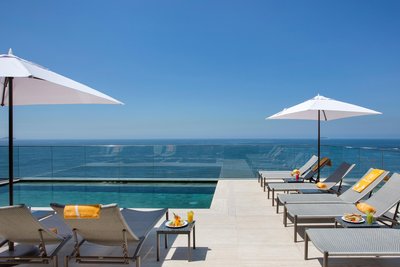
In Camamu, the standout choice is Pousada da Praia, a seaside retreat blending traditional Bahian architecture with modern comfort, located steps from the white sands of Atlantic Coast. Another gem is Casa do Pescador, a converted fisherman’s home offering authentic Southern Bahia cuisine and rooftop stargazing. Both prioritize eco-friendly practices, including solar energy and waste recycling, allowing guests to experience the town’s rich cultural and natural heritage while supporting sustainable tourism.
The Old Town Center (Centro Velho) is ideal for hotel stays, nestled near the São Francisco Church and Historical Museum. Its cobblestone streets are lined with 19th-century colonial buildings, and evening music performances create a lively atmosphere. The area is also close to the Salvador Bay waterfront, perfect for sunset walks. Family-run guesthouses here offer affordable rates and warm hospitality, making it a top pick for travelers seeking authenticity and convenience.
Don’t miss the traditional pottery workshop at Almeida Studio, where you can craft handmade ceramics using local clay. Join the annual Feast of the Assumption Festival in July, featuring vibrant parades, folk music bands, and religious processions that showcase deep-rooted traditions. Visit the historic mining ruins to learn about 18th-century gold rush history, and savor local specialties like black bean soup with grilled cassava—a true taste of southern Rio de Janeiro state culture.
Stay in the East Coast Resort Zone, such as Pousada das Dunas, located just minutes from the dune reserve and Capriana Forest, a prime spot for hiking and birdwatching. The area features private beaches, snorkeling opportunities, and guided boat tours to hidden coves. Many hotels offer free shuttles to key natural sites and employ local guides for eco-tours through the mangrove ecosystem, making it perfect for nature lovers seeking tranquility and adventure.
Try Cassoulet de Carne, a slow-cooked stew of beef, black beans, and spices—originally French but uniquely adapted in this region. Also sample grilled sardines with cassava mash, freshly prepared by local fishermen using ocean-fresh catches. At night markets, enjoy coconut cake (Bolo de Coco) and cachaça, the local banana rum. These flavors reflect the authentic culinary identity of Southern Bahia, deeply rooted in coastal traditions.
Yes, Pousada Família Verde is a dedicated family resort featuring a kids’ play zone, petting zoo, and supervised pool area. The property includes a mini farm where children can feed goats and chickens, learning about sustainable farming. English-speaking staff, child safety gear, and curated workshops with local schools make it ideal for parents. Located within walking distance of child-friendly restaurants and beaches, it ensures a safe, engaging stay for all ages.
Many boutique hotels like Casa dos Sonhos and Pousada do Sol provide complimentary cultural tours, including visits to colonial houses, old markets, and artisan fairs. Local guides, fluent in Portuguese and English, share stories of history and craftsmanship. Some tours include live folk dance demonstrations and samba instrument workshops, offering immersive insight into Bahia’s multicultural heritage. Reservations are recommended to secure spots.
Hotels like Eco Pousada da Mata lead in sustainability: solar panels, rainwater harvesting, and zero-plastic policies are standard. Five percent of nightly revenue funds local education programs for Indigenous children. All rooms use natural materials, with cross-ventilation designs reducing AC dependency. Guests can participate in tree planting or beach clean-ups, directly contributing to conservation efforts. This commitment makes Camamu a model for responsible travel.
The Central Bus Station (Terminal Rodoviário) is just 300 meters from downtown, with most hotels offering free shuttle services. From Rio de Janeiro International Airport, buses take about 2.5 hours; premium hotels provide private transfer options. Local transit includes small shared vans (colectivo) and taxis, with real-time schedules available at the tourist office. For exploring rural areas, renting a motorcycle or bicycle along dedicated cycling paths is safe and efficient.
Pousada das Estrelas features glass-roofed star-view rooms with openable skylights, perfect for capturing the southern hemisphere’s Milky Way. Another favorite is Casa Colorida, a brightly painted, mural-covered house inspired by local mythology, resembling an open-air art gallery. Both are situated on elevated ground, offering panoramic views of the Atlantic Ocean and historic rooftops—ideal for golden-hour shots and long-exposure night photography.
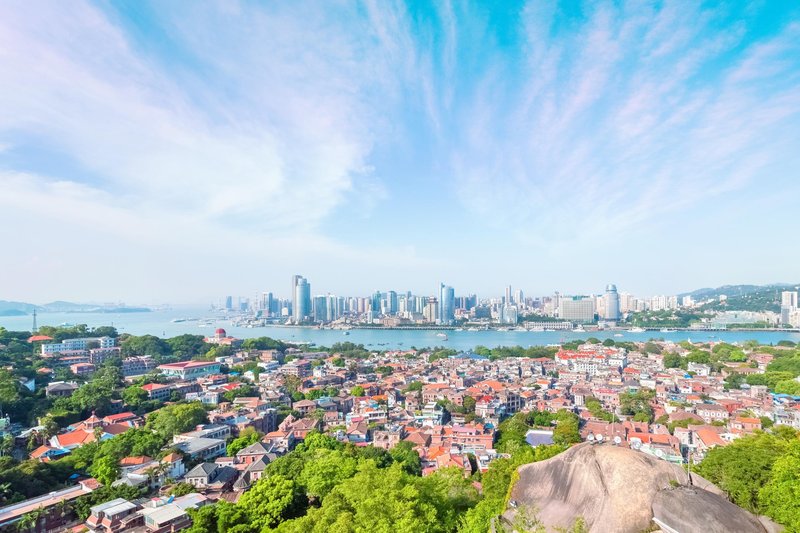
Queimados Overview
City Summary
Campos dos Goytacazes in Rio de Janeiro, Brazil, is renowned for its petroleum industry and agricultural heritage. The city blends colonial architecture with modern oil refineries, showcased by landmarks like São Salvador Church and Sugar Museum. Nearby Pedro River Ecological Park offers pristine nature trails for ecotourism enthusiasts.
Must-See Attractions
Top attractions include the 17th-century São Salvador Church with intact baroque facades, and the Sugar Museum documenting regional sugarcane economy. Downtown Campos Square hosts live music at night, while Pedro River Boardwalk is ideal for cycling. Don't miss the monthly Farmers' Market for handicrafts and organic produce.
Food Guide
Savor Portuguese-African fusion dishes like Feijoada completa (black bean stew) and Moqueca de peixe (fish coconut stew). Street food staples include Pastel de camarão (shrimp pastry) and Pão de queijo (cheese bread). Visit Cachaça distilleries to sample Brazil's national spirit mixed into Caipirinha cocktails.
Transportation Guide
City buses cover major routes (single fare R$4.5). Use apps like 99Taxi (base fare R$5.8). Self-driving requires caution on rural roads. Long-distance buses to Rio take 4 hours—book tickets in advance. Warning: Avoid unmarked taxis after dark.
Best Time to Visit
Visit April-September (dry season) for 25-30°C days and fewer crowds. October-March sees heavy rains. Avoid December-February heat/humidity and Carnival price surges.
Travel Tips
- Safety: Conceal valuables and avoid isolated areas.
- Etiquette: 10% dining tip expected; greet with cheek kisses.
- Cash: Carry small bills—rural vendors reject cards.
- Attire: Cover shoulders/knees at churches.
- Language: Learn basic Portuguese (e.g., "Obrigado").
- Water: Drink bottled water only, skip ice cubes.
Useful Information
Language: Portuguese dominant; English limited to tourist hubs. Network: 4G in downtown; local SIMs (Vivo/Claro) recommended. Payments: Cards accepted widely but markets are cash-only. Emergencies: Police 190, ambulance 192. Healthcare: Hospital Ferreira Machado has 24/7 ER—travel insurance advised. Voltage: 110V, Type A/B plugs required.