Hotels in Ranot
Discover your perfect stay in Ranot.
Ranot(Thailand) Travel 2026: Cheap Flights, Hotels & Top Attractions

Popular Landmarks in Ranot
Discover the most iconic attractions in Ranot
Recommended Hotels in Ranot
Find the perfect place to stay in Ranot
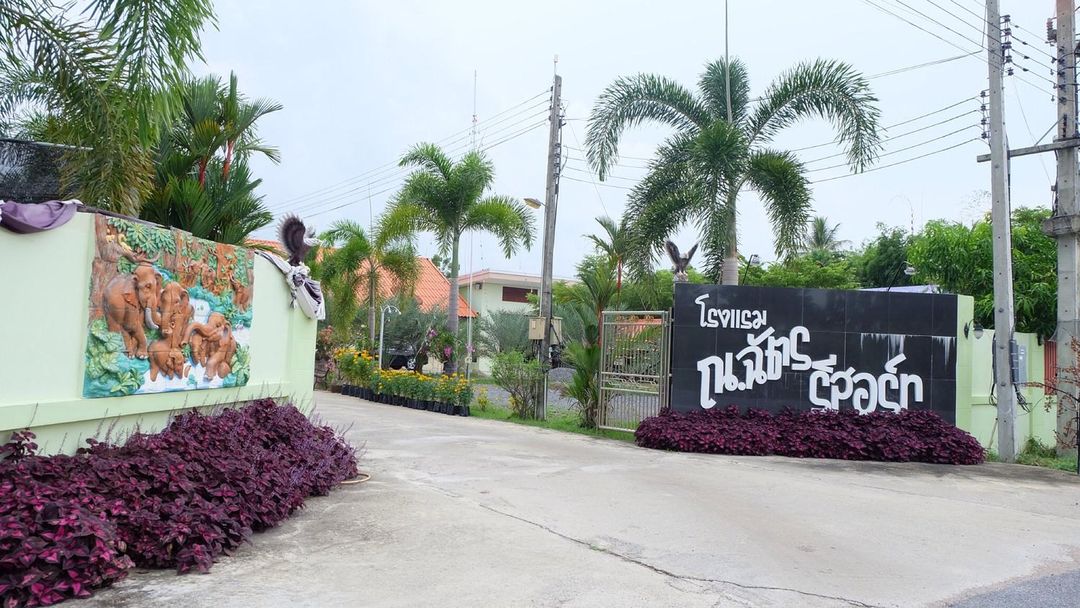
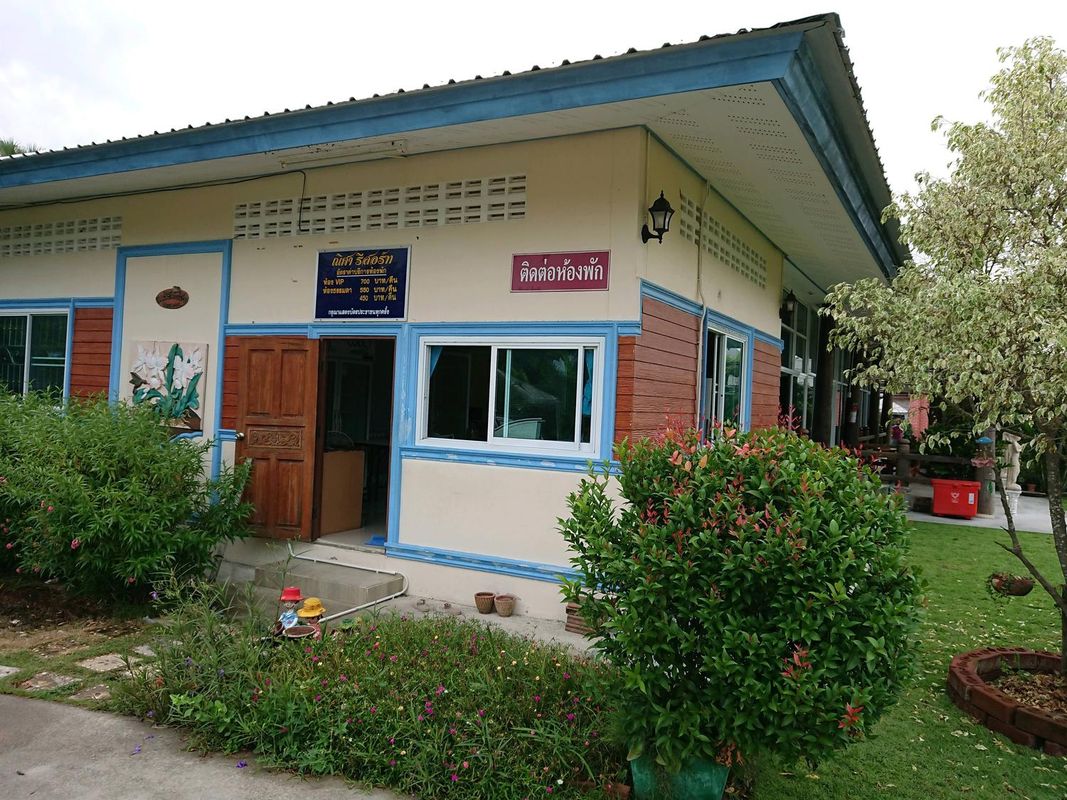
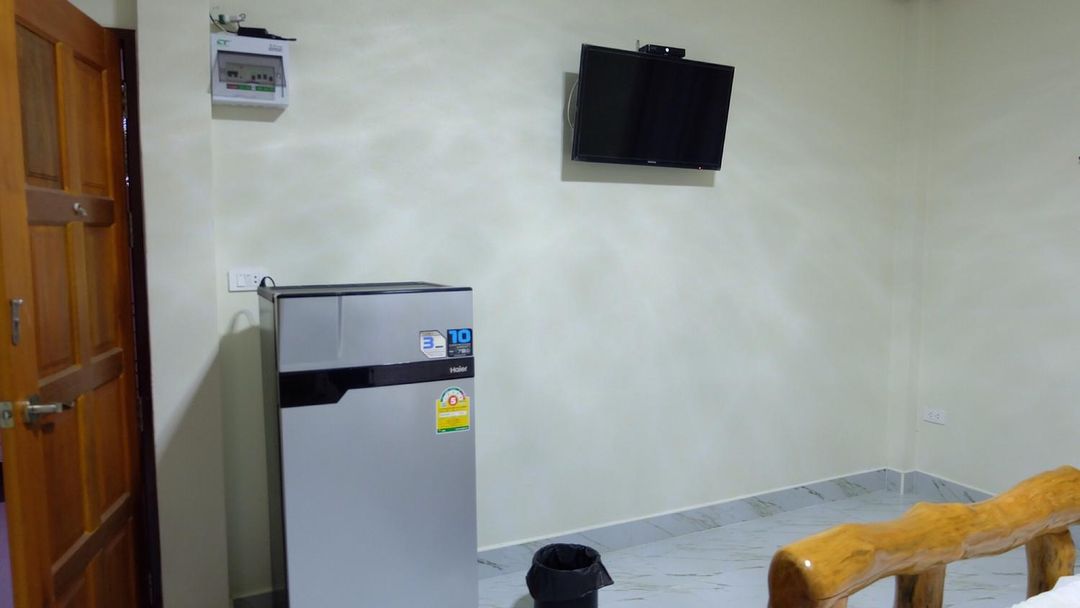
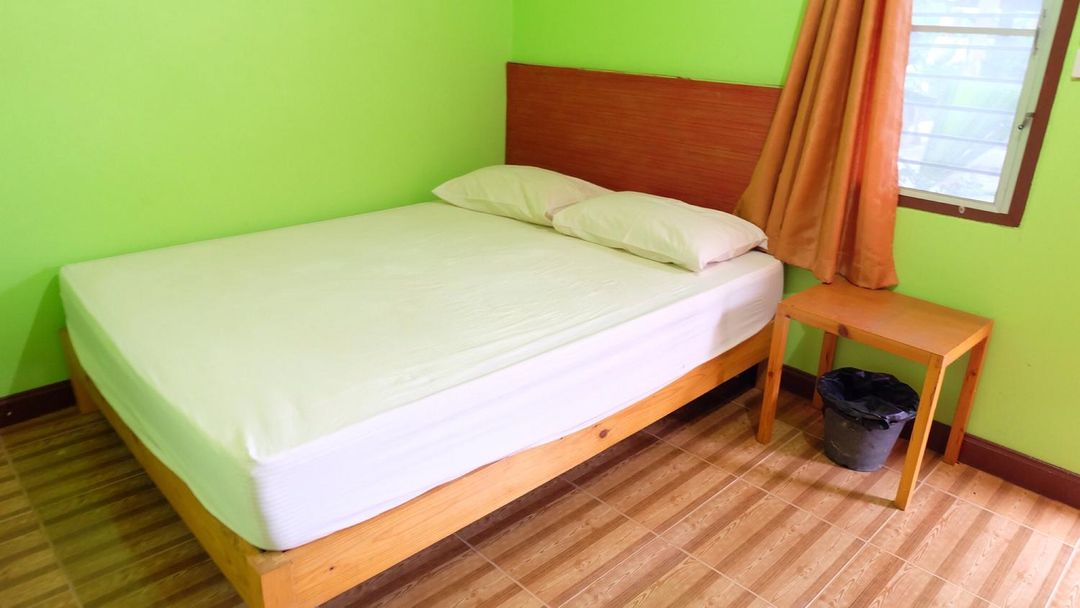
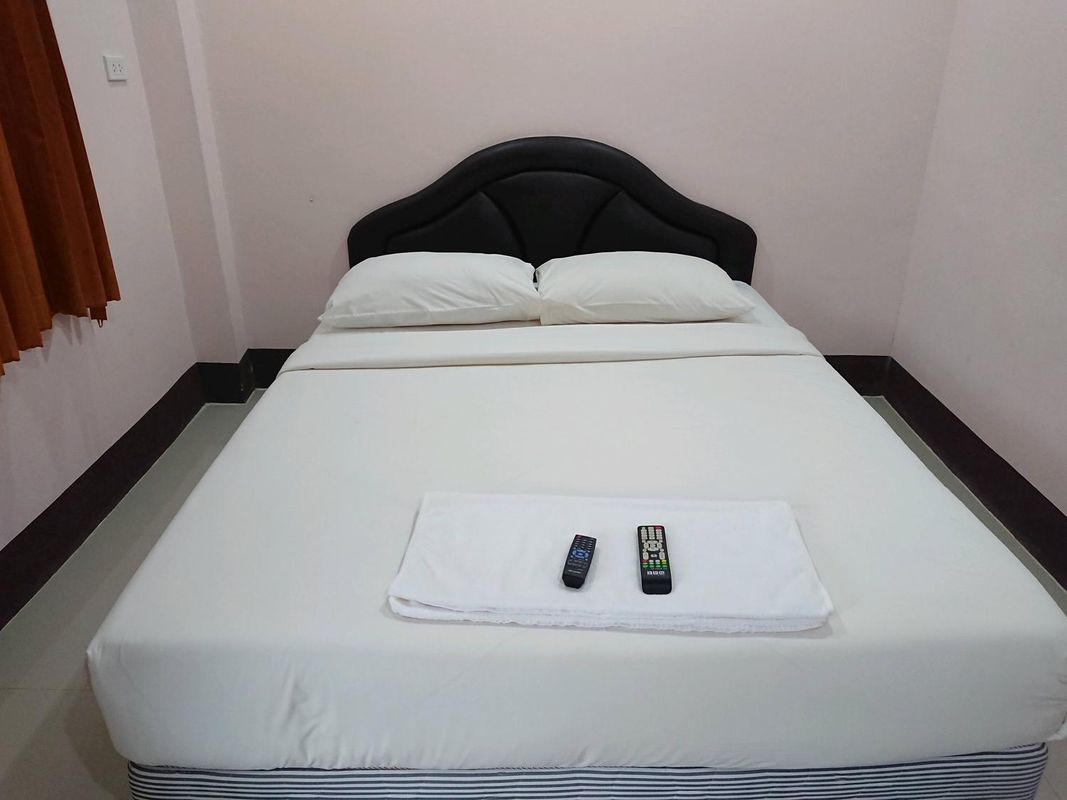
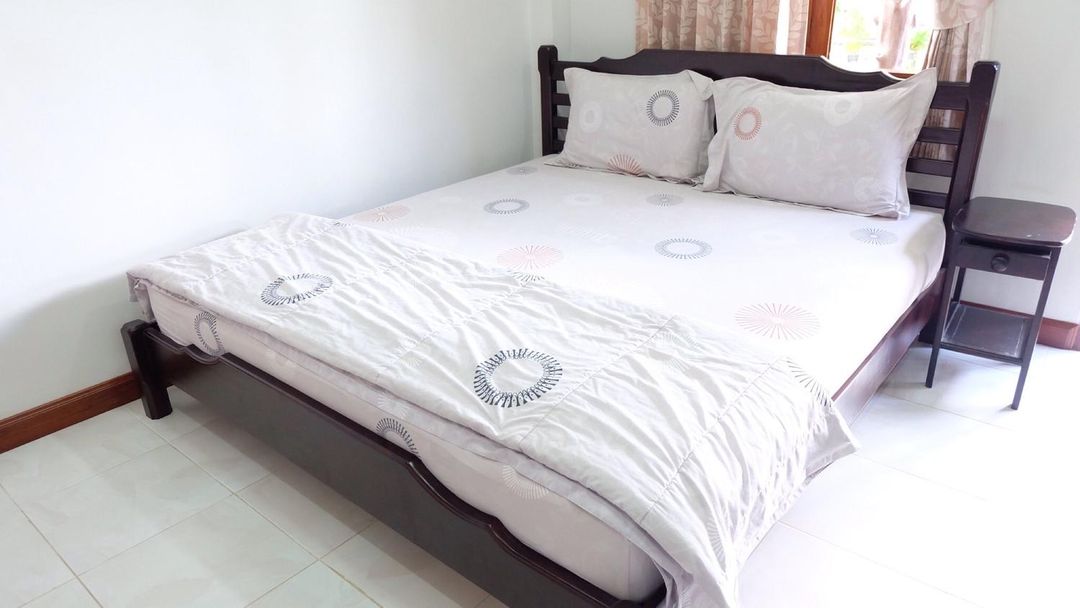
Best Hotels in Ranot
Discover curated hotel collections in Ranot

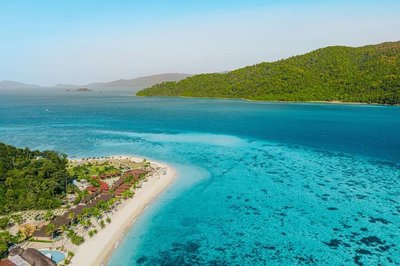
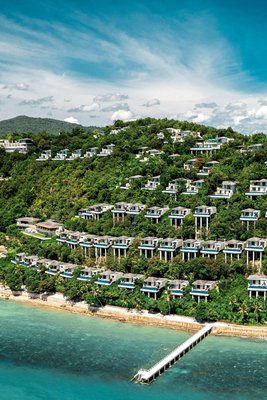
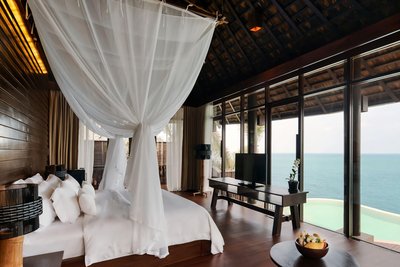
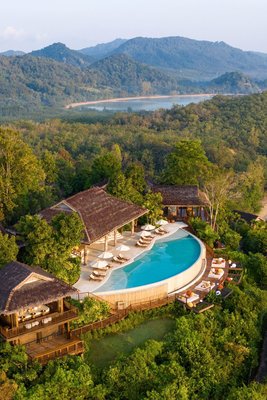

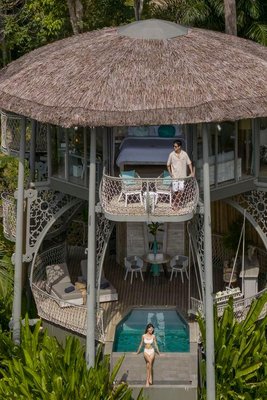
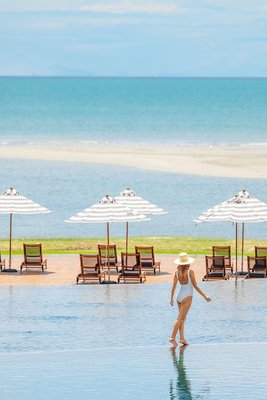
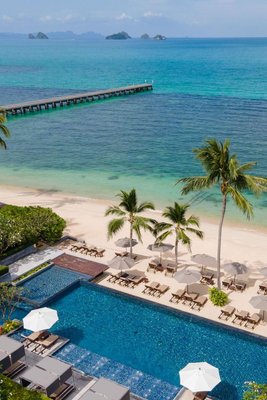
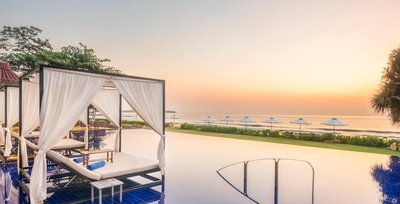
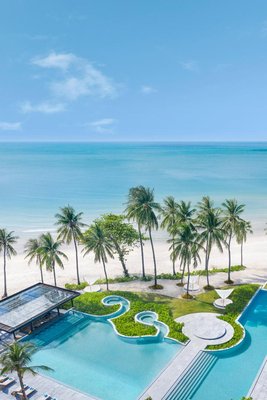
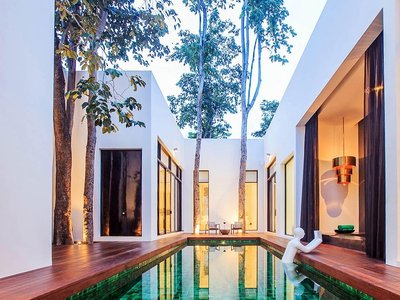
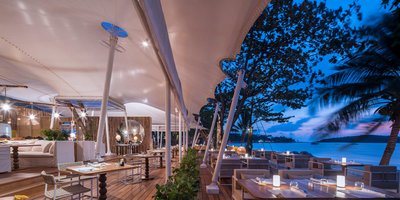
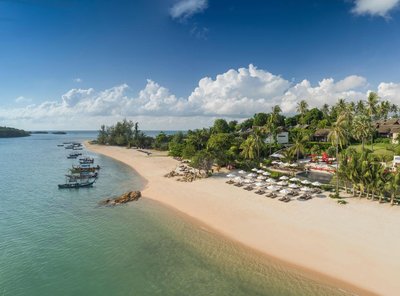





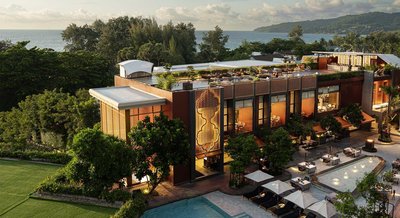
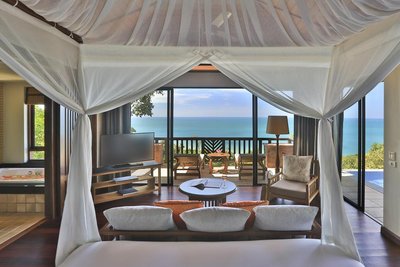
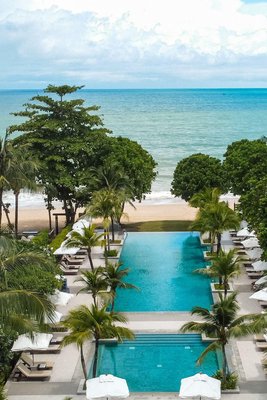
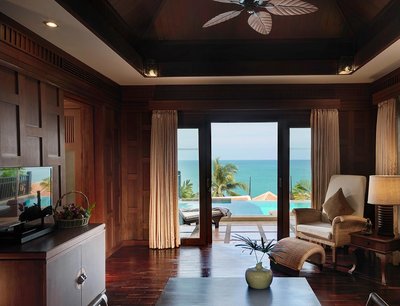
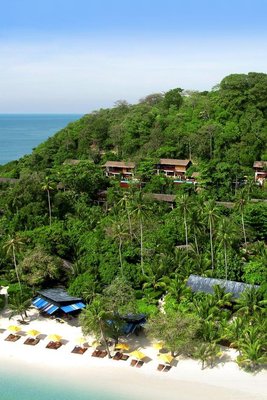
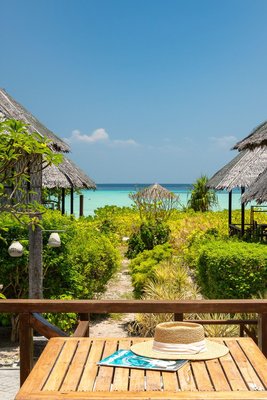
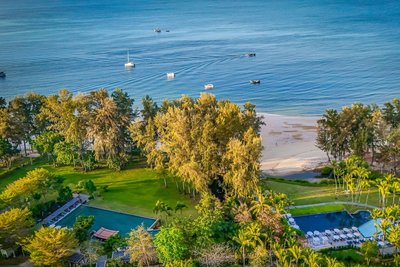
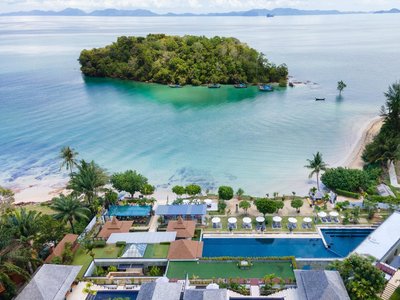
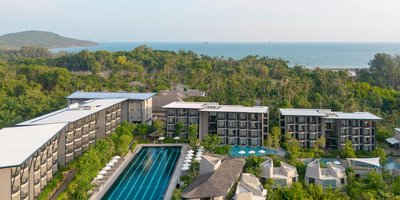
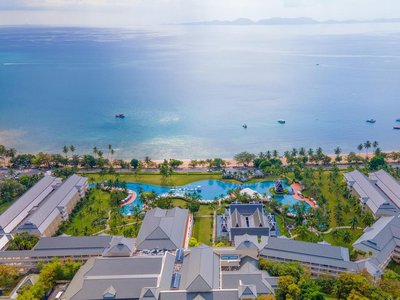

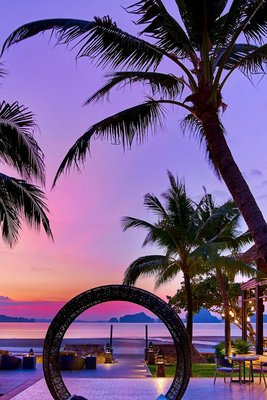
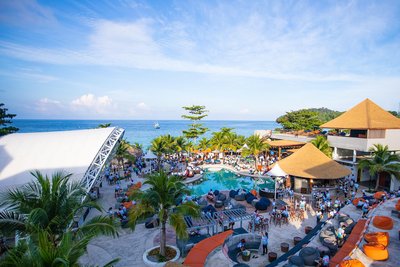





















Frequently Asked Questions about Traveling to Ranot
Questions You Might Need to Know About Traveling to Ranot
Ranot Overview
City Summary
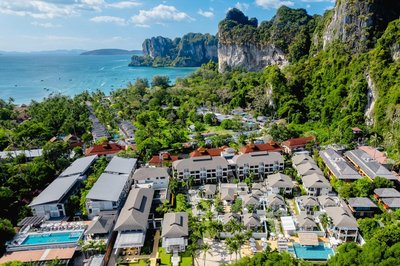
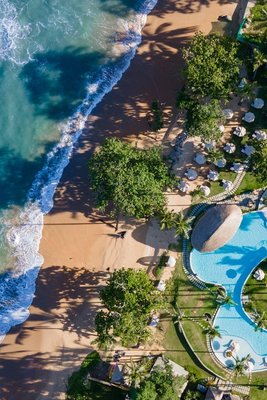
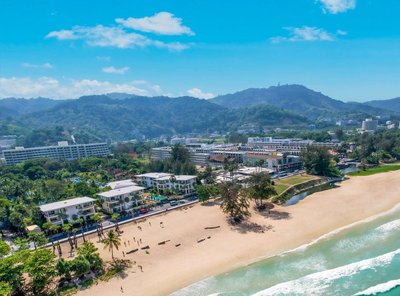
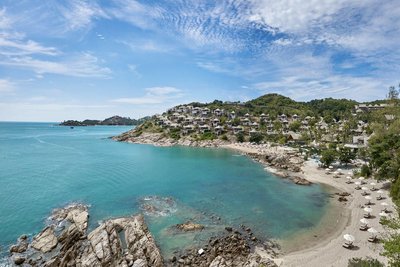
La-ngu District is located in Songkhla Province in southern Thailand, known for its serene beaches, traditional fishing villages, and abundant seafood. It offers an escape from urban crowds with its unspoiled natural landscapes. The main attraction lies in its authentic Thai fishing village lifestyle, providing a peaceful and non-commercialized atmosphere.
Must-See Attractions
Must-see attractions in La-ngu include the beautiful La-ngu Beach, perfect for relaxation and sunshine. The local fishing villages are also a highlight, where visitors can observe traditional fishing techniques and daily life. Cultural enthusiasts can explore nearby temples like Wat Khlong Hae to experience Thai religious ambiance. In the evening, the seaside night market offers local crafts and snacks, ideal for cultural immersion.
Food Guide
La-ngu is famous for its seafood, especially fresh fish, shrimp, and crab, served at many restaurants and beachside stalls. Recommended dishes include Thai grilled fish (Pla Pao) and spicy seafood soup (Tom Yum Talay). Street food like fish cakes (Tod Mun Pla) and coconut pancakes (Khanom Bueang) are also worth trying, reflecting local fishing village culinary traditions.
Transportation Guide
Transportation in La-ngu primarily includes motorbikes and local tuk-tuks. Motorbikes can be rented for independent exploration, while tuk-tuks are convenient for short trips (agree on fares in advance). Public transport is limited, so planning ahead is advisable. From Hat Yai, the main city in Songkhla, La-ngu is accessible by bus or taxi (approximately 1-hour drive).
Best Time to Visit
The best time to visit is from November to February, with cool and dry weather ideal for beach activities and outdoor exploration. The peak season sees more tourists, but it remains quieter than other Thai hotspots. The rainy season (May-October) may disrupt seaside activities but offers lower prices and fewer crowds.
Travel Tips
- Respect local culture by dressing modestly in temples.
- Exercise caution during beach activities, especially in the rainy season with stronger waves.
- Learn basic Thai greetings to connect better with locals.
- Minimize plastic use to protect marine ecosystems.
- Check seafood freshness at reputable vendors.
- Carry sufficient cash as small vendors may not accept cards.
Useful Information
Thai is the primary language, though simple English may be understood in tourist areas. Network coverage is good but spotty in remote zones. Cash (Thai Baht) is preferred; credit cards have limited acceptance. For emergencies, dial Thailand's tourist police at 1155. Medical facilities are basic; serious cases should go to Hat Yai's hospitals. Drink bottled water for safety.