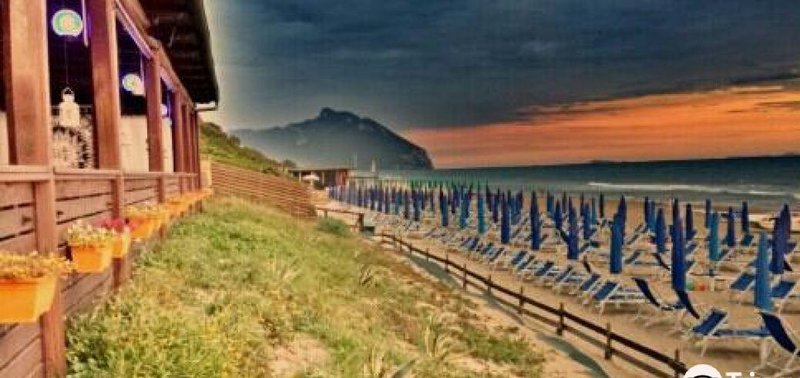
Hotels in Recco
Discover your perfect stay in Recco.
Recco(Italy) Travel 2026: Cheap Flights, Hotels & Top Attractions
Popular Landmarks in Recco
Discover the most iconic attractions in Recco
Recommended Hotels in Recco
Find the perfect place to stay in Recco
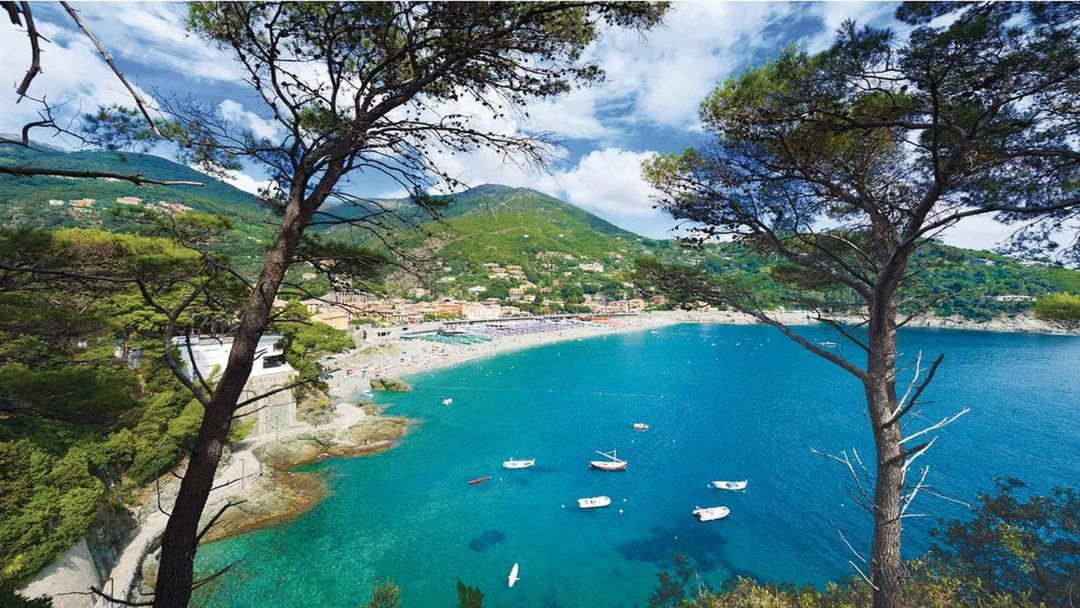
Villa with Pool in Recco Cinque Terr
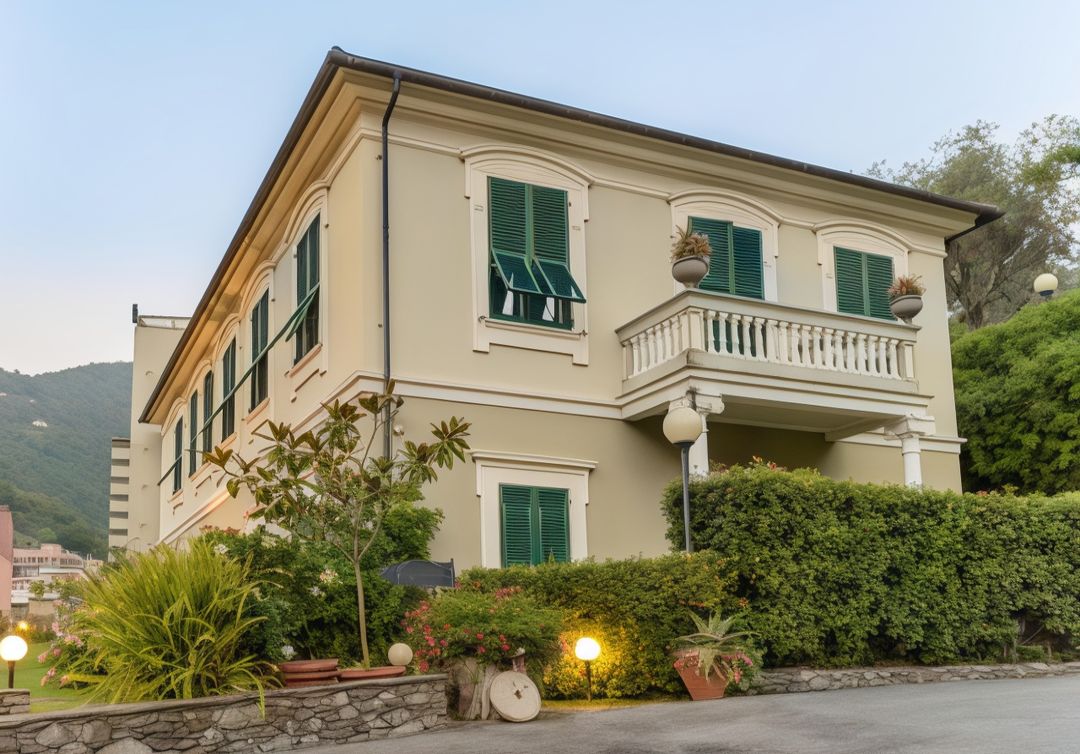
Manuelina Taste Hotel
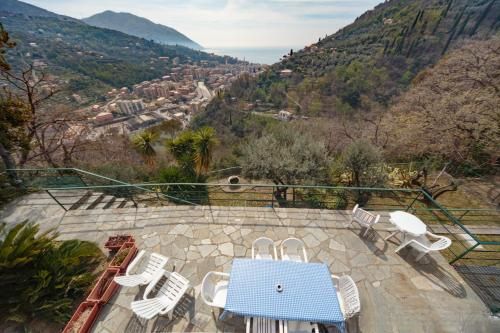
Villa Pia Recco
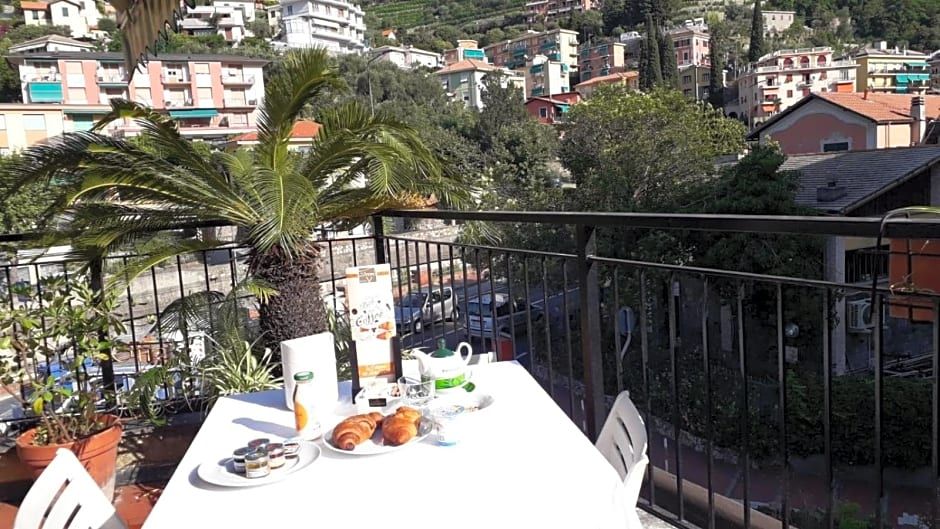
Da ö Vittorio Srl
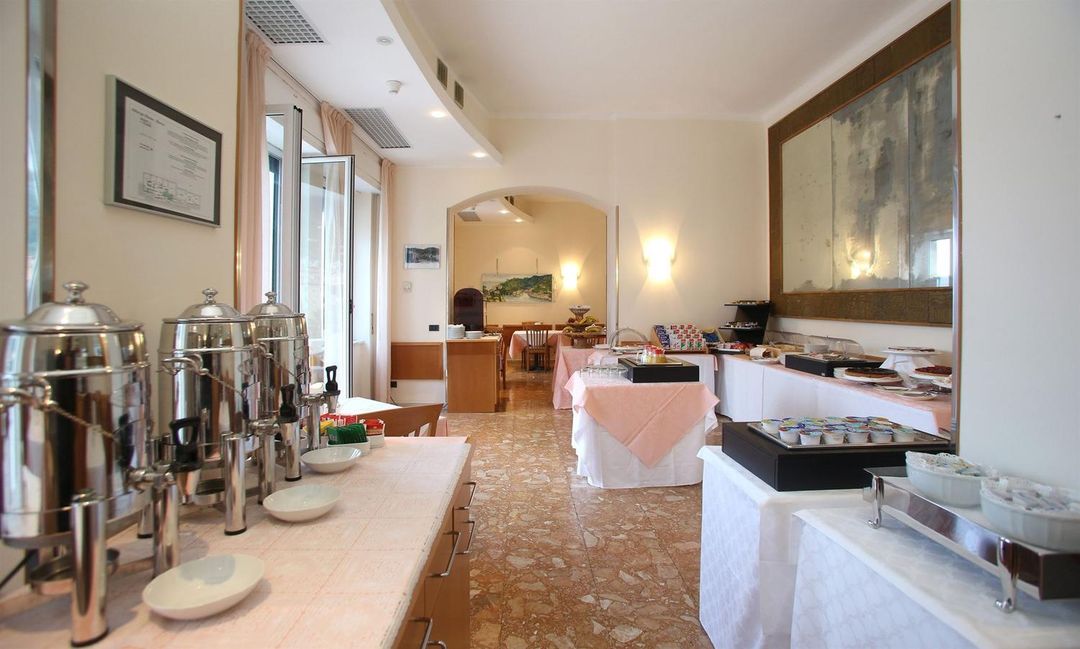
Hotel Elena
Frequently Asked Questions about Traveling to Recco
Questions You Might Need to Know About Traveling to Recco
In Rethymno, the top boutique choice is Hotel Koutoumousi, a restored 19th-century mansion nestled in the heart of the old town. With its handcrafted furniture, local artwork, and rooftop terrace overlooking the Venetian walls, it blends history and luxury. Guests enjoy personalized service, daily Greek breakfasts with local honey and olives, and access to private walking tours of the city’s hidden alleys. The hotel’s intimate courtyard with olive trees offers a serene retreat after exploring the bustling harbor. It's ideal for travelers seeking authenticity and charm.
The Old Town (Historic Center) is the best area to stay in Rethymno. Located just steps from the Venetian Harbor, this pedestrian-friendly zone features cobblestone streets, colorful buildings, and family-run tavernas serving fresh seafood and Cretan specialties. You’ll be surrounded by cultural landmarks like the Rethymno Municipal Palace and the Ancient City Walls. Evening strolls along the waterfront offer stunning sunsets and lively street music. Plus, most attractions, shops, and restaurants are within a 5-minute walk—perfect for an immersive, authentic experience.
Don’t miss the Rethymno Carnival Festival held every February, featuring vibrant parades, traditional costumes, and live folk music. Visit the Rethymno Archaeological Museum to explore artifacts from Minoan and Venetian eras. For art lovers, the Cretan Art Gallery displays contemporary works inspired by island life. Additionally, join a traditional cooking class to learn how to prepare dishes like stew with lamb and herbs or dolmadakia (stuffed grape leaves) using local ingredients—ideal for connecting with Cretan heritage.
Yes, the Rethymno Seafront Promenade is perfect for a scenic stroll. Stretching about 1.5 km along the Venetian Harbor, it offers panoramic views of turquoise waters, sailboats, and the historic port structures. The path is shaded by bougainvillea and olive trees, making it comfortable even in summer. Along the way, you’ll find cafes, artisan stalls, and open-air bars where locals gather at dusk. At sunset, the golden light reflects off the water—ideal for photography. It’s also popular with joggers and cyclists, creating a lively yet relaxed atmosphere.
Must-try dishes in Rethymno include Grilled Octopus with Lemon and Olive Oil, served fresh from the harbor; Spoon Pie (Ladera), a rich vegetarian dish made with eggplant, zucchini, and herbs; and Rethymno-style Lamb Stew, slow-cooked with wild greens. Pair these with a glass of local white wine from Crete’s vineyards. Don’t forget the Cretan pastries like Vasilopita (honey cake) and Galaktoboureko (custard-filled phyllo), often enjoyed with strong Cretan coffee. These delicacies are best sampled at family-run tavernas in the old town.
Getting around Rethymno is very convenient. The old town is compact and walkable, with no traffic in the central zone. Public buses connect the town center to nearby beaches and villages, while rental scooters and bikes are widely available. The Rethymno Train Station links to Heraklion and Chania via the regional line. For day trips, taxis are affordable and reliable. If you’re visiting the Minoan ruins at Gortyna, a short bus ride away, schedules are frequent. Overall, Rethymno balances accessibility with a car-free, human-scale urban design.
Absolutely, Rethymno is family-friendly. The harbor beach has shallow waters and lifeguards, making it safe for kids. Playgrounds and shaded picnic areas are available near the waterfront. Many restaurants offer child-sized portions and high chairs. Families can enjoy guided archaeology scavenger hunts for kids or visit the Rethymno Children’s Museum, which features interactive exhibits on Cretan history. The relaxed pace and warm hospitality ensure a stress-free vacation for all ages.
Evenings in Rethymno come alive with charm. Head to the Harbor Square for live folk music, where locals and tourists mingle over ouzo and meze. Rooftop bars like Sky Bar Rethymno offer panoramic views and craft cocktails under the stars. For something unique, attend a nighttime storytelling session at a traditional taverna, where elders recount myths of ancient Crete. Alternatively, take a moonlit boat ride to see the old town illuminated—a magical experience that highlights the city’s Venetian architecture.
Top photo spots in Rethymno include the Venetian Fortifications at sunrise, where the golden light hits the stone walls perfectly. Capture the blue-domed Church of St. Nicholas against a clear sky. The colorful alleyways between the old town buildings make for striking street photography, especially when sunlight filters through narrow passages. Don’t miss the harbor at golden hour, where boats reflect in the calm water. And for panoramic shots, climb the clock tower for a sweeping view of the entire city and surrounding hills.
The peak tourist season in Rethymno runs from June to September, when temperatures average 28–32°C and the sea is warm for swimming. This period sees the highest number of visitors, especially during July and August. Accommodations are fully booked, and prices rise accordingly. For a quieter, more authentic experience, consider visiting in May or October—the weather remains pleasant, crowds are thin, and many local events continue. These shoulder months offer better value and deeper cultural immersion.
Recco Overview
City Summary
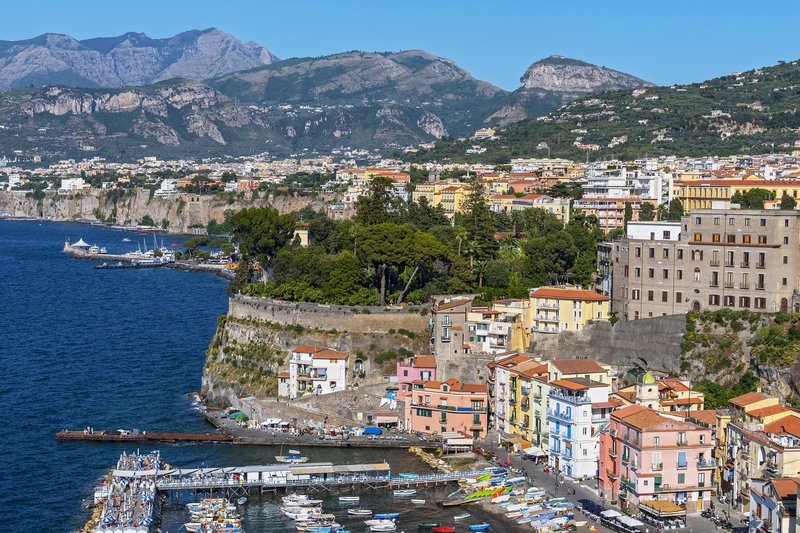
Recco is a charming coastal town in Italy's Liguria region, renowned for its stunning sea views and world-famous cuisine. Nestled along the Gulf of Genoa, it boasts golden beaches and crystal-clear waters, making it an ideal destination for relaxation. Recco is also the birthplace of Focaccia, attracting food lovers from around the globe.
Must-See Attractions
The seafront promenade is a must-visit, offering breathtaking Mediterranean vistas. Chiesa di San Giorgio showcases exquisite Baroque architecture and is worth exploring. Food enthusiasts should not miss the local focaccia bakeries. Additionally, you can take a boat trip to the nearby Cinque Terre to discover more of Liguria's beauty.
Food Guide
Recco is the birthplace of Focaccia, a soft and crispy flatbread typically drizzled with olive oil and rosemary. Focaccia di Recco, especially the cheese-filled version, is a local delicacy not to be missed. Seafood is also a highlight; try the Fritto Misto (mixed fried seafood) and Risotto al Pescatore (seafood risotto) for an authentic taste of the region.
Transportation Guide
Recco is easily accessible by train from Genoa, with a travel time of about 30 minutes. The town is best explored on foot, as attractions are concentrated. For trips to nearby areas, buses or taxis are available. Drivers should note that the old town has narrow streets and limited parking, so public transport is recommended.
Best Time to Visit
The best time to visit is from May to September, when the weather is warm and perfect for beach activities. Summer (July-August) sees the most tourists, so consider visiting in spring (April-May) or autumn (September-October) for fewer crowds and pleasant temperatures.
Travel Tips
- Sun Protection: Recco's sun can be intense; bring sunscreen and a hat.
- Cultural Respect: Dress modestly when visiting churches.
- Tipping: Service charges are usually included in restaurant bills.
- Language: Learn basic Italian greetings (e.g., Ciao, Grazie) to connect with locals.
- Cash: Some small shops prefer cash over cards.
- Beach Amenities: Public beaches have limited facilities; consider renting a sunbed at a private beach.
Useful Information
Language: Italian is the main language, but English is understood in tourist areas. Internet: Free Wi-Fi is available in the town center; a local SIM card is handy for better connectivity. Payment: Credit cards are widely accepted, but smaller shops and markets prefer cash. Emergency: Recco has a medical center (Guardia Medica); dial 118 for emergencies. Voltage: 220V, with standard European two-pin plugs. Drinking Water: Tap water is safe; restaurants often provide free bottled water.