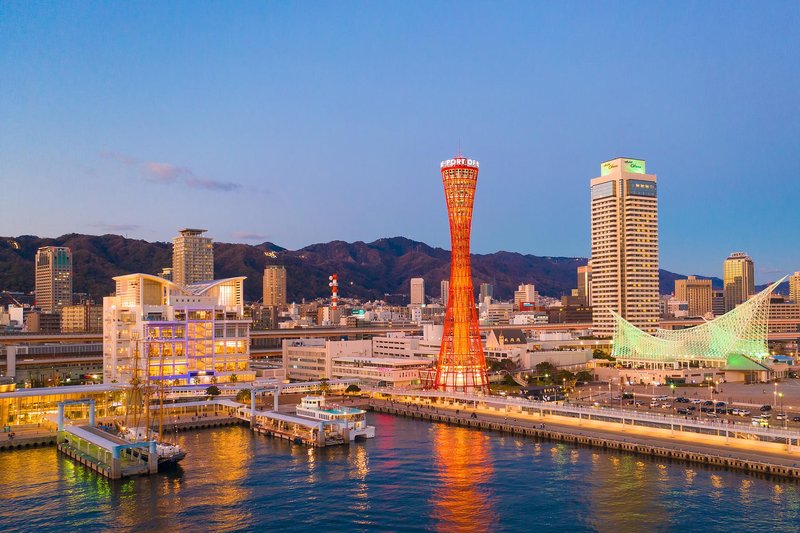
Hotels in Reihoku
Discover your perfect stay in Reihoku.
Reihoku(Japan) Travel 2026: Cheap Flights, Hotels & Top Attractions
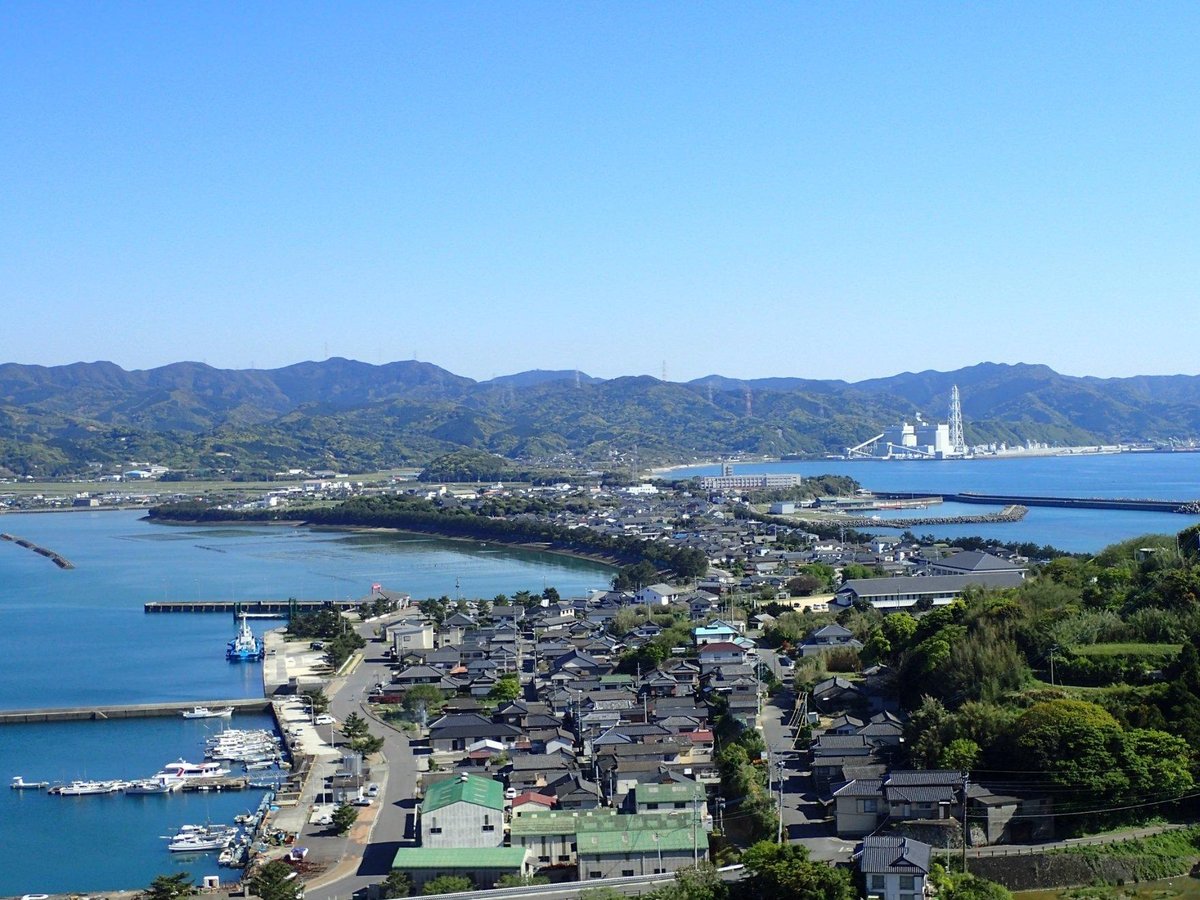
Popular Landmarks in Reihoku
Discover the most iconic attractions in Reihoku
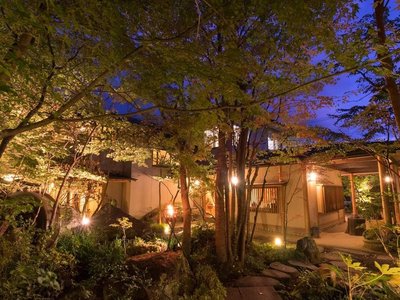
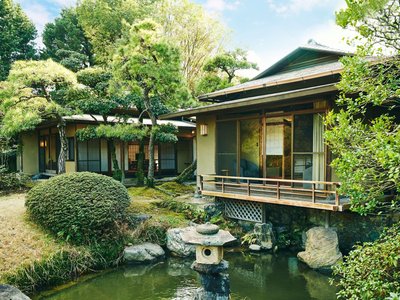
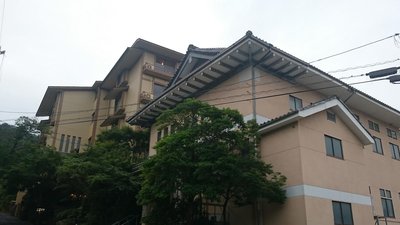
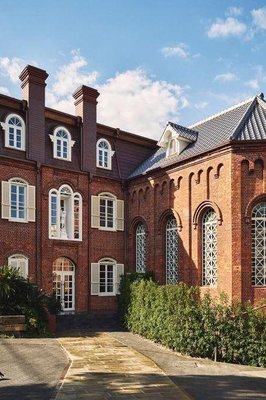
Recommended Hotels in Reihoku
Find the perfect place to stay in Reihoku
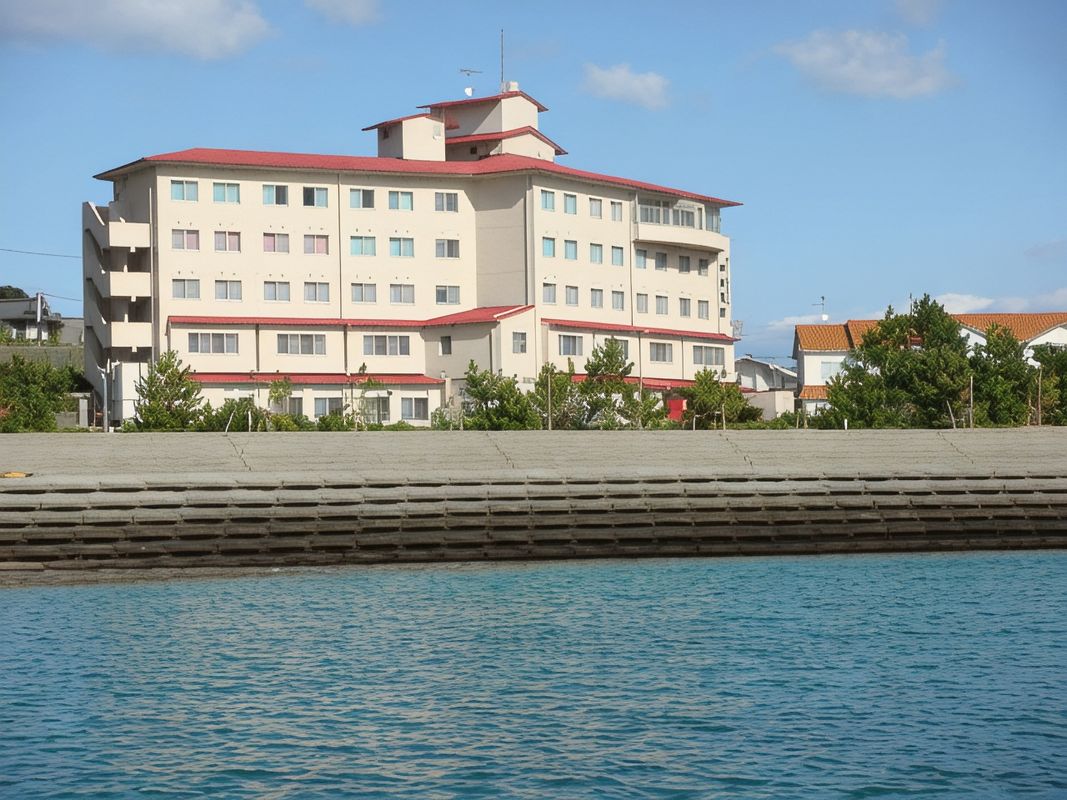
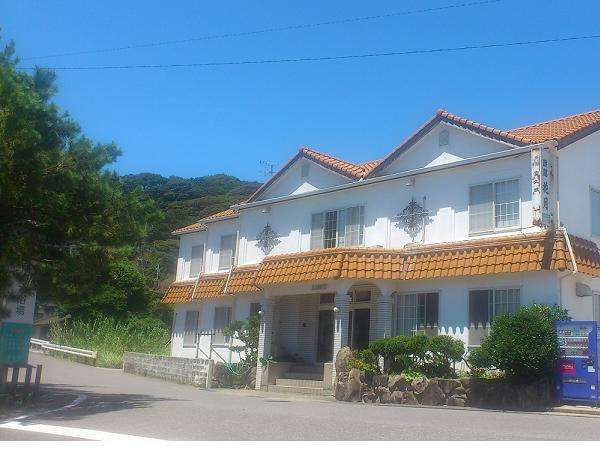
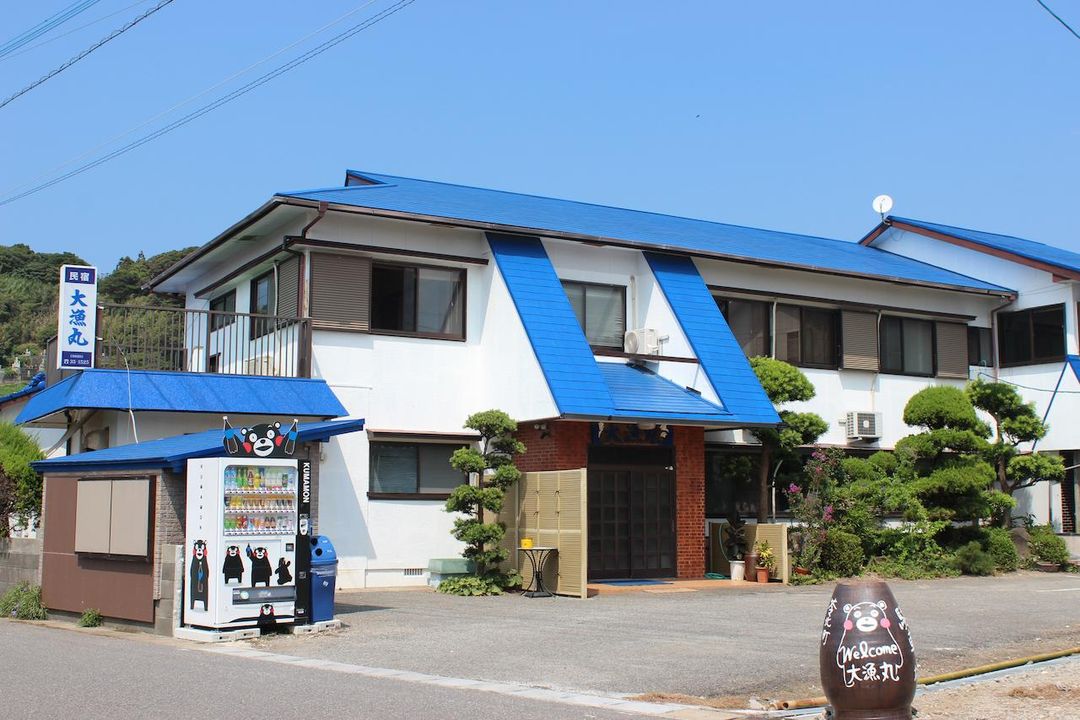
Best Hotels in Reihoku
Discover curated hotel collections in Reihoku
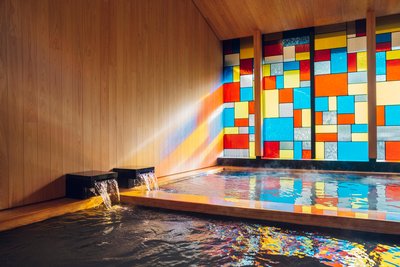
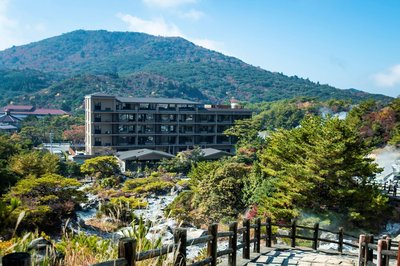
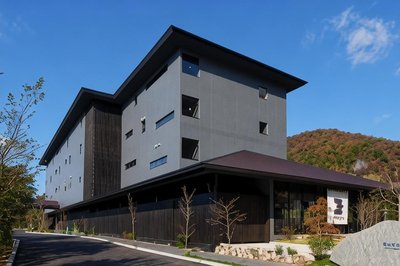
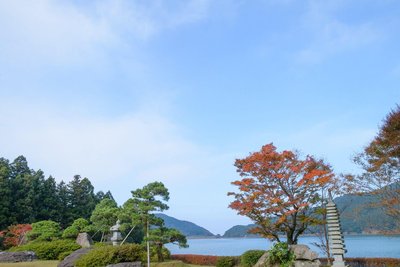
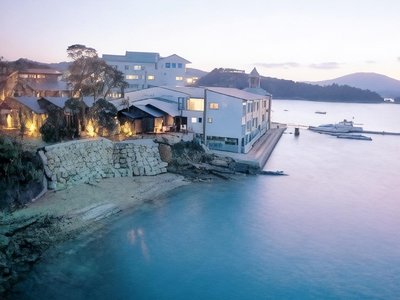
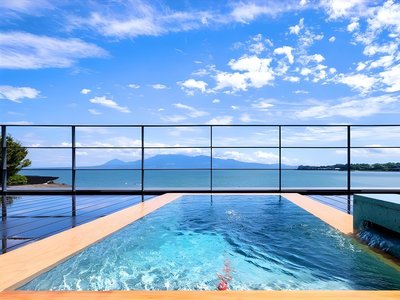
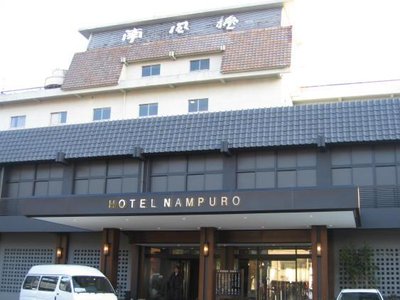


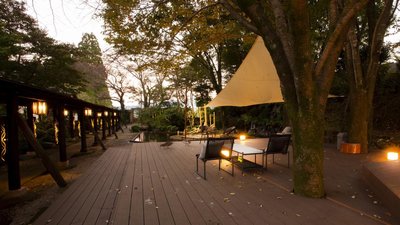
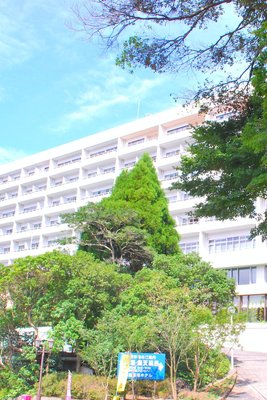

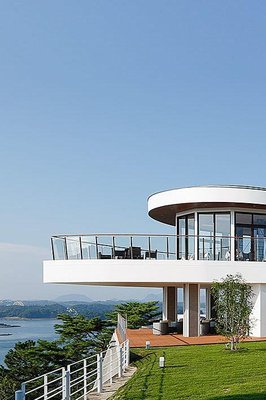
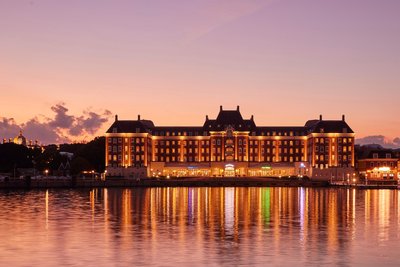
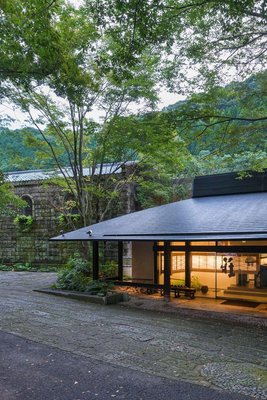
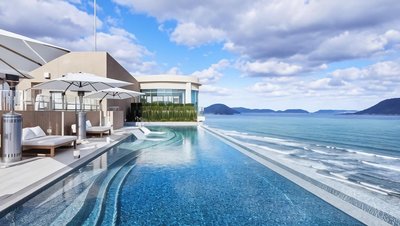

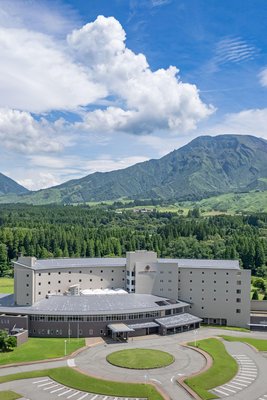

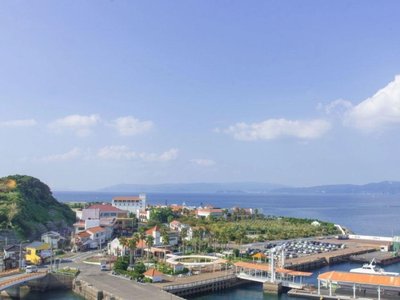


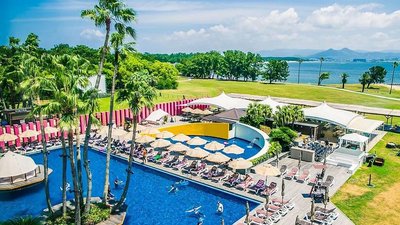

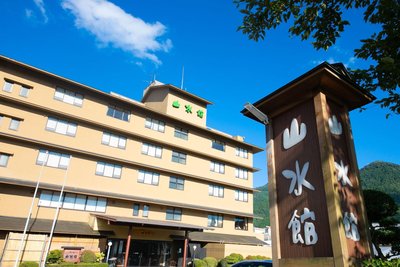
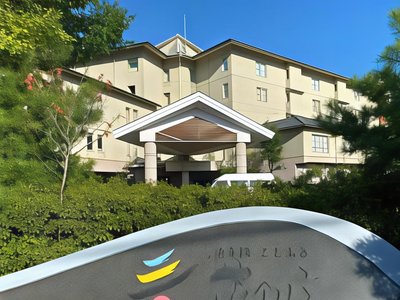
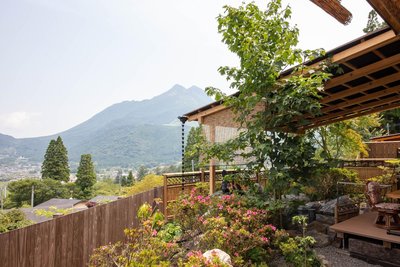


















Frequently Asked Questions about Traveling to Reihoku
Questions You Might Need to Know About Traveling to Reihoku
Reihoku Overview
City Summary
Reihoku Town in Kumamoto Prefecture, Japan, is a coastal gem known for its pristine beaches, traditional fishing villages, and hot spring resources. The town's charm lies in its unspoiled tranquility, featuring Edo-period salt field ruins and vibrant local festivals like the "Reihoku Gion Matsuri" in summer.
Must-See Attractions
Must-see spots include the basalt columnar joints at Tomioka Coast, therapeutic baths at Reihoku Onsen, and historical walks at Shiki Castle Ruins. Experience pre-dawn fish auctions or visit the Salt Industry Museum to learn traditional salt-making. The town-operated observatory offers stunning night skies.
Food Guide
Savor fresh sea bream sashimi and live squid sashimi (Iki-zukuri). Local izakayas serve fisherman's hotpot with seasonal seafood. Try unique salt-flavored soft serve ice cream (made with local sea salt) and desserts featuring Kankitsu citrus. Morning markets sell seaweed tsukudani as souvenirs.
Transportation Guide
The town relies on buses (Kanko Bus routes) and taxis, with no train access. From Kumamoto City, buses take ~2 hours. Renting a car is recommended (Route 389 crosses the town). Free parking is available at major sites, but some fishing village roads are narrow. Shuttle buses operate to beaches in peak season.
Best Time to Visit
May-October is ideal: May-June for mild weather, July-August for beach activities (book early), September-October for fishing festivals. Winter (Dec-Feb) sees some closures but offers affordable hot spring stays.
Travel Tips
- Beaches have no lifeguards; check tides
- Follow onsen etiquette (wash before bathing)
- Drone use prohibited near ports
- Practice strict trash recycling (few public bins)
- Shops may close early afternoon
- Avoid central shrine pathways (reserved for deities)
- Local dialect differs slightly from standard Japanese
Useful Information
Language: Basic English works at tourist spots; Traditional Chinese brochures available. Internet: Free Wi-Fi on main streets (SSID:Reihoku-Free), limited in rural areas. Payment: Cash preferred; cards accepted only at major hotels. Emergency: Town clinic operates 9AM-5PM; serious cases go to Karatsu City Hospital. Religion: Mainly Shinto with some Soto Zen temples. Voltage: 100V, two-flat-pin plugs. Water: Tap water is drinkable; many onsens have drinking springs.