Hotels in Ribeira de Pena
Discover your perfect stay in Ribeira de Pena.
Ribeira de Pena(Portugal) Travel 2026: Cheap Flights, Hotels & Top Attractions
Popular Landmarks in Ribeira de Pena
Discover the most iconic attractions in Ribeira de Pena
Recommended Hotels in Ribeira de Pena
Find the perfect place to stay in Ribeira de Pena
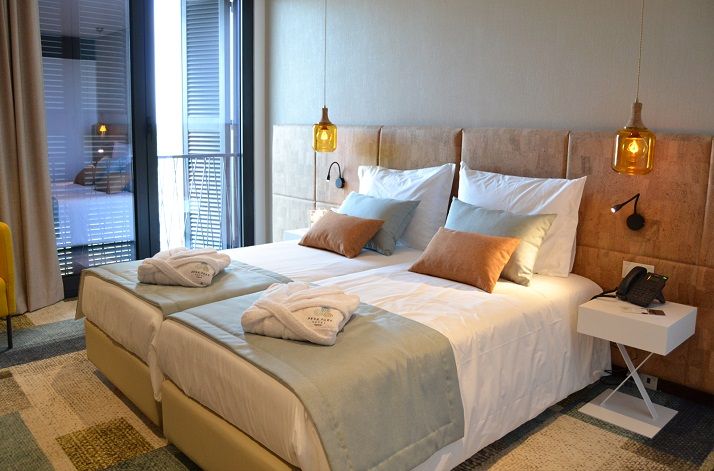
Pena Park Hotel
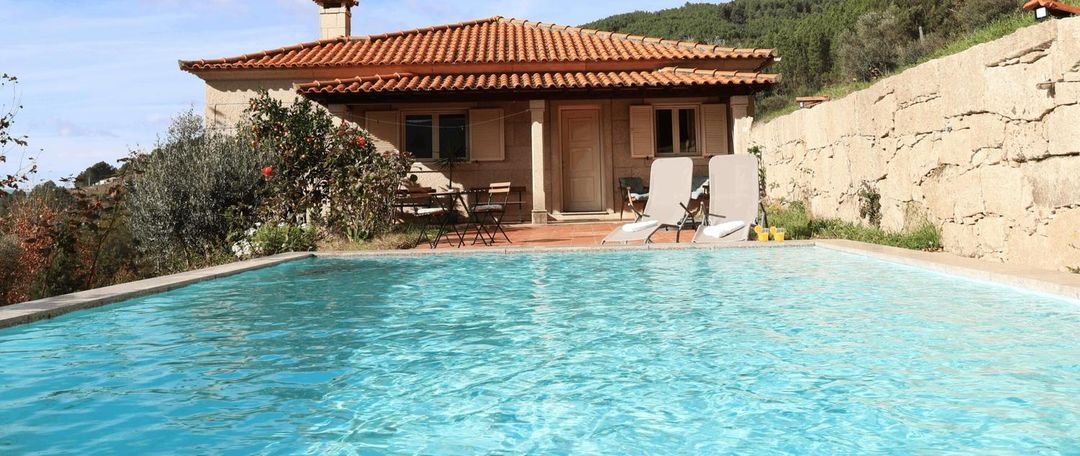
MyStay - Casa do Carmo
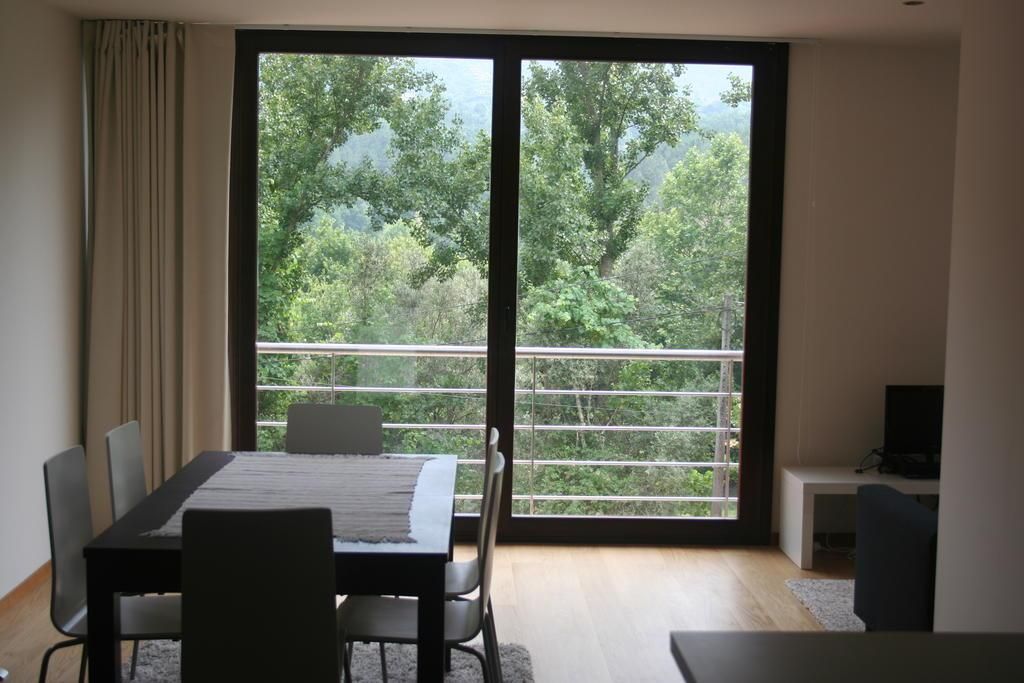
Casas de Alvite
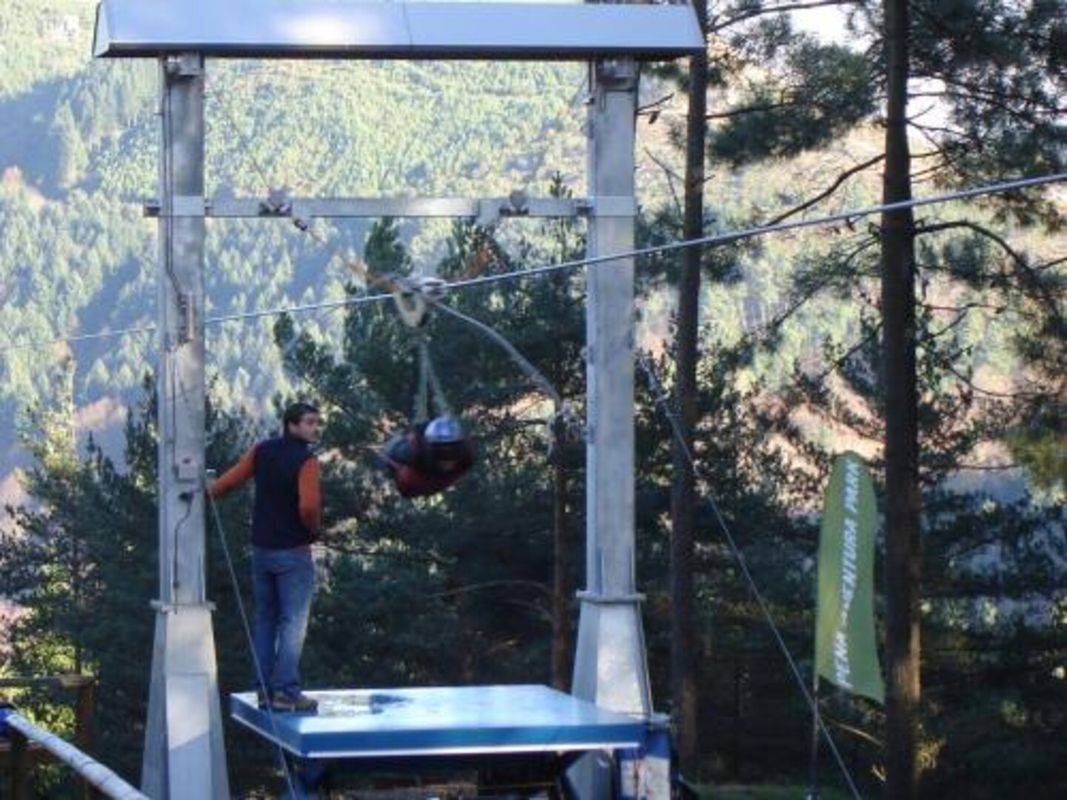
Hotel de Cerva
Frequently Asked Questions about Traveling to Ribeira de Pena
Questions You Might Need to Know About Traveling to Ribeira de Pena
In Ribeira de Pena, the standout boutique option is Casa da Ribeira, a restored 18th-century farmhouse nestled in the Douro Valley. This eco-conscious retreat features stone-walled rooms, handcrafted wooden furnishings, and private terraces overlooking vineyards. Guests enjoy organic breakfasts and guided wine tastings at nearby family-run cellars. The hotel’s location offers quiet access to hiking trails and historic villages like Cavaleiro, making it ideal for immersive rural experiences.
The most photogenic area in Ribeira de Pena is the hillside village of Cavaleiro, where ancient stone houses cascade down terraced slopes beside the Douro River. Early mornings offer misty scenes perfect for capturing silhouettes against soft light, while golden hour casts warm hues across the grape terraces. Don’t miss the watchtower viewpoint for panoramic shots of the valley, or the riverside footbridge for reflections and birdlife. This unspoiled landscape is a dream for landscape and documentary photographers alike.
Must-try dishes in Ribeira de Pena include pork stew with potatoes (Bacalhau com Batata), slow-cooked with wild herbs, and Douro honey cake (Pastel de Mel de Douro)—a rich, spiced treat made with local honey. Pair them with handcrafted Douro white wine from nearby family vineyards. Many restaurants serve meals in centuries-old stone houses, enhancing the authentic atmosphere. For a true taste of tradition, visit a weekend farmers’ market to sample fresh cheeses and cured meats.
Yes, Ribeira de Pena is family-friendly, especially at Casa do Lago, a countryside retreat with spacious rooms, a natural swimming pool, and a kids’ play area. The property offers nature walks, farm visits with goats and chickens, and weekend workshops on local crafts like pottery and weaving. Families can also enjoy guided bike tours through vineyard paths, making it a safe and enriching destination for children and adults alike.
The best time to visit Ribeira de Pena is April to June and September to October, when temperatures are mild and the vineyards are lush. Spring brings blooming flora and the New Wine Festival, while autumn offers harvest celebrations and crisp air perfect for hiking. Summer is hot but less crowded; winter is cool and rainy, offering a peaceful, off-season escape with fewer tourists and cozy fireside evenings.
To experience authentic culture, join a family winemaking workshop at a local vineyard, where you’ll learn traditional methods of harvesting and aging Douro wines. Visit the weekly artisan market to buy handmade baskets, ceramics, and wool textiles. Attend a village square dinner featuring slow-cooked stews and live folk music. Locals often share oral histories about river life and emigration, offering deep insight into regional heritage.
Yes, Ribeira de Pena is surrounded by excellent hiking trails. The Cavaleiro Trail winds through terraced vineyards and ancient oak forests, leading to hidden waterfalls. Another highlight is the River Path to Serra da Estrela, which connects villages and offers sweeping views of the Douro Valley. Trails range from easy to moderate, with clear signage and resting spots. Bring a backpack and water—many paths lead to small farms where you can stop for homemade cheese and bread.
Public transport is limited in Ribeira de Pena, so renting a car is recommended. The nearest airport is Porto Airport (OPO), about 1.5 hours away via A24 highway. From Porto, take Route N107 into the Douro Valley. Local taxis and private drivers are available for guided tours. If traveling by train, the Eixo Norte line stops at Peso da Régua, from where shuttle services connect to villages. Always plan ahead due to rural road conditions.
Ribeira de Pena stands out for its untouched rural authenticity and dramatic Douro Valley setting. Unlike tourist-heavy areas, it retains traditional stone architecture, low population density, and a strong connection to agriculture. The region is known for small-batch wine production, sustainable farming, and community-led festivals. Its remoteness preserves a slower pace of life, offering visitors a rare glimpse into authentic northern Portuguese village life—far from mass tourism.
Absolutely. Ribeira de Pena is part of the Douro DOC region, renowned for premium wines. Many family-owned estates welcome visitors for guided tastings and behind-the-scenes tours. Try white Douro wines made from Touriga Franca and Viosinho grapes, or explore aged reds aged in oak barrels. Some cellars offer couples' tasting sessions with gourmet cheese pairings. Book in advance, as many are small-scale and operate by appointment only.
Ribeira de Pena Overview
City Summary
Ribeira de Pena is a picturesque town in northern Portugal, nestled in the heart of the Douro Valley, renowned for its wine culture and stunning natural landscapes. As part of the UNESCO World Heritage Douro Wine Region, it boasts a long history of grape cultivation and winemaking. The town's traditional stone houses and terraced vineyards create a charming rural scene, attracting travelers seeking tranquility and cultural experiences.
Must-See Attractions
Must-see attractions include visits to local wine estates, where you can experience traditional grape harvesting and winemaking. A Douro River cruise is another unmissable activity, offering breathtaking views of the valley from the water. The town's historic center features ancient buildings and churches, such as the Church of Our Lady of the Assumption, showcasing typical Portuguese rural architecture.
Food Guide
In the food guide, Portuguese stews and grilled sardines are local specialties. Wine is naturally the star, particularly the region's Port wine and red wines. Street food like pastéis de nata and codfish fritters are also worth trying.
Transportation Guide
Transportation mainly relies on self-driving or buses, as the town is small enough to explore on foot. From Porto, you can take a train or bus, with a journey time of about 2 hours. It's advisable to check schedules in advance, especially during peak seasons.
Best Time to Visit
The best time to visit is spring (April-June) and autumn (September-October), when the weather is mild and the vineyards are at their most beautiful. Summers can be hot, with more tourists.
Travel Tips
- Safety: The town is generally safe, but keep valuables secure.
- Etiquette: Dress modestly when entering churches.
- Customs: Locals are friendly; small tips are appreciated.
- Language: Learning a few basic Portuguese phrases can help.
- Internet: WiFi coverage is limited; consider a local SIM card.
- Payment: Cash is preferred in small shops; credit cards are widely accepted in restaurants and hotels.
Useful Information
Useful information:
- Language: Portuguese is the main language; English is understood in tourist areas.
- Internet: Free WiFi is available in major hotels and restaurants, but signals may be weak.
- Payment: Carry some cash, especially for small purchases.
- Emergency: The town has a medical center; serious cases may require travel to Porto.
- Voltage: 220V, plug types C and F; bring an adapter if needed.