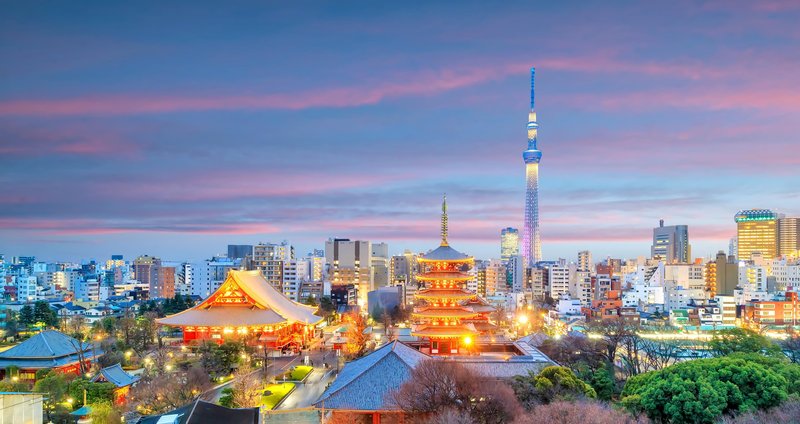
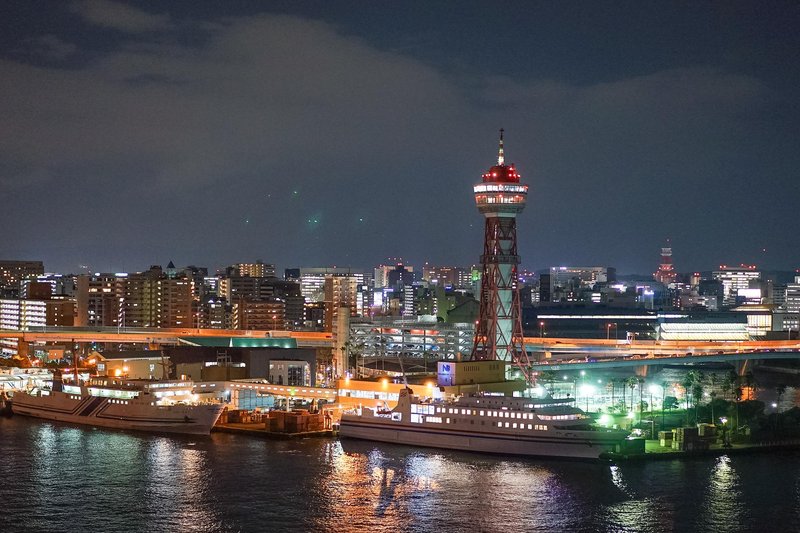
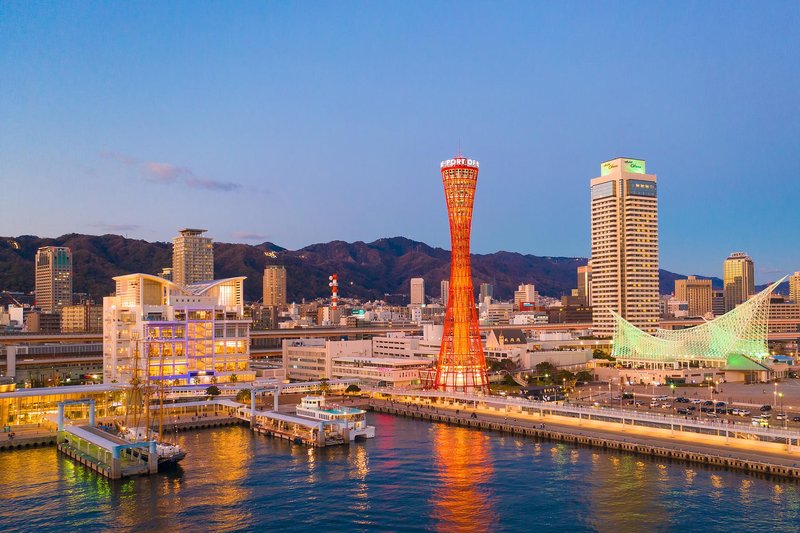
Hotels in Rikuzentakata
Discover your perfect stay in Rikuzentakata.
Rikuzentakata(Japan) Travel 2026: Cheap Flights, Hotels & Top Attractions
Popular Landmarks in Rikuzentakata
Discover the most iconic attractions in Rikuzentakata
Recommended Hotels in Rikuzentakata
Find the perfect place to stay in Rikuzentakata
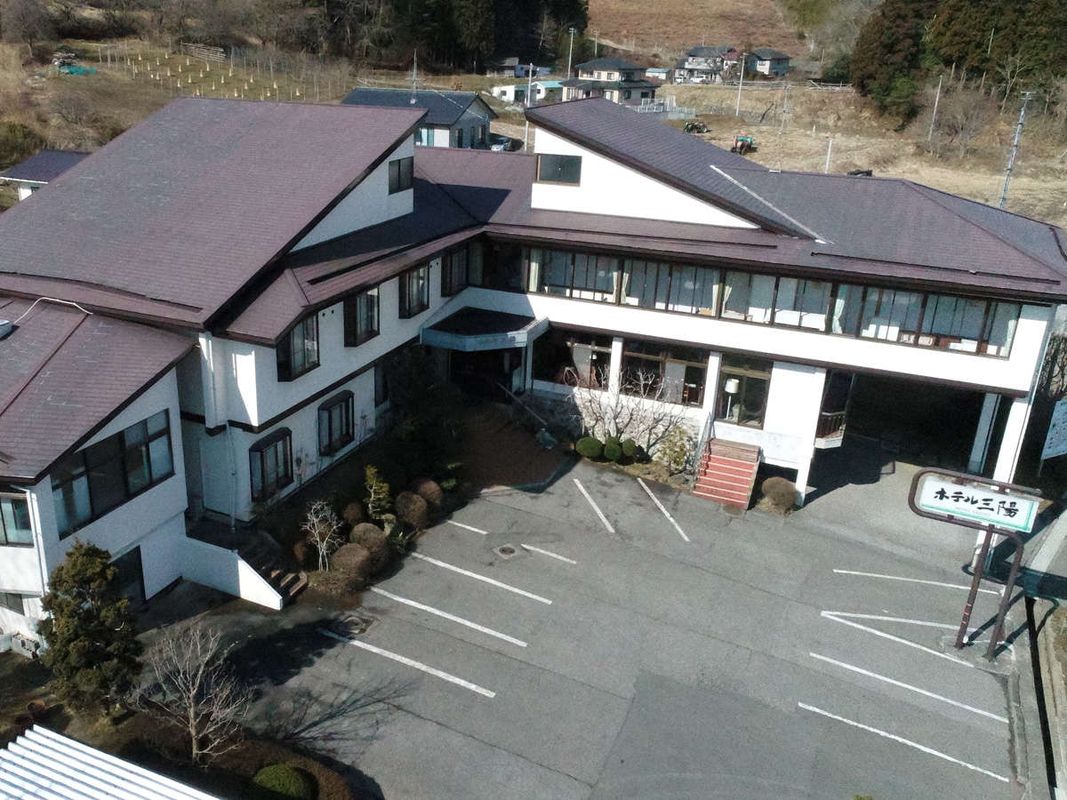
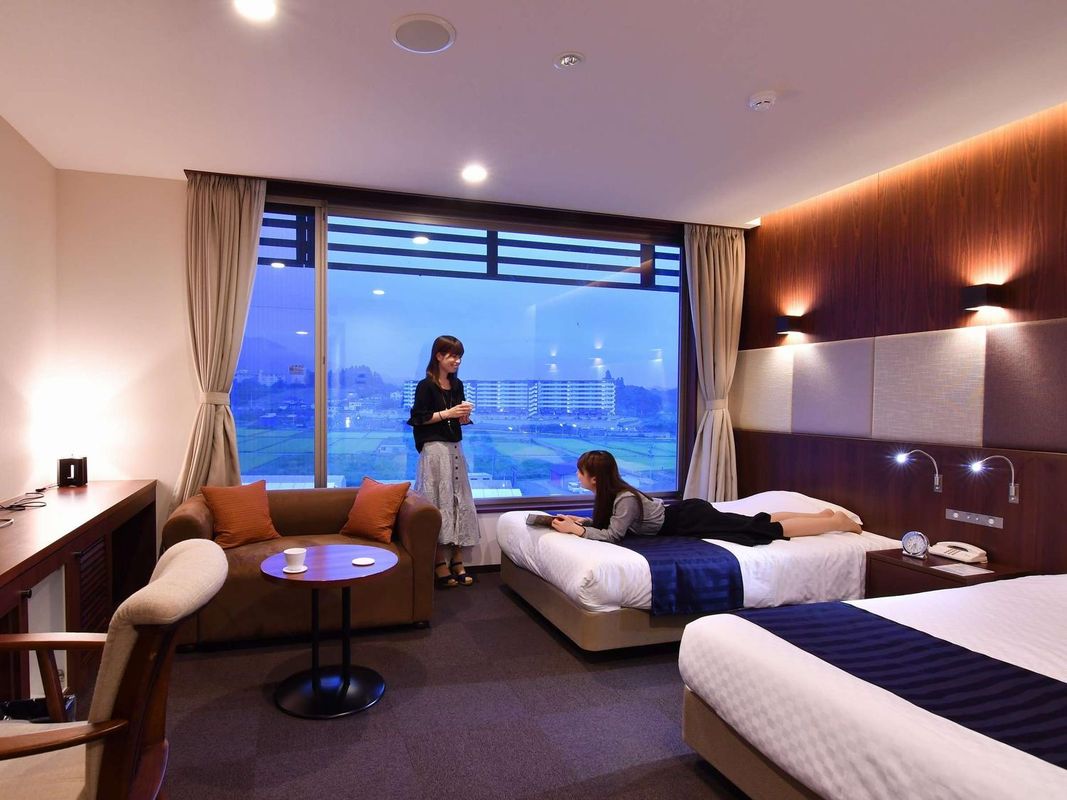
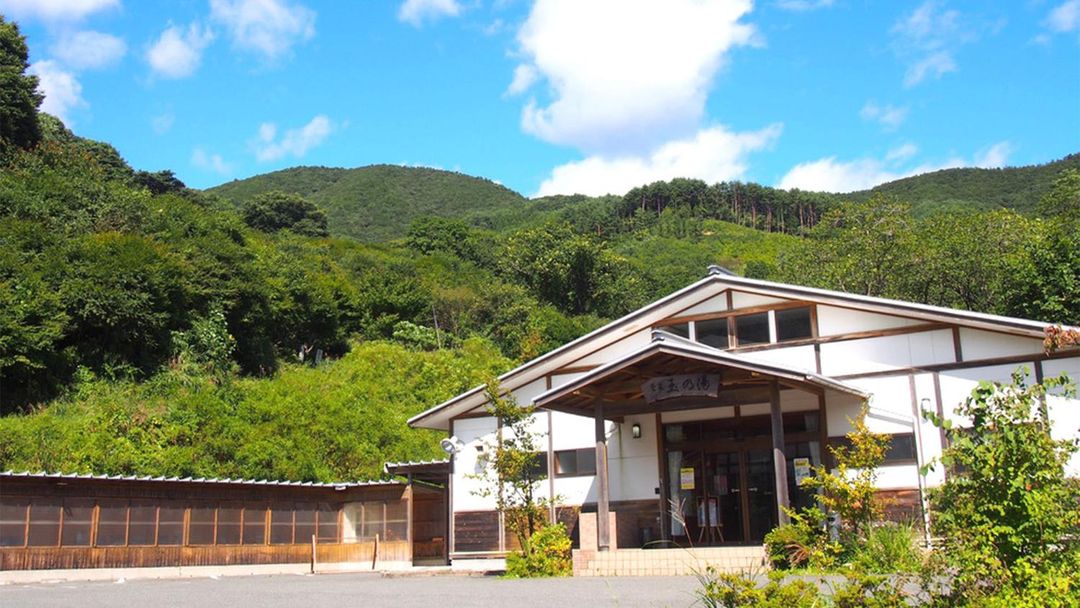
Best Hotels in Rikuzentakata
Discover curated hotel collections in Rikuzentakata

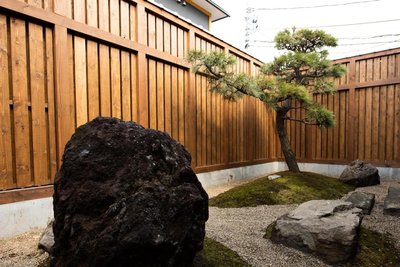

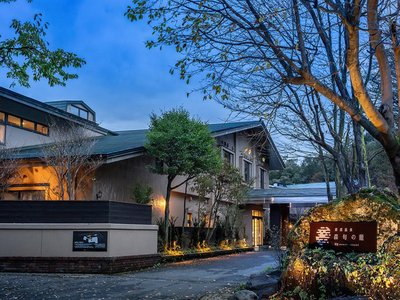
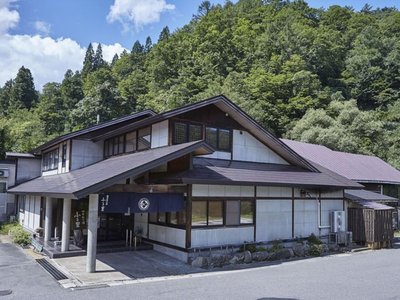
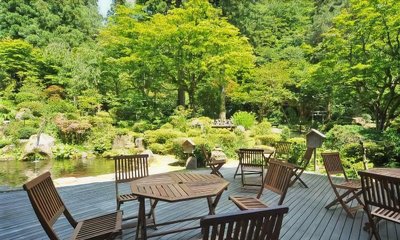
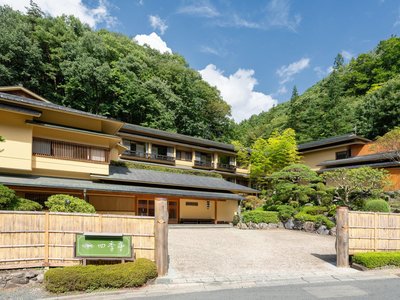





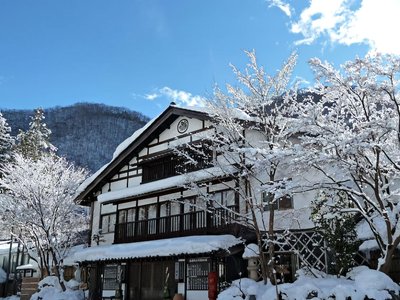
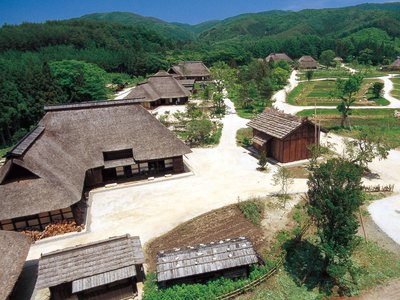
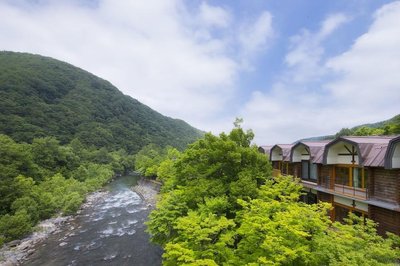


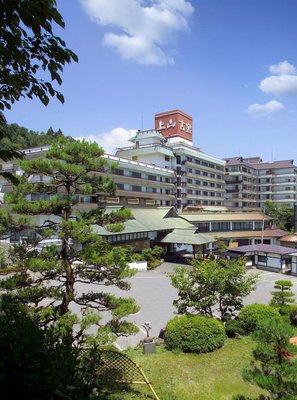



















Frequently Asked Questions about Traveling to Rikuzentakata
Questions You Might Need to Know About Traveling to Rikuzentakata
The best area to stay in Rikuzen-Kōda City is Takata Port, where you can find Umi no Yume Hotel and Takata Port Guesthouse—both offering authentic coastal living experiences. These accommodations are nestled near the rebuilt Takata Coastline, providing views of the Pacific Ocean and access to community-led initiatives like oyster harvesting tours. Staying here allows travelers to engage with the town’s resilient spirit and traditional fishing heritage, while enjoying locally sourced meals and guided walks through the Reconstruction Memorial Park.
Yes, Rikuzen-Kōda City offers several family-friendly stays. Umi no Yume Hotel features connecting rooms, a kids’ play area, and proximity to Takata Town Natural Park, perfect for outdoor exploration. Takata Port Guesthouse provides family suites and hosts regular parent-child workshops, such as crafting seashell jewelry or learning to make nori rice balls. The city also boasts accessible pathways, child-safe trails along the Ogawate Mountain foothills, and well-maintained public spaces—ideal for families seeking a safe, engaging, and culturally enriching vacation in Iwate Prefecture.
Visitors to Rikuzen-Kōda City must experience the Reconstruction Memorial Park Guided Tour, which shares the town’s journey of resilience after the 2011 tsunami. Monthly Oyster Festival at Takata Port offers hands-on oyster harvesting and tasting of local oyster hot pots. Attend a Sea Woman (Ama) Cultural Workshop to learn traditional diving techniques and marine conservation practices. In spring, hike the Ogawate Mountain trail to view cherry blossoms along the "Path of Hope" memorial stones—symbols of renewal and community unity. These experiences reflect the town’s enduring spirit and deep connection to nature.
Yes, many hotels in Rikuzen-Kōda City provide immersive local dining experiences. Umi no Yume Hotel serves breakfast featuring fresh seafood from Takata Port, including oysters, bonito, and kombu soup. Takata Port Guesthouse hosts "Home Kitchen Table" events where local housewives prepare traditional dishes like Iwate-style beef offal stew and seaweed rice balls. Some hotels collaborate with nearby farms for "From Field to Table" day trips, where guests harvest vegetables, craft sauces, and enjoy the results. These culinary programs highlight regional craftsmanship and support sustainable local economies.
The best times to visit Rikuzen-Kōda City are spring (March–May) and autumn (September–November). Spring brings blooming cherry blossoms along Ogawate Mountain’s Path of Hope, blending natural beauty with emotional resonance. Autumn offers pleasant weather and peak oyster season, coinciding with the monthly Takata Oyster Festival and the Iwate Seafood Festival in September. Summer is warm but cooled by sea breezes, with night illumination events; winter is cold, yet scenic with snow-covered mountains and tranquil port views. For cultural immersion and outdoor activities, spring and autumn are ideal.
Yes, Rikuzen-Kōda City offers excellent connectivity to nearby attractions. Accessible via the Tohoku Expressway’s Takata Interchange, it’s just 30 minutes from Kuroishi and Ichinoseki. Take the JR East train to Takata Station, then transfer to local buses for Ogawate Mountain or the Reconstruction Memorial Park. Free shuttle services link major hotels to key sites. Additionally, ferry services operate from Takata Port to Miyako Island, though infrequent, offering unique sea travel options. Whether traveling by car or public transit, exploring northeastern Japan’s natural and cultural landmarks is seamless and efficient.
Rikuzentakata Overview
City Summary
Rikuzentakata, located in southeastern Iwate Prefecture, Japan, is a city renowned for its dramatic coastline and resilient spirit after the 2011 Great East Japan Earthquake. The "Miracle Pine Tree" (symbolizing post-disaster recovery) and the ongoing Takata-Matsubara restoration project exemplify its core appeal, blending natural beauty with profound human stories. Traditional fishing culture and seasonal seafood festivals add vibrant local flavors.
Must-See Attractions
Top sights include the Miracle Pine Memorial Park with its iconic survivor tree, and the Rikuzentakata Disaster Heritage Museum's immersive exhibits. Nature lovers should explore the regenerating Takata-Matsubara coastal forest or visit Kesennuma"s oyster farms. Don"t miss the Sanriku Fireworks Festival, where community bonds shine through dazzling pyrotechnics over the bay.
Food Guide
Seafood dominates here – winter oysters from Kesennuma Bay and Sanriku mackerel sushi are must-tries. Donguri Cafeteria serves reconstruction-themed meals using hyperlocal ingredients. Street food highlights include innovative ayu fish donuts, while classic Nambu senbei crackers pair perfectly with regional sake at izakayas along rebuilt shopping streets.
Transportation Guide
Local Iwate-Kenpoku buses connect key sites; the "Sanriku Railway Day Pass" optimizes coastal travel. From Tokyo, take shinkansen to Ichinoseki Station (4hrs total with bus transfer). Note some coastal roads remain under construction. Taxis require phone HopeGoo (022-123-4567); rideshares unavailable. Critical: Verify attraction status via official "Rikuzentakata Reconstruction" app before visiting.
Best Time to Visit
Visit May-October for ideal weather. Summer (Jul-Aug) offers lively sea festivals but crowds; September"s crisp air suits hiking. Avoid early March (memorial events cause lodging shortages). Winters bring stark beauty but limited transport.
Travel Tips
- Maintain solemnity at disaster memorials; photograph only permitted areas
- Wear grippy shoes for steep渔港alleys
- Cash is king – rural shops rarely accept cards
- Confirm ryokan policies on foreign guests in advance
- Request thorough cooking for raw shellfish (potential parasites)
- Sparse bus schedules demand careful timing
- Most shops close Sundays – pack essentials
Useful Information
Language: Basic English understood; download Japanese offline translation packs Internet: Free WiFi at libraries/visitor centers Payments: JP Post ATMs accept Int"l cards (Sumitomo Mitsui) Emergencies: Rikuzentakata City Hospital (0246-25-1111) has English-speaking staff Electricity: 100V Type A outlets (US plugs compatible) Water: Tap water safe; boil in mountain areas Emergency: Dial 110 for police (press 9 for English) Religion: Major temple is Jodo-shu Takada-ji