Hotels in Rio Maior
Discover your perfect stay in Rio Maior.
Rio Maior(Portugal) Travel 2026: Cheap Flights, Hotels & Top Attractions
Popular Landmarks in Rio Maior
Discover the most iconic attractions in Rio Maior
Recommended Hotels in Rio Maior
Find the perfect place to stay in Rio Maior
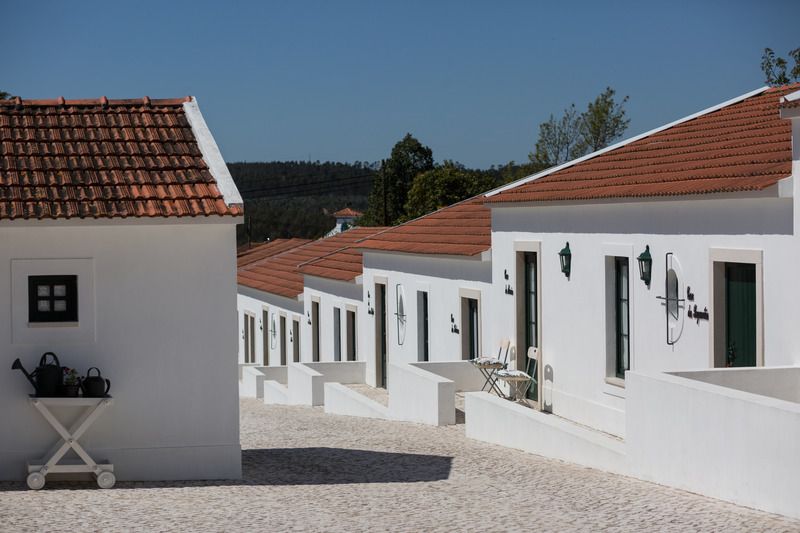
Casas de São José
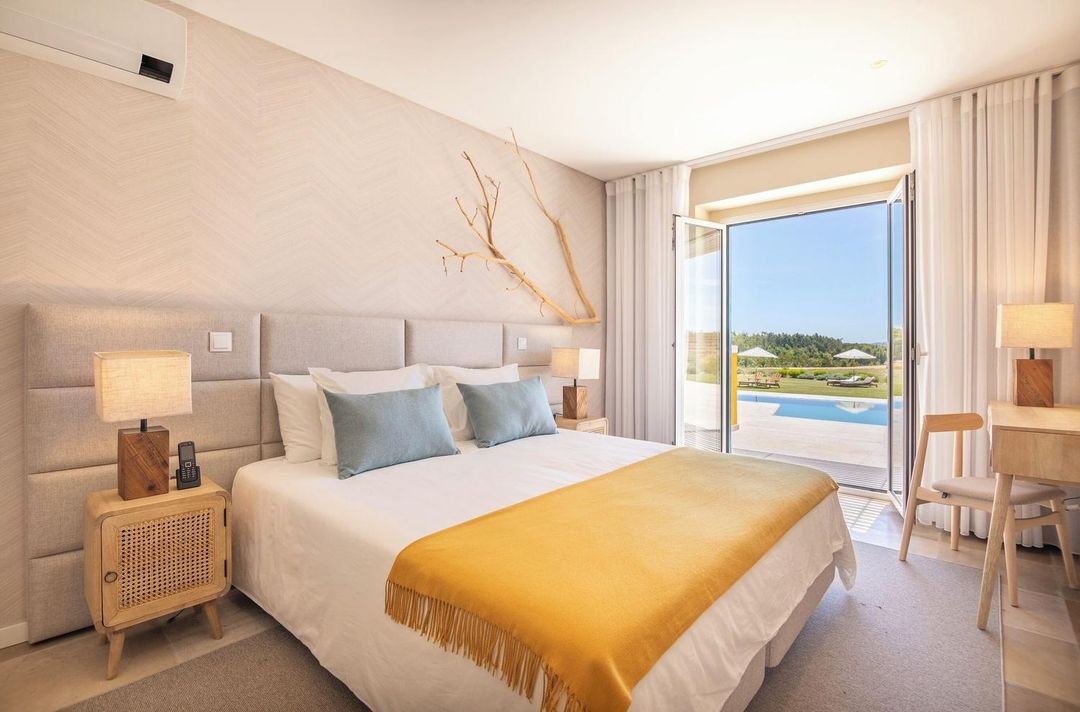
Resort Rural Quinta do Carrascal
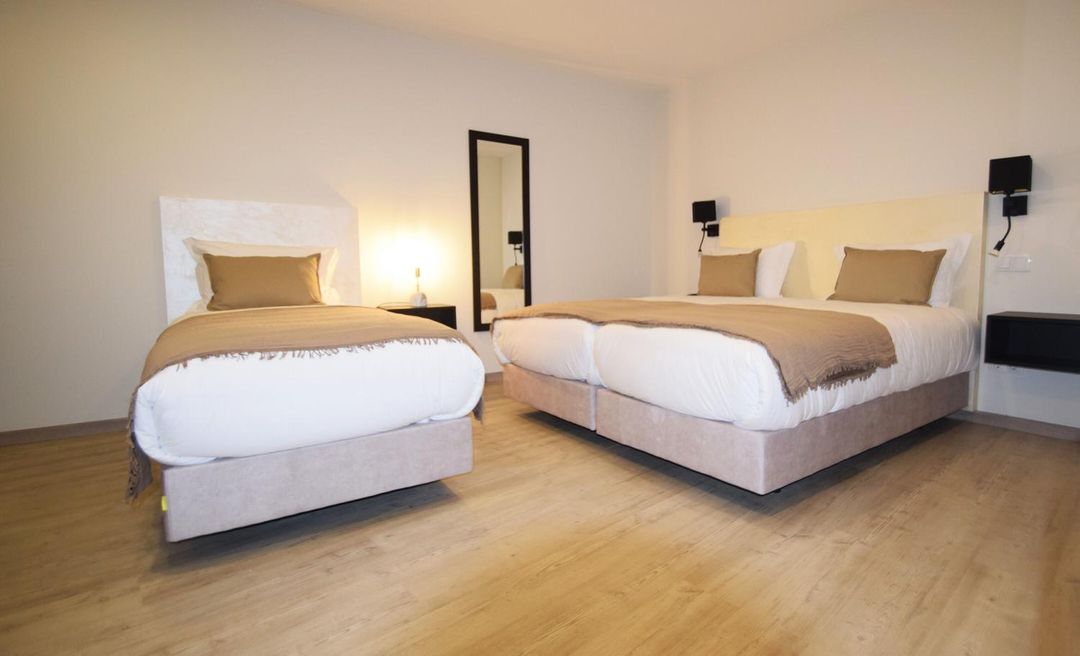
SIENNA Hotel
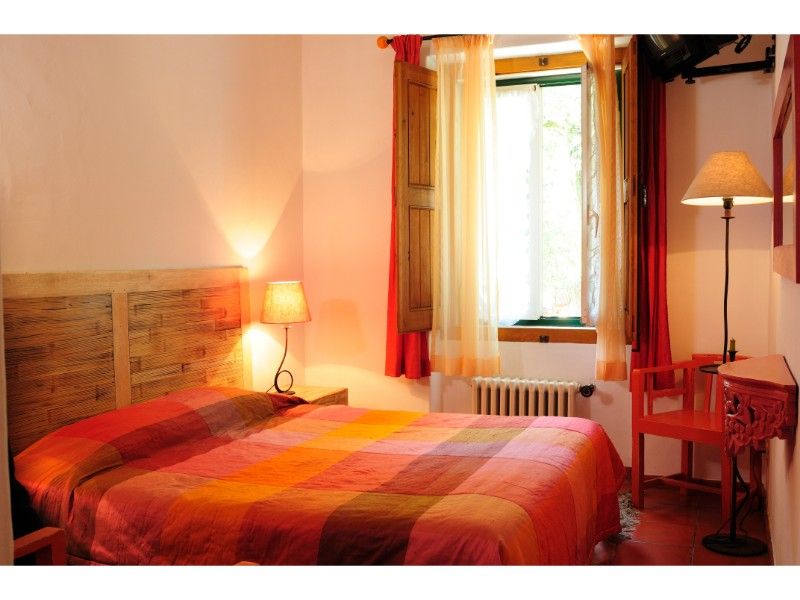
Casa Do Foral
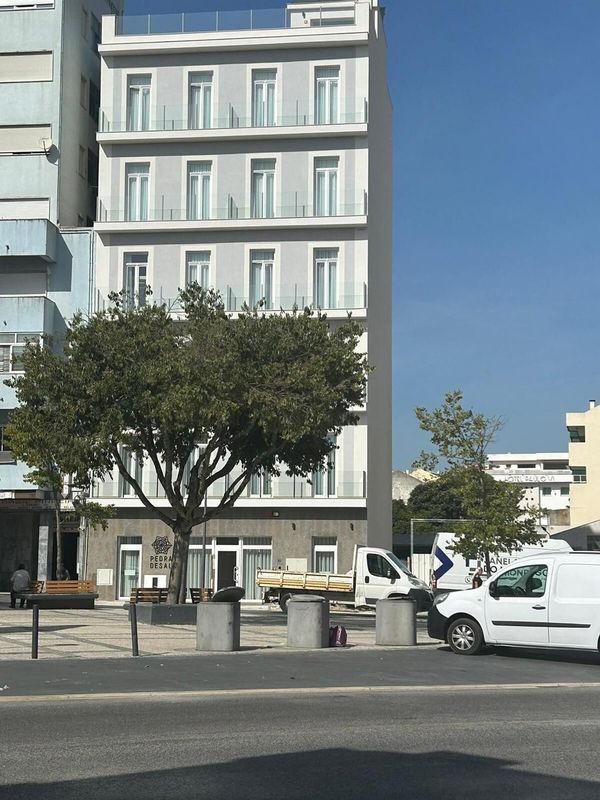
Pedra de SAL - Hostel & Suites
Best Hotels in Rio Maior
Discover curated hotel collections in Rio Maior
Sublime Comporta Country Retreat & Spa
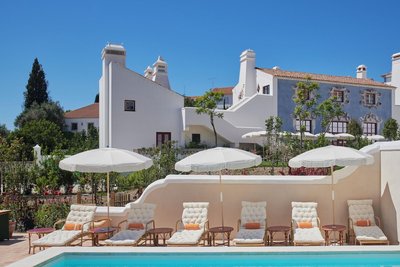
Vermelho Melides - Relais & Châteaux
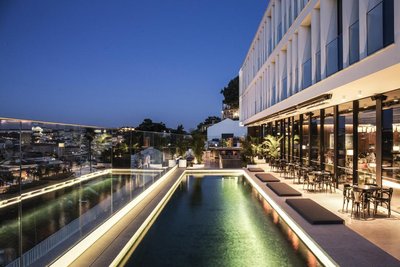
Memmo Príncipe Real - Design Hotels
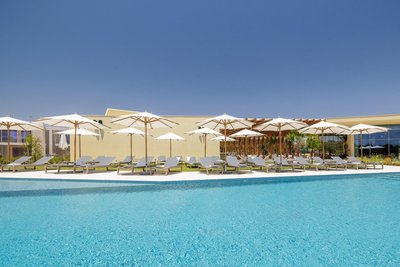
Verdelago Resort
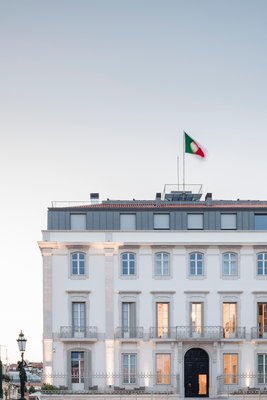
Verride Palácio Santa Catarina
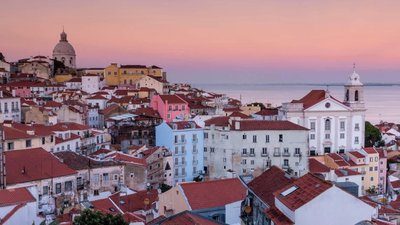
Four Seasons Hotel Ritz Lisbon
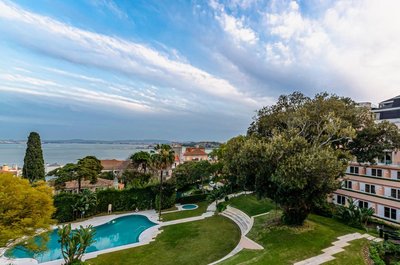
Olissippo Lapa Palace – The Leading Hotels of the World
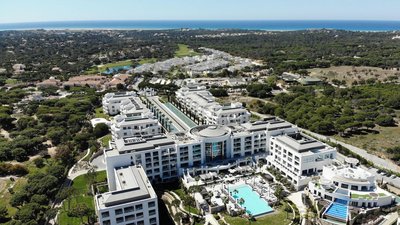
Conrad Algarve
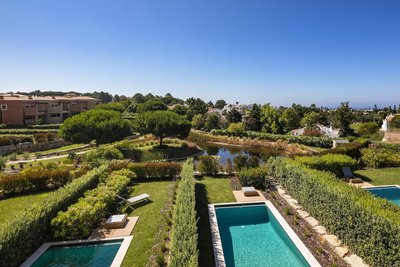
Vale de Milho Village
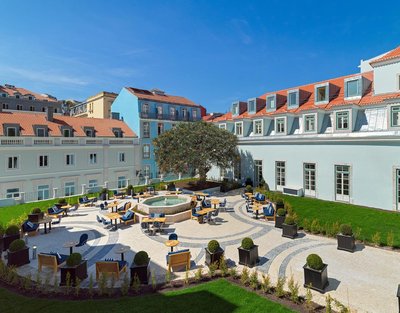
The One Palácio da Anunciada
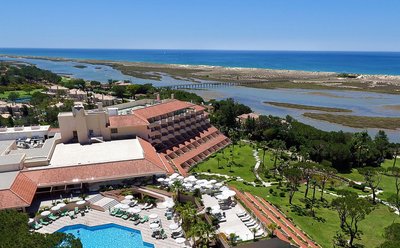
Hotel Quinta do Lago
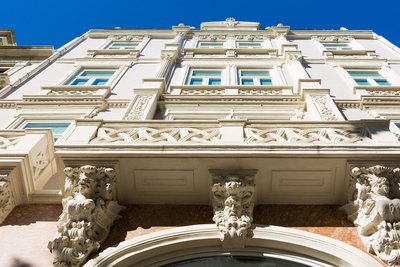
Hotel Valverde Lisboa - Relais & Chateaux
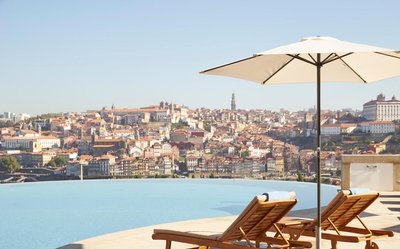
The Yeatman
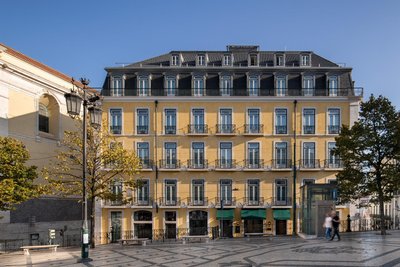
Bairro Alto Hotel
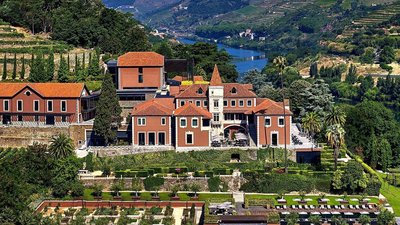
Six Senses Douro Valley
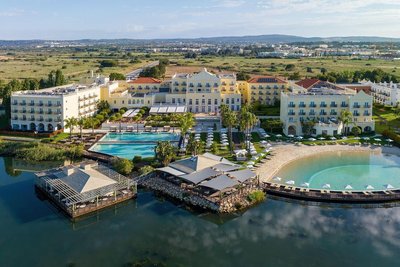
Domes Lake Algarve, Autograph Collection
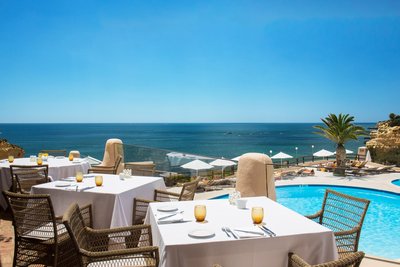
Vilalara Grand Hotel Algarve
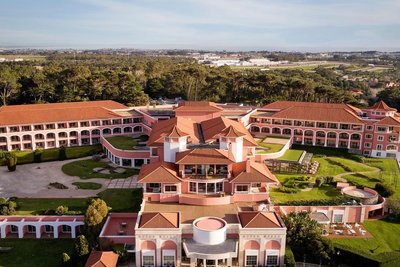
Penha Longa Resort
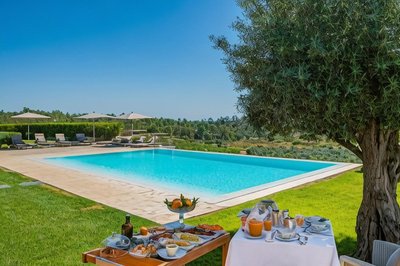
Herdade da Malhadinha Nova - Relais & Châteaux
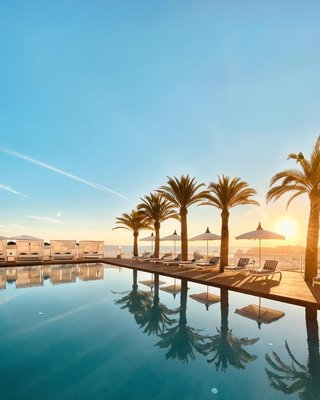
Bela Vista Hotel & Spa - Relais & Chateaux
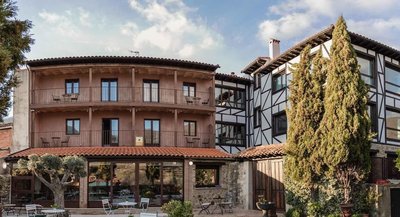
Hotel Spa Aura del Jerte
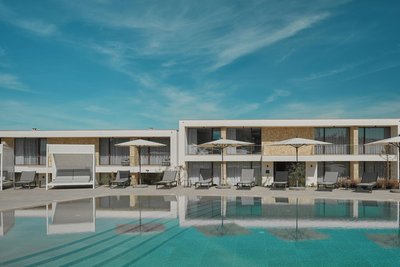
West Cliffs Ocean and Golf Resort
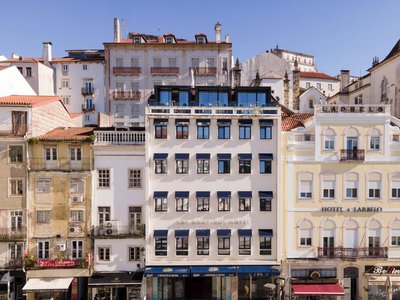
CBR Boutique Hotel - Coimbra
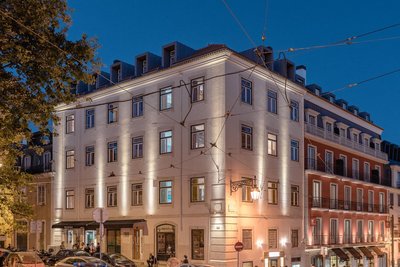
Chiado Arty Flats
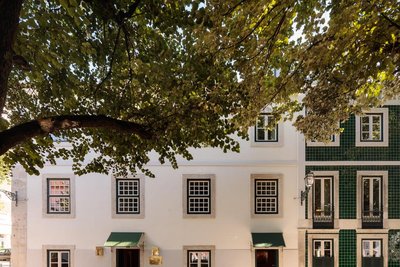
Hotel Das Amoreiras - Small Luxury Hotels of the World
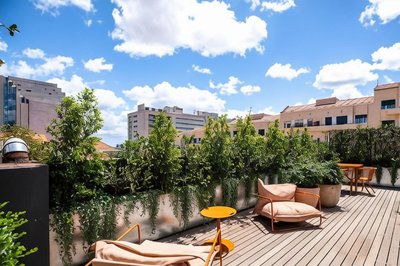
Sublime Lisboa
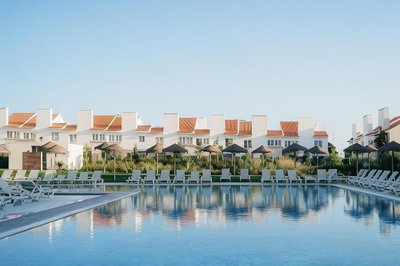
Porto Covo Praia Hotel & Spa

Aqua Et Oleum
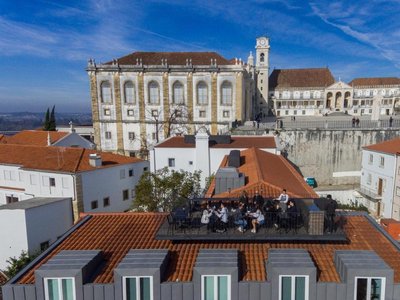
Sapientia Boutique Hotel
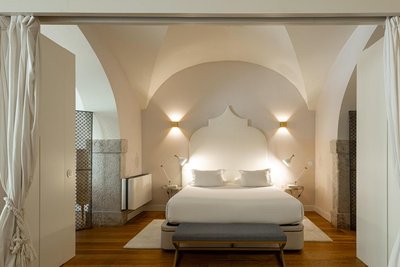
Almaria - Da Corte Apartments | Chiado

Villa Theatro Heritage Apartments
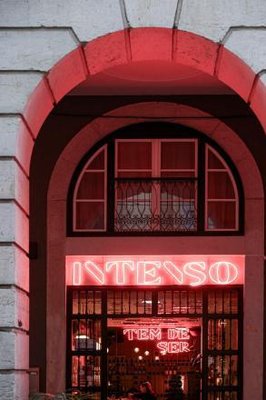
Look Living, Lisbon Design Apartments
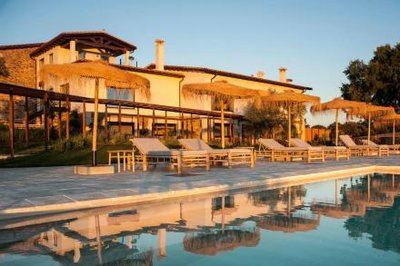
Hábitat Cigüeña Negra

Hotel Cotto do Gatto
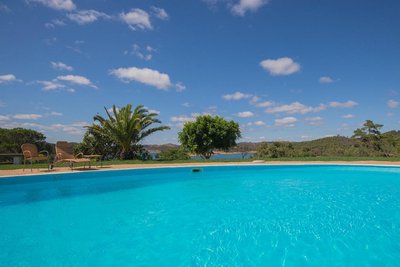
Santa Clara Country Hotel
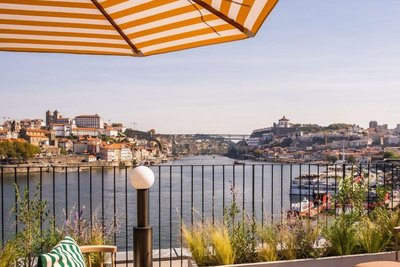
The Rebello Hotel & Spa - Small Luxury Hotels of the World
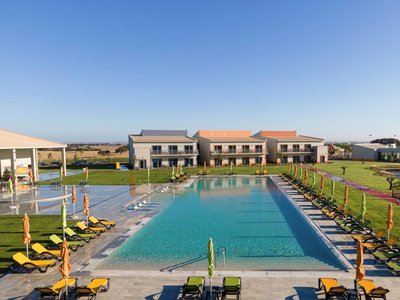
Vila Gale Nep Kids
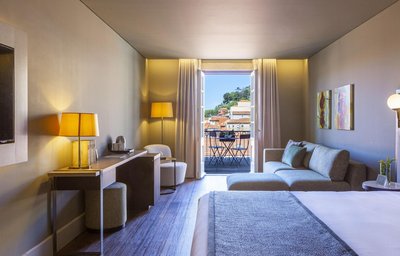
Timbre Virtudes
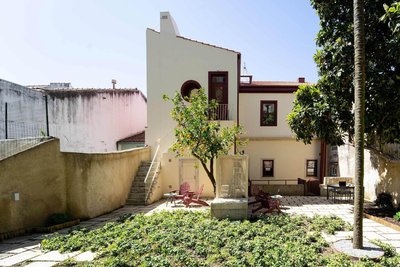
Entre Ruas Apartments
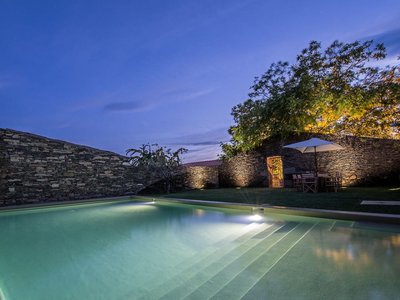
MORGADIO DA CALÇADA
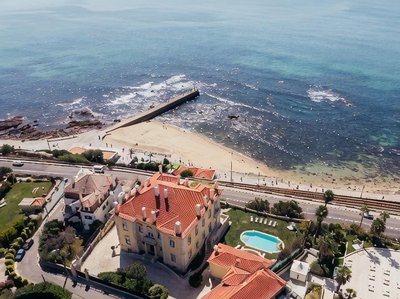
Estoril Vintage Hotel
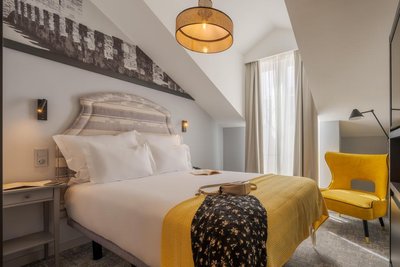
Pousada Alfama
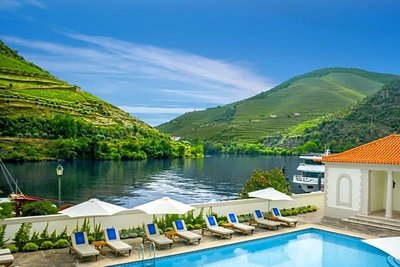
The Vintage House - Douro
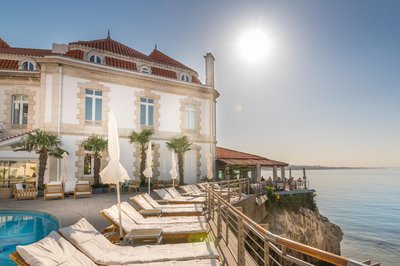
The Albatroz Hotel
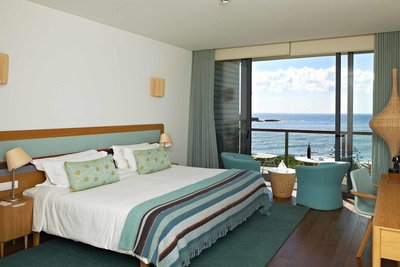
Martinhal Sagres Beach Family Resort Hotel
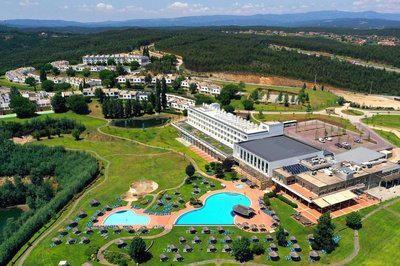
Montebelo Aguieira Lake Resort & Spa
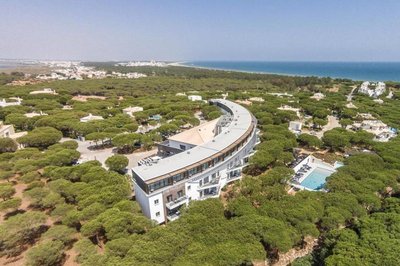
Octant Praia Verde
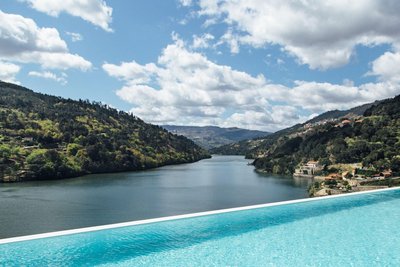
Douro Royal Valley Hotel & Spa
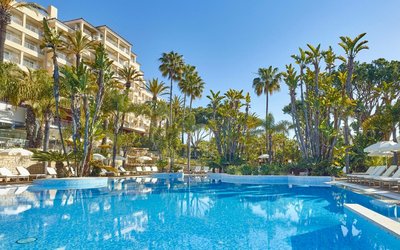
Ria Park Hotel & Spa
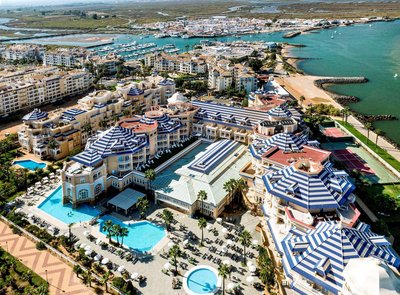
Melia Isla Canela
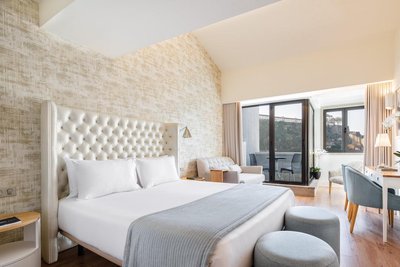
Eurostars Porto Douro
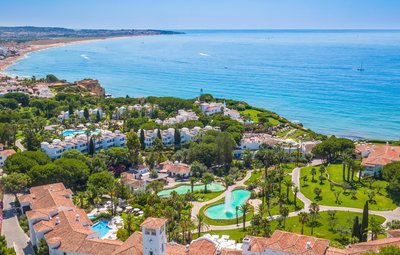
Vila Vita Parc
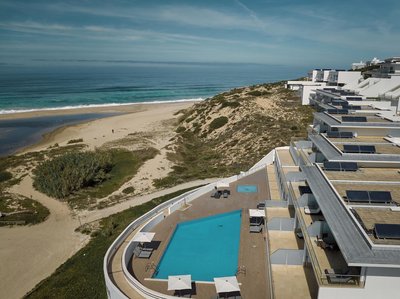
The Beachfront - Praia d'El Rey Golf & Beach Resort
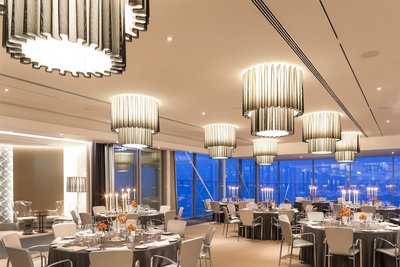
MYRIAD by SANA Hotels
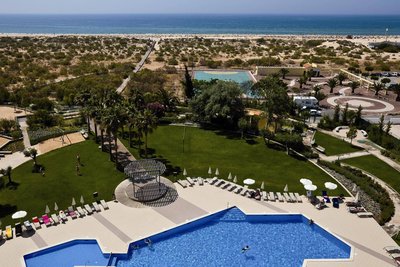
Eurotel Altura
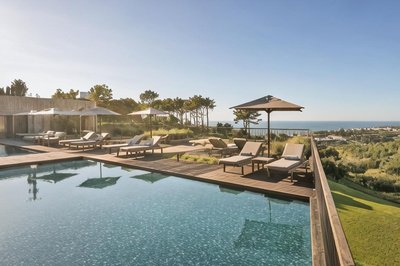
Immerso Hotel, a Member of Design Hotels
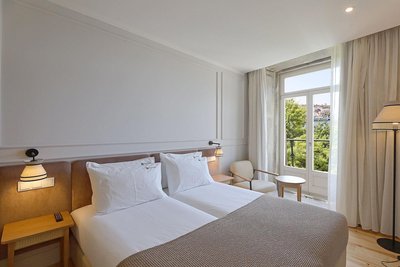
Memoria Porto FLH Hotels
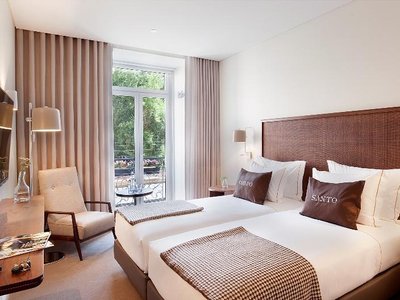
Corpo Santo Lisbon Historical Hotel
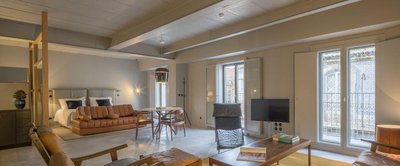
Raw Culture Art & Lofts Bairro Alto
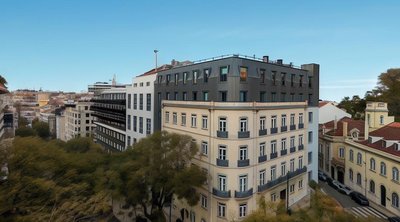
The Vintage Hotel & Spa – Lisbon

Dom Pedro Lisboa Hotel, a member of Radisson Individuals
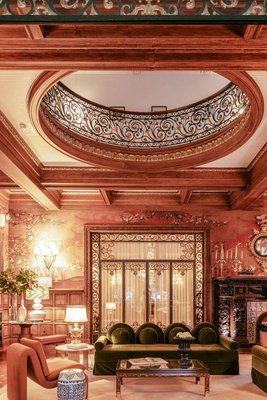
Small Luxury Hotels of the World - Hospes Infante Sagres Porto
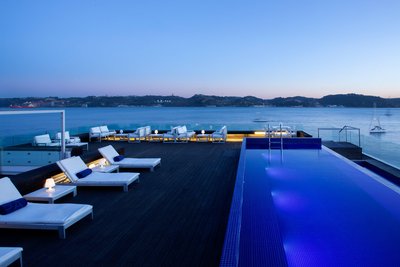
Altis Belem Hotel & Spa, a Member of Design Hotels
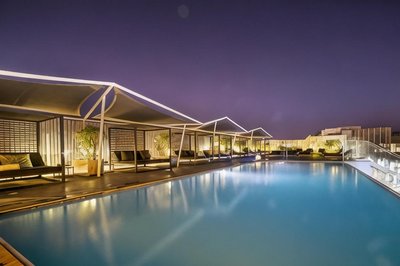
EPIC SANA Lisboa Hotel
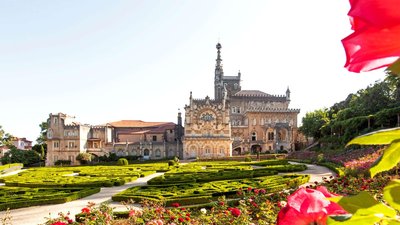
Palace Hotel do Bussaco
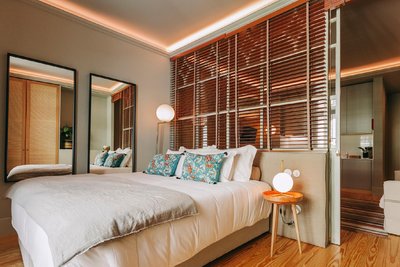
Torel 1884 Suites & Apartments
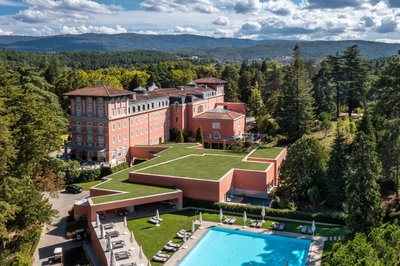
Vidago Palace
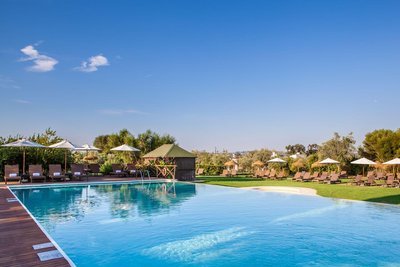
Convento do Espinheiro, Historic Hotel & Spa
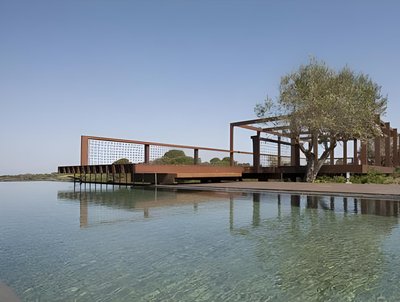
Wecamp Reserva Alecrim
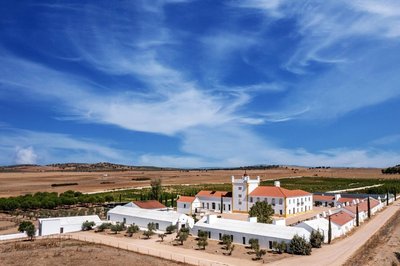
Torre de Palma Wine Hotel, Monforte, a Member of Design Hotels
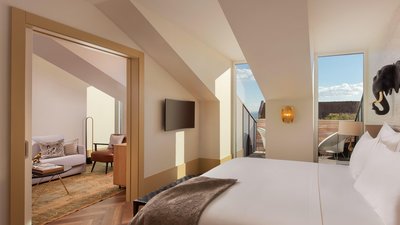
The Ivens, Autograph Collection
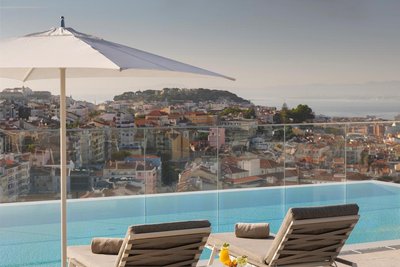
EPIC SANA Marquês Hotel
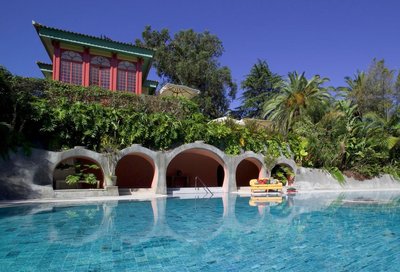
Pestana Palace Lisboa Hotel & National Monument - the Leading Hotels of the World
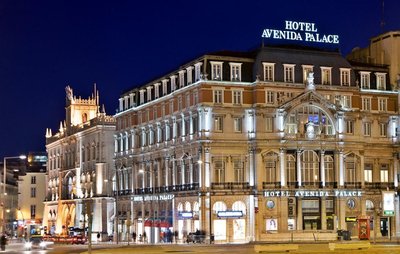
Hotel Avenida Palace
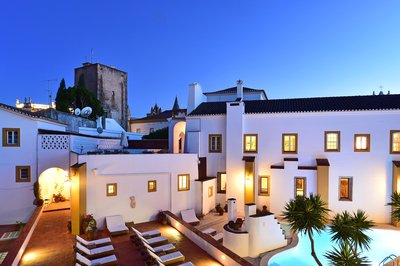
Pousada Convento de Evora – Historic Hotel
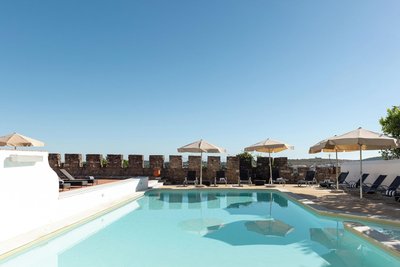
Pousada Castelo de Estremoz – Historic Hotel
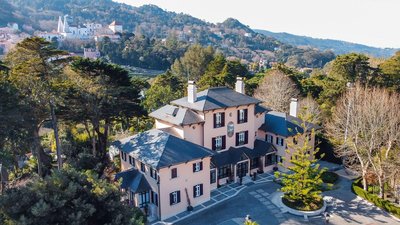
Sintra Marmoris Palace
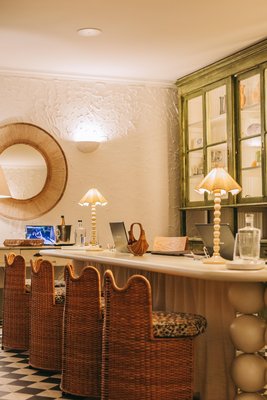
Torel Saboaria
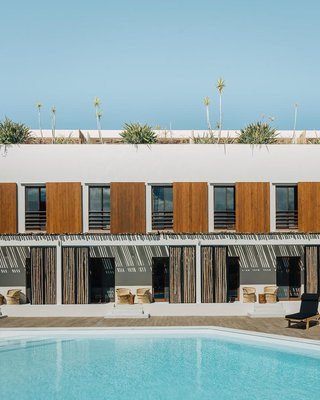
AlmaLusa Comporta
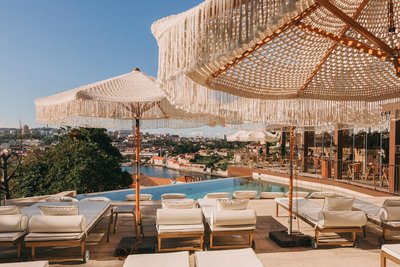
Torel Avantgarde
Memmo Príncipe Real - Design Hotels
Corpo Santo Lisbon Historical Hotel
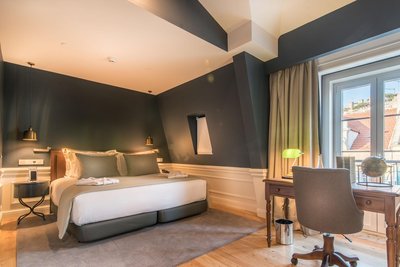
Hotel da Baixa
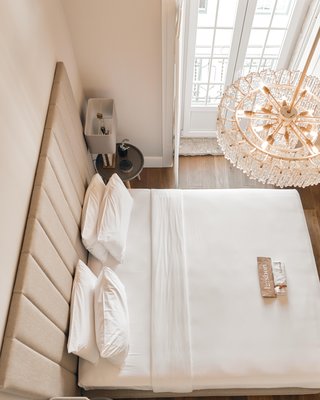
Dare Lisbon House
The One Palácio da Anunciada
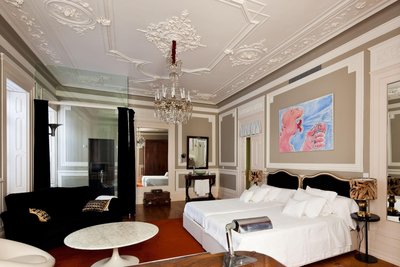
Palacete Chafariz Del Rei - by Unlock Hotels
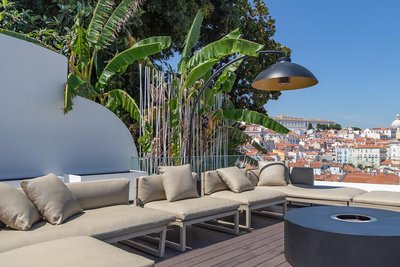
Memmo Alfama - Design Hotels
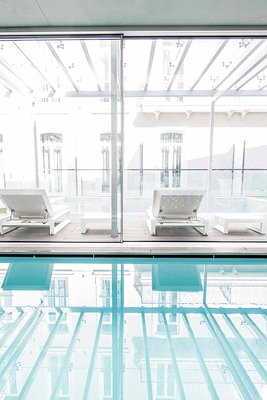
BessaHotel Liberdade
Hotel Valverde Lisboa - Relais & Chateaux
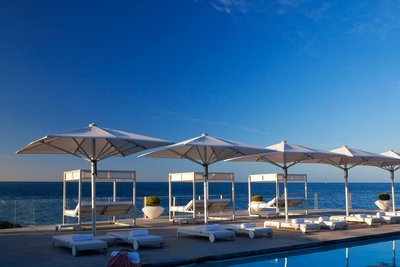
Farol Hotel
The Albatroz Hotel
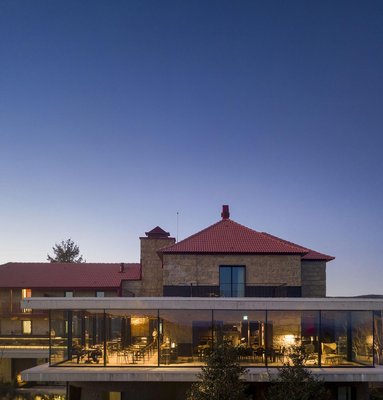
Casa de São Lourenço - Burel Panorama Hotel - Member of Design Hotels
Torel 1884 Suites & Apartments
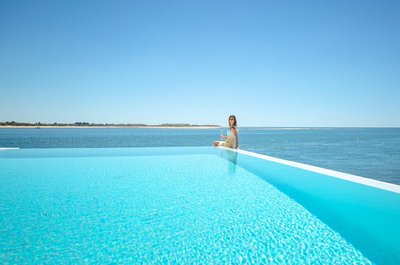
Bordoy Grand House Algarve
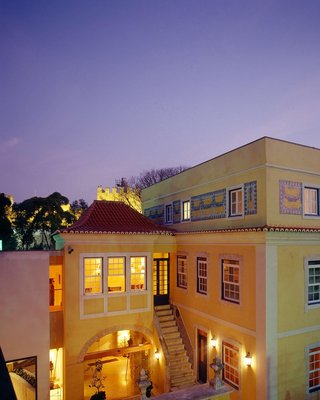
Solar do Castelo - Lisbon Heritage Collection - Alfama
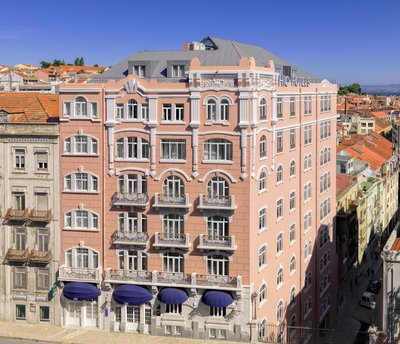
H10 Duque de Loule
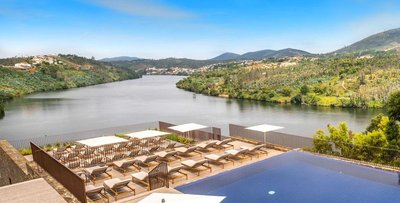
Octant Douro
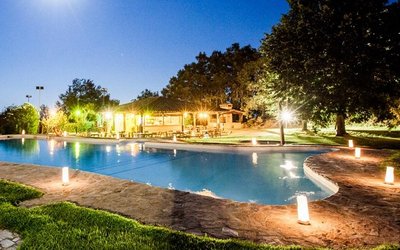
Hotel Rural Peña Del Alba
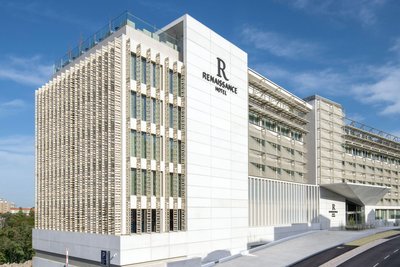
Renaissance Porto Lapa Hotel
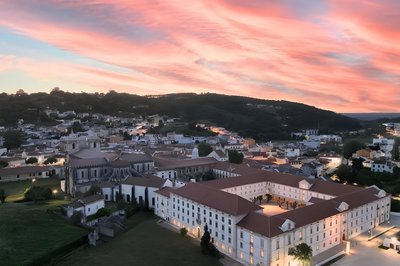
Montebelo Mosteiro de Alcobaça Historic Hotel
Estoril Vintage Hotel
Torel Avantgarde

Wine & Books Porto Hotel
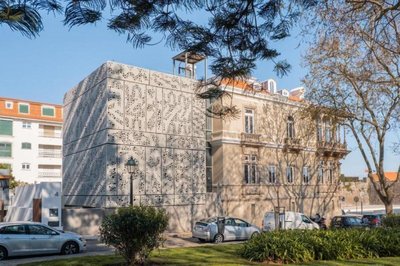
Artsy Cascais
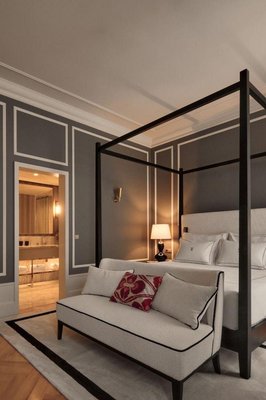
GA Palace Hotel & Spa, a Xixth-Century Villa
Corpo Santo Lisbon Historical Hotel
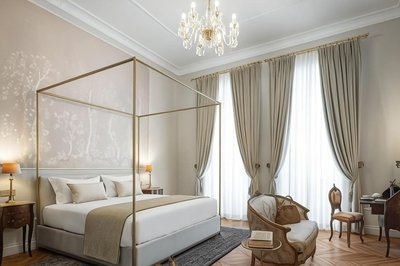
MS Collection Aveiro - Palacete Valdemouro
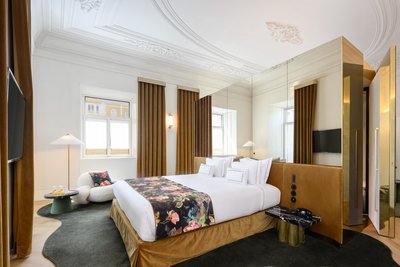
Montebelo Vista Alegre Lisboa Chiado Hotel
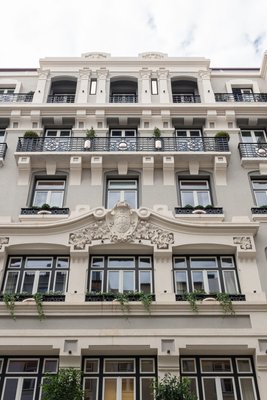
Art Legacy Hotel
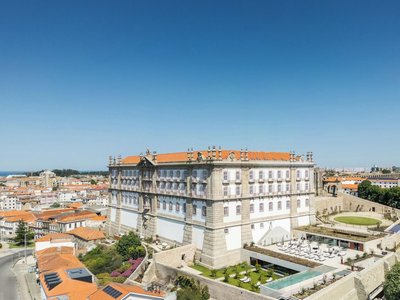
The Lince Santa Clara
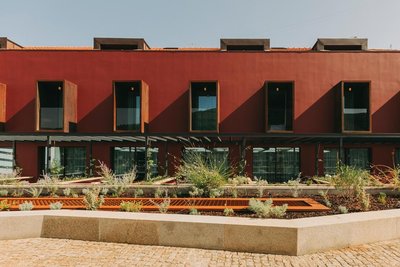
Torel Quinta da Vacaria – Douro Valley
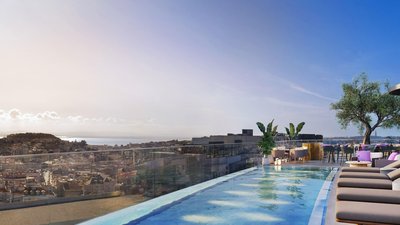
ME Lisbon
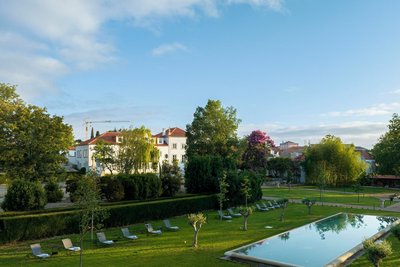
Valverde Santar Hotel & SPA
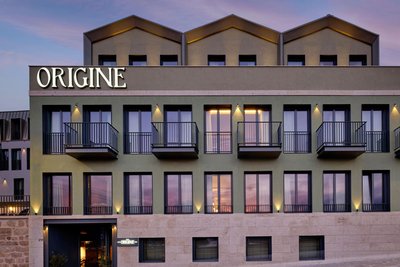
Origine Porto Gaia, a Tribute Portfolio Hotel
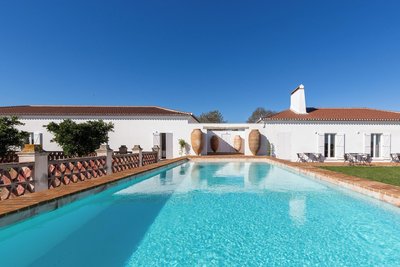
Cenoura-Brava Villas & Suites.
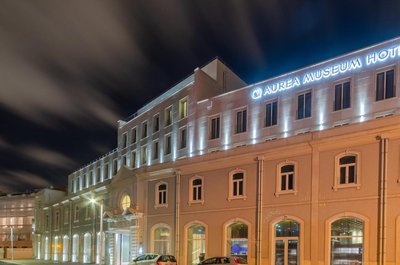
Áurea Museum by Eurostars Hotel Company
Raw Culture Art & Lofts Bairro Alto
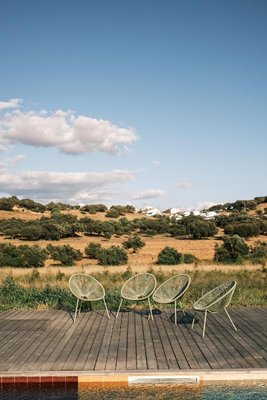
Viva! Farmhouse
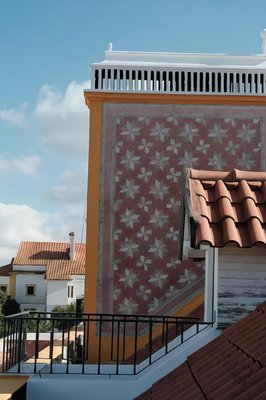
Lilases Boutique House & Garden
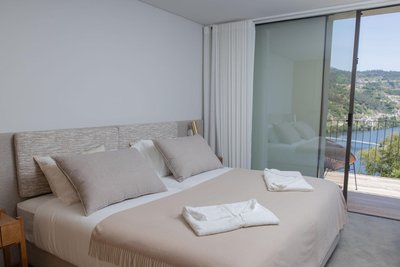
Quinta Alto Do Rio
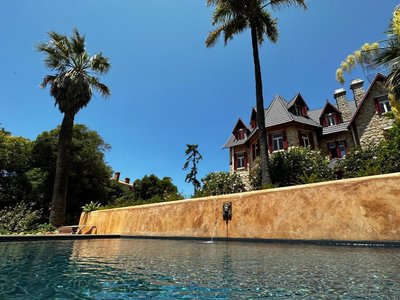
Chalet Ficalho
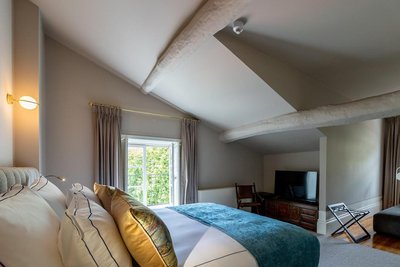
Maison Bleue by Vila Foz
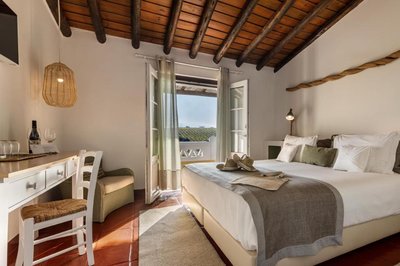
Herdade Do Sobroso Wine & Luxury Boutique Hotel
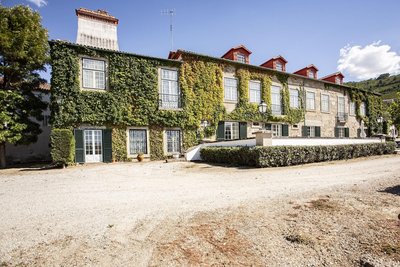
Casa Do Cimo
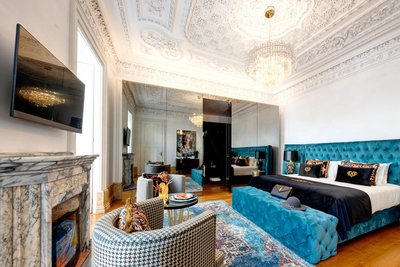
1877 Estrela Palace
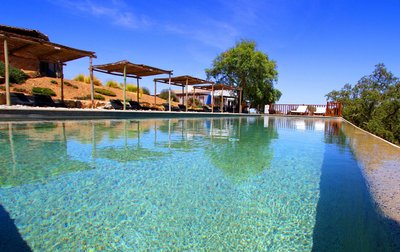
Monte Gois Country House e Spa

Hotel Barrière Fouquet's New York
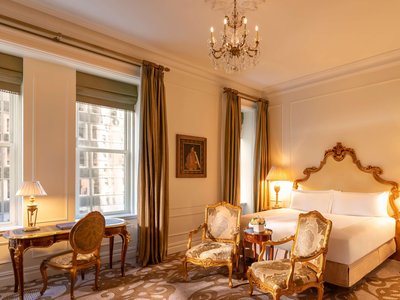
The Plaza - A Fairmont Managed Hotel
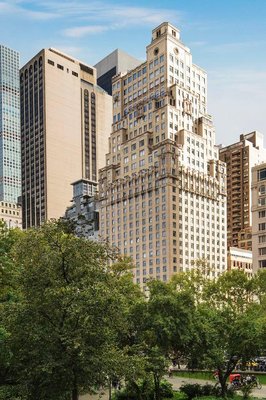
The Ritz-Carlton New York, Central Park

Four Seasons Hotel New York
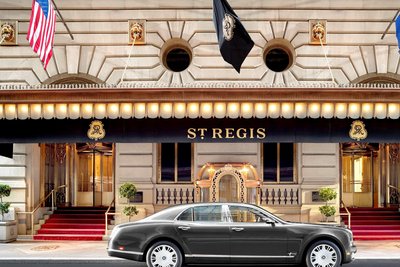
The St. Regis New York
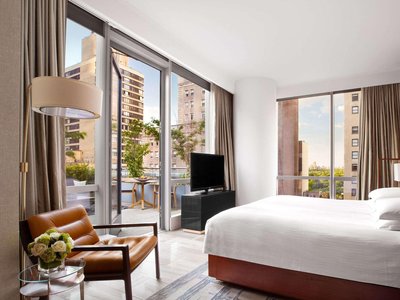
Park Hyatt New York
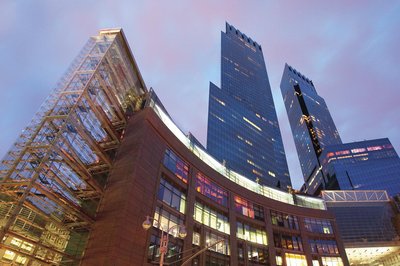
Mandarin Oriental New York
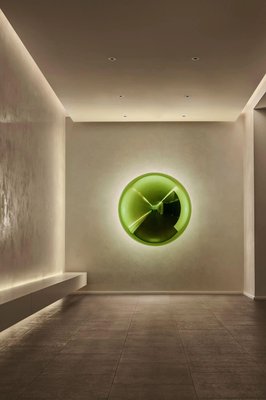
Times Square Edition New York
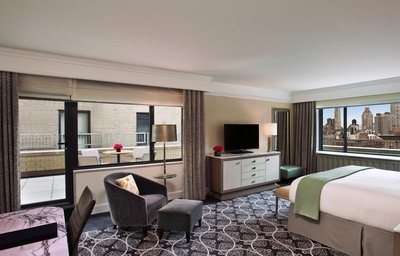
Loews Regency New York Hotel
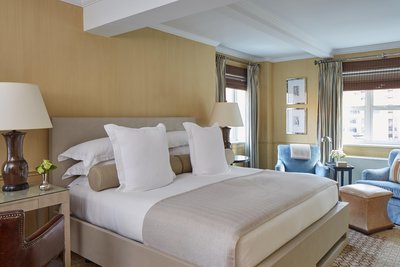
Lowell Hotel
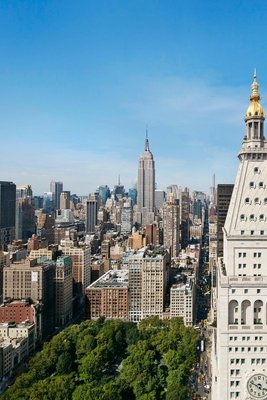
New York Edition
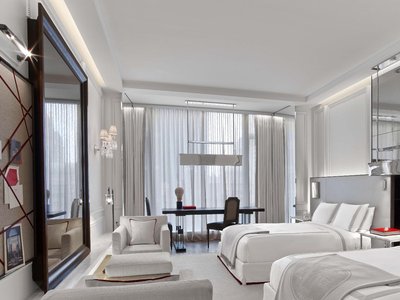
Baccarat Hotel New York
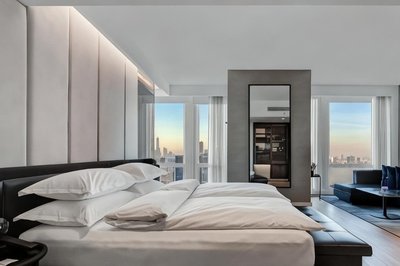
Equinox Hotel New York
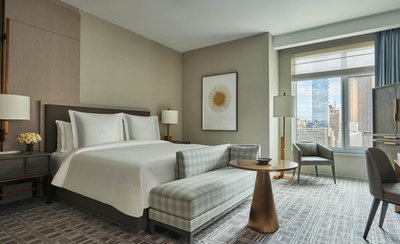
Four Seasons Hotel New York Downtown
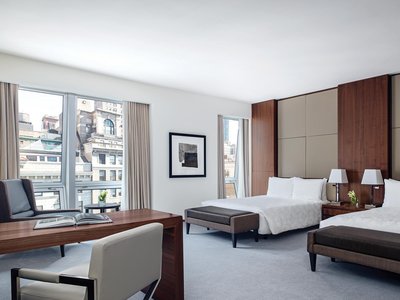
The Langham, New York, Fifth Avenue
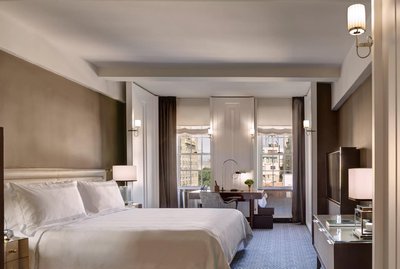
The Carlyle, A Rosewood Hotel

The Chatwal, in the Unbound Collection by Hyatt
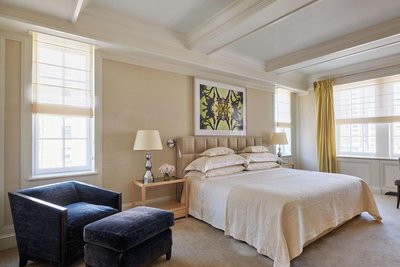
The Mark New York

Trump International Hotel & Tower® New York
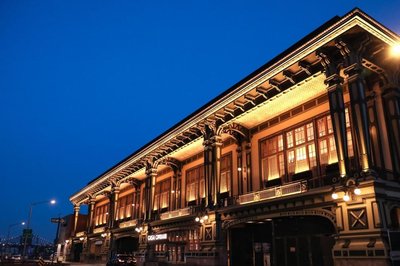
Casa Cipriani New York
Frequently Asked Questions about Traveling to Rio Maior
Questions You Might Need to Know About Traveling to Rio Maior
In Rio Maior, the standout choice is Casa da Pedra Hotel & Spa, a boutique retreat nestled in the Serra de Alcântara foothills. This stone-built property blends traditional Alentejo architecture with modern amenities, offering panoramic views of the Tagus Valley. Each room features handcrafted woodwork, underfloor heating, and private terraces. The on-site restaurant serves authentic regional dishes like slow-roasted lamb and house-made wines. Guests can explore nearby Roman aqueduct ruins and the historic Igreja da Nossa Senhora da Ascensão. Its quiet location makes it ideal for travelers seeking tranquility and cultural immersion in central Portugal.
The historic town center of Rio Maior offers the most desirable accommodations. Here, cobblestone streets lead to the Praça Municipal, where family-run guesthouses like Solar do Moinho—a converted mill—provide charming, rustic stays. These properties offer easy access to local markets, churches, and walking trails along the Tagus River. The area’s low noise levels and strong community vibe make it perfect for travelers who value authenticity and peaceful evenings. Plus, being centrally located allows quick exploration of both natural and historical sites within the Alentejo region.
Must-try experiences in Rio Maior include visiting the monthly Traditional Craft Market held at Praça Municipal, where locals demonstrate pottery-making and straw hat weaving using age-old techniques. Attend the Festa da Nossa Senhora da Ascensão (August 15) to witness a vibrant religious procession with folk dances. Guided tours of the Roman Aqueduct Ruins reveal ancient engineering marvels from the 2nd century. These immersive activities reflect the deep-rooted Alentejo heritage and provide genuine insight into rural Portuguese life.
Yes, Rio Maior is highly suitable for families. Many guesthouses, such as Casa dos Avós, offer child-friendly rooms with outdoor play areas and hands-on cooking workshops. The Tagus River Trail has safe, well-marked paths ideal for stroller walks and bike rides. During summer, the Children's Folk Festival features storytelling, traditional games, and mask-making. A short drive away lies the Alentejo Nature Reserve, perfect for a full-day eco-adventure. With friendly locals and low crime rates, Rio Maior provides a secure, enriching environment for young travelers.
Visitors must try Alentejo-style roasted leg of lamb, made with locally raised Dourado sheep, slow-cooked with rosemary and olive oil for four hours. Pair it with Tagus Valley wine and fresh bread. Another must-try is potato and beef stew (Bolo de Bacalhau), featuring dried cod and small potatoes simmered to perfection. Restaurants like O Forno da Vila use only local farm-sourced ingredients, including seasonal vegetables and artisan cheese. Don’t miss the honey cake (Pastel de Mel), crafted by regional beekeepers—sweet, rich, and deeply authentic. These dishes embody the self-sufficient spirit of Alentejo farming culture.
Near Rio Maior, the Tagus Valley offers scenic hiking trails through oak forests and wild iris fields. In spring, the Serra de Alcântara slopes bloom with lavender, creating stunning purple landscapes. Further afield, the Alentejo Nature Reserve features karst formations and underground caves ideal for explorers. At night, join a stargazing tour—the area’s minimal light pollution reveals clear views of the Milky Way and meteor showers. Together, these natural wonders and ancient ruins like the Roman aqueduct create a timeless tapestry of geology and human history.
From Lisbon, take Bus 470 (Blue Line) via Santarém, which takes about 2.5 hours and costs around €12. Alternatively, drive along the A6 highway south, then switch to EN 231, reaching Rio Maior in approximately 1.5 hours. For comfort, book a private transfer service from Lisbon, allowing stops at the Alcantara Bridge and Tagus River viewpoints. Note that no direct train runs to Rio Maior, but you can connect via Santarém Railway Station and take a local bus. Avoid Friday evening traffic for a smoother journey.
The best time to visit Rio Maior is from late spring to early autumn (April to September). Temperatures range from 18–28°C, perfect for outdoor activities. Spring (April–May) brings blooming wildflowers, especially lavender and almond blossoms. Summer (June–August) offers long sunny days, ideal for festivals and night sky viewing. Winter (December–February) sees cooler temperatures (~8°C), but fewer crowds and cozy indoor experiences like craft workshops. May and September are optimal—pleasant weather, minimal tourists, and ideal for deep cultural immersion in Alentejo’s rural traditions.
Rio Maior offers a peaceful, culturally rich nightlife. Local spots like O Canto das Estrelas serve craft beer and host nightly folk music sessions with live guitar performances. During festivals, the Praça Municipal hosts open-air cinema nights and small concerts. Many guesthouses also organize bonfire gatherings or starlight talks led by local natural guides. The atmosphere is calm and intimate, perfect for reading, chatting, or enjoying local wine. For livelier options, a 30-minute drive to Santarém offers more bars and restaurants.
Photography lovers should capture morning mist over stone cottages, where fog gently lifts from rooftops and cobblestones—ideal for ethereal compositions. The Roman aqueduct and Tagus River reflection at golden hour creates striking symmetry. Document artisans at work during the craft market, focusing on textures and expressions. At night, shoot the Milky Way above the hills, thanks to minimal light pollution. Bring a wide-angle lens and tripod to highlight the vastness of the landscape. These images encapsulate the poetic solitude and timeless beauty of Alentejo.
Rio Maior Overview
City Summary
Rio Maior is a charming small town in the Santarém District of Portugal, known for its rich historical heritage and tranquil rural landscapes. Once an important agricultural center, it still preserves traditional vineyards and olive groves. Visitors can experience authentic Portuguese rural life and explore its well-preserved medieval architecture and churches.
Must-See Attractions
In Rio Maior, must-see attractions include the Church of Our Lady of the Assumption (Igreja de Nossa Senhora da Assunção), a historic building with exquisite Baroque-style decorations. The local municipal square (Praça do Município) is also a great place to experience the local lifestyle. The surrounding natural landscapes, such as the Tagus River (Rio Tejo), are ideal for hiking and photography.
Food Guide
Rio Maior is renowned for its rural cuisine. Be sure to try traditional Portuguese dishes such as roasted suckling pig (Leitão Assado) and lamb stew (Ensopado de Borrego). The region also produces high-quality olive oil and wine; consider visiting local wineries for tastings.
Transportation Guide
In Rio Maior, public transportation is limited due to its small size. Renting a car or using local taxi services is recommended. From Lisbon, you can take a train or bus to Santarém and then transfer to a taxi or local bus to reach Rio Maior.
Best Time to Visit
The best time to visit Rio Maior is during spring (March to May) and autumn (September to November) when the weather is mild and perfect for outdoor activities and exploring the countryside. Summers can be hot, while winters tend to be damp.
Travel Tips
- Respect local customs and dress appropriately when visiting churches.
- Most locals speak only Portuguese, so learning basic phrases is helpful.
- Use sunscreen, especially during summer outdoor activities.
- Some small shops may not accept credit cards, so carrying cash is advisable.
- For visiting private vineyards or farms, advance HopeGoo is recommended.
Useful Information
The primary language spoken is Portuguese, and English may not be widely spoken outside tourist areas. The currency is the Euro (EUR), and while most businesses accept credit cards, smaller shops might only take cash. Medical facilities include small local clinics, but for serious medical issues, it is best to visit hospitals in Santarém or Lisbon. Internet coverage is good, with 4G available in most areas.