Hotels in Rocca Massima
Discover your perfect stay in Rocca Massima.
Rocca Massima(Italy) Travel 2026: Cheap Flights, Hotels & Top Attractions
Popular Landmarks in Rocca Massima
Discover the most iconic attractions in Rocca Massima
Recommended Hotels in Rocca Massima
Find the perfect place to stay in Rocca Massima

Best Hotels in Rocca Massima
Discover curated hotel collections in Rocca Massima

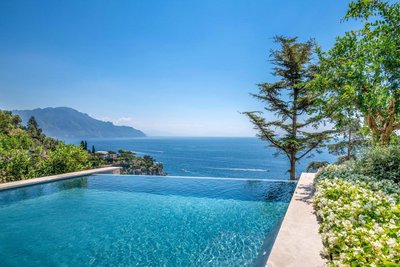
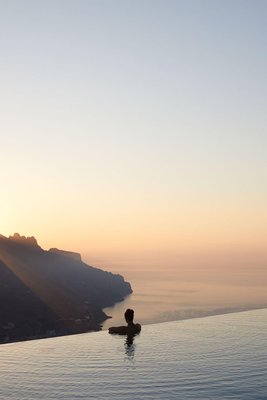
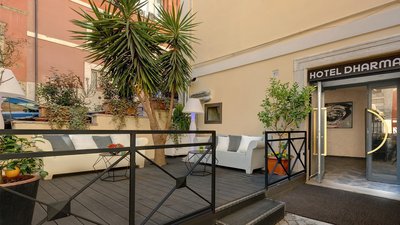
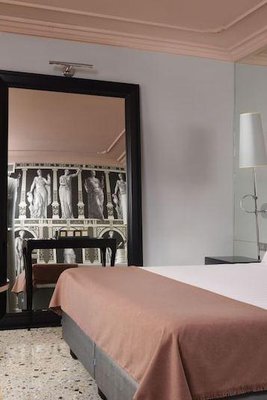
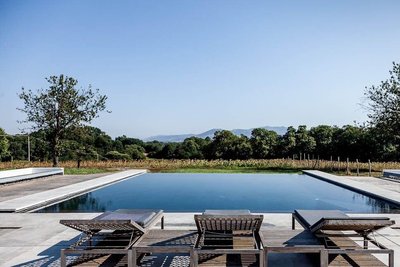
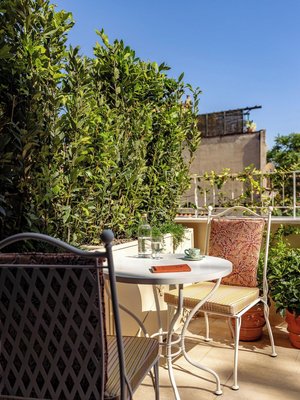
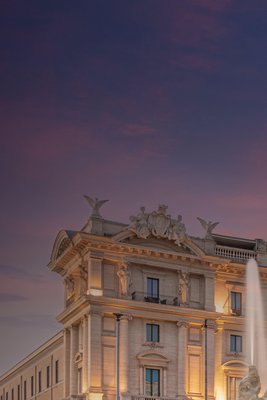
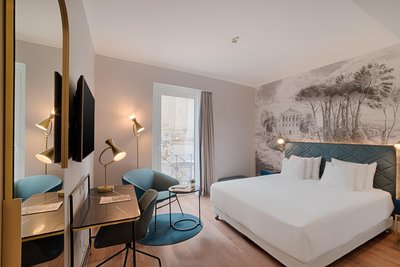



Frequently Asked Questions about Traveling to Rocca Massima
Questions You Might Need to Know About Traveling to Rocca Massima
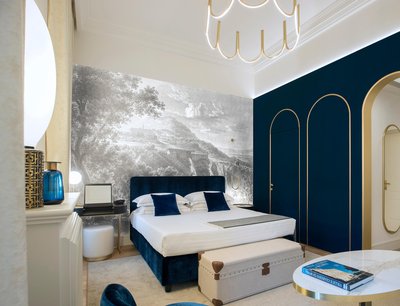
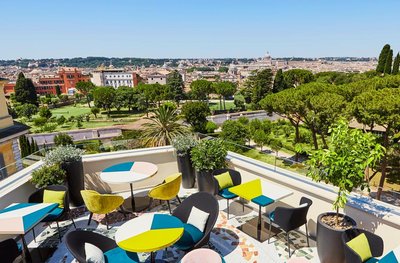
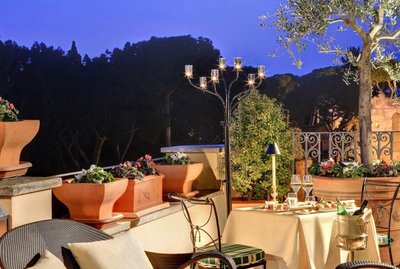
In Rocca di Papa, the standout choice is Hotel Villa Celimontana, a boutique hotel nestled on a hillside with panoramic views of the Alban Hills. Its design blends ancient Roman architecture with modern comfort, and guests can walk directly to the Rocca di Papa archaeological site in just 5 minutes. The hotel also features an on-site restaurant serving organic dishes sourced from local Ostia farms, offering a true taste of Lazio cuisine. Ideal for history lovers seeking authenticity and tranquility.
The historic town center is the prime location for lodging, offering easy access to the ancient ruins, Church of Santa Maria Assunta, and charming cobblestone streets. This area is safe, vibrant, and filled with traditional Italian restaurants and artisan markets. Wake up at the hilltop square to watch sunrise over the Tiber Valley, then enjoy a sunset stroll along the old pathways—perfect for travelers who value cultural immersion and scenic beauty.
Visitors should not miss the annual Roman Heritage Festival held every summer, featuring reenactments of ancient rituals, classical theater performances, and historical processions. Guided archaeological tours through hidden underground tombs are also available, allowing guests to touch millennia-old stone carvings. These immersive experiences bring the past to life, offering a rare opportunity to connect deeply with the rich heritage of Lazio.
Yes, Rocca di Papa is ideal for families. The town boasts well-maintained family-friendly hiking trails and educational outdoor spaces like the Nature Discovery Path and interactive Roman history exhibit. Many hotels offer free childcare services and indoor play areas. Weekly parent-child workshops, such as crafting ancient Roman pottery or weaving Mediterranean straw hats, make learning fun and engaging—perfect for creating lasting memories with children.
The Rocca di Papa Archaeological Site is the main attraction, featuring a well-preserved triumphal arch, ancient public baths, and the Roman Forum—a testament to early republican urban planning. Don’t miss the Church of Santa Maria Assunta, home to 14th-century Byzantine-style frescoes. Nature lovers should explore the Alban Hills forest trail, where wild olive trees and eagles thrive. A half-day guided tour with expert commentary offers deep insight into this former Roman administrative hub.
Try Pasta alla Gricia—spaghetti with guanciale and black pepper—and vegetable soup made with fresh local olive oil. The region is famed for its fresh goat cheese and wild mushrooms. At Trattoria Vecchia Roma, a century-old eatery, dishes are prepared using traditional methods, including hand-ground pasta. Every Friday, the weekly market night features limited-edition roasted wild boar sausage and grape-based wine, offering an authentic taste of Lazio’s culinary soul.
From Roma Termini Station, take the FL1 regional train to Rocca di Papa station, a 30-minute ride, then transfer to a local bus or taxi—just 15 minutes away. Alternatively, book a private shuttle service for a scenic journey through the Tiber Valley and Alban Hills. For those driving, use GPS with "Rocca di Papa" as the destination; the town has multiple free parking zones, especially convenient for long-distance travelers.
The highlight is the Roman Reenactment Festival in May, featuring historical parades, open-air plays, and craft markets transforming the streets into a 2nd-century Roman setting. In September, the Olive Oil Festival offers tastings and blending workshops from nearby farms. During winter, the Stargazing Night event brings astronomy lectures and telescope viewing under dark skies—perfect for photographers and nature enthusiasts seeking a magical experience.
While not a major tourist hub, Rocca di Papa has improved transport links. The town center bus terminal connects to Rome and nearby towns. Most attractions are within walking distance, and electric bikes are permitted on many roads. Renting an electric bicycle is a great way to explore the hills and ruins. If driving, navigate using "Rocca di Papa"—plenty of free parking spots are available throughout the town, making it accessible for road-trippers.
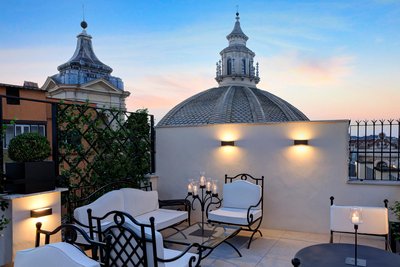
Visit the hilltop square for a breathtaking view of the illuminated ancient ruins during the light projection show, held weekends. Enjoy a coffee at Caffè Antico, where live folk music sets the mood. For a peaceful retreat, stay at a guesthouse with rooftop terrace, where you can relax under the stars, listen to night sounds of the forest, and savor the quiet magic of Rocca di Papa’s rural charm.
Rocca Massima Overview
City Summary
Rocca Massima is a charming hilltop town in Italy's Lazio region, renowned for its medieval architecture, tranquil atmosphere, and breathtaking mountain views. Nestled in the Lepini Mountains, this small town offers rich historical heritage and traditional culture, making it an ideal escape from urban bustle.
Must-See Attractions
Must-see sights include: Castello di Rocca Massima, a medieval fortress with panoramic views; Chiesa di Santa Maria Assunta, showcasing local religious art; and surrounding hiking trails perfect for nature enthusiasts.
Food Guide
Food highlights: Savor local specialties like handmade pasta, roasted lamb, and truffle dishes. Traditional trattorias serve homemade flavors paired with local wines, offering authentic Italian countryside dining.
Transportation Guide
Transportation: Rocca Massima has no train station. Driving is recommended, or take a bus from Rome. The town is walkable but has steep paths—wear comfortable shoes. Nearby cities like Latina offer more public transport options.
Best Time to Visit
Best time to visit: Spring (April-June) and autumn (September-October) offer mild weather and fewer crowds, ideal for enjoying the tranquil hillside setting. Summers are hot, winters cold with possible road closures.
Travel Tips
- Cash is king: Small shops may not accept cards.
- Respect quietness: Locals value peace—avoid loud noises.
- Dress modestly: Cover shoulders/knees for church visits.
- Book accommodation: Limited lodgings require advance planning.
- Non-slip shoes essential: Cobblestones and trails can be slippery.
- Learn basic Italian: English is uncommon—greetings help.
Useful Information
Practical info:
- Language: Italian is primary; English limited.
- Internet: Patchy signals—download offline maps.
- Payment: Cash preferred; cards (Visa/Mastercard) for large purchases.
- Emergency: No hospital in town; nearest facilities in Latina (30-min drive).
- Time zone: CET (UTC+1), observes daylight saving.