Hotels in Rokunohe
Discover your perfect stay in Rokunohe.
Rokunohe(Japan) Travel 2026: Cheap Flights, Hotels & Top Attractions
Popular Landmarks in Rokunohe
Discover the most iconic attractions in Rokunohe
Recommended Hotels in Rokunohe
Find the perfect place to stay in Rokunohe
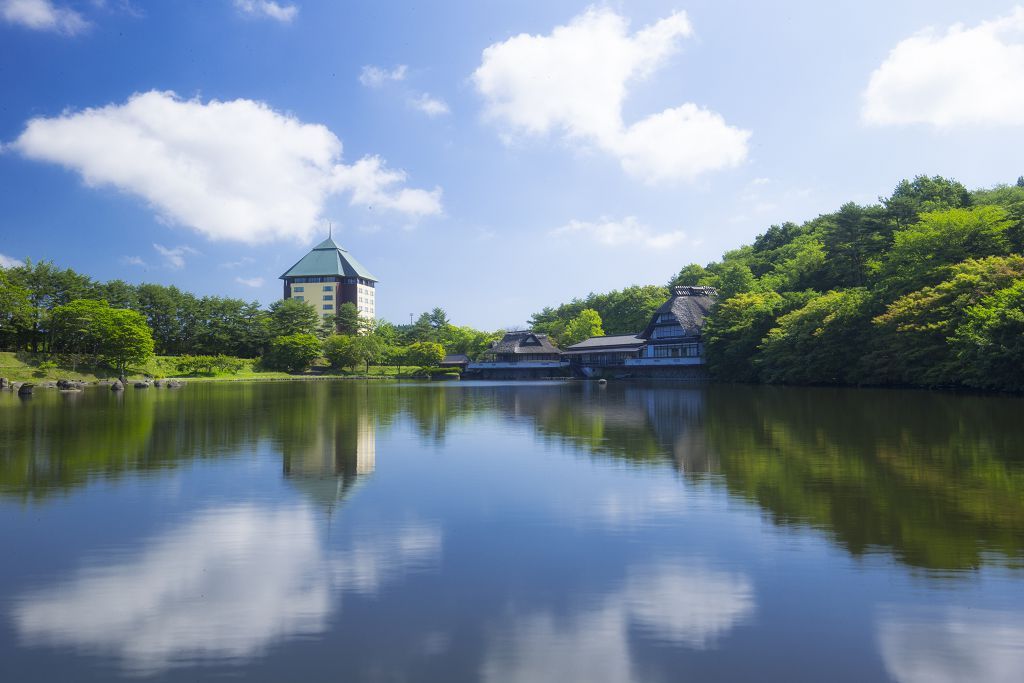
Best Hotels in Rokunohe
Discover curated hotel collections in Rokunohe
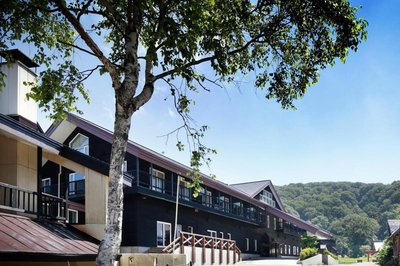
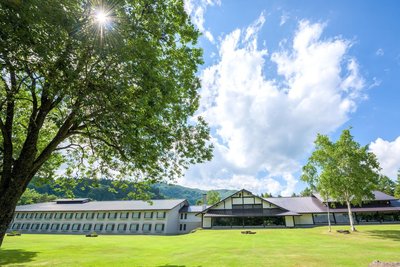


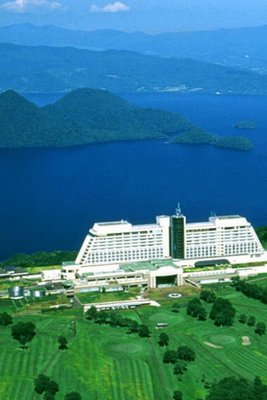
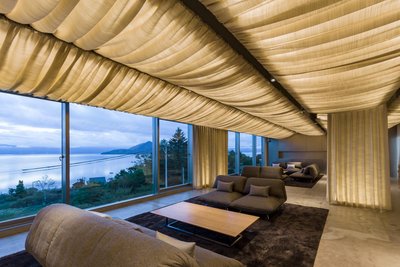
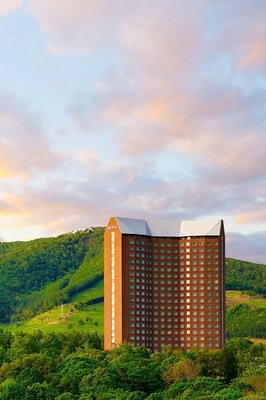
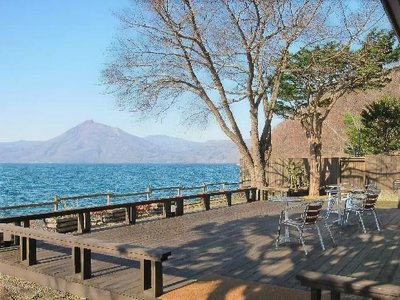



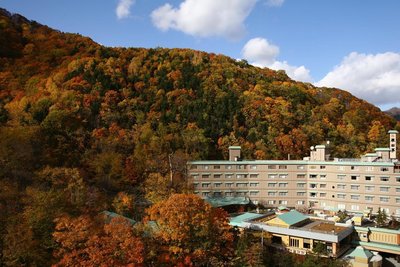
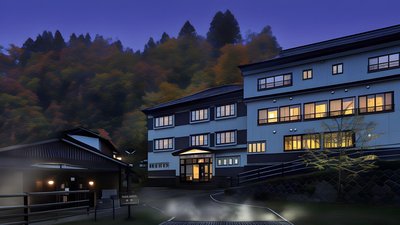
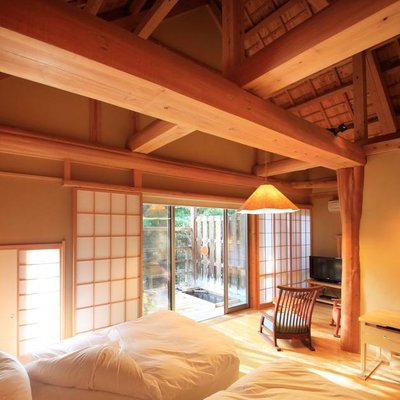
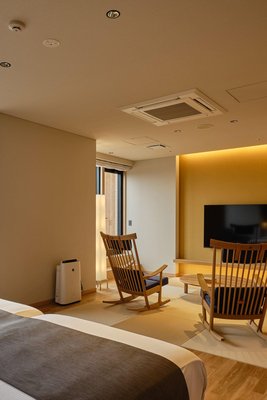














Frequently Asked Questions about Traveling to Rokunohe
Questions You Might Need to Know About Traveling to Rokunohe
In Rokkō-cho, immerse yourself in Tsugaru regional culture through hands-on workshops at the Rokkō-cho Tourism Center, where locals teach traditional Tsugaru shamisen music and lacquerware crafting. Stay overnight at Kōdo-kan Minshuku, a heritage-style guesthouse housed in a renovated school building, offering authentic Aomori-style kaiseki meals featuring locally foraged ingredients like wild mountain vegetables and fresh lake fish from Lake Toganoo.
For nature lovers, hike the trails of Miyagi-Tsuchi Mountain, where panoramic views reveal the vast expanse of the Tōhoku countryside. Don’t miss the seasonal Rokkō-cho Fire Festival, held every summer to honor ancestral spirits—featuring lantern-lit processions and drum performances. This remote village offers an unspoiled glimpse into rural Japan’s soul.
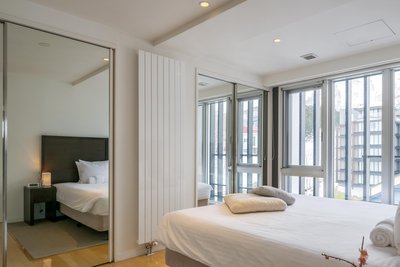
Stay in the central district of Rokkō-cho, near the Town Hall and Tourism Center, for optimal access to cultural sites like the Tsugaru Historical Museum and Ishikawa Shrine. The Rokkō-cho Hotel offers convenient amenities including free parking, luggage storage, and heated rooms ideal for winter visits.
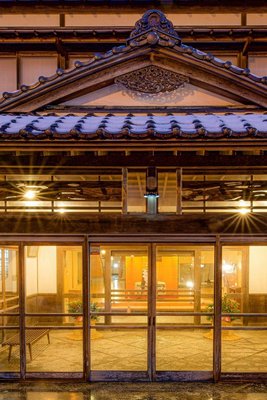
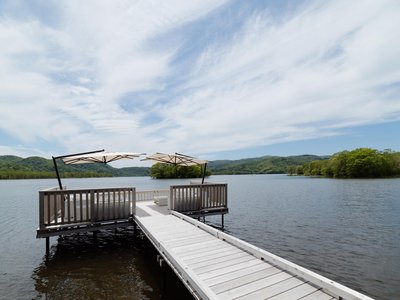
For a more secluded experience, consider Mibunoki District, nestled along the shores of Lake Toganoo. This area features rustic guesthouses rebuilt from old farmhouses, with exposed wooden beams, stone fireplaces, and stunning lake views. Perfect for stargazing and peaceful retreats, it’s also a gateway to hiking trails and seasonal festivals celebrating Tsugaru heritage.
In Rokkō-cho, participate in a Tsugaru Shamisen workshop led by master artisans who pass down melodies and techniques from generations past. Visit Ishikawa Shrine during the spring O-hata-matsuri festival to witness traditional dances and drum rituals rooted in local spirituality.
Book a homestay with a farming family to craft Tsugaru black bean dishes or handmade tofu using age-old methods, then savor a multi-course local kaiseki meal made with seasonal ingredients. Don’t miss the annual Rokkō-cho Bonfire Festival in August, where villagers parade with paper lanterns through the streets, symbolizing purification and remembrance—accompanied by folk music and open-air markets.
These immersive experiences offer a rare window into the living traditions of Tsugaru region, preserving the soul of rural Japan.
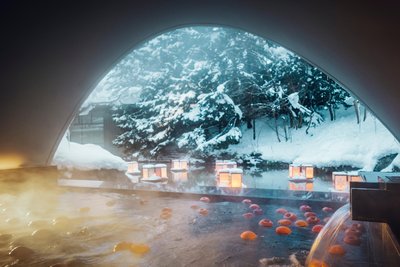
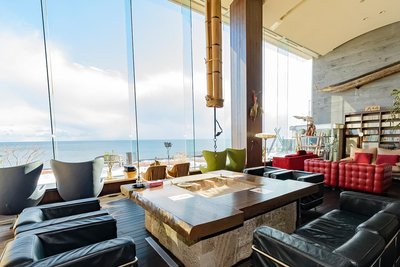
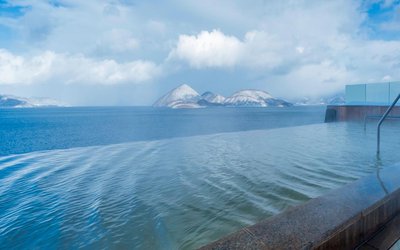
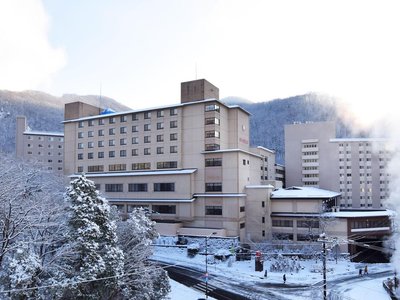
Winter stays in Rokkō-cho shine with onsen resorts and snow hut experiences. Stay at a lakeside onsen ryokan overlooking Lake Toganoo, where snow-covered waters reflect through the steam rising from indoor and outdoor baths rich in mineral content—perfect for thawing out after snowy days.
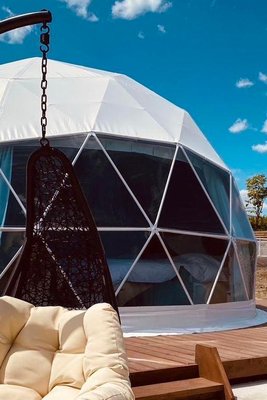
Some guesthouses offer snow hut stays, where you sleep inside a naturally built snow dome with heating and cozy bedding. Wake up to silent snowfall outside the window—a true fairy-tale moment. During the seasonal Snow Lantern Festival, streets glow with handcrafted paper lanterns, accompanied by live Tsugaru folk music and warm sake served under the stars.
These winter experiences blend comfort, adventure, and tradition, making Rokkō-cho a magical destination in Japan’s northern heartland.
Top family-friendly options in Rokkō-cho include Rokkō-cho Family-Friendly Inn, featuring a dedicated kids’ playroom, interactive craft workshops, and a small vegetable garden where children can plant seeds.
Another great choice is the Lake Toganoo Family Cottage, offering spacious private suites and a shared lounge area suitable for 4–6 people. It includes child-safe outlets, toy storage, and weekend parent-child Tsugaru storytelling sessions led by local elders, where kids create their own characters through drawing.
All recommended accommodations provide free shuttle services to the Tourism Center and Children’s Museum, ensuring stress-free travel for parents while enhancing the family experience in this tranquil rural setting.
Must-try dishes in Rokkō-cho include Kurodane-gohan (Black Bean Rice), made with locally grown black beans slow-cooked to a rich, sweet texture; and Toganoo Lake Carp Hot Pot, featuring fresh fish caught from the pristine lake, served in a delicate, slightly salty broth enhanced with seasonal vegetables.
Don’t miss Tsugaru-yaki, a handcrafted cookie with a crisp exterior and soft interior, often filled with red bean paste or matcha. Local markets sell dried wild mushrooms and mountain vegetable sauces—perfect for pairing with rice or noodles.
Many guesthouses offer “Local Table Experiences”, where guests help prepare sauces, pack bento boxes, and dine together with hosts—immersing visitors in the warmth of Tsugaru hospitality and daily life in rural Japan.
Rokunohe Overview
City Summary
Rokunohe Town in Aomori Prefecture is a serene rural area famed for its apple orchards, surrounded by UNESCO-listed Towada Lake and Oirase Gorge. The town preserves Nanbu folk traditions, showcased during summer festivals with taiko drums and Kagura performances.
Must-See Attractions
Top attraction is Lake Towada (30-min drive) with iconic seasonal landscapes. Visit Michi-no-Eki Rokunohe for local crafts and fresh apples, or unwind at Komaki Onsen hot springs. The Rokunohe Historical Museum offers insights into Edo-period farming culture.
Food Guide
Must-try Aomori apple desserts and fresh juices at roadside stalls. Specialty Nanbu senbei (iron-griddle rice crackers) are served hot. In winter, try ishi-yaki nabe hotpot cooked on volcanic stones with miso dip.
Transportation Guide
Rental cars are ideal (1hr from Aomori Airport). Public buses from Hachinohe Station take 40mins (limited schedule). Taxis require advance HopeGoo. Bicycles can be rented at some lodgings for short trips.
Best Time to Visit
September-October for apple harvest and autumn foliage. Mild summers (25°C) attract crowds during Japanese holidays. Snowscapes in December-February demand heavy winter gear.
Travel Tips
- Cash essential for rural transactions
- Onsen etiquette: shower before bathing
- Bear precautions in mountains
- Dialect alert: elders may speak Nanbu-ben
- Trash disposal: carry waste as bins are scarce
- Winter driving: snow tires mandatory
Useful Information
Language: Basic Japanese suffices. Mobile data: SIM cards recommended (weak signals in mountains). Currency: ATMs at post offices accept int'l cards (fees apply). Emergencies: Call town hall (0178-78-2111) for multilingual support. Download "NHK Disaster App" for earthquake alerts.









