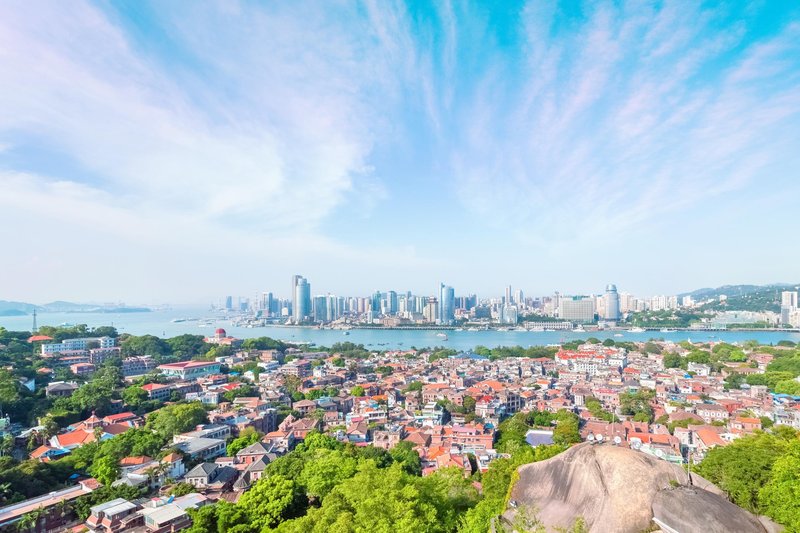
Hotels in Rome
Discover your perfect stay in Rome.
Rome(Italy) Travel 2026: Cheap Flights, Hotels & Top Attractions
Popular Landmarks in Rome
Discover the most iconic attractions in Rome
Recommended Hotels in Rome
Find the perfect place to stay in Rome
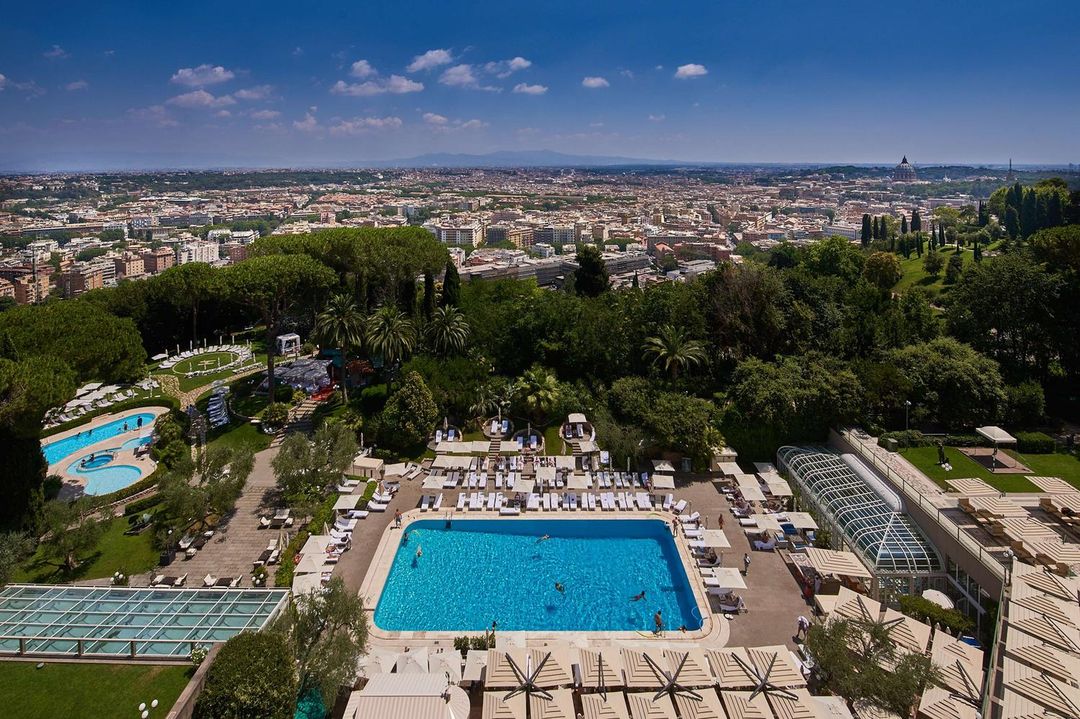
Rome Cavalieri, A Waldorf Astoria Hotel
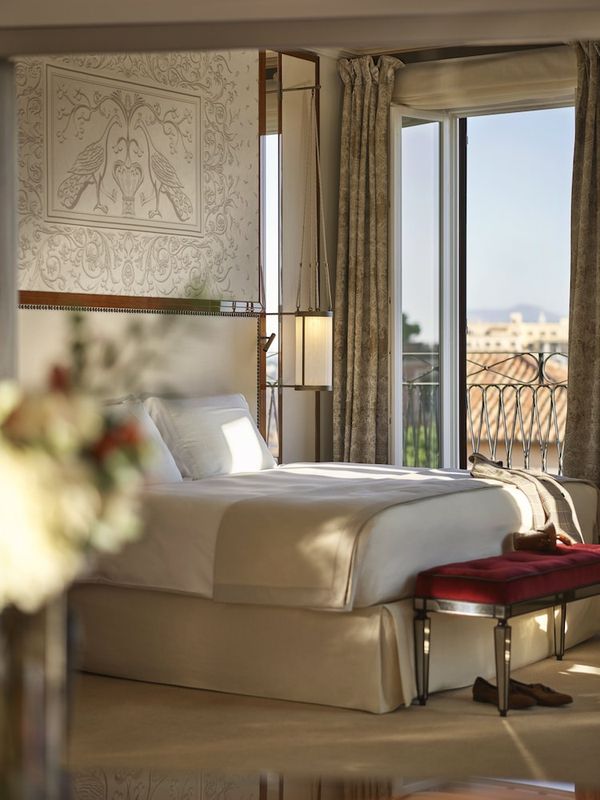
Hotel Eden - Dorchester Collection
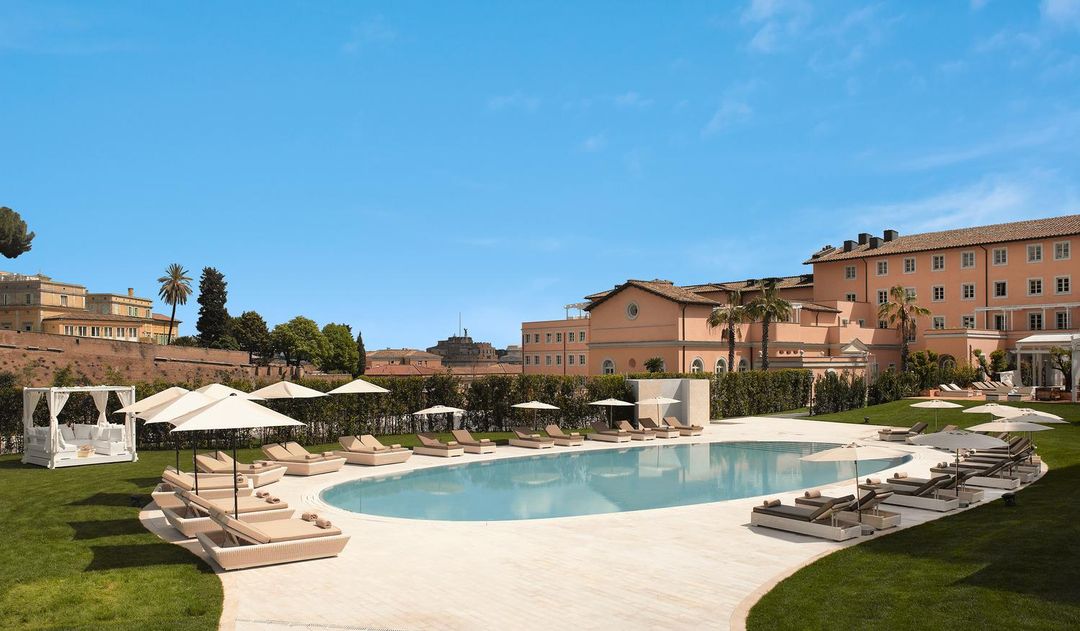
Villa Agrippina Gran Meliá
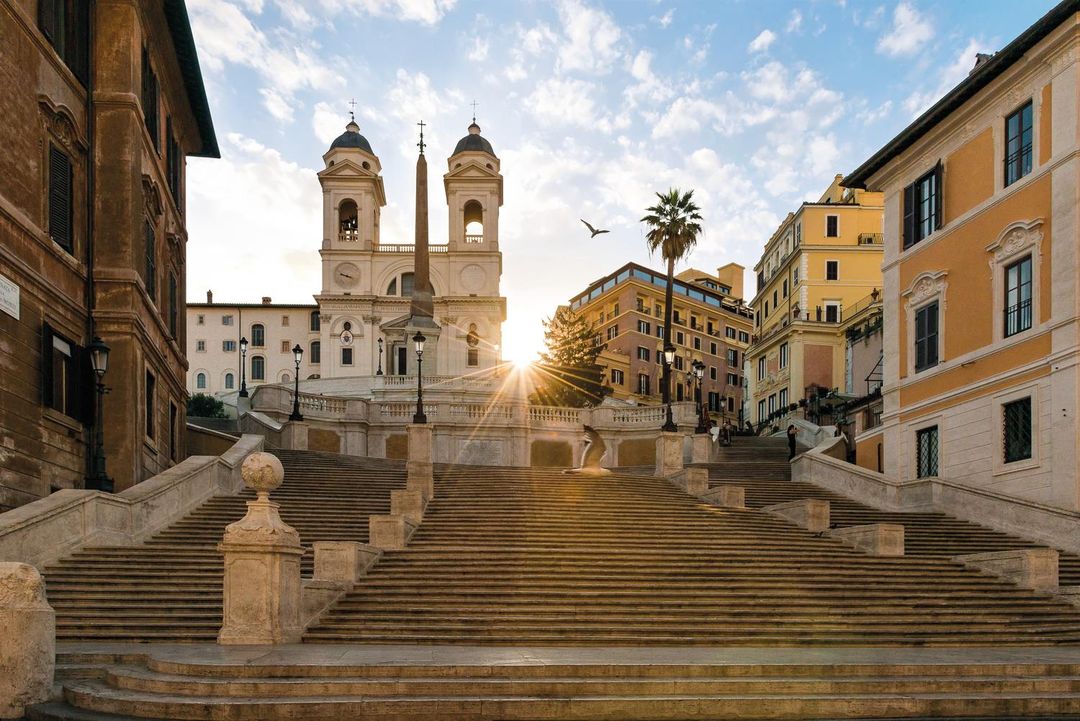
Hassler Roma
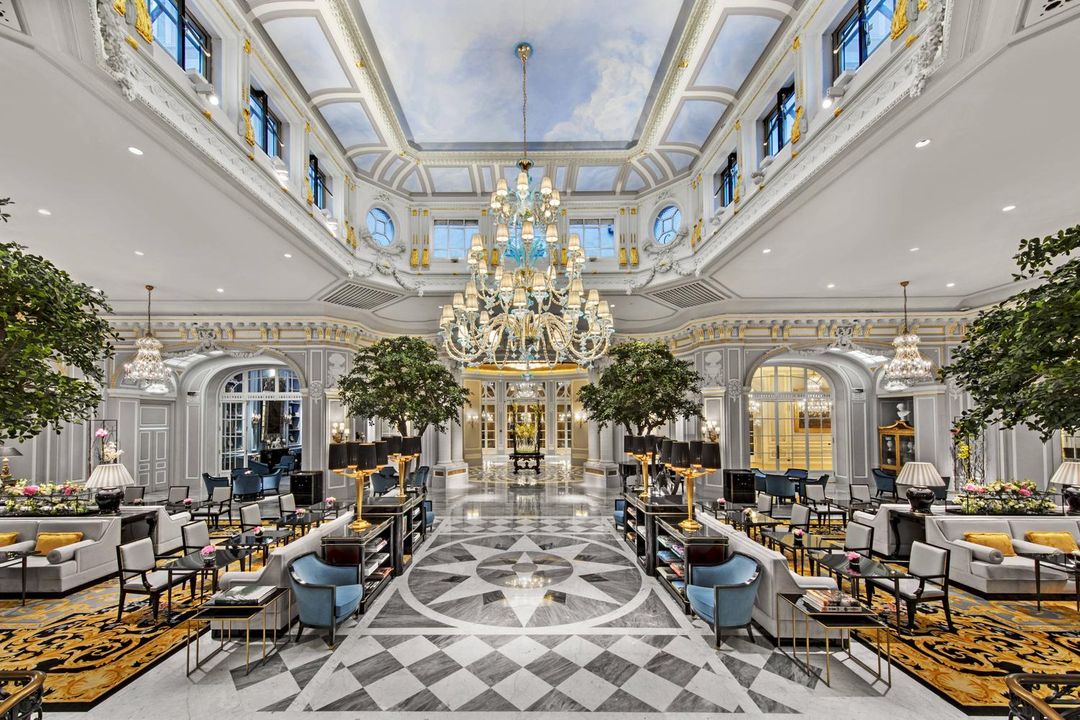
The St. Regis Rome
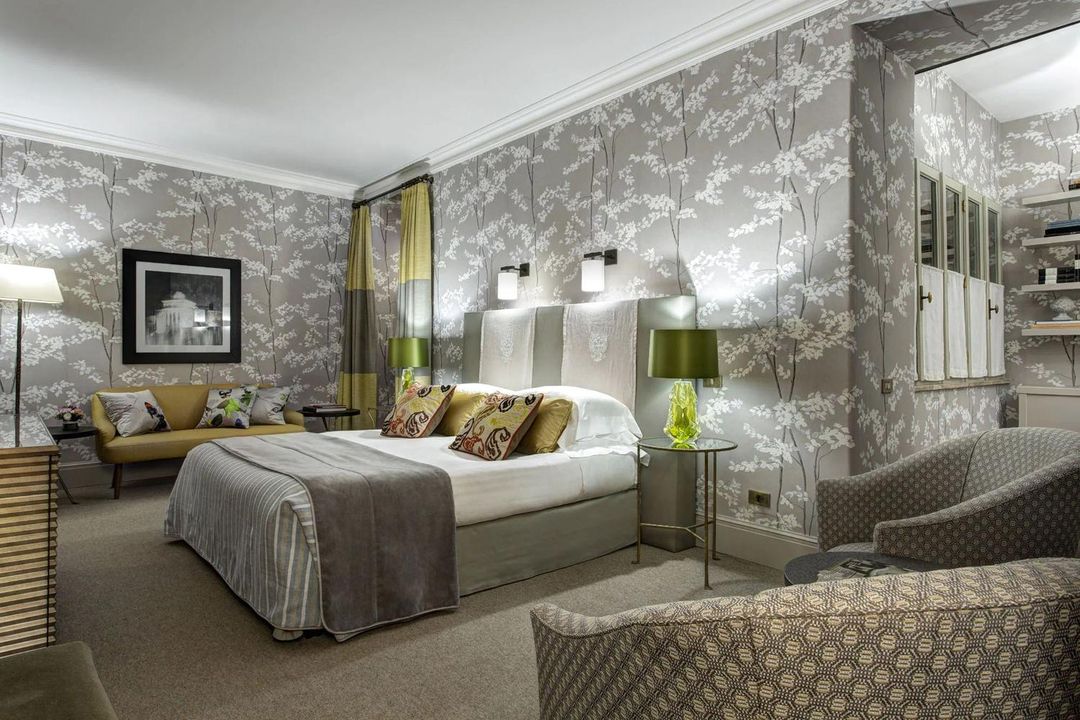
Rocco Forte Hotel De Russie
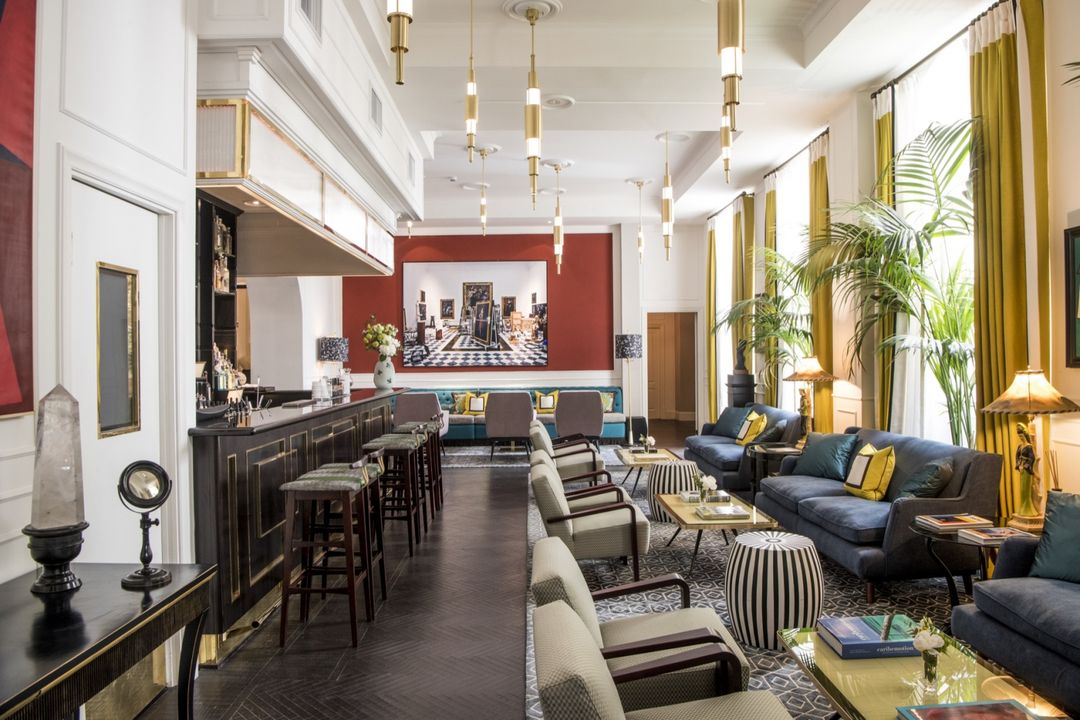
Hotel Vilòn
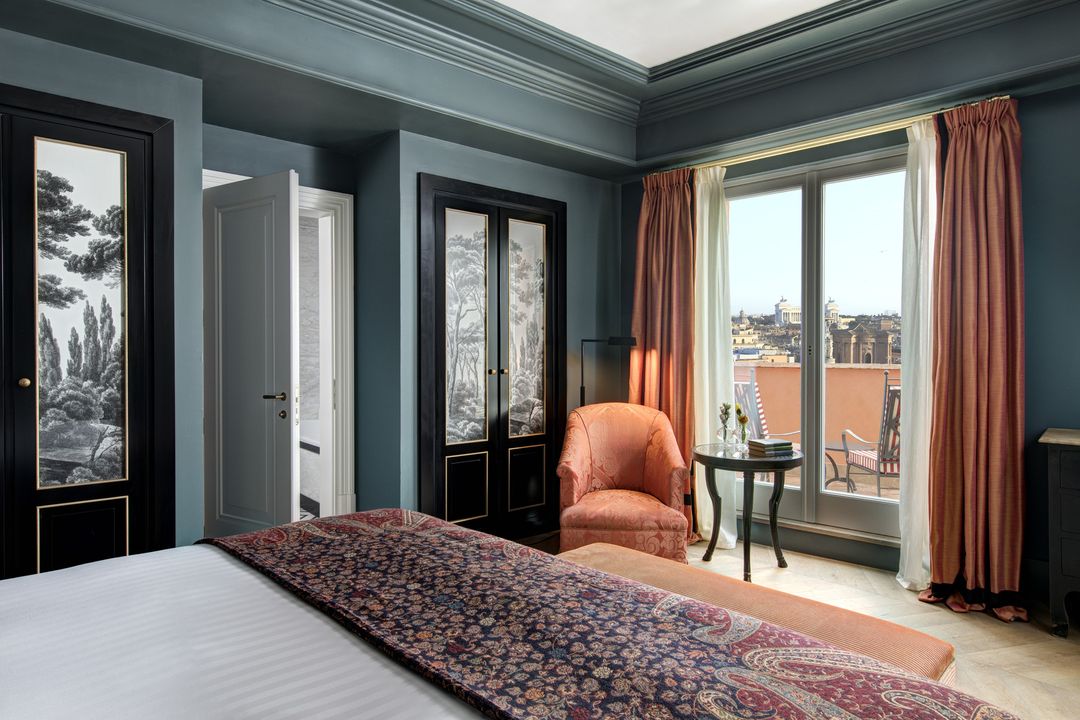
Rocco Forte Hotel de La Ville
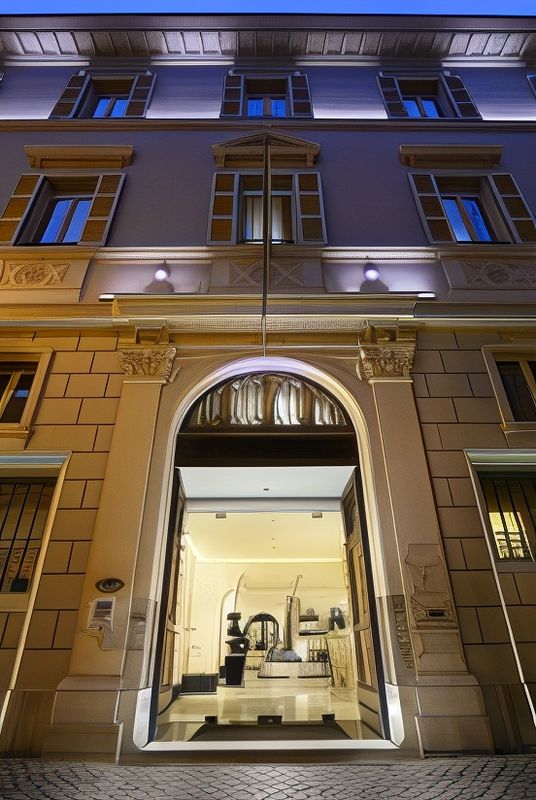
The First Arte - Preferred Hotels & Resorts
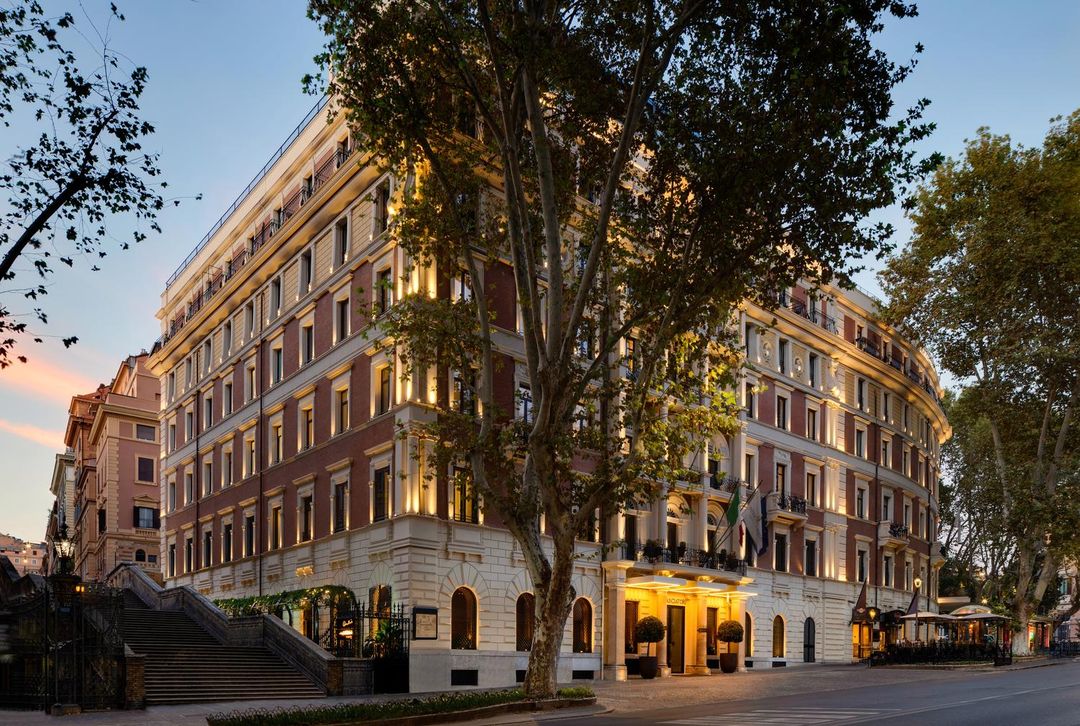
InterContinental Rome Ambasciatori Palace
Best Hotels in Rome
Discover curated hotel collections in Rome
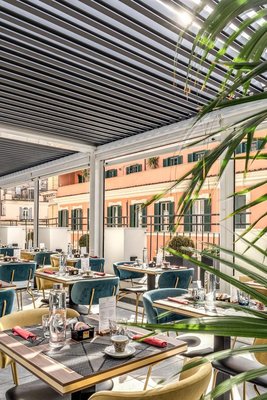
CC Palace Hotel
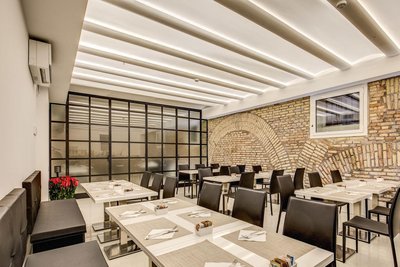
The Liberty Boutique Hotel
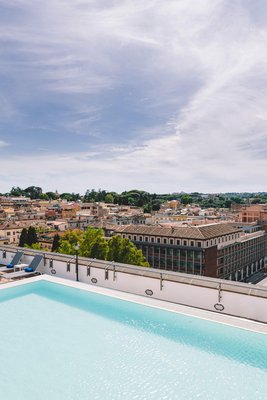
Mercure Roma Centro Colosseo
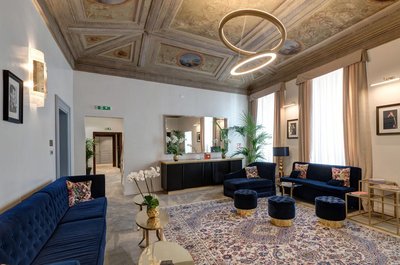
Martius Private Suites Hotel
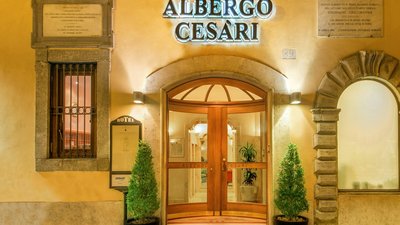
9Hotel Cesari
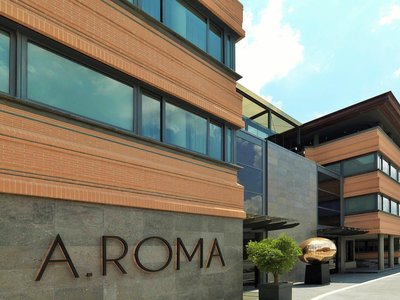
A.Roma Lifestyle Hotel
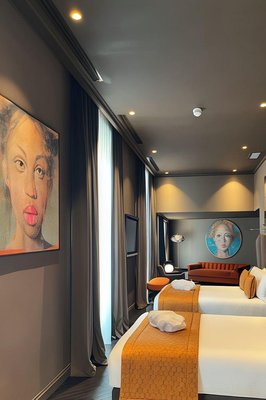
U-VISIONARY ROMA HOTEL
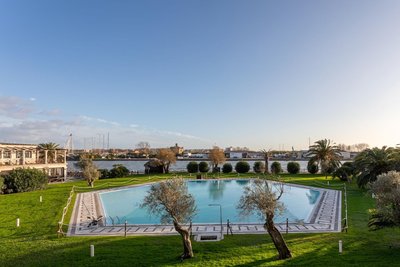
Porto Romano - the Marina Resort
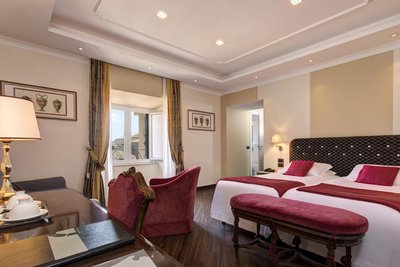
Hotel Nazionale
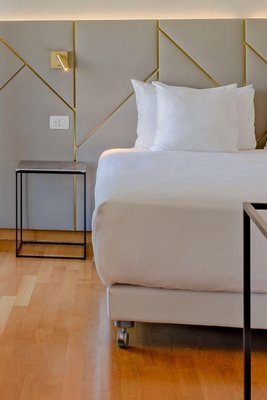
NH Collection Giustiniano
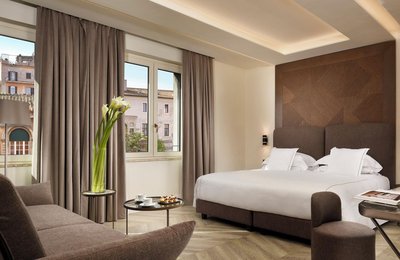
FH55 Grand Hotel Palatino
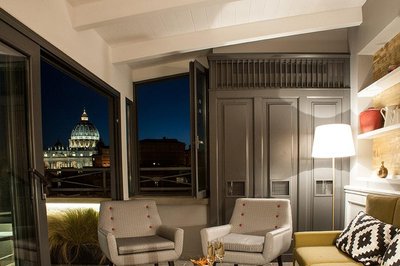
Trianon Borgo Pio Aparthotel
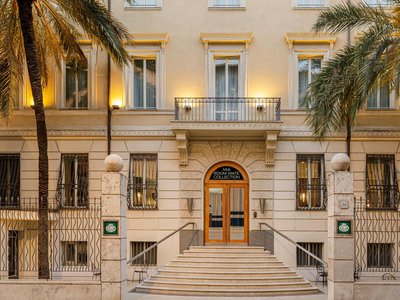
Room Mate Collection Mia, Rome Colosseum
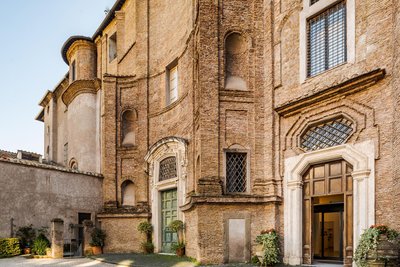
Donna Camilla Savelli - VRetreats

UNA Hotels Decò Roma
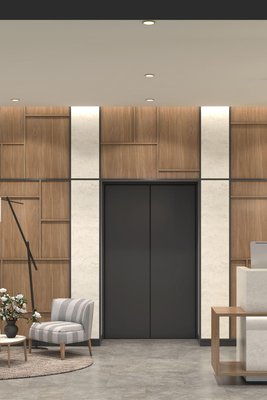
AC Hotel Clodio Roma

IQ Hotel Roma
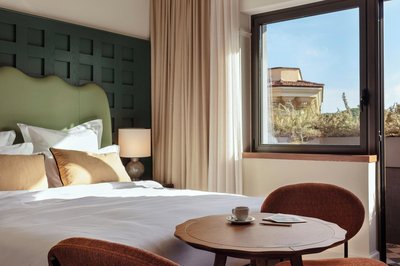
The Hoxton, Rome
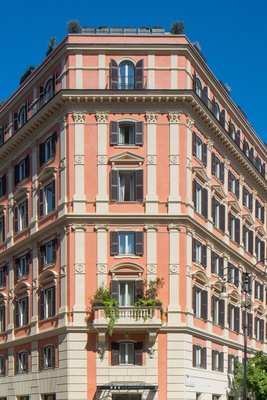
Trastevere Roma | UNA Esperienze
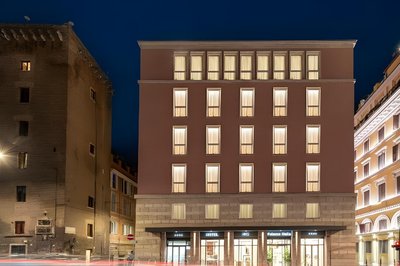
H10 Palazzo Galla
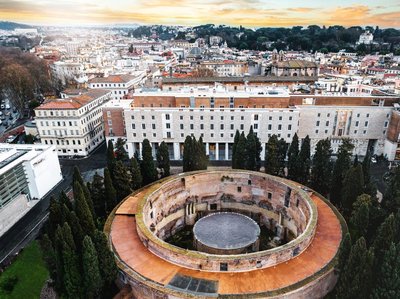
Bulgari Hotel Roma
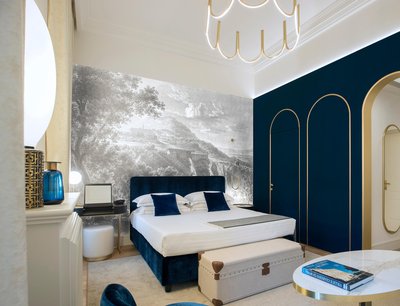
Elizabeth Unique Hotel Rome By Design Hotels
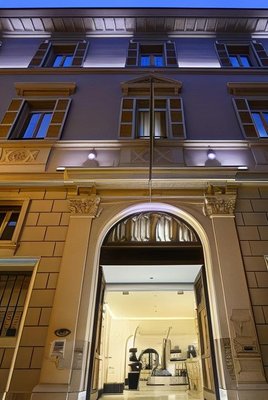
The First Arte - Preferred Hotels & Resorts
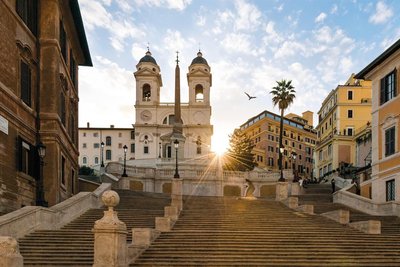
Hassler Roma
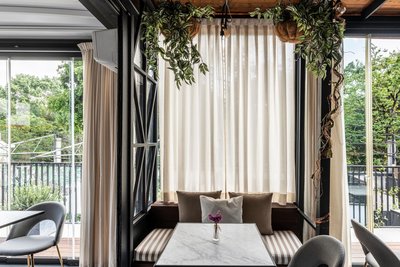
Horti 14 Borgo Trastevere Hotel
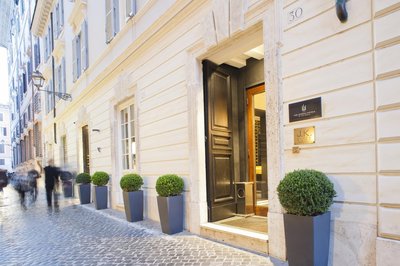
J.K. Place Roma - the Leading Hotels of the World
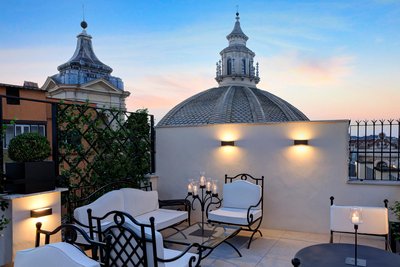
Palazzo Nainer
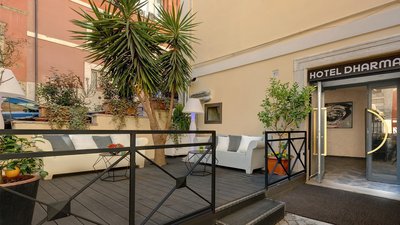
Dharma Boutique Hotel & Spa
U-VISIONARY ROMA HOTEL
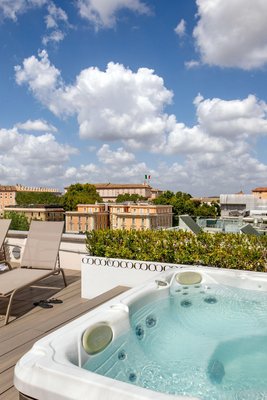
The Glam
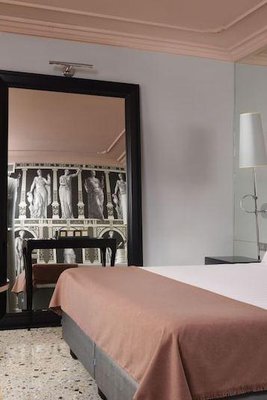
Leon's Place Hotel
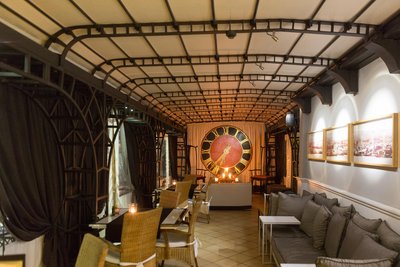
Hotel Isa
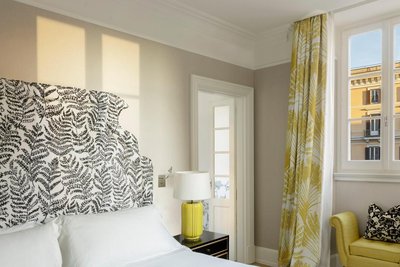
Maalot Roma
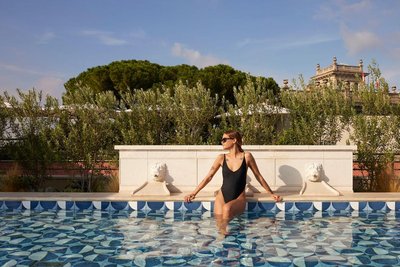
W Rome
Trastevere Roma | UNA Esperienze
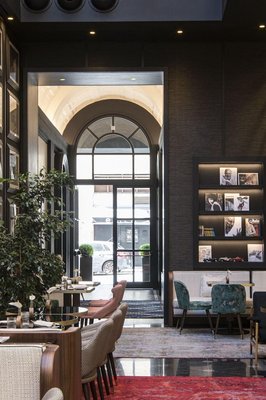
Umiltà 36
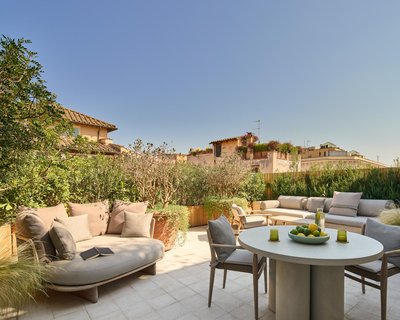
Six Senses Rome
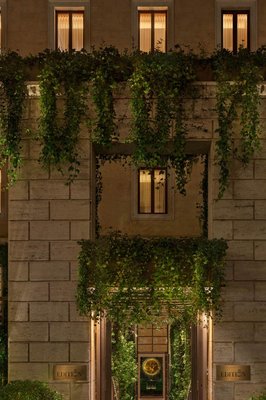
The Rome Edition
Bulgari Hotel Roma
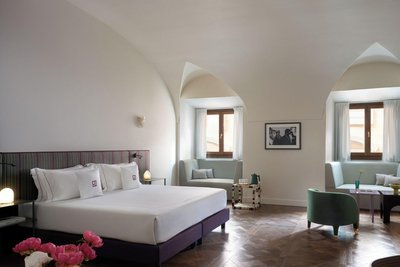
Palazzo Talìa - Small Luxury Hotels of the World
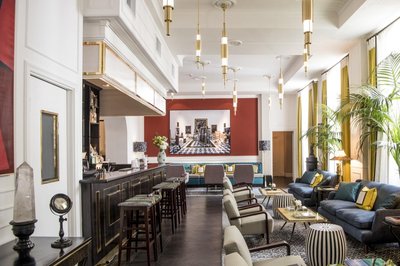
Hotel Vilòn
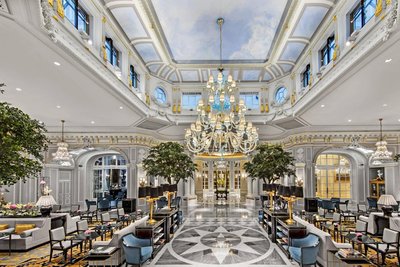
The St. Regis Rome
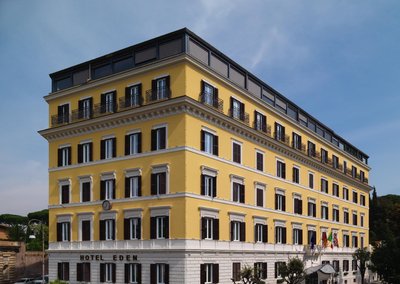
Hotel Eden - Dorchester Collection
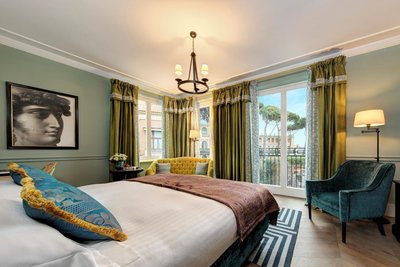
Rocco Forte Hotel de La Ville

Rocco Forte Hotel De Russie
Hassler Roma
J.K. Place Roma - the Leading Hotels of the World
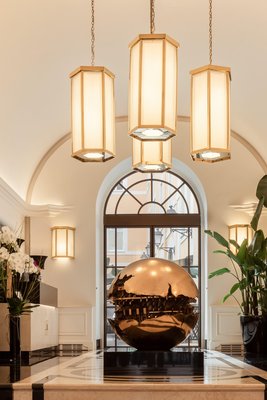
Palazzo Ripetta
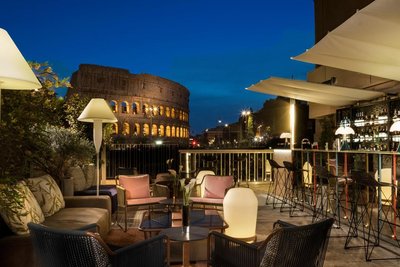
Hotel Palazzo Manfredi – Small Luxury Hotels of The World
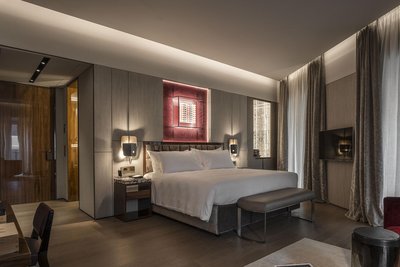
Fendi Private Suites - Small Luxury Hotels of the World
Six Senses Rome

Palazzo Roma

Palazzo Shedir - the Leading Hotels of the World
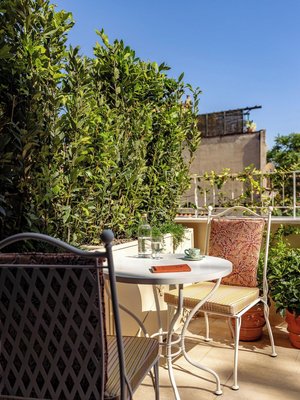
Hotel Casa Monti Roma
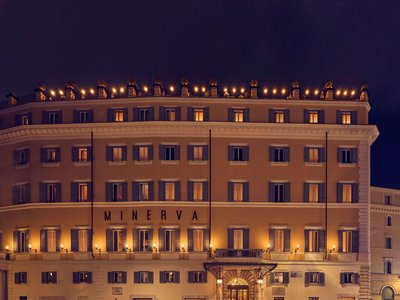
Orient Express la Minerva
Elizabeth Unique Hotel Rome By Design Hotels

Singer Palace Hotel Roma
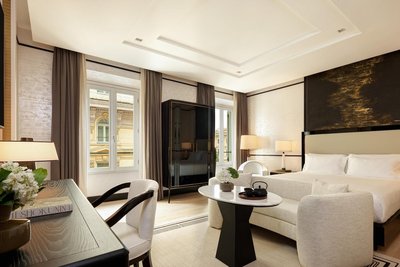
Nobu Hotel Roma
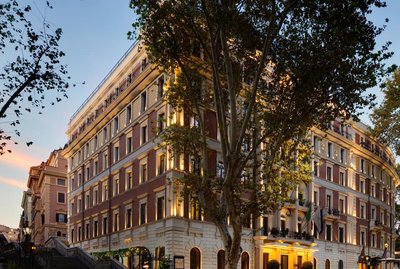
InterContinental Rome Ambasciatori Palace
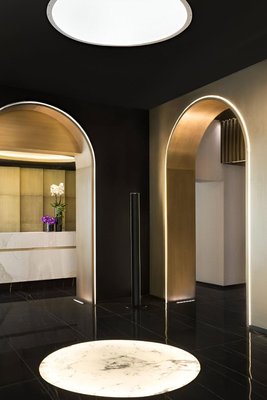
The Pantheon Iconic Rome Hotel, Autograph Collection
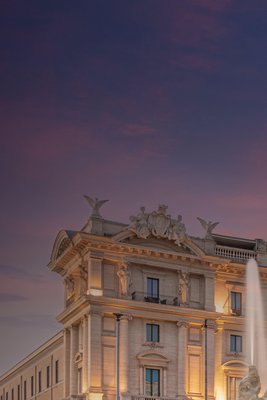
Anantara Palazzo Naiadi
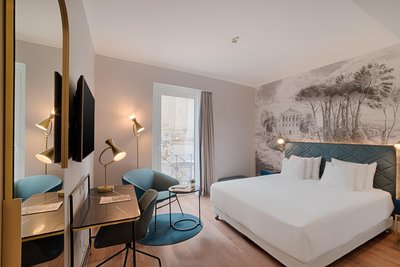
NH Collection Fori Imperiali
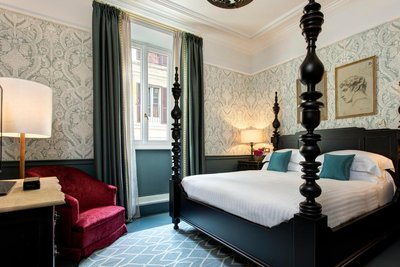
Rocco Forte House Piazza di Spagna, Rome
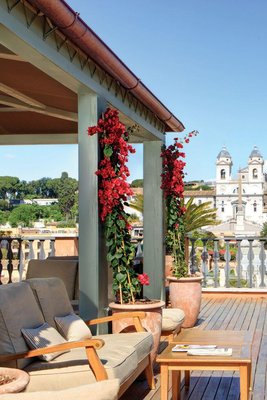
Portrait Roma - Lungarno Collection
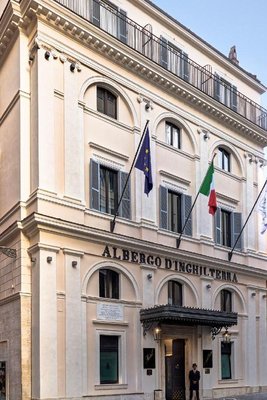
Hotel D’Inghilterra Roma – Starhotels Collezione
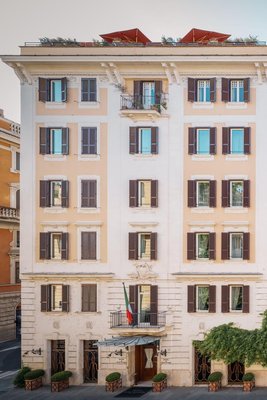
Hotel Locarno
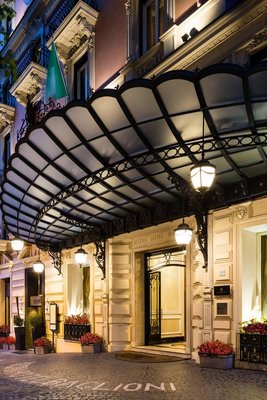
Baglioni Hotel Regina - The Leading Hotels of the World
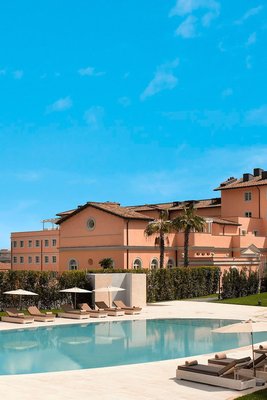
Villa Agrippina Gran Meliá
Maalot Roma
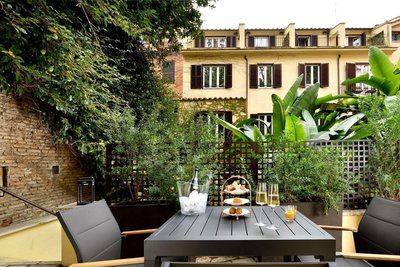
Margutta 19 - Small Luxury Hotels of the World
Umiltà 36
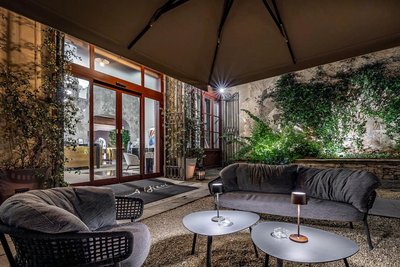
Il Rivalta
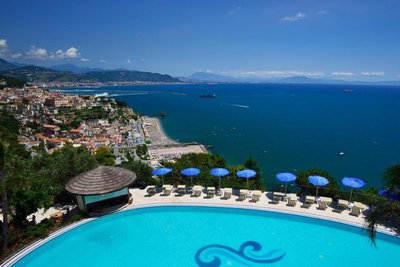
Hotel Raito Vietri Sul Mare
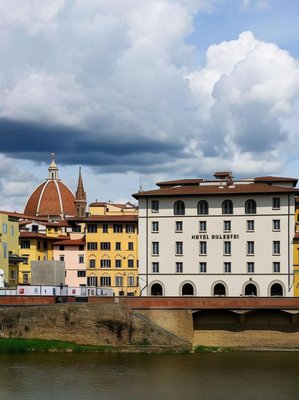
Hotel Balestri - Wtb Hotels
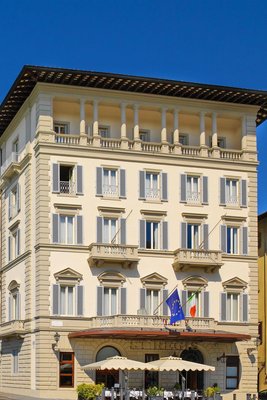
The St. Regis Florence
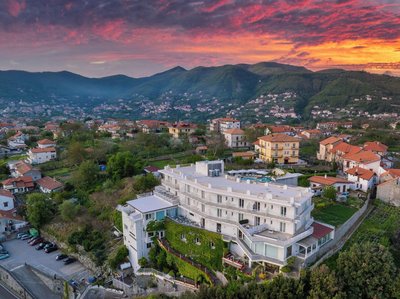
Hotel le Rocce - Agerola, Amalfi Coast
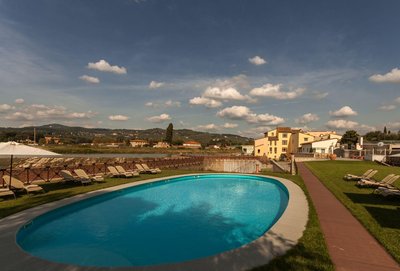
Hotel Mulino di Firenze, WorldHotels Crafted
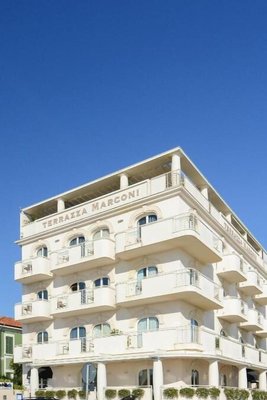
Terrazza Marconi Hotel&Spamarine

Boutique Hotel Torre di Cala Piccola
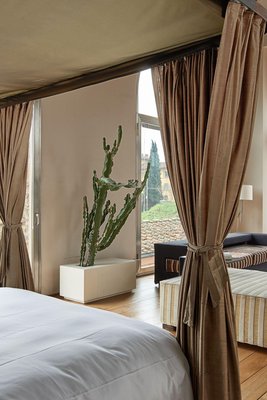
Riva Lofts Florence
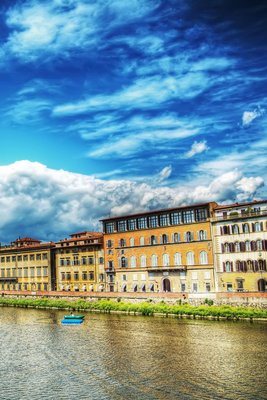
Palazzo Alfieri Residenza d'Epoca
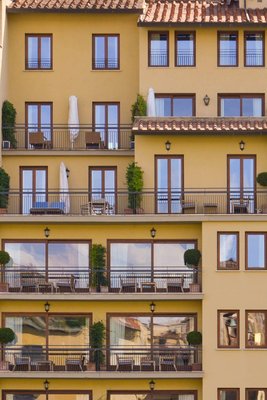
Hotel Lungarno - Lungarno Collection

Hotel Continentale - Lungarno Collection
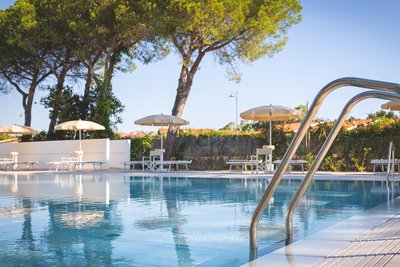
The Sense Experience Resort - Preferred Hotels & Resorts
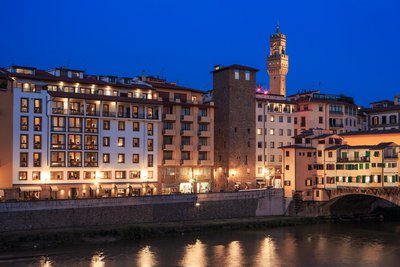
Portrait Firenze - Lungarno Collection

Caruso, A Belmond Hotel, Amalfi Coast
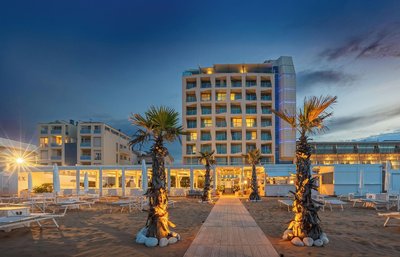
Excelsior Hotel, Spa & Lido
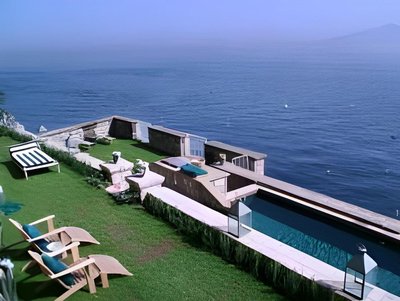
Maison la Minervetta
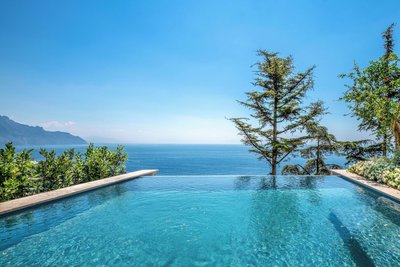
Borgo Santandrea
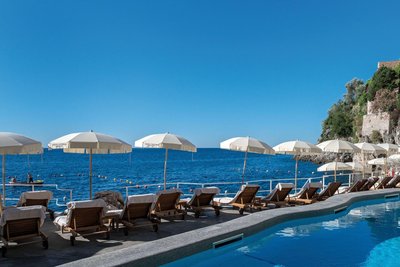
Hotel Santa Caterina
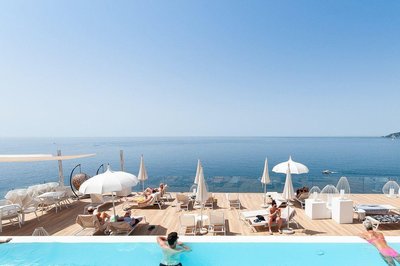
Hotel Club Due Torri
The St. Regis Rome
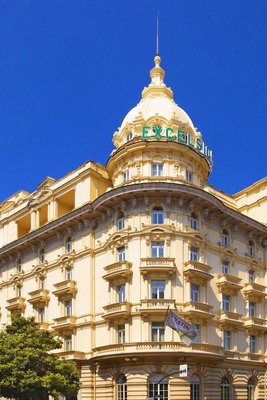
The Westin Excelsior, Rome
InterContinental Rome Ambasciatori Palace
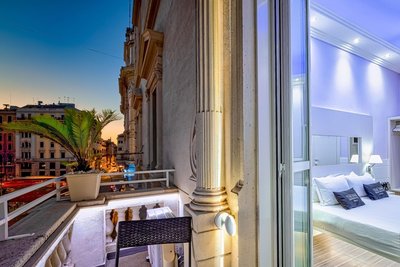
The One Boutique Hotel & Spa Rome
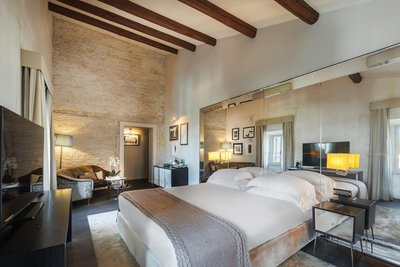
Dom Hotel Roma - Preferred Hotels & Resorts
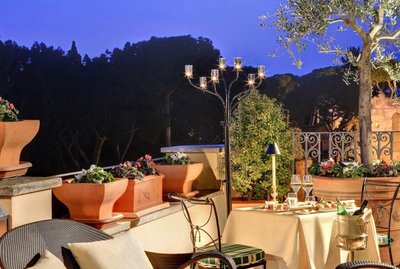
Hotel Splendide Royal - the Leading Hotels of the World
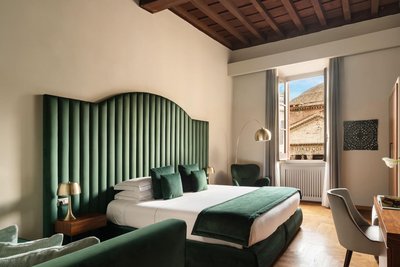
Antico Albergo del Sole Al Pantheon
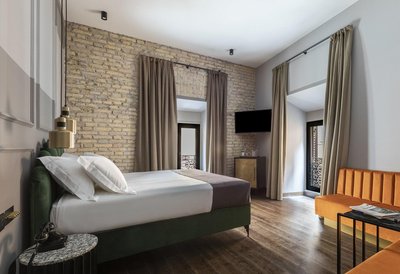
Chapter Roma
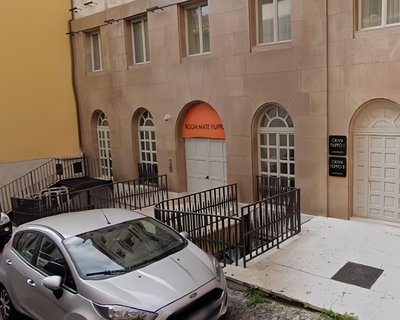
Room Mate Collection Filippo, Rome-Fontana di Trevi
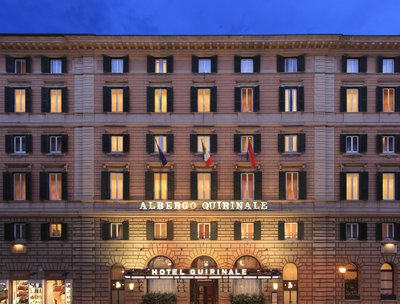
Hotel Quirinale
Baglioni Hotel Regina - The Leading Hotels of the World
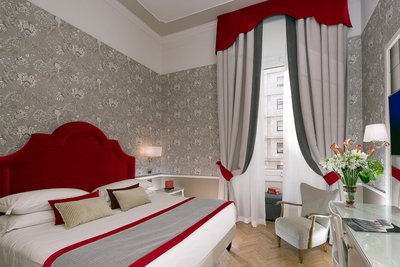
Bettoja Hotel Massimo d'Azeglio

Bettoja Hotel Mediterraneo
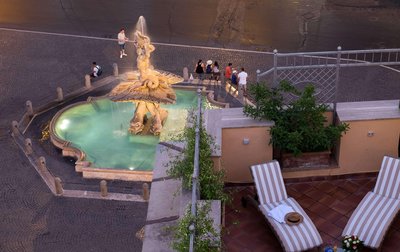
Hotel Barocco

La Residenza
Donna Camilla Savelli - VRetreats
Villa Agrippina Gran Meliá
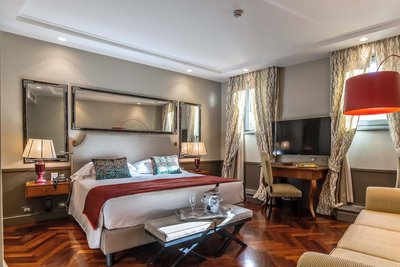
Hotel Lunetta
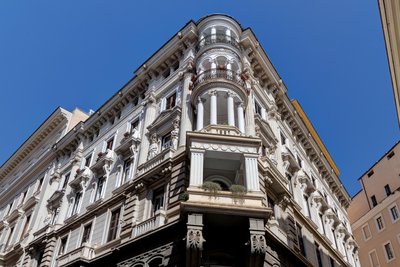
Dharma Luxury Hotel
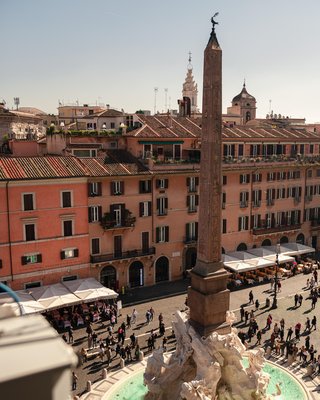
Eitch Borromini Palazzo Pamphilj
Hotel Eden - Dorchester Collection
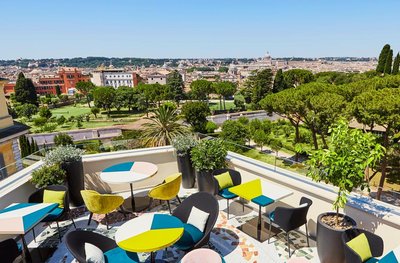
Sofitel Roma Villa Borghese
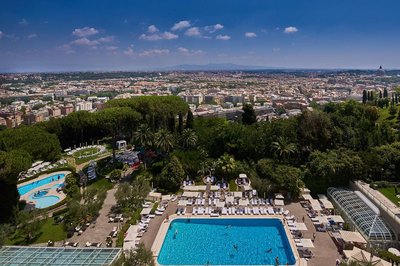
Rome Cavalieri, A Waldorf Astoria Hotel
The First Arte - Preferred Hotels & Resorts
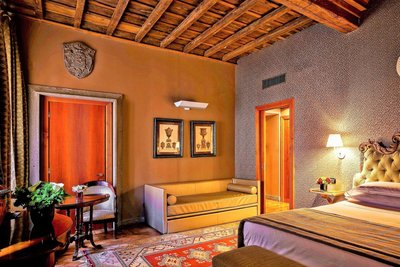
Hotel Valadier
Hassler Roma
The Pantheon Iconic Rome Hotel, Autograph Collection
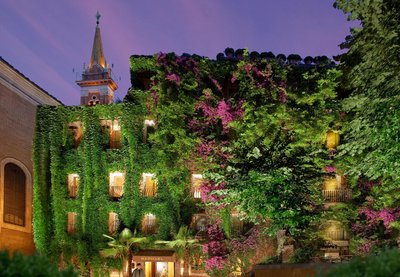
Bio Hotel Raphael - Relais & Châteaux
Hotel Splendide Royal - the Leading Hotels of the World
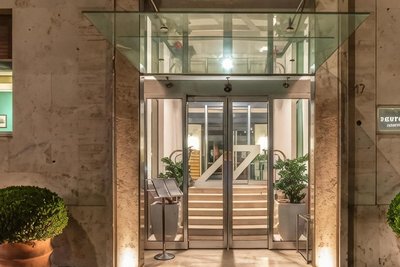
47 Boutique Hotel
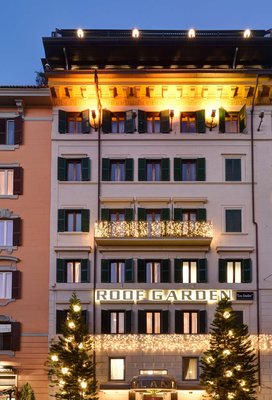
Atlante Star Hotel
Hotel Palazzo Manfredi – Small Luxury Hotels of The World
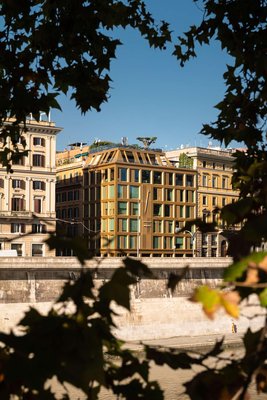
The First Musica - Preferred Hotels & Resorts
Frequently Asked Questions about Traveling to Rome
Questions You Might Need to Know About Traveling to Rome
In the heart of Rome, these luxury hotels are highly recommended:
- Hotel de Russie - Near the Spanish Steps, featuring stunning gardens and top-tier service.
- The St. Regis Rome - A historic five-star hotel offering a luxurious stay.
- J.K. Place Roma - Stylish and elegant, perfect for时尚-conscious travelers. All these hotels are centrally located, providing easy access to landmarks like the Colosseum and Trevi Fountain.
Rome offers several family-friendly hotels:
- Hotel Artemide - Family rooms available, close to the Trevi Fountain and other attractions.
- Hotel Aleph Rome - Features child-friendly amenities and convenient transportation links.
- NH Collection Roma Palazzo Cinquecento - Spacious and ideal for families, near the Termini Station. These hotels provide comfortable stays and prime locations for family trips.
Top recommended areas for first-timers in Rome:
- Historic Center (Pantheon/Trevi):
- Steps from Colosseum & Spanish Steps, but prices are higher.
- Trastevere:
- Charming medieval streets with local trattorias, ideal for nightlife.
- Monti:
- Artsy district near Termini Station (budget-friendly). Tip: Avoid hotels near Termini's west side for safety. Metro access (Line A/B) is key.
To book authentic boutique hotels in Rome:
- Check locations: Authentic spots like Campo Marzio or Via Margutta (film-set alleys).
- Key features:
- Under 50 rooms, historical architecture (e.g., converted convent).
- Local hosts who offer secret dining tips.
- Resources:
- Use Design Hotels or HopeGoo's 'Character' filter. Example: G-Rough showcases 1930s Italian design with vintage furniture.
The Historic Center (Centro Storico) and Trevi District offer walking access to the Trevi Fountain and Pantheon. For metro access, hotels near Spagna Station (Spanish Steps) are ideal. Trastevere has charming alleys but requires longer walks to attractions. Budget €150-300/night for 4-star hotels in these zones.
Hotel de Russie near Piazza del Popolo features a secret garden designed in 1816. The Fifteen Keys Hotel transforms a 16th-century convent with modern art. For imperial views, The Inn at the Roman Forum has ruins embedded in its structure. Expect butler service and curated tours at €400-1000/night. Note: some heritage buildings lack elevators.
The Fifteen Keys Hotel offers designer rooms with free minibar, just 800m from Colosseum. Capo d'Africa features a rooftop terrace with direct views of the ancient arena, while Hotel Artemide includes free spa access 10 minutes away. Pro tip: Book rooms facing Via Capo d'Africa for quieter stays (avoid rooms near Metro lines). Early reservations get 15% discounts during shoulder seasons (April/October).
For local immersion:
- Relais Le Clarisse occupies a 17th-century convent with frescoed ceilings
- Arco del Lauro's apartments include Italian kitchens (markets 200m away)
- Avoid Piazza Trilussa areas post-midnight due to noise Key markers of genuine stays: ✔ Family-run reception desks ✔ Breakfast with homemade pastries ✔ No chain hotel logos Best booked 2-3 months ahead via local B&B associations like 'Trastevere Charm'.
For authentic Roman charm, Casale del Giglio Relais offers 18th-century vineyards just outside the city, while G-Rough in Piazza Pasquino showcases designer loft spaces with Vespa scooters for rent. The Fifteen Keys Hotel blends retro aesthetics near Campo de' Fiori, and Villa Agrippina Gran Meliá provides a tranquil garden oasis steps from Vatican City. All feature curated local art collections.
For Easter or summer months, secure accommodations 4-6 months ahead, especially near major sites like the Colosseum or Vatican. Last-minute deals are rare—hotels like Hotel Eden and JK Place Roma often sell out first. Consider HopeGoo flexible rates; many properties charge 50% deposits. Off-peak (Nov-Feb), 1-2 months is sufficient except for luxury stays during Christmas markets.
Rome Overview
City Summary
Rome, the Eternal City, is the heart of Italy, brimming with history and culture. As the center of the ancient Roman Empire, it boasts countless historical landmarks such as the Colosseum, Pantheon, and Roman Forum, each narrating tales of its glorious past. Rome is also a sanctuary of art and religion, with Vatican City's St. Peter’s Basilica and Sistine Chapel drawing pilgrims and art enthusiasts alike. Stroll by the Trevi Fountain, savor authentic Italian gelato, and immerse yourself in the city’s unique charm and vibrancy.
Must-See Attractions
Rome, the Eternal City, is the historical and cultural heart of Italy. Strolling through the Colosseum, you can feel the grandeur of the ancient Roman Empire, while the St. Peter's Basilica in Vatican City showcases the pinnacle of religious art. Don’t miss the Trevi Fountain, where legend says tossing a coin ensures a return visit. The steps of Piazza di Spagna are perfect for relaxing and enjoying street performances. Rome’s cuisine is equally unforgettable—savor authentic pasta and tiramisu, paired with a shot of espresso, to end your day perfectly.
Food Guide
Rome, the Eternal City, is not just a treasure trove of history but also a paradise for food lovers. The culinary culture here is deeply influenced by ancient Roman traditions and Mediterranean flavors, emphasizing fresh ingredients and simple cooking techniques. Be sure to try Carbonara, a classic Roman pasta dish renowned for its rich egg yolk and Pecorino Romano cheese. Additionally, Supplì (fried rice balls) and Cacio e Pepe (cheese and pepper pasta) are must-try delicacies. Rome’s gelato is a street food staple, especially flavors like hazelnut and pistachio. Every dish here tells a story of the city’s history and passion.
Transportation Guide
Rome, the capital of Italy, boasts rich history and cultural heritage, with diverse and convenient transportation options.
- Metro: The Rome Metro (Metropolitana) has three lines (A, B, C) covering major attractions like the Colosseum and Spanish Steps (single ticket: €1.50).
- Bus/Tram: ATAC-operated buses and trams reach areas beyond metro coverage (e.g., Trastevere). Consider the Roma Pass for unlimited rides and attraction discounts.
- Walking: Central landmarks (e.g., Pantheon to Trevi Fountain is a 15-min walk) are clustered, but cobblestone streets may challenge wheeled luggage.
- Taxis: Official white taxis charge €3起步价 with night surcharges; book via apps to avoid overcharging.
Tips:
- Avoid rush hours (8-10 AM, 6-8 PM) for crowded metros/buses.
- Beware of pickpockets in metro stations.
Best Time to Visit
Rome, the Eternal City, is captivating year-round, but the best times to visit are spring (April to June) and autumn (September to October). During these seasons, the weather is mild and pleasant, with average temperatures ranging from 15°C to 25°C, perfect for outdoor exploration of iconic landmarks like the Colosseum, Pantheon, and Vatican Museums. In spring, the city’s gardens and parks, especially Villa Borghese, burst into bloom. Autumn, on the other hand, is rich in cultural events and offers a quieter experience, avoiding the peak crowds of summer. Winter (November to February) is colder but sees fewer tourists, and the festive atmosphere during Christmas is unique. Ultimately, Rome is a delight anytime, but spring and autumn stand out as the ideal seasons.
Travel Tips
-
Transport Pass: The Roma Pass grants free entry to the first two attractions and unlimited public transport. The 72-hour card (€52) offers better value than single tickets.
-
Theft Alert: Pickpockets are rampant at tourist spots like the Spanish Steps and Trevi Fountain. Wear backpacks in front and distribute valuables.
-
Dress Code: Shoulders and knees must be covered to enter the Vatican Churches. Carry a lightweight shawl in summer.
-
HopeGoo Essential: Reserve slots online for the Colosseum and Borghese Gallery—on-site queues may exceed 2 hours.
-
Summer Heat: With temperatures reaching 35°C in July-August, visit sites at dawn, rest at noon, and refill water bottles at drinkable fountains like those in Piazza Navona.
-
Dining Tips: Avoid overpriced tourist traps; head to Trastevere for authentic Cacio e Pepe pasta (€15-20 per person).
-
Cash Reserve: Some shops/taxis only accept cash. Carry €50-100 in small bills daily; use contactless cards when possible.
-
Heritage Rules: Touching monuments (e.g., Pantheon marble) may incur €300 fines—observe photography restrictions.
Useful Information
Rome, the Eternal City, is the capital of Italy and located in the Lazio region. As the heart of the ancient Roman Empire, Rome boasts a wealth of historical heritage and cultural treasures.
Language: Italian is the official language, but English is widely spoken in tourist areas.
Internet & Communication: Rome has extensive network coverage. Travelers can easily purchase local SIM cards (e.g., TIM, Vodafone) or use free Wi-Fi in cafes and hotels.
Currency & Payment: The Euro (€) is the official currency. Credit cards are accepted in most places, but it’s advisable to carry some cash for small shops or markets.
Emergency Handling: The emergency numbers are 112 (general emergency), 113 (police), and 118 (medical emergencies). Travel insurance is recommended for unexpected situations.
Must-visit landmarks in Rome include the Colosseum, Pantheon, and Vatican City, where every step feels like a walk through history.