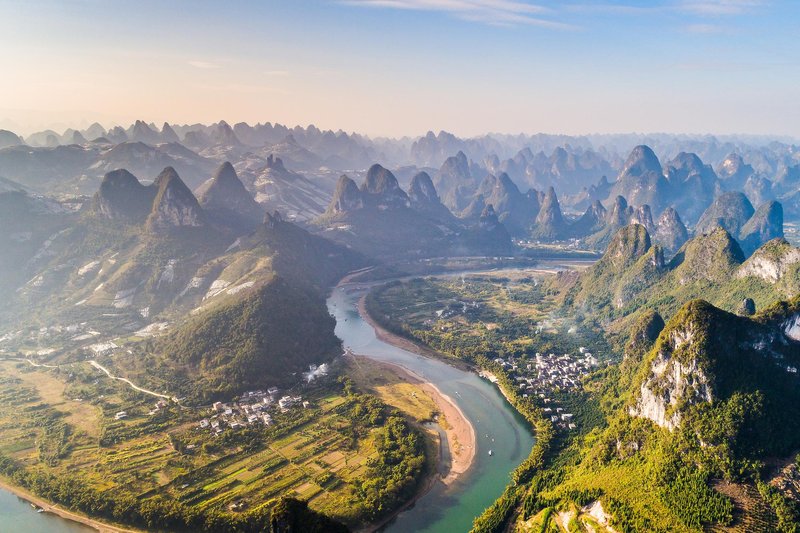
Hotels in Rosemere
Discover your perfect stay in Rosemere.
Rosemere(Canada) Travel 2026: Cheap Flights, Hotels & Top Attractions
Popular Landmarks in Rosemere
Discover the most iconic attractions in Rosemere
Recommended Hotels in Rosemere
Find the perfect place to stay in Rosemere
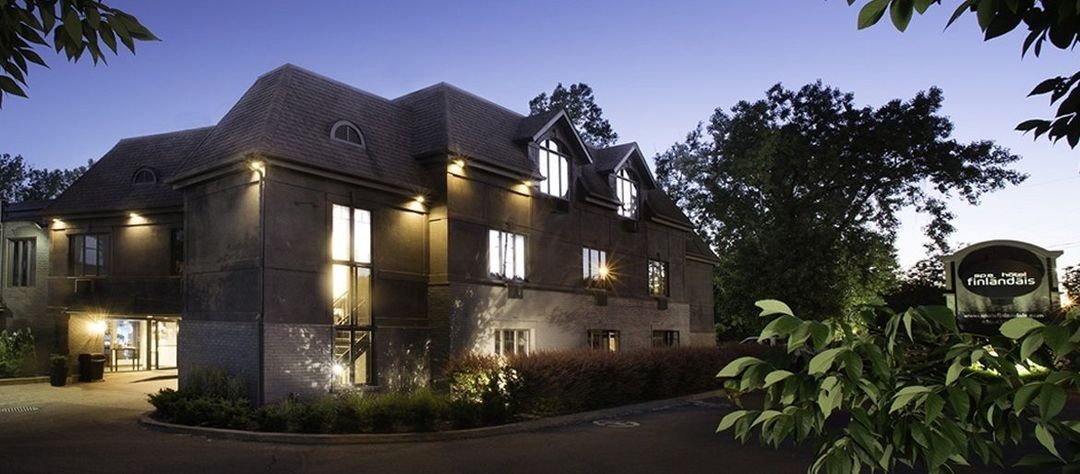
Hôtel le Rivage
Best Hotels in Rosemere
Discover curated hotel collections in Rosemere
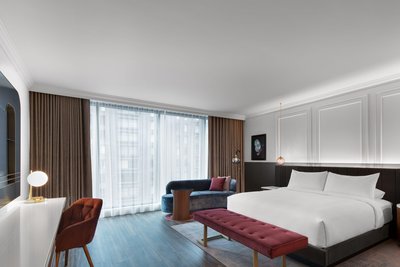
Honeyrose Hotel, Montreal, a Tribute Portfolio Hotel
Hôtel AC Montréal Centre-Ville
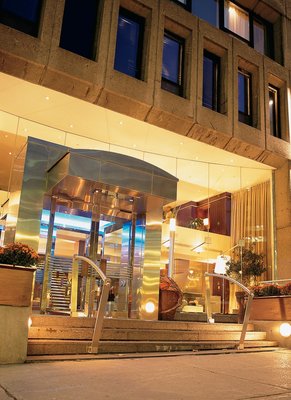
Hotel le Germain Montreal
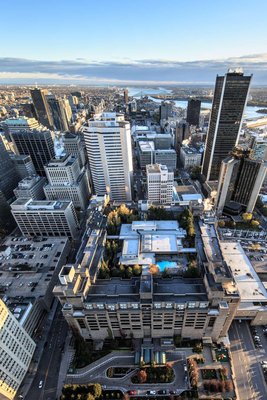
Hotel Bonaventure Montreal
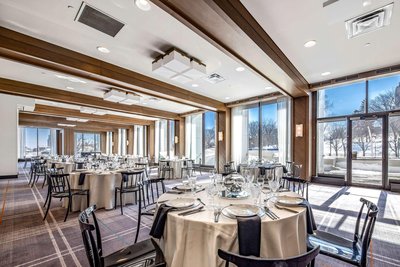
Hilton Québec
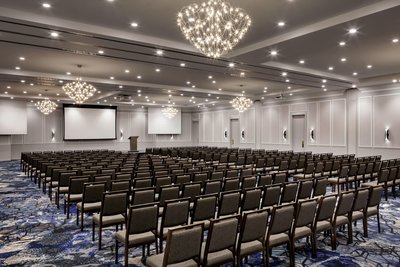
Montreal Marriott Chateau Champlain
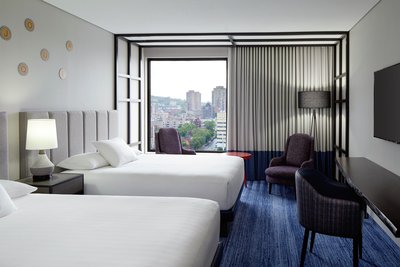
Doubletree by Hilton Montreal
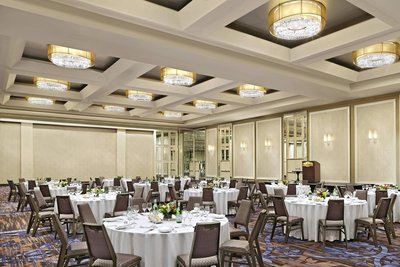
Le Centre Sheraton Montreal Hotel
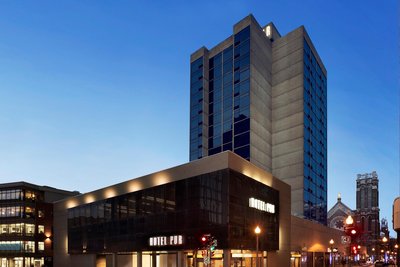
Hotel Pur, Quebec, a Tribute Portfolio Hotel
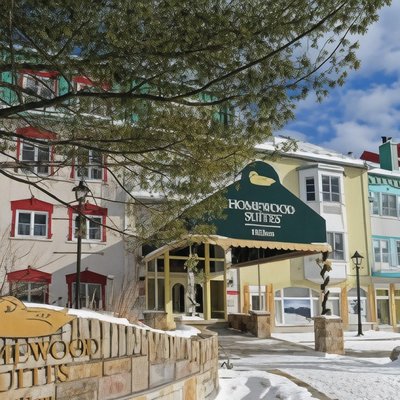
Homewood Suites by Hilton Mont-Tremblant Resort
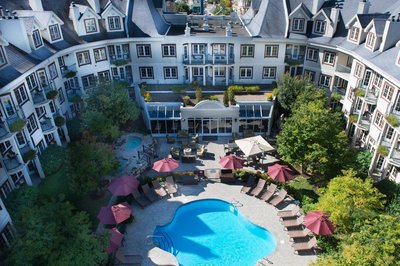
Residence Inn Mont Tremblant Manoir Labelle
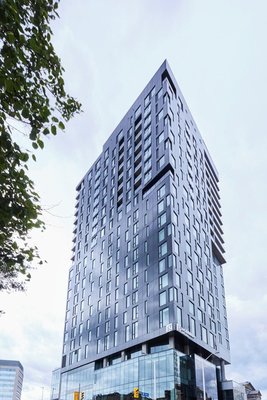
Le Germain Hotel Ottawa
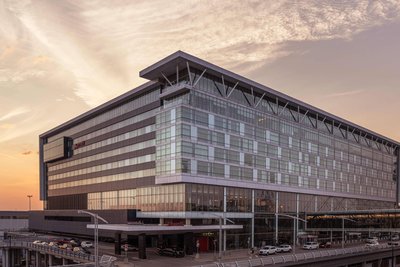
Montreal Airport Marriott in-Terminal Hotel
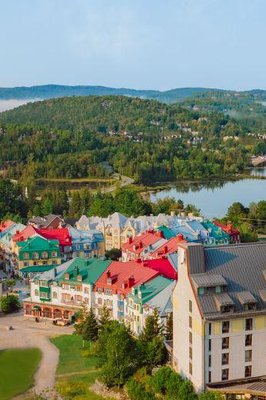
Fairmont Tremblant
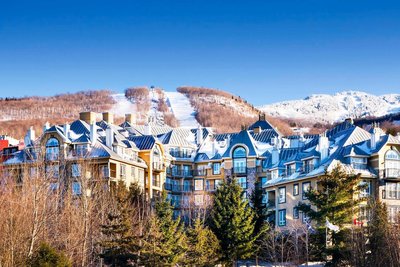
Le Westin Tremblant
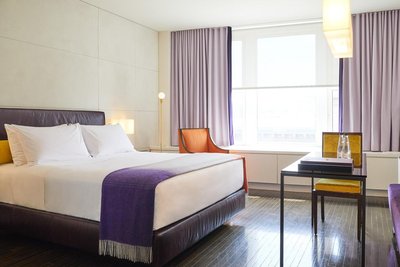
Hotel St Paul
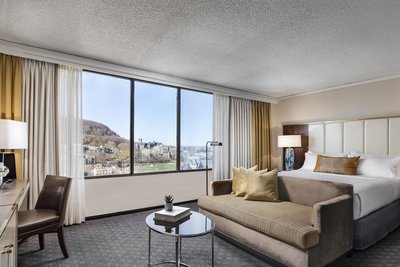
Omni Mont-Royal Hotel
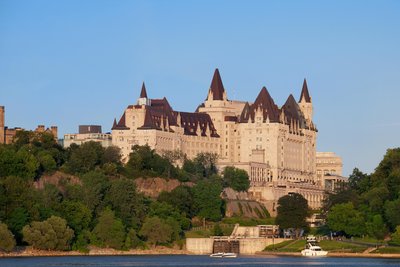
Fairmont Chateau Laurier
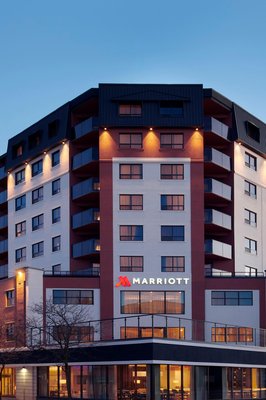
Kingston Marriott Hotel

Quebec City Marriott Downtown
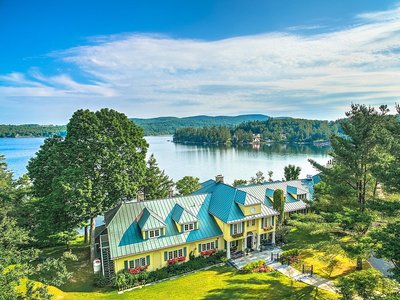
Ripplecove Hotel & Spa
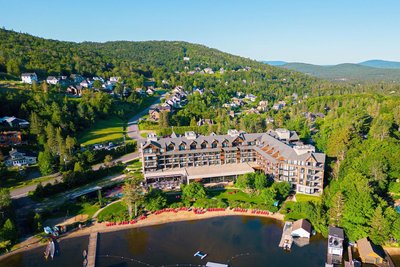
Entourage Sur-Le-Lac
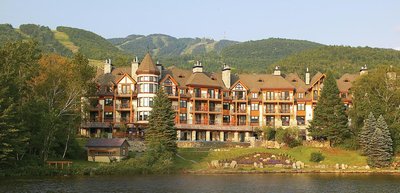
Hotel Quintessence
Hilton Québec
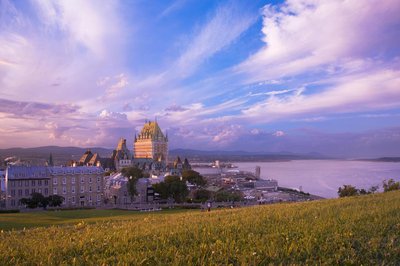
Fairmont Le Chateau Frontenac
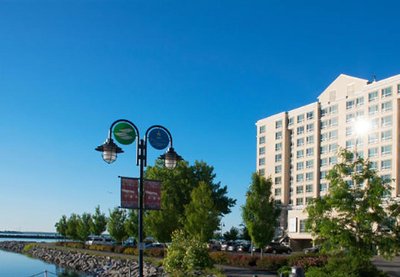
Residence Inn Kingston Water's Edge
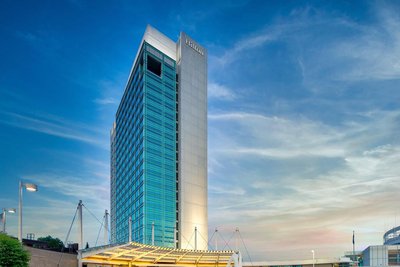
Hilton Lac Leamy

Delta Hotels Kingston Waterfront
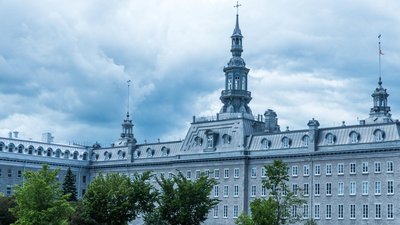
Hotel 71 by Preferred Hotels & Resorts
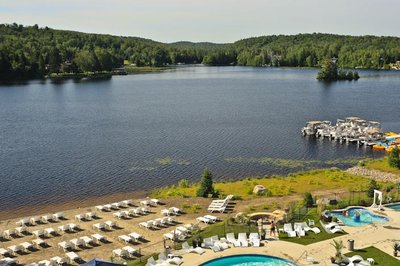
Estérel Resort
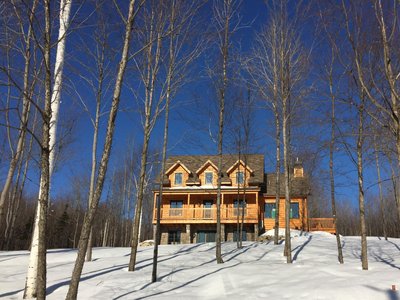
Selenia Lodge- Résidences et Chalets Dans les Laurentides
Hotel le Germain Montreal
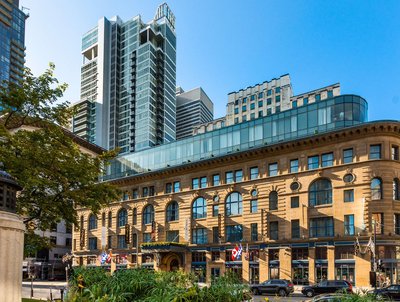
Hôtel Birks Montréal
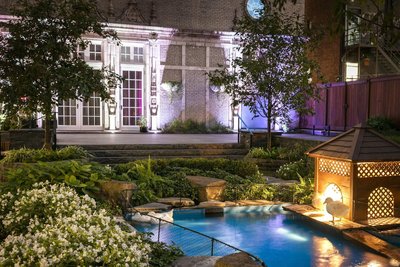
The Ritz-Carlton, Montreal
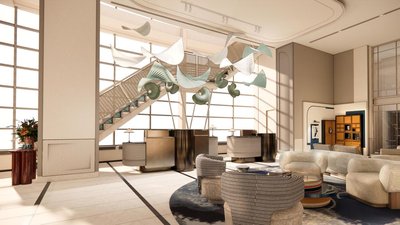
Sofitel Montréal Golden Mile
Omni Mont-Royal Hotel
Fairmont Chateau Laurier
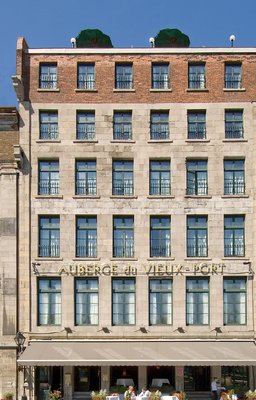
Auberge du Vieux Port by Gray Collection

Vogue Hotel Montreal Downtown, Curio Collection by Hilton

Auberge Saint-Antoine
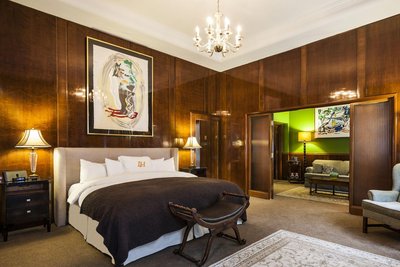
LHotel
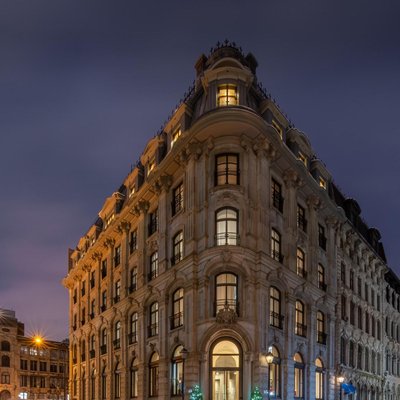
Hotel Gault
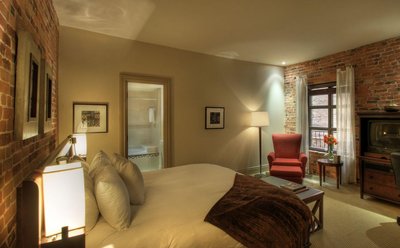
Hotel Nelligan
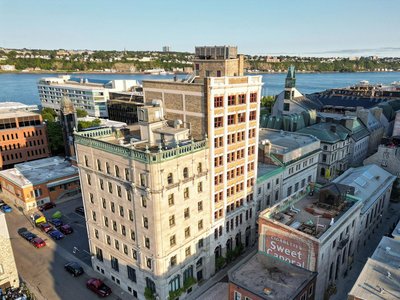
Hôtel le Germain Québec
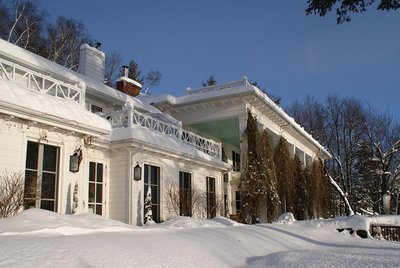
Manoir Hovey, Relais & Châteaux
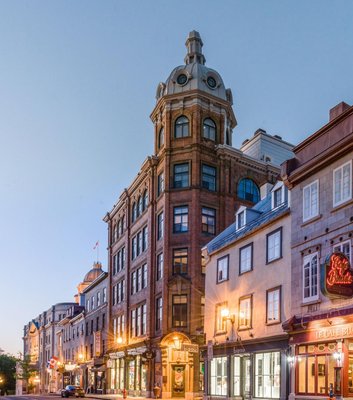
Les Lofts du Trésor - PAR les Lofts Vieux-Québec
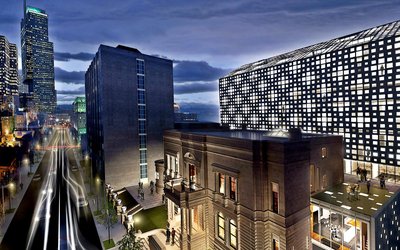
Le Mount Stephen
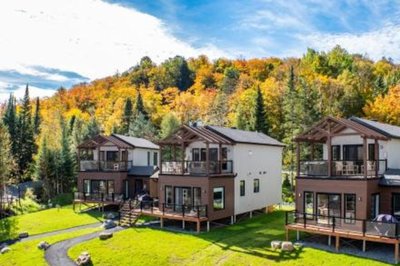
Les Chalets Sauvignon
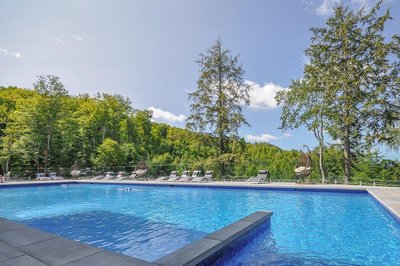
Bel Air Tremblant Hotel & Residences
Honeyrose Hotel, Montreal, a Tribute Portfolio Hotel
Hôtel AC Montréal Centre-Ville
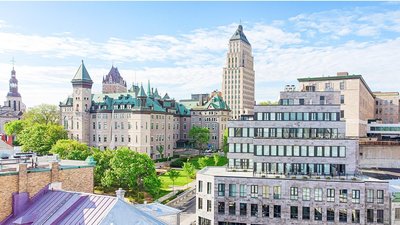
Monsieur Jean - Hôtel Particulier
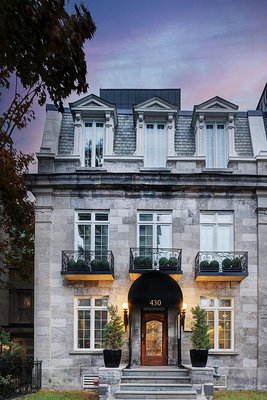
Hotel St.Thomas
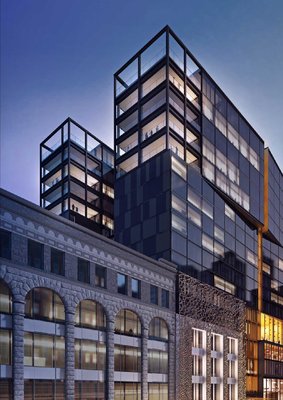
Four Seasons Hotel Montreal
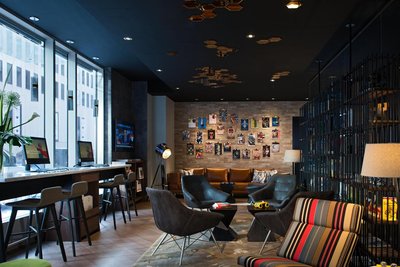
Renaissance Montreal Downtown Hotel
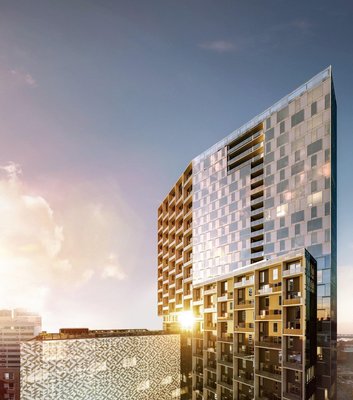
HUMANITI HOTEL MONTREAL, AUTOGRAPH COLLECTION
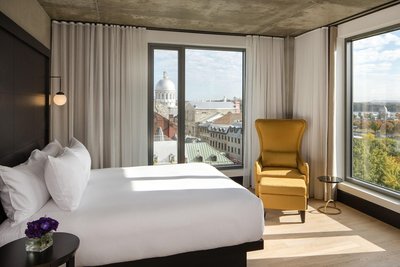
Hotel William Gray
Ripplecove Hotel & Spa
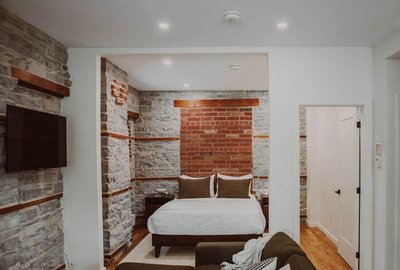
Dwell Aparthotels
Hotel Quintessence
Hôtel Birks Montréal
Fairmont Le Chateau Frontenac
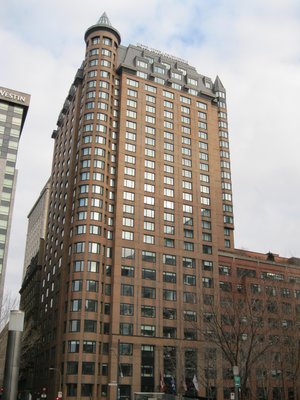
InterContinental Hotels Montreal
Sofitel Montréal Golden Mile
Hilton Lac Leamy
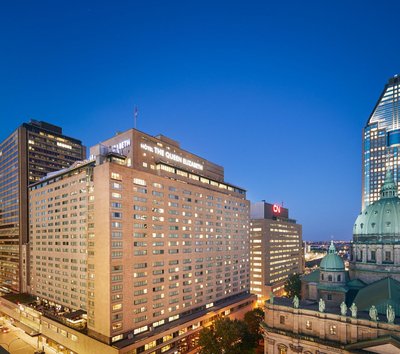
Fairmont the Queen Elizabeth
Vogue Hotel Montreal Downtown, Curio Collection by Hilton
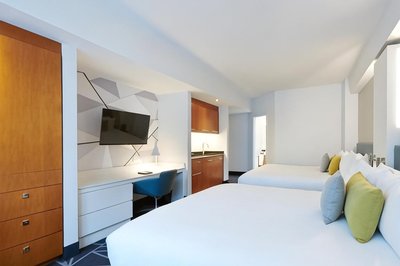
Warwick Le Crystal Montreal
Manoir Hovey, Relais & Châteaux
Le Mount Stephen
Frequently Asked Questions about Traveling to Rosemere
Questions You Might Need to Know About Traveling to Rosemere
In Rose Lake, top choices for families include Les Jardins de la Rose Lake, a lakeside boutique resort offering spacious family suites, kids' activity zones, and direct access to the Avalon Nature Trail. The property features private balconies with lake views and select rooms with hot tubs—perfect for relaxing after outdoor adventures. Nearby, the local farm market offers hands-on experiences like maple syrup making and cheese crafting. Another excellent option is Le Chalet des Pins, a charming alpine-style cabin retreat ideal for winter skiing or summer kayaking. Both hotels provide complimentary shuttles to downtown and major attractions, ensuring seamless exploration of Rose Lake’s natural beauty and cultural gems.
The Lac Rose Peninsula is the prime location for lodging in Rose Lake, renowned for its serene ambiance and unobstructed lake views. Stay at Hôtel du Lac Rose, a century-old lakeside inn preserving original timber architecture and French courtyard gardens. It’s just a 5-minute walk from the Rose Lake Museum and Maple Grove Pathway. The area features night-lit walking trails and guided stargazing tours, perfect for evening excursions. Local farms offer workshops on traditional Indigenous crafts, and the peninsula is a haven for birdwatchers—over 30 migratory species visit annually. This peaceful, eco-conscious zone blends luxury with nature immersion.
Don’t miss the Fall Maple Sugar Festival held monthly at Avalon Farm Center, where visitors can craft their own maple syrup using traditional wooden buckets and steam kettles. Dress up in 19th-century Quebec farmer attire for photos. Every second weekend, the Indigenous Art Market showcases handcrafted items by Anishinaabe artisans, including leather carvings, pottery, and woven baskets. At night, join a bonfire storytelling session, where elders recount legends of the "Rose Spirit"—a mystical guardian of the lake. These immersive experiences blend oral history, music, and nature, offering deep insight into local spiritual traditions and ancestral connection to the land.
For couples, La Maison des Étoiles is the ultimate romantic retreat—a glass-walled villa nestled among pine trees with panoramic lake views and a starlit skylight. Guests receive a custom maple-syrup candlelit dinner and a private lake canoe tour to discover hidden rose clusters said to glow under moonlight. Morning yoga sessions with shamanic drumming enhance the serenity. All amenities use sustainable materials, echoing the region’s environmental ethos. This secluded sanctuary blends intimacy, nature, and authenticity—perfect for love stories written in the wild.
Must-see natural sites around Rose Lake include Avalon National Forest, home to a 28-kilometer Maple Grove Trail that transforms into a fiery red carpet in autumn. Visit Crystal Falls Cluster, featuring multi-tiered waterfalls up to 45 meters high, accessible via scenic cable car. Explore Mist Valley Wetlands, a vital stopover for North American migratory birds, equipped with infrared scopes and ecological guides. Early morning trips to the Floating Island via traditional canoe reveal rare Rose Lake Blue Herons and pristine lotus blooms. These untouched landscapes offer unparalleled tranquility and photographic opportunities.
Rose Lake shines with maple-infused cuisine. Must-try dishes include slow-roasted wild venison marinated in house-made maple glaze, served with roasted root vegetables. Savor wild blueberry cheesecake made with locally harvested berries and artisanal goat cheese. At Le Bûcheron Rouge, enjoy a winter snow barbecue party with smoked chicken and spiced mulled wine in a rustic wood cabin. On Wednesdays, sample Indigenous-style potato cakes at the lakeside market—prepared by Anishinaabe elders using wild herbs and honey. All ingredients are sourced sustainably from nearby farms, ensuring freshness and respect for local ecosystems.
Winter in Rose Lake brings magical experiences like the Ice Rose Lantern Festival, where transparent ice huts glow with handmade maple lanterns across the frozen lake. Join the Snowshoe Orienteering Race through Avalon Forest, navigating trails with maps and compasses to find ancient Indigenous totem poles. For relaxation, book a session at the Lakeside Spa, featuring mineral-rich hot springs and spruce essential oil massages. Adventure seekers can ride a reindeer sleigh guided by Inuit locals through snow-draped forests, hearing tales of bears and spirits. All activities come with safety gear and expert supervision—ideal for experiencing Arctic charm responsibly.
Summer in Rose Lake is perfect for lake kayaking and night fishing. Rent a traditional canoe to glide past reeds and floating islands, spotting ducks and kingfishers. Evening lakeside fishing parties allow guests to catch Rose Lake trout using natural bait—successful anglers earn custom wooden trophies. Attend monthly Lakeside Lawn Concerts, where local folk bands perform French and Indigenous melodies under the stars. For thrill-seekers, try the Forest Canopy Zipline Tour, launching from the treetop canopy and soaring 300 meters over the wilderness—offering breathtaking vistas of the lake and surrounding forest.
Rose Lake leads in sustainable tourism. All accommodations must meet the Green Lake Certification, requiring solar power, rainwater harvesting, and zero single-use plastics. Hikers wear electronic trackers on the Avalon Trails to minimize impact on fragile ecosystems. Gas-powered boats are banned—only electric or human-powered vessels allowed. The Lakeside Market enforces biodegradable packaging, and visitors earn "carbon credits" for eco-actions like litter collection, redeemable for free meals. The Rose Guardians Alliance recruits volunteers for water quality testing and habitat restoration, inviting travelers to co-steward this pristine environment.
Start at Dawn Café on the Lac Rose Peninsula with maple oatmeal and fresh coffee at 7:30 AM. At 8:30 AM, paddle a canoe to the Floating Island for birdwatching. By 10:00 AM, visit the Rose Lake Museum to explore Indigenous artifacts. Lunch at Avalon Farm Restaurant with maple-roasted chicken and wild blueberry pie. Afternoon workshop: learn maple syrup production. At 3:00 PM, take the cable car to Crystal Falls Viewpoint. Enjoy a lakeside bonfire story session at 6:30 PM, followed by stargazing from the Starlight Terrace. The entire day runs seamlessly via hotel-provided electric shuttles—eco-friendly, comfortable, and unforgettable.
Rosemere Overview
City Summary
Rose Lake is a charming town in Quebec, Canada, renowned for its picturesque lake and abundant natural landscapes. It's a paradise for outdoor enthusiasts, offering activities like boating, fishing, and hiking. The town exudes French charm with a rich cultural heritage, making it an ideal escape from urban hustle.
Must-See Attractions
The main attraction of Rose Lake is its namesake lake, with crystal-clear waters surrounded by dense forests. Visitors can explore the local history museum to learn about the town's development. Nearby provincial parks are perfect for wildlife spotting and nature enjoyment.
Food Guide
Rose Lake's cuisine is heavily influenced by French traditions, with local restaurants serving classic French dishes. Don't miss Quebec's iconic poutine and maple syrup desserts. The town's farmers' market is also great for fresh local produce.
Transportation Guide
Public transport in Rose Lake is limited; renting a car is recommended. Taxis are available but infrequent. The nearest airport is in Montreal, from where you can rent a car or take a long-distance bus to Rose Lake.
Best Time to Visit
The best time to visit is summer (June-August) for warm weather and outdoor activities. Autumn (September-October) is also lovely for fall foliage.
Travel Tips
- Respect the local French culture; learning basic French phrases is helpful.
- Use insect repellent during outdoor activities.
- Shops and restaurants may have shorter hours in winter.
- Drive carefully in winter as roads may be icy.
- Protect the environment by not littering.
- Book accommodations in advance, especially during peak season.
Useful Information
The official language is French, but English is widely understood. Most businesses accept credit cards, but small transactions may require cash. Medical facilities are limited; serious cases may need to go to Montreal. Network coverage is good but may be spotty in remote areas. Travel insurance is recommended for emergencies.