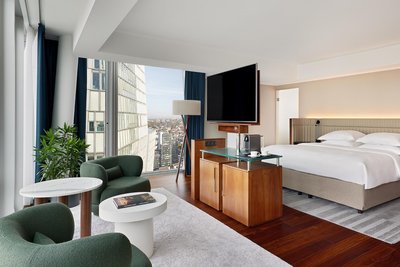
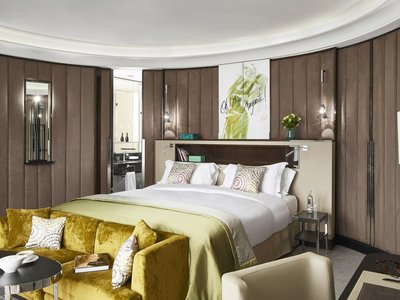
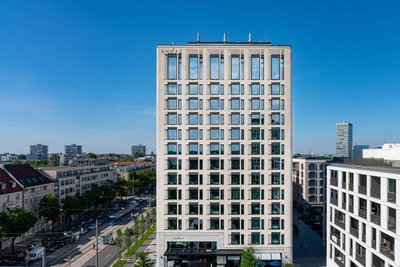
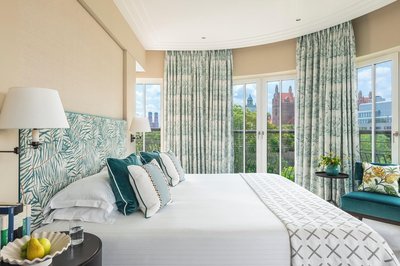
Discover your perfect stay in Rothenburg ob der Tauber.
Discover the most iconic attractions in Rothenburg ob der Tauber
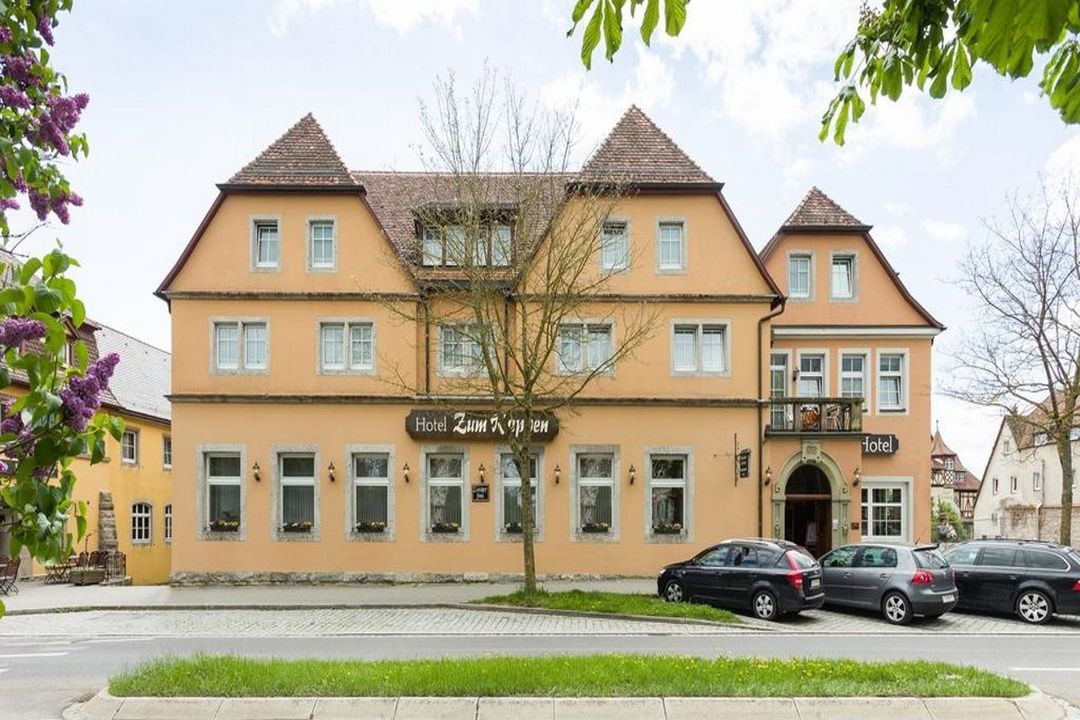
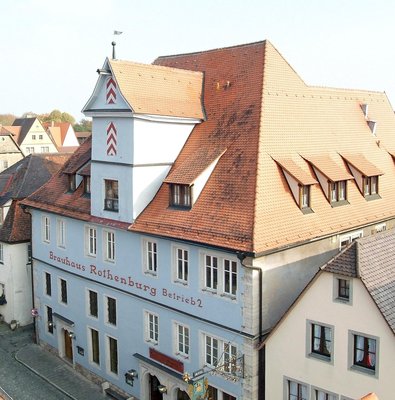
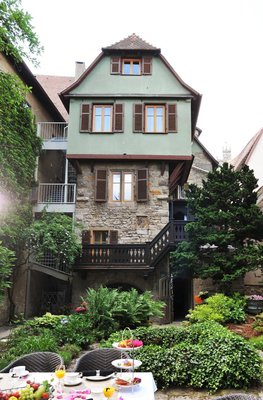
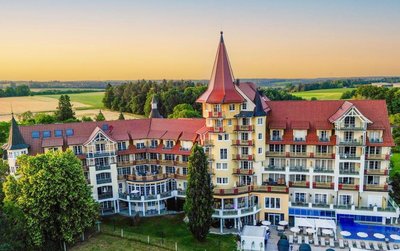
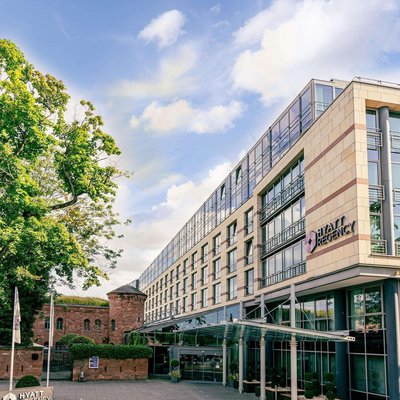
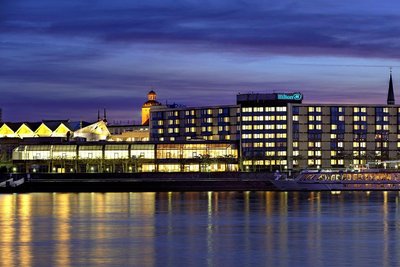
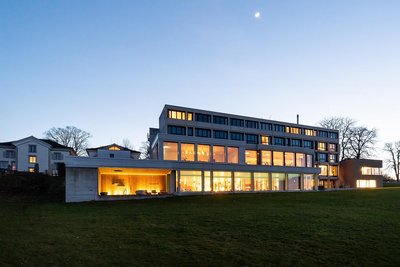
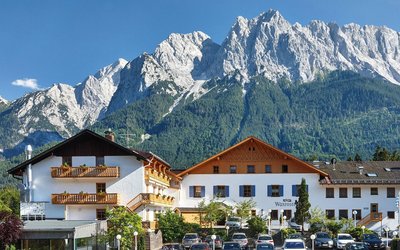
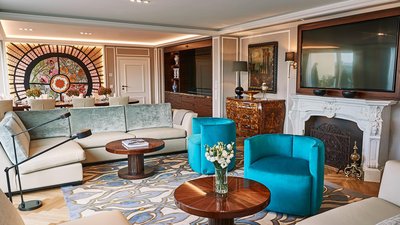
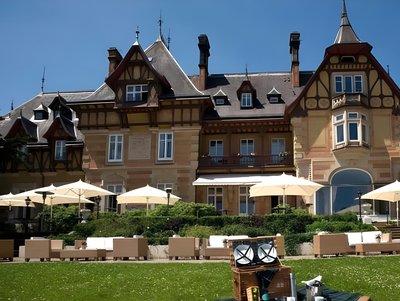
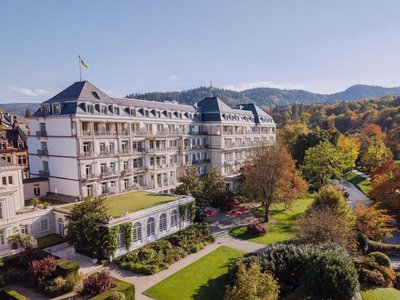
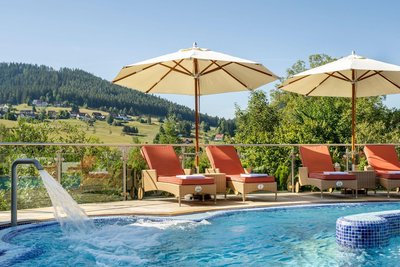
Find the perfect place to stay in Rothenburg ob der Tauber


Discover curated hotel collections in Rothenburg ob der Tauber


Questions You Might Need to Know About Traveling to Rothenburg ob der Tauber
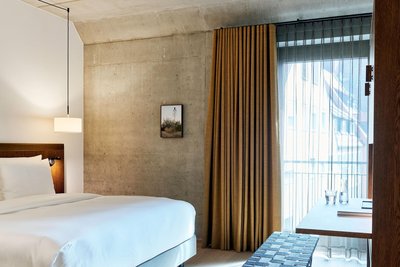
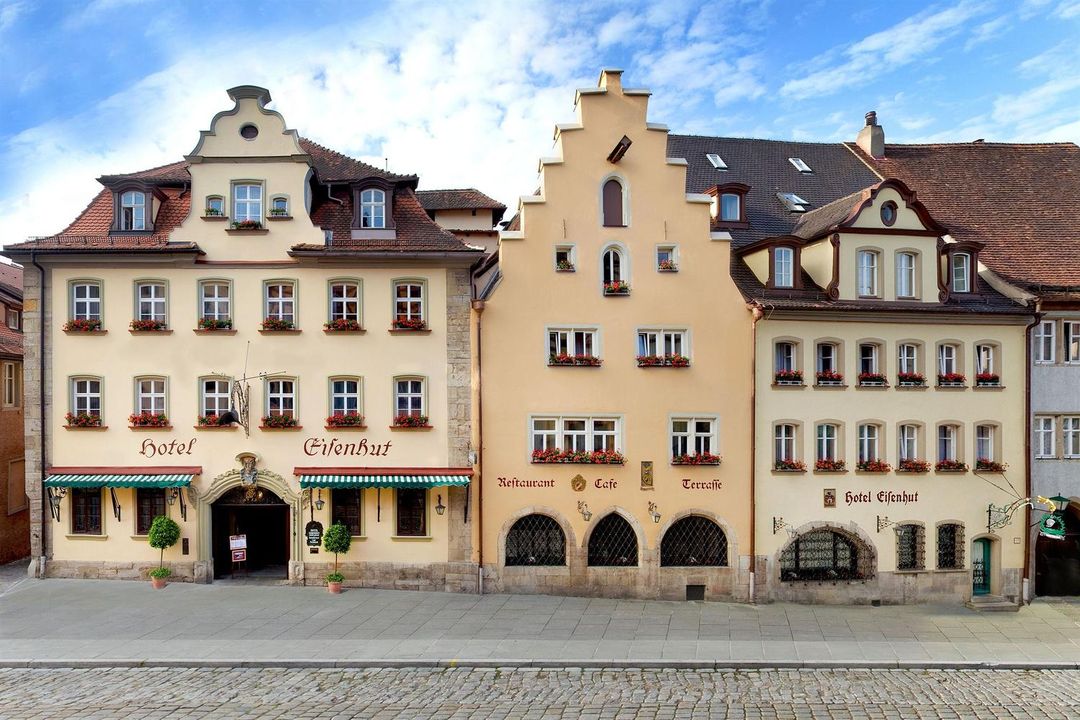
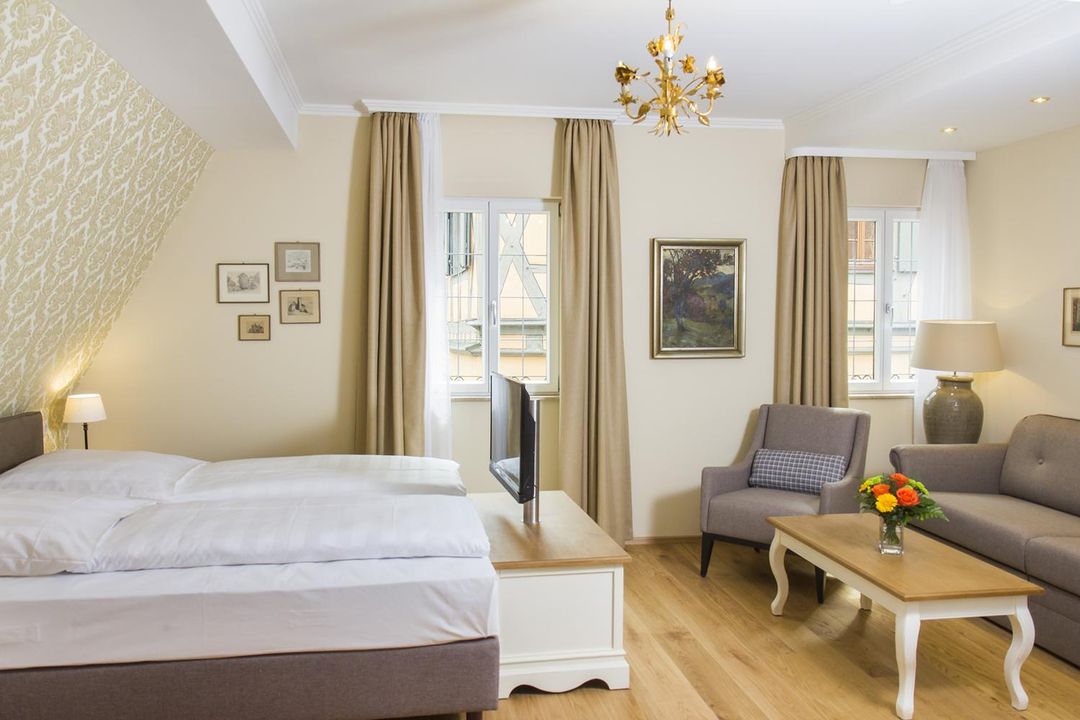
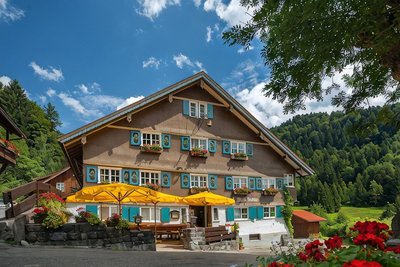
For an authentic medieval experience, stay at Hotel am Berg, located within the old town walls with panoramic views of the historic skyline and original stone architecture. Another top choice is Hofbräuhaus Hotel, housed in a 16th-century brewery building offering period-style rooms and traditional Bavarian cuisine. Both offer easy access to key landmarks like the Town Hall Square and Old Bridge. For a unique twist, consider Alte Gefängnis, a former prison transformed into a themed boutique hotel featuring iron bars, dungeon-inspired rooms, and guided history tours—perfect for travelers seeking immersive storytelling in Germany’s most preserved medieval town.
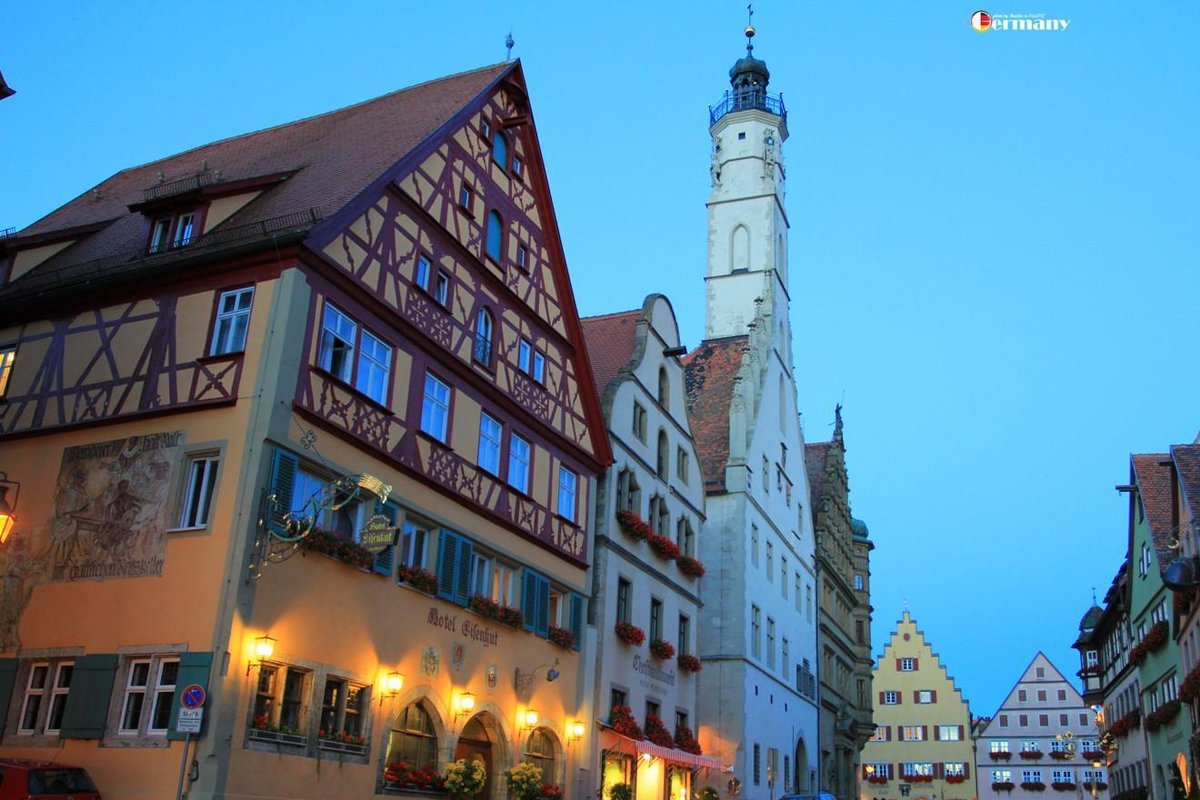
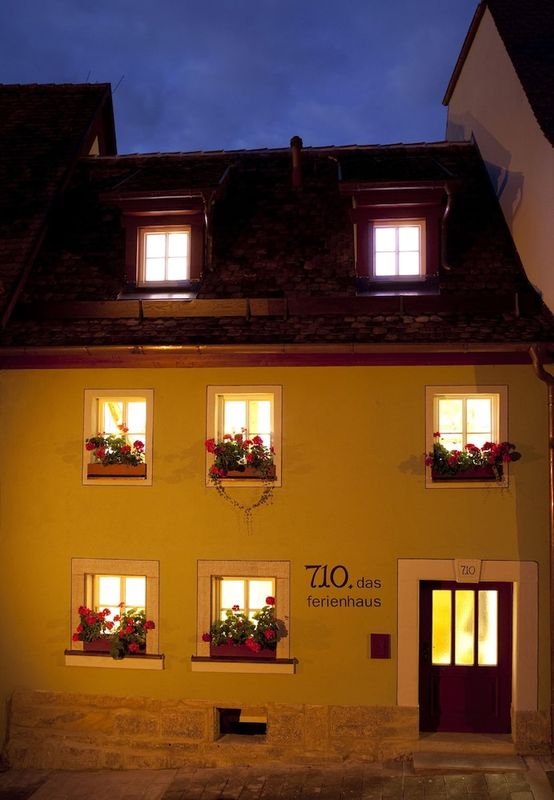
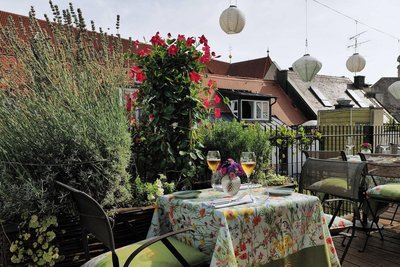
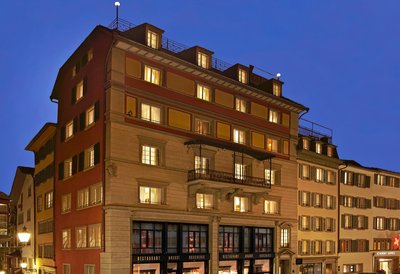
The old town center (Altstadt) is the ideal area for staying in Rothenburg ob der Tauber, especially near Town Hall Square and St. Maximaian Church. This district offers walkable access to all major sights—including the Old Bridge, City Gate, and Black Death Memorial—and becomes especially magical at night when illuminated by warm golden lights. Most hotels here feature courtyards or terraces with views of the ancient rooftops, making it perfect for photography. With excellent security, quiet streets, and proximity to restaurants and shops, this area ensures a seamless and authentic journey through one of Germany’s most beautiful medieval cities.
Don’t miss the nightly Stadtwächterführung (Town Watcher Tour) at 7 PM on Town Hall Square, where costumed guides lead visitors through hidden alleys and secret passages with tales of medieval life. Visit the Black Death Memorial for a sobering historical reflection on the 14th-century plague. Join a hands-on Bavarian bread-making workshop to learn how to craft the famous Rotenburger Wurstbrot (sausage roll). These immersive activities provide deep insight into Rothenburg’s rich heritage, blending storytelling, tradition, and local craftsmanship that define its identity as Germany’s crown jewel of medieval towns.
Book themed stays via official tourism site Röthenburg ob der Tauber Tourismus or platforms like HopeGoo and HopeGoo, using keywords such as "Historic Inn" or "Medieval Theme Stay." Prioritize listings labeled "Bauernhofhotel" (farmhouse hotel) or "Altstadt Apartment," often converted from old half-timbered houses with exposed beams and stone walls. Some properties offer special packages like medieval dinner experiences with live music and homemade meals—reserve at least two weeks in advance. Confirm amenities like free parking, luggage storage, and breakfast inclusion to enhance your stay comfort and convenience.
The best night view is from the Burgberg Observation Deck atop Castle Hill, offering a breathtaking panorama of the entire illuminated old town, especially during winter festivals when streets are decorated with fairy lights. Another must-visit is the tower of St. Jakob Church, which provides a 360-degree vista of the Tauber Valley and surrounding hills. Climb the tower at dusk, enjoy a warm Glühwein (mulled wine), and savor the magical atmosphere as the city lights shimmer below. This vantage point captures the essence of Rothenburg’s fairy-tale charm, making it unforgettable for photographers and romantics alike.
For families, stay at Familienhotel Röthenburg, featuring a kids’ playroom, family suites, and daily children’s activities like mask-making and castle scavenger hunts. Another great option is Schlossgarten Hotel, located just outside the old town but close to nature trails and a working farm where kids can feed animals and try milking cows. Both hotels offer cribs, child-sized cutlery, and family-friendly maps. They’re also within a 5-minute walk of the market square, making them ideal for parents who want convenience without sacrificing authenticity. Some rooms even include free upgrades to terrace-accessible units for added relaxation.
Must-try dishes include Rotenburger Wurstbrot—a savory roll with smoked sausage and rye bread—and Sauerbraten with potato pancakes, a hearty dish served with homebrewed dark beer. Visit Gänsehäusle on Market Square, a 15th-century inn with timbered ceilings and a fireplace, serving authentic Bavarian home cooking. During the annual Rothenburg Food Festival in autumn, sample over 50 regional specialties—from honey cakes to handmade jams. These culinary experiences highlight the town’s deep-rooted traditions and are essential for food lovers exploring Germany’s finest medieval gastronomy.
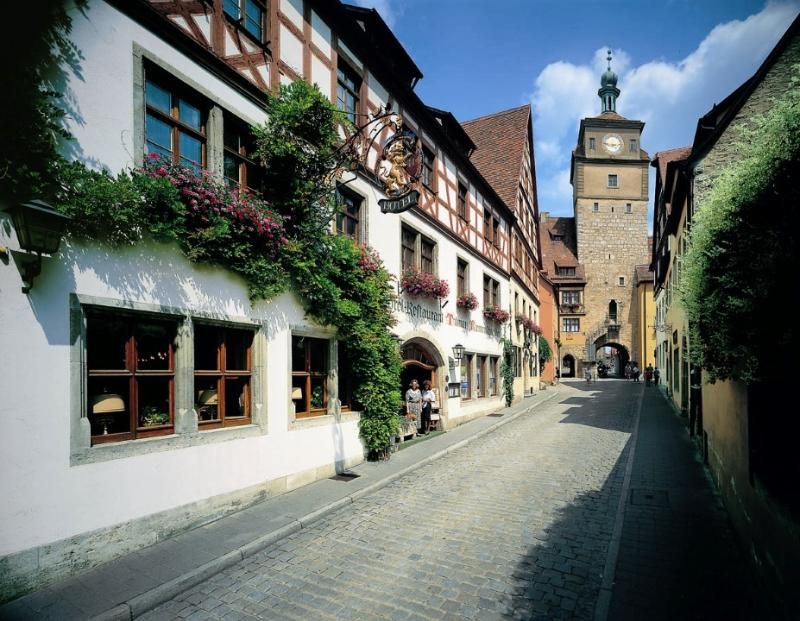
Key landmarks include the Town Hall (Rathaus) with its Gothic spire and stained-glass windows, the St. Maximilian Church housing 16th-century frescoes and a grand organ, and the Old Bridge (Alter Schlossbrücke) spanning the Tauber River—a former trade route. Don’t miss the Black Death Memorial, commemorating victims of the plague, and the Old Prison (Alte Gefängnis), now a museum showcasing medieval justice tools and trial records. Together, these sites form the backbone of Rothenburg’s identity as one of Germany’s best-preserved medieval towns, offering a powerful journey through time and history.
In summer, attend the Mittelalterfest (Medieval Festival)—a three-week celebration featuring costumed vendors, jousting tournaments, street performers, and nightly torchlight processions. During winter, the Christmas Market (Weihnachtsmarkt) transforms Town Hall Square into a festive wonderland with handcrafted ornaments, mulled wine, and a Santa Claus Post Office where you can mail holiday cards. The annual Rothenburg Literature Night features poets and authors reading aloud in candlelit churches, blending music and storytelling. These events reflect the town’s deep commitment to preserving tradition while creating unforgettable memories for visitors.
Driving into the old town center is prohibited; only emergency vehicles and residents may enter. Instead, park at designated lots like Burgberg Parkplatz or Osttor Parkplatz, then walk or take the free shuttle bus into town. If exploring nearby areas like the Bavarian Forest or Freising, renting a car is practical—but avoid downtown parking to prevent fines. The old town is highly walkable, with clear signage and electric scooters available for seniors or those with mobility challenges. Overall, Rothenburg is best experienced on foot, with cars used only for day trips beyond the historic core.
Rothenburg ob der Tauber is one of the most enchanting medieval towns in Bavaria, Germany, renowned for its well-preserved historic buildings and picturesque streets. The town seems frozen in time, boasting a rich history and cultural heritage, especially its intact town walls and towers that transport visitors back to the Middle Ages. Rothenburg's fairy-tale atmosphere is its core attraction, drawing countless tourists each year.
Must-see attractions in Rothenburg include the Market Square (Marktplatz), the heart of the town surrounded by colorful buildings and the historic Town Hall. St. Jakob's Church is famous for its exquisite wooden altarpiece, a gem of religious art. Walking the Town Walls is a fantastic way to experience medieval charm, offering panoramic views of the town. The Medieval Crime Museum (Kriminalmuseum) displays instruments of punishment and legal history, ideal for history enthusiasts.
Rothenburg's cuisine is rich in Bavarian flavors. Schneeballen, a local pastry made of fried dough strips dusted with powdered sugar or chocolate, is a must-try. German sausages and pork knuckle are also highlights, best enjoyed with local beer. Head to restaurants around the Market Square to savor traditional German dishes and immerse yourself in the local culinary culture.
Getting around Rothenburg is primarily on foot due to its compact size, with most attractions within easy walking distance. For longer distances, buses are the main public transport option, though schedules may be limited. Renting a bike is a great alternative for exploring the surrounding countryside. Drivers should note that parts of the old town are car-free; parking is available outside the walls. The train station is a 15-minute walk from the town center, with connections to cities like Nuremberg.
The best times to visit Rothenburg are spring (April to June) and autumn (September to October), when the weather is mild and crowds are thinner. The famous Christmas Market draws visitors in December, but accommodations fill up quickly. Summer (July to August) is warm but crowded, potentially affecting the experience.
The official language in Rothenburg is German, but English is commonly spoken in tourist areas. Internet coverage is good, with free Wi-Fi at most hotels and restaurants. Cash is the preferred payment method, though cards are accepted in some places. For emergencies, dial 112; pharmacies and medical centers are available. The voltage is 230V with two-pin European plugs. The tourist office near the Market Square provides maps and information.