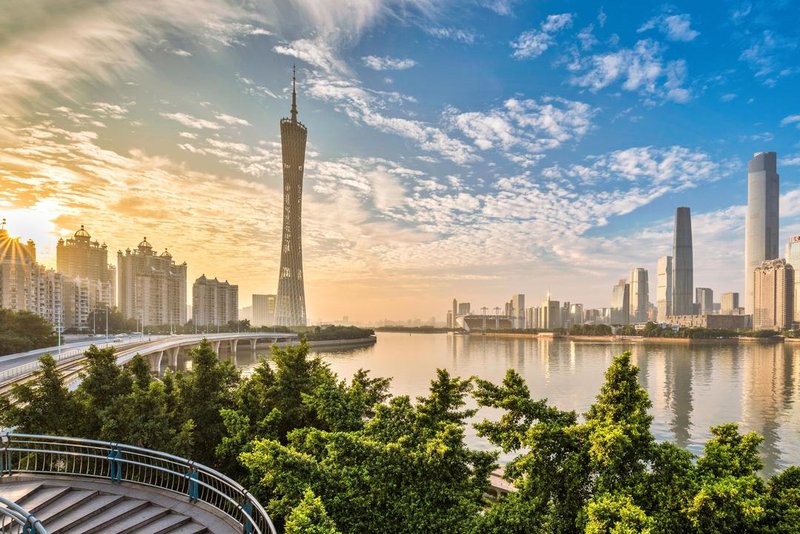
Hotels in Roubaix
Discover your perfect stay in Roubaix.
Roubaix(France) Travel 2026: Cheap Flights, Hotels & Top Attractions
Popular Landmarks in Roubaix
Discover the most iconic attractions in Roubaix
Recommended Hotels in Roubaix
Find the perfect place to stay in Roubaix
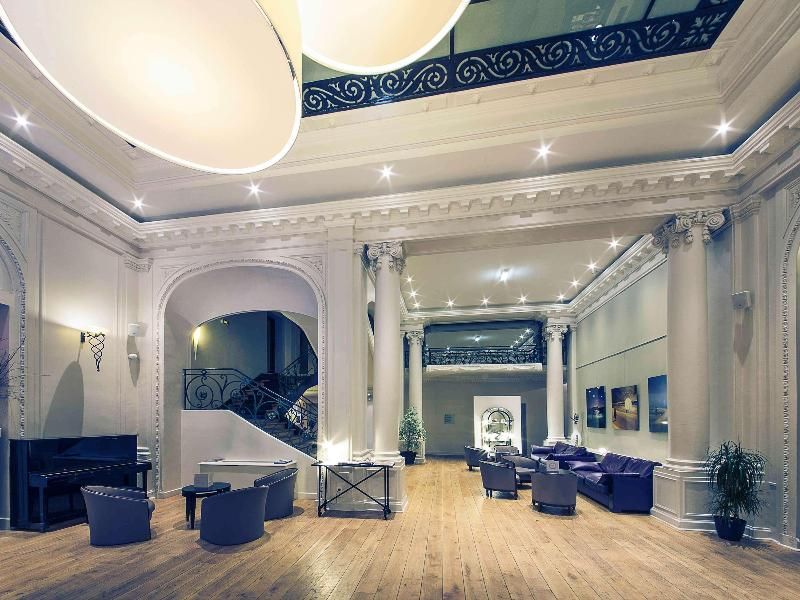
Mercure Lille Roubaix - Grand Hôtel
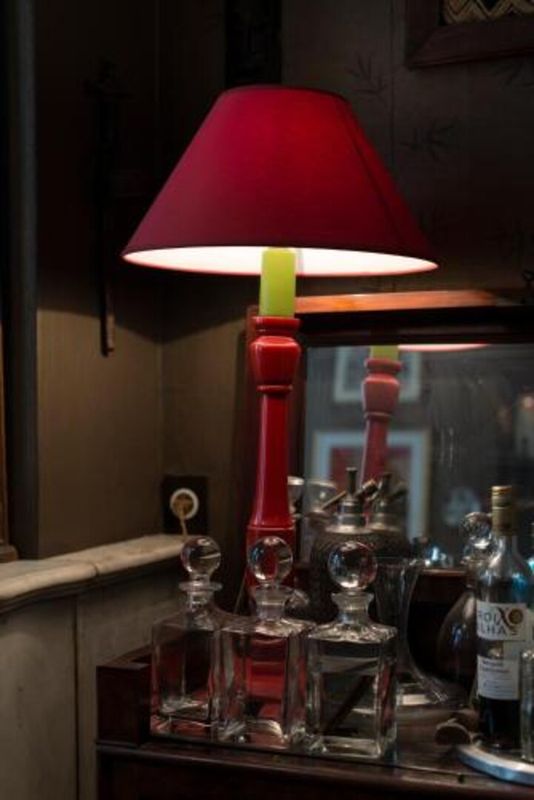
Camera et Caetera Chambres d'hôtes B&B
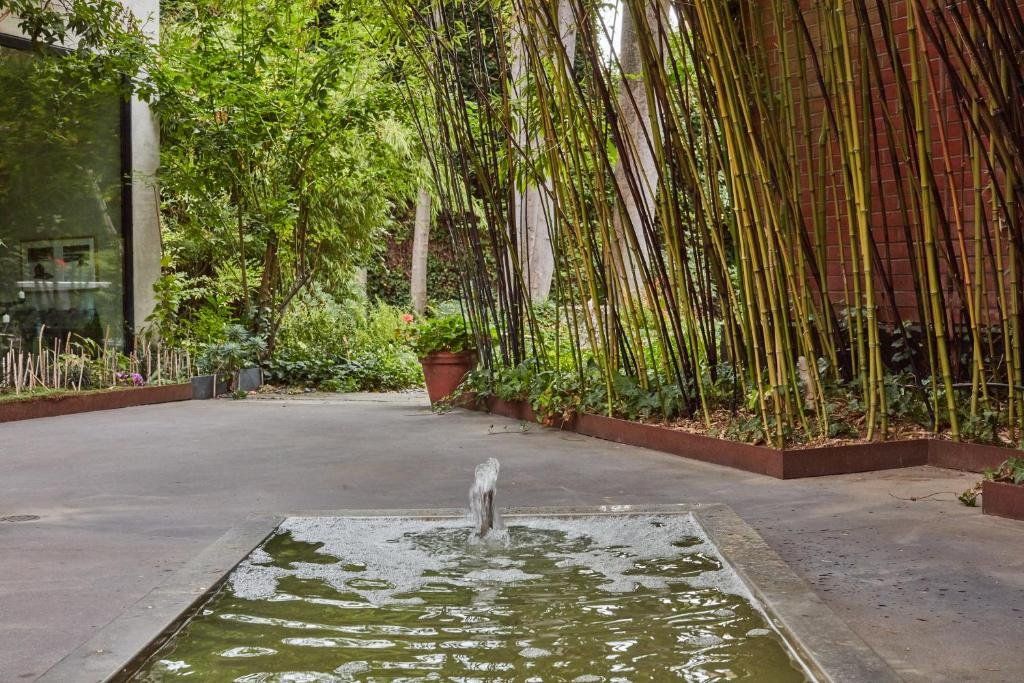
La Porte Rouge Rbx
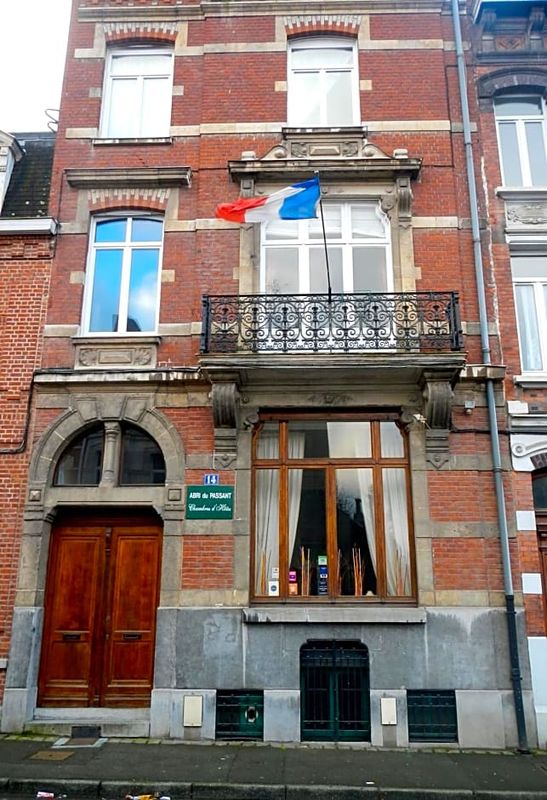
Abri du Passant
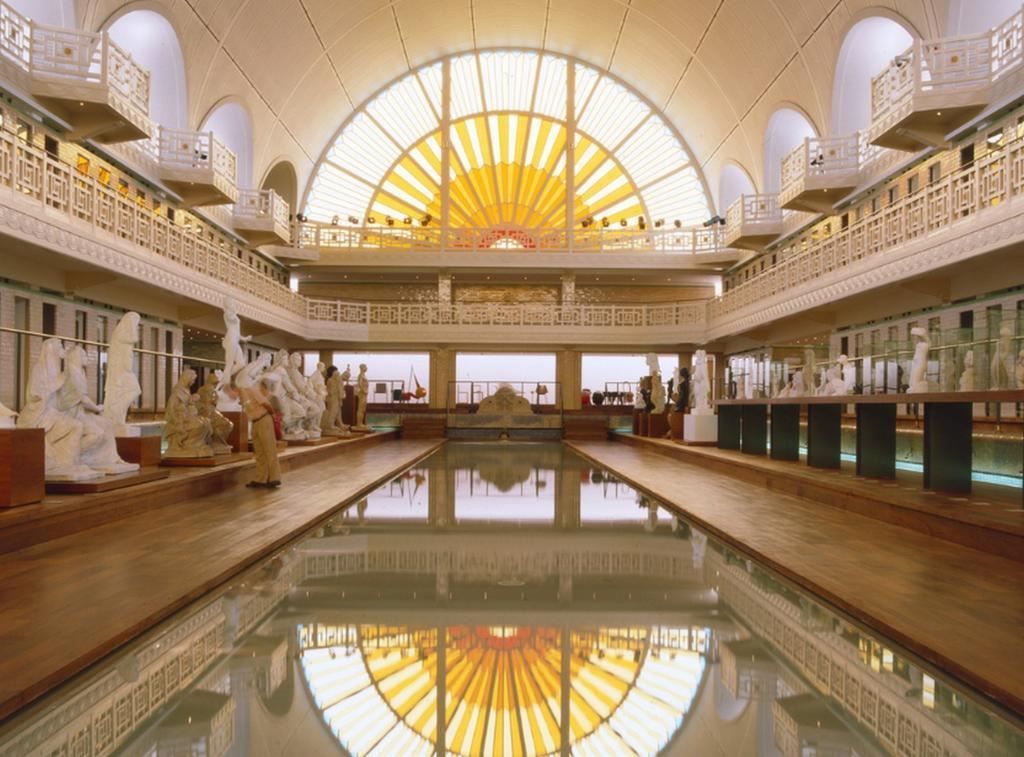
La Maison Bleue
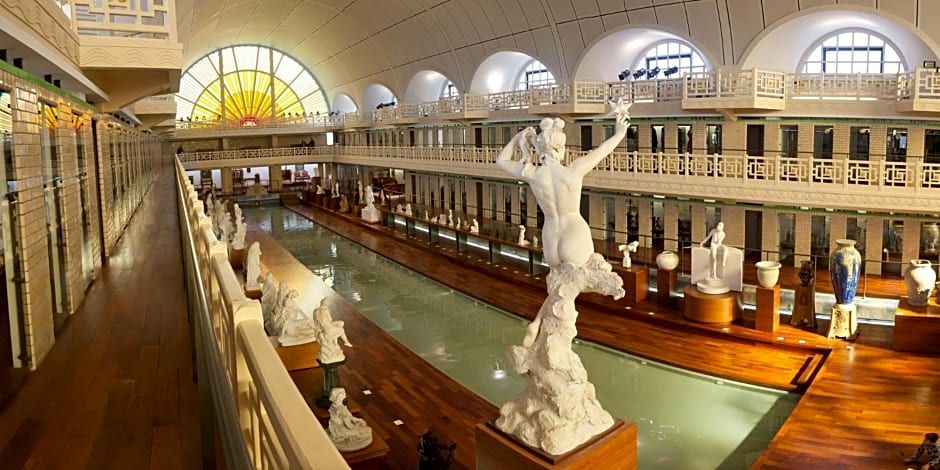
Bambou & Olivier Chambres
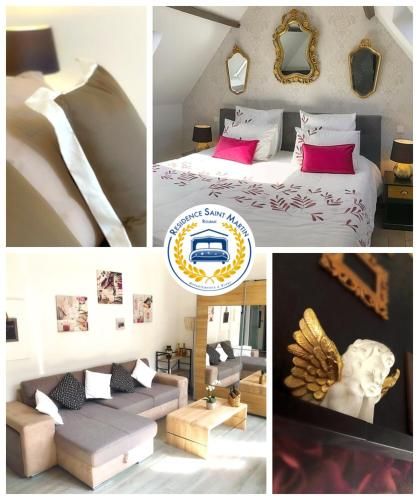
Residence St-Martin
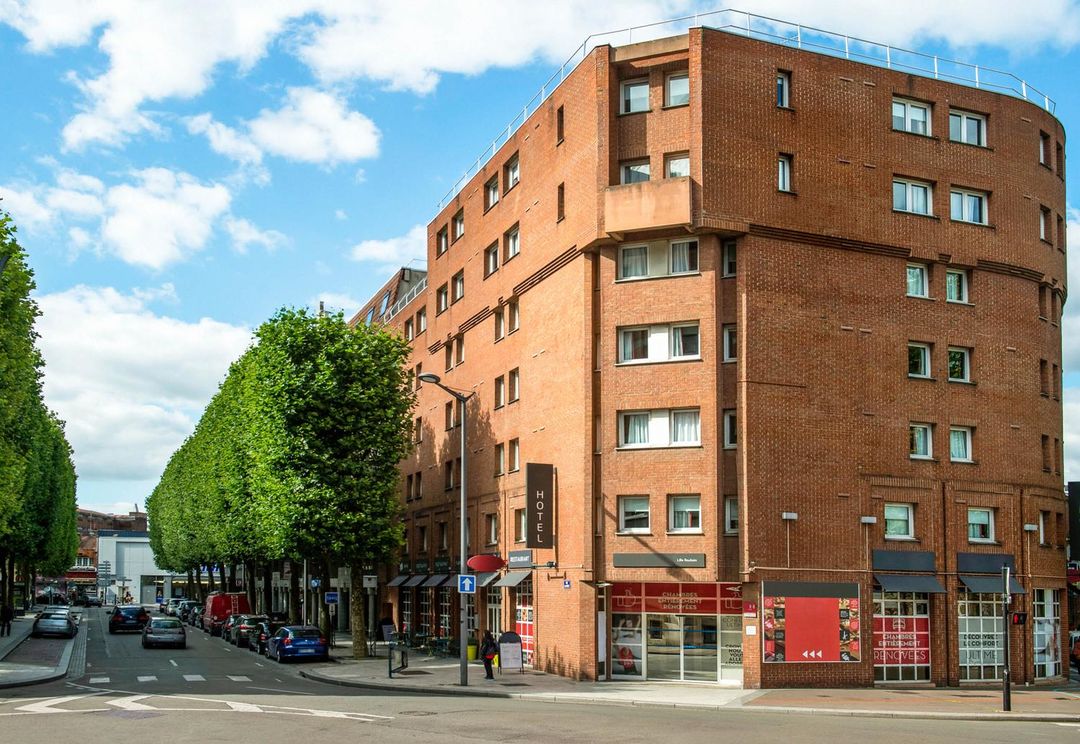
B&B Hôtel Lille Roubaix Centre Grand-Place
Best Hotels in Roubaix
Discover curated hotel collections in Roubaix
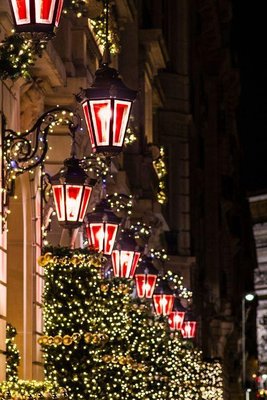
Le Royal Monceau - Raffles Paris
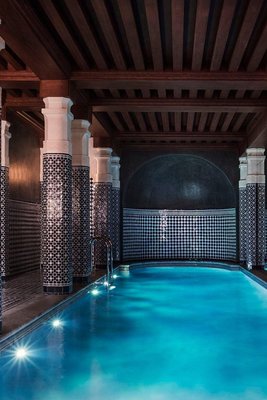
Maison Proust, Hotel & Spa la Mer
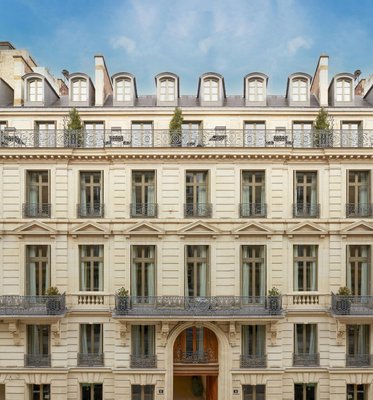
Maison Delano Paris
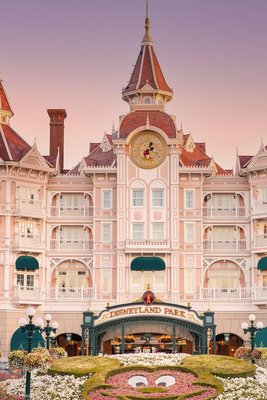
Disneyland Hotel
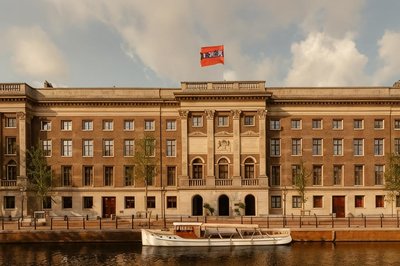
Rosewood Amsterdam
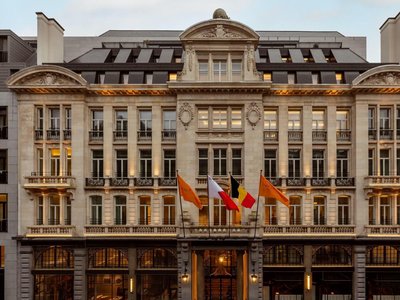
Corinthia Grand Hotel Astoria Brussels
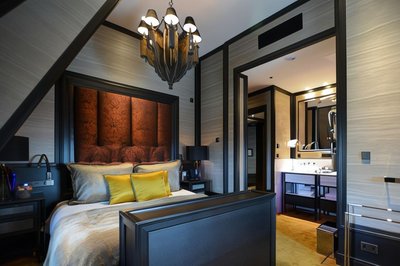
Hotel TwentySeven - Small Luxury Hotels of the World
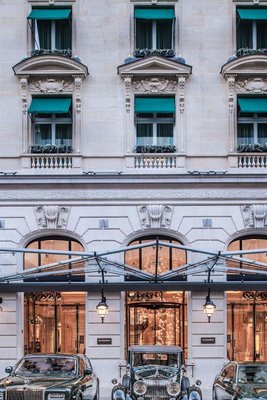
The Peninsula Paris
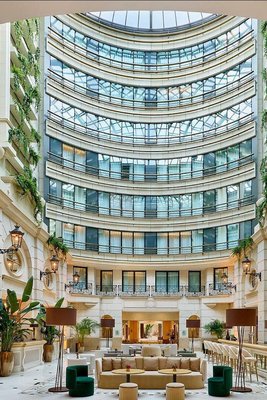
Paris Marriott Champs Elysees Hotel
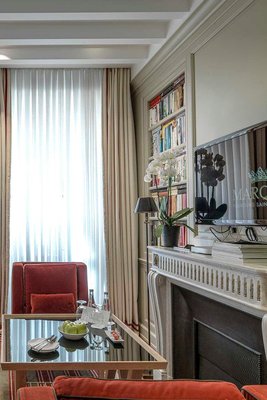
Hôtel Marquis Faubourg Saint-Honoré
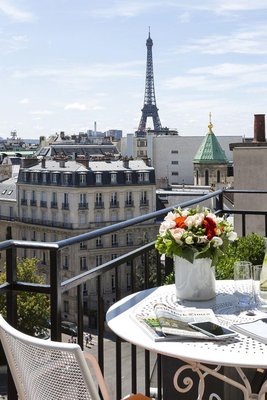
Hôtel San Régis
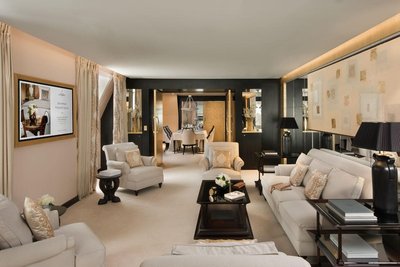
Hotel Barrière Fouquet's Paris
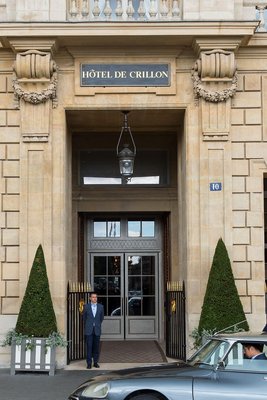
Hotel de Crillon A Rosewood Hotel
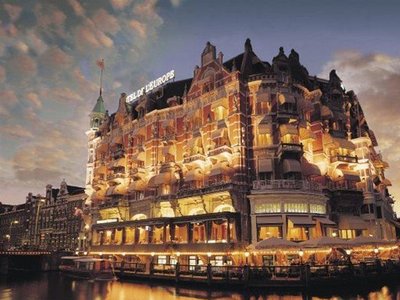
De L’Europe Amsterdam – the Leading Hotels of the World
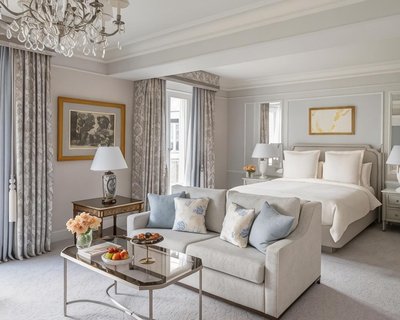
Four Seasons Hotel George V Paris
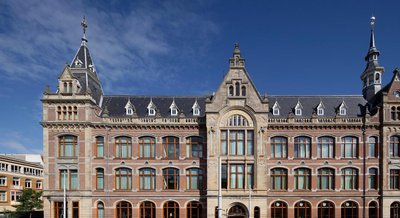
Conservatorium Hotel (Operated by Mandarin Oriental)
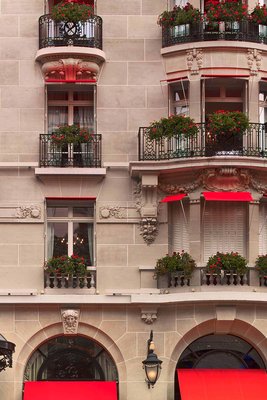
Plaza Athénée Paris & Dior Spa
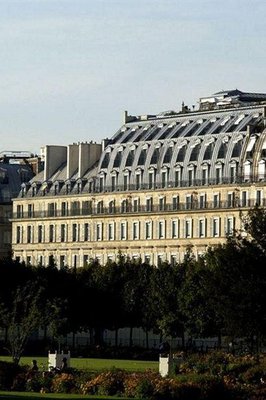
Le Meurice
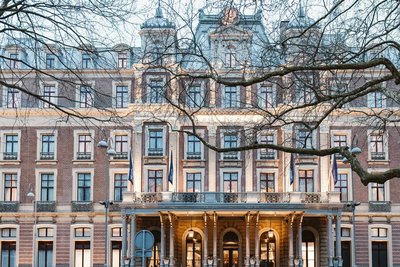
InterContinental Amstel Amsterdam
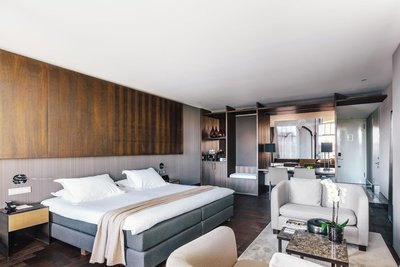
The Dylan Amsterdam
Maison Proust, Hotel & Spa la Mer
Maison Delano Paris
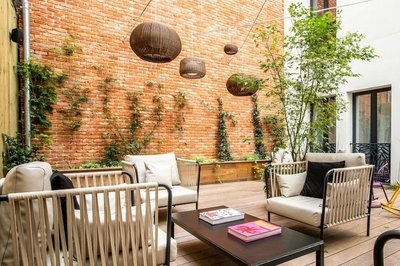
Laz' Hotel Spa Urbain Paris
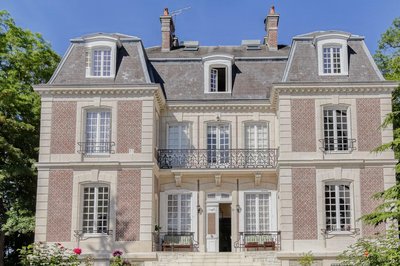
Château d'Avesnes - le Castelet
The Peninsula Paris
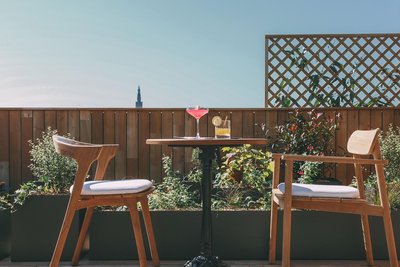
Grand Hotel Bellevue - Grand Place
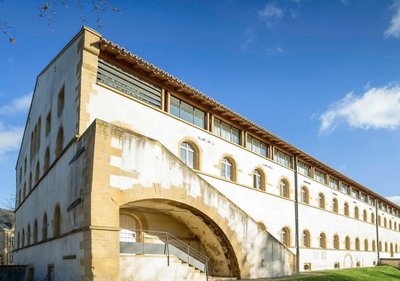
Hôtel la Citadelle Metz - MGallery Collection
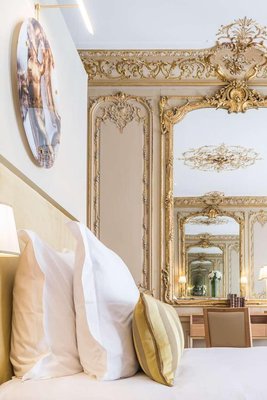
Hôtel Alfred Sommier
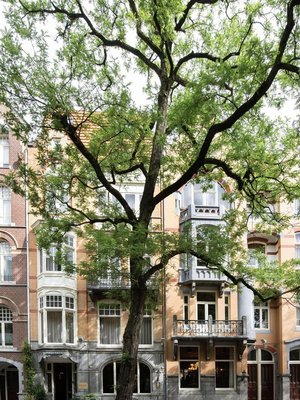
Jan Luyken Amsterdam
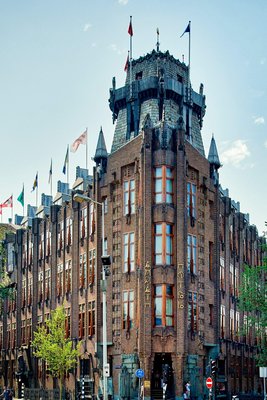
Grand Hotel Amrâth Amsterdam
Hotel de Crillon A Rosewood Hotel
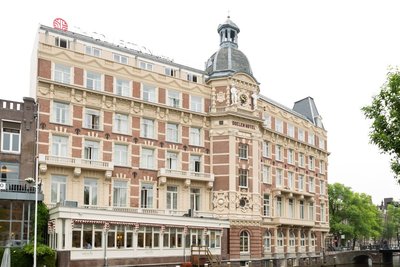
Tivoli Doelen Amsterdam Hotel
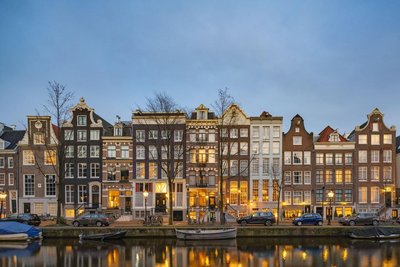
Ambassade Hotel
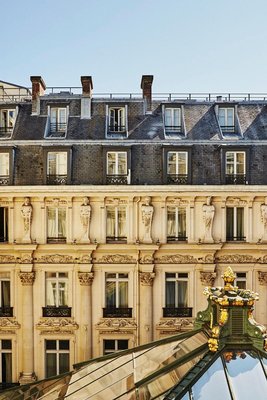
InterContinental Paris le Grand
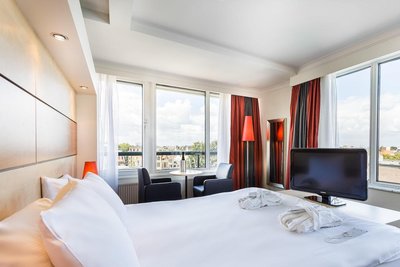
Hotel Die Port Van Cleve
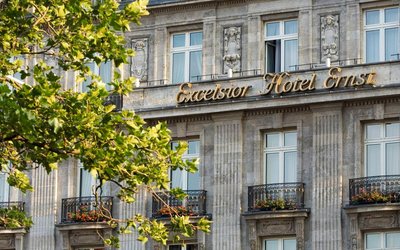
Excelsior Hotel Ernst am Dom
Four Seasons Hotel George V Paris
Plaza Athénée Paris & Dior Spa
Le Meurice
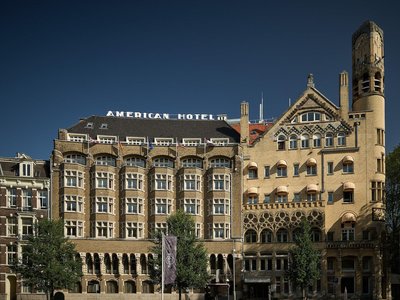
Clayton Hotel Amsterdam American
1898 the Post
The Peninsula Paris
Paris Marriott Champs Elysees Hotel
Hôtel San Régis
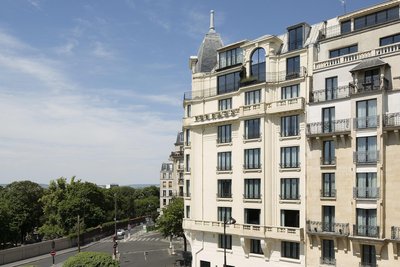
Terrass Hotel Paris
Plaza Athénée Paris & Dior Spa

Andaz Amsterdam Prinsengracht, by Hyatt
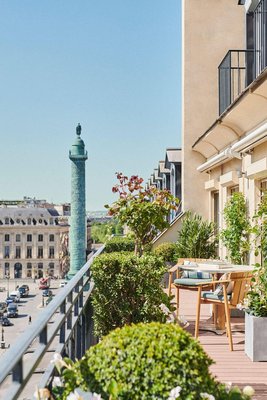
Park Hyatt Paris Vendome
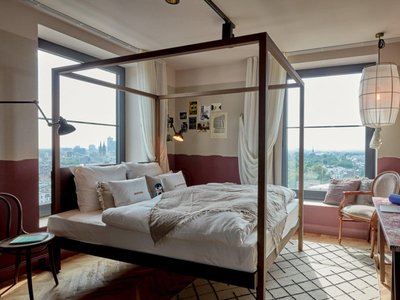
25Hours Hotel Duesseldorf Das Tour
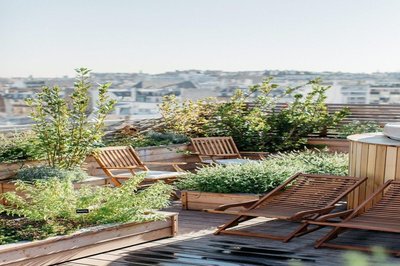
Brach Paris - Evok Collection
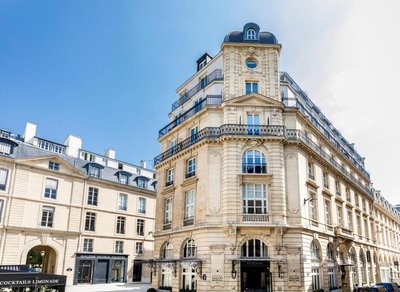
Grand Hôtel du Palais Royal
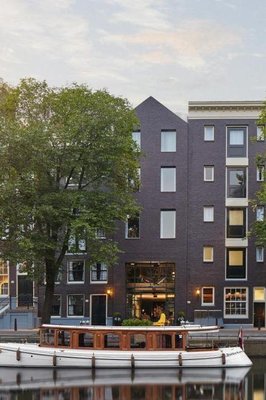
Pulitzer Amsterdam
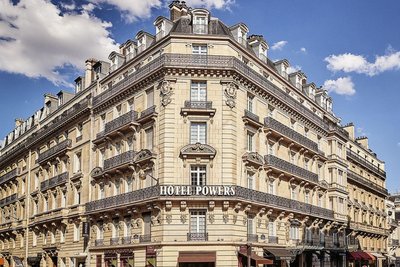
Grand Powers Hotel
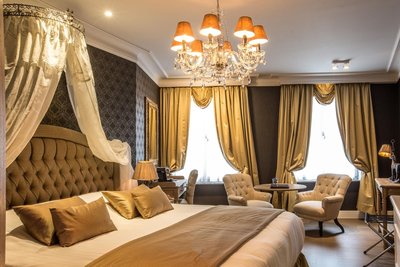
Luxury Boutique Hotel de Castillion
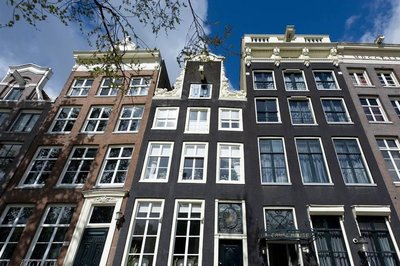
Small Luxury Hotels of the World - Canal House
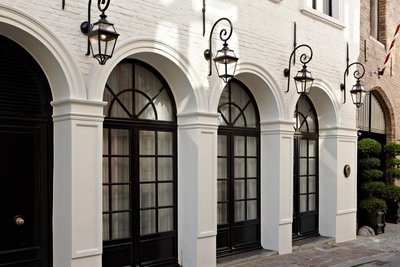
Hotel de Orangerie by CW Hotel Collection

Hotel Eiffel Blomet
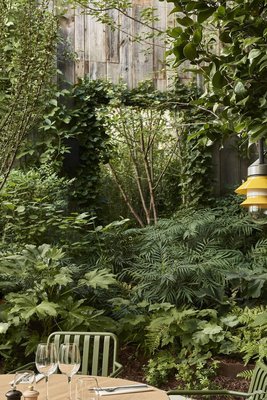
Hôtel le Ballu
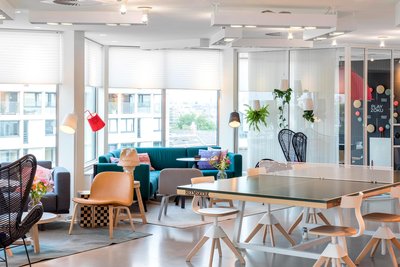
Zoku Amsterdam
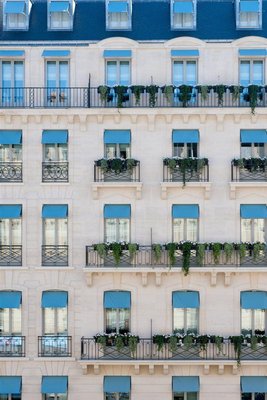
Nolinski Paris - Evok Collection
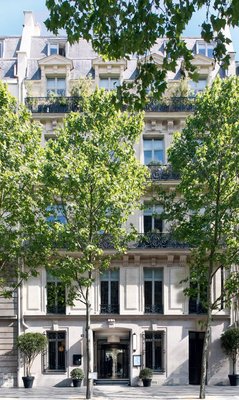
Le Narcisse Blanc Hôtel & Spa
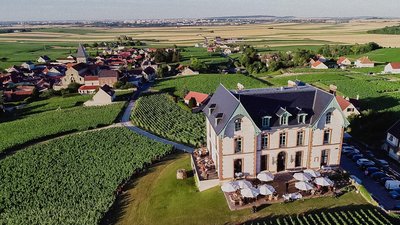
Chateau de Sacy
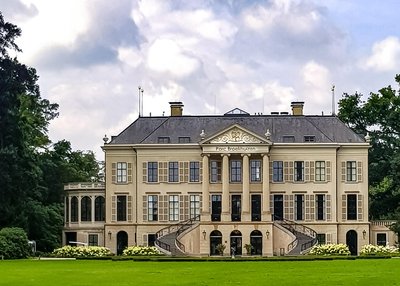
Parc Broekhuizen l Culinair Landgoed
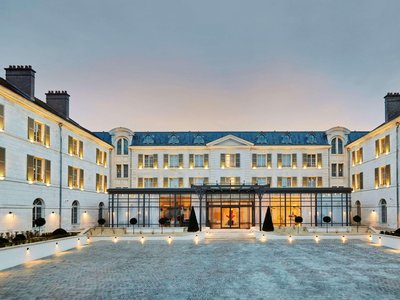
Licorne Hotel & Spa Troyes MGallery
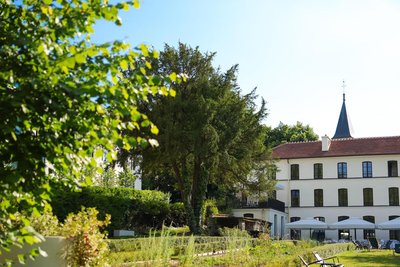
Domaine Reine Margot Paris Issy MGallery Collection
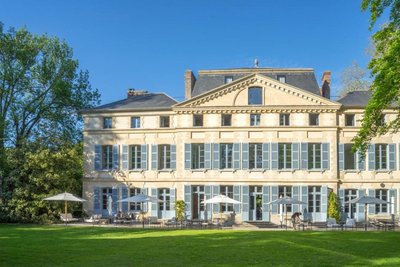
Le Domaine de Primard
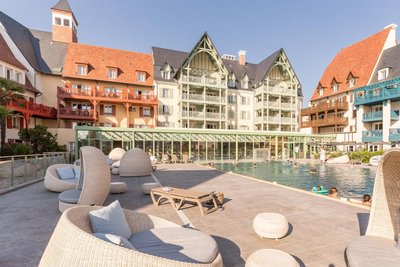
Résidence Pierre & Vacances Premium Presqu'Ile de la Touques
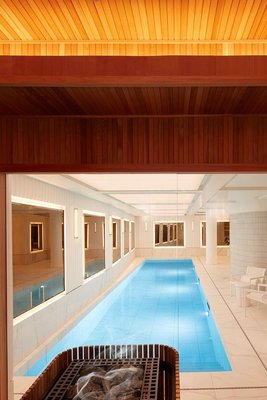
Villa-des-Prés
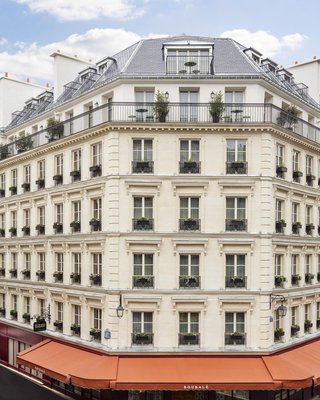
Le Grand Mazarin
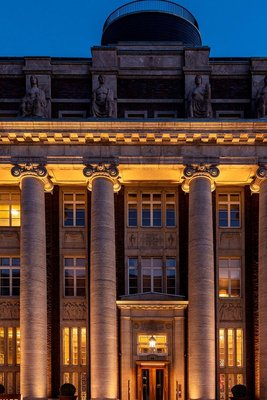
The Wellem Dusseldorf, Part of Hyatt
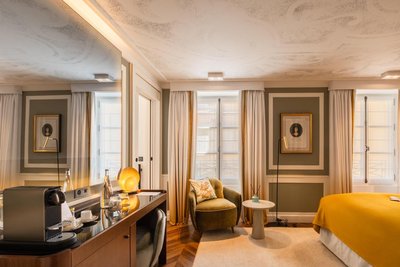
Hôtel les Lumières - Relais & Châteaux
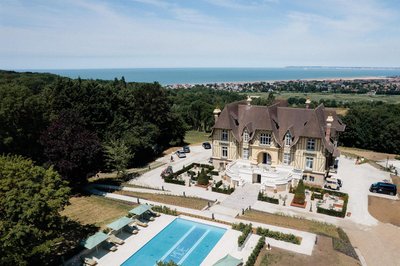
Maison Douce Époque
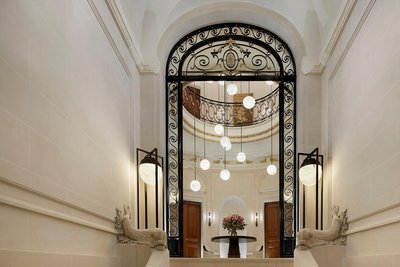
Maison Villeroy
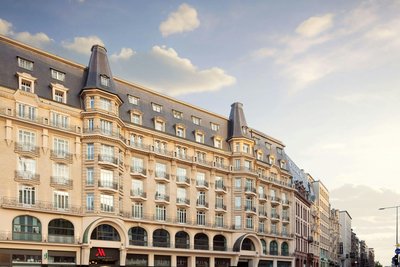
Luxembourg Marriott Hotel Alfa
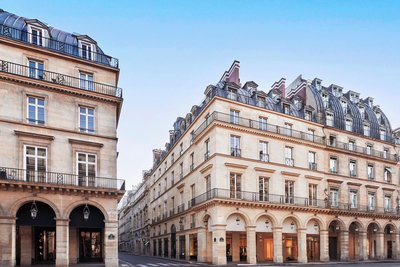
Maison Barrière Vendôme
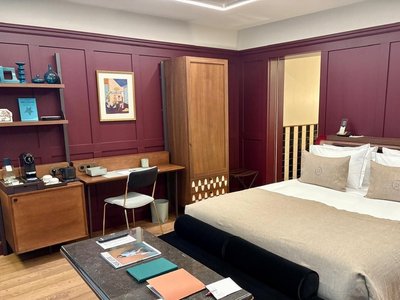
Faubourg 21
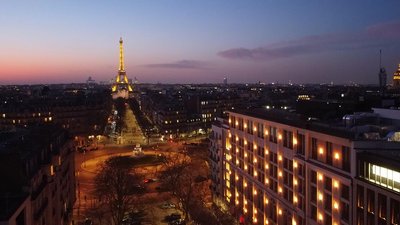
SAX Paris, LXR Hotels & Resorts
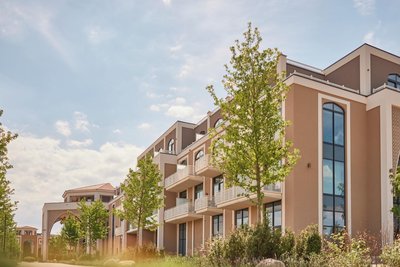
Hotel Thermen Berendonck
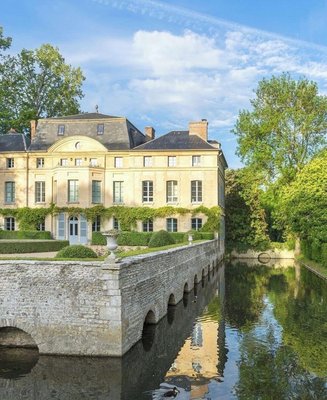
Domaine de Primard - Fontenille Collection
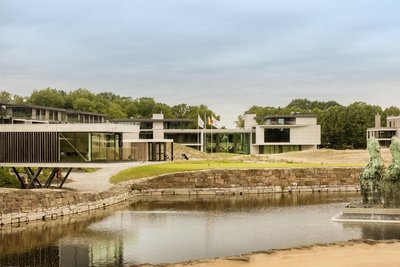
Radisson Collection Hotel, The National Brussels
Hotel TwentySeven - Small Luxury Hotels of the World
The Peninsula Paris
Hotel de Crillon A Rosewood Hotel
De L’Europe Amsterdam – the Leading Hotels of the World
Four Seasons Hotel George V Paris
Le Meurice
The Dylan Amsterdam
Park Hyatt Paris Vendome
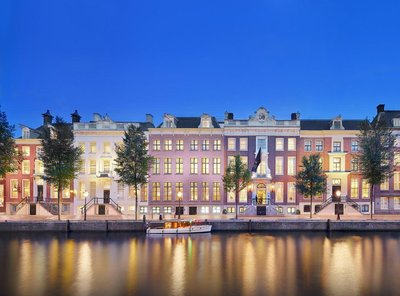
Waldorf Astoria Amsterdam
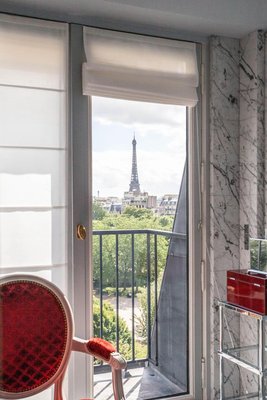
La Reserve Paris Hotel and Spa
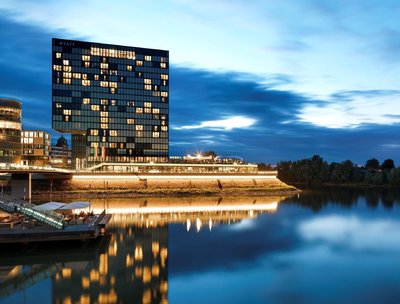
Hyatt Regency Dusseldorf
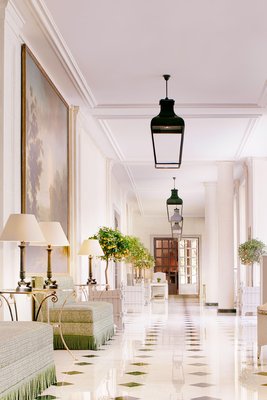
Le Bristol Paris - an Oetker Collection Hotel
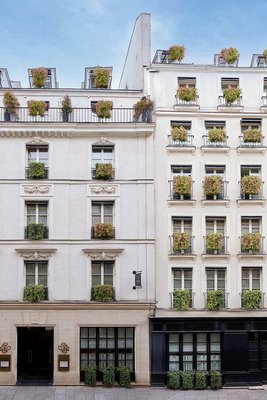
Le Burgundy Paris
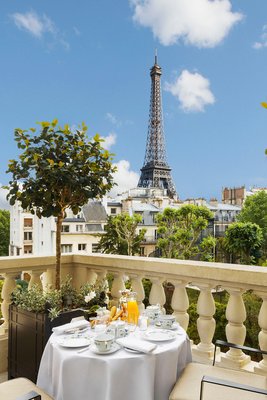
Shangri-La Paris
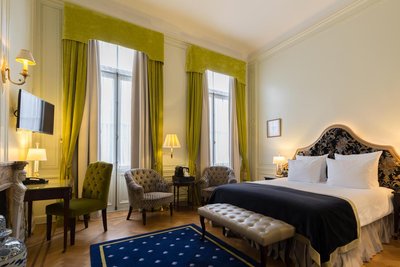
Stanhope Hotel Brussels by Thon Hotels
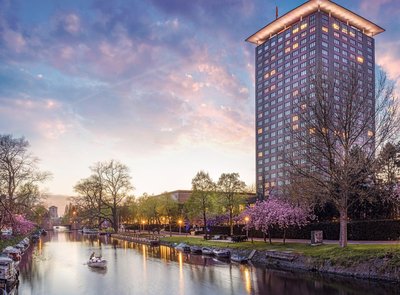
Hotel Okura Amsterdam – the Leading Hotels of the World

Cheval Blanc Paris & Dior Spa Cheval Blanc Paris
Frequently Asked Questions about Traveling to Roubaix
Questions You Might Need to Know About Traveling to Roubaix
For first-time visitors, Hôtel de la Paix is the top choice in Roubaix. Located just steps from the Hôtel de Ville (City Hall) and Notre-Dame Church, it blends modern French design with local industrial heritage. The rooms feature premium bedding, smart controls, and some offer views of the city’s green spaces.
The hotel also hosts rotating exhibitions by regional artists, offering cultural immersion. Guests enjoy easy access to the Roubaix Train Station (10-minute walk) and nearby Old Town Market, where you can sample fresh baguettes and local cheeses.
With its central location, warm hospitality, and authentic atmosphere, Hôtel de la Paix perfectly introduces travelers to Roubaix’s charm and history.
It's ideal for those seeking a balance between comfort, convenience, and cultural authenticity.
The city center, particularly around Hôtel de Ville and Notre-Dame Church, provides the most convenient hotel stays in Roubaix. This district is walkable to major attractions like the Public Library, Old Town Square, and Roubaix Art Museum.
Local cafés serve traditional Northern French dishes such as potjevleesch and boulettes, while the area boasts excellent transport links—just a 10-minute walk to the Roubaix Train Station, connecting directly to Lille (15 min), Paris (2 hrs), and Antwerp (cross-border).
The streets are well-maintained, tree-lined, and family-friendly, making it ideal for both business and leisure travelers. For scenic views, consider staying along Rue du Rivage (Riverfront Avenue), where many boutique hotels overlook the Rhône River.
Overall, the city center combines culture, convenience, and accessibility—making it the prime choice for visiting Roubaix.
Yes, Hôtel des Arts & Découverte stands out as Roubaix’s most family-friendly hotel. It features a dedicated kids’ activity room with puzzles, art supplies, and themed workshops, plus spacious family suites accommodating up to four guests.
Each stay includes a complimentary children’s welcome kit with handmade toys and local storybooks. The hotel is just a 7-minute walk from the Roubaix Children’s Museum and adjacent to City Park, which has playgrounds, sand pits, and picnic areas.
Staff are trained in child care, and the hotel offers baby cots, high chairs, and kid-friendly meals. Weekend events include hands-on activities like French pastry-making classes and guided city scavenger hunts—perfect for bonding with children.
With its safe environment, engaging programs, and proximity to green spaces, Hôtel des Arts & Découverte ensures a joyful and memorable stay for families exploring Roubaix.
Roubaix offers several authentic cultural experiences rooted in its industrial past. The Roubaix Industrial Heritage Tour, led by local volunteers, takes visitors through former textile mills now transformed into creative hubs, showcasing machinery, archives, and contemporary art installations.
Every spring, the Roubaix Festival d'Art fills the Old Town Square with street performers, independent designers, and live music. Interactive workshops include weaving demonstrations and oral history talks, giving insight into the city’s working-class roots.
The weekly Saturday Market at Place de la Ville is another highlight—locals sell organic produce, handmade soaps, vintage clothing, and artisanal cheeses. It’s a vibrant space for conversation and cultural exchange.
These experiences reflect Roubaix’s transformation from an industrial town to a living cultural community, offering travelers a genuine connection to Northern France’s identity and resilience.
The Notre-Dame Church (Église Notre-Dame de Roubaix) is Roubaix’s most iconic landmark. A striking example of Gothic Revival architecture, this 19th-century church features red brick façades, intricate stone carvings, and soaring spires.
Inside, the cathedral preserves stunning stained-glass windows and hand-carved wooden altars, reflecting the craftsmanship of its era. It also serves as a cultural venue, hosting organ concerts and contemporary art exhibitions.
The surrounding square is a hub for daily life—home to statues, fountains, and seasonal markets. Visit during golden hour for breathtaking sunset reflections on the church’s towers.
Combined with the nearby Old Town alleys, the church offers a perfect blend of spiritual ambiance and historical depth. For anyone exploring Roubaix, this is a non-negotiable stop.
It’s not just a building—it’s the heart of the city’s soul.
In Roubaix, don’t miss Potjevleesch, a traditional cold meat stew made with pork, beef, and spices, served with a tangy sauce and mashed potatoes—a staple of Northern French cuisine.
Another must-try is Boulette de Roubaix, a soft, savory ball of flour, cheese, and vanilla, baked until golden. Find them fresh at Pâtisserie Léon or the Place de la Ville Market.
For breakfast or afternoon tea, sample Fougasse aux Épinards—a light spinach-filled flatbread—often enjoyed with coffee at local cafés.
Head to the Marché de la Ville every Saturday for local specialties: fresh cheese platters, handmade bread, and homemade jam. Some stalls even host cooking demos.
These flavors tell the story of Roubaix’s heritage and the region’s love for hearty, home-cooked meals. Try them all to truly taste the spirit of Northern France.
Yes, public transportation in Roubaix is efficient and well-integrated. The Roubaix Train Station connects directly to Lille (15 minutes), Paris (2 hours), and Antwerp (cross-border), with frequent departures throughout the day.
The city operates a reliable bus network covering key areas like Hôtel de Ville, Old Town Square, and City Park. Tickets can be purchased via mobile apps or at stations using the Navigo card.
Roubaix also promotes sustainable travel with bike-sharing stations across the city, especially near parks and transit hubs. The Rhône River Promenade is paved for cyclists and pedestrians, making it easy to explore on two wheels.
Whether traveling by train, bus, or bike, getting around Roubaix is simple and eco-friendly—ideal for both short visits and longer stays.
Absolutely. Roubaix is backpacker-friendly thanks to affordable, clean, and welcoming accommodations. Camping du Nord Hostel offers dormitory beds from €20 per night, complete with shared kitchens, laundry facilities, and free Wi-Fi.
Located near City Park and just a 10-minute walk from Hôtel de Ville, it’s perfectly situated for exploring without spending much. The hostel hosts regular social events—city walking tours, language exchanges, and film nights—helping travelers meet locals and other travelers.
Food is budget-friendly: meals average €8–12, and the weekly Place de la Ville Market offers fresh, low-cost produce. With low living costs and strong community vibes, Roubaix is a hidden gem for budget-conscious explorers.
Its mix of history, culture, and affordability makes it an ideal stop on any Northern France itinerary.
Though urban, Roubaix has several green escapes. Start with Jardin des Plantes de Roubaix, a 3-hectare botanical garden featuring native and exotic plants, a small pond, children’s nature zone, and shaded benches.
Next, visit the Rhône River Promenade, a 2.5-kilometer riverside path lined with trees and railings—perfect for walking, jogging, or cycling. Morning light reflects beautifully on the water, creating serene views.
Villeneuve Park, in the eastern part of the city, offers playgrounds, sports fields, picnic areas, and a small animal enclosure with rabbits and goats—great for families.
These green spaces show Roubaix’s commitment to urban ecology. They provide peaceful retreats within the city, allowing visitors to reconnect with nature while still enjoying city amenities.
For unique souvenirs, head to Marché de la Ville, held every Saturday at Place de la Ville. Local artisans sell organic fruits, handmade cheeses, vintage clothing, and ceramic crafts—each piece tells a story of Roubaix’s heritage.
The Roubaix Design District, housed in repurposed textile factories, is another top spot. Here, independent brands like Atelier Gavroche (handcrafted leather), Les Filles de la Nuit (artisanal fashion), and Ceramique Urbaine (modern ceramics) showcase original designs.
You can watch creators at work or join a workshop—like pottery shaping or fabric dyeing—to take home a personalized memento.
While Centre Commercial Le Grand Sud offers mainstream shopping, the real treasures lie in the market and design district. These spots deliver authentic, locally-made keepsakes that capture the soul of Roubaix.
Roubaix Overview
City Summary
Roubaix is an industrial city in the Nord department of northern France, renowned for its rich textile history and cultural heritage. The city features unique architectural styles, particularly influenced by Art Nouveau. Roubaix's La Piscine Museum and Industrial and Art Museum are must-visits for culture enthusiasts. Additionally, the city's cycling track and parks offer recreational spaces for visitors.
Must-See Attractions
Key attractions in Roubaix include the Industrial and Art Museum, showcasing the city's textile legacy; La Piscine Museum, an art space converted from a swimming pool; and Saint-Martin Church, with its stunning Gothic architecture. The Roubaix Velodrome is a paradise for sports fans, while Barbieux Park is ideal for family outings.
Food Guide
Roubaix's culinary culture is deeply rooted in northern French traditions. Try Carbonnade (beer-braised beef) and Boeuf à la bière (beef stewed in beer). Street food like Frites (fries) and Gaufres (waffles) are also popular. Don't miss local beers, especially those brewed in the Nord region.
Transportation Guide
Public transport in Roubaix primarily relies on buses, covering major areas. The metro connects to nearby Lille in about 20 minutes. Taxis and bike-sharing are convenient alternatives. Consider a Pass Pass travel card for cost savings. Drivers should note parking restrictions in the city center and use suburban parking lots.
Best Time to Visit
The best time to visit is spring (April-June) and autumn (September-October), with mild weather and fewer crowds. Summer (July-August) is warm but busier. Winters are cold but festive.
Travel Tips
- Safety: Roubaix is generally safe, but keep an eye on belongings.
- Etiquette: Dress modestly when visiting churches.
- Language: French is primary; English is understood in tourist areas.
- Tipping: Service charge is usually included; extra 5-10% is optional.
- Shopping: Most shops close on Sundays.
- Emergency: Dial 112 for help.
Useful Information
Language: French is primary; English works in tourist areas. Internet: Free Wi-Fi hotspots are available. Payment: Cards are widely accepted, but small shops may prefer cash. Emergency: Central hospital is downtown; dial 15 for medical emergencies. Voltage: 220V, European plugs. Visa: Schengen visitors exempt; others need a visa. Currency: Euro (EUR).