Hotels in Rufina
Discover your perfect stay in Rufina.
Rufina(Italy) Travel 2026: Cheap Flights, Hotels & Top Attractions
Popular Landmarks in Rufina
Discover the most iconic attractions in Rufina
Recommended Hotels in Rufina
Find the perfect place to stay in Rufina
Best Hotels in Rufina
Discover curated hotel collections in Rufina
Frequently Asked Questions about Traveling to Rufina
Questions You Might Need to Know About Traveling to Rufina
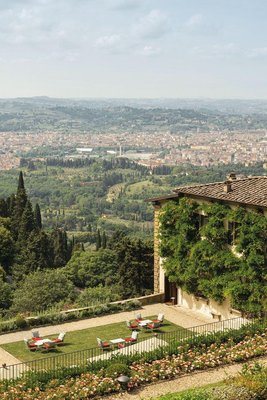
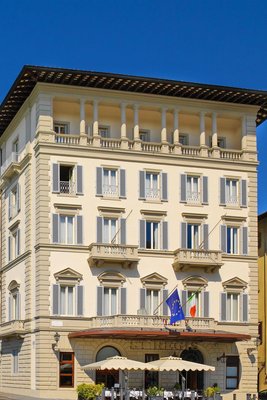
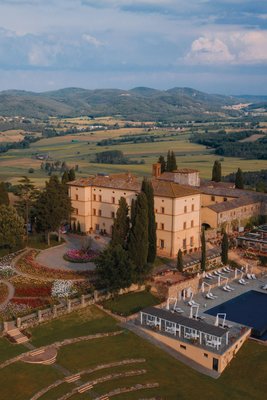
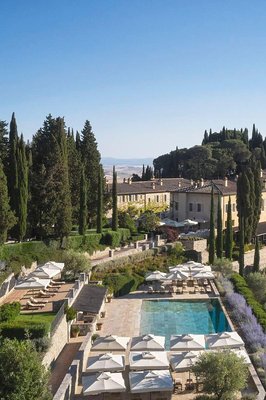
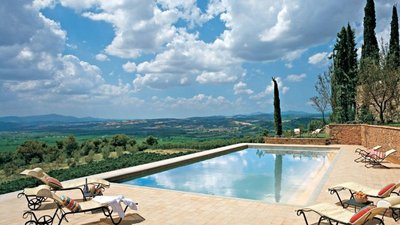
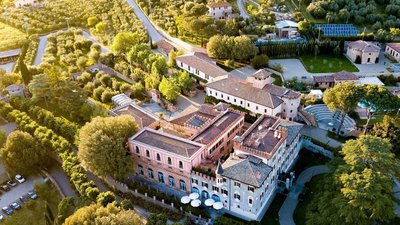
In Rufina, the standout boutique hotel is Castello di Brolio, a Renaissance castle nestled among rolling vineyards, offering panoramic views and access to world-class Chianti Classico wines. Guests enjoy private tastings, farm-to-table dinners featuring local ingredients, and evening stargazing by heated pools. Another excellent choice is Villa La Palma, a rustic-chic retreat in the village center, ideal for travelers seeking authentic Tuscan charm with easy access to churches, markets, and scenic trails.
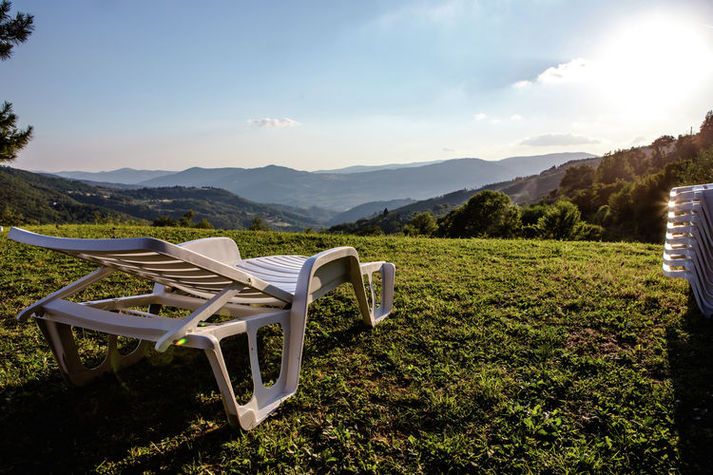
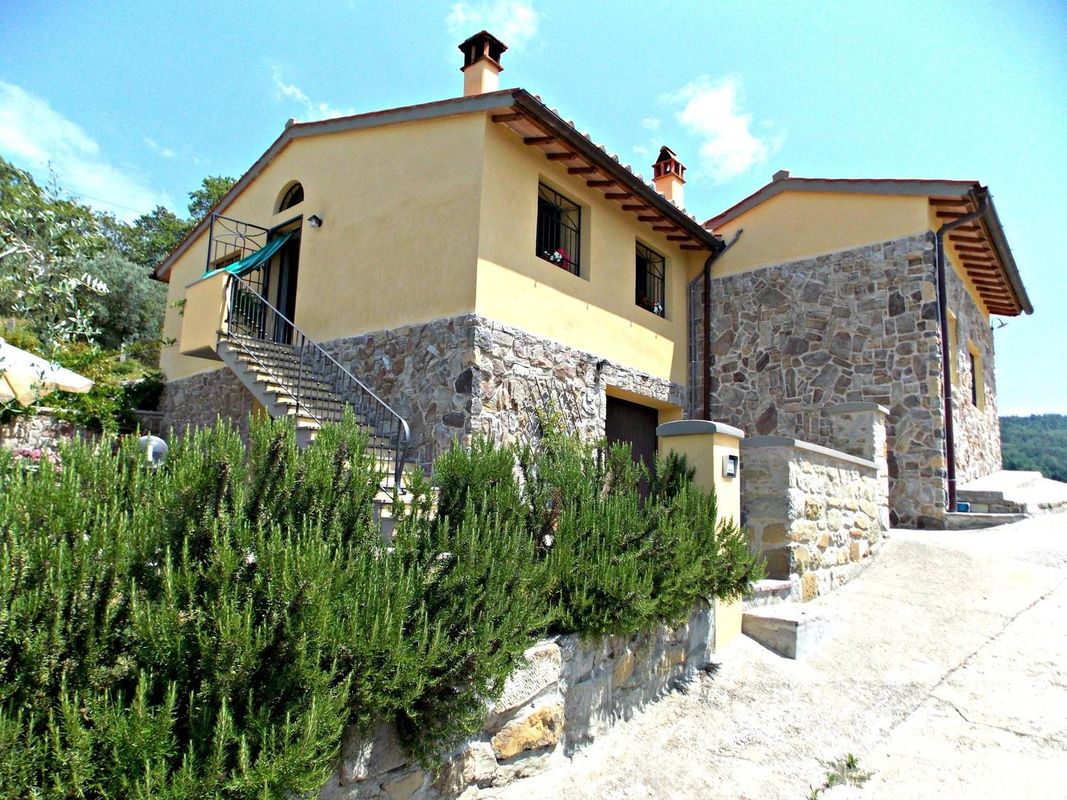
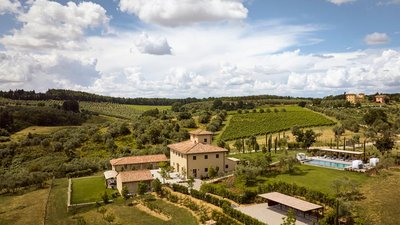
The most serene accommodation areas in Rufina are the hillside agriturismi surrounding the town center. These include Agriturismo Il Poggio and La Casetta del Vigneto, where guests stay in restored stone farmhouses surrounded by olive groves and grapevines. Located just minutes from historic sites like the Church of the Assumption, these properties offer peace, privacy, and direct access to hiking paths and wine trails—perfect for nature lovers and those seeking an immersive countryside escape.
Visitors to Rufina can participate in hands-on handmade pasta workshops led by local families using fresh durum flour and homemade tomato sauce. The annual Festa dell'Uva (Grape Harvest Festival) in autumn is another highlight—guests can crush grapes underfoot, sample new wine, and watch traditional folk dances in the old mill square. These events, held at the Piazza del Mulino and Piazza della Chiesa, showcase deep-rooted community traditions and offer unforgettable cultural immersion.
Yes, many boutique hotels in Rufina provide curated wine tasting experiences. At Castello di Brolio, guests tour the underground cellars guided by the winemaker, learning to identify nuances in premium Chianti Classico Riserva. Other hotels like Villa La Palma host themed "Three-Glass Tastings" paired with cured meats and local cheeses, all enjoyed on sun-dappled terraces. Some even offer private cellar dinners, blending fine wine, gourmet food, and storytelling in an elegant, intimate setting.
Near Rufina, must-see landmarks include the Church of the Assumption (Chiesa della Assunta), home to 16th-century frescoes and carved wooden altarpieces; the Ancient Via Cassia Roman ruins, where travelers walk on ancient stone roads beneath olive trees; and the Sentiero del Chianti hiking trail, which winds through hills offering sweeping vistas of golden wheat fields and endless vineyards. All are accessible via short drives or guided walks arranged by local hotels.
Absolutely. Many hotels in Rufina, such as Agriturismo Il Poggio and Villa La Palma, welcome families with child-friendly amenities like playrooms, petting zoos, and cooking classes for kids. Parents can join wine-making workshops while children gather eggs, feed goats, or craft pottery. High chairs, cribs, and special menus are available upon request, and hotels often organize safe, short hikes suitable for young explorers—ensuring a joyful and enriching experience for all ages.
From Florence, take the Trenitalia Regionale train to Rufina Station, a 40-minute journey with frequent departures. For more flexibility, rent a car and drive along SS222 Road, reaching Rufina in about 35 minutes through picturesque Tuscan countryside. Most hotels offer complimentary pickup services from the station or airport—just book in advance to avoid hassle and enjoy a seamless arrival.
Rufina’s culinary highlights include Pici al Ragù (hand-rolled thick pasta with slow-cooked beef ragù), Bistecca alla Fiorentina (Florentine-style T-bone steak), and Crostini con l'olio nuovo (toasted bread with fresh olive oil). Dishes at Osteria del Borgo use ingredients grown on-site—tomatoes, grains, and herbs—paired with award-winning Chianti wines. Many hotels also host "Table of Tuscany" dinners in their courtyards, serving seasonal recipes in a romantic, rustic ambiance.
Spring brings blooming wildflowers and budding vines—ideal for photography and cycling. Summer hosts open-air concerts and wine festivals under the stars. Autumn is peak season: harvest festivals, golden light, and crisp air make it perfect for hiking and wine tours. Winter offers cozy charm, with snow-dusted castles and crackling fireplaces—ideal for romantic getaways. Each season reveals a different facet of Rufina’s timeless beauty and rhythm.
All recommended hotels in Rufina provide high-speed Wi-Fi and standard 230V outlets compatible with international devices. Luxury stays like Castello di Brolio feature smart room systems and backup generators. Work desks, irons, and hangers are included in every room. For uninterrupted connectivity, hotels can arrange portable hotspots—perfect for remote work or long stays, combining comfort with modern convenience.
Rufina Overview
City Summary
Rufina is a charming small town in the Tuscany region of Italy, renowned for its long-standing winemaking tradition and picturesque countryside. As part of the Chianti wine region, it boasts rich cultural heritage and a tranquil rural atmosphere, making it an ideal escape from city life.
Must-See Attractions
In Rufina, don't miss local wineries like the famous Fattoria di Basciano, where visitors can taste authentic Chianti wines. The Chiesa di San Bartolomeo showcases unique medieval architecture. The surrounding Tuscan countryside is perfect for cycling or hiking.
Food Guide
Rufina's cuisine features traditional Tuscan dishes. Try the local wild boar risotto (Risotto al Cinghiale) and handmade pasta (Pappardelle), paired with local Chianti wine. Fresh olive oil and cheeses can be found at the town's markets.
Transportation Guide
Public transport in Rufina relies mainly on buses, connecting to nearby towns like Florence. Renting a car offers more flexibility for exploring the countryside. The Rufina train station provides regional trains to Florence, taking about 30 minutes. Check schedules in advance, especially on weekends when services are limited.
Best Time to Visit
The best time to visit is spring (April-June) and autumn (September-October), with mild weather and stunning vineyard views. Summers are hot but less crowded, ideal for quieter trips.
Travel Tips
- Book winery visits in advance.
- Respect local dining customs; dinner is typically after 8 PM.
- Note that shops close for long lunch breaks.
- Be cautious on narrow rural roads if driving.
- Learning basic Italian greetings is appreciated.
- Wear comfortable shoes for countryside walks.
Useful Information
The official language is Italian, but English is commonly understood in tourist areas. The currency is the Euro; credit cards are widely accepted, but small shops may only take cash. Emergency number is 112. WiFi is available in hotels and some restaurants; consider a local SIM card for convenience. Medical facilities are concentrated in Florence, so travel insurance is recommended.