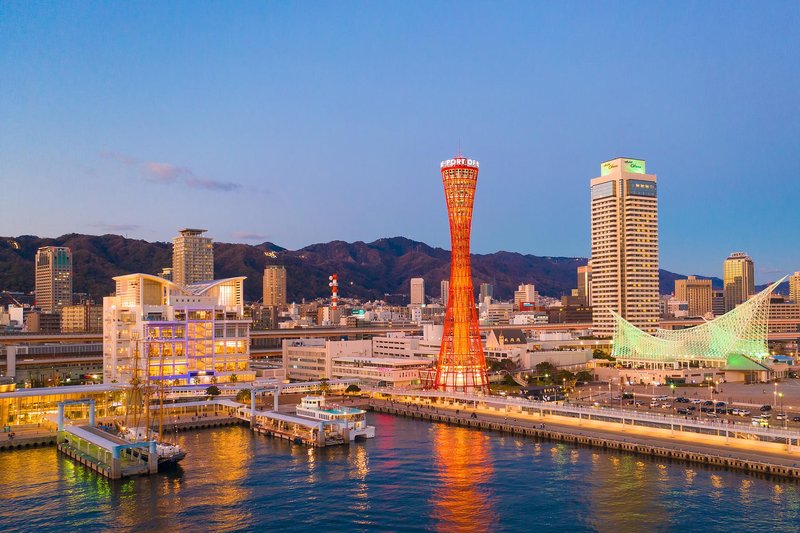
Hotels in Ryūgasaki
Discover your perfect stay in Ryūgasaki.
Ryūgasaki(Japan) Travel 2026: Cheap Flights, Hotels & Top Attractions
Popular Landmarks in Ryūgasaki
Discover the most iconic attractions in Ryūgasaki
Recommended Hotels in Ryūgasaki
Find the perfect place to stay in Ryūgasaki
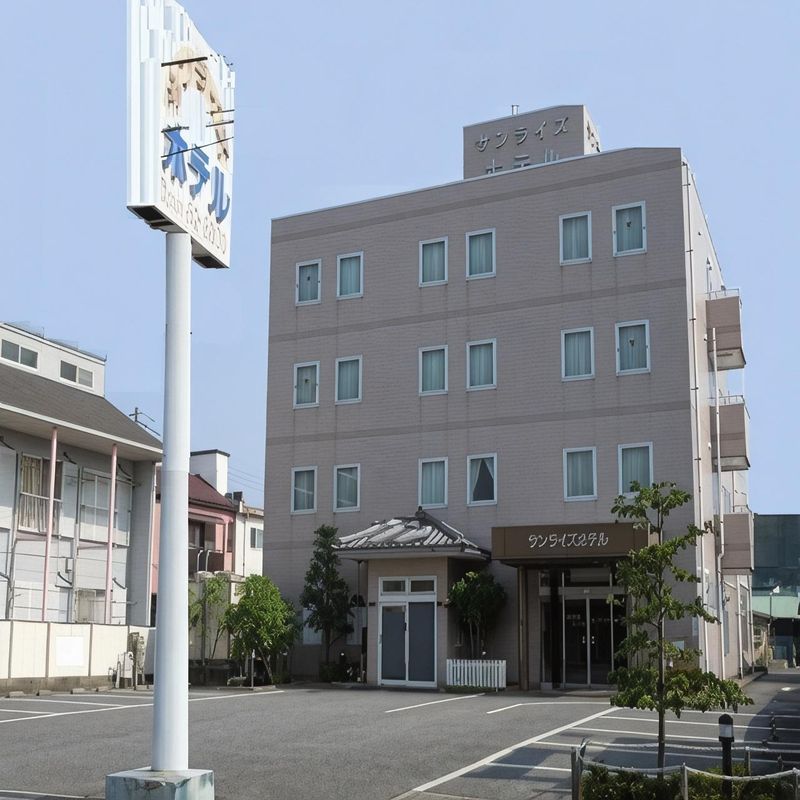
Sunrise Hotel
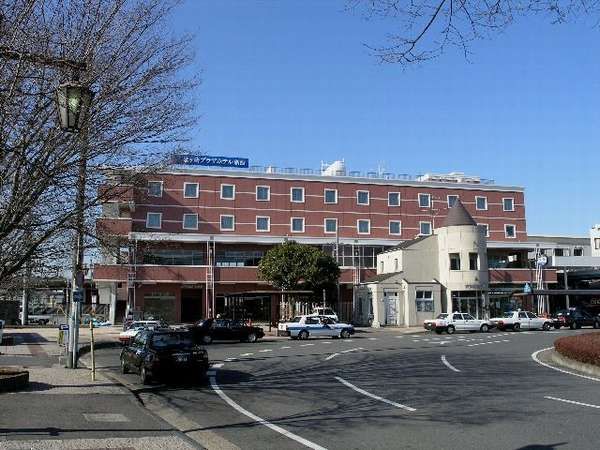
Ryugasaki Plaza Hotel Shinkan
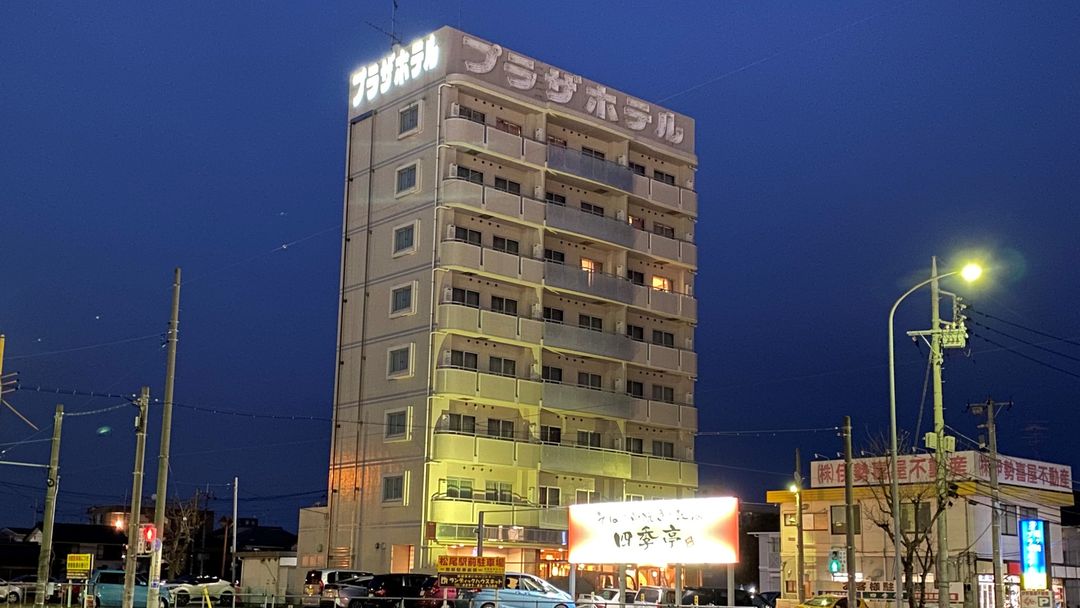
Ryugasaki Plaza Hotel Honkan
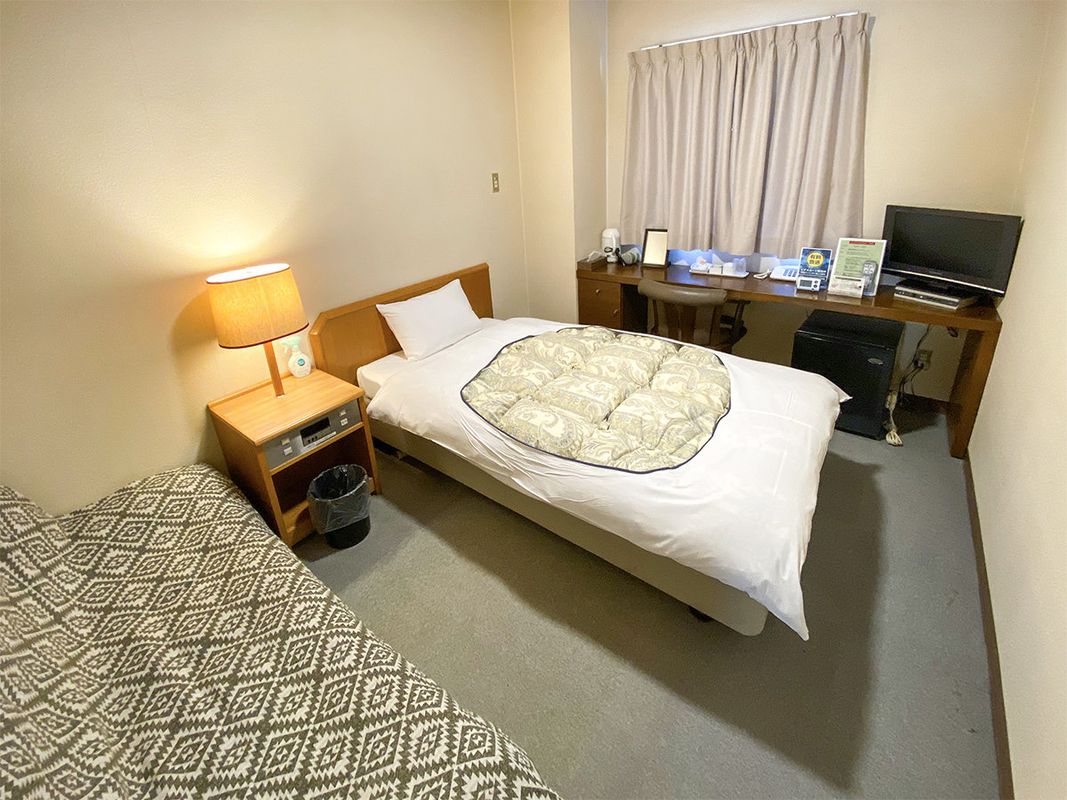
Business Hotel Daikyo
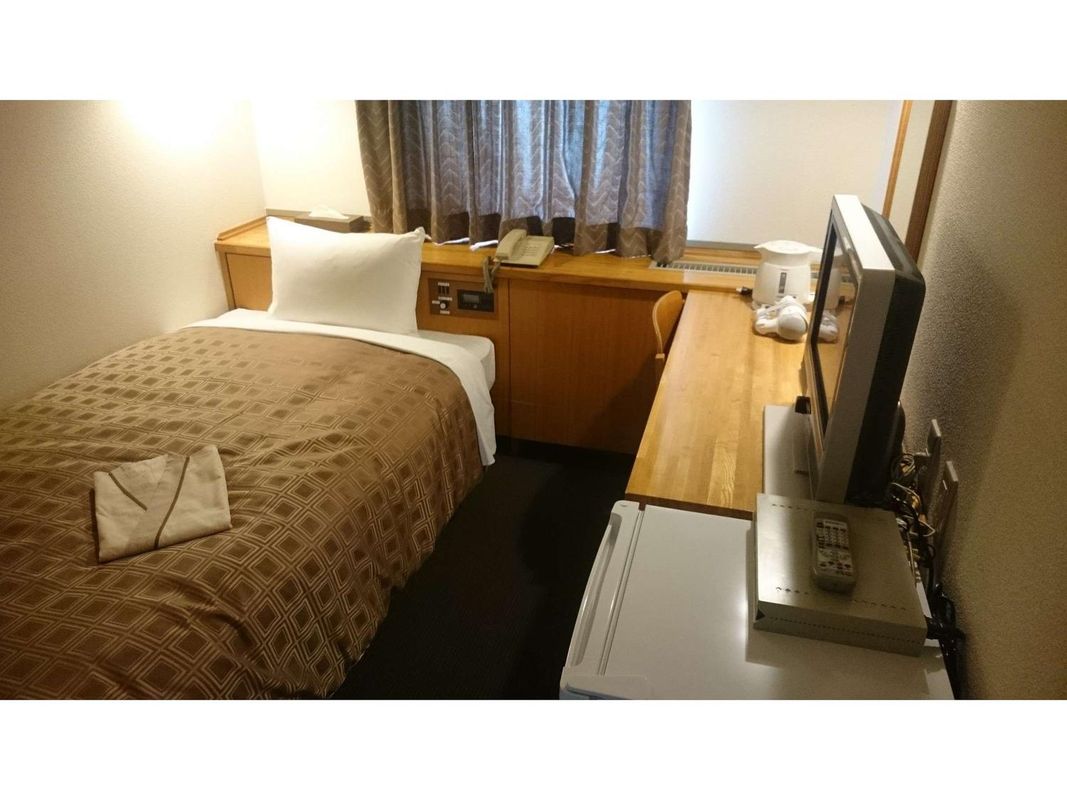
Sanuki Green Hotel
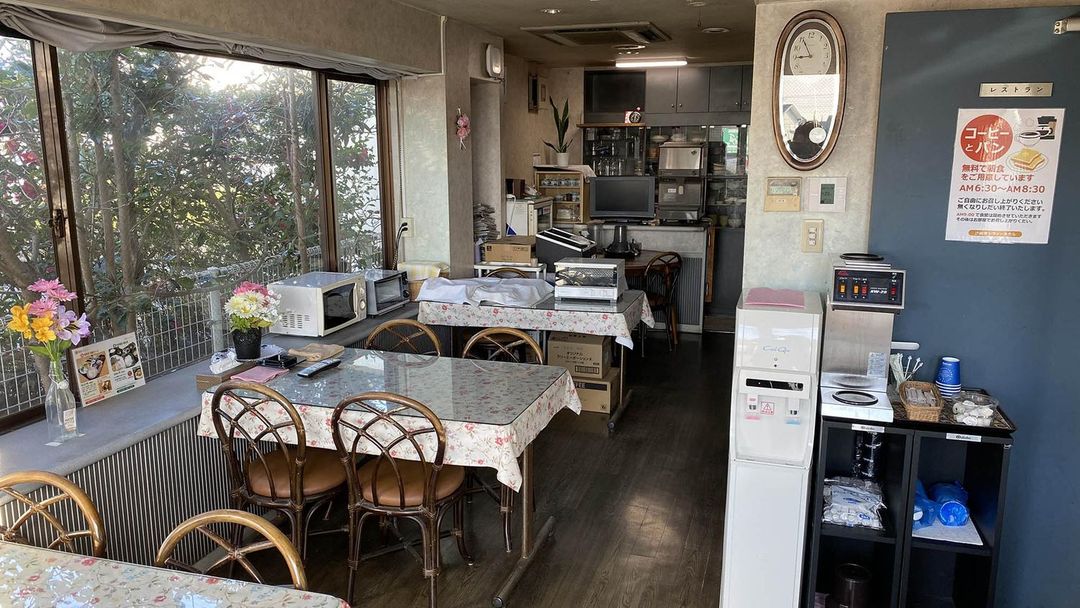
Sanuki City Hotel
Best Hotels in Ryūgasaki
Discover curated hotel collections in Ryūgasaki
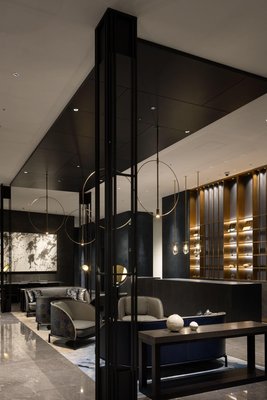
Bellustar Tokyo, A Pan Pacific Hotel
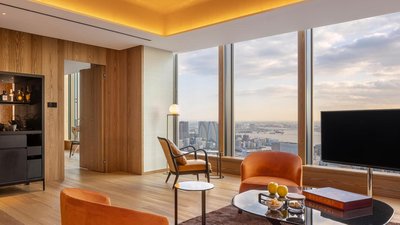
Bvlgari Hotel Tokyo
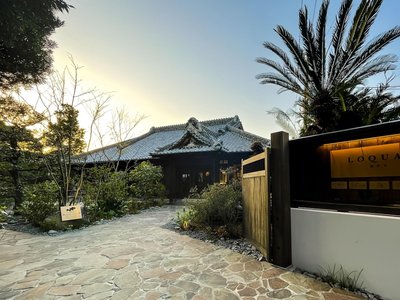
Loquat Nishiizu
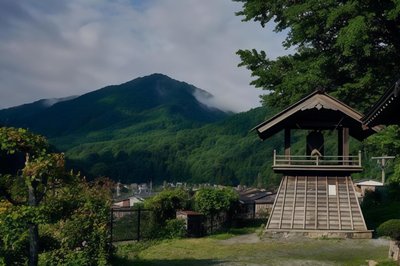
Byaku Narai
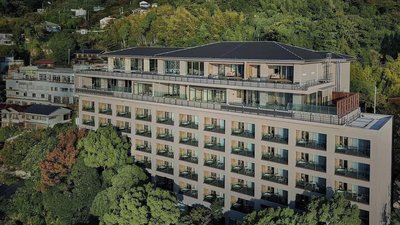
Atami Izusan Karaku
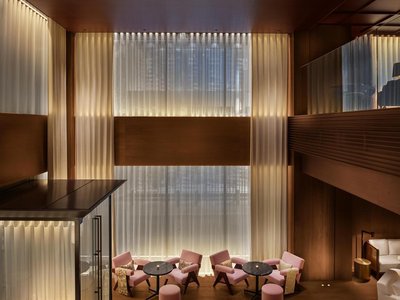
The Tokyo Edition, Ginza
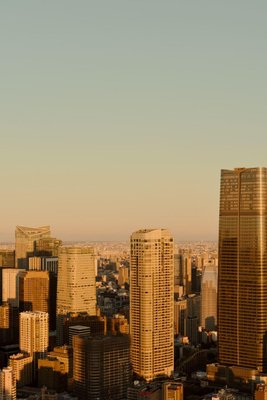
Janu Tokyo
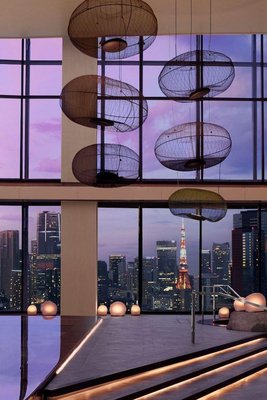
JW Marriott Hotel Tokyo
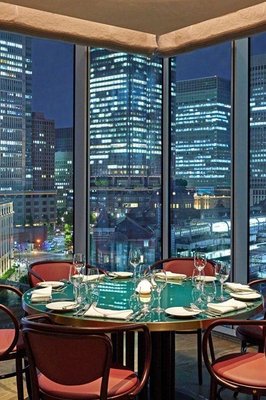
Four Seasons Hotel Tokyo at Marunouchi

Mandarin Oriental, Tokyo
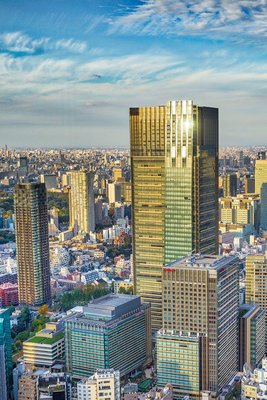
The Ritz-Carlton, Tokyo
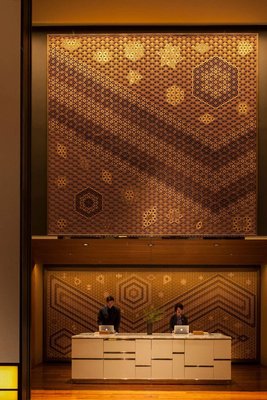
Andaz Tokyo Toranomon Hills- A Concept by Hyatt
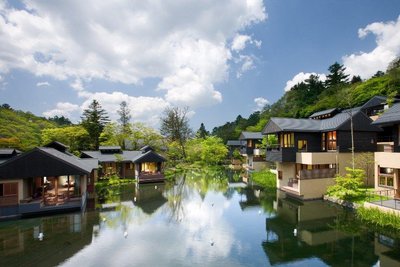
Hoshinoya Karuizawa
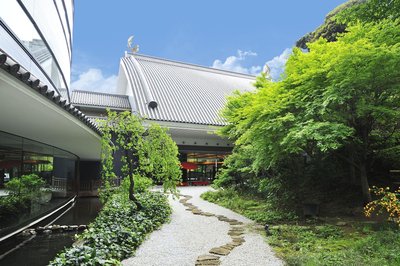
Hotel Gajoen Tokyo
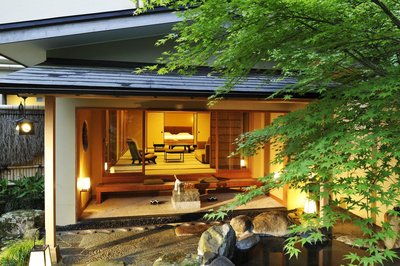
Gora Kadan
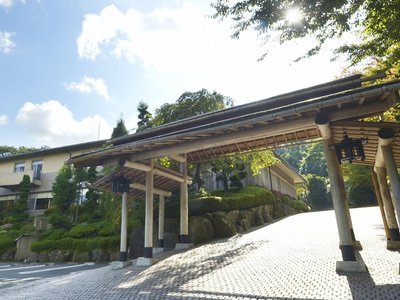
Gora Hanaougi
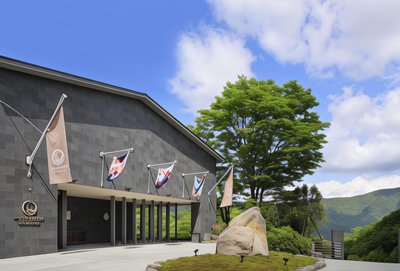
The Hiramatsu Hotels & Resorts Sengokuhara Hakone
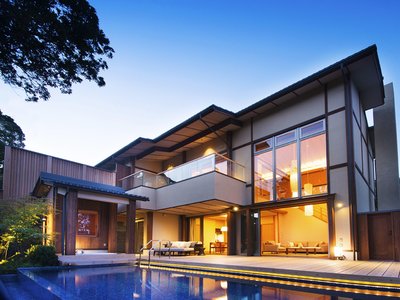
Abba Resorts Izu - Zagyosoh
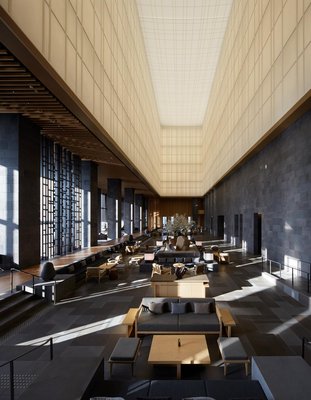
Aman Tokyo
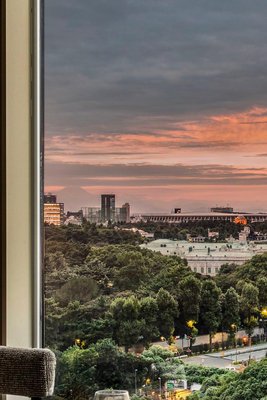
Hotel New Otani Tokyo, Executive House Zen
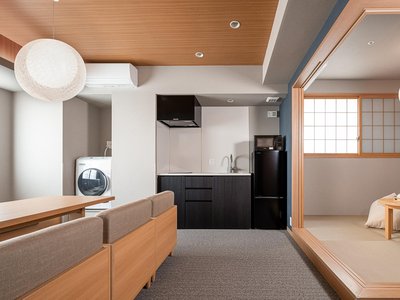
MIMARU SUITES Tokyo Asakusa
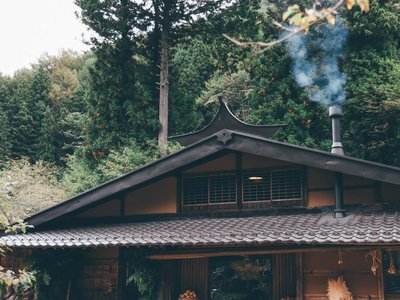
La Terra Resort
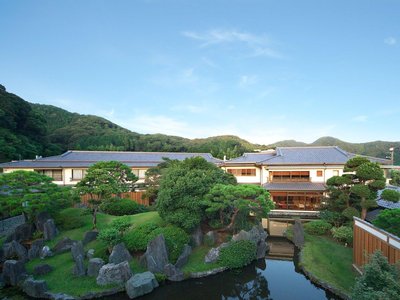
Kagetsutei

karaksa hotel colors Tokyo Yaesu
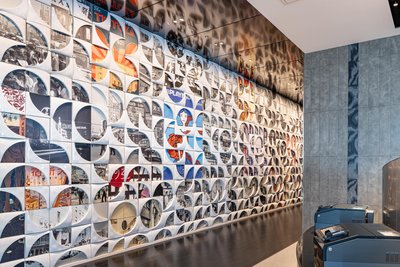
HOTEL GROOVE SHINJUKU, A PARKROYAL Hotel

EN Resort Grandeco Hotel
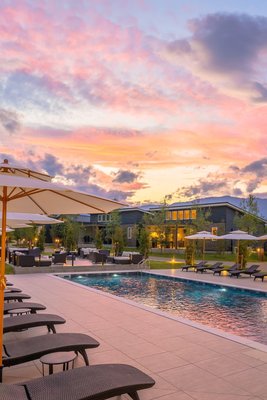
Awaumi Fujikawaguchiko Resort
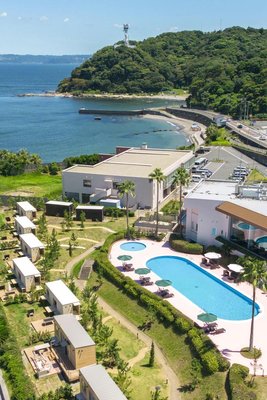
La vista Yokosuka Kannonzaki Terrace
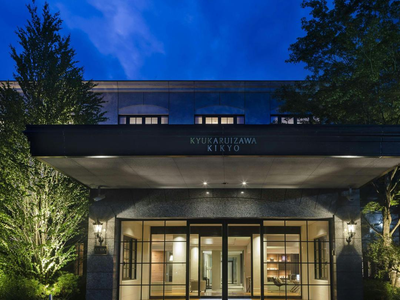
Fufu Karuizawa Wind of Sunshine
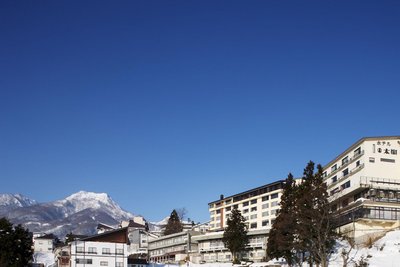
Hotel Taiko, Akakura Onsen
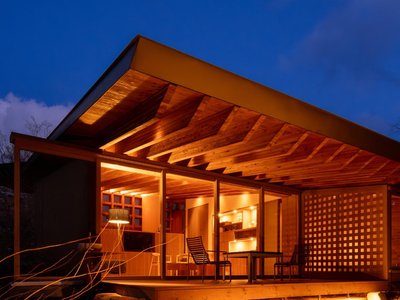
Nasu Mukunone
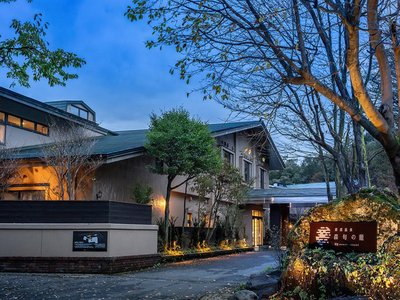
Nasu Onsen Shinshun no Kago Hewitt Resort

Scapes the Suite
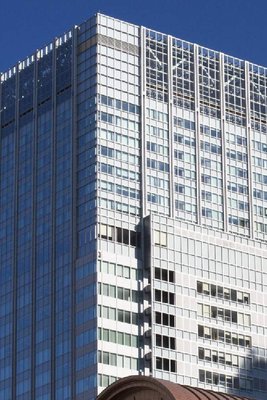
Hotel Metropolitan Tokyo Marunouchi
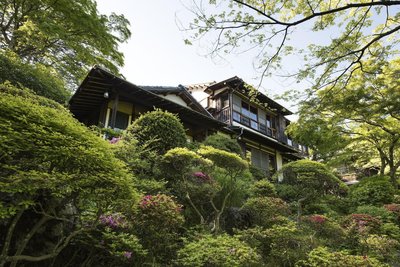
Gora Kansuiro
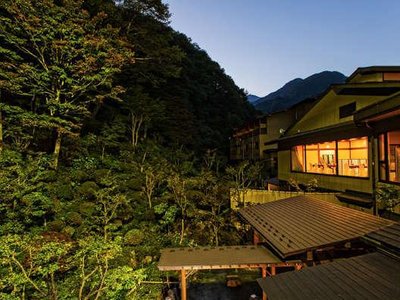
Futari Shizuka
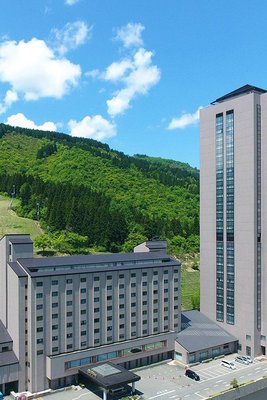
Naspa New Otani
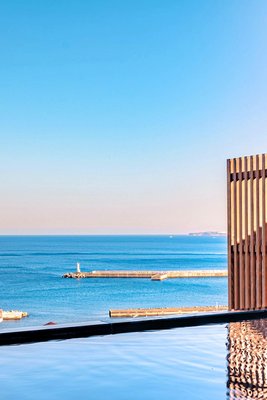
HOTEL KANICHI
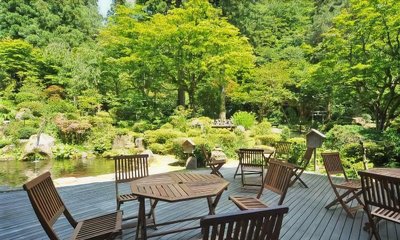
Choseikan
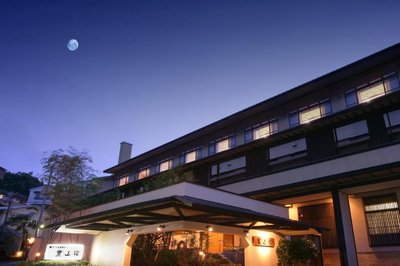
Hayamakan
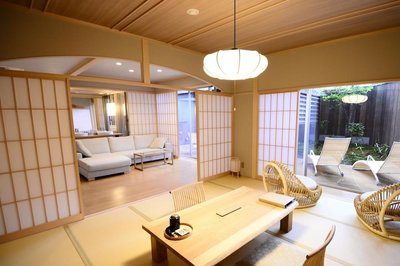
Hakone Gora Byakudan
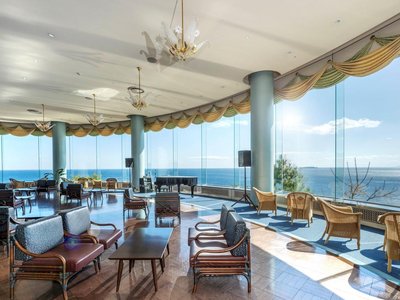
Hotel New Akao
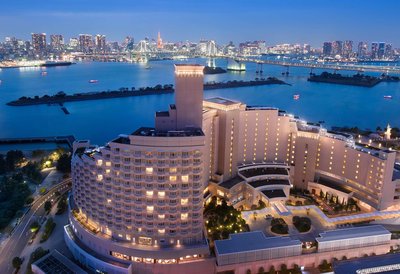
Hilton Tokyo Odaiba
JW Marriott Hotel Tokyo
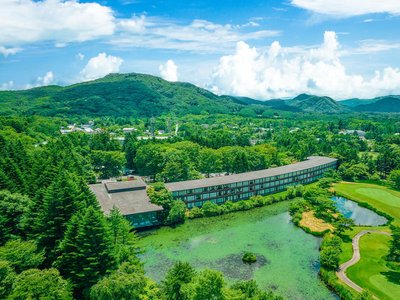
The Prince Karuizawa

The Kukuna
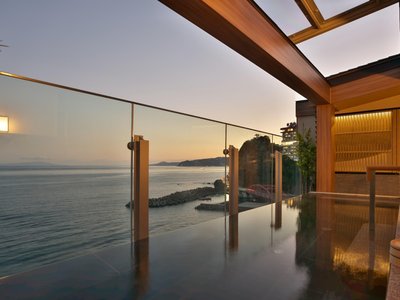
Hotel New Sagamiya
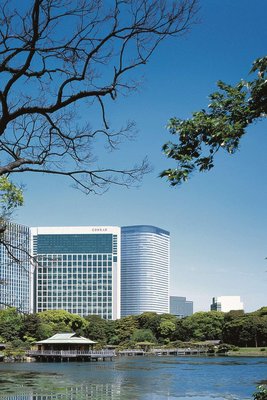
Conrad Tokyo
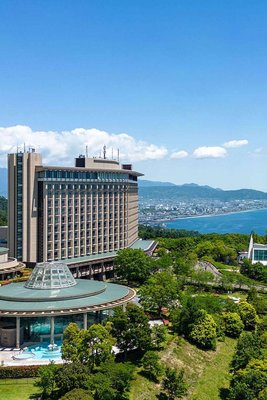
Hilton Odawara Resort & Spa
Hoshinoya Karuizawa
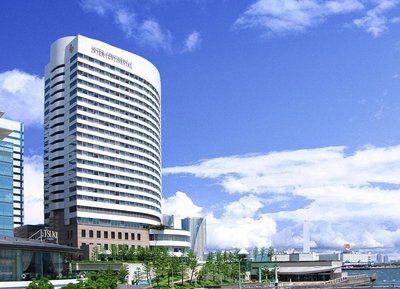
InterContinental Tokyo Bay
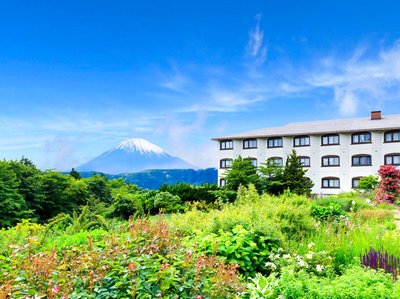
Hotel Green Plaza Hakone
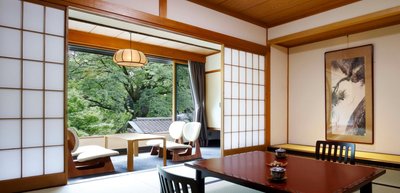
Yoshiike Ryokan
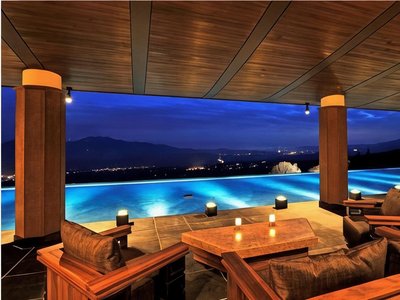
Akakura Kanko Hotel
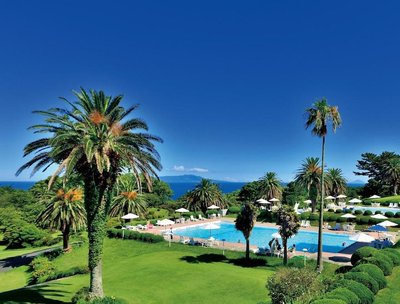
Kawana Hotel
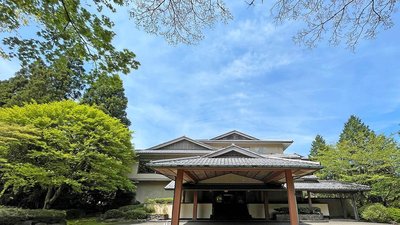
Ryuguden
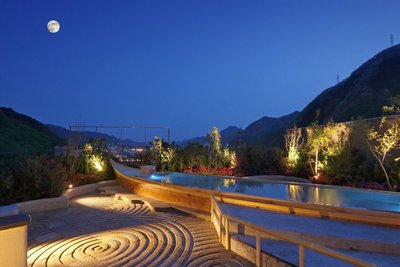
Asaya
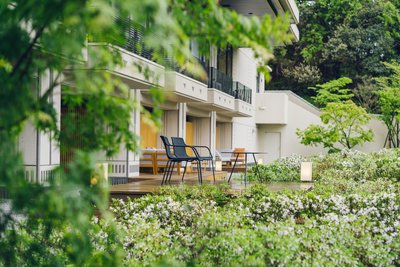
Hoshino Resorts Kai Enshu
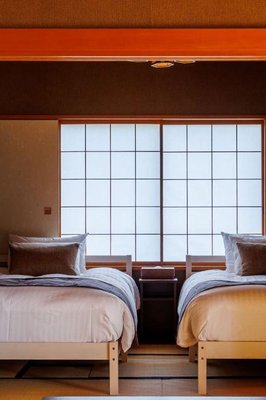
Sado Resort Hotel Azuma
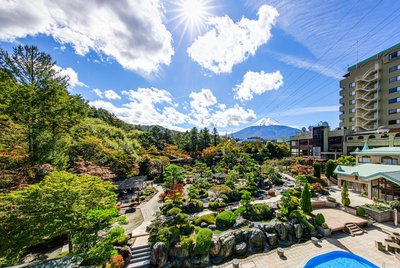
Kaneyamaen
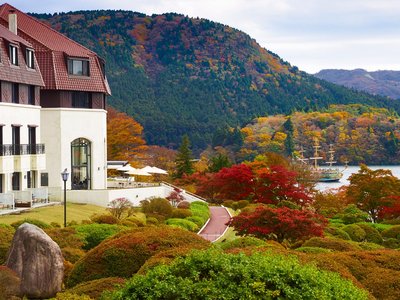
Hotakajyo
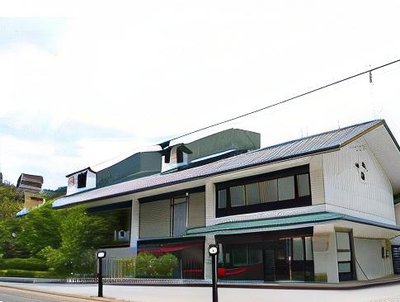
Auberge Suzukane

Onyado Nono Asakusa Bettei Hot Spring
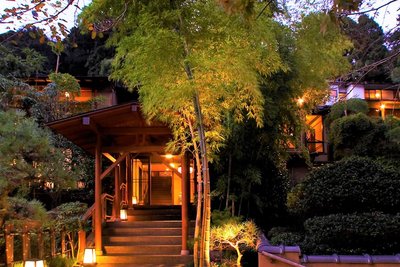
Shiki wo Ajiwau Yado Yamano Chaya
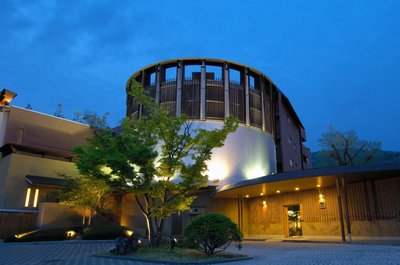
Hoshino Resorts Kai Matsumoto
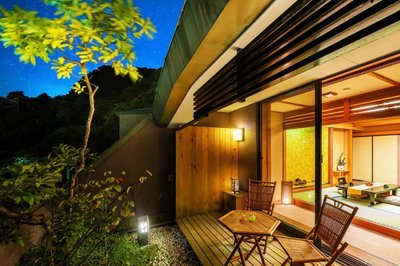
Konjakutei
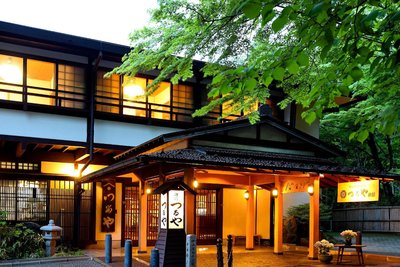
Tsuruya Ryokan
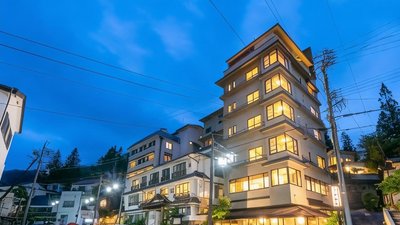
Nakamatsuya Ryokan
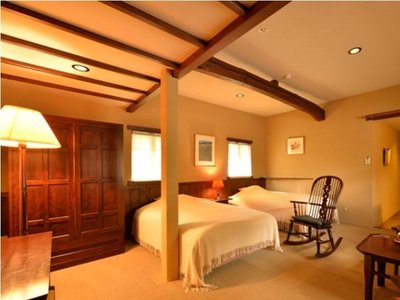
Ryokan Sugimoto
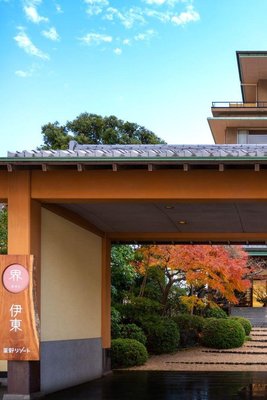
Hoshino Resorts Kai Ito
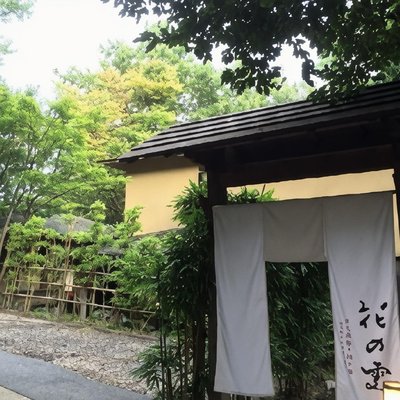
Hana No Kumo
Yoshiike Ryokan
Hotel Gajoen Tokyo
Gora Hanaougi
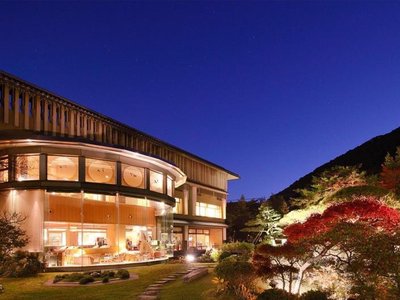
Shikisai Ichiriki
Sado Resort Hotel Azuma
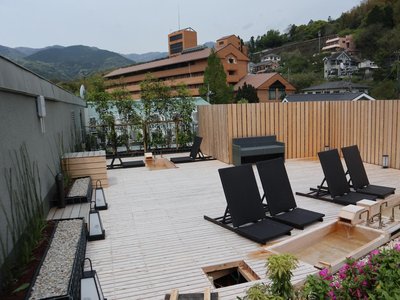
Fukiya Ryokan
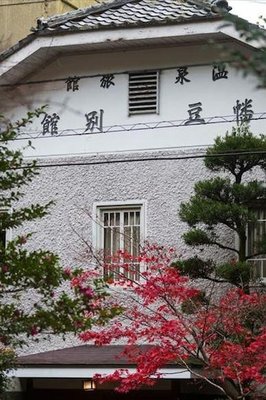
Oku-Mikawa・Yuya Onsen HAZU Bekkan
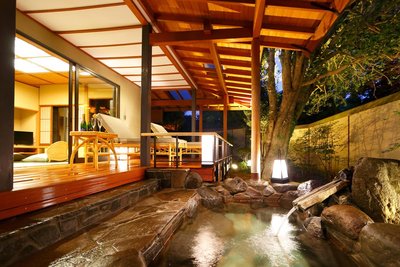
Yoshiharu Ryokan – Izu Nagaoka Onsen
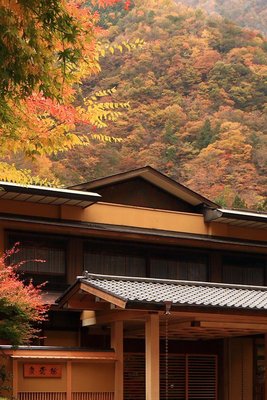
Nishiyama Onsen Keiunkan
Bellustar Tokyo, A Pan Pacific Hotel
JW Marriott Hotel Tokyo
Andaz Tokyo Toranomon Hills- A Concept by Hyatt
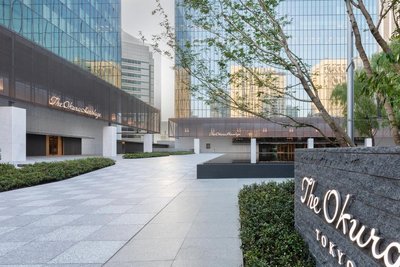
The Okura Tokyo
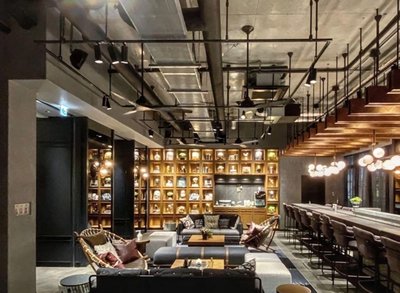
The Lively Azabujuban Tokyo
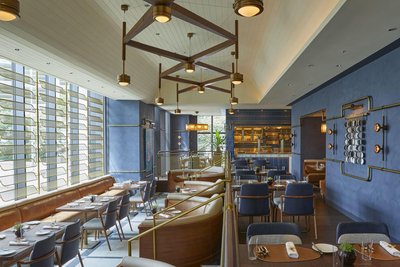
Kimpton Shinjuku Tokyo

HOTEL K5
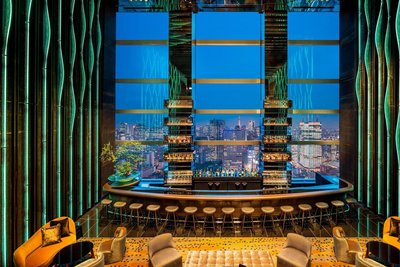
The Prince Gallery Tokyo Kioicho, a Luxury Collection Hotel
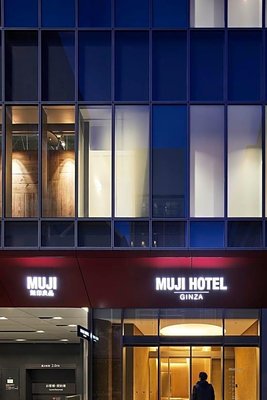
Muji Hotel Ginza
Hakone Gora Byakudan
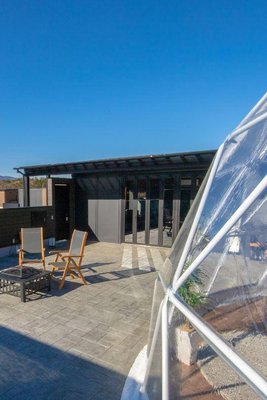
Panoramic Mt. Fuji Views from All Rooms – Vision Glamping Resort & Spa Yamanakako
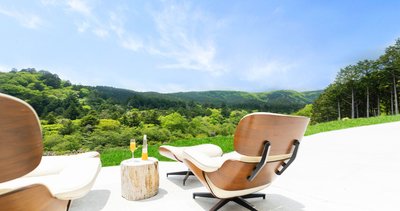
Shelter Garden Nikko
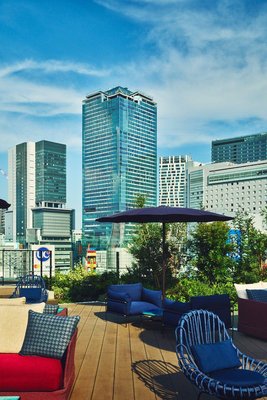
Hotel Indigo Tokyo Shibuya
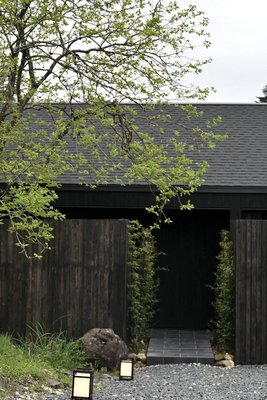
THE LAKOTAN
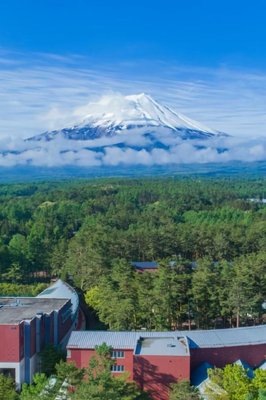
Forest Village (Fuji Premium Resort)
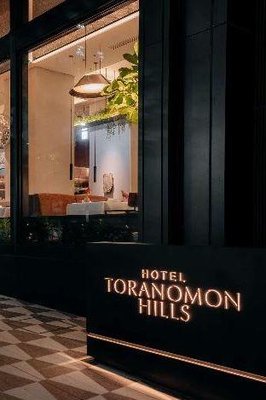
Hotel Toranomon Hills
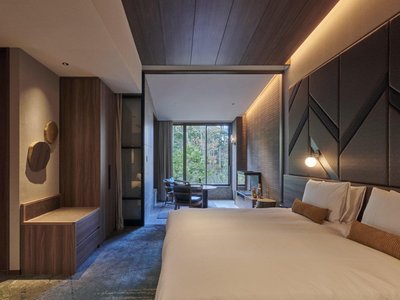
Fufu Kyu-Karuizawa Restful Forest
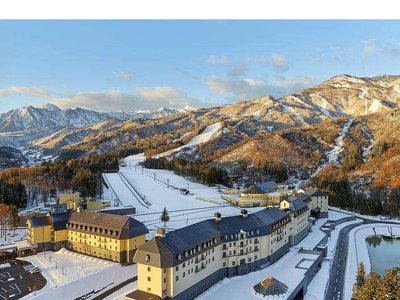
Lotte Arai Resort
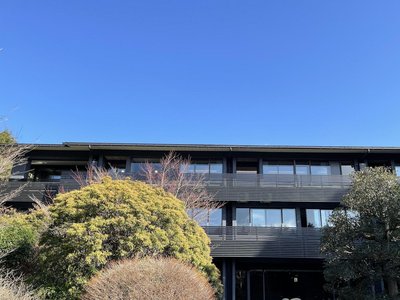
Sengokubara Cocon
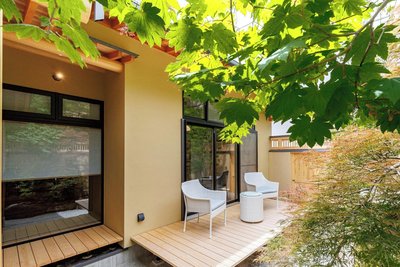
Shoraiso
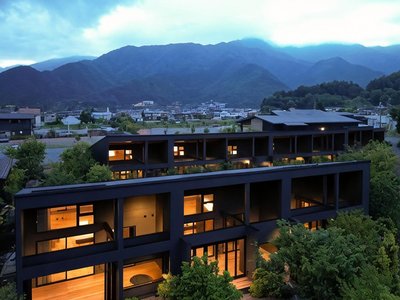
7C Villa and Winery
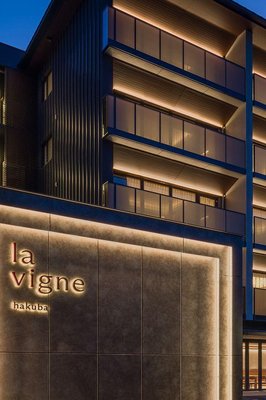
Hotel la Vigne Hakuba by Onko Chishin
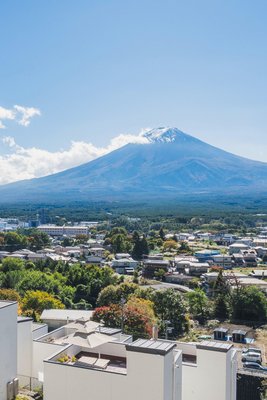
THE TOKI FujiKawaguchiko
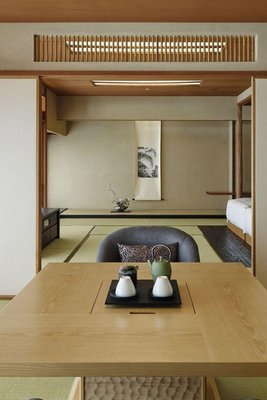
Takanawa Hanakohro (in Grand Prince Hotel Takanawa)
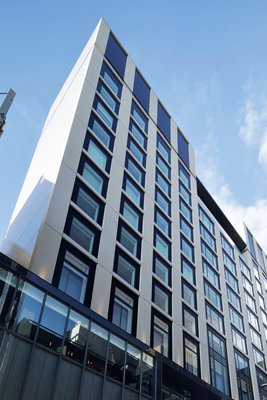
Hyatt Centric Ginza Tokyo
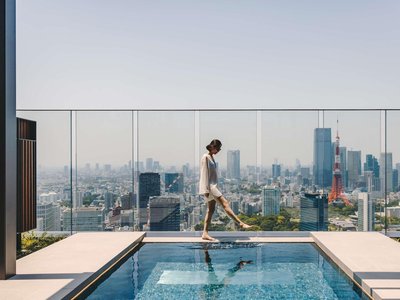
Fairmont Tokyo
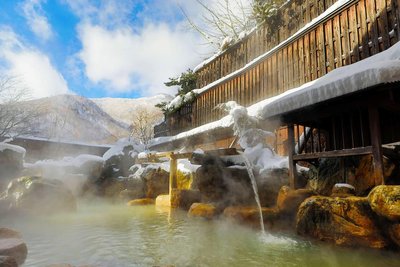
Miyamaouanbekkan yumegurinoyado hirayukan
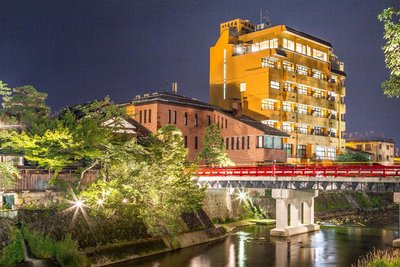
HONJIN HIRANOYA BEKKAN
The Prince Karuizawa
Bvlgari Hotel Tokyo
Four Seasons Hotel Tokyo at Marunouchi
Mandarin Oriental, Tokyo
The Ritz-Carlton, Tokyo
Andaz Tokyo Toranomon Hills- A Concept by Hyatt
Gora Kadan
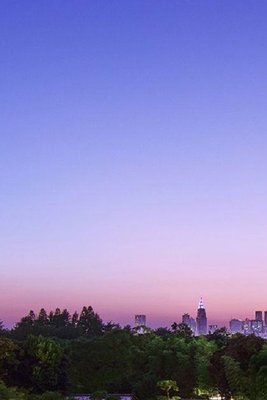
Hotel New Otani Tokyo the Main
Aman Tokyo
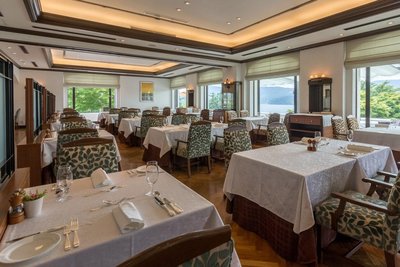
Odakyu Hotel de Yama
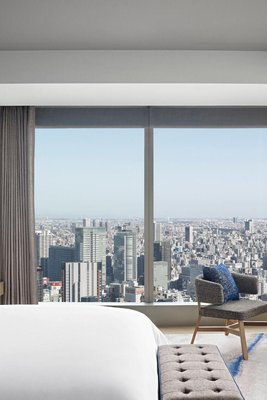
Four Seasons Hotel Tokyo at Otemachi
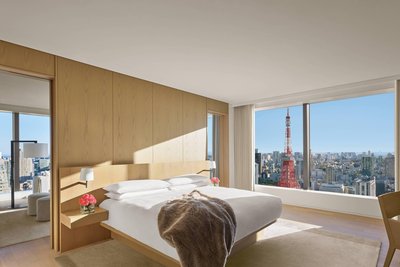
The Tokyo Edition, Toranomon
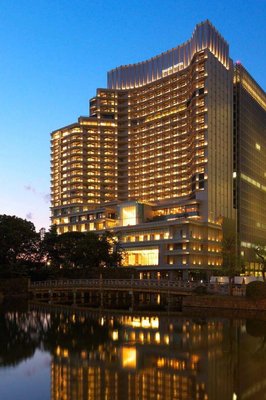
Palace Hotel Tokyo
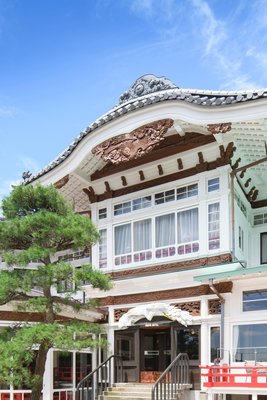
Fujiya Hotel
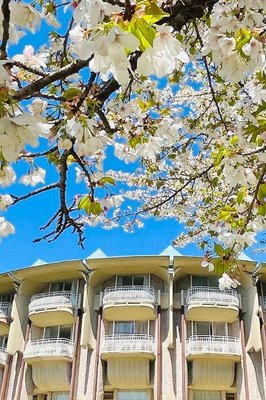
The Prince Hakone Lake Ashinoko
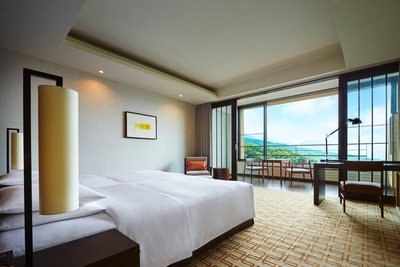
Hyatt Regency Hakone Resort and Spa
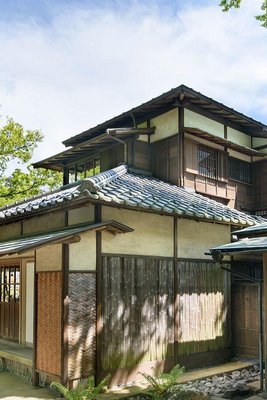
Hakone Suishoen
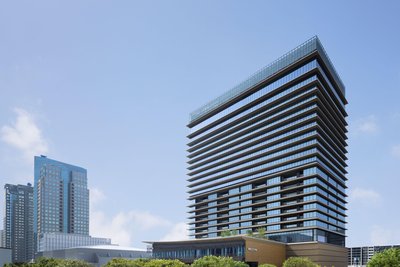
The Westin Yokohama
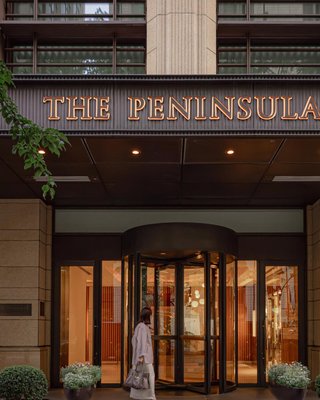
The Peninsula Tokyo

Imperial Hotel, Tokyo

Rakuten STAY VILLA Nasu
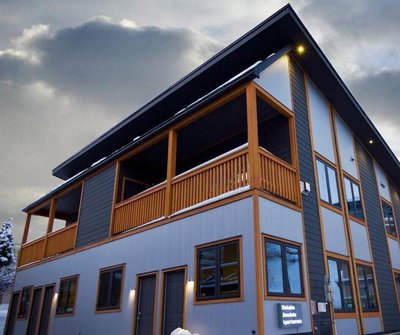
Hakuba Gondola Apartments
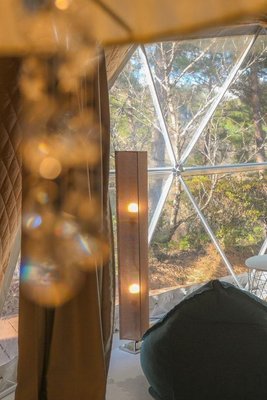
glampark Gekkabijin Nagano
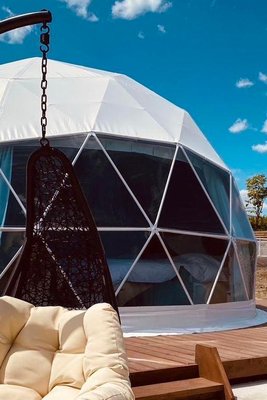
chillout glamping zao
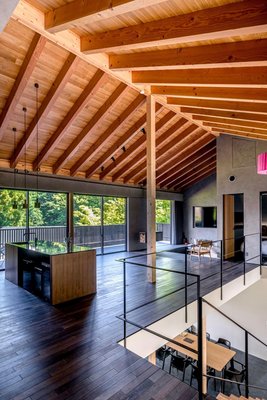
MONS GORA

Phoenix Chalets by Hhg
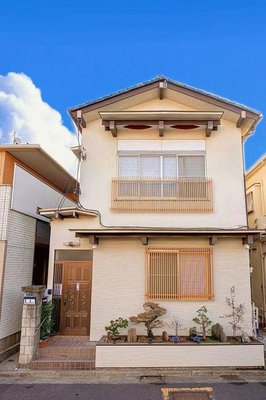
Tokyo Star House-Shinkoiwa
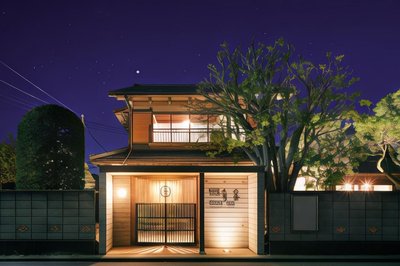
Machi-Jyu
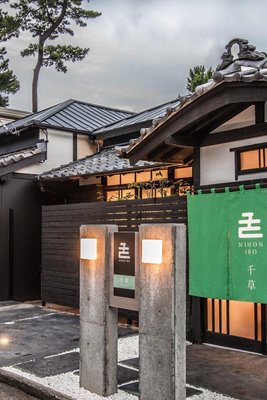
Nihon Iro
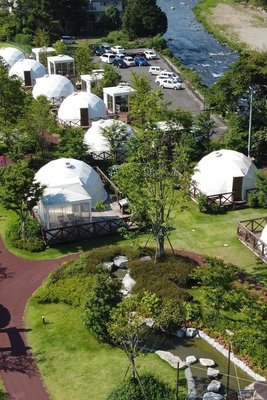
Ufufu Village
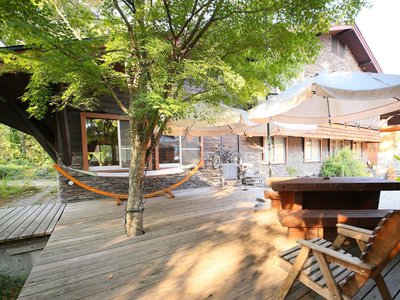
Kunugi Relaxation with 4 Modern Rooms
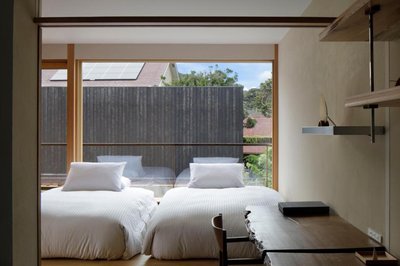
Modern Ryokan Kishi-ke

Petals Tokyo - Floating Hotel
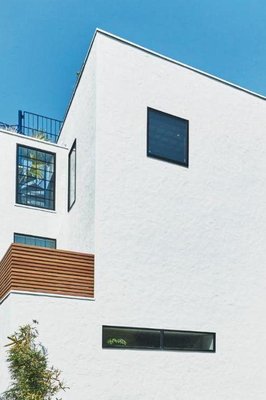
The Flow Kamakura
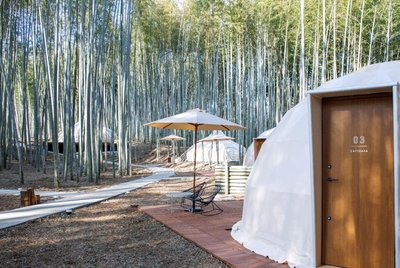
THE BAMBOO FOREST
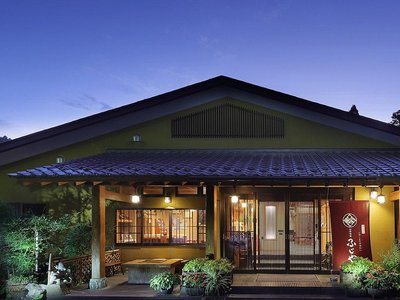
Shikimitei Fujiya
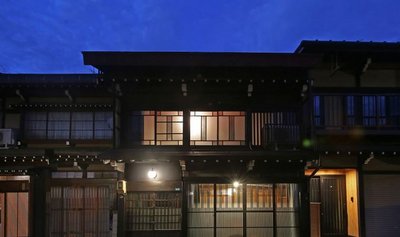
Iori Stay Hida

Hotel Barrière Fouquet's New York
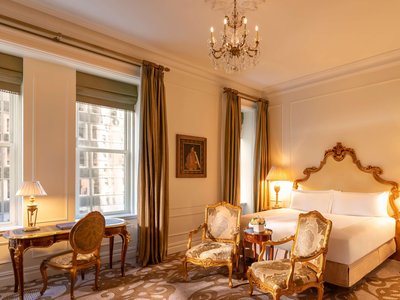
The Plaza - A Fairmont Managed Hotel
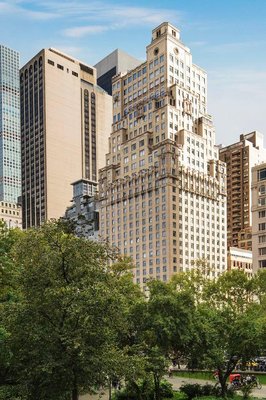
The Ritz-Carlton New York, Central Park
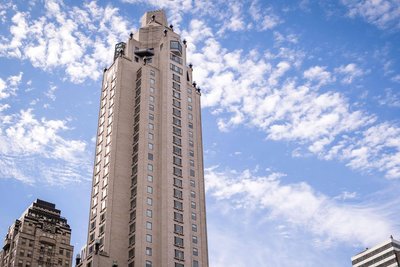
Four Seasons Hotel New York
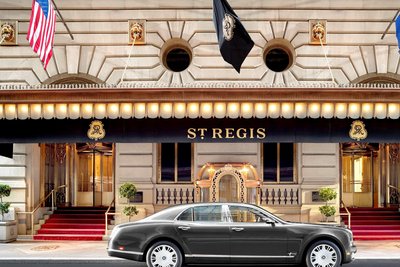
The St. Regis New York
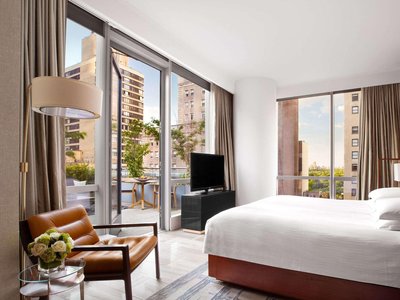
Park Hyatt New York
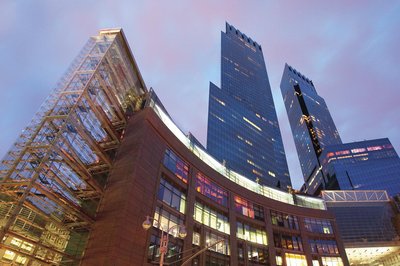
Mandarin Oriental New York
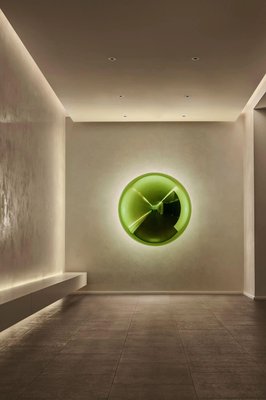
Times Square Edition New York

Loews Regency New York Hotel
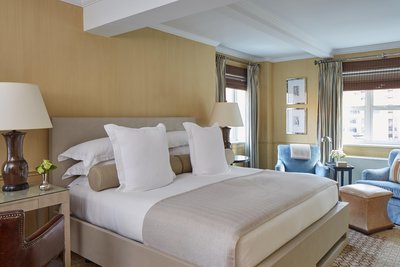
Lowell Hotel
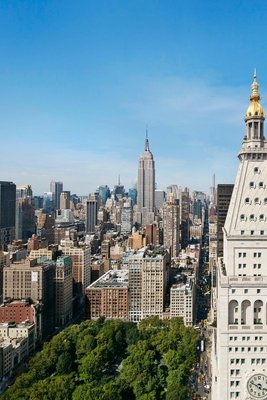
New York Edition
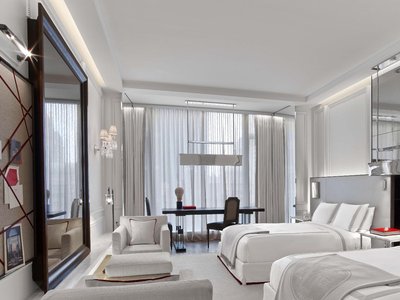
Baccarat Hotel New York
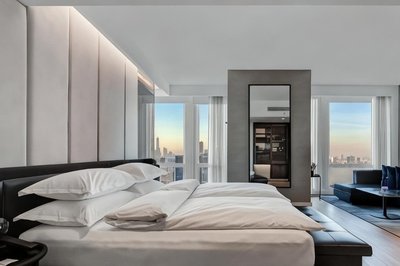
Equinox Hotel New York

Four Seasons Hotel New York Downtown
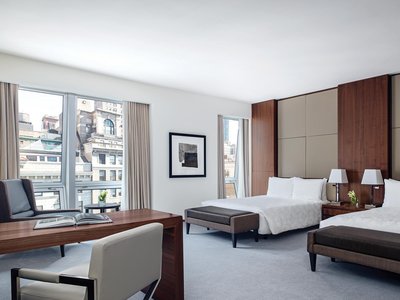
The Langham, New York, Fifth Avenue

The Carlyle, A Rosewood Hotel

The Chatwal, in the Unbound Collection by Hyatt
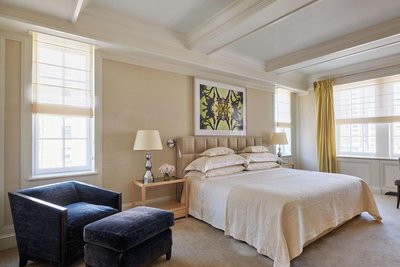
The Mark New York
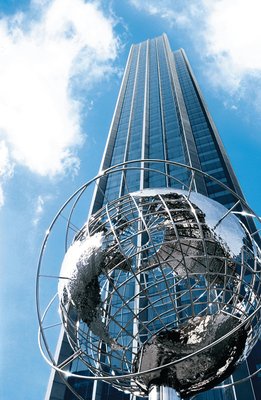
Trump International Hotel & Tower® New York
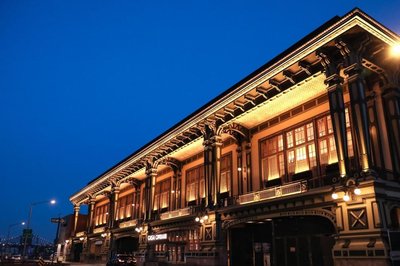
Casa Cipriani New York
Frequently Asked Questions about Traveling to Ryūgasaki
Questions You Might Need to Know About Traveling to Ryūgasaki
For a peaceful countryside retreat in Ryukashi City, consider staying at Rinku Riverside Cottage, a beautifully restored traditional Japanese farmhouse nestled along the Rinku River. This eco-friendly guesthouse offers wooden interiors, a private garden, and a kaiseki-style breakfast using local ingredients. The serene surroundings make it ideal for nature lovers and those seeking digital detox. Located just 10 minutes from Ryukashi Station, it’s accessible yet far removed from urban noise.
Alternatively, Ryukashi Grand Hotel provides a more modern option with spacious rooms, free parking, and direct access to Ryukashi Park and the Ryukashi Art Museum. Both properties offer guided farm-to-table experiences and seasonal events like rice planting workshops. HopeGoo in advance is recommended, especially during cherry blossom season or autumn foliage periods.
The best area for first-time visitors to Ryukashi City is the central district around Ryukashi Station. This compact zone combines convenience, accessibility, and cultural charm. Major attractions such as Ryukashi Park, Ryukashi Municipal Art Museum, and Ryukashi Shrine are within a 10-minute walk. The station area also hosts local markets, cafés, and souvenir shops offering authentic Ibaraki prefecture products like black bean sweets and river fish snacks.
Staying at Ryukashi Grand Hotel here ensures easy access to public transport, including frequent Tōbu Railway services to Tokyo (approx. 75 minutes). The hotel provides multilingual staff and free Wi-Fi, making it ideal for international travelers. Evening strolls along the Rinku River promenade reveal illuminated lanterns and traditional architecture—perfect for capturing photos and experiencing local ambiance.
Ryukashi City hosts several distinctive festivals throughout the year. The most famous is the Ryukashi Festival held every August, featuring traditional taiko drumming, lantern processions, and a vibrant street food market offering local delicacies like grilled eel rice and river shrimp tempura.
In spring, the Cherry Blossom Festival at Ryukashi Park transforms the area into a pink paradise, with thousands of sakura trees lining the Rinku River. Visitors can enjoy night illuminations, outdoor performances, and photo booths shaped like traditional torii gates.
During autumn, the Harvest Moon Festival celebrates Ibaraki’s agricultural heritage with rice paddy walks, folk dances, and exhibitions of handmade crafts from local artisans. These events are often coordinated with Ryukashi Grand Hotel, which offers festival packages including transportation, meals, and guided tours—ideal for immersive cultural experiences.
To experience authentic Ryukashi City cuisine, visit Ryukashi Market near the train station, where vendors serve fresh Rinku River eel sushi and river shrimp tempura. For a deeper culinary journey, book a Farm-to-Table Experience at a local family-run farm, where you’ll participate in rice harvesting and then enjoy a homemade meal featuring organic vegetables, fermented soy, and locally brewed sake.
The Ryukashi Grand Hotel’s Onsen Dining Hall offers a seasonal menu highlighting regional specialties: try the Black Bean Rice Bowl, made with non-GMO beans from nearby farms, and the Miso-Grilled Eel Platter, a signature dish that blends sweetness and umami. Vegetarian options are available upon request. For dessert, don’t miss the Ibaraki Milk Cake, a light, creamy treat popular since the 1950s.
Many restaurants accept credit cards and provide English menus, ensuring a welcoming atmosphere for international guests.
Yes, Ryukashi City is highly suitable for families with children. The city offers numerous child-friendly attractions, including Ryukashi Park, which features a playground, petting zoo, and interactive science museum for kids. Nearby, Ryukashi Grand Hotel provides family suites, baby cots, and a dedicated children’s activity room with games and storytelling sessions.
The annual Ryukashi Festival includes special events for children, such as mask-making workshops, traditional dance performances, and a fireworks display. Parents can also join hands-on experiences like rice planting or bamboo weaving classes designed for all ages.
With clean streets, safe sidewalks, and free parking at major hotels, traveling with kids is stress-free. Many local eateries offer kid-sized portions and high chairs. The city’s low population density and peaceful environment make it an ideal destination for a relaxing, enriching family vacation.
The most efficient way to travel from Tokyo to Ryukashi City is by taking the Tōbu Railway Line from Asakusa Station or Tokyo Station directly to Ryukashi Station, with trains running every 30 minutes and a journey time of approximately 75 minutes. The route passes through scenic rural landscapes, offering views of rice fields and forests.
From the station, it’s a 5-minute walk to Ryukashi Grand Hotel or a short bus ride to other attractions. Alternatively, driving via the Tōhoku Expressway takes about 80 minutes, with the Ryukashi IC Exit leading straight to the city center. The hotel provides free parking and shuttle service to the station.
For convenience, some tour operators offer bundled packages including round-trip rail tickets, hotel stays, and entry to local festivals—ideal for travelers who prefer a hassle-free itinerary.
Must-visit cultural landmarks in Ryukashi City include:
-
Ryukashi Shrine: A historic Shinto shrine dating back to the Edo period, known for its red torii gate and stone lanterns. It hosts seasonal rituals like the Spring Festival and Autumn Harvest Ceremony.
-
Ryukashi Municipal Art Museum: Showcasing contemporary works from Kanto region artists, with rotating exhibitions on traditional crafts and modern installations.
-
Rinku River Heritage Trail: A preserved stretch of old stone embankments and ancient bridges, once part of a vital river transport route. Interpretive signs explain its historical significance.
-
Local Craft Villages: Areas near Ryukashi Park where artisans demonstrate bamboo weaving, lacquerware, and pottery-making. Visitors can even try their hand at creating a small piece.
These sites are easily accessible from Ryukashi Grand Hotel, which offers guided walking tours and audio guides in multiple languages, enhancing the cultural immersion experience.
The night view in Ryukashi City is particularly special due to the Rinku River Illumination Festival, held annually from late summer to early autumn. Thousands of paper lanterns line the riverbanks, casting warm golden reflections on the water, creating a dreamlike atmosphere perfect for romantic strolls.
The Ryukashi Grand Hotel’s rooftop terrace offers panoramic views of the glowing river and city lights, while the Ryukashi Shrine is lit up with traditional paper lanterns during festivals, adding a spiritual touch to the scenery.
For a quieter experience, Rinku Riverside Cottage offers a secluded night view with minimal light pollution, allowing guests to see stars clearly. Some evenings feature live acoustic music by local musicians near the riverbank, blending nature and culture under the moonlight.
The combination of natural beauty, traditional lighting, and peaceful ambiance makes Ryukashi’s night scene one of the most memorable aspects of a visit.
Top photography spots in Ryukashi City include:
-
Ryukashi Park Cherry Blossom Path: During spring, the thousand cherry trees along the river create a stunning tunnel of pink blossoms—ideal for portrait and landscape shots.
-
Rinku River Lantern Corridor: At night, the illuminated lanterns reflect on the water, forming a mirror-like effect perfect for long-exposure photography.
-
Ryukashi Shrine Torii Gate: Framed by greenery and morning mist, this iconic red gate offers dramatic contrast and depth in photos.
-
Art Museum Exterior Mural: A large-scale mural painted by local artists, combining abstract patterns with traditional motifs—great for creative and social media content.
-
Ryukashi Grand Hotel Garden: Featuring a Zen-inspired rock garden and bamboo grove, it’s perfect for minimalist and meditative-style images.
Many locations are accessible within a 10-minute walk from central hotels. Early morning or golden hour lighting yields the best results. Bring a tripod for night scenes, and check event schedules to capture festivals in full swing.
Yes, Ryukashi City offers excellent outdoor activities for nature lovers. The Rinku River Cycling Route stretches over 10 kilometers along the riverbank, passing through rice paddies, wetlands, and forest trails—perfect for biking, birdwatching, or leisurely walks.
Near Ryukashi Park, visitors can rent kayaks or paddleboards to explore the calm waters of the Rinku River, with opportunities to spot herons, kingfishers, and even otters.
For hiking, the Hinokawa Forest Trail offers a moderate 2-kilometer loop through native cedar and maple trees, ending at a scenic overlook with views of the surrounding countryside.
Many local farms host seasonal programs like rice planting, harvesting, and organic farming workshops, allowing visitors to connect deeply with the land. Staying at Ryukashi Grand Hotel or Rinku Riverside Cottage grants access to guided nature tours, wildlife spotting sessions, and even stargazing nights under clear skies—ideal for eco-conscious travelers.
Ryūgasaki Overview
City Summary
Ryugasaki City, located in the southern part of Ibaraki Prefecture, Japan, is a tranquil city that blends tradition and nature. Known for its agriculture, especially rice and vegetable cultivation, the city also boasts abundant hot spring resources. Ryugasaki's natural scenery is stunning, with distinct seasons—cherry blossoms in spring and vibrant foliage in autumn—making it an ideal escape from urban hustle.
Must-See Attractions
Key attractions in Ryugasaki include Ryugasaki Onsen, renowned for its high-quality hot springs perfect for relaxation. The Ryugasaki Historical and Folk Museum offers insights into local history and culture. Additionally, Ryugasaki City Park is a prime spot for cherry blossom and autumn leaf viewing, featuring walking trails and playgrounds.
Food Guide
Ryugasaki's cuisine highlights local produce, such as Ryugasaki rice used in onigiri and sushi. Ibaraki's famous natto is a must-try. Street snacks like roasted sweet potatoes and soy sauce dumplings are also popular.
Transportation Guide
Transportation in Ryugasaki relies mainly on buses and taxis. From Tokyo, take the JR Joban Line to Tsuchiura Station, then transfer to a bus to Ryugasaki. Bus schedules are limited, so check timetables in advance. Renting a car is another convenient option for exploring nearby areas.
Best Time to Visit
The best time to visit is spring (March-May) and autumn (September-November), when the weather is pleasant and scenery breathtaking. Summers are hot, while winters are cold but ideal for hot spring visits.
Travel Tips
- Etiquette: Wash thoroughly before entering hot springs.
- Safety: Rural roads have limited lighting; be cautious at night.
- Payment: Some small shops accept cash only; carry sufficient yen.
- Language: English is not widely spoken; use translation apps.
- Internet: Free Wi-Fi is available in the city center but spotty in rural areas.
- Eco-friendliness: Strict garbage sorting rules; follow local guidelines.
Useful Information
Language: Japanese is primary; English is limited. Internet: Free Wi-Fi in urban areas; consider a local SIM card. Payment: Credit cards accepted at major stores; cash is more common. Emergency: Ryugasaki City Hospital provides urgent care; travel insurance is recommended. Voltage: 100V, two-flat-pin plugs.