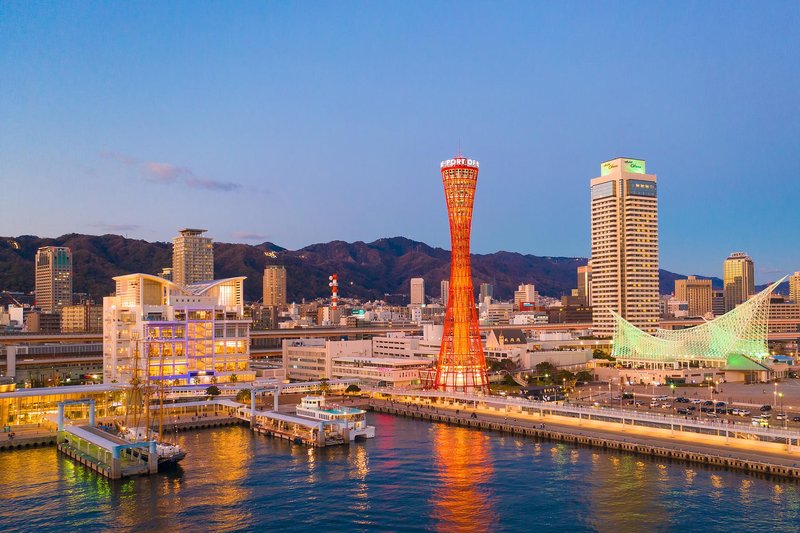
Hotels in Sōja
Discover your perfect stay in Sōja.
Sōja(Japan) Travel 2026: Cheap Flights, Hotels & Top Attractions
Popular Landmarks in Sōja
Discover the most iconic attractions in Sōja
Recommended Hotels in Sōja
Find the perfect place to stay in Sōja
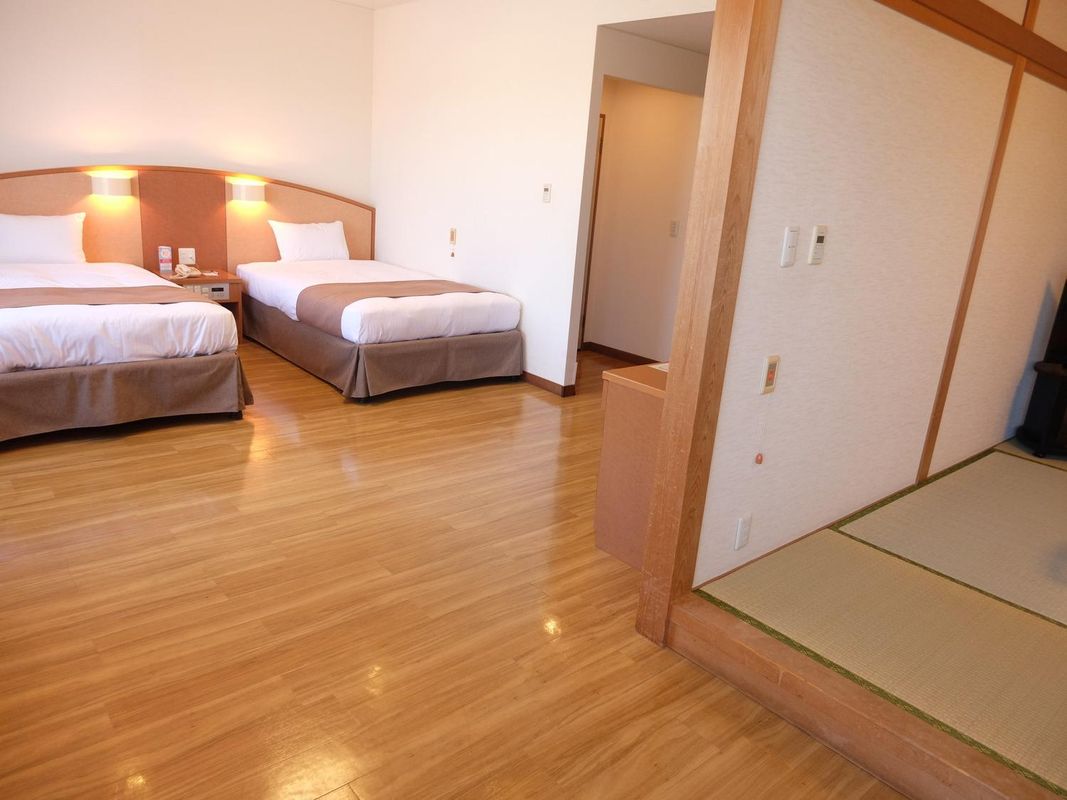
City-Operated HotelSunroad Kibiji
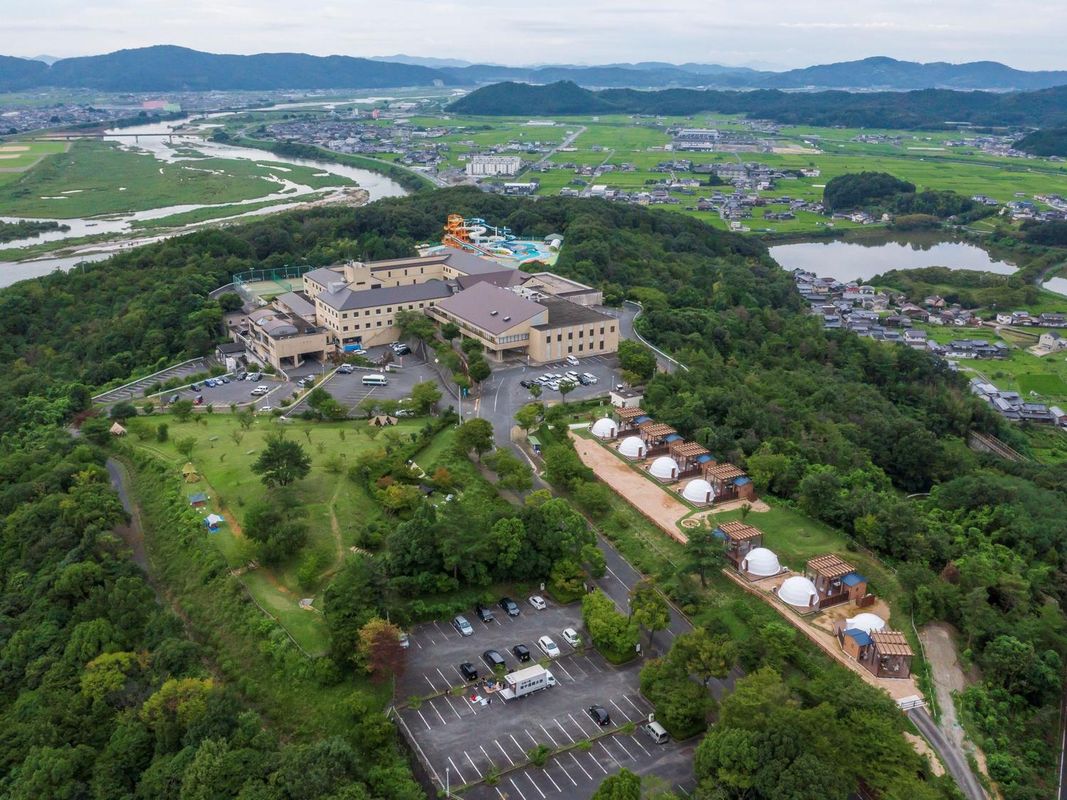
Suntopia Okayama Soja
Best Hotels in Sōja
Discover curated hotel collections in Sōja

Shima Kanko Hotel the Bay Suites
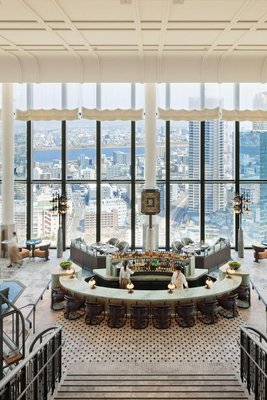
Waldorf Astoria Osaka
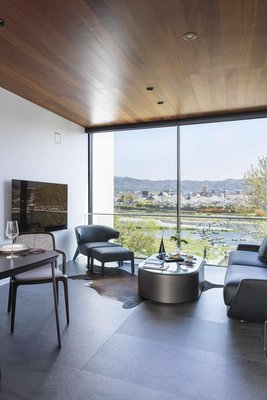
Kamo Residences by Reflections
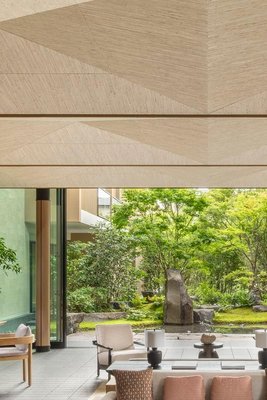
Six Senses Kyoto
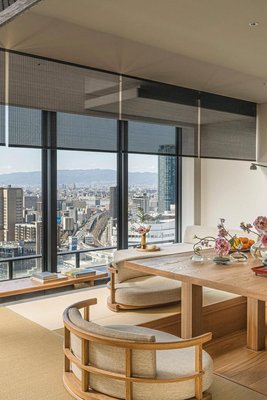
Four Seasons Hotel Osaka
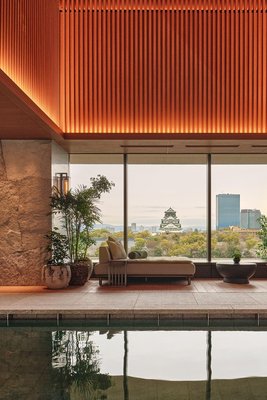
Patina Osaka
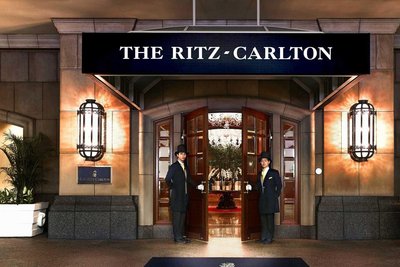
The Ritz-Carlton, Osaka
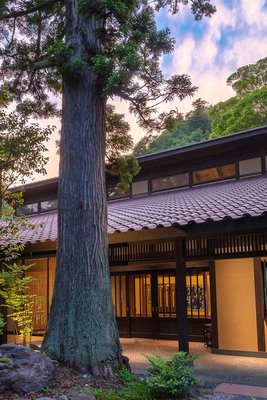
Arimasansoh Goshobessho
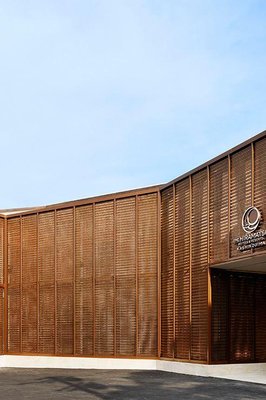
The Hiramatsu Hotels & Resorts Kashikojima
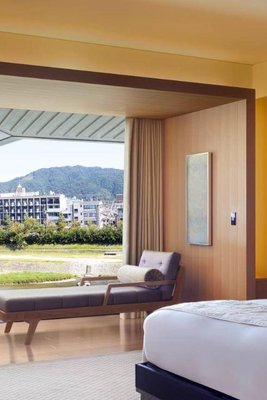
The Ritz-Carlton, Kyoto
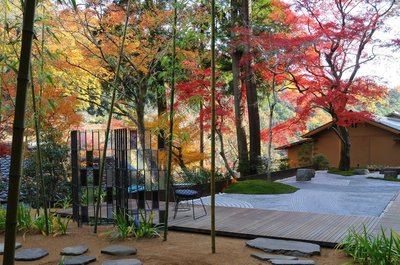
HOSHINOYA Kyoto
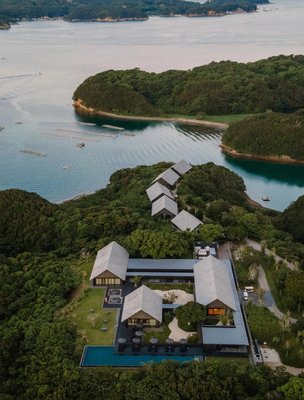
Amanemu
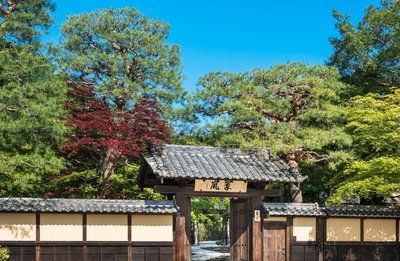
Suiran, a Luxury Collection Hotel, Kyoto
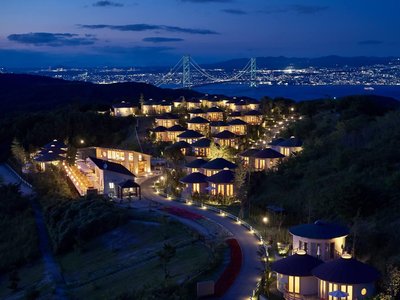
Grand Chariot Hokutoshichisei 135°
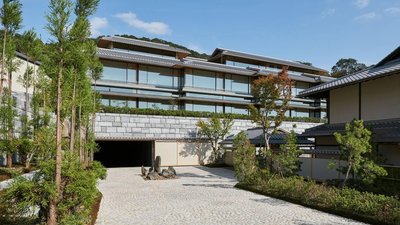
Park Hyatt Kyoto
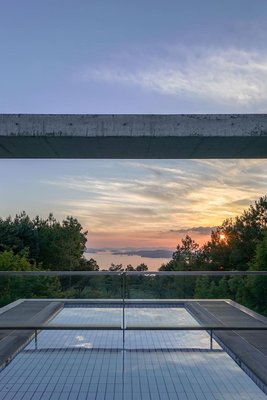
SETOUCHI RETREAT by Onko Chishin
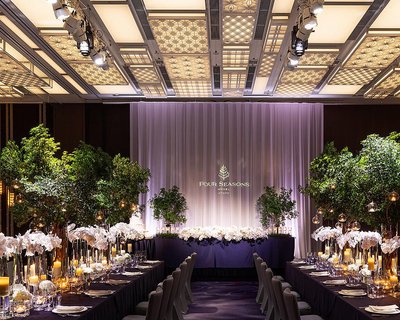
Four Seasons Hotel Kyoto
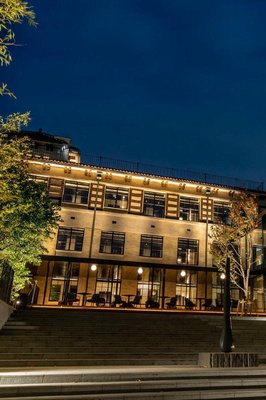
The Hotel Seiryu Kyoto Kiyomizu - a Member of the Leading Hotels of the World-
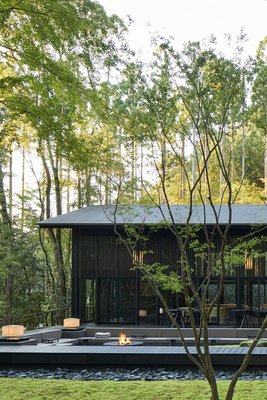
Aman Kyoto
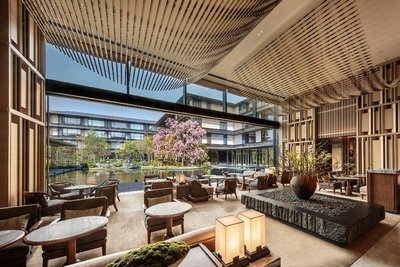
Hotel the Mitsui Kyoto, a Luxury Collection Hotel & Spa
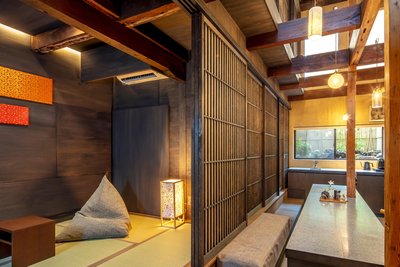
Kyo No Oozora Kihana
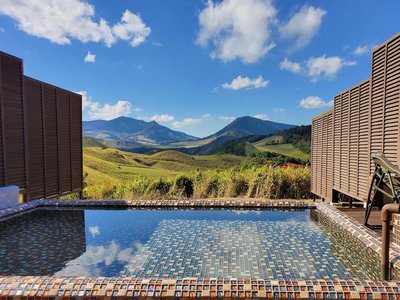
Grand Verde Resort
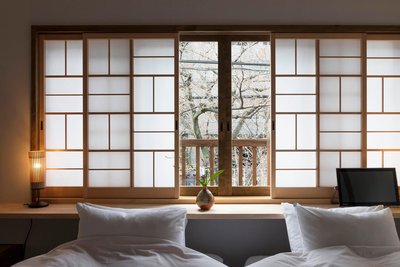
Hanagoromo Machiya House
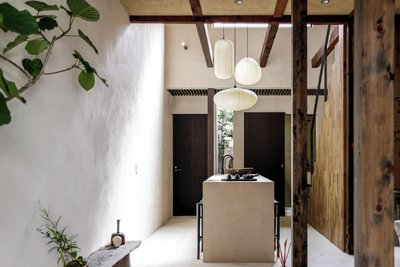
Maana Kiyomizu
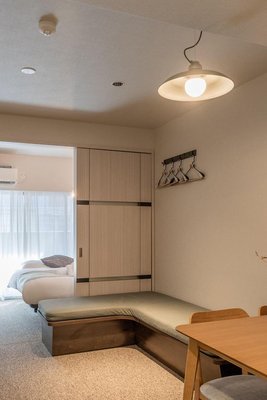
Apartment Hotel 11 Shinsaibashi
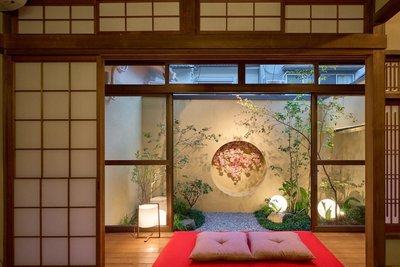
KONJAKUSO Osaka Tengachaya "NIHONCHA" Tea & Relax
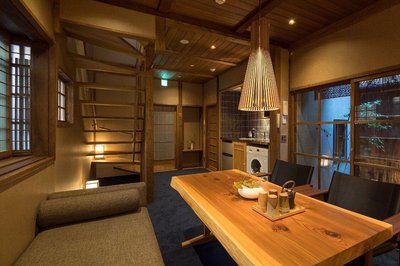
Bonbori an Machiya House
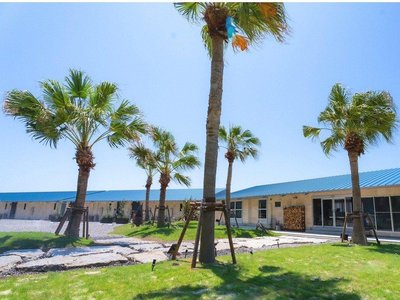
Glamping&Resort Wood Design Park Noma
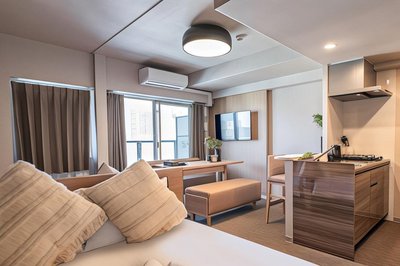
Apartment Hotel 11 Shinsaibashi III
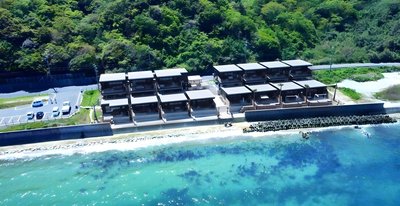
Solavilla Umi Terrace Minamiawaji
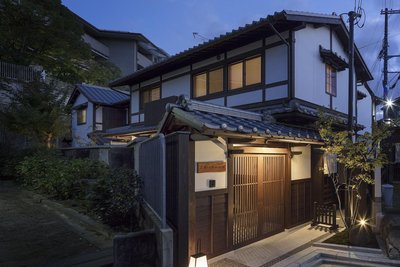
The Machiya Villa Sanjo Shirakawa Koji
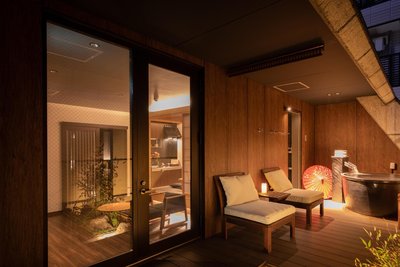
Konjaku-So Dotonbori
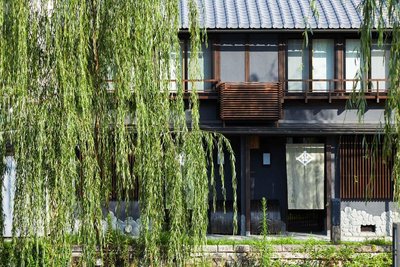
Gion Shirakawa No Yado

Kitashirakawa Natural Radium Onsen
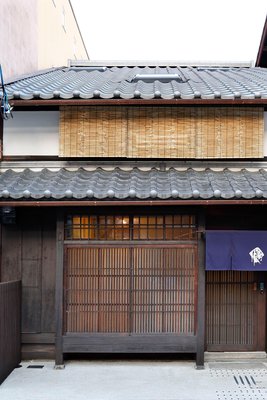
Kyo No Ondokoro Kamanza Nijo #2
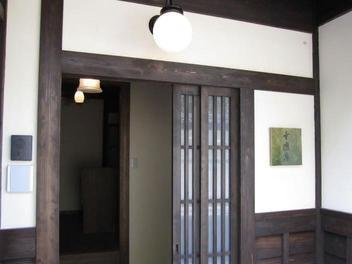
Gion Koyu an Machiya House
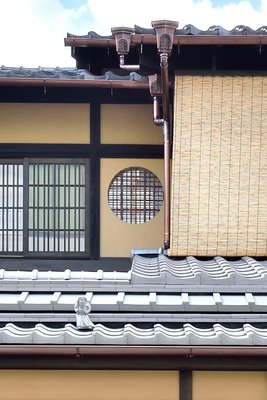
Kyo No Ondokoro Gokomachi Ebisugawa #3
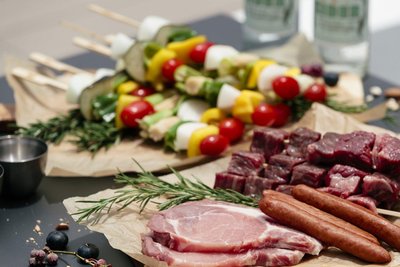
Sana Mane - Glamp Domes
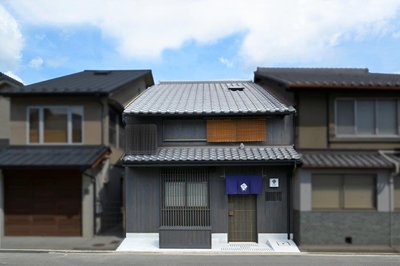
Kyo No Ondokoro Goshonishi #6
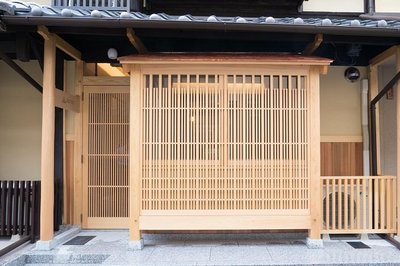
Kyomachiya Suite Rikyu
Frequently Asked Questions about Traveling to Sōja
Questions You Might Need to Know About Traveling to Sōja
In Soja City, the best hotel offering authentic Japanese ambiance is Soja Kaiseki Ryokan, located near Kongo-ji Temple and surrounded by quiet streets. This boutique ryokan features tatami rooms, kaiseki dining, and a private onsen with mountain views. Guests can participate in seasonal events like cherry blossom viewing or autumn leaf walks. The staff provides personalized service, including kimono rental and guided tours to nearby historical sites such as Soja Castle Ruins Park. It’s ideal for travelers seeking cultural immersion and tranquility in Okayama Prefecture.
The most convenient area for hotel stays in Soja City is the central business district around Soja Station, where major accommodations like Hotel Sunroute Plaza Soja and East Japan Hotel Soja are located. These hotels offer easy access to local shops, restaurants, and public transit. The area is also close to Soja Castle Ruins Park and Kōmyō-ji Temple, making it perfect for day-trippers. Many hotels provide free Wi-Fi, breakfast buffets, and luggage storage. With reliable train connections to Okayama and Hiroshima, this district is ideal for both business and leisure travelers.
Must-do cultural experiences in Soja City include attending the Soja Gion Festival, held annually in summer, featuring elaborate floats and traditional drum performances. Visitors can also join a tea ceremony workshop at a local ryokan or explore Kongo-ji Temple, a historic Buddhist site with centuries-old architecture. The Soja Castle Ruins Park offers panoramic views and insight into feudal-era life. Some hotels even offer "kimono tour packages" that include guided walks through old town alleys, allowing guests to experience authentic rural Okayama culture firsthand.
Yes, Soja City has several family-friendly hotels, notably ANA Crowne Plaza Soja, which features a kids' playroom, connecting rooms, and child-friendly meals. Located near Soja Castle Ruins Park and Okayama Prefectural Museum of Nature, it’s perfect for parents and children. The hotel hosts monthly family workshops such as washi paper crafting and bamboo basket weaving, introducing kids to traditional Japanese arts. Complimentary shuttle buses and stroller rentals make travel easier, ensuring a stress-free trip for families exploring western Okayama.
To enjoy authentic local cuisine in Soja City, visit Kibitsu Mochi Shop near Soja Station for freshly made Kibitsu Mochi, a sweet rice cake with red bean paste. For savory dishes, head to Kamogawa Sushiya, known for its Kamogawa Eel Rice Bowl, served with rich soy glaze. The Old Town Soja district houses century-old eateries like Mikiya Cuisine, serving regional kaiseki meals using locally sourced ingredients. Several hotels also offer "local food walking tours" with expert guides who reveal hidden gems and family recipes passed down through generations.
At night, visitors can enjoy the Soja Castle Ruins Park Night Illumination, where ancient stone walls are lit up in colorful patterns every Friday and holiday. The Soja Station Front Plaza often hosts live music and small night markets. For a peaceful evening, stay at a hot spring ryokan with an open-air onsen, where you can soak under the stars. Some hotels offer moonlight river walks along the Kamogawa River, creating a serene atmosphere perfect for reflection and relaxation in the heart of rural Okayama Prefecture.
Top photography spots in Soja City include Soja Castle Ruins Park during cherry blossom season, where pink blooms contrast with ancient stone walls. Kongo-ji Temple's main hall and its thousand-year-old wooden gates offer dramatic architectural shots. The Kamogawa Riverbank at sunset provides stunning reflections and silhouetted bridges. Some hotels, like East Japan Hotel Soja, offer "photo tour packages" led by local photographers, guiding guests to lesser-known viewpoints and capturing authentic moments of daily life in the city’s quiet neighborhoods.
For a two-day stay in Soja City, start by checking into Soja Kaiseki Ryokan upon arrival. On Day 1, visit Soja Castle Ruins Park, explore Kongo-ji Temple, then enjoy dinner at Kibitsu Mochi Shop. On Day 2, attend a tea ceremony workshop, tour the Okayama Prefectural Museum of Nature, and take a bike ride along the Kamogawa River. Many hotels provide curated "local experience bundles" including transportation, tickets, and guided tours, making your trip seamless and enriching.
Yes, Soja City is well-connected via JR West's San'yō Main Line, with Soja Station offering direct trains to Okayama (15 minutes) and Hiroshima (45 minutes). Free shuttle buses link major attractions and hotels. The city also provides bike rental services for exploring scenic routes along the Kamogawa River. Most recommended hotels offer airport transfer options and luggage storage, ensuring smooth travel for both domestic and international visitors.
Solo travelers in Soja City can enjoy a one-person meditation retreat at Soja Castle Ruins Park’s Quiet Pavilion or participate in a single-person Zen session at Dai-an-ji Temple. Boutique guesthouses like Soja Wafu Bijin offer "solo room" packages with private dinners using local ingredients. Some hotels run a city mystery hunt where participants solve clues across old town alleys, combining adventure and self-discovery. These experiences promote mindfulness, cultural connection, and personal growth in a peaceful rural setting.
Sōja Overview
City Summary
Soja City, located in central Okayama Prefecture, Japan, is a tranquil destination blending historical heritage with natural beauty. Renowned for its Kibi culture, the city preserves ancient sites like Soja Shrine and archaeological remains. Surrounded by rural landscapes and hot springs, it offers an ideal escape from urban bustle.
Must-See Attractions
Key attractions include Soja Shrine (dedicated to the guardian deity of Kibi region) and Kinojo Castle (an ancient mountain fortress). The Kibiji Cycling Road allows leisurely exploration of countryside views, while nearby Mount Washu provides panoramic vistas of Seto Inland Sea. History enthusiasts can visit Kibitsu Historical Museum for deeper insights.
Food Guide
Soja's cuisine reflects Okayama's flavors—try Okayama white peaches and Seto Inland seafood. Local specialties include Kibi dango (sticky rice dumplings) and Kurashiki beef steak (using premium Wagyu). Street vendors offer oden and soy-glazed dango, perfect for quick bites.
Transportation Guide
Accessible via JR Hakubi Line from Okayama Station (30 mins). Inner-city travel relies on buses and taxis, but renting bicycles or cars is recommended due to scattered attractions. Reaching Mount Washu requires bus transfers; allocate half a day.
Pro Tip: The "Okayama-Kagawa Area Pass" saves transport costs, with some sites offering English signage.
Best Time to Visit
Best seasons are spring (March-May) and autumn (September-November) for mild weather and fewer crowds. Summers are hot/humid; winters may see snow but enhance onsen experiences. Avoid Golden Week (late April-May) for lighter tourism.
Travel Tips
- Cash is king: Small shops often accept only JPY; carry sufficient notes.
- Cycling etiquette: Ride on the left side and park without obstructing paths.
- Onsen manners: Wash thoroughly before entering communal baths; swimwear is prohibited.
- Shrine protocol: At Soja Shrine, toss a coin, then bow twice-clap twice-bow once.
- Language barrier: Prepare translation apps; English is limited in rural areas.
- Waste disposal: Strict trash sorting required; convenience stores usually have bins.
Useful Information
Language: Japanese dominant; tourist centers offer basic English. Internet: Free Wi-Fi in central areas; SIM cards or portable Wi-Fi recommended. Payments: Cards accepted at major venues, but cash is safer. Post office ATMs support international cards. Emergencies: Soja Municipal Hospital handles basic care; dial 119 for urgent aid. Safety: Low crime, but remote areas lack nighttime lighting—travel in groups. Voltage: 100V, Type A plugs; check device compatibility.