Hotels in Sōja
Discover your perfect stay in Sōja.
Sōja(Japan) Travel 2026: Cheap Flights, Hotels & Top Attractions
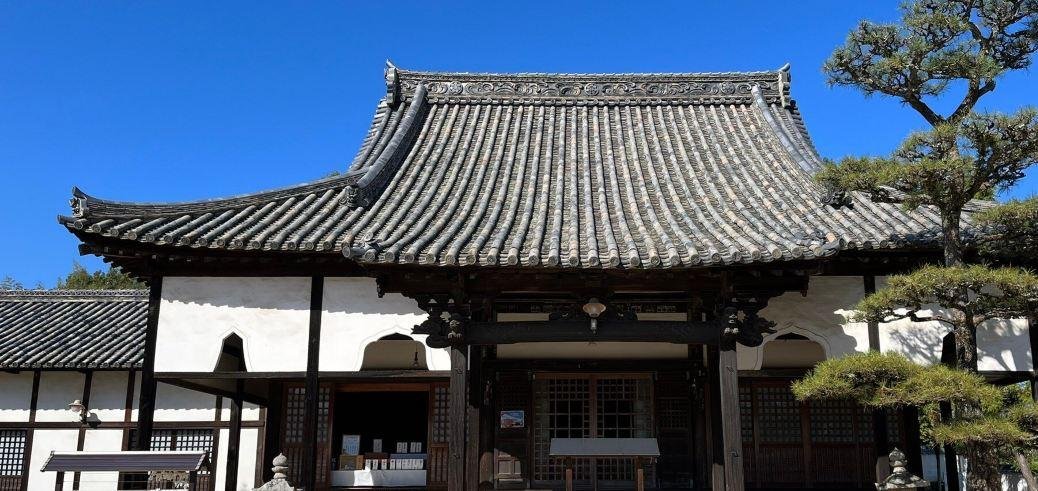
Popular Landmarks in Sōja
Discover the most iconic attractions in Sōja
Recommended Hotels in Sōja
Find the perfect place to stay in Sōja
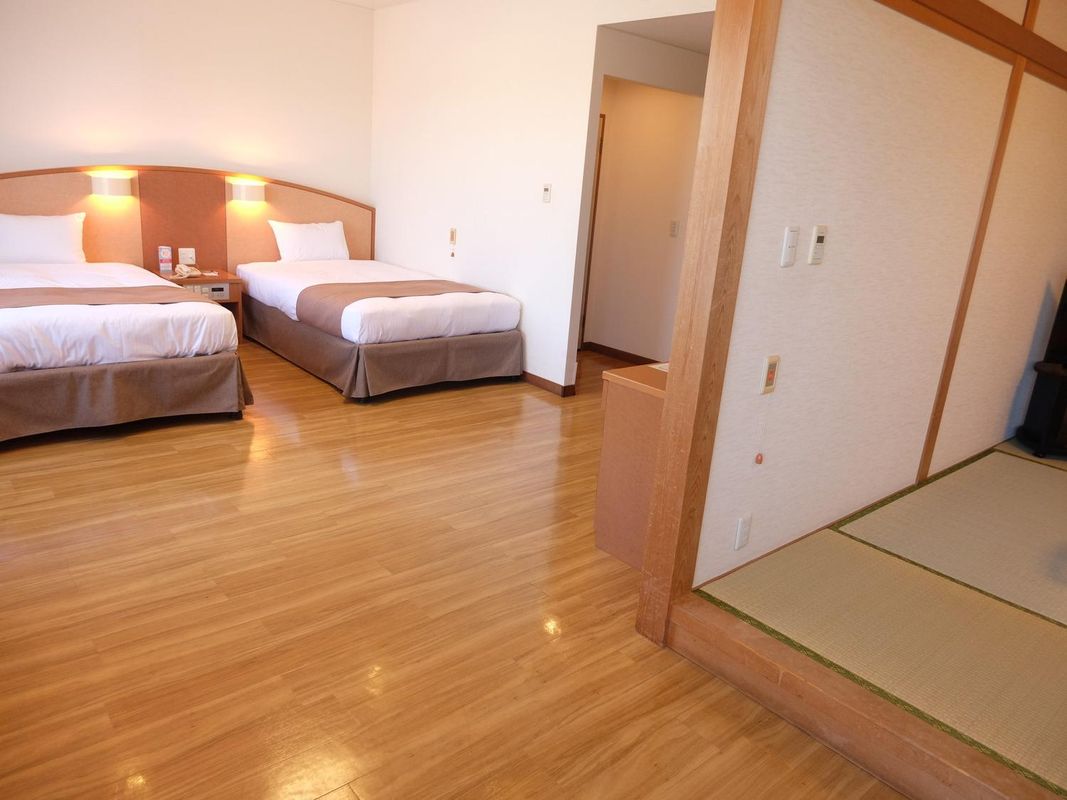
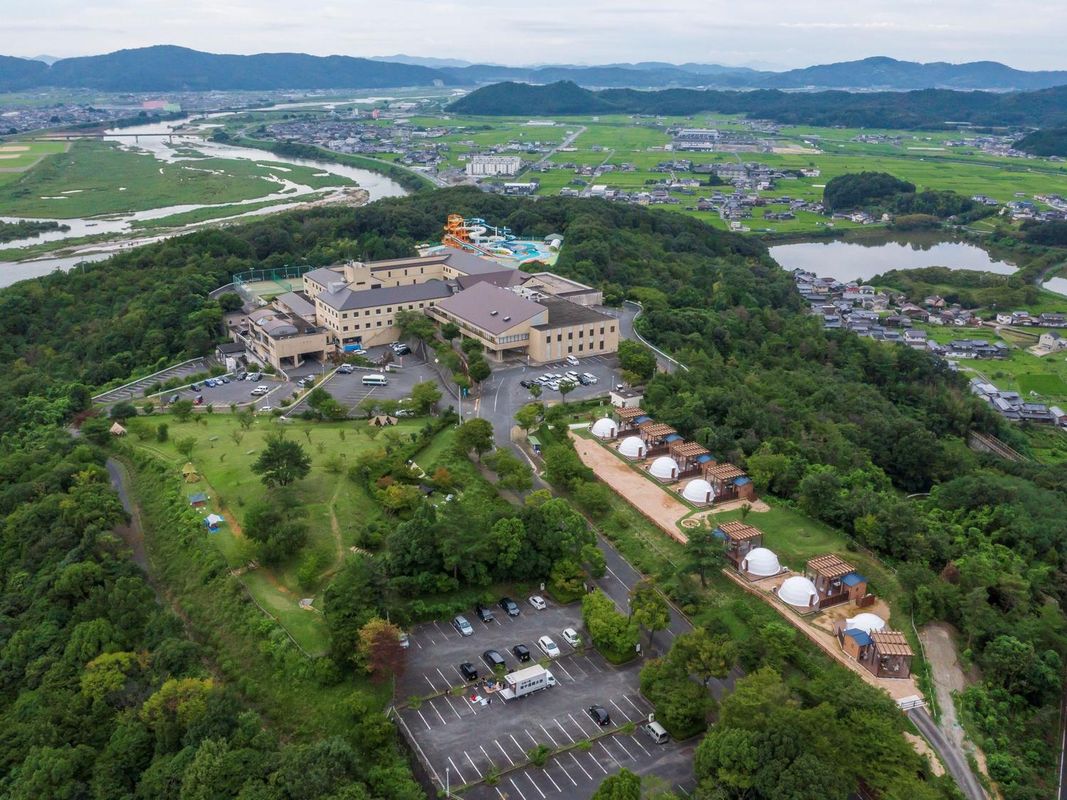
Best Hotels in Sōja
Discover curated hotel collections in Sōja


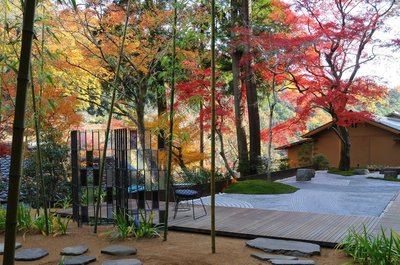
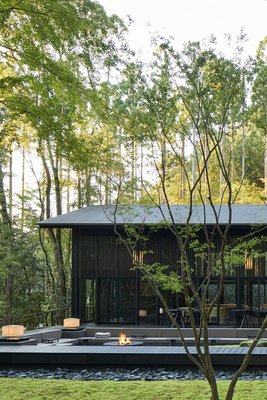
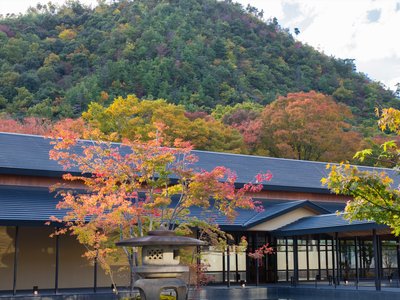
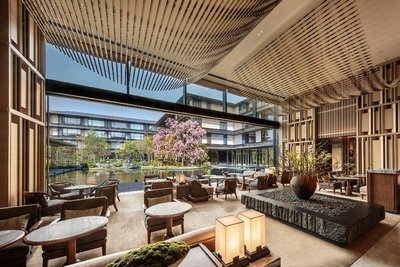
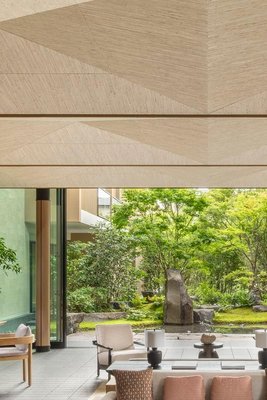
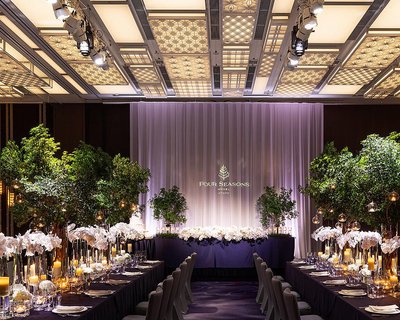
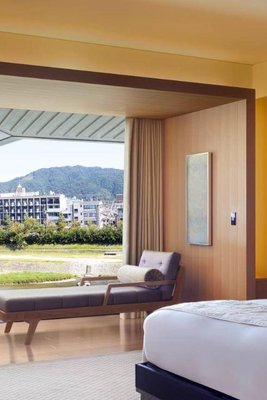
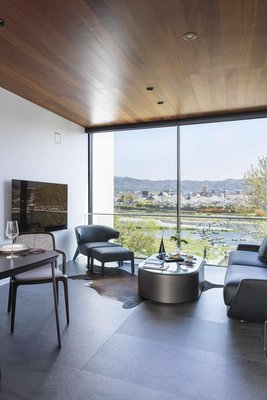
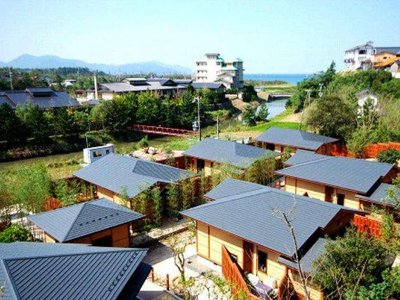
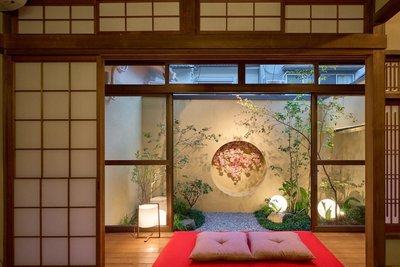
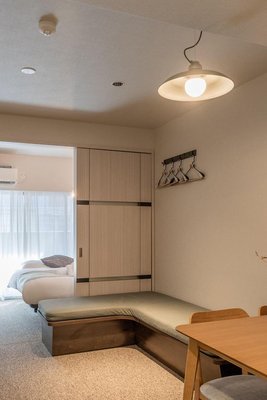
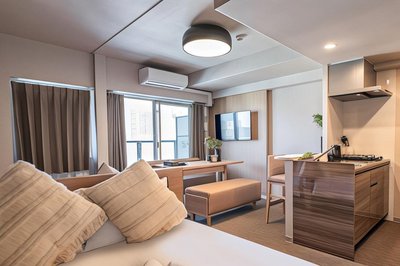
Frequently Asked Questions about Traveling to Sōja
Questions You Might Need to Know About Traveling to Sōja
Sōja Overview
City Summary
Soja City, located in central Okayama Prefecture, Japan, is a tranquil destination blending historical heritage with natural beauty. Renowned for its Kibi culture, the city preserves ancient sites like Soja Shrine and archaeological remains. Surrounded by rural landscapes and hot springs, it offers an ideal escape from urban bustle.
Must-See Attractions
Key attractions include Soja Shrine (dedicated to the guardian deity of Kibi region) and Kinojo Castle (an ancient mountain fortress). The Kibiji Cycling Road allows leisurely exploration of countryside views, while nearby Mount Washu provides panoramic vistas of Seto Inland Sea. History enthusiasts can visit Kibitsu Historical Museum for deeper insights.
Food Guide
Soja's cuisine reflects Okayama's flavors—try Okayama white peaches and Seto Inland seafood. Local specialties include Kibi dango (sticky rice dumplings) and Kurashiki beef steak (using premium Wagyu). Street vendors offer oden and soy-glazed dango, perfect for quick bites.
Transportation Guide
Accessible via JR Hakubi Line from Okayama Station (30 mins). Inner-city travel relies on buses and taxis, but renting bicycles or cars is recommended due to scattered attractions. Reaching Mount Washu requires bus transfers; allocate half a day.
Pro Tip: The "Okayama-Kagawa Area Pass" saves transport costs, with some sites offering English signage.
Best Time to Visit
Best seasons are spring (March-May) and autumn (September-November) for mild weather and fewer crowds. Summers are hot/humid; winters may see snow but enhance onsen experiences. Avoid Golden Week (late April-May) for lighter tourism.
Travel Tips
- Cash is king: Small shops often accept only JPY; carry sufficient notes.
- Cycling etiquette: Ride on the left side and park without obstructing paths.
- Onsen manners: Wash thoroughly before entering communal baths; swimwear is prohibited.
- Shrine protocol: At Soja Shrine, toss a coin, then bow twice-clap twice-bow once.
- Language barrier: Prepare translation apps; English is limited in rural areas.
- Waste disposal: Strict trash sorting required; convenience stores usually have bins.
Useful Information
Language: Japanese dominant; tourist centers offer basic English. Internet: Free Wi-Fi in central areas; SIM cards or portable Wi-Fi recommended. Payments: Cards accepted at major venues, but cash is safer. Post office ATMs support international cards. Emergencies: Soja Municipal Hospital handles basic care; dial 119 for urgent aid. Safety: Low crime, but remote areas lack nighttime lighting—travel in groups. Voltage: 100V, Type A plugs; check device compatibility.









