Hotels in SaarLouis
Discover your perfect stay in SaarLouis.
SaarLouis(Germany) Travel 2026: Cheap Flights, Hotels & Top Attractions
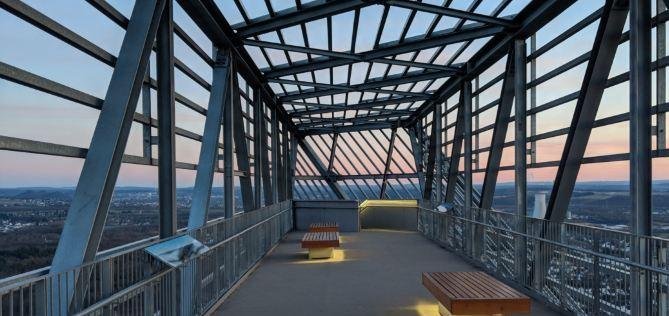
SaarLouis Overview
City Summary
Saarlouis, located in Germany's Saarland state, is a historic border town brimming with cultural charm. Founded in 1680 by French King Louis XIV, its distinctive star-shaped fortification reflects 17th-century military architecture. The town is celebrated for its Franco-German cultural fusion, with Baroque buildings and narrow alleys in the old town exuding unique character.
Must-See Attractions
Must-visit sites include the Saarlouis Fortress (Festungsstadt Saarlouis), a well-preserved star fort where visitors can stroll along moats and bastions. The Großer Markt square surrounded by Baroque facades and cafes is perfect for soaking up local life. The Deutsch-Französisches Museum delves into the town's dual heritage.
Food Guide
Saarlouis's cuisine blends German and French traditions. Must-try dishes include Dibbelabbes (potato bake), Saar River trout, and French-style crêpes. Quaint bistros in the old town serve Alsatian wines with regional specialties like Flammkuchen (savory tart).
Transportation Guide
Buses are the main public transport, with single tickets costing €2. Regional trains (RE/RB) from Saarbrücken take 15-20 minutes. Drivers can use the A620 autobahn; paid parking surrounds the old town. Most attractions are within 15 minutes' walk.
Best Time to Visit
May-September offers mild weather and festivals (e.g., June's Fortress Festival). Winter has fewer crowds but magical Christmas markets. Avoid peak summer heat in July-August.
Travel Tips
- Safety: Low crime but watch belongings.
- Tipping: Round up bills or add 5%-10% (check for included service charges).
- Cash: Some small vendors accept only cash.
- Language: German dominant; French understood near the border.
- Shopping: Most shops closed Sundays.
- Heritage Sites: Respect restricted military zones in the fortress.
Useful Information
Currency: Euro (€). Voltage: 230V, Type C/F plugs. Emergency: Police 110, ambulance 112. Free Wi-Fi hotspots in squares/museums. Pharmacies (marked with red "A") have Sunday duty lists posted. Medical care at St. Elisabeth Krankenhaus (2km from center). German phrases: Guten Tag (Hello), Danke (Thank you).
Popular Landmarks in SaarLouis
Discover the most iconic attractions in SaarLouis
Recommended Hotels in SaarLouis
Find the perfect place to stay in SaarLouis
SaarLouis Overview
City Summary
Saarlouis, located in Germany's Saarland state, is a historic border town brimming with cultural charm. Founded in 1680 by French King Louis XIV, its distinctive star-shaped fortification reflects 17th-century military architecture. The town is celebrated for its Franco-German cultural fusion, with Baroque buildings and narrow alleys in the old town exuding unique character.
Must-See Attractions
Must-visit sites include the Saarlouis Fortress (Festungsstadt Saarlouis), a well-preserved star fort where visitors can stroll along moats and bastions. The Großer Markt square surrounded by Baroque facades and cafes is perfect for soaking up local life. The Deutsch-Französisches Museum delves into the town's dual heritage.
Food Guide
Saarlouis's cuisine blends German and French traditions. Must-try dishes include Dibbelabbes (potato bake), Saar River trout, and French-style crêpes. Quaint bistros in the old town serve Alsatian wines with regional specialties like Flammkuchen (savory tart).
Transportation Guide
Buses are the main public transport, with single tickets costing €2. Regional trains (RE/RB) from Saarbrücken take 15-20 minutes. Drivers can use the A620 autobahn; paid parking surrounds the old town. Most attractions are within 15 minutes' walk.
Best Time to Visit
May-September offers mild weather and festivals (e.g., June's Fortress Festival). Winter has fewer crowds but magical Christmas markets. Avoid peak summer heat in July-August.
Travel Tips
- Safety: Low crime but watch belongings.
- Tipping: Round up bills or add 5%-10% (check for included service charges).
- Cash: Some small vendors accept only cash.
- Language: German dominant; French understood near the border.
- Shopping: Most shops closed Sundays.
- Heritage Sites: Respect restricted military zones in the fortress.
Useful Information
Currency: Euro (€). Voltage: 230V, Type C/F plugs. Emergency: Police 110, ambulance 112. Free Wi-Fi hotspots in squares/museums. Pharmacies (marked with red "A") have Sunday duty lists posted. Medical care at St. Elisabeth Krankenhaus (2km from center). German phrases: Guten Tag (Hello), Danke (Thank you).
Frequently Asked Questions about Traveling to SaarLouis
Questions You Might Need to Know About Traveling to SaarLouis