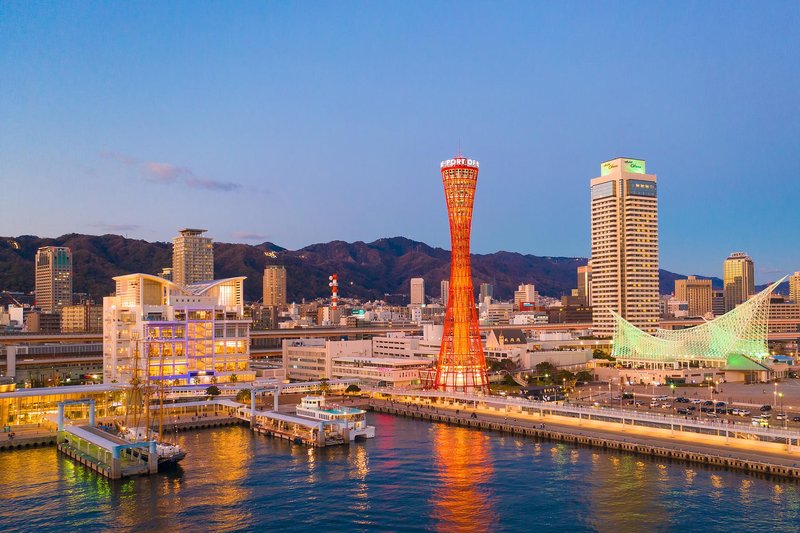
Hotels in Sagae
Discover your perfect stay in Sagae.
Sagae(Japan) Travel 2026: Cheap Flights, Hotels & Top Attractions
Popular Landmarks in Sagae
Discover the most iconic attractions in Sagae
Recommended Hotels in Sagae
Find the perfect place to stay in Sagae
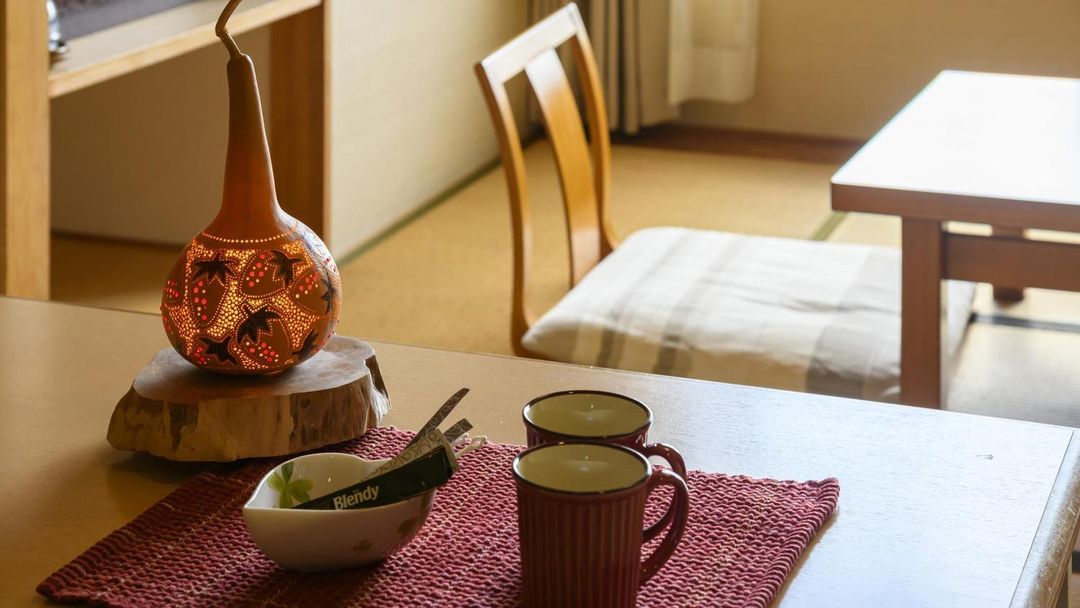
Hotel Symphony Annex Sagae Onsen
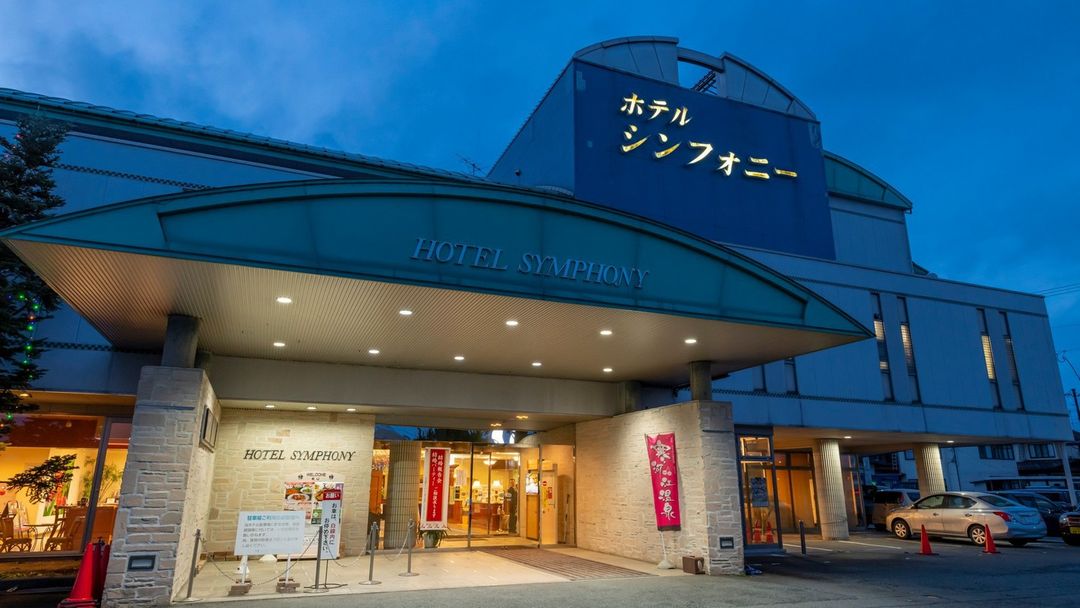
Hotel Symphony Sagae Onsen
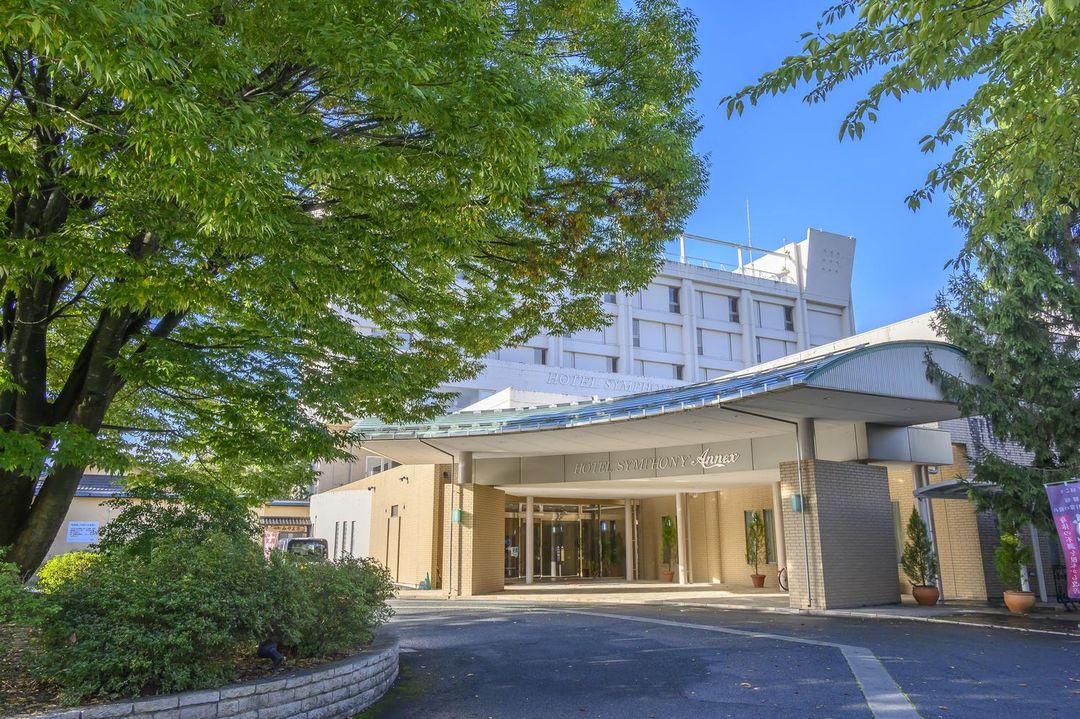
Hotel Symphony Annex
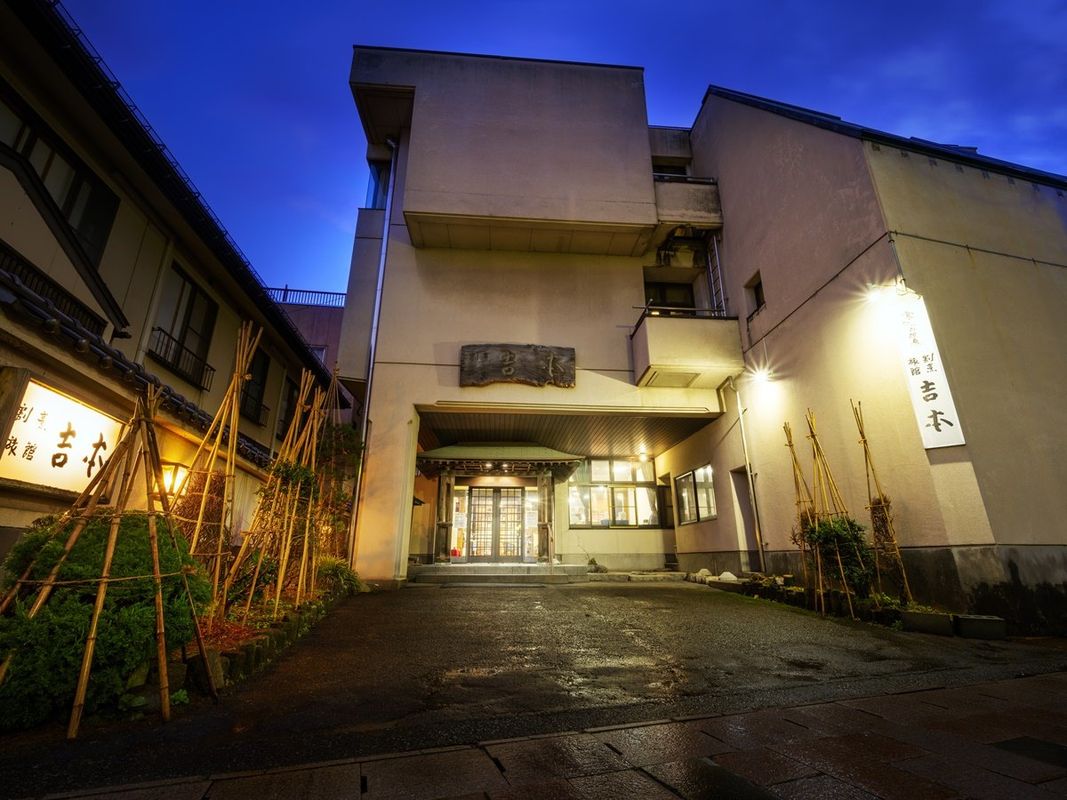
Yoshimoto
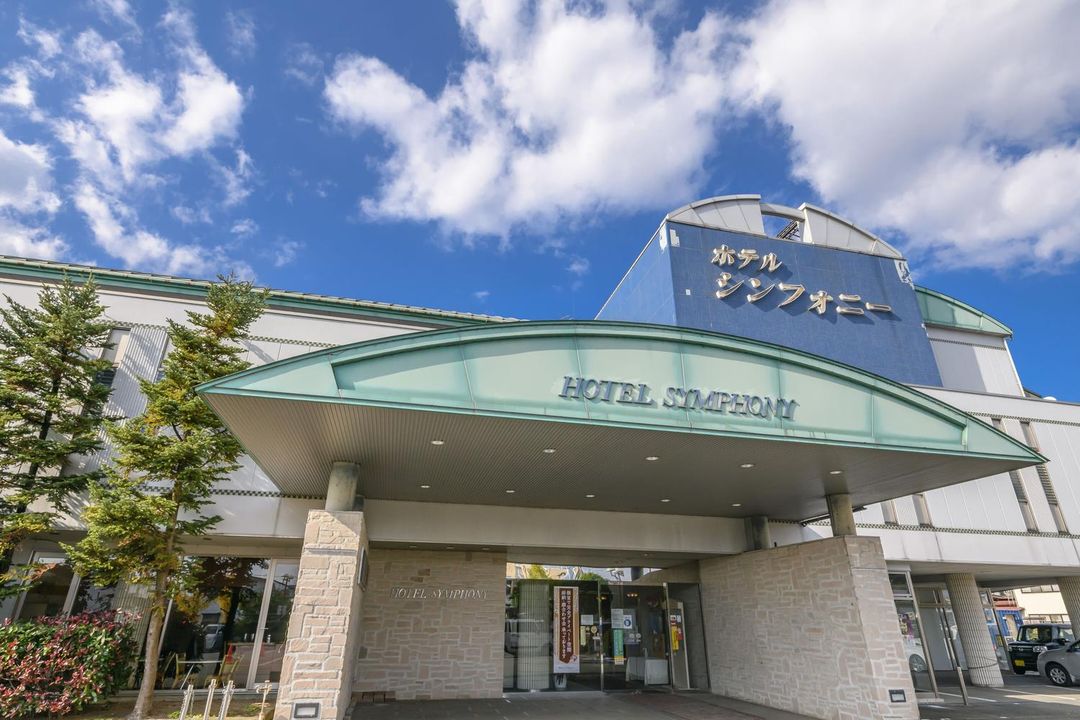
Hotel Symphony Main Building
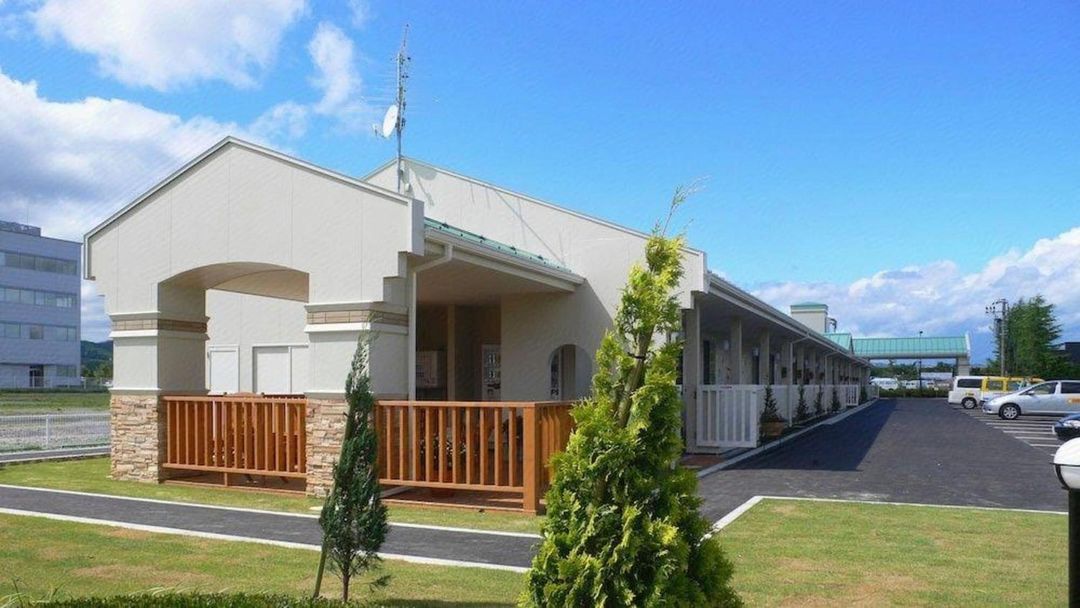
Family Lodge Hatagoya Sagae
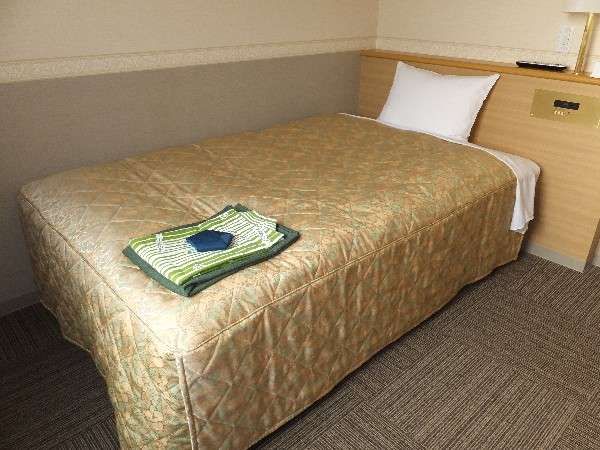
Cherry Park Hotel
Best Hotels in Sagae
Discover curated hotel collections in Sagae
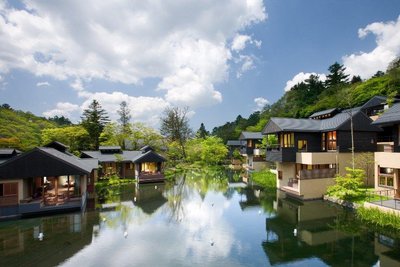
Hoshinoya Karuizawa
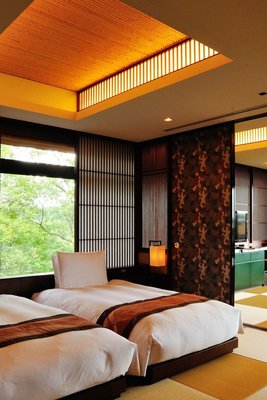
Chikusenso Onsen
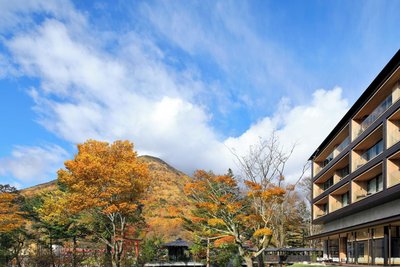
The Ritz-Carlton, Nikko
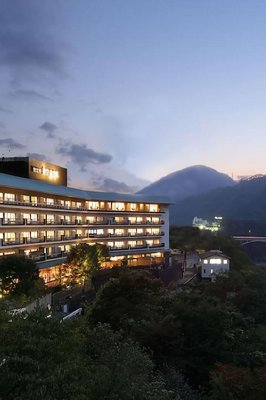
Kanaya Hotel Kinugawa
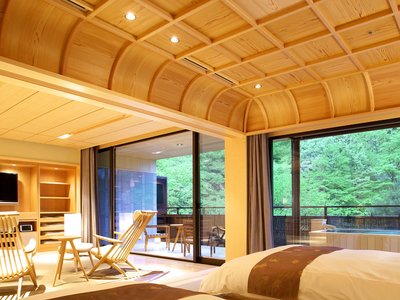
Ryotei Kaichoro
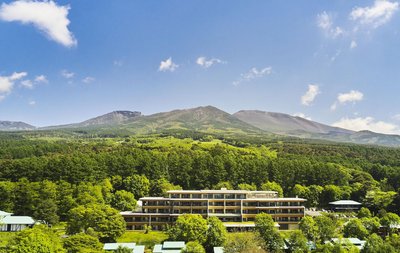
The Hiramatsu Karuizawa Miyota
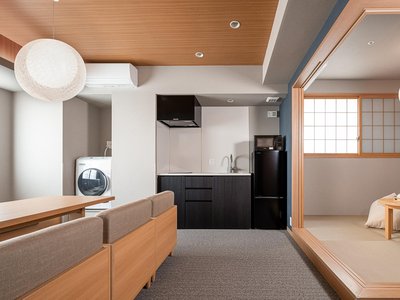
MIMARU SUITES Tokyo Asakusa

EN Resort Grandeco Hotel
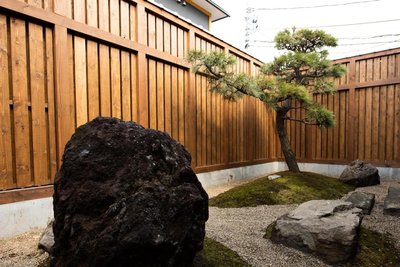
Hotel Zen-Adult Only
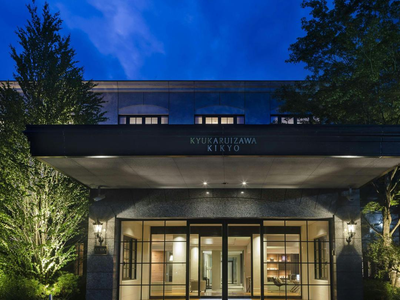
Fufu Karuizawa Wind of Sunshine
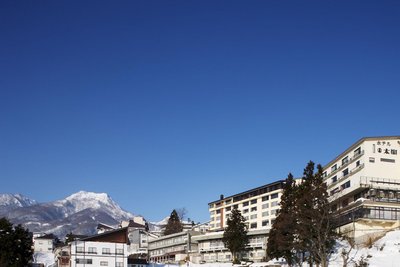
Hotel Taiko, Akakura Onsen
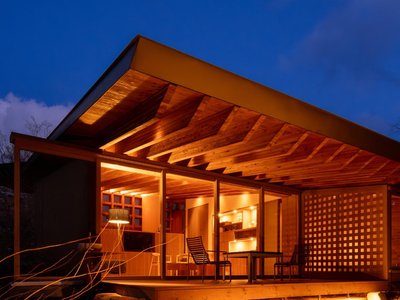
Nasu Mukunone
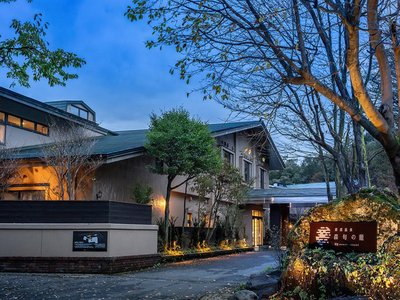
Nasu Onsen Shinshun no Kago Hewitt Resort
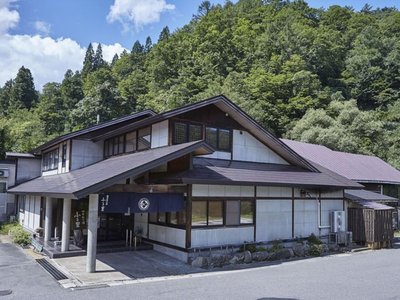
Fulsato
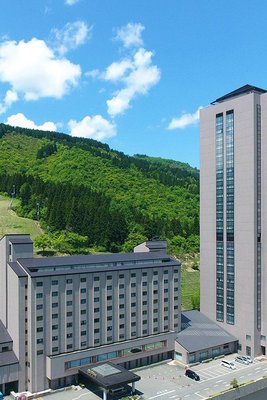
Naspa New Otani
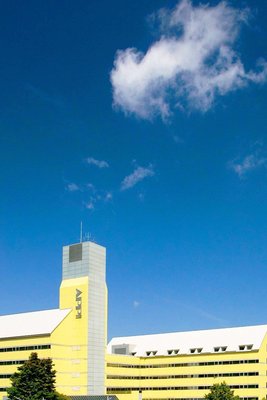
Crowne Plaza - ANA RESORT APPI KOGEN
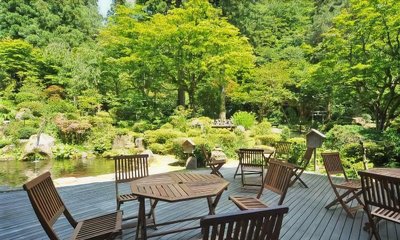
Choseikan
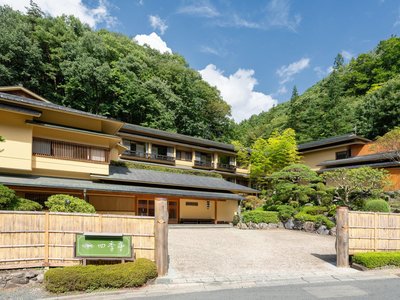
Shikitei Morioka TsunagiOnsen
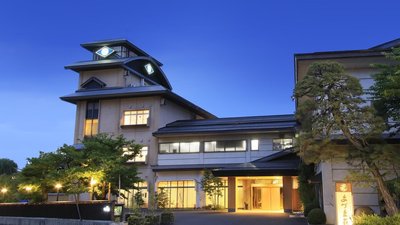
Shouhakutei Azumaso
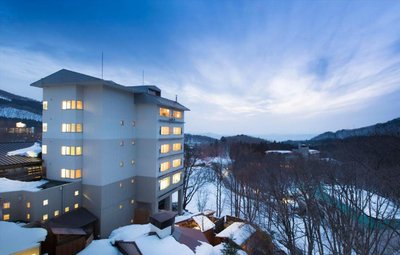
Takamiya Hotel Lucent

Hayamakan
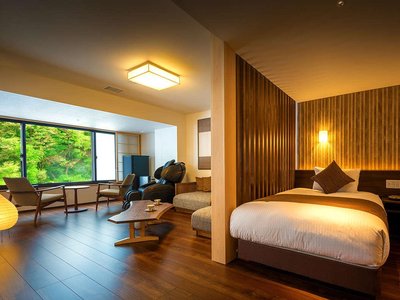
Harataki
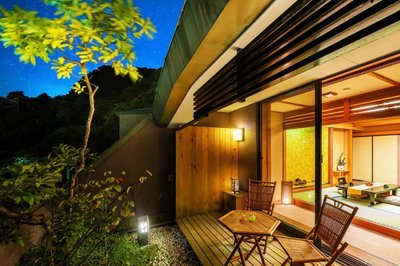
Konjakutei
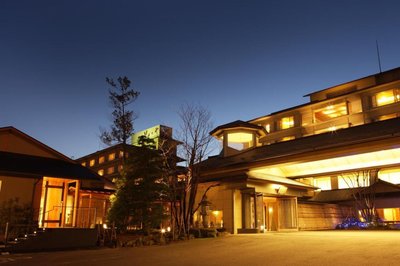
Yumotoya
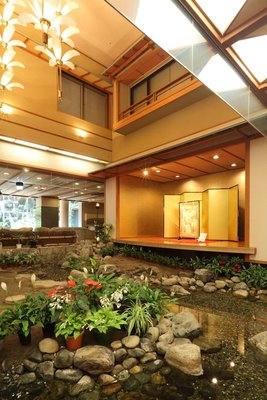
Hotel Futaba
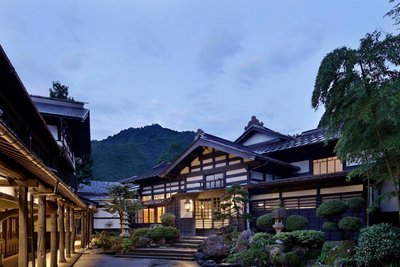
Ryugon
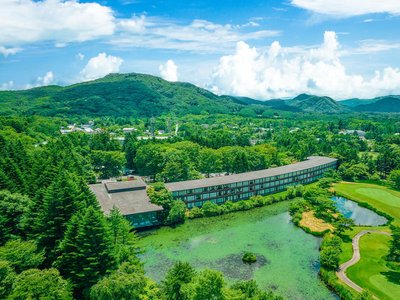
The Prince Karuizawa
Hoshinoya Karuizawa
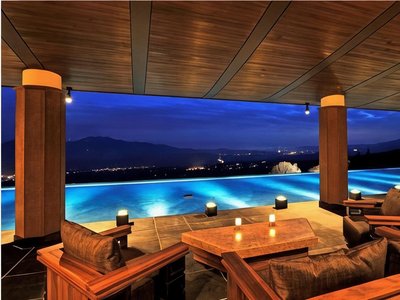
Akakura Kanko Hotel
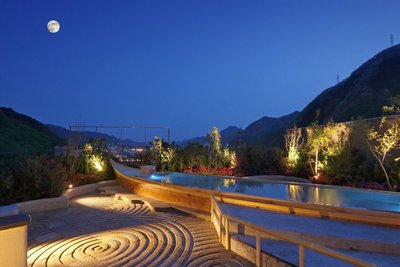
Asaya
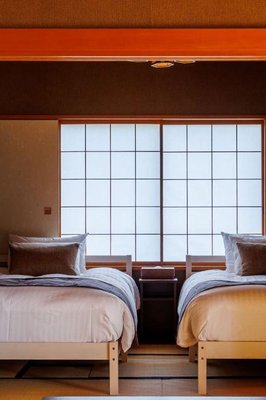
Sado Resort Hotel Azuma

Komatsu-Kan Kofu-Tei
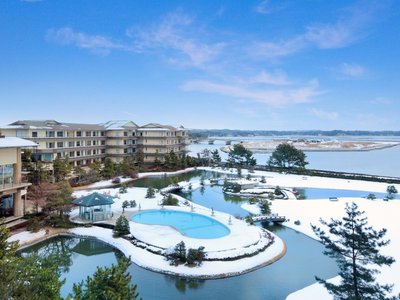
Matsushima Ichinobo
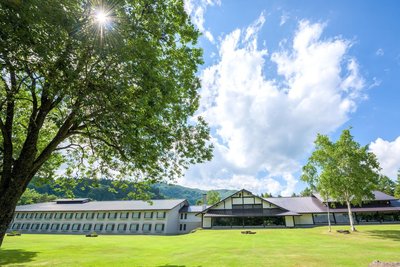
Towada Prince Hotel
The Ritz-Carlton, Nikko
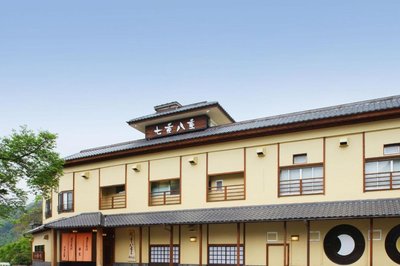
Nanaeyae

La Vista Kusatsu Hills
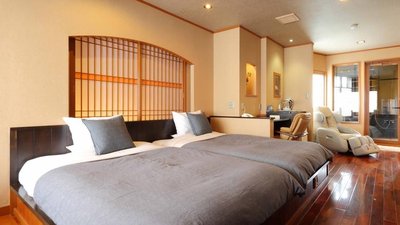
Hanaichi
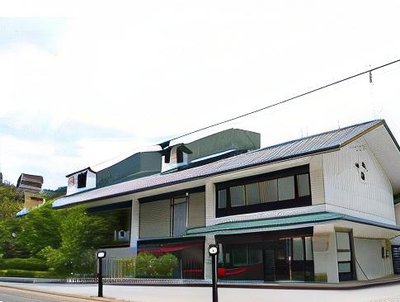
Auberge Suzukane

Onyado Nono Asakusa Bettei Hot Spring
Konjakutei
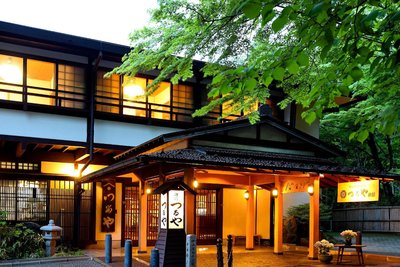
Tsuruya Ryokan
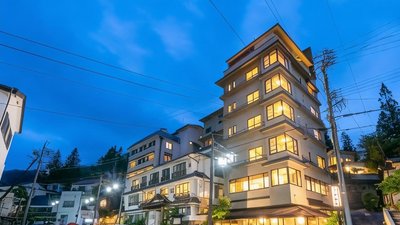
Nakamatsuya Ryokan
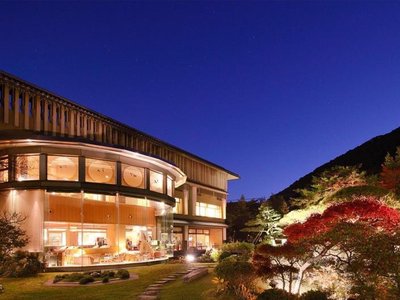
Shikisai Ichiriki
Sado Resort Hotel Azuma
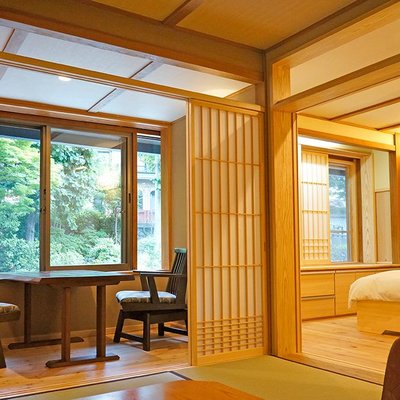
Sumiyosiya Ryokan
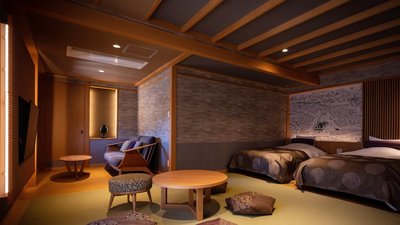
Naraya
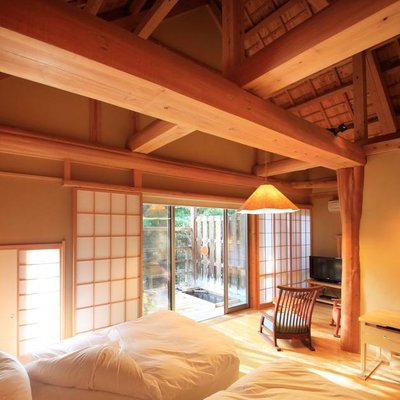
Daikon-No-Hana
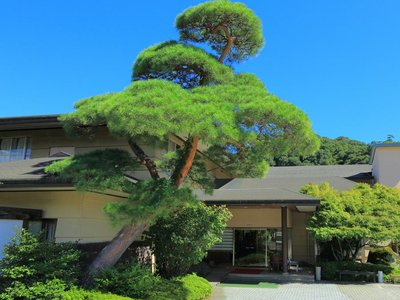
Nagatoro Choseikan Ryokan
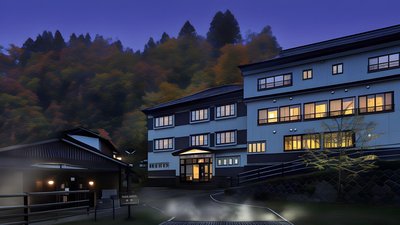
Zao Onsen Omiya Ryokan
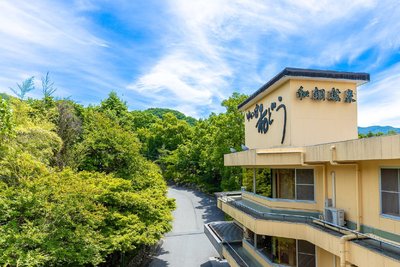
Yu No Yado Wadoh
Nanaeyae
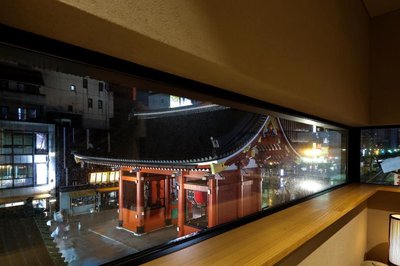
Kaminarimon Ryokan
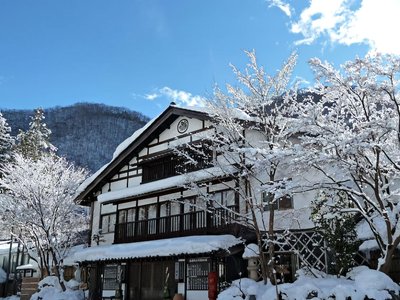
Yunishigawa Onsen Honke Bankyu
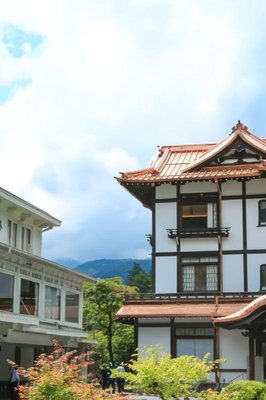
Nikko Kanaya Hotel
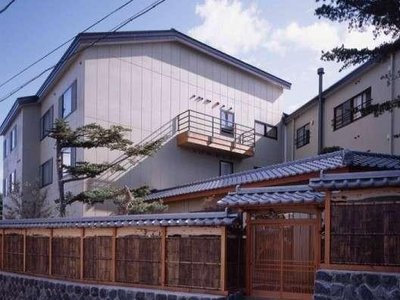
Kanemidori
Ryotei Kaichoro
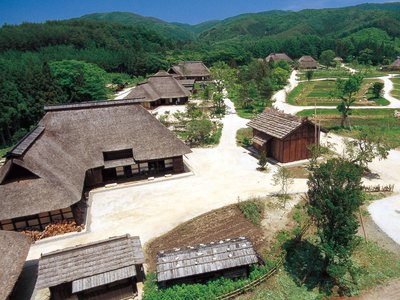
Jodogahama Park Hotel
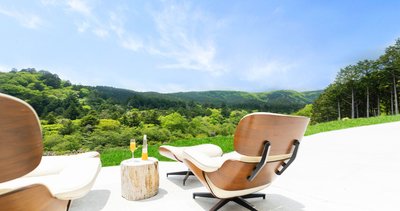
Shelter Garden Nikko
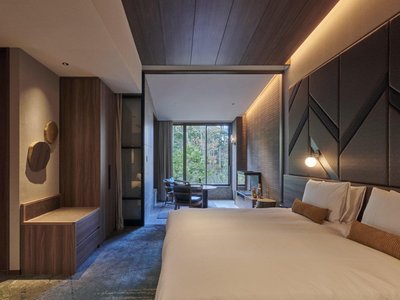
Fufu Kyu-Karuizawa Restful Forest
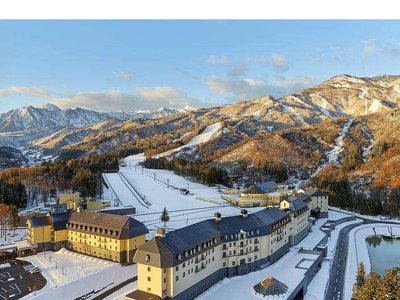
Lotte Arai Resort
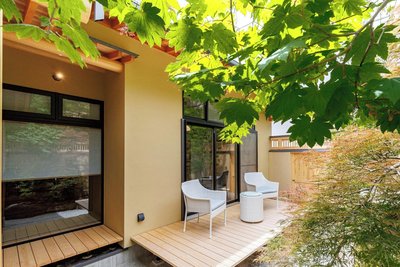
Shoraiso

Hotel la Vigne Hakuba by Onko Chishin
The Prince Karuizawa
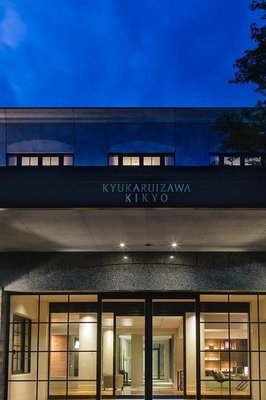
Kyukaruizawa Kikyo, Curio Collection by Hilton
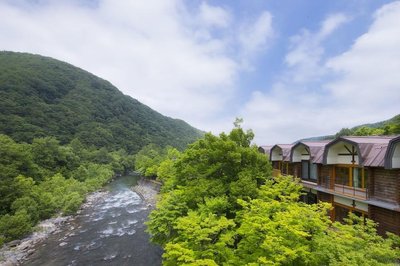
Hoshino Resorts Oirase Keiryu Hotel
Asaya
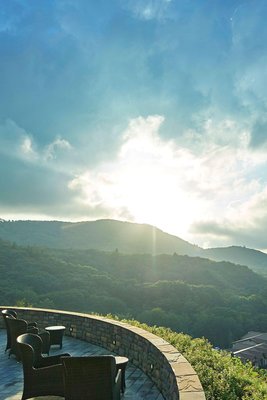
Le Grand Karuizawa Hotel & Resort
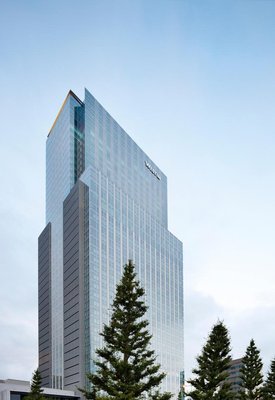
The Westin Sendai Hotel
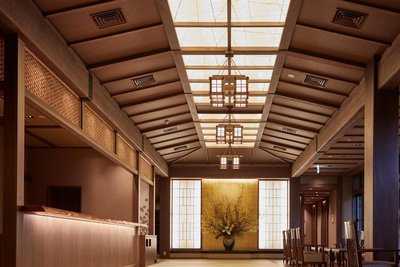
Yukinohana
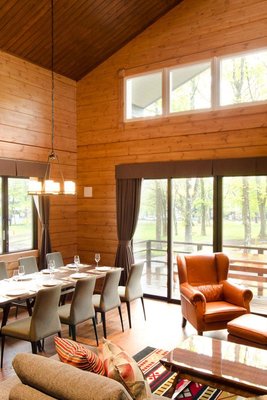
The Prince Villa Karuizawa

Yukemuri No Yado Inazumi Onsen

Karuizawa Marriott Hotel
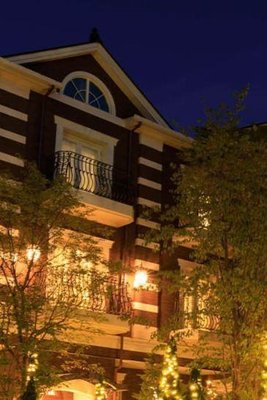
Le Grand Kyu Karuizawa
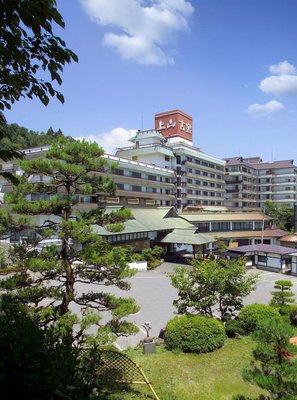
Hotel Koyo
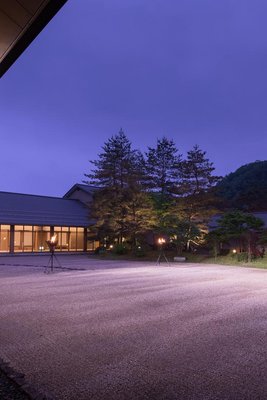
Kashoen
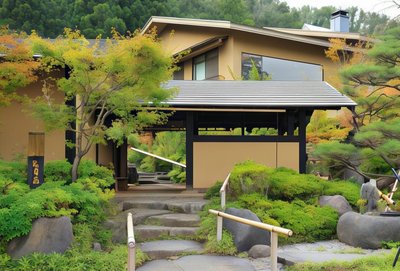
Meigetsuso
Nikko Kanaya Hotel

Rakuten STAY VILLA Nasu
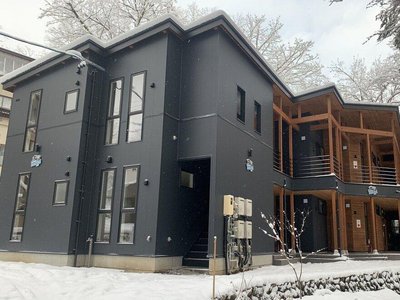
Hakuba Gondola Apartments
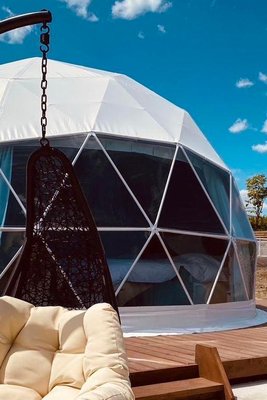
chillout glamping zao

Phoenix Chalets by Hhg
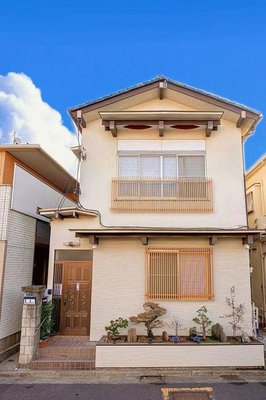
Tokyo Star House-Shinkoiwa
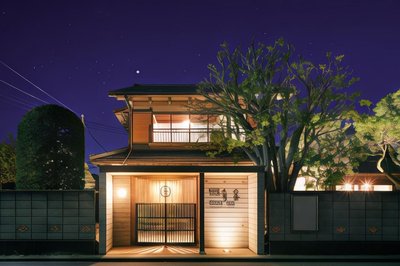
Machi-Jyu
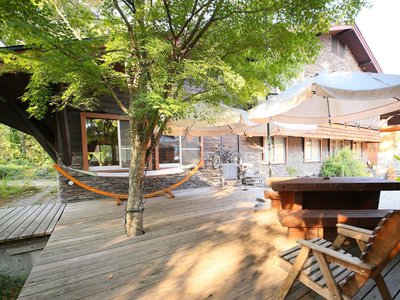
Kunugi Relaxation with 4 Modern Rooms
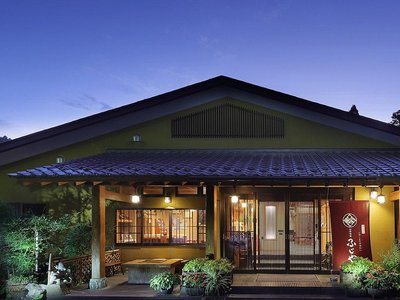
Shikimitei Fujiya
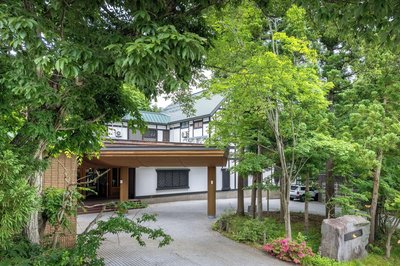
Forest Resort Yamanote Hotel

Hotel Barrière Fouquet's New York

The Plaza - A Fairmont Managed Hotel
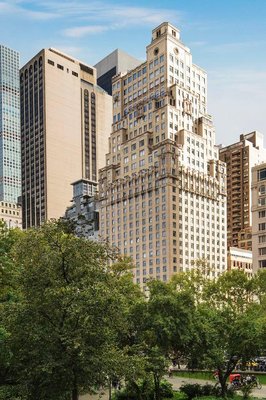
The Ritz-Carlton New York, Central Park
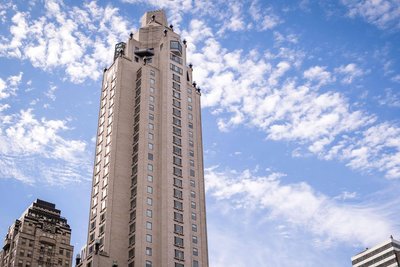
Four Seasons Hotel New York

The St. Regis New York

Park Hyatt New York
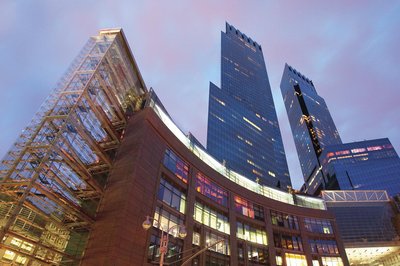
Mandarin Oriental New York
Times Square Edition New York

Loews Regency New York Hotel

Lowell Hotel
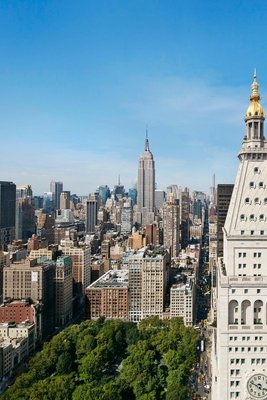
New York Edition

Baccarat Hotel New York

Equinox Hotel New York

Four Seasons Hotel New York Downtown
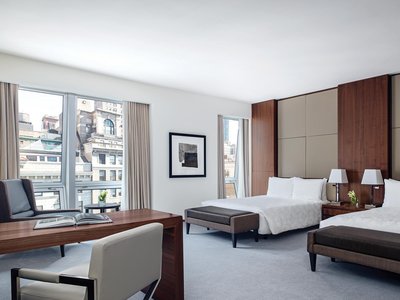
The Langham, New York, Fifth Avenue

The Carlyle, A Rosewood Hotel

The Chatwal, in the Unbound Collection by Hyatt
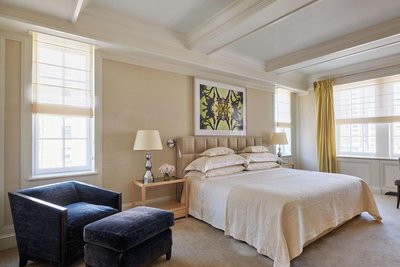
The Mark New York
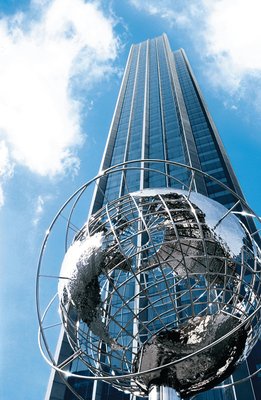
Trump International Hotel & Tower® New York
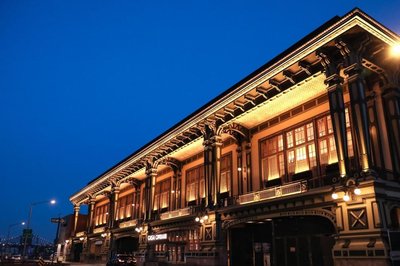
Casa Cipriani New York
Frequently Asked Questions about Traveling to Sagae
Questions You Might Need to Know About Traveling to Sagae
In Kaganawa City, the top choice for scenic views is Haguro River Hot Spring Hotel, offering private onsen rooms with panoramic vistas of Mount Oyama. This traditional Japanese-style inn blends wooden architecture with modern comfort, featuring tatami rooms and kaiseki dining. Guests can enjoy fresh mountain air, seasonal local ingredients, and guided forest walks to nearby trails. Located just a 5-minute walk from Kaganawa Station, it’s ideal for travelers exploring Tenmori Mountain or attending the annual Taiko Festival. The hotel also provides free shuttle services to regional attractions, ensuring seamless access to nature and culture.
The Central District of Kaganawa City is ideal for first-time visitors, offering easy access to Kaganawa Station, local shops, and cultural landmarks like Fujigawa Park and Haguro Art Museum. This area balances convenience with charm, with cozy restaurants serving authentic Yamagata cuisine and quiet streets perfect for evening strolls. It’s also close to Kaganawa Onsen, where guests can unwind in natural hot springs after a day of sightseeing. With well-marked walking paths and multilingual signage, this district ensures a stress-free experience for international travelers seeking both comfort and authenticity.
Immerse yourself in Kaganawa City's heritage through the annual Taiko Festival in August, where local drummers perform powerful rhythms accompanied by traditional dances under the stars. Visit the Haguro Art Museum to explore works by renowned local artist Sakuragawa Zabu depicting rural life and seasonal changes. For a deeper connection, join a winter snow bamboo walk through the misty forest near Mount Oyama—a serene, meditative experience. These events reflect the community’s deep respect for nature and tradition, offering travelers an authentic glimpse into Yamagata’s living culture.
Kaganawa Onsen stands out due to its mineral-rich waters high in sodium-calcium chloride, known for soothing skin and joint health. The Haguro River Hot Spring Hotel features open-air baths with direct views of Mount Oyama, especially magical during sunrise or snowfall. Some spas offer herbal infusions and clay mud treatments, enhancing relaxation. Nestled in a valley, the area is enveloped in natural tranquility—perfect for unwinding. Many lodges serve Yamagata wagyu beef and local sake alongside your soak, blending wellness with culinary delight in a truly immersive experience.
Families will love Fujigawa Park, which features playgrounds, tree-lined trails, and birdwatching platforms perfect for children. The Tenmori Mountain Cable Car offers a gentle ascent suitable for all ages, rewarding climbers with sweeping views of the city and surrounding forests. At Kaganawa Citizens’ Hall, interactive workshops let kids craft washi paper lanterns or try sake brewing using traditional methods. Nearby, family-run restaurants serve hearty meals like wood-fired beef ramen and rice balls with pickled vegetables. These activities promote learning through play, making Kaganawa a welcoming destination for multi-generational travel.
Must-try dishes in Kaganawa City include Yamagata wagyu beef, particularly the locally raised Kaganawa-grade beef, known for its rich marbling and tender texture—best enjoyed grilled at Tanaka-Ya Restaurant. Another highlight is Tsukuri-meshi rice balls made with fresh local rice and seasonal vegetables. Don’t miss Kaganawa Sake, brewed from premium Gin no Sato rice, offering a clean, slightly sweet finish. Pair these with a bowl of kamaboko soup or mountain vegetable stew for a full taste of regional flavor. Most restaurants welcome visitors with warm hospitality and detailed ingredient stories, enriching the dining experience.
For breathtaking fall colors, head to Mount Oyama and Tenmori Mountain trails, where maple trees blaze in gold, crimson, and orange from late October to early November. The Oyama Lookout Point offers a 360-degree panorama of the fiery canopy, ideal for photography. Wooden boardwalks and rest shelters make hiking accessible and comfortable. During peak season, locals host the Autumn Lantern Festival, illuminating forest paths with glowing paper lanterns—creating a dreamlike atmosphere. Early morning visits are recommended to avoid crowds and capture the crisp, golden light filtering through the trees.
Kaganawa City shines in winter with its snow bamboo forest walks—a serene, otherworldly experience where snow-draped bamboo stalks creak softly underfoot. The annual Kaganawa Snow Festival features ice sculptures, lantern parades, and traditional tea ceremonies in snow-covered gardens. Stay at a ryokan offering snow-view onsen, where open-air baths steam against a blanket of white. Some hotels even provide snowshoe rental and guided tours to hidden mountain shrines. These experiences blend adventure with mindfulness, allowing visitors to embrace the quiet beauty of winter in northern Japan.
Kaganawa City is highly accessible via JR East Japan’s Kaganawa Station, with frequent trains connecting to Yamagata City (30 minutes) and Shinjō. Free shuttle buses link the station to major attractions like Fujigawa Park, Onsen District, and the Art Museum. For drivers, the Tōhoku Expressway exits nearby at Yamagata South IC, providing quick access to the city center. The town is compact and pedestrian-friendly, with clear signage in English and Japanese. Most accommodations and attractions are within walking distance, making it easy to explore independently while enjoying reliable public transport options.
Top souvenirs from Kaganawa City include Kaganawa Sake, crafted from local Gin no Sato rice, with elegant packaging ideal for gifting. Dried Yamagata wagyu jerky is another favorite—tender, savory, and portable. Handmade washi paper lanterns, created by local artisans, feature seasonal motifs like maple leaves and snowflakes. Also consider Fujigawa honey and wild sansho pepper paste, both reflecting the region’s natural bounty. Available at Kaganawa Station Market and online stores, many items can be shipped internationally, letting you bring home a piece of this serene mountain town’s spirit.
Sagae Overview
City Summary
Sagae City, located in Yamagata Prefecture, Japan, is a tranquil town renowned for its cherry blossoms and fruits. Famous for its cherries and grapes, the city attracts many visitors during summer for fruit picking. The Mogami River flows through the city, offering stunning natural scenery and water activities. Sagae boasts a rich cultural heritage with ancient temples and traditional Japanese countryside charm.
Must-See Attractions
Key attractions in Sagae include the Sagae Cherry Blossom Park, a prime spot for cherry blossom viewing in spring. The Mogami River Boat Ride is another highlight, allowing visitors to enjoy the scenic riverside. Additionally, Sagae Shrine and local farms offer insights into traditional Japanese culture and agricultural life.
Food Guide
Sagae is famous for its fruits, especially cherries and grapes, which are a must-try in summer. Local specialties include cherry pie and grape juice. Traditional dishes like soba noodles and grilled fish are also popular, showcasing Yamagata's culinary heritage.
Transportation Guide
Transportation in Sagae mainly relies on buses and taxis. From Yamagata City, take the JR Ou Main Line to Sagae Station (about 30 minutes). City buses cover major attractions but have limited schedules, so check timetables in advance. Taxis are convenient but expensive. Renting a car is a flexible option for exploring.
Best Time to Visit
The best times to visit Sagae are spring (April-May) and summer (June-August). Spring offers beautiful cherry blossoms, while summer is ideal for fruit picking. Autumn (September-November) is also pleasant with cool weather.
Travel Tips
- Book accommodations early during cherry blossom season due to high demand.
- Reserve fruit-picking activities in summer to avoid disappointment.
- City buses are infrequent; consider renting a car or allowing extra time.
- Respect local customs, especially when visiting shrines.
- Summer sun can be intense; use sunscreen and stay hydrated.
- Some farms only accept cash, so carry enough yen.
Useful Information
Japanese is the official language in Sagae, with limited English proficiency. A translation app or phrasebook is helpful. WiFi coverage is sparse; consider a local SIM or portable WiFi. Cash is preferred, though some shops accept cards. Emergency number is 119. Travel insurance is recommended, as medical facilities are limited; serious cases may require travel to Yamagata City.