Hotels in Sagara
Discover your perfect stay in Sagara.
Sagara(Japan) Travel 2026: Cheap Flights, Hotels & Top Attractions
Popular Landmarks in Sagara
Discover the most iconic attractions in Sagara
Recommended Hotels in Sagara
Find the perfect place to stay in Sagara
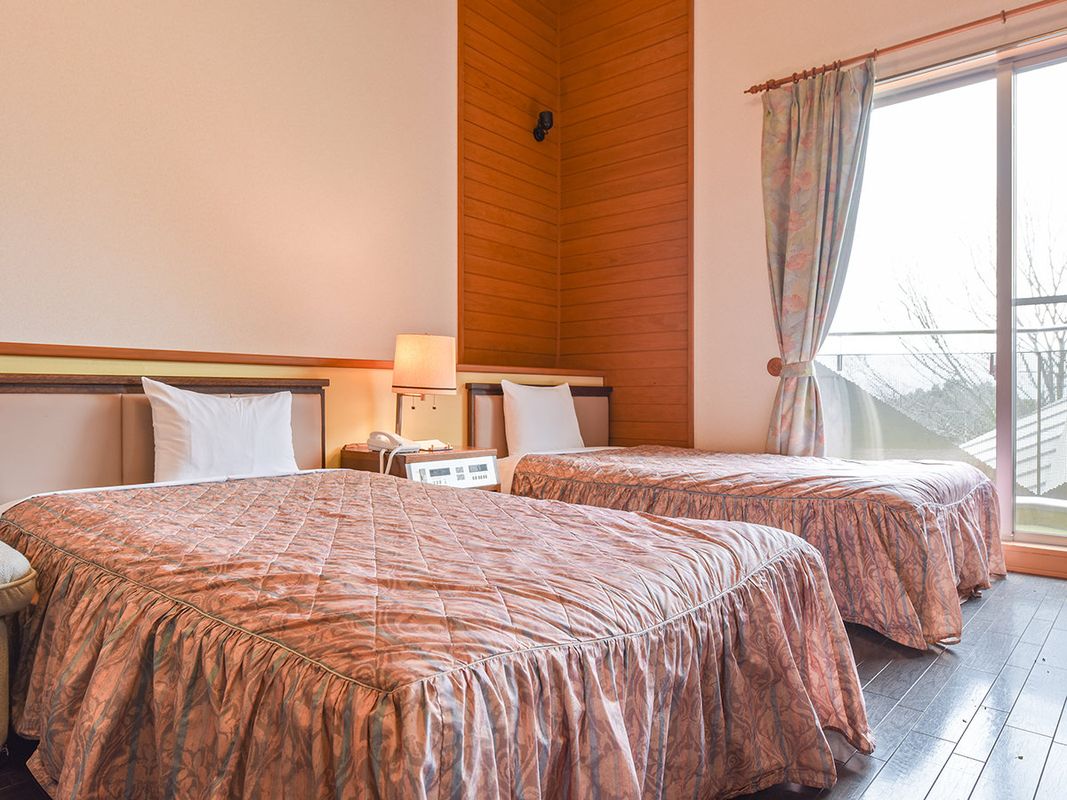
Sayuri
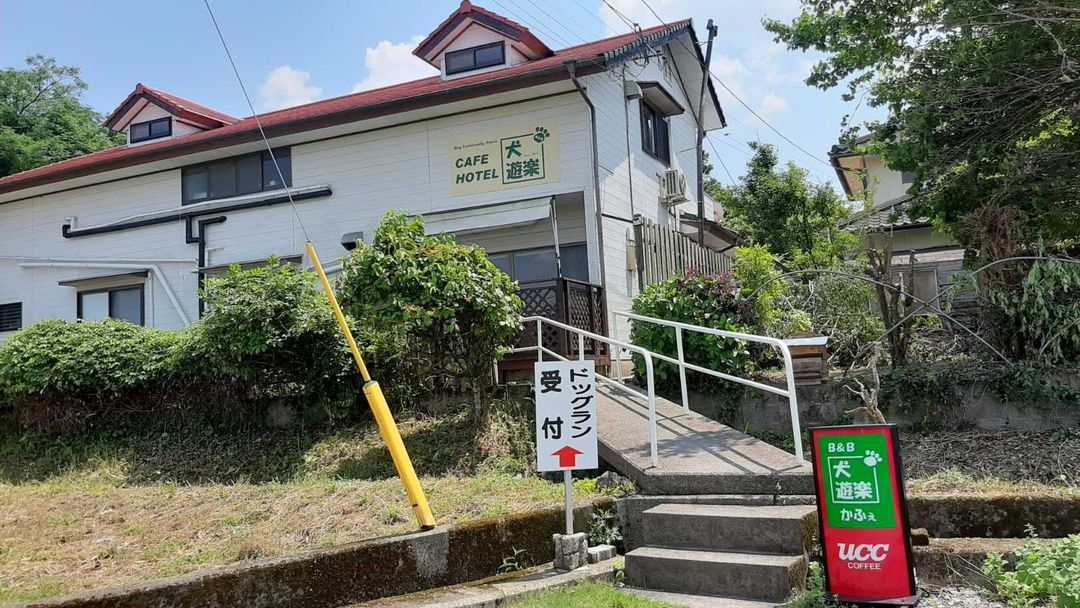
B & B Kenyuraku
Frequently Asked Questions about Traveling to Sagara
Questions You Might Need to Know About Traveling to Sagara
In Sagarayama Village, the top boutique stay is Sagara Mountain Cottage, a restored 19th-century farmhouse offering rustic-chic rooms with exposed timber beams and panoramic views of Mount Aso. Each room features handmade tatami mats, local wood furnishings, and an on-site tea garden where guests can participate in traditional matcha harvesting workshops. The inn’s owner-curated breakfast includes organic vegetables from their own plot and locally sourced honey. Surrounded by forest trails and the sacred Sagara Shrine, it's perfect for nature lovers seeking authenticity and tranquility in rural Kyushu.
The ideal time to visit Sagarayama Village is spring (March to May), when cherry blossoms and azaleas bloom along the Sagara River, creating a dreamlike landscape. Early mornings bring misty valleys resembling floating clouds—a photographer’s paradise. This season also hosts the Sagara Spring Tea Festival, where visitors can learn ancient matcha-making techniques using leaves from village-grown tea bushes. Autumn (October to November) is another excellent window, with vibrant maple forests lining the hiking trails. Avoid summer monsoon rains and winter snowfall for optimal travel comfort.
Must-try cultural experiences in Sagarayama Village include handmade pottery workshops at the Sagara Ceramics Studio, where you craft your own piece using local clay under guidance from master potters. Attend the annual Sagara Summer Festival in August, featuring traditional lion dances, taiko drumming, and a communal bonfire night under the stars—recreating Edo-era village life. The Sagara Academy Ruins also host monthly calligraphy and Confucian philosophy talks, offering insight into Kyushu’s deep-rooted scholarly heritage. These immersive activities provide genuine connection to the region’s living traditions.
Yes, Sagarayama Village is highly family-friendly. The Sagara Nature Education Center offers interactive programs like insect observation, plant identification, and seed planting, designed for kids aged 5–12. The Sagara River Trail is flat and safe for strollers, with rest stops and child-friendly signage. Many guesthouses provide free baby cots, high chairs, and even small vegetable gardens for children to tend. At night, families can join stargazing sessions beneath the clear mountain skies, making it an ideal destination for reconnecting with nature and each other in a peaceful setting.
Hidden gems include Cloud Sea Ridge Overlook, perched at 680 meters, where morning fog rolls like waves across the valley—best photographed during golden hour. Another secret is the Old Sagara Bridge Site, now abandoned but still striking with its moss-covered stone arches mirrored in the river below, especially stunning in autumn. For solitude, head to the Northern Tea Terrace, a private platform overlooking terraced green fields and the distant Aso Caldera. Visit early morning or late afternoon for soft light and fewer crowds—perfect for capturing authentic, untouched moments.
Must-try local dishes in Sagarayama Village include Sagara Burdock Stew, made with pesticide-free burdock root and slow-cooked chicken broth, delivering a rich, earthy flavor. Try Wasabi Soba Noodles, served with fresh homemade wasabi paste grown in the village’s shaded fields. Many restaurants offer a Farm-to-Table Box Lunch, packed with seasonal produce, handcrafted tofu, and pickled wild greens. Don’t miss the Sagara Matcha Desserts—matcha mochi and ice cream crafted from first-flush tea leaves. Every meal emphasizes sustainability, bringing the taste of pure, unspoiled countryside directly to your plate.
Absolutely. Sagarayama Village is a dream for photographers. Capture the ethereal morning mist over Cloud Sea Ridge, the dramatic contrast of red maple forests in fall, and the timeless beauty of the Sagara Shrine’s vermilion torii gate nestled among ancient trees. The terraced rice paddies change color with the seasons—emerald in spring, golden in autumn—offering endless compositions. Night photography reveals breathtaking Milky Way views due to minimal light pollution. Join a local photographer-led tour to discover hidden angles and storytelling moments beyond the usual trail.
From Kumamoto City, take the Kumamoto Transportation Bus to "Sagara Village Office" stop, a 1h20m ride with 4–6 daily departures and a fare of ¥700. For more flexibility, drive via National Route 218, a scenic 55km route through the Aso ring road, though roads are narrow. Alternatively, book a private shuttle service through your accommodation—many guesthouses offer pickup. Once arrived, park at the central lot and explore on foot. Bring offline maps, as cell signals can be weak in remote areas. Plan ahead for better access, especially during peak seasons.
The best area for stays is the village center, near the Sagara Shrine and Nature Education Center, offering easy access to key attractions and quiet surroundings. This zone hosts premium inns like Sagara Mountain Lodge and Matsukaze Guesthouse, featuring wooden interiors, handmade tatami floors, and serene garden views. For riverside charm, choose a property along the Sagara River, where morning sounds of flowing water enhance relaxation. All accommodations provide complimentary bicycles for exploring nearby trails. Book early—especially during cherry blossom season and festival months—when demand surges.
Transportation in Sagarayama Village is limited but manageable. There is no railway station; access relies primarily on Kumamoto Bus with scheduled trips to the village office. Self-driving is recommended for full flexibility, with well-maintained roads suitable for compact cars. For those without a car, many inns offer pre-booked shuttle services or arrange taxis. The village has a small community shop for essentials, but larger supplies require a trip to Kumamoto City. Overall, it’s ideal for travelers who value peace, simplicity, and immersion in nature—not frequent transit changes or tight schedules.
Sagara Overview
City Summary
Located in southern Kumamoto Prefecture, Japan, Sagara Village is a tranquil hamlet surrounded by nature. Renowned for its abundant hot springs and traditional Japanese inns, it's an ideal escape from urban noise. The village is enveloped by lush forests, offering breathtaking scenery throughout the year, especially during autumn foliage and spring cherry blossoms. Sagara also preserves rich traditional culture and handicrafts, allowing visitors to experience authentic Japanese rural life.
Must-See Attractions
The hot springs are Sagara's main attraction, with historic ryokans offering natural onsen experiences. The Sagara Village Historical Folklore Museum showcases local history and culture. Nearby natural spots like mountain valleys and streams are perfect for outdoor enthusiasts, whether hiking or cycling.
Food Guide
Sagara's cuisine highlights mountain and river ingredients. Try wild vegetable dishes and river fish cuisine, such as grilled sweetfish and tempura. Local eateries and ryokans serve countryside meals made with fresh produce. Don’t miss Kumamoto's specialty horse sashimi, a unique but iconic delicacy.
Transportation Guide
The easiest way to reach Sagara is by bus from Kumamoto City (around 2 hours). No subway operates here; exploring is best done on foot or by renting a bicycle. For remote areas, car rental is an option, but note narrow mountain roads. Ryokans often provide shuttle services—book in advance.
Best Time to Visit
Spring (March-May) and autumn (September-November) offer mild weather and stunning scenery. Winter (December-February) is chilly but ideal for hot springs, with fewer tourists. Summer (June-August) is humid but great for escaping heat.
Travel Tips
- Onsen Etiquette: Wash thoroughly before bathing, tie long hair, and no swimwear.
- Cash Payments: Some shops and ryokans only accept cash.
- Respect Privacy: Ask permission before photographing locals.
- Eco-Consciousness: Dispose of trash properly—public bins are scarce.
- Transport Planning: Buses are infrequent; check schedules ahead.
- Layered Clothing: Mountain areas have sharp temperature drops at night.
Useful Information
Language: Japanese is dominant; English is limited—download a translation app. Internet: Wi-Fi coverage is sparse; consider a local SIM. Payments: Credit cards work at ryokans, but cash is needed for small shops. Emergencies: The nearest hospital is in a neighboring town—carry basic medications. Voltage: 100V, Type A plugs.