Hotels in Saint-Romain-en-Viennois
Discover your perfect stay in Saint-Romain-en-Viennois.
Saint-Romain-en-Viennois(France) Travel 2026: Cheap Flights, Hotels & Top Attractions
Popular Landmarks in Saint-Romain-en-Viennois
Discover the most iconic attractions in Saint-Romain-en-Viennois
Frequently Asked Questions about Traveling to Saint-Romain-en-Viennois
Questions You Might Need to Know About Traveling to Saint-Romain-en-Viennois
In Saint-Roman-de-Viennois, the top boutique option is Domaine de la Vigne Blanche, a charming Provençal farmstay with stone architecture and private terraces overlooking lavender fields. Each room features traditional wooden shutters, local stone finishes, and access to a heated pool. The property offers authentic farm-to-table dining using organic produce from its own vineyard and garden. Located in the heart of Vaucluse countryside, it's ideal for travelers seeking tranquility, cultural immersion, and proximity to historic sites like the Roman aqueducts and Alès. Private guided tours of the estate are also available.
The best areas for staying near Saint-Roman-de-Viennois are the surrounding hillsides of Provence plateau, especially villages like Carnac or Laurière, where rustic mas houses offer privacy and scenic views. These regions provide easy access to both natural landscapes—like the lavender fields and olive groves—and cultural attractions such as the ancient Roman aqueducts and the nearby town of Alès. Most accommodations here blend traditional Provençal design with modern comfort, making them perfect for slow travel and immersive experiences.
Visitors to Saint-Roman-de-Viennois can participate in seasonal events like the Lavender Festival in summer, featuring flower parades, artisan markets, and live folk music. In September, join the Harvest Festival, where guests can stomp grapes, taste local wines, and take part in traditional dances. Evening activities include star-gazing tours under the clear skies of the Vaucluse highlands, offering stunning views of the Milky Way—a true highlight for nature lovers and photographers.
Yes, several hotels in Saint-Roman-de-Viennois cater specifically to families. Mas des Lauriers offers spacious family suites with private pools, playgrounds, and pet-friendly gardens. Children can interact with farm animals like goats and chickens, and the hotel organizes themed activities such as treasure hunts and cooking classes using local ingredients. The surrounding hiking trails are safe and scenic, leading to historical ruins, making it an ideal destination for multi-generational travel.
Must-see landmarks in Saint-Roman-de-Viennois include the Church of Notre-Dame de l'Assomption, a 12th-century Romanesque structure with intricate arches and stained-glass windows. Nearby, the Roman Aqueduct Ruins showcase ancient engineering, once used to supply water to the village. Additionally, the Celtic burial mounds on the outskirts offer fascinating insights into prehistoric life, with artifacts like pottery and jewelry on display at the local heritage center.
The region’s cuisine centers on fresh, locally-sourced ingredients. Must-try dishes include Provençal ratatouille, served with grilled bread; goose tart (Tarte à l'Oie) with wild herbs; and lavender-honey ham, cured with regional botanicals. Many restaurants offer the Le Repas du Terroir menu—featuring cheese platters, seasonal vegetables, and house-made wine—reflecting the "from soil to table" philosophy. Some hotels even host private cooking workshops where guests learn to prepare these traditional recipes.
Seasonal highlights include the Lavender Festival (June–August), when streets are adorned with purple blooms and live performances fill the square. In September, the Harvest Festival invites visitors to crush grapes, sample vintages, and dance in traditional costumes. During winter, the Christmas Market returns with handmade crafts, mulled wine, and local delicacies. These events celebrate community spirit and offer deep cultural engagement for tourists.
From Paris, take the TGV train to Avignon TGV Station, which takes about 3 hours. From there, rent a car or take a regional bus to Saint-Roman-de-Viennois (approx. 45 minutes). Alternatively, fly into Marseille Provence Airport, then drive via A7 highway—about 2.5 hours. HopeGoo a rental vehicle in advance is recommended due to limited public transport options in rural Vaucluse.
Saint-Roman-de-Viennois sits atop the Vaucluse Plateau, surrounded by rolling hills covered in lavender in spring and sunflowers in summer. The region’s unique karst landscape features limestone cliffs, hidden caves, and crystal-clear streams. The Sériaque Nature Reserve offers pristine forest trails and rare birdwatching opportunities. Early mornings here bring breathtaking views of snow-capped peaks of the Alps reflected in the valley mist—perfect for photography and quiet reflection.
Most hotels in Saint-Roman-de-Viennois primarily operate in French, but many staff members speak basic English. Luxury properties like Les Jardins de la Source provide multilingual welcome kits and digital guides in English and Chinese. For complex requests, translation apps are recommended. The local tourism office also employs bilingual agents who assist with itinerary planning and emergency support, ensuring a smooth stay for international visitors.
Saint-Romain-en-Viennois Overview
City Summary
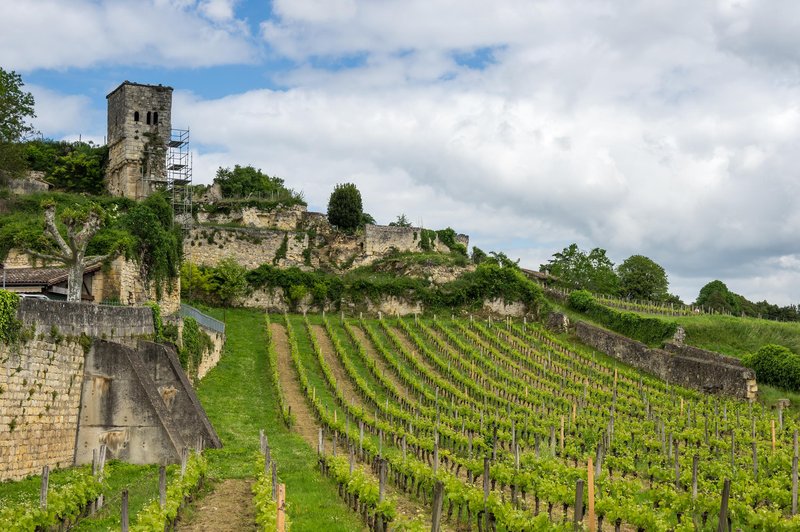
Saint-Roman-de-Viennois is a charming town in the Vaucluse department of France, renowned for its Provençal charm and medieval architecture. Surrounded by vineyards and olive groves, it offers a peaceful rural atmosphere, perfect for experiencing the slow pace of life in southern France. The historic center is well-preserved, with stone houses and narrow streets steeped in history.
Must-See Attractions
Must-see attractions include the 12th-century Saint-Roman Church, a stunning example of Romanesque architecture. Stroll through the old town to explore medieval streets and squares. Nearby vineyards and olive oil mills are also worth visiting for local tastings.
Food Guide
Food recommendations: Don't miss Provençal classics like Ratatouille (vegetable stew) and Bouillabaisse (fish soup). Local markets offer fresh olive oil, cheese, and wine for authentic flavors.
Transportation Guide
Transportation: The town has no train station; driving or taking a bus is recommended. The nearest airport is Avignon Airport, about 30 minutes by car. The town center is walkable, while the countryside is ideal for cycling.
Best Time to Visit
Best time to visit is spring (April-June) and autumn (September-October), with mild weather and fewer crowds. Summer (July-August) is hot but festive.
Travel Tips
- Safety: The town is safe, but keep an eye on belongings.
- Etiquette: Dress modestly and stay quiet in churches.
- Customs: Locals enjoy slow living; meals may take longer.
- Language: French is primary; basic English works.
- Payment: Small shops may only accept cash.
- Internet: Wi-Fi is available in town, but rural areas have weak signals.
Useful Information
Practical info: Emergency number is 112. Most shops close on Sundays. Book accommodations in advance, especially during holidays. The nearest hospital is in Avignon. Currency is EUR; cards are widely accepted.