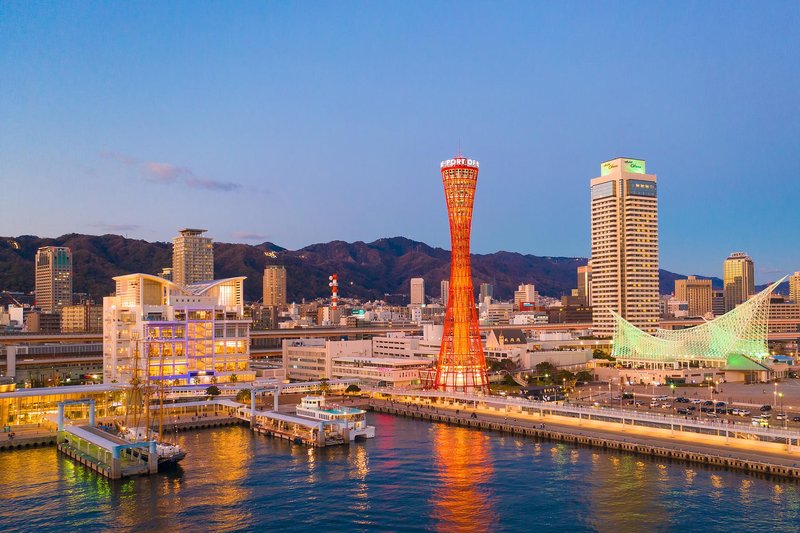
Hotels in Saito
Discover your perfect stay in Saito.
Saito(Japan) Travel 2026: Cheap Flights, Hotels & Top Attractions
Popular Landmarks in Saito
Discover the most iconic attractions in Saito
Recommended Hotels in Saito
Find the perfect place to stay in Saito
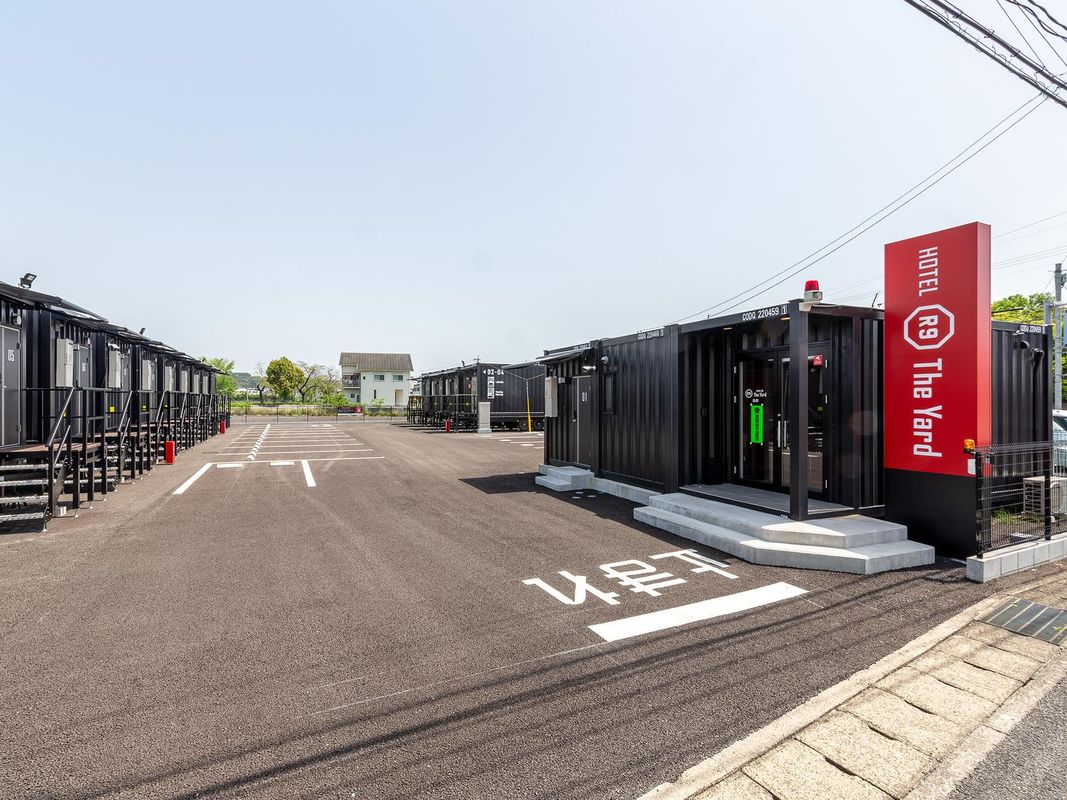
Hotel R9 the Yard Saito
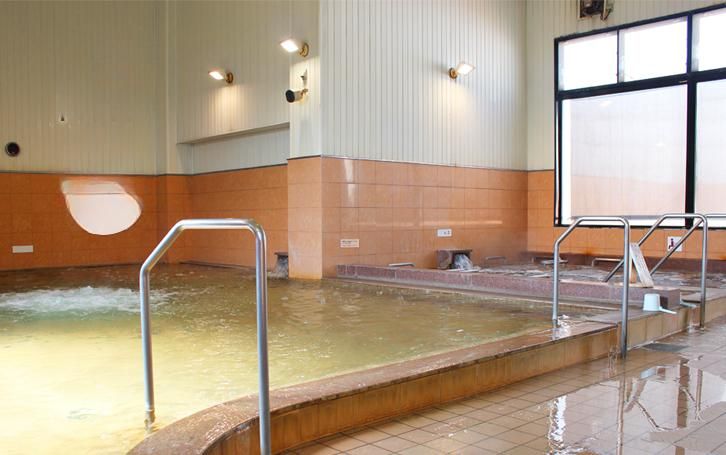
Saito Onsen
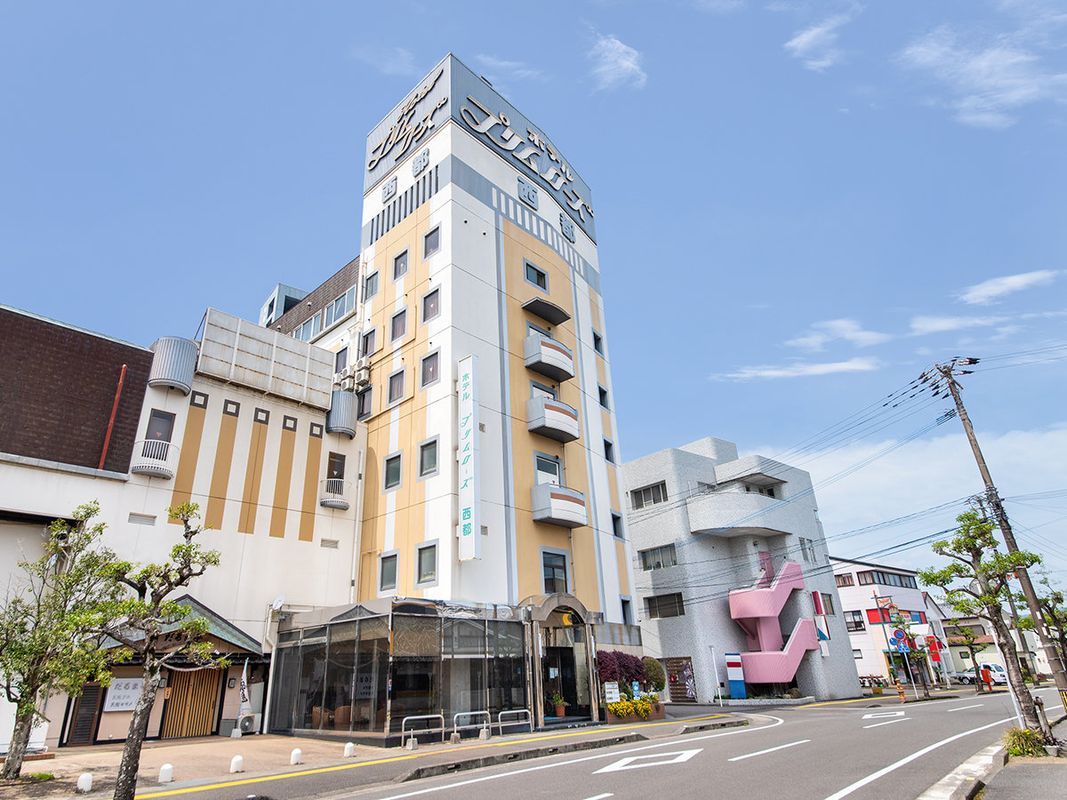
Hotel Primrose Saito
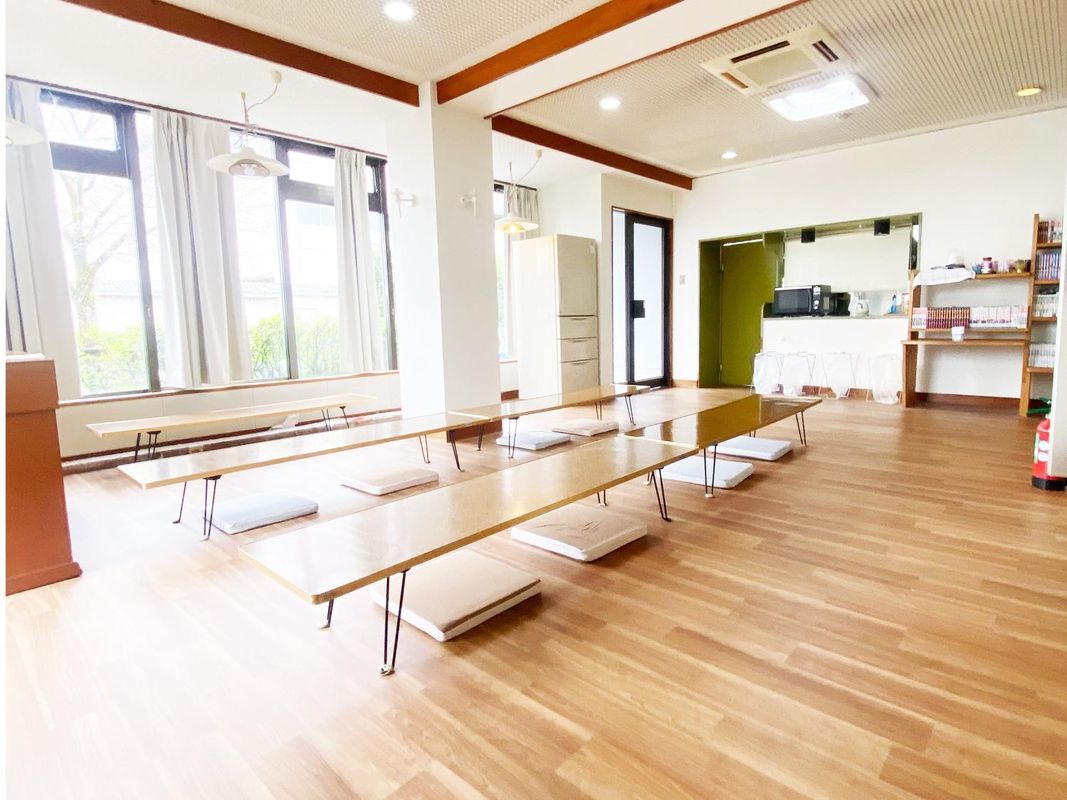
Business Ryokan Haniwa
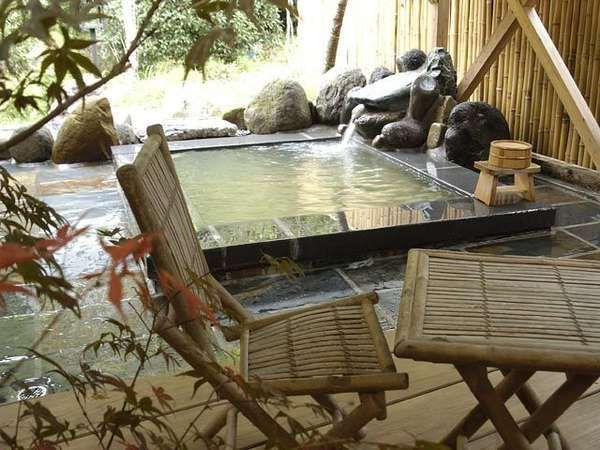
Takayaonsen
Best Hotels in Saito
Discover curated hotel collections in Saito
Ikkoten
SEKIYA RESORT Bettei Haruki
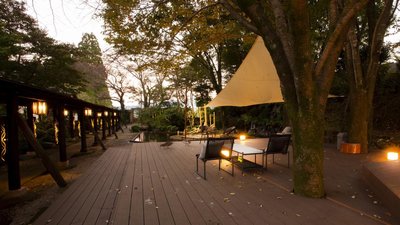
Chikurakutei
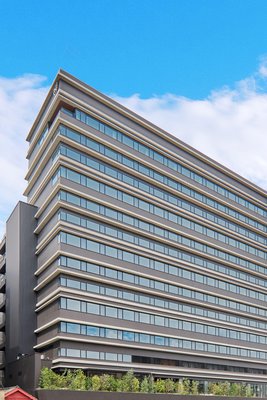
The Royal Park Canvas Fukuoka Nakasu
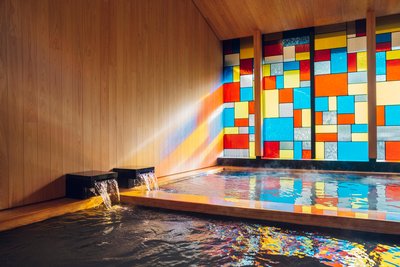
Hoshino Resorts Kai Unzen
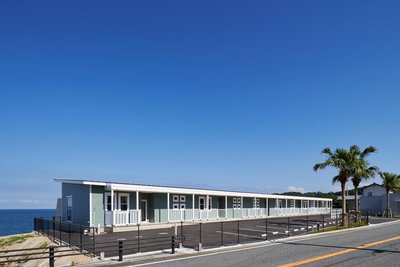
Alfacio Resort Stay Itoshima
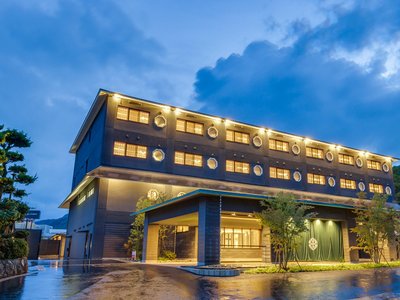
Ureshino Yadoya

seven x seven itoshima
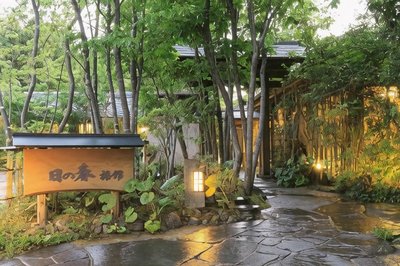
Yufuin Onsen Hinoharu Ryokan
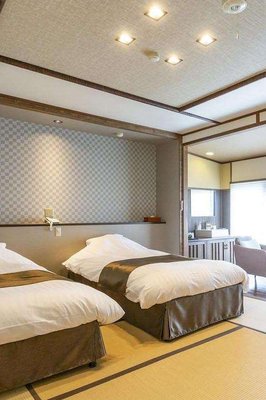
Sozankyo
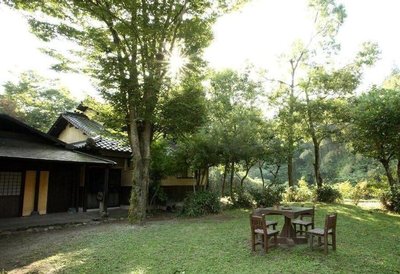
Yamashinobu
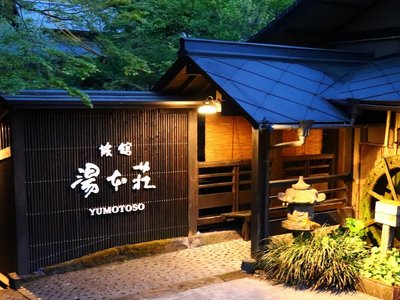
Ryokan Yumotosou
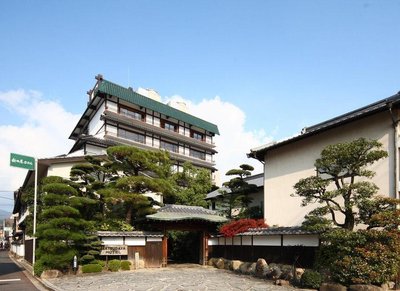
Matsudaya Hotel
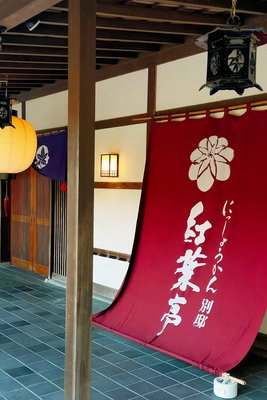
Nisshokan Bettei Koyotei
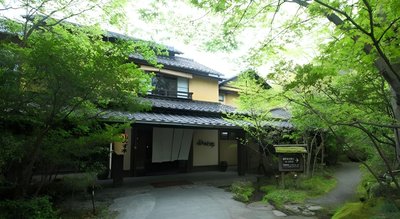
Kurokawaonsen Yamamizuki
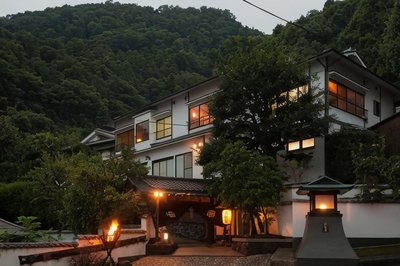
Beppu Showaen
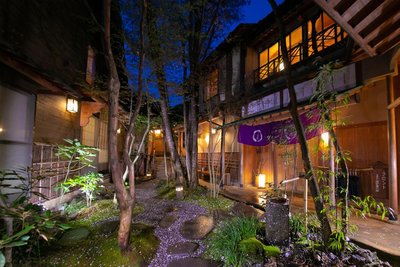
Oyado Ichizen
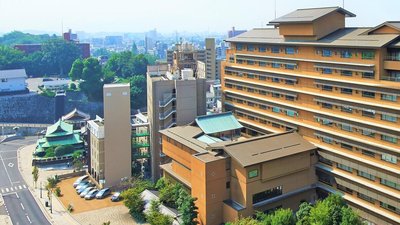
Yamatoya Honten
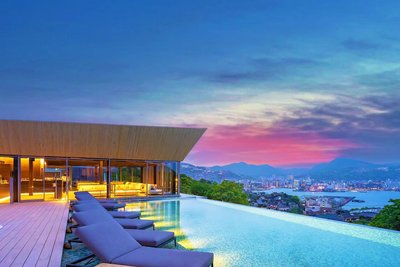
Garden Terrace Nagasaki Hotel & Resort
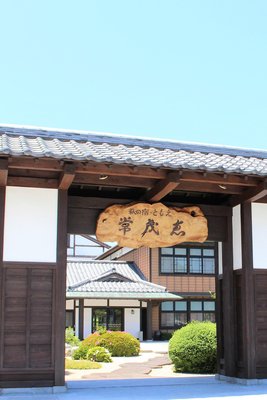
Hagi No Yado Tomoe
Garden Terrace Nagasaki Hotel & Resort
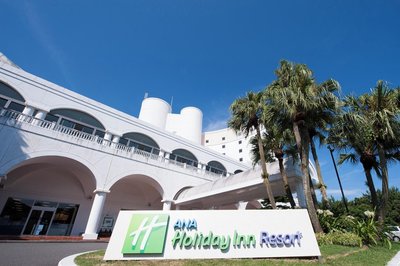
Holiday Inn Resort Miyazaki
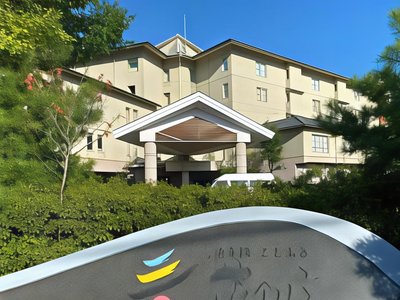
Yufuin Kotobuki Hananosho
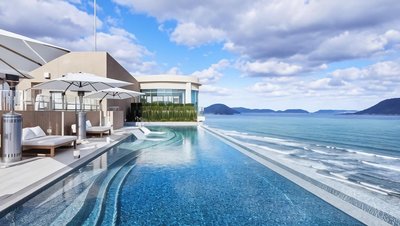
Karatsu Seaside Hotel
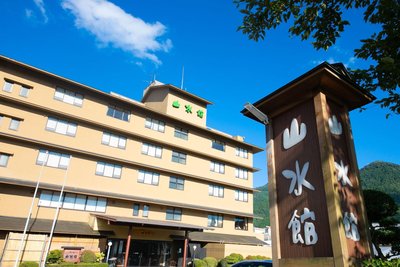
Yufuin Sansuikan
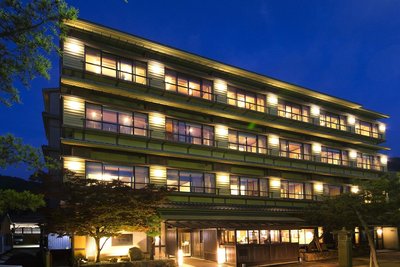
Kinsuikan
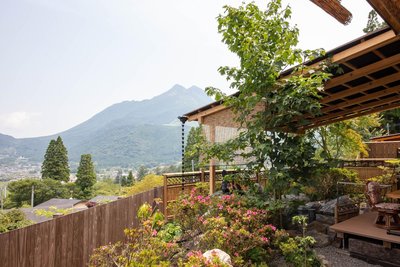
Yufuin-Sanso Waremokou
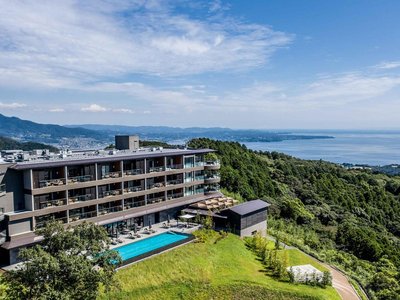
Ana InterContinental Beppu Resort & Spa
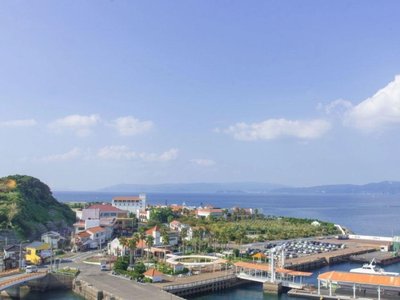
I+Land Nagasaki
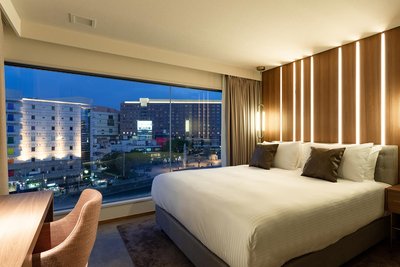
The OneFive Villa Fukuoka
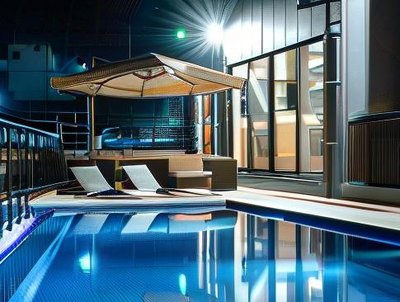
LiVEMAX RESORT MIYAHAMA ONSEN OCEAN
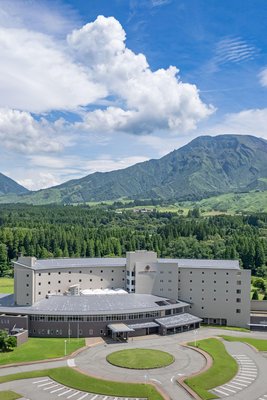
KAMENOI HOTEL ASO
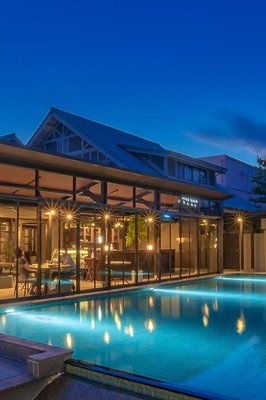
Amane Resort Gahama
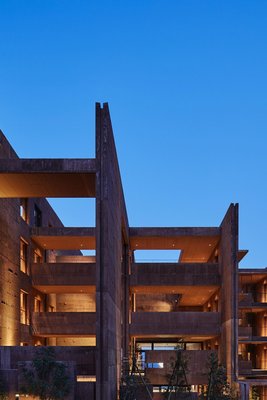
SEKIYA RESORT GALLERIA MIDOBARU
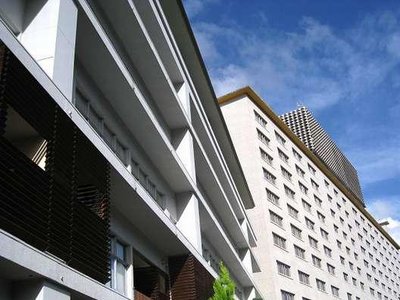
Beppu Suginoi Hotel

Phoenix Seagaia Ocean Tower
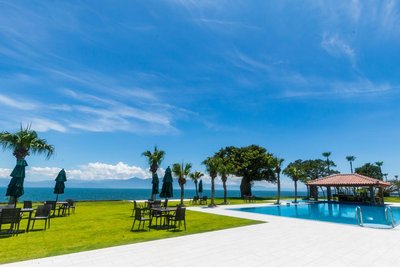
Kagoshima Sunamushi Onsen Ibusuki Hakusuikan
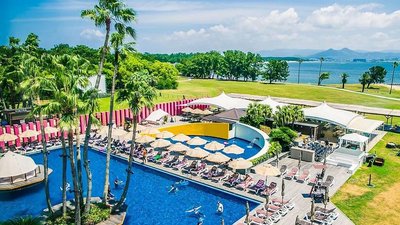
The Luigans Spa and Resort
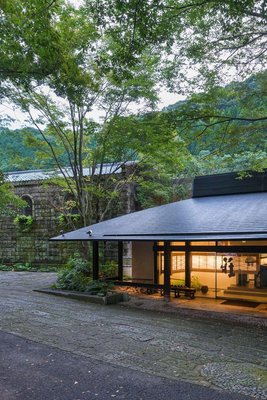
Myoken Ishiharaso

SHIROYAMA HOTEL kagoshima
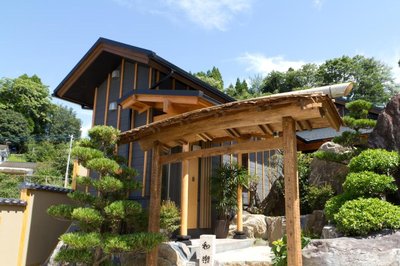
Ryokan Shinsen
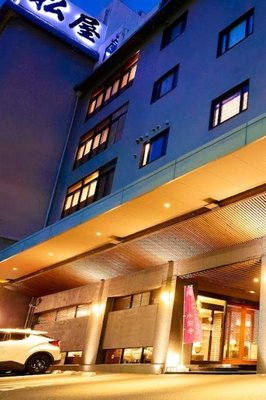
Ryotei Matsuya Honkan Suizenji
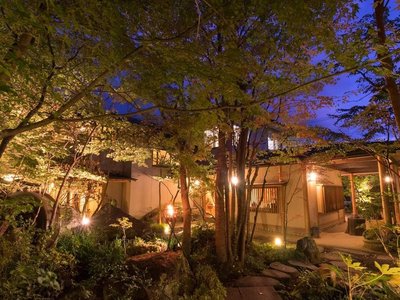
Ryoso Yufuin Yamadaya
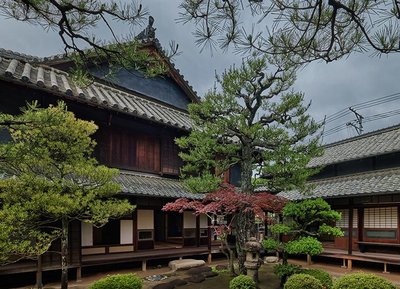
NIPPONIA HOTEL Takehara Saltworks Town
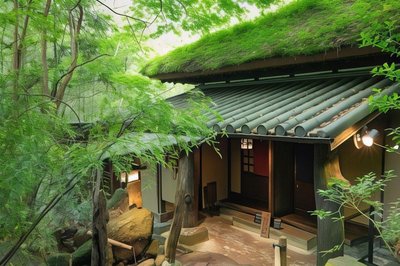
Sanso Tensui
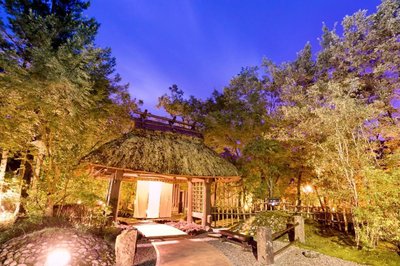
Satonoyu Waraku
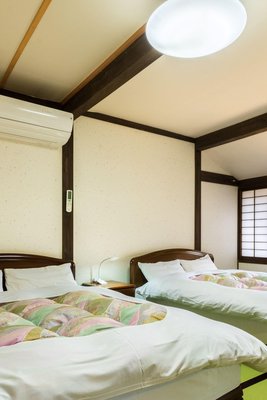
Tobise Onsen Tenga Sanso
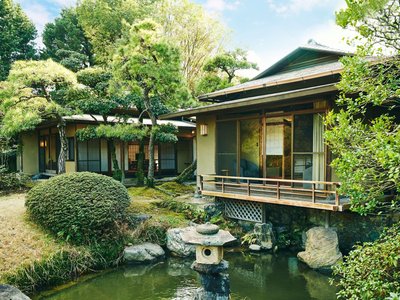
Suisui Garden Ryokan (in the Art Hotel Kokura New Tagawa)
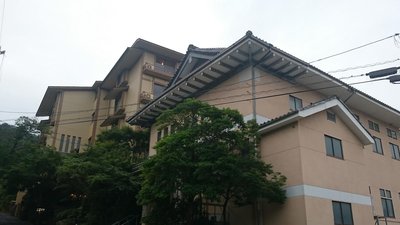
Miyajima Hotel Makoto
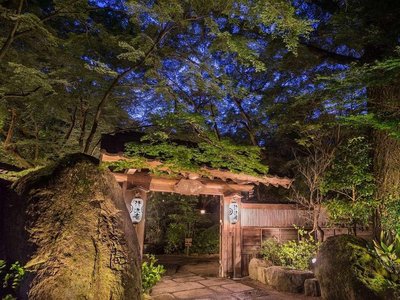
Akizuki Spa Ryokan Seiryuan
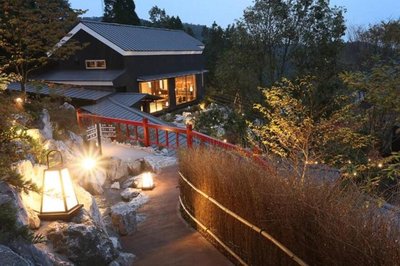
Gekkoju Kurokawa
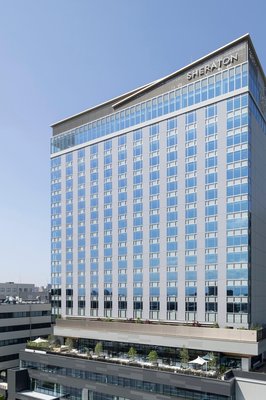
Sheraton Kagoshima
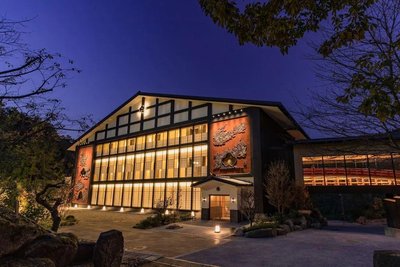
Okuhita Onsen Umehibiki
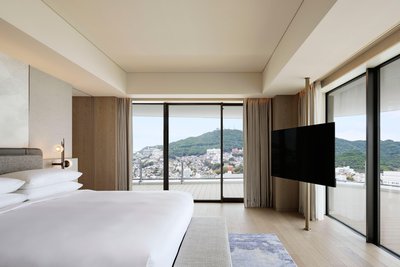
Nagasaki Marriott Hotel
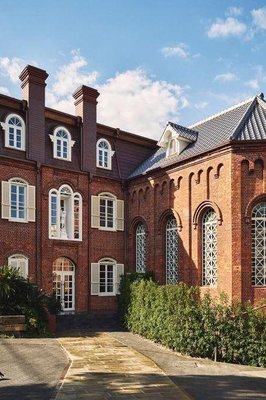
Hotel Indigo Nagasaki Glover Street by IHG
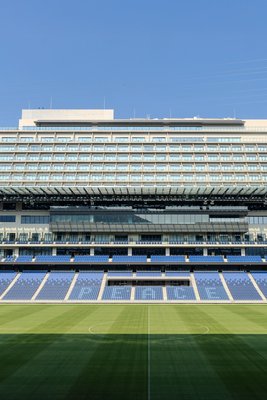
Stadium City Hotel Nagasaki
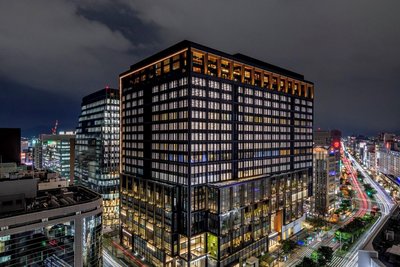
ONE FUKUOKA HOTEL
Ryokan Shinsen
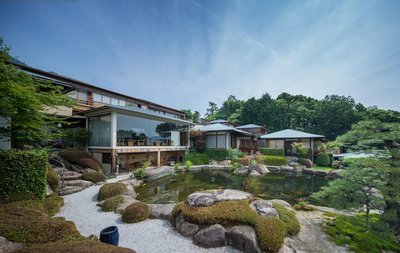
SEKITEI

Yamatoya Besso
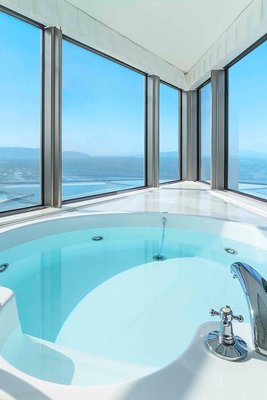
Hilton Fukuoka Sea Hawk

Olive Bay Hotel
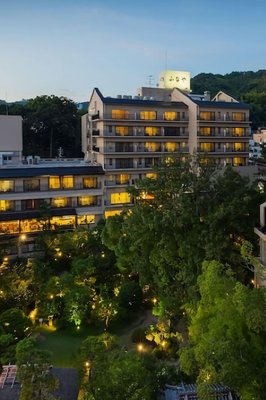
Funaya
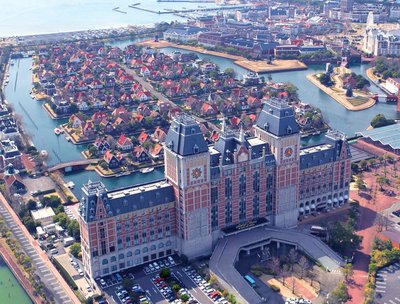
Hotel Okura Jr Huis Ten Bosch
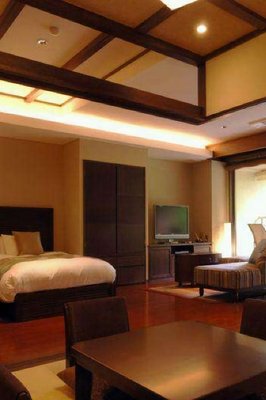
Bettei Oborozukiyo
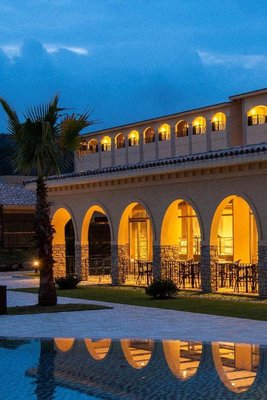
La Vista Kirishima Hills
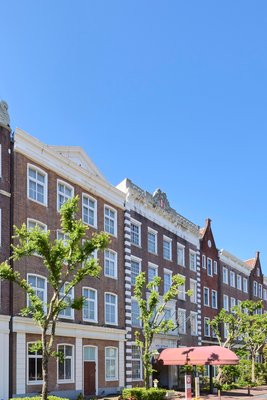
Hotel Amsterdam Huis Ten Bosch

Yumotoankiyohime
Ana InterContinental Beppu Resort & Spa
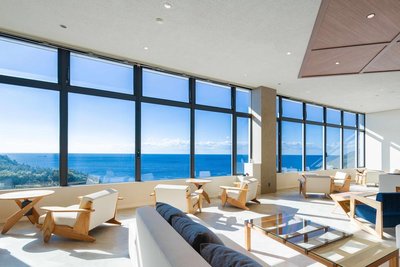
TheMana Village
Amane Resort Gahama

Hotel Barrière Fouquet's New York
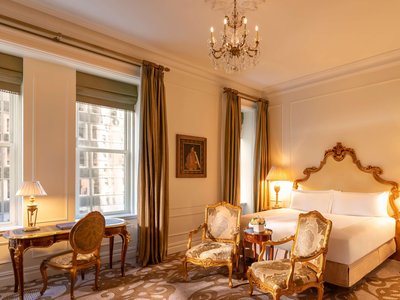
The Plaza - A Fairmont Managed Hotel
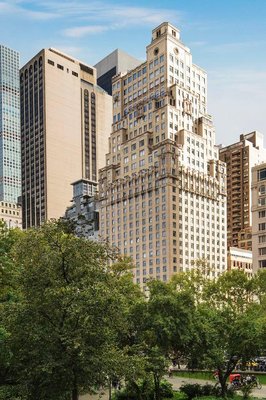
The Ritz-Carlton New York, Central Park
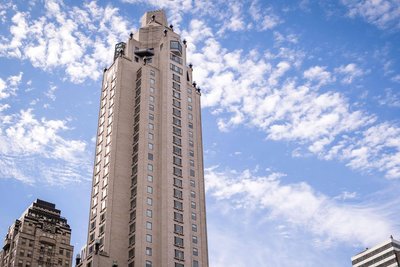
Four Seasons Hotel New York
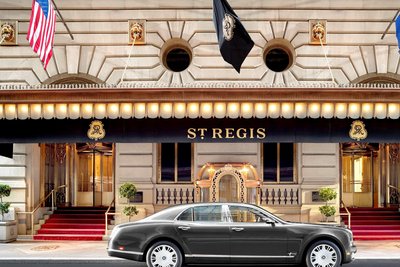
The St. Regis New York
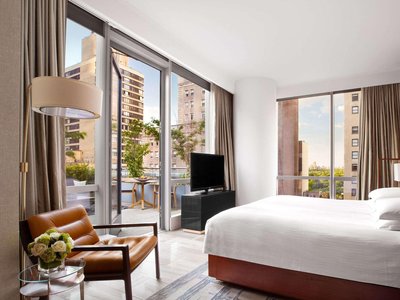
Park Hyatt New York
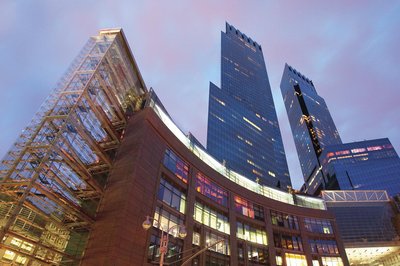
Mandarin Oriental New York
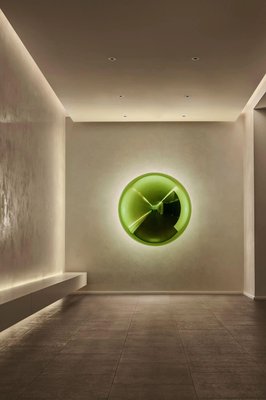
Times Square Edition New York

Loews Regency New York Hotel
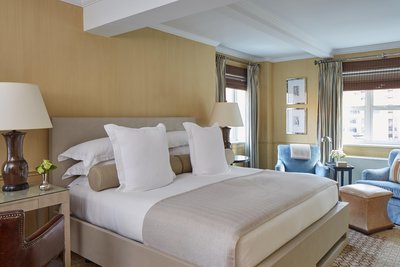
Lowell Hotel
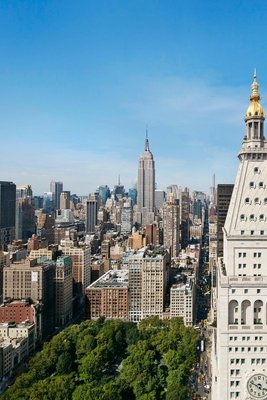
New York Edition
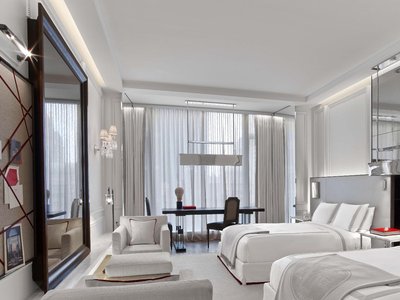
Baccarat Hotel New York
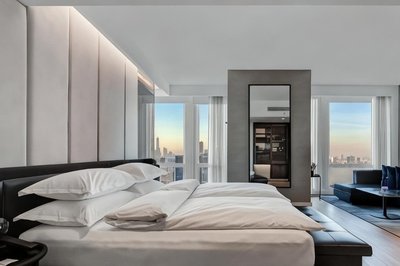
Equinox Hotel New York

Four Seasons Hotel New York Downtown
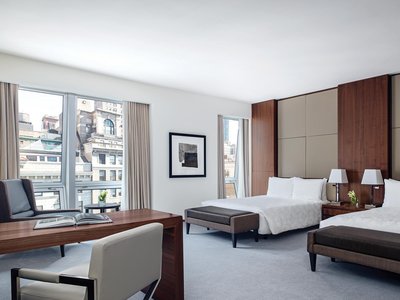
The Langham, New York, Fifth Avenue

The Carlyle, A Rosewood Hotel

The Chatwal, in the Unbound Collection by Hyatt
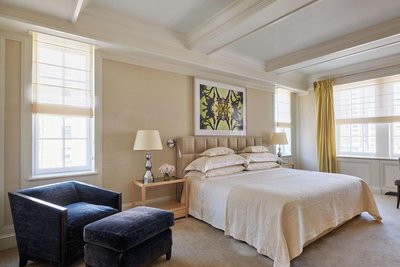
The Mark New York
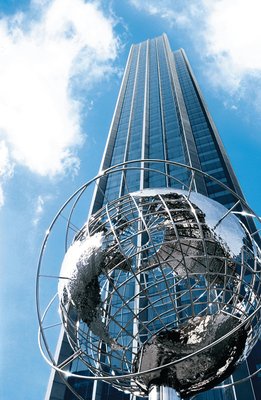
Trump International Hotel & Tower® New York
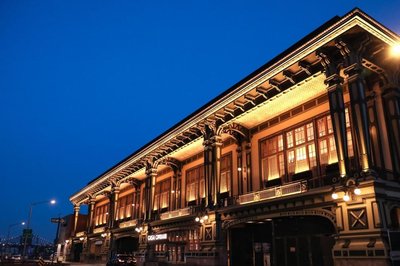
Casa Cipriani New York
Frequently Asked Questions about Traveling to Saito
Questions You Might Need to Know About Traveling to Saito
In Nishitown, the top choice for families is Nishitown Seaside Resort, a resort-style hotel blending traditional Japanese gardens with modern amenities. Located just steps from Nishitown Beach, it features a kids' pool, family suites, and hands-on workshops like local cuisine making. Guests can easily walk to Nishitown Shrine for cultural experiences. Nearby Nishitown Forest Trail offers safe, scenic hikes perfect for children. The hotel also provides free shuttle buses to downtown, ensuring convenience and comfort for parents and kids alike.
The Central District of Nishitown is the ideal area for accommodation. It’s close to Nishitown Station and bustling Nishitown Shopping Street, offering easy access to restaurants, shops, and cultural sites. The area hosts modern hotels like Nishitown City Hotel, known for spacious rooms and 24/7 service. Stroll along the Nishitown River Promenade at night to enjoy illuminated bridges and lanterns, capturing the city's tranquil charm. With excellent safety and accessibility, this district suits solo travelers, couples, or groups seeking authentic local life.
Visitors must experience the Nishitown Gion Festival, held annually in spring. The streets come alive with colorful banners, drumming, and locals in kimono carrying ornate floats. Travelers can join the "Pilgrimage Procession" and carry a lantern to Nishitown Shrine to offer prayers. At the Nishitown Craft Museum, guests can participate in workshops on pottery and lacquerware led by master artisans. These immersive activities provide deep insight into Nishitown’s centuries-old traditions and spiritual heritage.
Seizen-kan Hot Spring Inn stands out as Nishitown’s premier onsen destination. Nestled amid mountains, its open-air baths overlook the Nishitown Canyon, offering breathtaking views—especially stunning at night under the stars. The inn uses century-old wooden architecture, with tatami rooms and private garden windows. Each morning includes a kaiseki breakfast featuring local Miyazaki citrus and black pork sukiyaki. Special offerings include a morning tea ceremony guided by a certified tea master and onsen spa packages combining herbal steam and massage for ultimate relaxation.
For couples, Love House by Nishitown River is a dream retreat. This secluded villa sits beside the Nishitown River, featuring a private deck with glass roof for stargazing. Rooms blend warm tones, scented candles, red wine, and a shared soaking tub. The hotel offers a "Starlight Dinner" service, where chefs prepare a personalized meal on the terrace with fresh local seafood and Miyazaki grapes. Guests can also book a night river cruise, drifting past glowing lanterns while listening to soft koto music—perfect for creating unforgettable memories.
Shinshiki Mountain Cabin is designed specifically for solo explorers seeking peace. Tucked deep in the Nishitown Highlands, surrounded by cedar forests, it’s accessible only by a stone path. The minimalist Japanese design features no TV or Wi-Fi—just books, tea sets, and a meditation corner. Daily zen sessions guide guests in forest mindfulness and tea rituals. Evening bonfire storytelling connects travelers with like-minded souls. With no front desk and fully digital reservations, privacy and serenity are guaranteed—ideal for introspection and reconnection.
Nishitown’s cuisine centers on the concept of mountain and sea harmony. Visit Nishitown Market’s Seafood Stall for fresh Miyazaki tuna sashimi and grilled octopus legs. Try Ichizoku Ramen Shop, famous for its century-old tonkotsu broth, handmade noodles, and soft-boiled egg—called "the best bowl in Nishitown." For a hands-on experience, join the farm-to-table dinner, where guests pick Miyazaki strawberries and help chefs create strawberry rice balls and honey-pickled plum tea. These dishes reflect a deep connection between land, sea, and tradition.
Nishitown Old Bridge at Sunset is a must-capture spot—the wooden bridge arches over the Nishitown River, reflecting golden light during twilight. The Nishitown Shrine Torii Grove, especially during cherry blossom season, forms a vivid red tunnel through the trees. For serene shots, visit the Nishitown Moss Garden, where ancient moss blankets the ground like a green carpet—perfect for macro photography. Don’t miss the railway mural near Nishitown Station, a vibrant fusion of folklore and street art. Bring a tripod and wide-angle lens to capture the magic of light and atmosphere.
Yes, Nishitown is highly suitable for self-drivers. Major roads are well-maintained with clear bilingual signage. From Miyazaki Airport, it’s just 40 minutes to downtown via the Nishitown Hills Road, offering scenic views. The Nishitown Lake Loop Road connects key attractions like Nishitown Wetland Park and Nishitown Forest Trail, allowing flexible exploration. Many hotels, including Nishitown Seaside Resort, offer complimentary valet services for evening outings. However, drivers should use anti-slip tires during rainy seasons due to slippery mountain roads.
The best times to visit Nishitown are spring (March to May) and autumn (September to November). Spring brings blooming cherry blossoms at Nishitown Shrine and Nishitown River, creating picturesque scenes ideal for photography. Temperatures hover between 18–22°C, perfect for outdoor activities. Autumn offers crisp air and vibrant foliage across the Nishitown Highlands and hiking trails. It’s also when the Nishitown Gion Festival takes place, rich in cultural energy. Avoid summer heat and typhoon season (June–August), and winter’s cold and low visitor numbers for optimal travel conditions.
Saito Overview
City Summary
Nishimera City, located in the central part of Miyazaki Prefecture, Japan, is renowned for its rich historical culture and natural landscapes. As a significant origin of Japanese mythology, it boasts numerous ancient tombs and historical sites, surrounded by lush mountains and clear rivers. The city is also known for its agriculture, producing high-quality vegetables and fruits, making it an ideal destination to experience Japanese rural charm.
Must-See Attractions
Key attractions in Nishimera include the "Nishito Kofun Group," one of Japan's largest ancient tomb clusters, where visitors can immerse themselves in ancient Japanese history. The "Aya Town" area attracts with its traditional crafts and natural scenery, particularly the Aya Suspension Bridge offering stunning canyon views. Additionally, the Miyazaki Prefectural Nishito Archaeological Museum is a great place to learn about local history.
Food Guide
Nishimera's cuisine is based on local agricultural products. Don't miss trying Miyazaki beef, one of Japan's highest-quality wagyu varieties. The area also offers abundant seafood, such as fresh sea bream and eel. "Jidori chicken" dishes, especially charcoal-grilled chicken, are uniquely flavorful. Locally grown mangoes and citrus fruits are also highly popular.
Transportation Guide
Public transportation in Nishimera mainly consists of buses connecting major city spots and nearby towns. Renting a car provides more flexibility, especially for visiting suburban attractions. From Miyazaki City, it takes about 1 hour by bus or train to reach Nishimera. Check bus schedules in advance as frequencies may be limited. Taxis are available but relatively expensive.
Best Time to Visit
The best times to visit are spring (March-May) and autumn (September-November), when the weather is mild for outdoor activities. Summers are hot and humid, while winters are relatively warm but wet. Spring also offers beautiful cherry blossoms.
Travel Tips
- Respect historical sites like ancient tombs by not touching or damaging them.
- Rural areas may have weak signal strength; offline maps are recommended.
- Many restaurants only accept cash, so carry sufficient yen.
- Locals are somewhat conservative; politeness and respect are essential.
- Stay sun-protected and hydrated during summer.
- Some attractions may require reservations, especially in peak seasons.
Useful Information
Japanese is the primary language; English isn't widely spoken, so learn basic phrases or use a translation app. Most hotels and restaurants offer free Wi-Fi, but rural areas may have unstable connections. Cash remains the main payment method, though credit cards are accepted at larger establishments. Dial 119 for emergencies; major hospitals are downtown. Voltage is 100V with Type A plugs (two flat pins). Post offices and convenience stores provide basic services including ATMs and currency exchange.