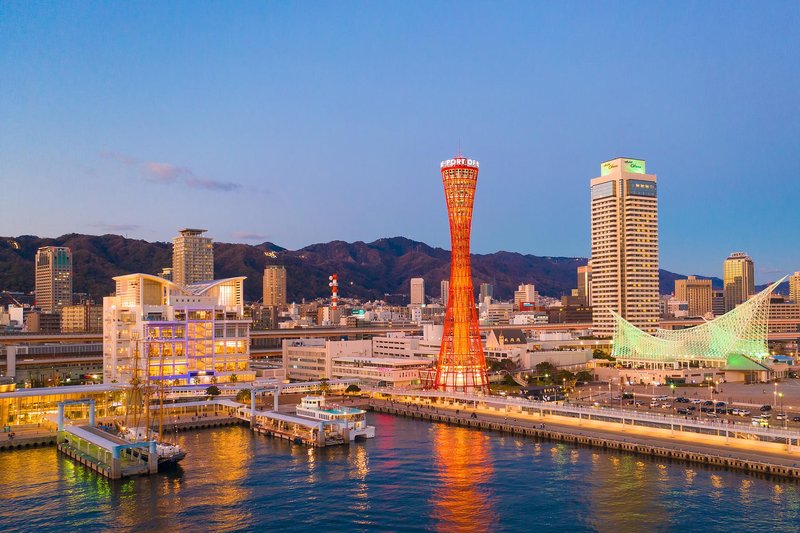
Hotels in Saku
Discover your perfect stay in Saku.
Saku(Japan) Travel 2026: Cheap Flights, Hotels & Top Attractions
Popular Landmarks in Saku
Discover the most iconic attractions in Saku
Recommended Hotels in Saku
Find the perfect place to stay in Saku
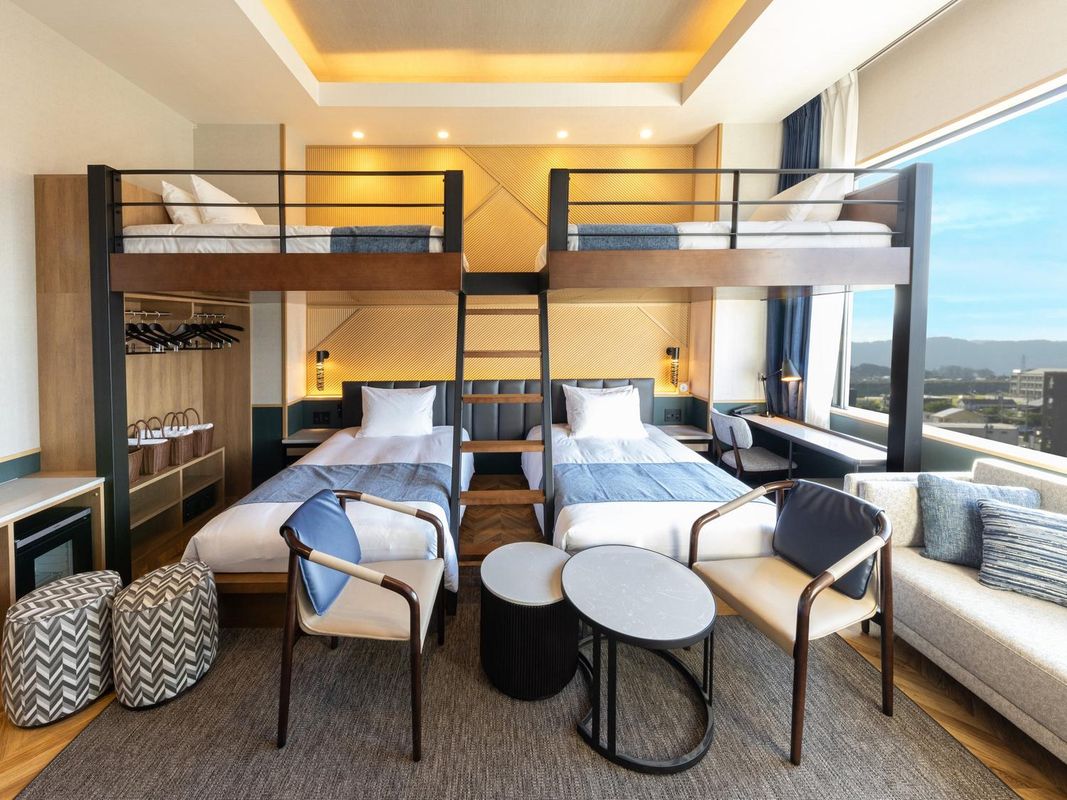
Aqa Hotel Premium
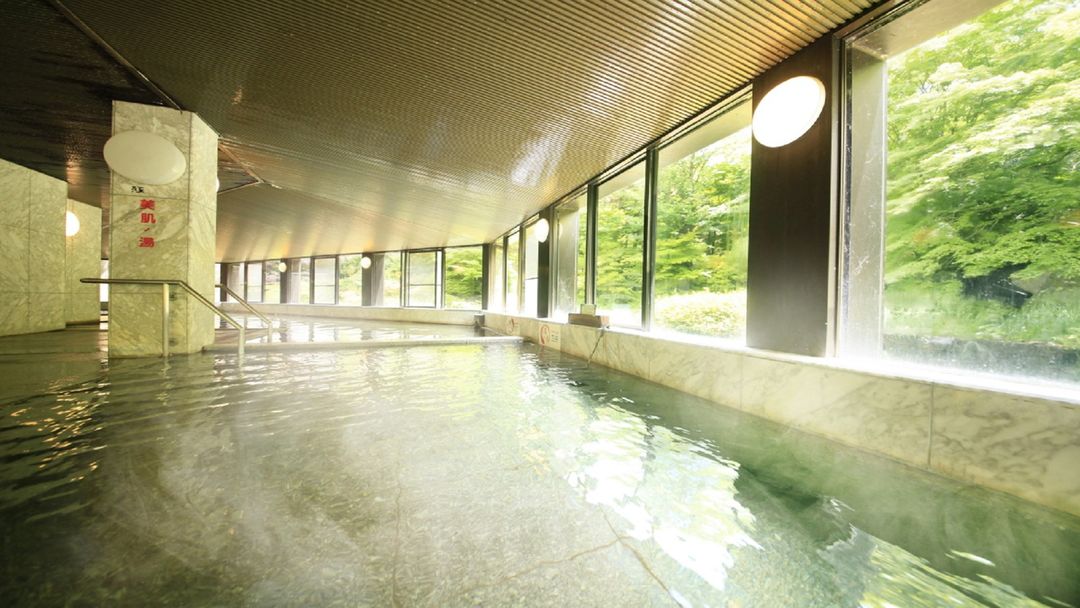
Kasuga No Mori
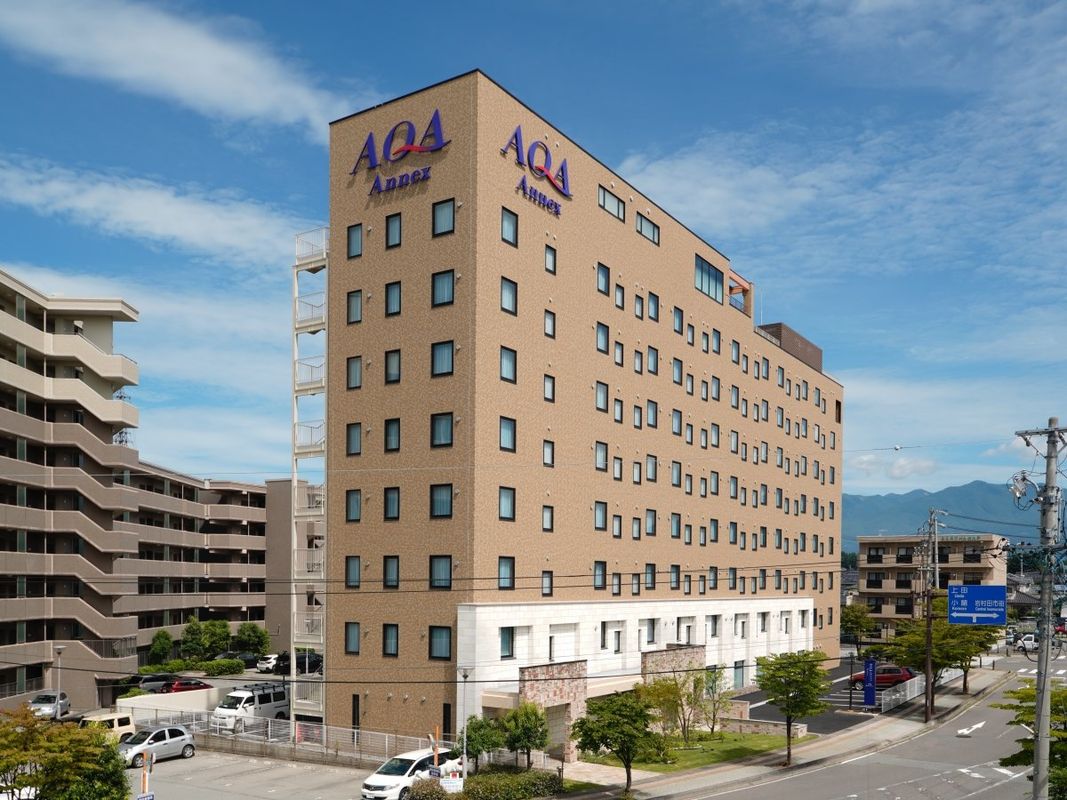
AQA Hotel Annex
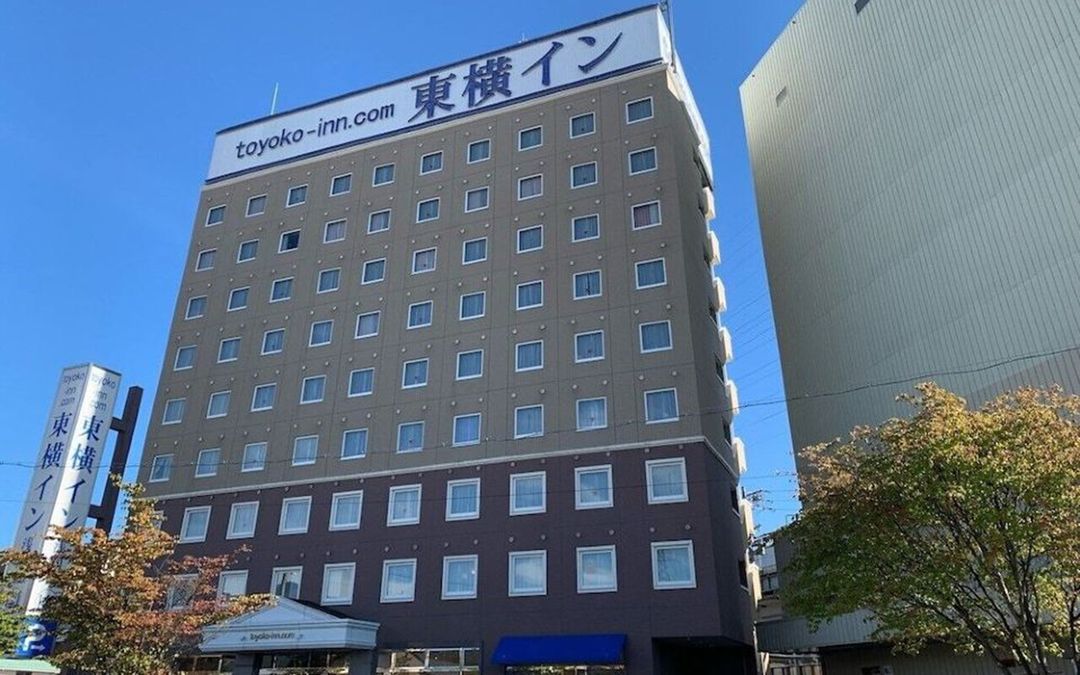
Toyoko Inn Sakudaira-Eki Asama-Guchi
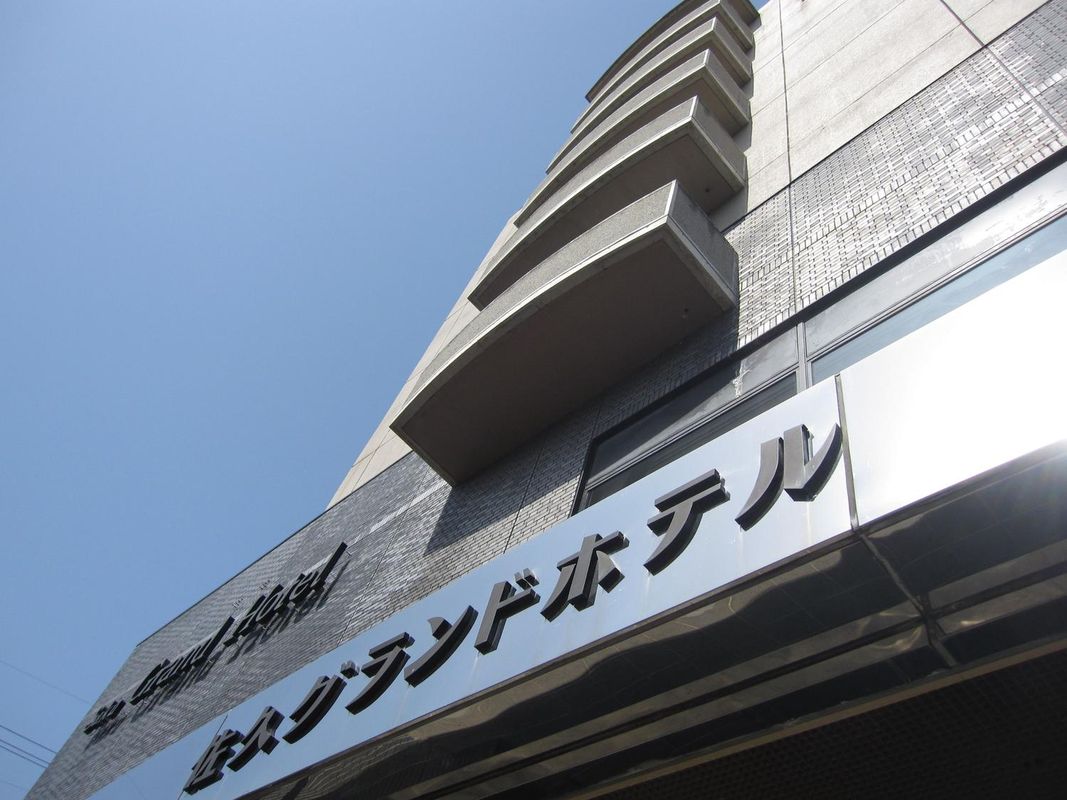
Saku Grand Hotel

HOTEL ROUTE-INN SAKUMINAMIINTER
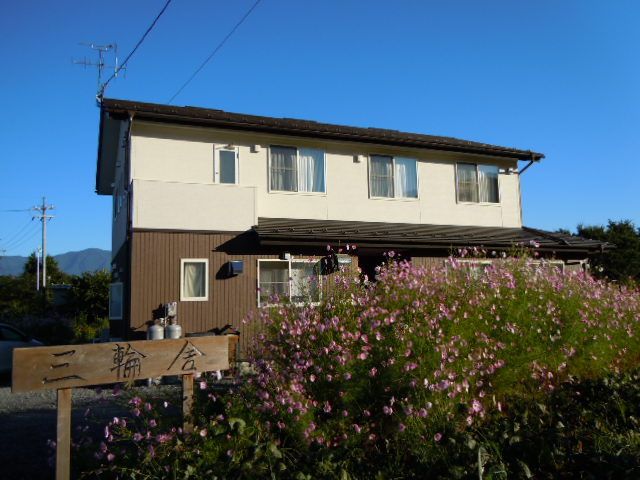
Tabibito No Yado Sanrinsha
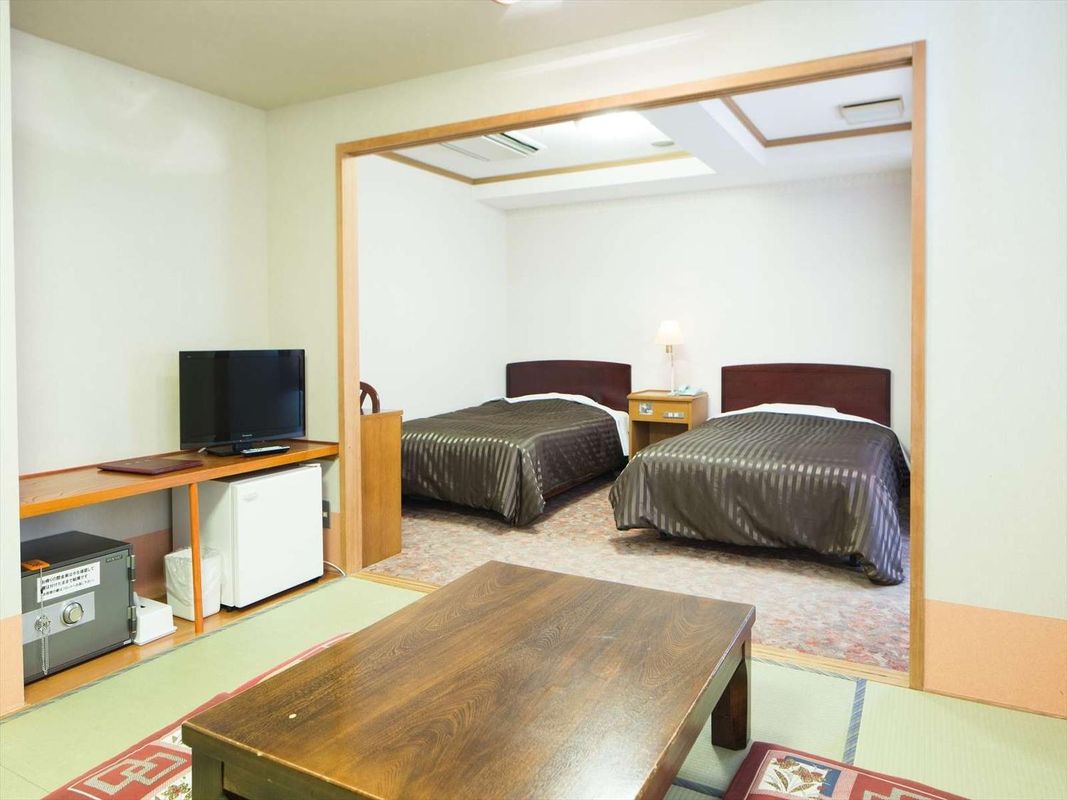
Ichimanri Hotel Golden Century
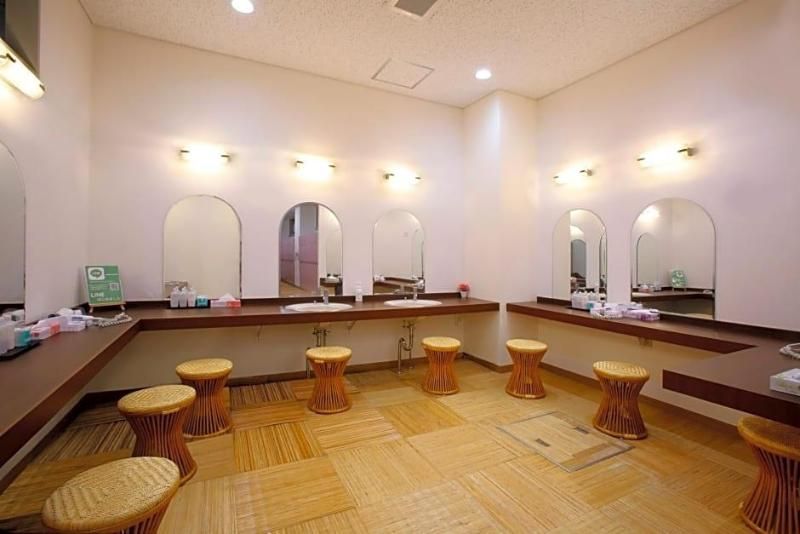
Sakudaira Plaza 21
Best Hotels in Saku
Discover curated hotel collections in Saku
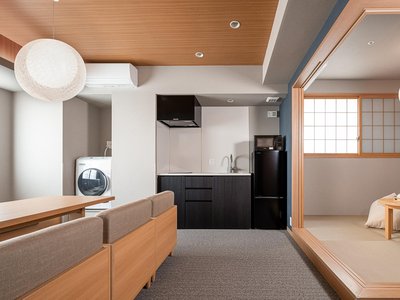
MIMARU SUITES Tokyo Asakusa
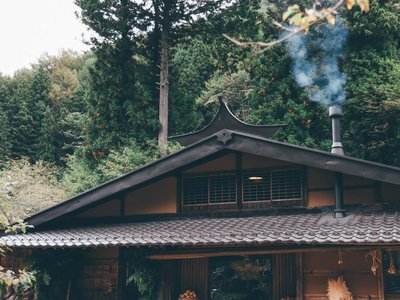
La Terra Resort

karaksa hotel colors Tokyo Yaesu

HOTEL GROOVE SHINJUKU, A PARKROYAL Hotel
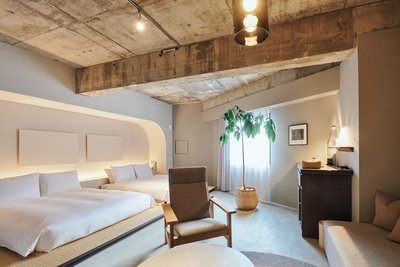
Korinkyo
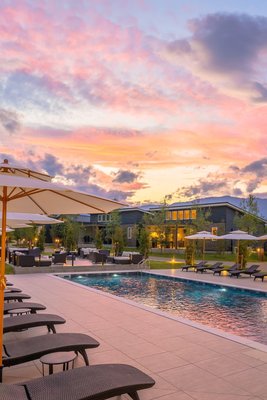
Awaumi Fujikawaguchiko Resort
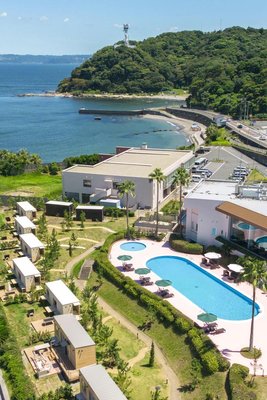
La vista Yokosuka Kannonzaki Terrace
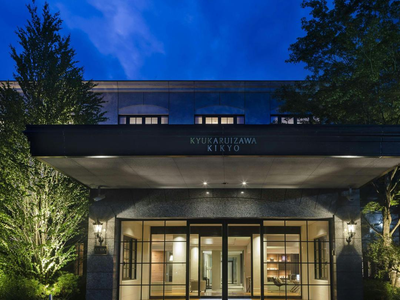
Fufu Karuizawa Wind of Sunshine
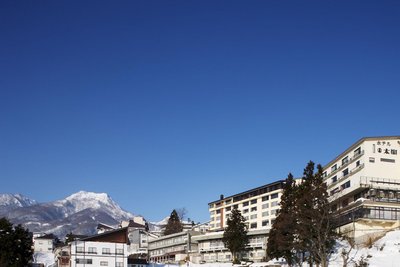
Hotel Taiko, Akakura Onsen
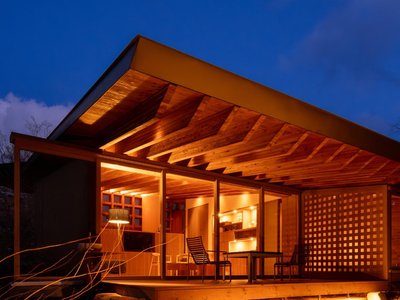
Nasu Mukunone
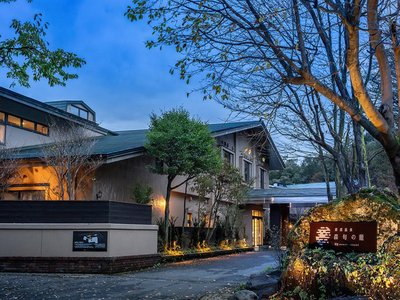
Nasu Onsen Shinshun no Kago Hewitt Resort

Scapes the Suite
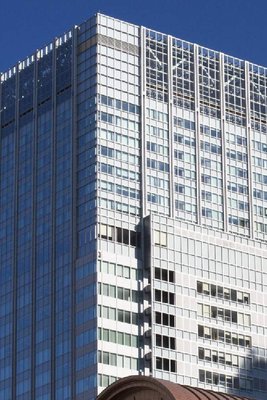
Hotel Metropolitan Tokyo Marunouchi
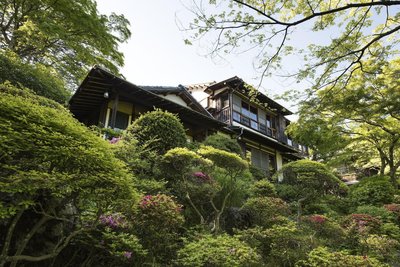
Gora Kansuiro
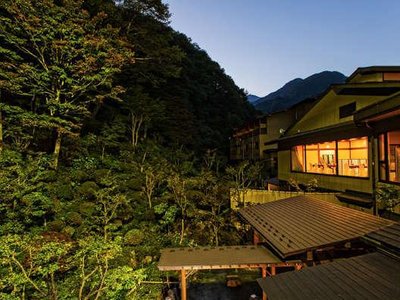
Futari Shizuka
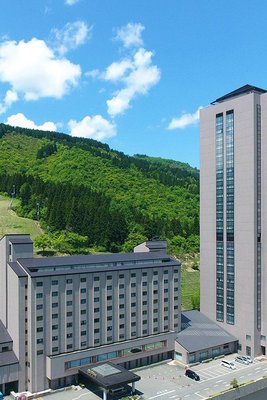
Naspa New Otani
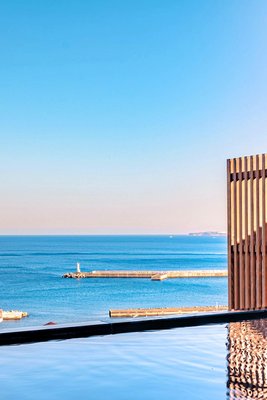
HOTEL KANICHI
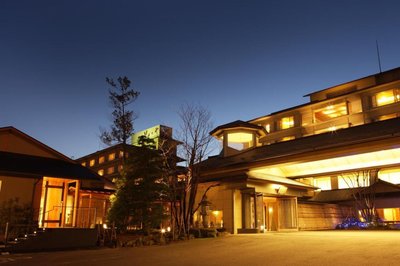
Yumotoya
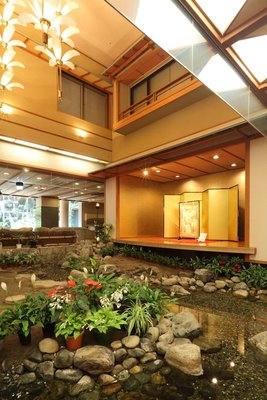
Hotel Futaba
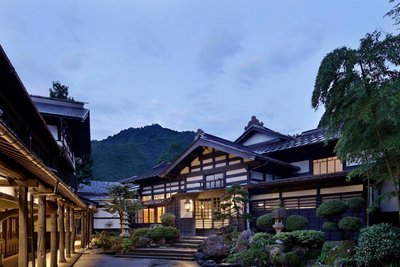
Ryugon
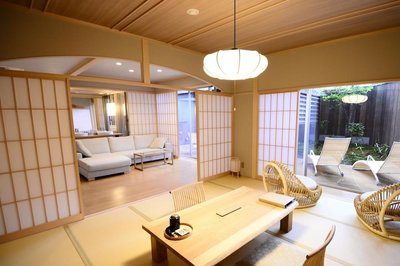
Hakone Gora Byakudan
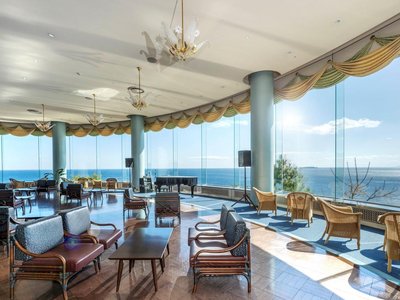
Hotel New Akao
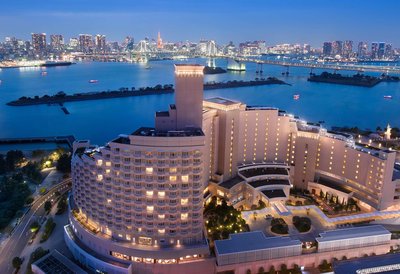
Hilton Tokyo Odaiba
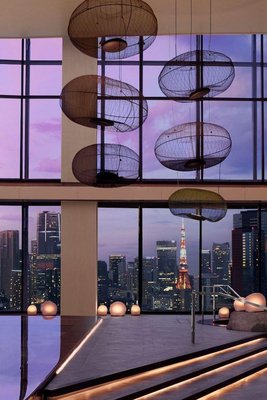
JW Marriott Hotel Tokyo
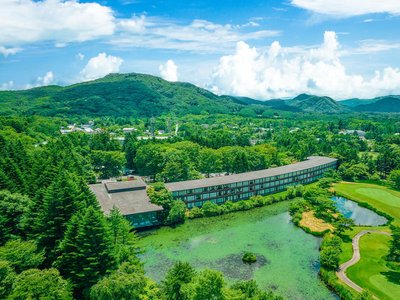
The Prince Karuizawa
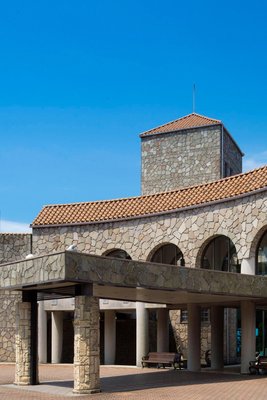
Izumigo Hotel Altia Toba
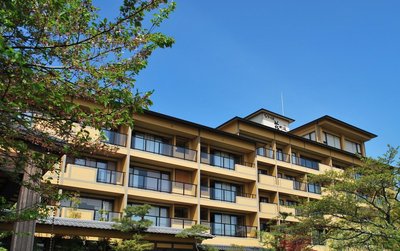
BIWAKO HANAKAIDO
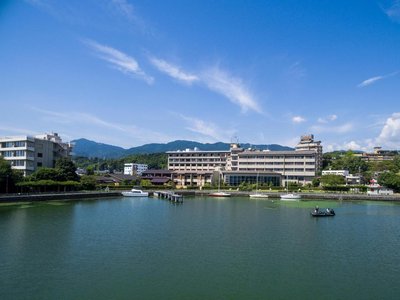
Biwako Ryokusuitei
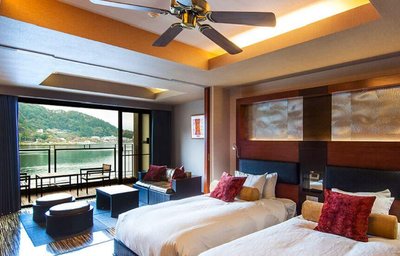
The Kukuna
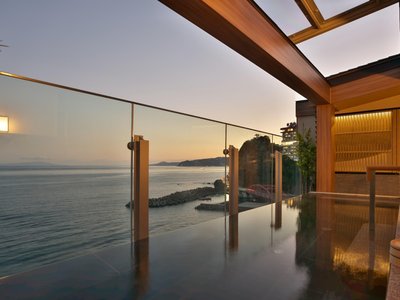
Hotel New Sagamiya
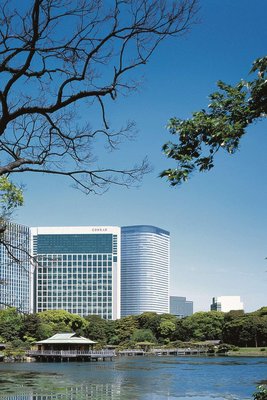
Conrad Tokyo
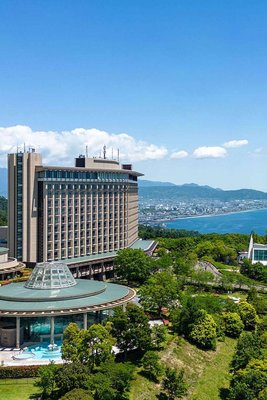
Hilton Odawara Resort & Spa
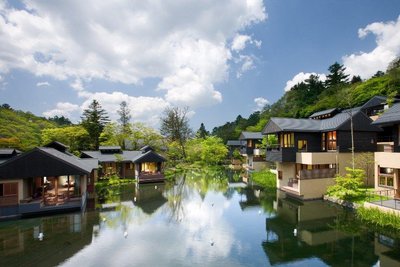
Hoshinoya Karuizawa
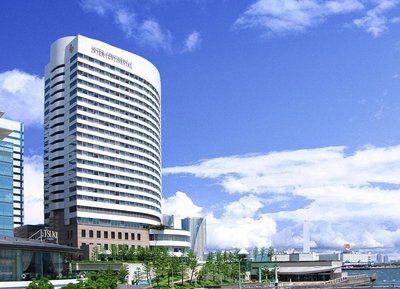
InterContinental Tokyo Bay
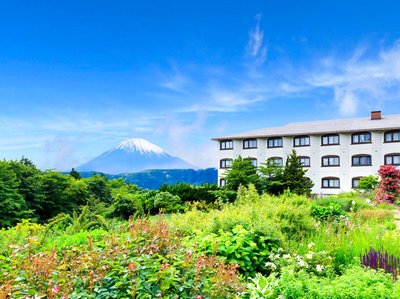
Hotel Green Plaza Hakone
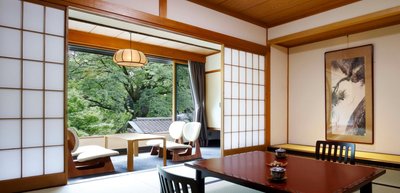
Yoshiike Ryokan
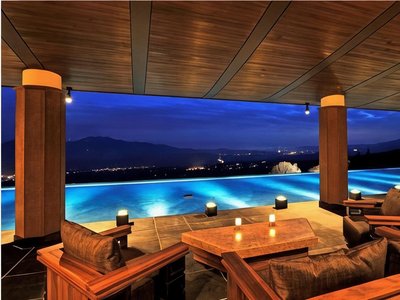
Akakura Kanko Hotel
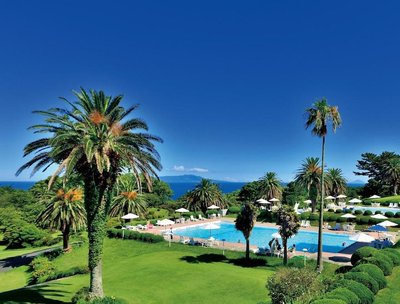
Kawana Hotel
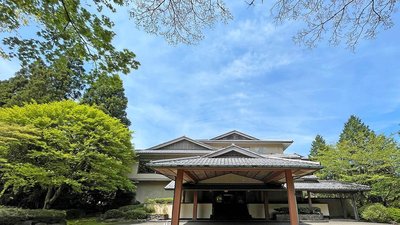
Ryuguden
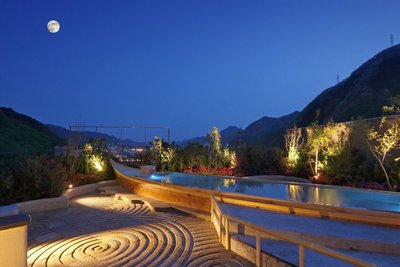
Asaya
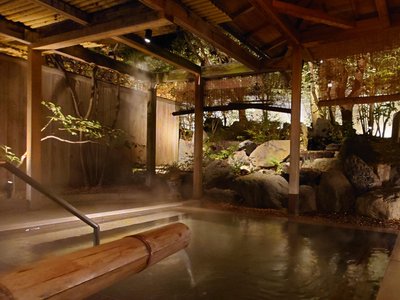
Kasuga Hotel
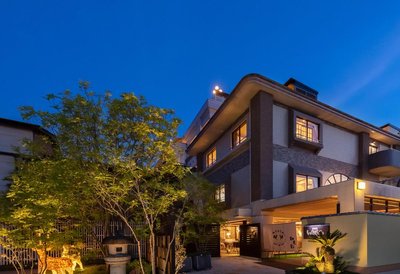
Hotel New Wakasa
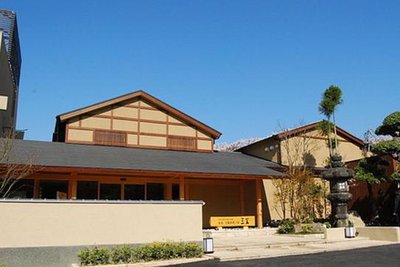
Mikasa
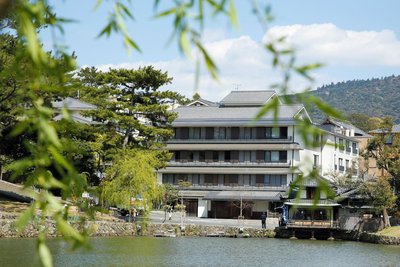
Sarusawaike Yoshidaya
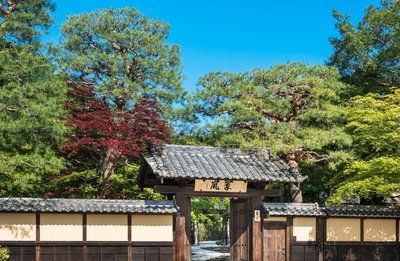
Suiran, a Luxury Collection Hotel, Kyoto
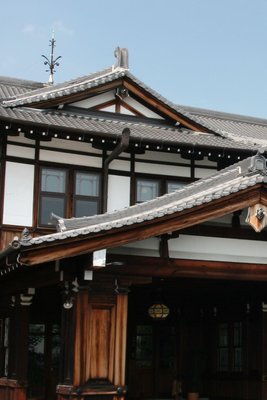
Nara Hotel
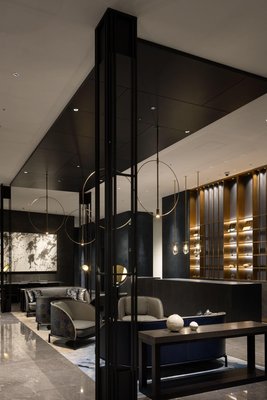
Bellustar Tokyo, A Pan Pacific Hotel
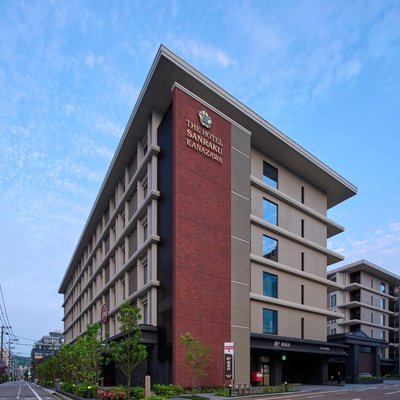
The Hotel Sanraku Kanazawa 21th December 2022 Open
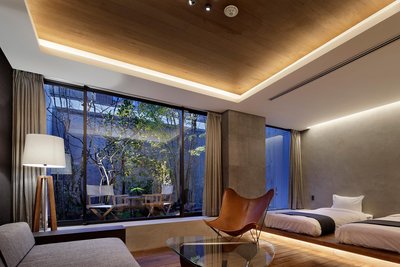
22 PIECES
JW Marriott Hotel Tokyo
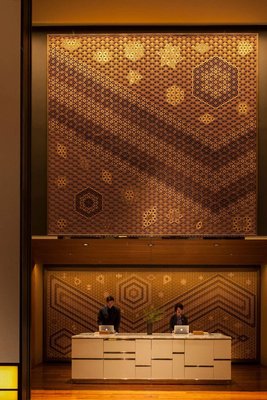
Andaz Tokyo Toranomon Hills- A Concept by Hyatt

The Thousand Kyoto
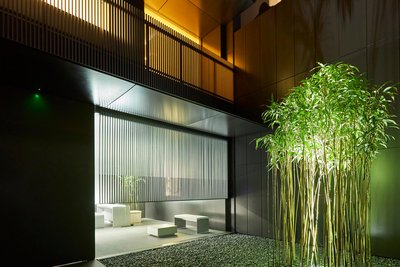
Mogana
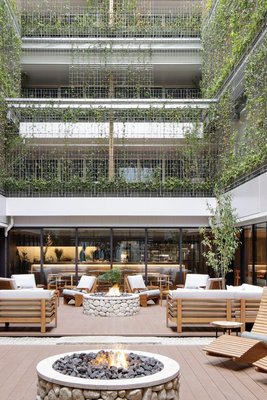
GOOD NATURE HOTEL KYOTO
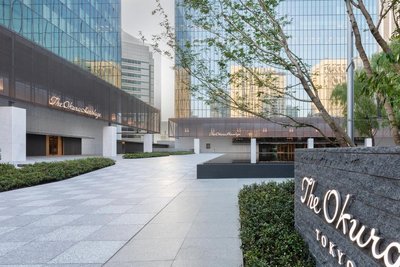
The Okura Tokyo
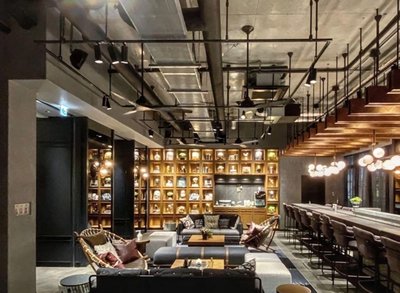
The Lively Azabujuban Tokyo
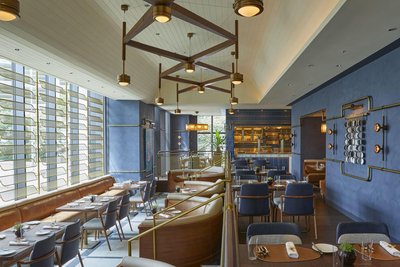
Kimpton Shinjuku Tokyo
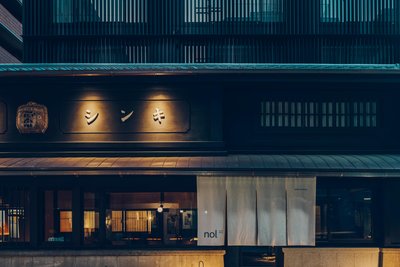
Nol Kyoto Sanjo

HOTEL K5
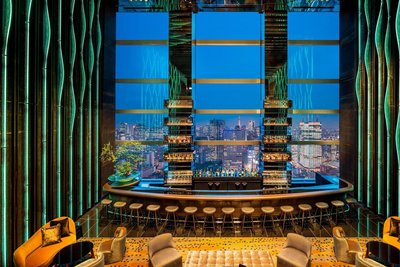
The Prince Gallery Tokyo Kioicho, a Luxury Collection Hotel
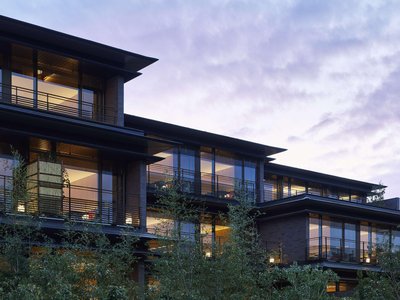
Garrya Nijo Castle Kyoto
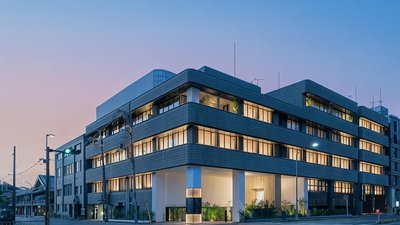
Hotel Kanra Kyoto
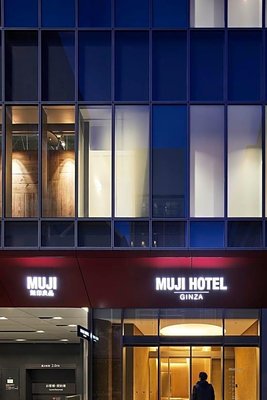
Muji Hotel Ginza
Hakone Gora Byakudan
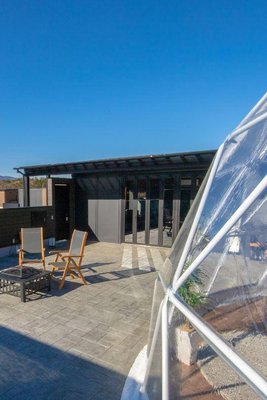
Panoramic Mt. Fuji Views from All Rooms – Vision Glamping Resort & Spa Yamanakako
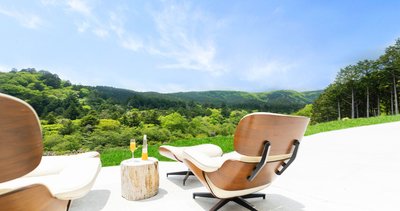
Shelter Garden Nikko
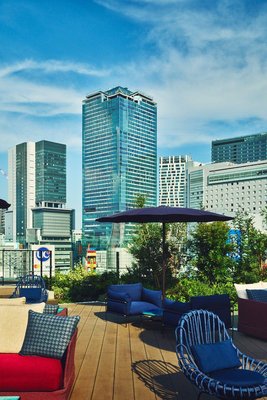
Hotel Indigo Tokyo Shibuya
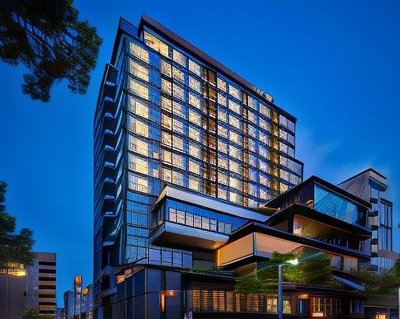
TIAD, AUTOGRAPH COLLECTION
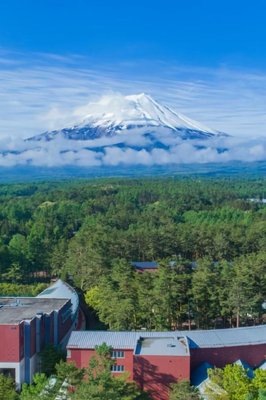
Forest Village (Fuji Premium Resort)
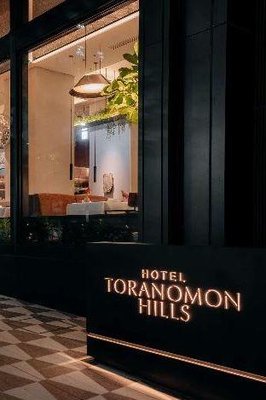
Hotel Toranomon Hills
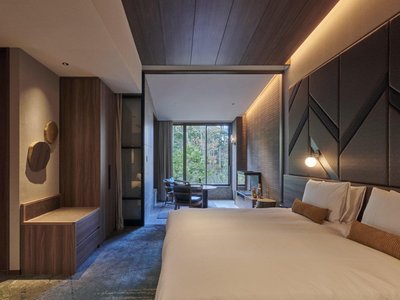
Fufu Kyu-Karuizawa Restful Forest
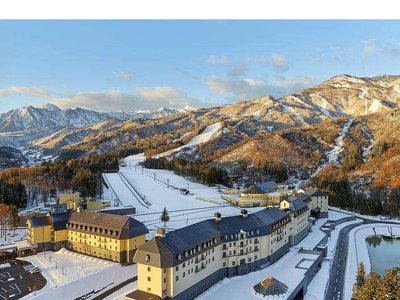
Lotte Arai Resort
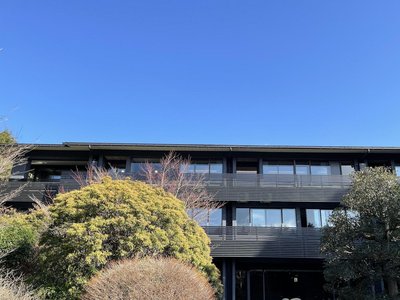
Sengokubara Cocon
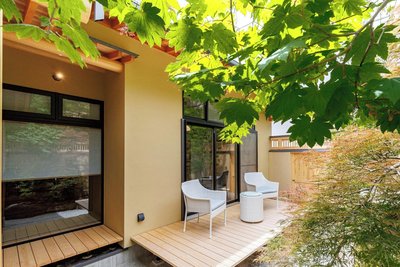
Shoraiso
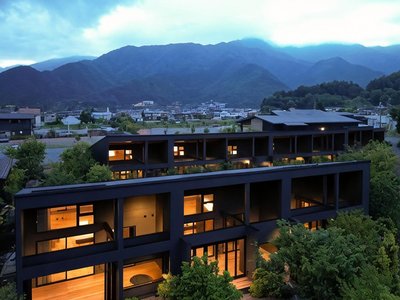
7C Villa and Winery
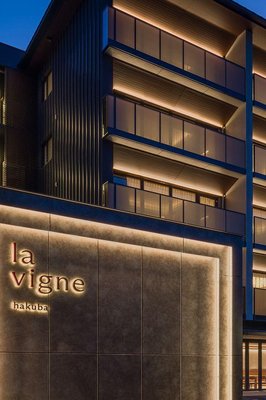
Hotel la Vigne Hakuba by Onko Chishin
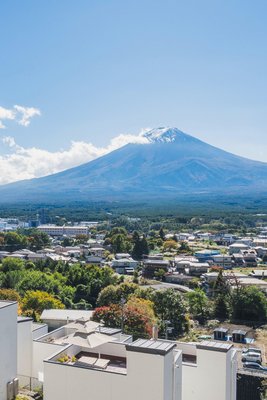
THE TOKI FujiKawaguchiko
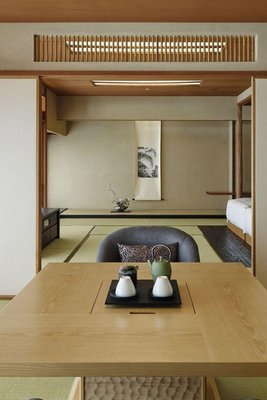
Takanawa Hanakohro (in Grand Prince Hotel Takanawa)
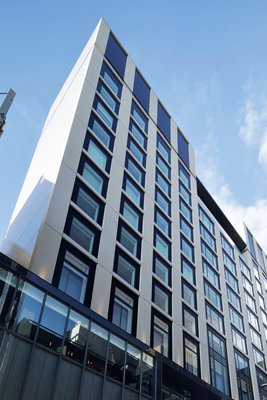
Hyatt Centric Ginza Tokyo
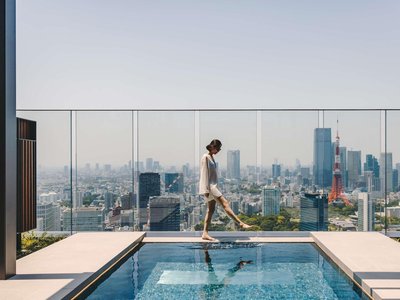
Fairmont Tokyo
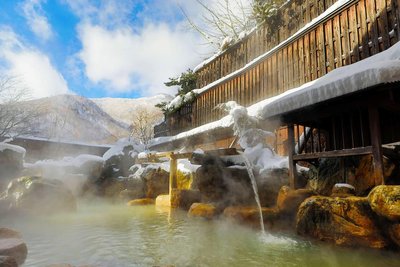
Miyamaouanbekkan yumegurinoyado hirayukan
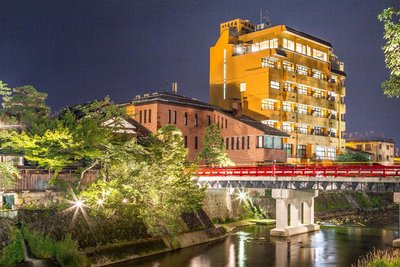
HONJIN HIRANOYA BEKKAN
The Prince Karuizawa
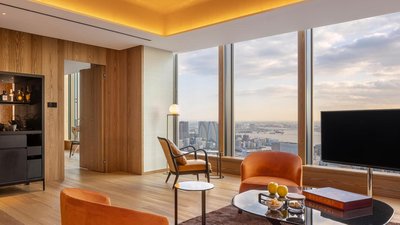
Bvlgari Hotel Tokyo
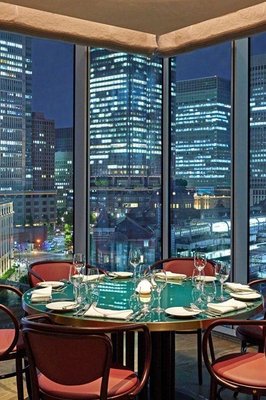
Four Seasons Hotel Tokyo at Marunouchi

Mandarin Oriental, Tokyo
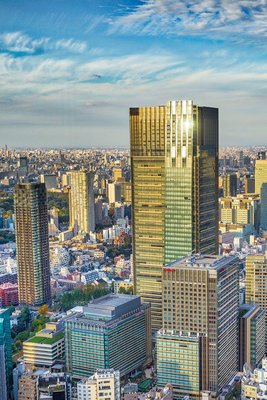
The Ritz-Carlton, Tokyo
Andaz Tokyo Toranomon Hills- A Concept by Hyatt
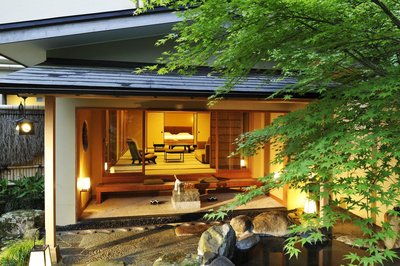
Gora Kadan
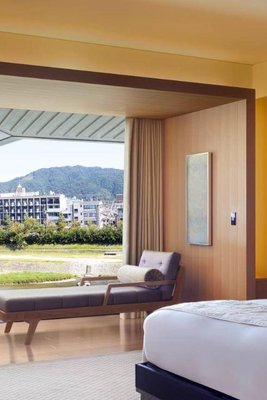
The Ritz-Carlton, Kyoto

Hotel New Otani Tokyo the Main
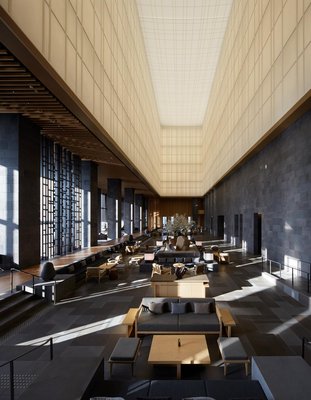
Aman Tokyo
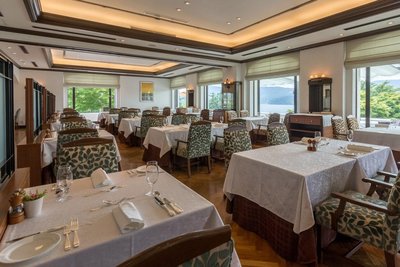
Odakyu Hotel de Yama
Suiran, a Luxury Collection Hotel, Kyoto
GOOD NATURE HOTEL KYOTO
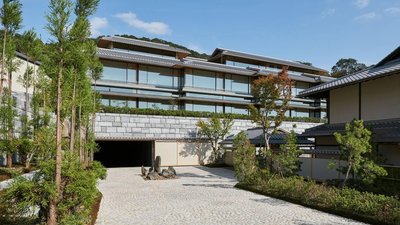
Park Hyatt Kyoto
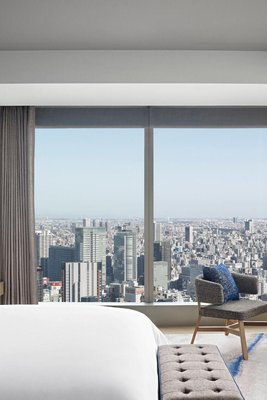
Four Seasons Hotel Tokyo at Otemachi
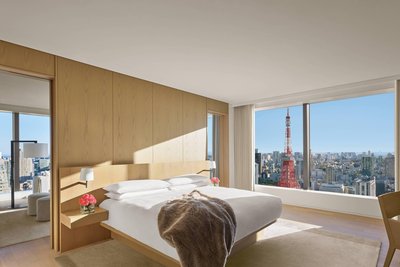
The Tokyo Edition, Toranomon

Hyatt Centric Kanazawa
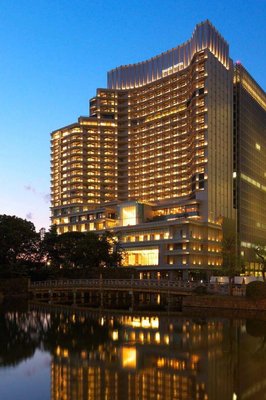
Palace Hotel Tokyo
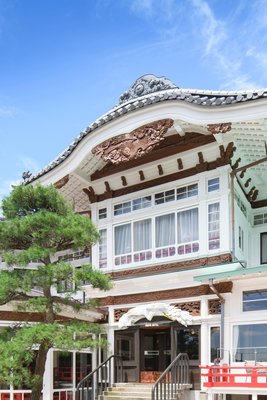
Fujiya Hotel
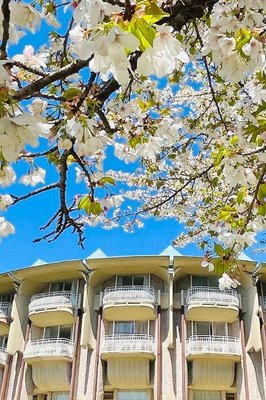
The Prince Hakone Lake Ashinoko
Nara Hotel
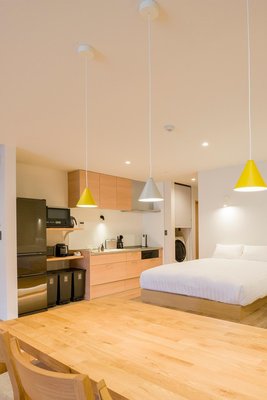
Rakuten STAY VILLA Nasu
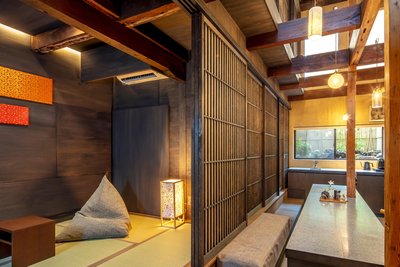
Kyo No Oozora Kihana
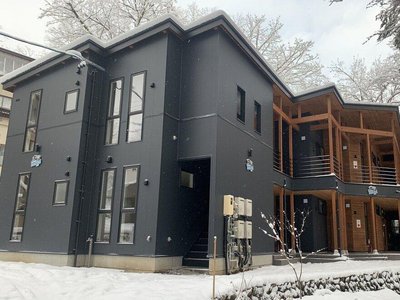
Hakuba Gondola Apartments
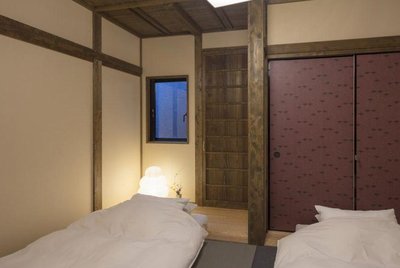
Hanagoromo Machiya House
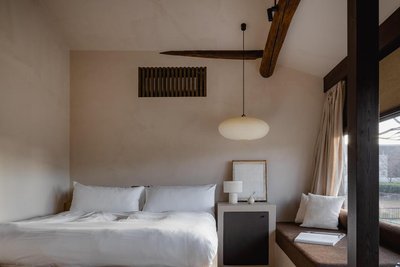
Maana Kiyomizu
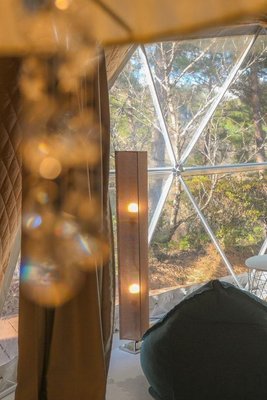
glampark Gekkabijin Nagano
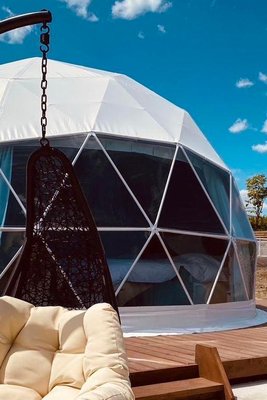
chillout glamping zao
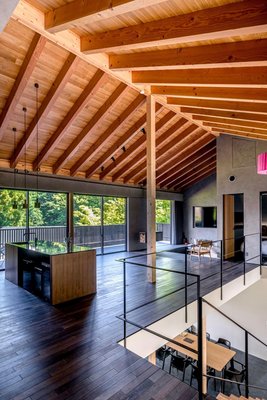
MONS GORA
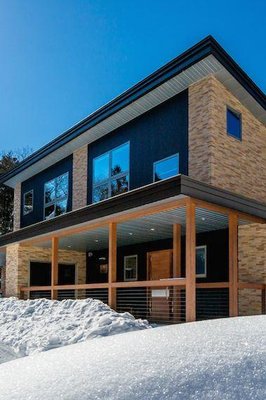
Phoenix Chalets by Hhg
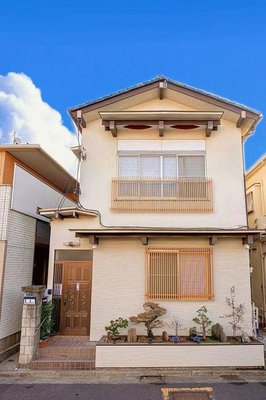
Tokyo Star House-Shinkoiwa
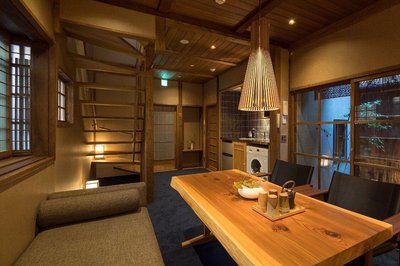
Bonbori an Machiya House
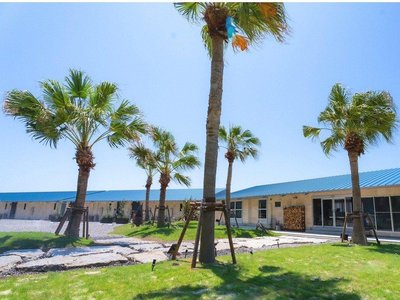
Glamping&Resort Wood Design Park Noma
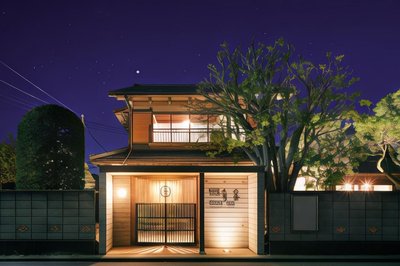
Machi-Jyu
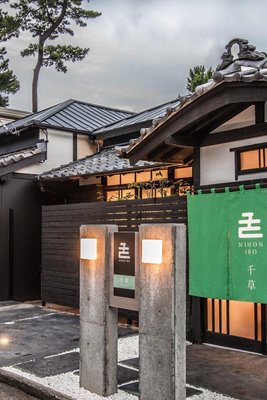
Nihon Iro
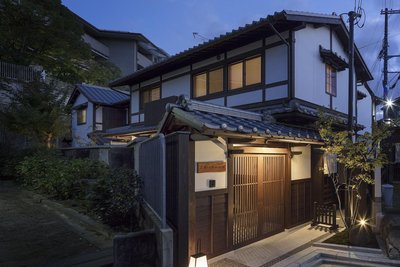
The Machiya Villa Sanjo Shirakawa Koji
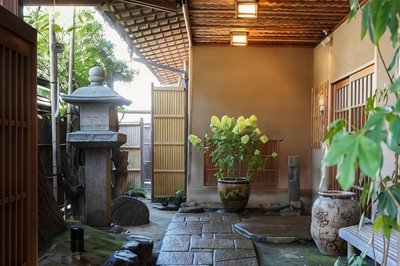
Ryokan Asadaya
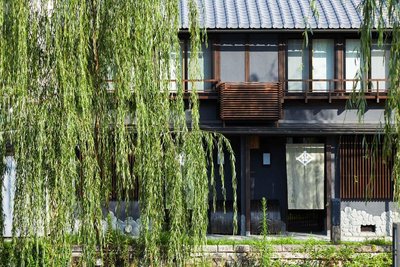
Gion Shirakawa No Yado

Kitashirakawa Natural Radium Onsen
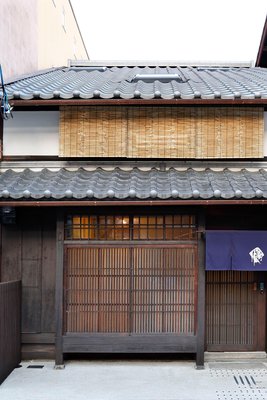
Kyo No Ondokoro Kamanza Nijo #2
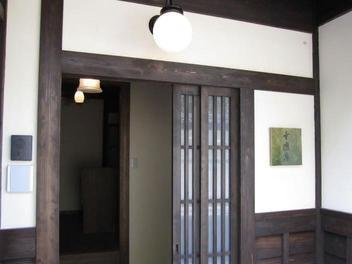
Gion Koyu an Machiya House

Hotel Barrière Fouquet's New York
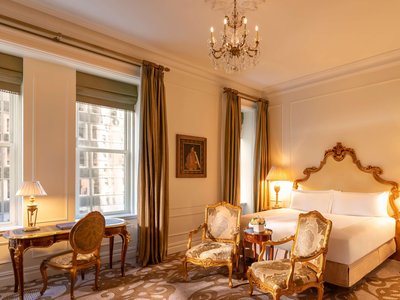
The Plaza - A Fairmont Managed Hotel
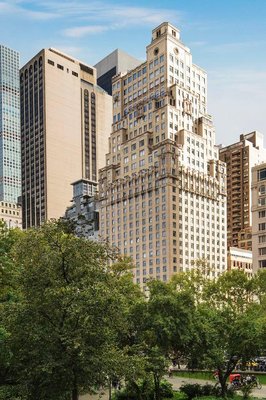
The Ritz-Carlton New York, Central Park
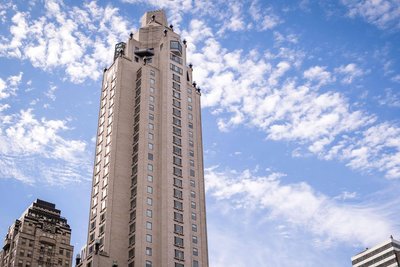
Four Seasons Hotel New York
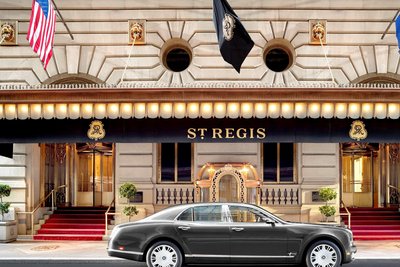
The St. Regis New York
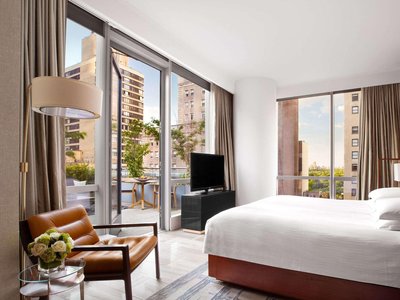
Park Hyatt New York
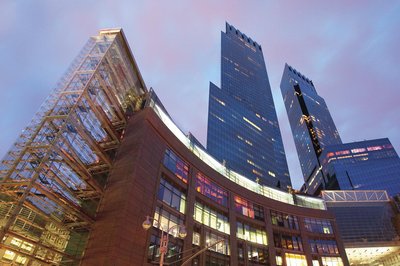
Mandarin Oriental New York
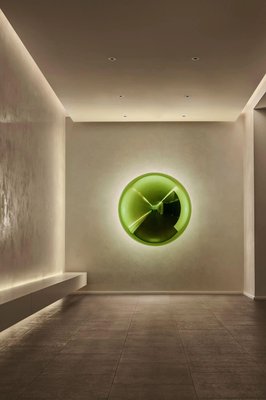
Times Square Edition New York

Loews Regency New York Hotel
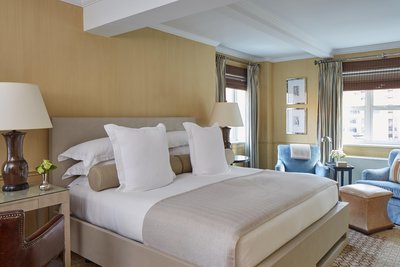
Lowell Hotel
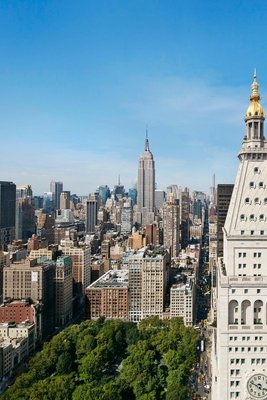
New York Edition
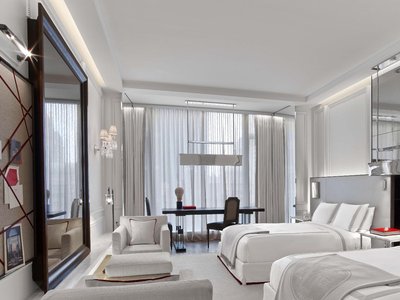
Baccarat Hotel New York
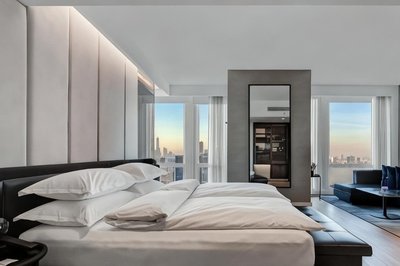
Equinox Hotel New York

Four Seasons Hotel New York Downtown
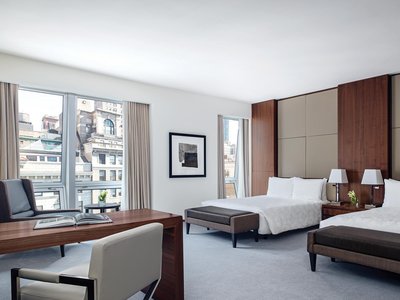
The Langham, New York, Fifth Avenue

The Carlyle, A Rosewood Hotel

The Chatwal, in the Unbound Collection by Hyatt
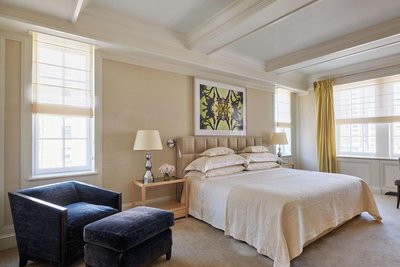
The Mark New York
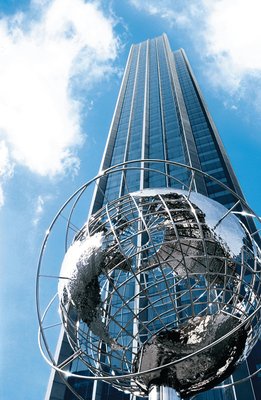
Trump International Hotel & Tower® New York
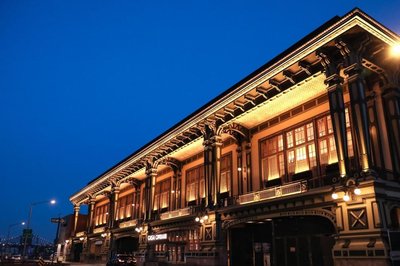
Casa Cipriani New York
Frequently Asked Questions about Traveling to Saku
Questions You Might Need to Know About Traveling to Saku
In Saku City, recommend staying at Saku Royal Hotel, centrally located near Saku Civic Center and Saku Park. The hotel offers spacious rooms with child-friendly amenities, including cribs and themed activity kits. Many rooms feature views of Lake Suwa, and the property includes a free onsen bath perfect for post-adventure relaxation. Local highlights include nearby Saku Old-Style Sobaya, serving authentic regional dishes like mountain vegetable stew and handmade udon. The hotel also hosts seasonal events such as "Family Craft Days," where kids can make traditional wooden toys using local cedar wood, fostering cultural connection through hands-on learning.
The Saku Town Center District is the prime area for immersive cultural experiences. Home to Saku City Hall, Saku Cultural Hall, and numerous artisan shops, it offers access to traditional crafts like shinshu washi papermaking and wood carving. Stay at Saku Shukubou Inn, a renovated warehouse turned ryokan featuring tatami rooms and exposed timber beams. Guests can participate in daily tea ceremony workshops, seasonal rice planting rituals, and the annual Saku Flower Festival, where locals wear kimonos and perform folk dances. The neighborhood’s quiet alleys and historic shrines provide a serene atmosphere to explore long-standing traditions rooted in the region’s mountainous heritage.
Shirakaba no Yu Ryokan, nestled in the Saku Onsen Area, is the top choice for an authentic onsen experience. This century-old establishment features natural sulfur-rich springs renowned for their skin-rejuvenating properties. The building retains traditional Japanese wooden architecture with a tranquil garden filled with birch trees. Guests enjoy a multi-course kaiseki dinner made from locally sourced ingredients, including fresh mountain vegetables and wild game. Winter visitors particularly appreciate the open-air baths surrounded by snow-covered forests—perfect for "snow bathing" under starlit skies. The inn also offers footbaths and guided forest walks to enhance wellness and cultural immersion.
For hikers, Saku Rikugien Forest Lodge near Tateyama Ridge Trailhead is ideal. Built from reclaimed timber, this eco-lodge sits deep within the Tateyama Mountain Range, offering direct access to alpine trails. Each room comes with detailed trail maps and rental gear, including trekking poles and weatherproof jackets. Daily guided hikes include wildflower identification tours and river fording safety briefings. At night, guests may join a stargazing session led by local astronomers, enjoying unobstructed views of the Milky Way. The lodge also hosts monthly mountain storytelling nights, where elders recount legends of ancient hunting clans, turning your stay into a living history lesson.
Visit Doki Kobo Mihara, a centuries-old pottery workshop in Saku West Village, known for its black clay ceramics crafted using local soil. This family-run studio offers hands-on sessions where guests shape clay using traditional tools and learn the firing process. Stay at Saku Ceramics Stay, a nearby guesthouse where rooms display guest-made pieces and daily workshops include glazing and kiln loading. After creating your piece, you can join the Pottery Market Plaza event, exchanging works with other visitors. The experience connects travelers with Saku’s deep-rooted tradition of "earth craftsmanship," emphasizing sustainability and ancestral skill.
Stay at Kita-Tani Maple House, located in the heart of Asaka Highlands, offering panoramic views of the city’s most vibrant maple displays. With 27 rooms facing south, each provides a framed view of crimson and gold leaves cascading down the slopes. During peak season (late October), the property hosts "Maple Photography Tours" with professional cameras and tripods, plus evening lighting setups to capture glowing trees. Breakfast features maple syrup pancakes and chestnut porridge made from on-site harvests. The lodge also organizes "Nightfall Hikes" where guests walk through illuminated paths, experiencing the forest’s ethereal beauty after dark.
Choose Saku Lake Star Pavilion, a secluded boutique ryokan on the shores of Lake Saku, with only 10 private villas. Each villa features a private deck, sky-view windows, and a shared outdoor hot tub overlooking the lake. Enjoy candlelit dinners with seasonal menus crafted from local ingredients, paired with homemade plum wine. Morning strolls along the lakeside path lead to misty dawn scenes, while evenings include couples’ meditation sessions and the unique "Starlight Lantern Ceremony"—release paper lanterns onto the water with wishes written on them. The peaceful setting, combined with intimate services, makes it a dream destination for love-filled retreats.
Yukifū Resort, adjacent to Saku Great Snowfield Ski Area, is perfect for winter enthusiasts. Located just steps from the cable car, it offers complimentary ski storage, early-morning shuttle service, and heated indoor lounges with fire pits. Rooms feature floor-to-ceiling windows framing snowy landscapes and high-efficiency insulation. After skiing, unwind in the sauna or book a massage using local herbal oils. Weekly events include Snow Night Bonfire Concerts, featuring live folk music and roasted sweet potatoes. The resort also partners with nearby farms for seasonal activities like snow house building and frozen berry picking, blending adventure with rural charm.
Yes, Saku Farmstay House, housed in a restored grain barn in the Saku Basin, offers full immersion in organic farming life. Guests participate in seasonal tasks: planting rice, weeding fields, harvesting vegetables, and even milking goats. Meals feature produce grown onsite—try freshly harvested rice balls and farm-fresh tofu soup. Summer brings firefly watching walks along irrigation channels, while winter offers straw bale art workshops. The owners host annual Spring Equinox Rituals, teaching how to tie prayer cords and prepare symbolic offerings. This sustainable lifestyle experience reflects Saku’s enduring "agri-culture" philosophy, connecting guests deeply with nature and community.
Head to Ichinozuku Sōdō inside Saku Central Market, a century-old eatery famous for Shinshu soba noodles and salt-braised beef hot pot (Shio-ni Gyu Nabe). The broth simmers for 12 hours over a traditional charcoal hearth, yielding rich, savory flavors. Dishes include wild mountain vegetable tempura and dandelion tea, all sourced from local hillsides. For a deeper culinary journey, book a family kitchen experience at a nearby ryokan, where you’ll learn to make wild garlic tofu and mochi dumplings. Participate in the Spring Equinox Festival, tying sacred ropes and preparing ceremonial foods, gaining insight into how food shapes spiritual and communal life in Saku.
Saku Overview
City Summary
Saku City, located in the eastern part of Nagano Prefecture, Japan, is a tranquil town blending natural beauty with historical culture. Renowned for its fresh air, agricultural products, and hot springs, it's a popular weekend getaway for Tokyo residents. The city offers stunning views of Mount Asama and distinct four-season scenery - cherry blossoms in spring, lush greenery in summer, autumn foliage, and snowy landscapes in winter.
Must-See Attractions
Must-visit attractions include Saku Koi-no-Sato, famous for breeding high-quality carp where visitors can tour the farms and taste carp dishes. Saku City Children's Future Museum is perfect for families with interactive exhibits. History enthusiasts shouldn't miss the ruins of Ryugasaki Castle, a star-shaped fortress from the late Edo period.
Food Guide
Saku is known for its mountain cuisine. Don't miss Shinshu soba noodles made from local buckwheat flour. Carp dishes are local specialties, especially carp sashimi and hot pot. Other recommendations include Nozawana pickles and traditional dishes made with Shinshu miso.
Transportation Guide
Transportation mainly relies on JR Koumi Line and buses. From Tokyo, take the Shinkansen to Saku Station (about 80 minutes). Renting a car is most convenient for visiting attractions, though sightseeing taxis are available. Bicycle rentals are great for exploring the city center, with most sights within cycling distance from stations.
Best Time to Visit
The best seasons are spring (April-May) and autumn (September-November) with pleasant weather for cherry blossoms or fall foliage. Summer offers cool mountain retreats, while winter features snowy hot spring experiences.
Travel Tips
- Maintain quiet in temples and respect religious customs
- Shower before entering onsens and keep towels out of the water
- Mountain weather changes quickly - carry layers even in summer
- Most restaurants only accept cash - carry sufficient yen
- Strictly follow Japan's meticulous waste sorting system
- International driving permit required for car rentals
Useful Information
Japanese is primarily spoken, with basic English at tourist sites. Good mobile coverage with WiFi routers available at convenience stores. Cash is preferred, though some shops accept credit cards. Emergency numbers: 110 (police) or 119 (ambulance). Drugstores stock common medicines, with Saku General Hospital providing emergency care. Onsens often rent towels - having small change is advisable.