Hotels in Sakura
Discover your perfect stay in Sakura.
Sakura(Japan) Travel 2026: Cheap Flights, Hotels & Top Attractions
Popular Landmarks in Sakura
Discover the most iconic attractions in Sakura
Recommended Hotels in Sakura
Find the perfect place to stay in Sakura
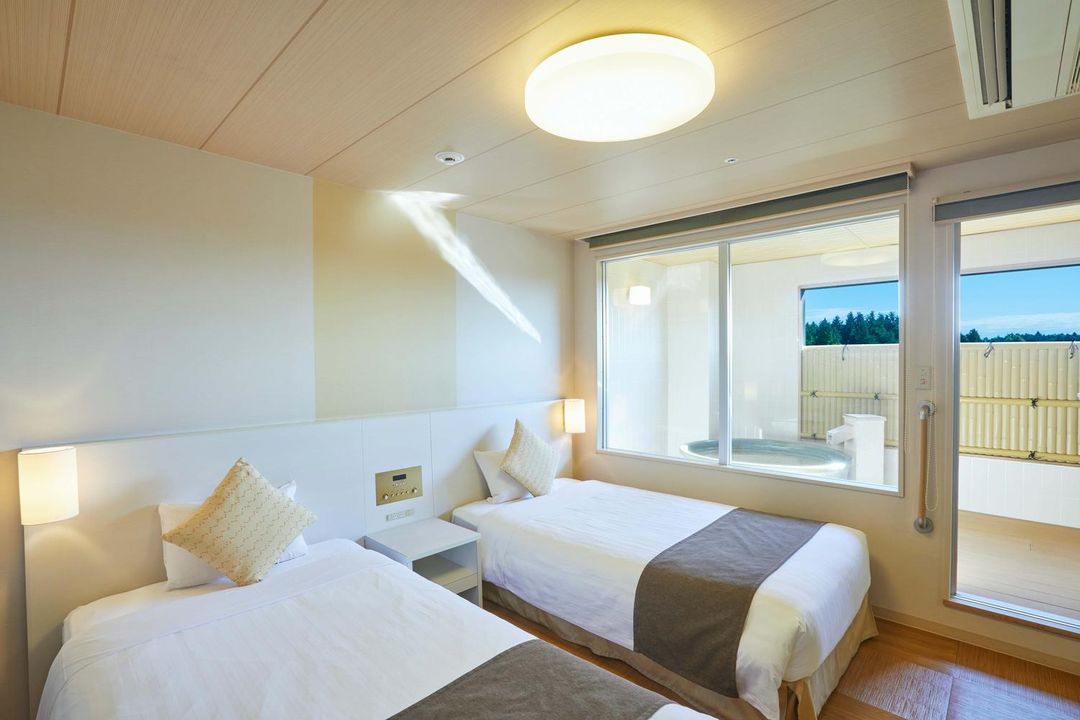
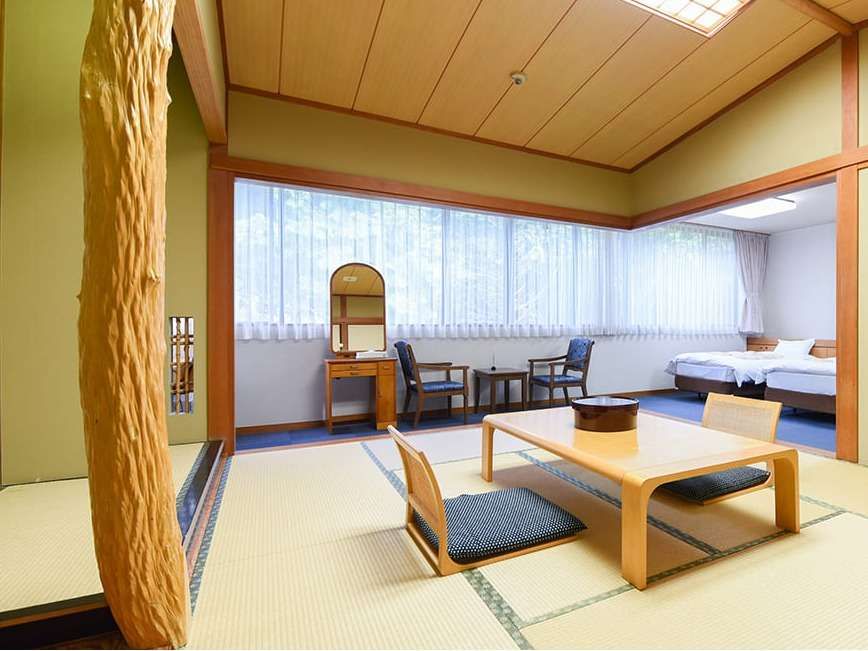
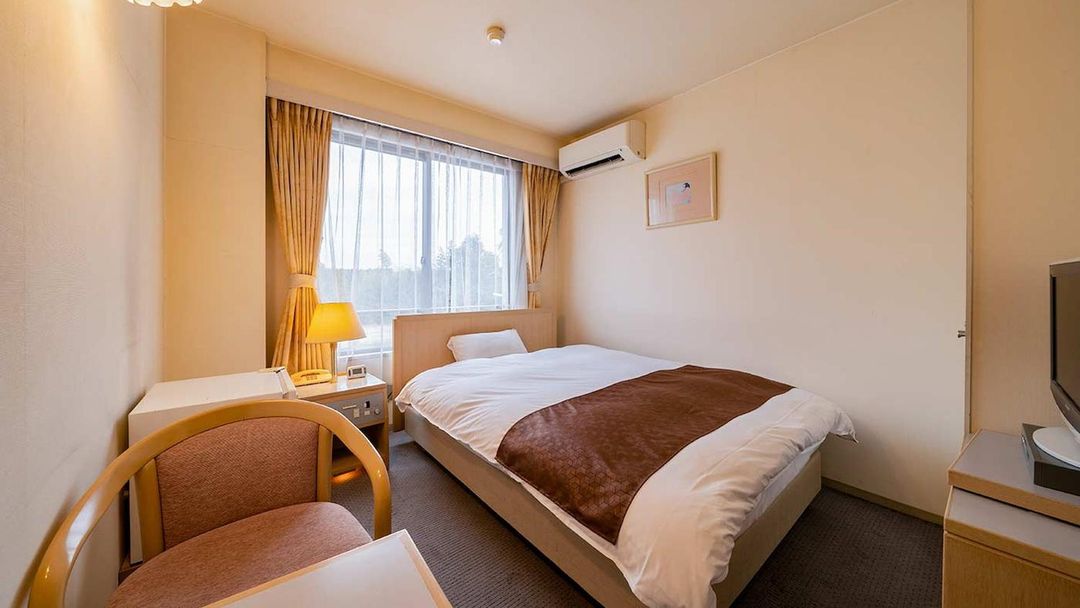
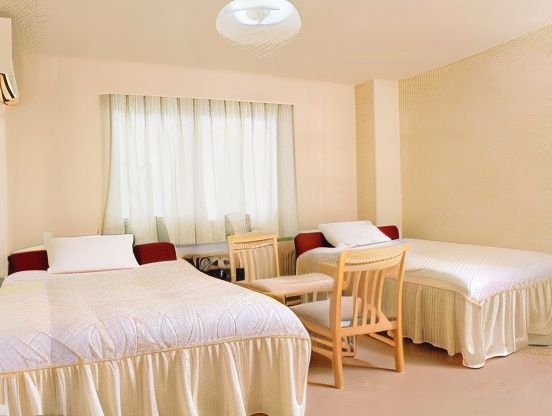
Best Hotels in Sakura
Discover curated hotel collections in Sakura
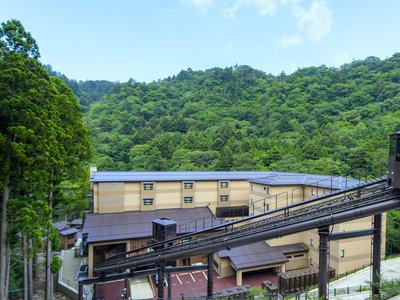
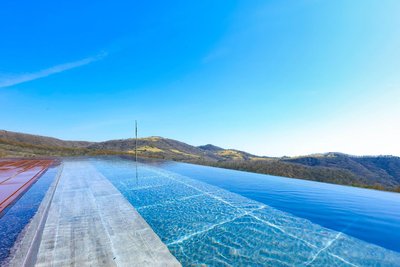
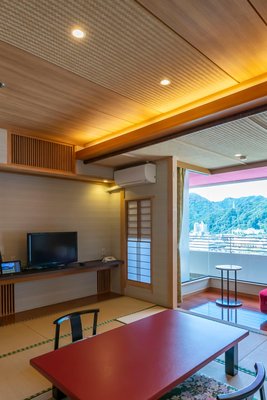
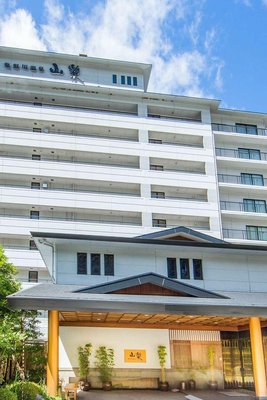
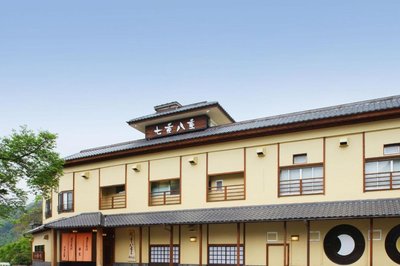
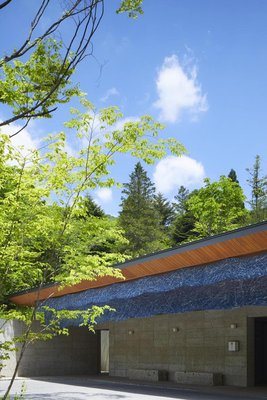
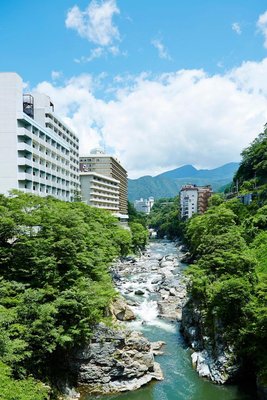



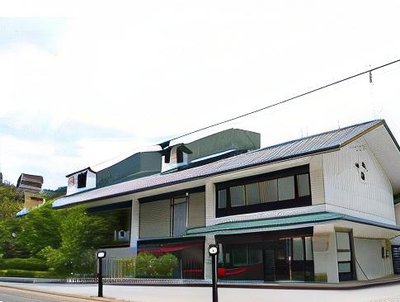
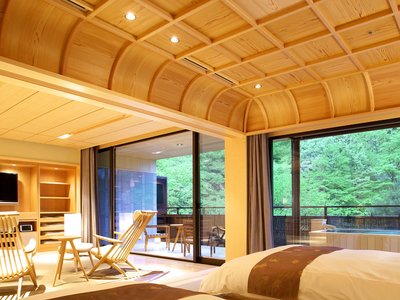
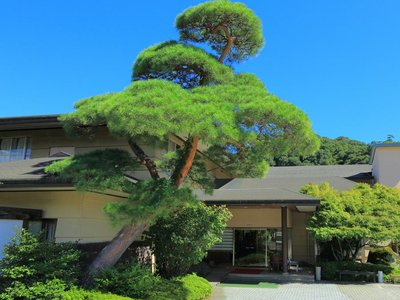
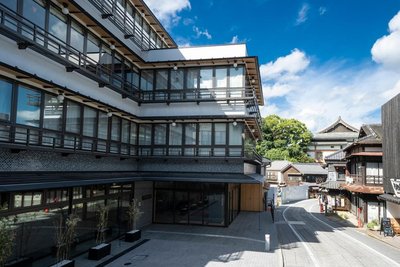






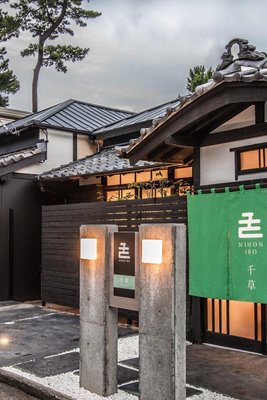
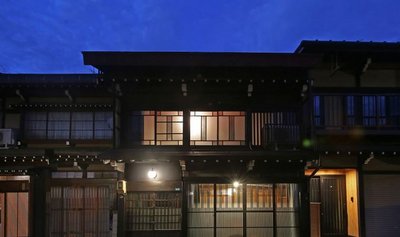
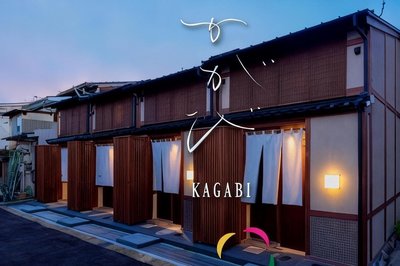
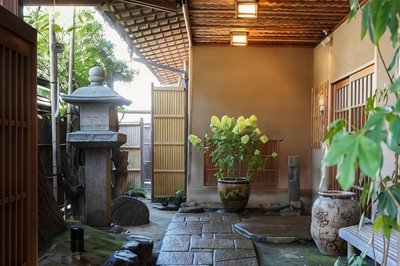
Frequently Asked Questions about Traveling to Sakura
Questions You Might Need to Know About Traveling to Sakura
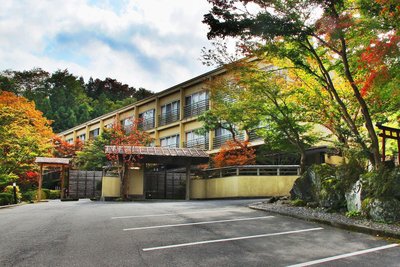
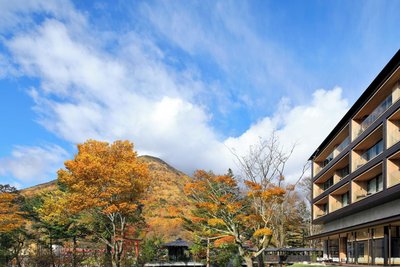
In Sakura City, the top choice for families is Sakura City Garden Hotel, nestled beside the Sakura River Park and just a 5-minute walk from the Sakura City Cultural Center. This hotel blends traditional Japanese garden design with modern comfort, offering spacious family suites and dedicated children’s activity rooms. Guests can enjoy daily breakfast featuring locally sourced Tochigi Prefecture rice and handmade tofu. The hotel also hosts tea ceremony workshops at its on-site Japanese Tea Pavilion, providing an authentic cultural immersion. During spring, the cherry blossom pathway outside the hotel merges seamlessly with Sakura City Flower Viewing Hill, creating stunning photo opportunities. Staying here ensures easy access to both urban amenities and serene natural beauty.
For deeper cultural engagement, families can join the local craft workshop series—including bamboo weaving and washi paper art—held monthly at the Sakura Craft Village. These hands-on activities foster intergenerational connection and offer lasting memories rooted in Tochigi’s heritage.
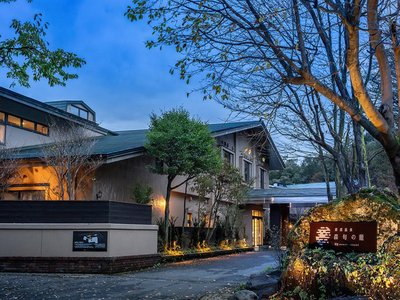
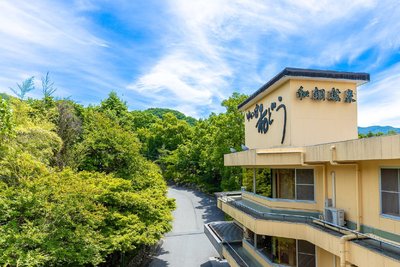
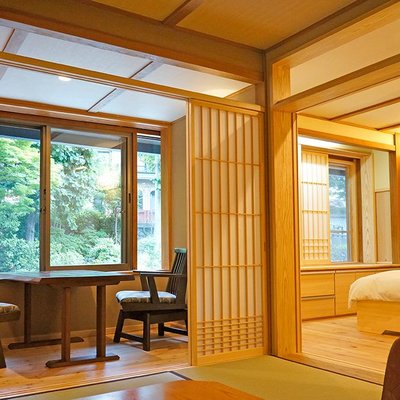
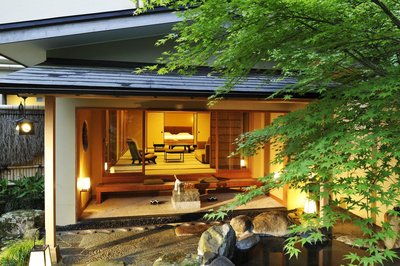
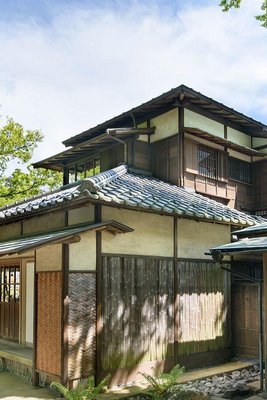
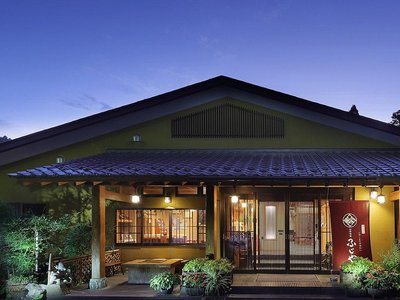
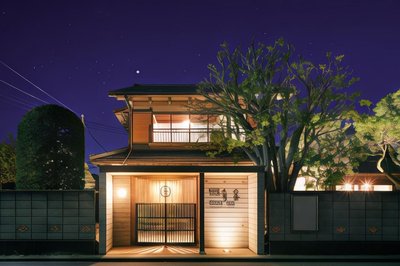
The Sakura River Night Lantern Path district offers some of the most tranquil and picturesque accommodations in Sakura City. Located along the quiet stretch of the Sakura River, this area features boutique ryokans like Sakuragawa no Sato, which blend traditional wooden architecture with modern comforts. Each room overlooks the gently flowing river, where lantern reflections dance on the water at night. The neighborhood remains largely residential, with few commercial developments, making it ideal for travelers seeking peace and privacy. Nearby, the Old Townhouse District preserves Edo-era wooden houses, now converted into cozy cafes and small galleries. With minimal nightlife and abundant greenery, this area perfectly embodies the slow, mindful rhythm of life in Sakura City—ideal for relaxation and reflection.
Visitors to Sakura City must experience the Sakura Gion Festival, held annually in July, one of the region’s most vibrant traditional events. During the festival, elaborately decorated mikoshi portable shrines parade through the streets, accompanied by rhythmic taiko drumming and flute melodies. Locals dress in period costumes, creating a lively, immersive atmosphere. For a deeper cultural dive, guests can participate in a handmade pottery workshop at the Sakura Craft Village, where artisans guide you in shaping ceramics using Tochigi black clay—a material known for its rich texture and historical significance. Those interested in tea culture can enroll in a full-day tea ceremony course at the Sakura Tea House, covering everything from tea harvesting to preparation and tasting. These experiences offer genuine interaction with local traditions and craftsmanship.
Yes, the Sakura River Night Lantern Path is the ultimate romantic destination in Sakura City. Stretching 1.2 kilometers along the riverbank, this path is lined with century-old cherry trees that bloom beautifully in spring, while at night, soft lanterns cast warm glows across the water. Hidden along the route are intimate Japanese-style gardens such as Tsukimi-tei and Ryusen-an, where couples can pause for a quiet moment with a shared cup of matcha. The Old Townhouse District, with its preserved Edo-period wooden facades and dimly lit alleys, provides another dreamy setting for a private evening walk. With no loud music or crowds, this area exudes quiet charm—perfect for holding hands, sharing stories, or simply enjoying each other’s presence under the stars.
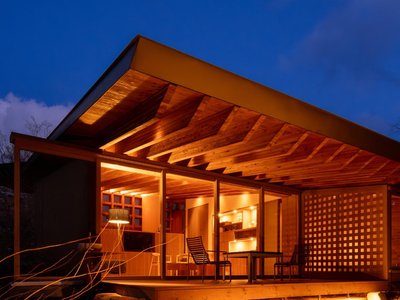
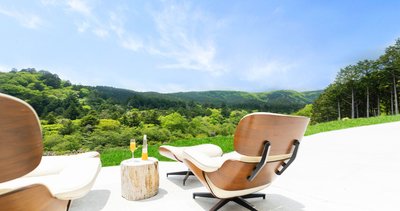
Sakura Forest Wellness Inn, located in the forested reserve east of Sakura City, is a premier retreat for those seeking nature-based healing. Built entirely from sustainable timber, the inn features rooms with panoramic forest views and floor-to-ceiling windows that open to private balconies. Guests enjoy daily forest bathing sessions, guided meditation, and morning yoga on the open-air deck overlooking misty valleys. The property includes a natural hot spring bath fed by geothermal waters rich in minerals, plus a herbal steam room and a wellness café serving organic meals made from local produce. Special packages include a "Mindful Morning" experience combining sunrise meditation, herbal tea, and a journaling session. This holistic approach ensures deep relaxation and rejuvenation in harmony with nature.
The Sakura Flower Viewing Hill is a must-visit for photographers, especially during cherry blossom season when the entire hillside blooms in delicate pink hues, framed by the silhouette of the historic Sakura Castle Keep. Early morning visits—around 6:30 AM—are ideal for avoiding crowds and capturing mist-laden scenes with soft light. The Sakura River Night Lantern Path offers stunning long-exposure shots of illuminated lanterns reflecting on the water. The Old Townhouse District, with its weathered wood panels, intricate lattice windows, and faded signage, provides rich textures perfect for documentary-style photography. For dynamic shots, rent an electric scooter from the Sakura River Bike Trail and capture flowing landscapes and seasonal changes in motion. Some hotels, like Sakuragawa no Sato, even offer free camera gear rentals and professional photography guides upon request.
Sakura Honzen Ryokan is the only establishment in Sakura City certified as a Tochigi Prefecture Traditional Food Heritage Site. Run by a three-generation family of chefs, the restaurant serves meticulously crafted dishes based on seasonal ingredients: spring’s wild mountain vegetable tempura, summer’s fresh Sakura River fish sashimi, autumn’s chestnut-stewed chicken, and winter’s kamaboko fish cakes. Guests can join a hands-on cooking class, learning to prepare the signature Sakura City Bento Box, complete with homemade pickles and miso soup. Dinner is served in a private tatami room with traditional shamisen music performances. For a truly memorable evening, book the Midnight Kaiseki Experience, a multi-course meal enjoyed under candlelight in a secluded garden pavilion—offering both culinary excellence and emotional depth.
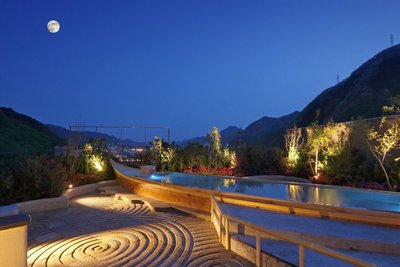
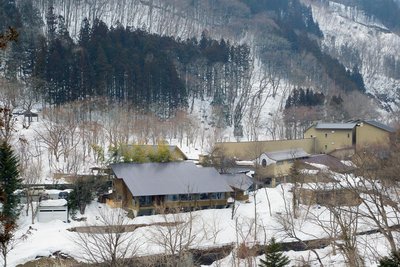
Sakura Onsen Resort, situated in the volcanic valley west of Sakura City, is renowned for its naturally heated hot springs fed directly from underground geothermal sources. With a consistent temperature of 42°C and mineral-rich water high in sulfur and calcium, the resort’s baths are celebrated for their skin-soothing and joint-relaxing properties. The resort features open-air onsen pools and a secluded cave-style bath, both offering breathtaking views of surrounding forests and distant peaks. Each guest room comes with a private onsen tub, while select suites include outdoor soaking areas with forest views. The resort also offers a guided geothermal tour, explaining the region’s volcanic history and spring formation. Special packages include evening onsen spa treatments paired with herbal compresses and aromatherapy, ensuring a deeply restorative stay.
Sakura River Love Letters Villa is a boutique hideaway designed exclusively for couples, tucked away along the serene upper stretch of the Sakura River. With only six themed suites—each named after a famous love poem like "Spring Vow" and "Moonlit Reunion"—this retreat emphasizes intimacy and privacy. Rooms feature floor-to-ceiling windows facing the river, private terraces, and luxurious bath setups. The hotel offers personalized services including private onsen baths, candlelit dinners, and a love letter exchange ritual where couples write messages to be read later. A highlight is the dawn yoga session on the riverside deck, shared under the first light. Guests receive a hand-carved wooden keychain with engraved initials—a symbolic keepsake of their journey. Every detail is curated to create a magical, unforgettable experience.
Yes, Sakura City’s public transit system is highly traveler-friendly. The Tochigi Prefecture Transit Loop Bus connects all major sites—including Sakura Station, Flower Viewing Hill, Historical Museum, and Cultural Center—with frequent departures and affordable fares. At Sakura Station, a multilingual tourist information center provides maps, free shuttle services, and real-time schedules. For destinations like the eastern forest reserve or volcanic valley onsen, express buses run every 30 minutes, taking about 20 minutes. Cycling enthusiasts will appreciate the Sakura River Bike Trail, an 8-kilometer paved path with rental stations and rest stops. Whether walking, riding, or riding the bus, navigating Sakura City’s attractions is effortless and efficient—making it ideal for independent travelers seeking flexibility and ease.
Sakura Overview
City Summary
Sakura City in Tochigi Prefecture, Japan, is renowned for its cherry blossoms and tranquil natural landscapes. Home to one of Japan's oldest cherry tree groves, it draws countless visitors each spring. The city's core appeal lies in its Edo-period streetscapes and traditional crafts (like bamboo work), while serving as a gateway to Nikko National Park, offering both cultural heritage and outdoor adventures.
Must-See Attractions
Top attractions include the 2km-long cherry-lined boulevard in the city center, which becomes a pink tunnel in spring. The Municipal History Museum showcases the prosperity of the merchant district during the Edo period, while Sakura Bamboo Craft Workshop offers hands-on experiences. At dusk, the Tenguyama Observatory provides breathtaking views of the city bathed in golden sunset hues.
Food Guide
The local signature dish is "Sakura Udon," made with Tochigi wheat flour, featuring pale pink noodles infused with cherry leaf aroma. Street vendors sell seasonal rice dumplings (spring offers cherry blossom filling). Renowned restaurant "Seiryuan" excels in sakura shrimp rice balls and bamboo shoot rice, highlighting local ingredients.
Transportation Guide
The loop bus (200 yen per ride/500 yen day pass) connects major sights with 30-minute intervals. From Tokyo, take the JR Tohoku Shinkansen to Utsunomiya Station (50 mins), then transfer to the JR Nikko Line to Sakura Station (25 mins). Taxis start at 600 yen, but rickshaw tours (4,000 yen/hour) are recommended for exploring narrow alleys in old districts.
Best Time to Visit
Prime season is late March to mid-April for cherry blossoms, requiring early accommodation bookings. Autumn (Oct-Nov) sees fewer crowds with stunning foliage and hot springs. Avoid Golden Week in May and Obon Festival in August.
Travel Tips
- Never shake cherry branches - flower picking is considered deeply disrespectful
- Bamboo craft workshops require 3-day advance bookings
- Many onsens prohibit tattooed guests; book rooms with private baths
- Taxi rear doors open automatically - do not pull manually
- Afternoon thunderstorms are common in July-August; carry foldable umbrellas
- Selfie sticks are banned in historic districts to protect century-old wooden structures
Useful Information
Language: Stations and tourist facilities have English signs, but staff may have limited English. Translation apps are recommended. Internet: Free WiFi (SSID:Sakura_Free) requires Japanese phone number verification; SIM cards are available at convenience stores. Payment: Cash dominates; credit cards accepted only at large stores. 7-11 ATMs support international cards. Emergency: Municipal Hospital (☎+81 287-XX-XXXX) offers 24/7 ER service. Pharmacy "Sakura-do" provides English/Chinese medicine instructions.









