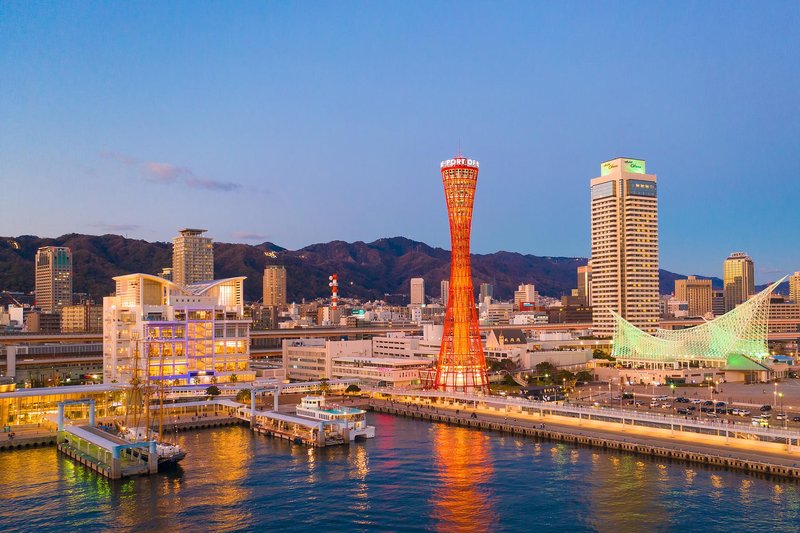
Hotels in Sakuragawa
Discover your perfect stay in Sakuragawa.
Sakuragawa(Japan) Travel 2026: Cheap Flights, Hotels & Top Attractions
Popular Landmarks in Sakuragawa
Discover the most iconic attractions in Sakuragawa
Recommended Hotels in Sakuragawa
Find the perfect place to stay in Sakuragawa
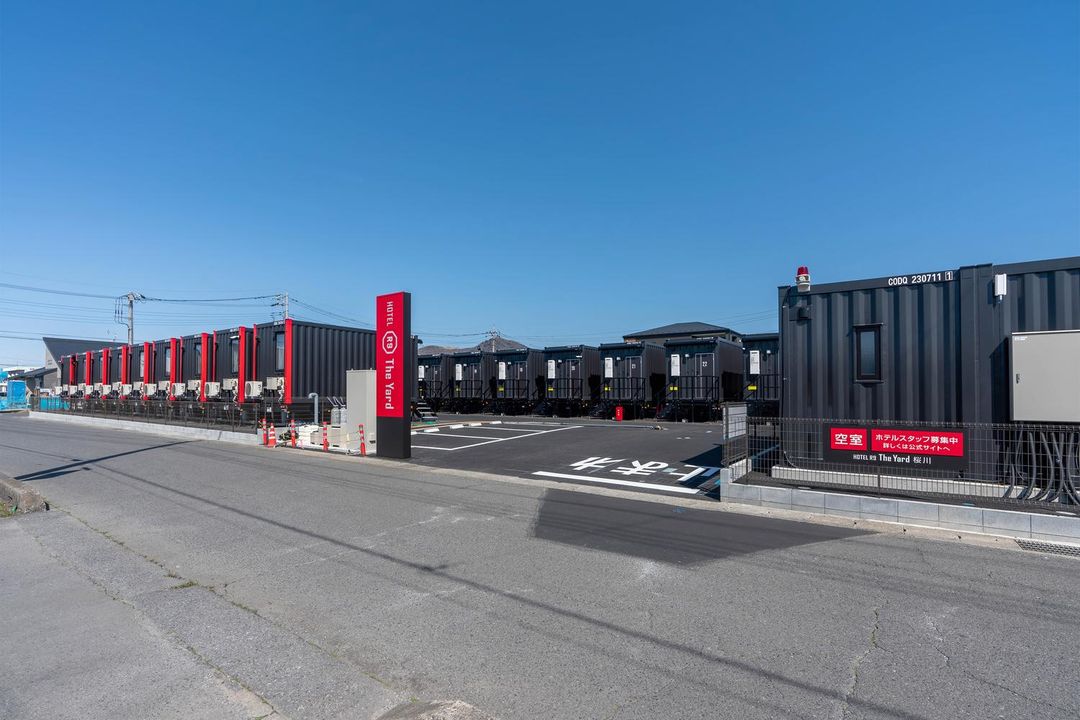
Hotel R9 the Yard Sakuragawa
Best Hotels in Sakuragawa
Discover curated hotel collections in Sakuragawa
Hotakajyo
Auberge Suzukane

Onyado Nono Asakusa Bettei Hot Spring
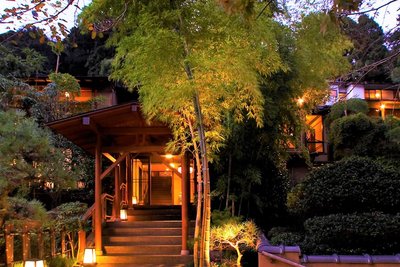
Shiki wo Ajiwau Yado Yamano Chaya
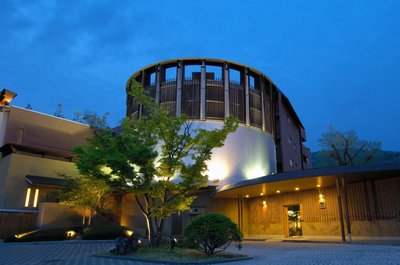
Hoshino Resorts Kai Matsumoto
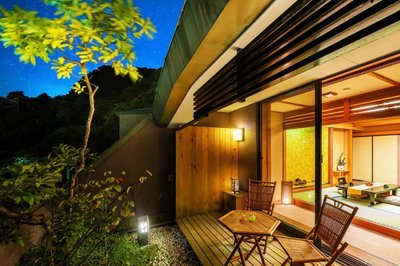
Konjakutei
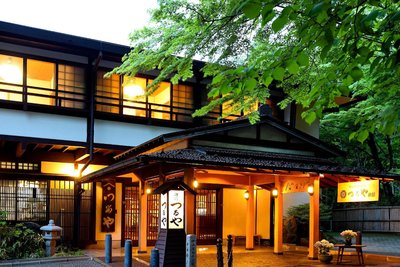
Tsuruya Ryokan
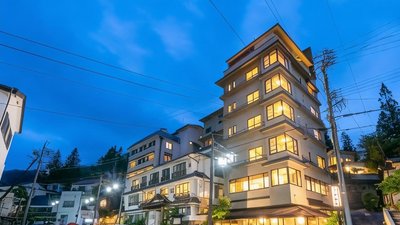
Nakamatsuya Ryokan
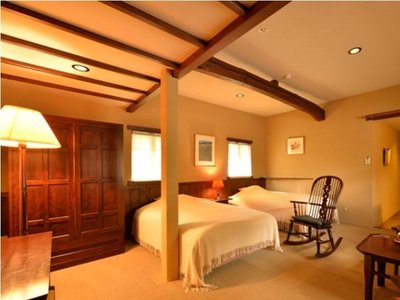
Ryokan Sugimoto
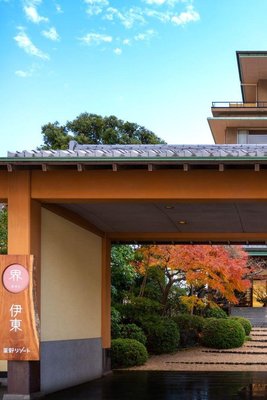
Hoshino Resorts Kai Ito
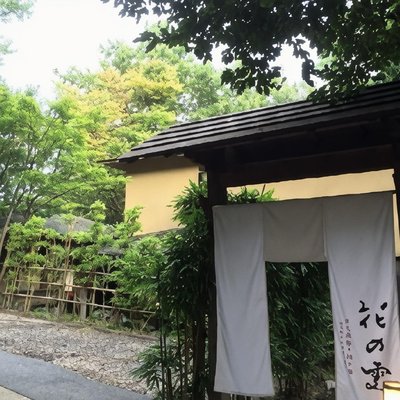
Hana No Kumo
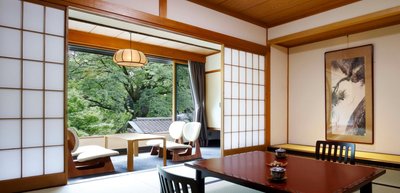
Yoshiike Ryokan
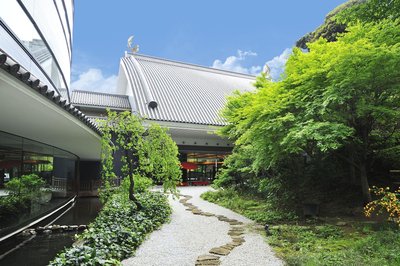
Hotel Gajoen Tokyo
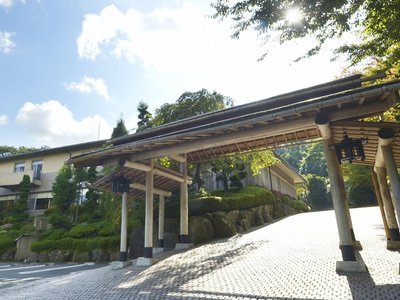
Gora Hanaougi
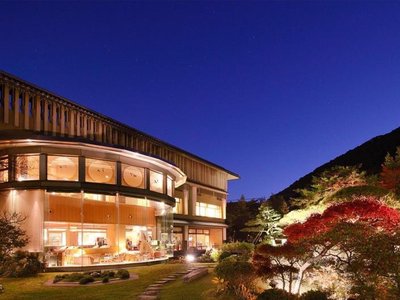
Shikisai Ichiriki
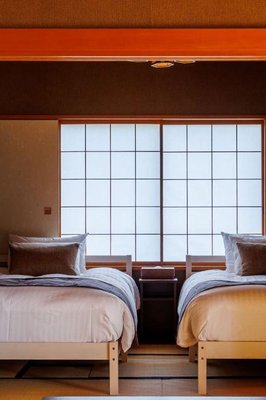
Sado Resort Hotel Azuma
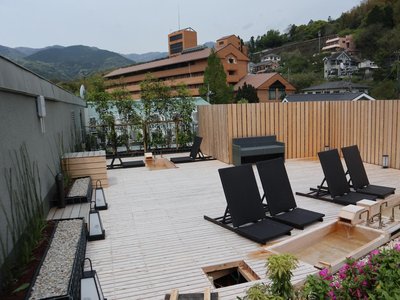
Fukiya Ryokan
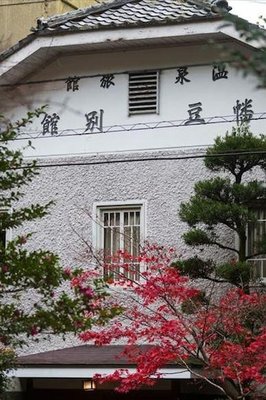
Oku-Mikawa・Yuya Onsen HAZU Bekkan
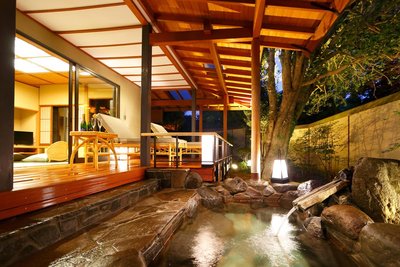
Yoshiharu Ryokan – Izu Nagaoka Onsen
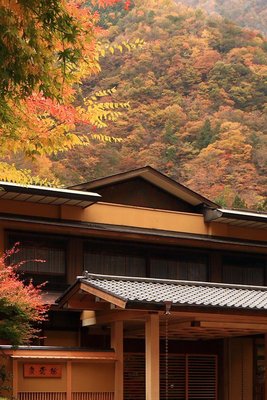
Nishiyama Onsen Keiunkan
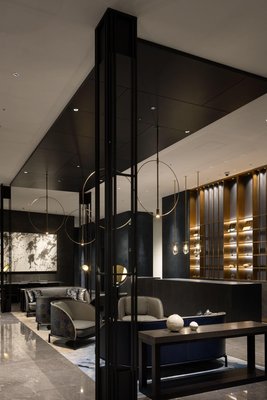
Bellustar Tokyo, A Pan Pacific Hotel
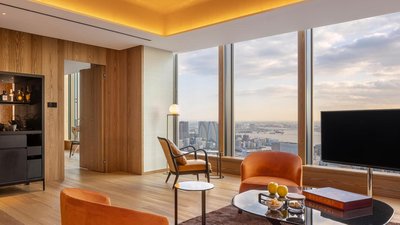
Bvlgari Hotel Tokyo
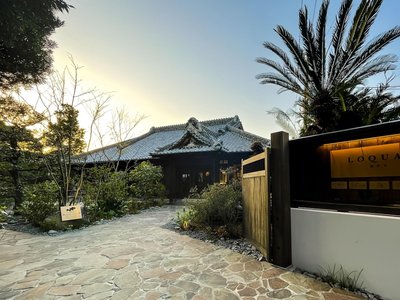
Loquat Nishiizu
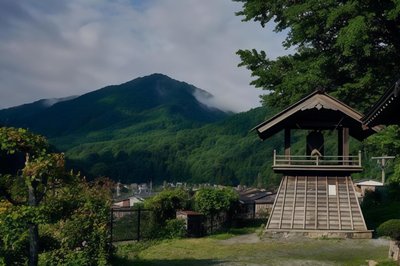
Byaku Narai
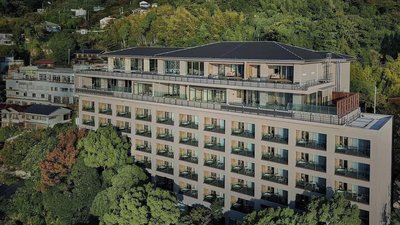
Atami Izusan Karaku
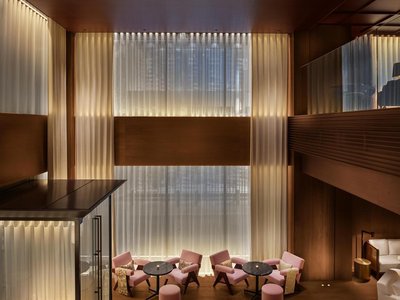
The Tokyo Edition, Ginza
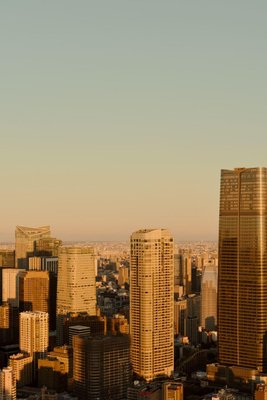
Janu Tokyo
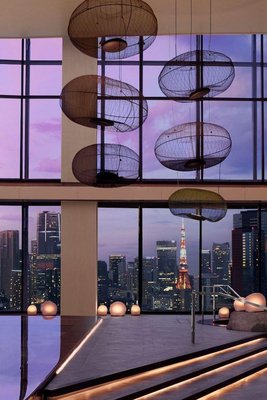
JW Marriott Hotel Tokyo
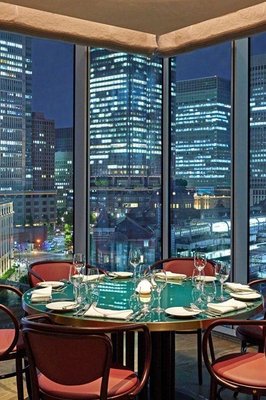
Four Seasons Hotel Tokyo at Marunouchi

Mandarin Oriental, Tokyo
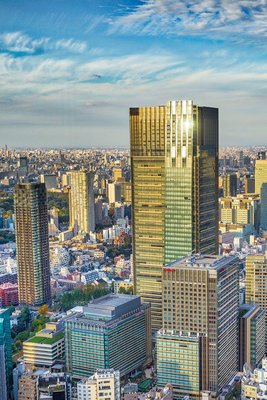
The Ritz-Carlton, Tokyo
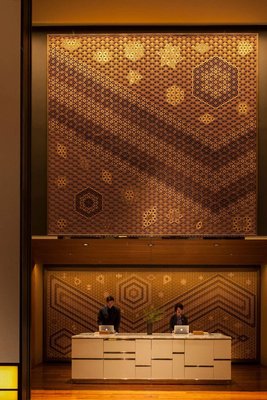
Andaz Tokyo Toranomon Hills- A Concept by Hyatt
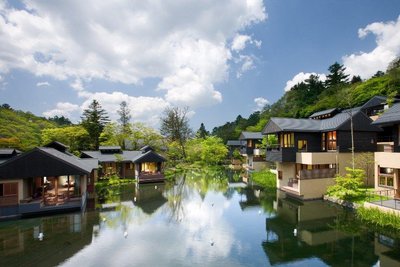
Hoshinoya Karuizawa
Hotel Gajoen Tokyo
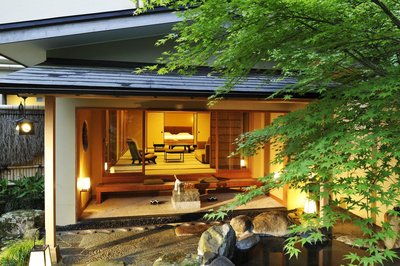
Gora Kadan
Gora Hanaougi
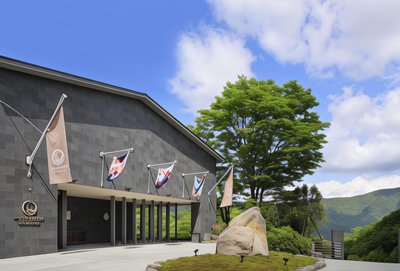
The Hiramatsu Hotels & Resorts Sengokuhara Hakone
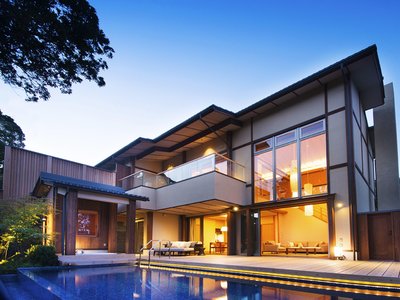
Abba Resorts Izu - Zagyosoh
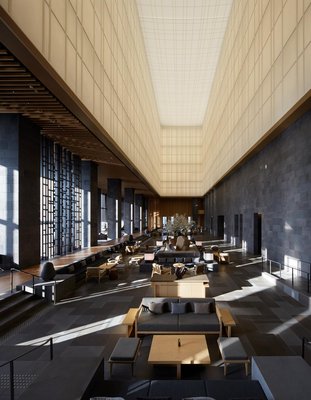
Aman Tokyo
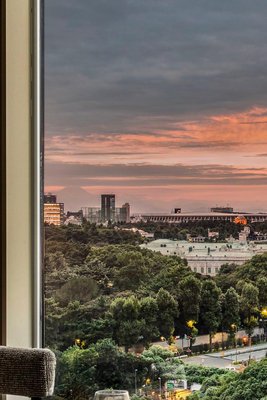
Hotel New Otani Tokyo, Executive House Zen
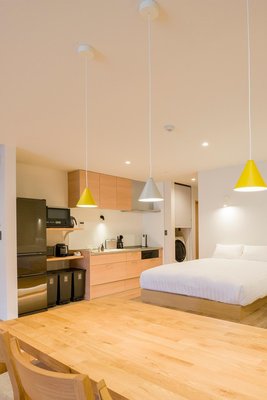
Rakuten STAY VILLA Nasu
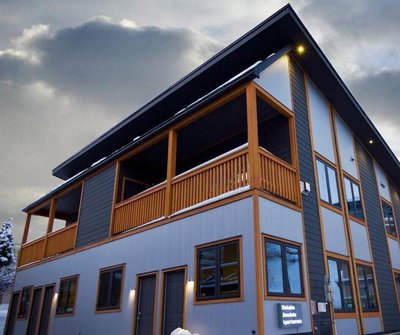
Hakuba Gondola Apartments
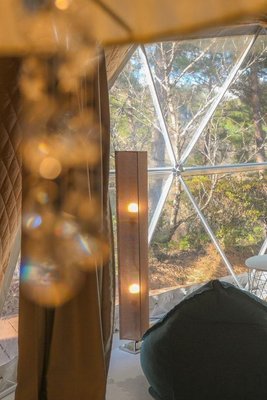
glampark Gekkabijin Nagano
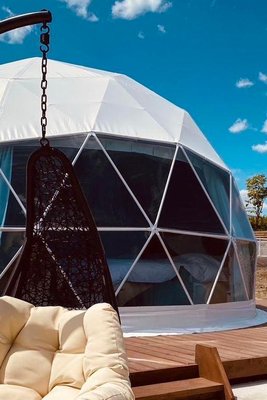
chillout glamping zao
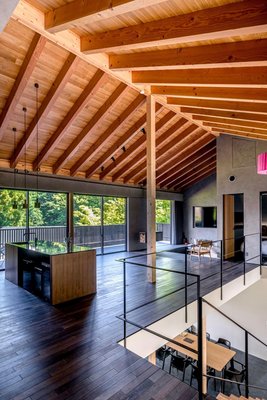
MONS GORA
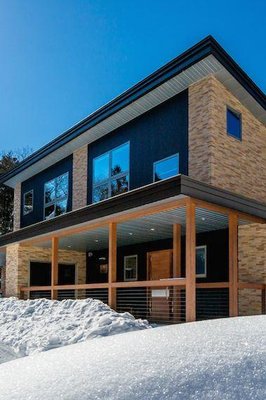
Phoenix Chalets by Hhg
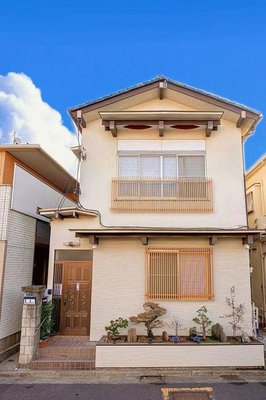
Tokyo Star House-Shinkoiwa
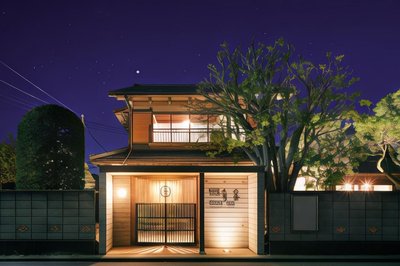
Machi-Jyu
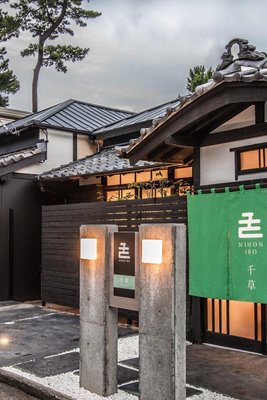
Nihon Iro
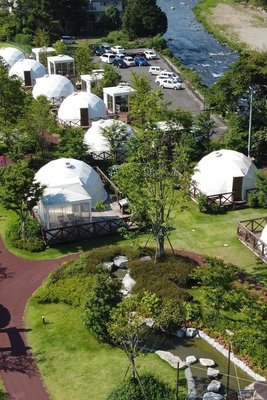
Ufufu Village
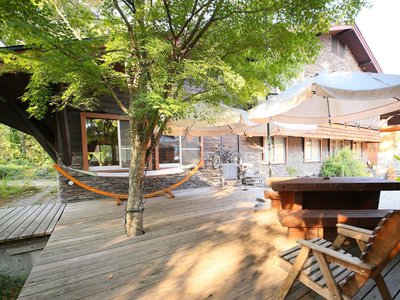
Kunugi Relaxation with 4 Modern Rooms
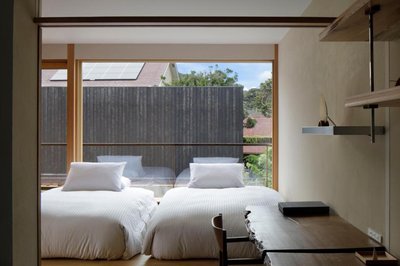
Modern Ryokan Kishi-ke
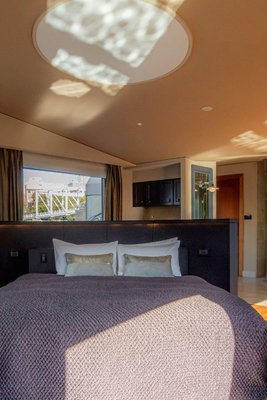
Petals Tokyo - Floating Hotel
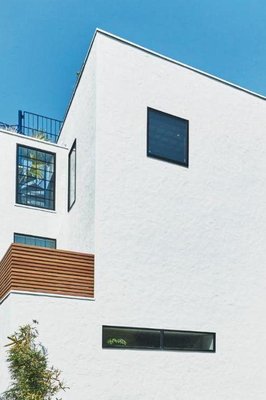
The Flow Kamakura
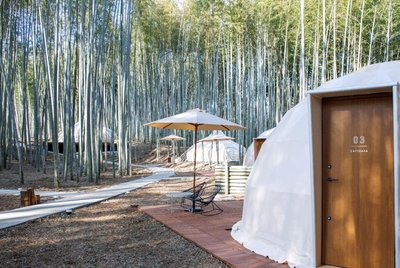
THE BAMBOO FOREST
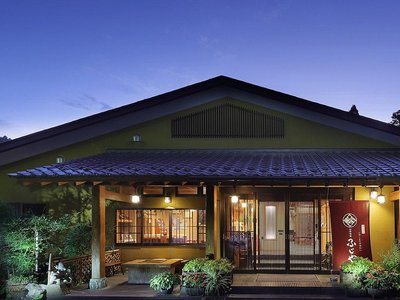
Shikimitei Fujiya
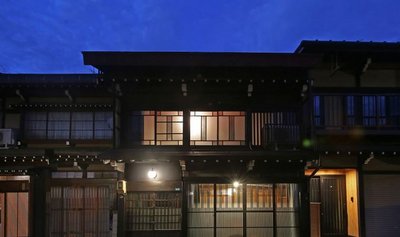
Iori Stay Hida
Bellustar Tokyo, A Pan Pacific Hotel
Bvlgari Hotel Tokyo
Loquat Nishiizu
Byaku Narai
Atami Izusan Karaku
The Tokyo Edition, Ginza
Janu Tokyo
JW Marriott Hotel Tokyo
Four Seasons Hotel Tokyo at Marunouchi
Mandarin Oriental, Tokyo
The Ritz-Carlton, Tokyo
Andaz Tokyo Toranomon Hills- A Concept by Hyatt
Hoshinoya Karuizawa
Hotel Gajoen Tokyo
Gora Kadan
Gora Hanaougi
The Hiramatsu Hotels & Resorts Sengokuhara Hakone
Abba Resorts Izu - Zagyosoh
Aman Tokyo
Hotel New Otani Tokyo, Executive House Zen
Frequently Asked Questions about Traveling to Sakuragawa
Questions You Might Need to Know About Traveling to Sakuragawa
For families visiting Sakuragawa City, the Sakuragawa Grand Hotel is highly recommended, located just steps from Sakuragawa City Hall and Kitaura Park. This family-friendly hotel features spacious suites, a children’s playroom, and free parking. Nearby attractions include the Sakuragawa Municipal Museum and scenic river trails ideal for strolls. Another excellent option is Sakuragawa Seasons Hotel, offering Japanese-style interiors, tranquil gardens, and easy access to local restaurants and convenience stores—perfect for a relaxed, authentic stay with kids.
The central district of Sakuragawa City offers the most convenient access to key sights. Stay at Sakuragawa Station Hilton, located right next to Sakuragawa Station and within walking distance of the Sakuragawa City Museum, Kitaura Park, and the riverside promenade. The area is bustling with local eateries, from traditional Ibaraki regional cuisine to popular chain restaurants. With excellent public transit links and a vibrant community vibe, this district is ideal for travelers who want to explore culture, nature, and daily life in one place.
Visitors should not miss the Spring Cherry Blossom Festival held annually in Kitaura Park during late March, featuring traditional dance performances, craft markets, and tea ceremonies. Additionally, Ibaraki Regional Cuisine Workshops offer hands-on experiences making Mizugashi Mochi and Burdock Sushi. During summer, the Night Illuminated Cherry Blossom Display transforms the park into a magical wonderland with glowing lights reflecting on the water—perfect for photography and romantic evening walks.
Couples will love staying at Sakuragawa River Love Inn, nestled along the Sakuragawa River with private balconies and panoramic views. Each room features a couples’ hot spring bath, candlelit dinner packages, and custom rose petal arrangements. Alternatively, the Sakuragawa Art Gallery Boutique Inn offers a serene retreat with Ukiyo-e-inspired rooms, a private courtyard, and a rooftop terrace perfect for star-gazing. Both venues provide intimate settings ideal for quiet moments and unforgettable memories.
Yes, Kitaura Forest Resort is a top choice for eco-conscious travelers. Located at the edge of the Kitaura Nature Reserve, this wooden eco-lodge uses solar panels, rainwater harvesting, and sustainable building materials. Guest rooms feature floor-to-ceiling windows overlooking the forest and Kitaura Lake, with access to guided nature trails, birdwatching towers, and outdoor meditation sessions. The resort also hosts educational workshops on local ecology, making it ideal for families or nature lovers seeking a deep connection with the environment.
Nighttime highlights include the Sakuragawa River Night Cruise, operated by the Sakuragawa Tourism Association, where illuminated boats glide along the river with soft music and narration under twinkling lights. On weekends, the Downtown Night Market buzzes with food stalls selling grilled skewers, kamaage udon, and handmade desserts. For a quieter experience, visit the Rooftop Garden of Sakuragawa Civic Center, where you can sip locally brewed plum wine under the stars while enjoying panoramic city views.
For business travelers, Sakuragawa Business Center Hotel is an ideal choice, located just a 3-minute walk from Sakuragawa Station and adjacent to the Ibaraki International Convention Center. The hotel offers high-speed Wi-Fi, modern meeting rooms, a 24-hour business center, and translation services. Rooms are spacious, well-insulated, and come with complimentary breakfast featuring both Japanese and Western options. Its proximity to banks and corporate offices makes it a practical and cost-effective base for short stays.
Must-try dishes in Sakuragawa City include Ibaraki Burdock Hot Pot, made with fresh local burdock root and chicken, served in a light, savory broth. Another highlight is Mizugashi Mochi with Red Bean Soup, crafted by Sakuragawa Old Confectionery House, known for its chewy texture and delicate sweetness. Don’t miss the Fresh Seafood Sushi Platter from Sakuragawa Harbor, especially the mackerel sashimi and yellowtail nigiri, delivered daily from the docks—fresher than anywhere else in the region.
Recommended routes include the Sakuragawa Riverside Trail, a 6-kilometer paved path ideal for families and beginners, offering scenic views of the river and wildlife spotting points. For more adventure, the Kitaura Mountain Loop spans 12 kilometers through pine and bamboo forests, passing ancient temple ruins and natural springs. Bike rental stations are available along the route, and some sections feature audio-guided tours. Best visited early morning or late afternoon to avoid heat and enjoy peaceful surroundings.
Yes, Sakuragawa City is well-connected via Tōbu Railway's Noda Line and Jōban Line, with Sakuragawa Station providing direct access to Tokyo Station (approx. 70 minutes) and Asakusa (approx. 50 minutes). The Kitaura Station connects to routes leading to Mito and Sendai. The Sakuragawa Bus Terminal serves multiple lines to nearby attractions like Kitaura Park, Ibaraki University, and the Sakuragawa City Museum. Taxis and e-scooters are widely available, and the city has minimal traffic congestion, making it easy to navigate by car or public transit.
Sakuragawa Overview
City Summary
Sakuragawa City, located in the central part of Ibaraki Prefecture, Japan, is renowned for its cherry blossom production, attracting numerous visitors each spring. This city boasts a long history and rich cultural heritage, making it an ideal destination to experience traditional Japanese countryside charm. The core appeal lies in its perfect blend of natural landscapes and historical significance, offering diverse experiences from ancient temples to modern agricultural facilities.
Must-See Attractions
Must-visit attractions include Sakuragawa Park, famous for its over 1,000 cherry trees creating spectacular pink canopies in spring. History enthusiasts shouldn't miss the Makabe Castle Ruins, a medieval site reflecting local history. The Cherry Blossom Museum showcases sakura culture, while local pottery workshops offer hands-on experiences to create unique souvenirs.
Food Guide
Local cuisine features Ibaraki's specialty Sakuragawa pork, known for its tenderness. Street food lovers should try sakura mochi, a traditional wagashi with cherry flavor. Creative dishes like cherry blossom sushi and sakura tea allow visitors to taste spring's essence. Many restaurants incorporate local agricultural products into their seasonal menus.
Transportation Guide
Accessible from Tokyo via JR Joban Line to Mito Station, then a 40-minute bus ride. The city primarily relies on bus systems; a day pass is recommended. Taxis suit group travelers but are costly. Renting a car works well for exploring rural areas. Important: Expect heavy traffic during weekends and cherry blossom season—plan routes accordingly.
Best Time to Visit
The best time is late March to early April for cherry blossoms, when weather is mild. Autumn (October-November) offers fewer crowds and beautiful foliage. Summers are hot/humid, winters cold, with possibly shorter attraction hours during these seasons.
Travel Tips
- Book accommodations 3-6 months ahead for cherry blossom season
- Dress modestly and maintain quiet at temples
- Carry cash as rural shops may not accept cards
- Basic Japanese greetings are appreciated
- Follow strict waste separation—carry trash bags
- Shower before entering onsens (hot springs)
- Bargaining isn't customary—respect displayed prices
- Wear anti-slip shoes for muddy rural paths in rain
Useful Information
Japanese is primary language; basic English may be available in tourist areas. Free WiFi is limited—consider pocket WiFi rental. Currency is yen; ATMs at convenience stores dispense cash. Medical facilities are good but English support varies—travel insurance recommended. Safety is generally good but safeguard valuables. Voltage is 100V, Type A plugs. Dial 110 (police) or 119 (ambulance) for emergencies. Multilingual tourist information centers are available.