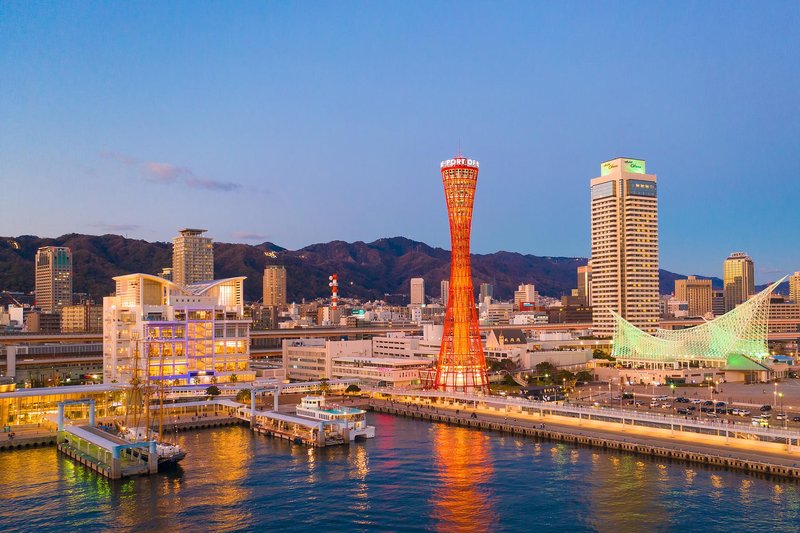
Hotels in Sakuragawa
Discover your perfect stay in Sakuragawa.
Sakuragawa(Japan) Travel 2026: Cheap Flights, Hotels & Top Attractions
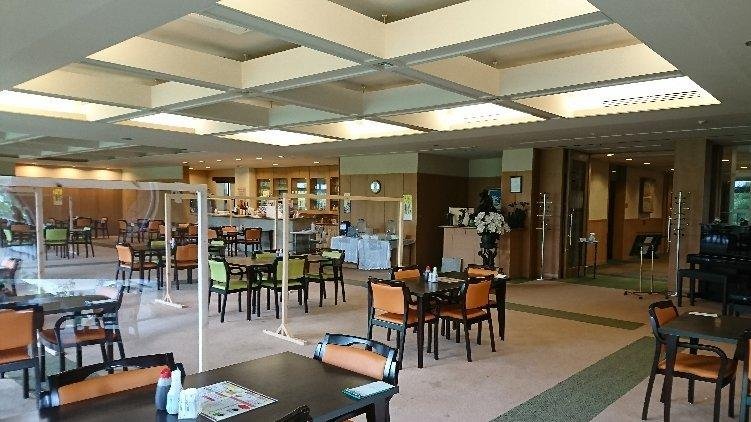
Popular Landmarks in Sakuragawa
Discover the most iconic attractions in Sakuragawa
Recommended Hotels in Sakuragawa
Find the perfect place to stay in Sakuragawa
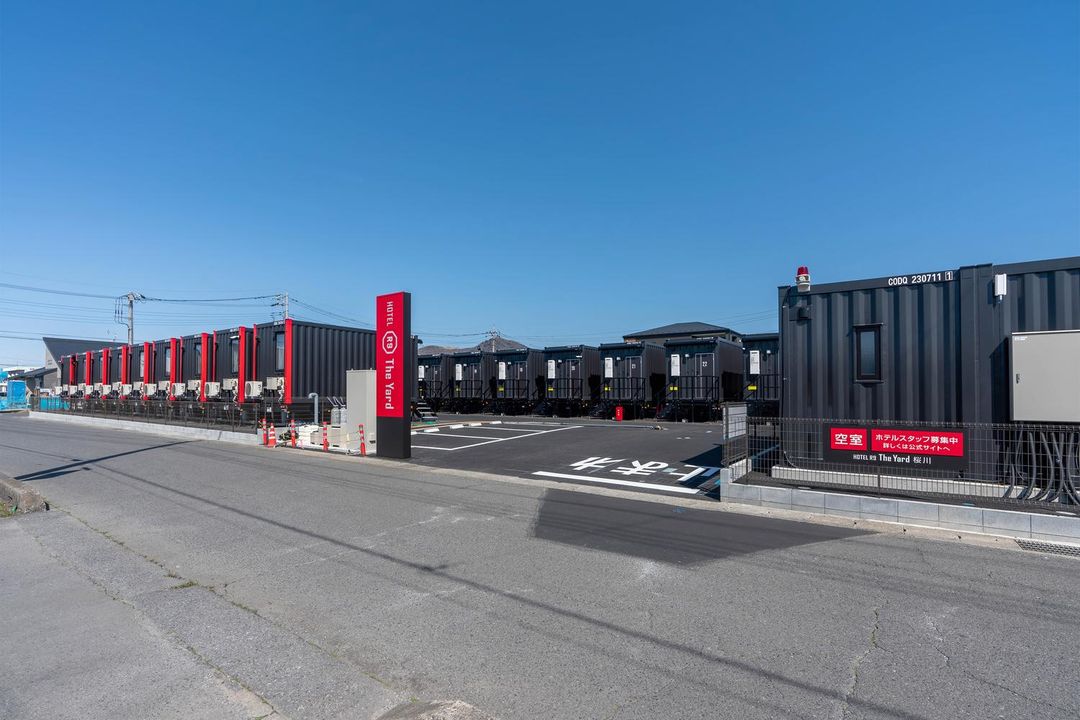
Best Hotels in Sakuragawa
Discover curated hotel collections in Sakuragawa






















Frequently Asked Questions about Traveling to Sakuragawa
Questions You Might Need to Know About Traveling to Sakuragawa
Sakuragawa Overview
City Summary
Sakuragawa City, located in the central part of Ibaraki Prefecture, Japan, is renowned for its cherry blossom production, attracting numerous visitors each spring. This city boasts a long history and rich cultural heritage, making it an ideal destination to experience traditional Japanese countryside charm. The core appeal lies in its perfect blend of natural landscapes and historical significance, offering diverse experiences from ancient temples to modern agricultural facilities.
Must-See Attractions
Must-visit attractions include Sakuragawa Park, famous for its over 1,000 cherry trees creating spectacular pink canopies in spring. History enthusiasts shouldn't miss the Makabe Castle Ruins, a medieval site reflecting local history. The Cherry Blossom Museum showcases sakura culture, while local pottery workshops offer hands-on experiences to create unique souvenirs.
Food Guide
Local cuisine features Ibaraki's specialty Sakuragawa pork, known for its tenderness. Street food lovers should try sakura mochi, a traditional wagashi with cherry flavor. Creative dishes like cherry blossom sushi and sakura tea allow visitors to taste spring's essence. Many restaurants incorporate local agricultural products into their seasonal menus.
Transportation Guide
Accessible from Tokyo via JR Joban Line to Mito Station, then a 40-minute bus ride. The city primarily relies on bus systems; a day pass is recommended. Taxis suit group travelers but are costly. Renting a car works well for exploring rural areas. Important: Expect heavy traffic during weekends and cherry blossom season—plan routes accordingly.
Best Time to Visit
The best time is late March to early April for cherry blossoms, when weather is mild. Autumn (October-November) offers fewer crowds and beautiful foliage. Summers are hot/humid, winters cold, with possibly shorter attraction hours during these seasons.
Travel Tips
- Book accommodations 3-6 months ahead for cherry blossom season
- Dress modestly and maintain quiet at temples
- Carry cash as rural shops may not accept cards
- Basic Japanese greetings are appreciated
- Follow strict waste separation—carry trash bags
- Shower before entering onsens (hot springs)
- Bargaining isn't customary—respect displayed prices
- Wear anti-slip shoes for muddy rural paths in rain
Useful Information
Japanese is primary language; basic English may be available in tourist areas. Free WiFi is limited—consider pocket WiFi rental. Currency is yen; ATMs at convenience stores dispense cash. Medical facilities are good but English support varies—travel insurance recommended. Safety is generally good but safeguard valuables. Voltage is 100V, Type A plugs. Dial 110 (police) or 119 (ambulance) for emergencies. Multilingual tourist information centers are available.