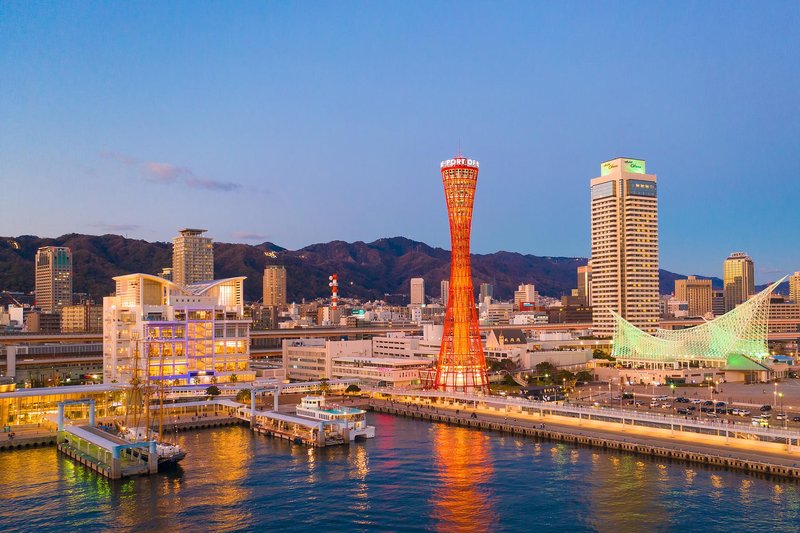
Hotels in Sakurai
Discover your perfect stay in Sakurai.
Sakurai(Japan) Travel 2026: Cheap Flights, Hotels & Top Attractions
Popular Landmarks in Sakurai
Discover the most iconic attractions in Sakurai
Recommended Hotels in Sakurai
Find the perfect place to stay in Sakurai
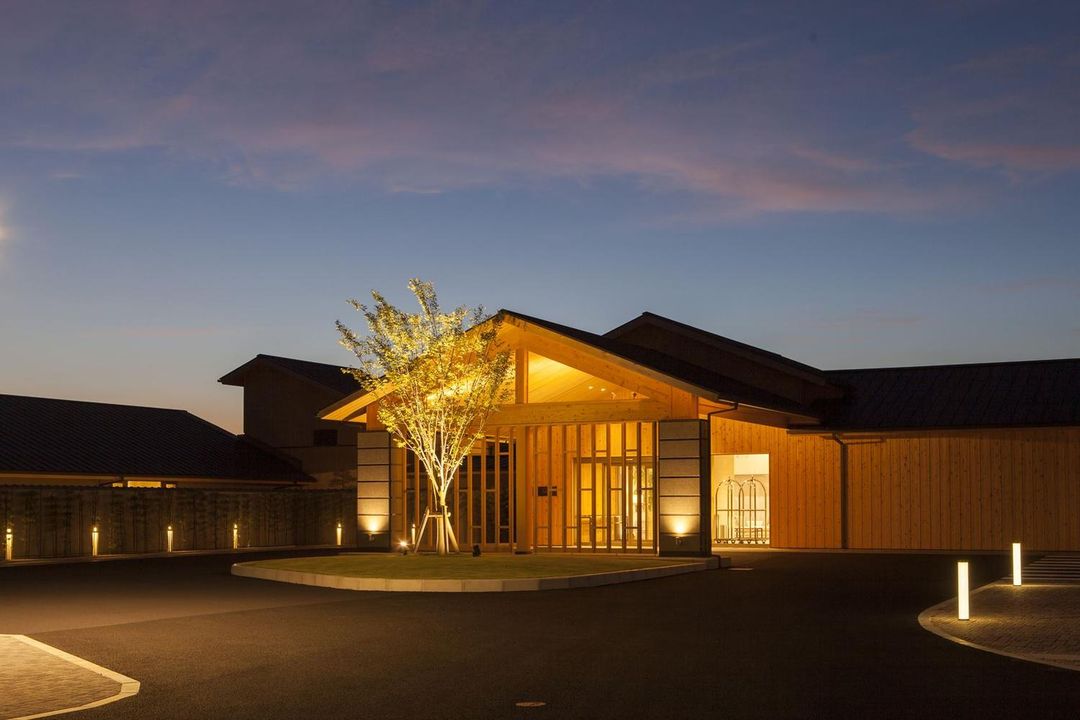
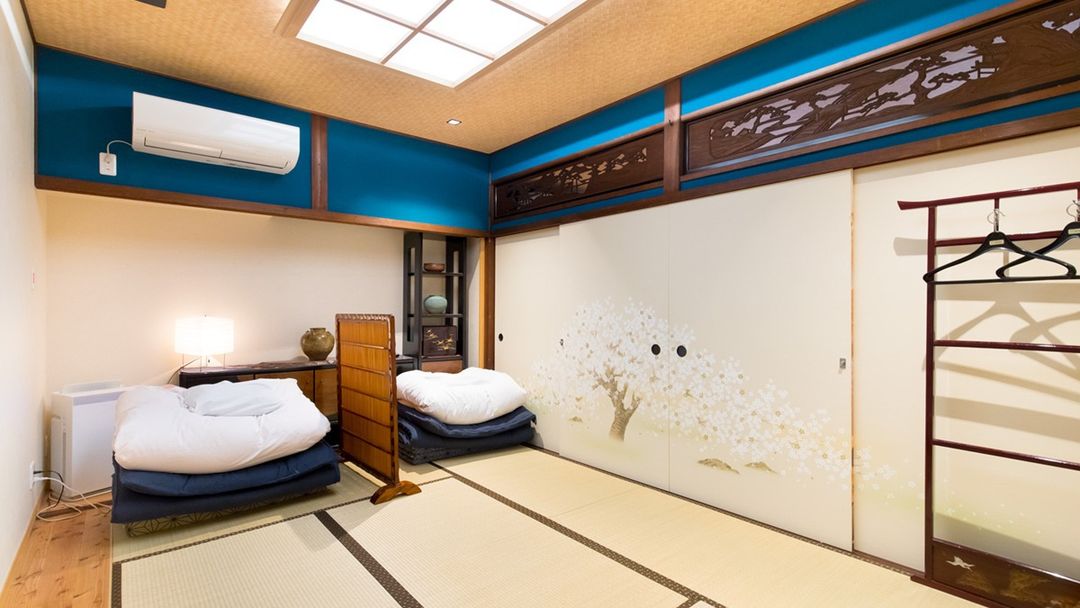
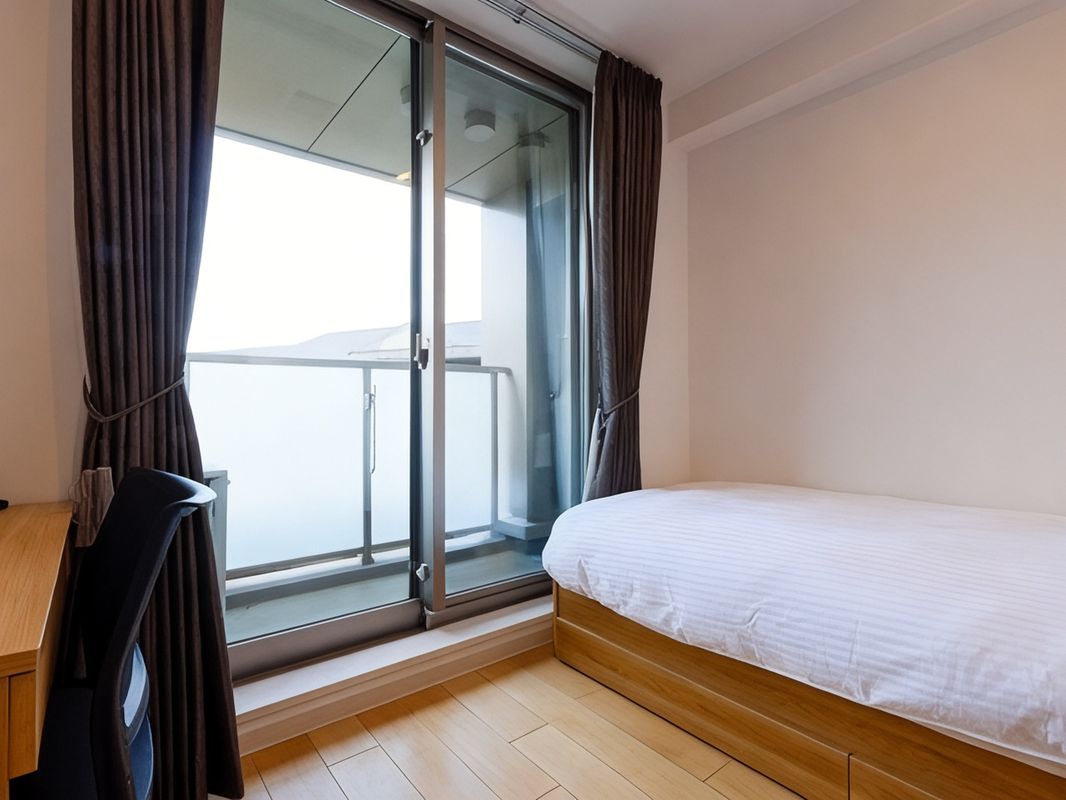
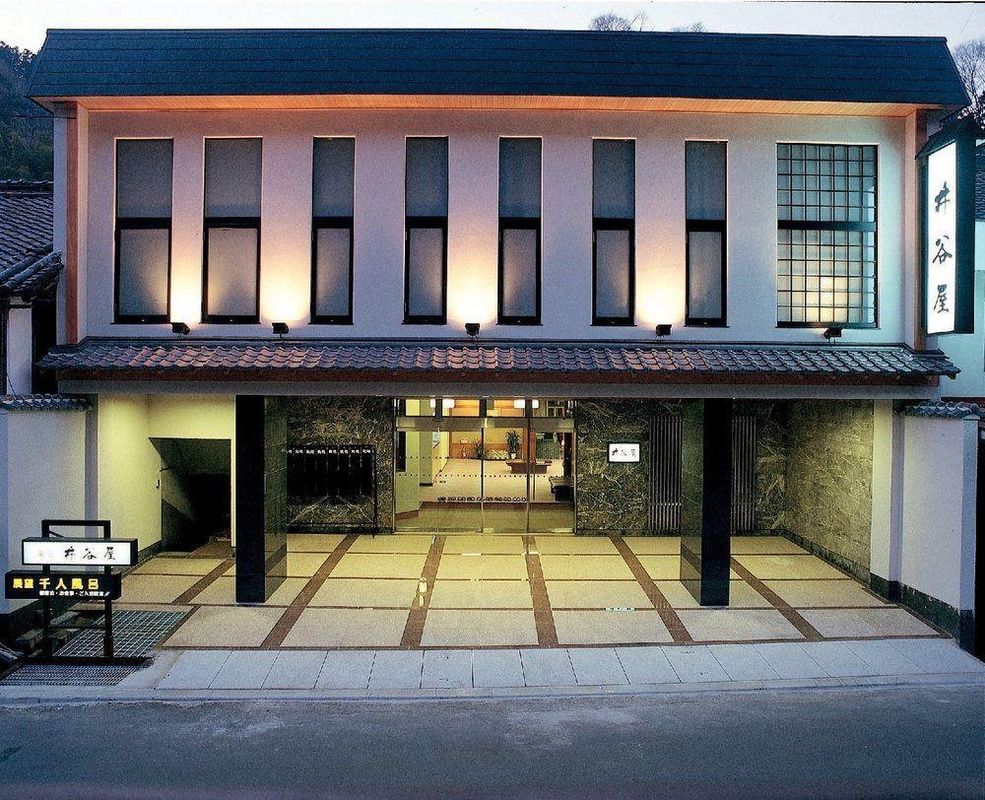
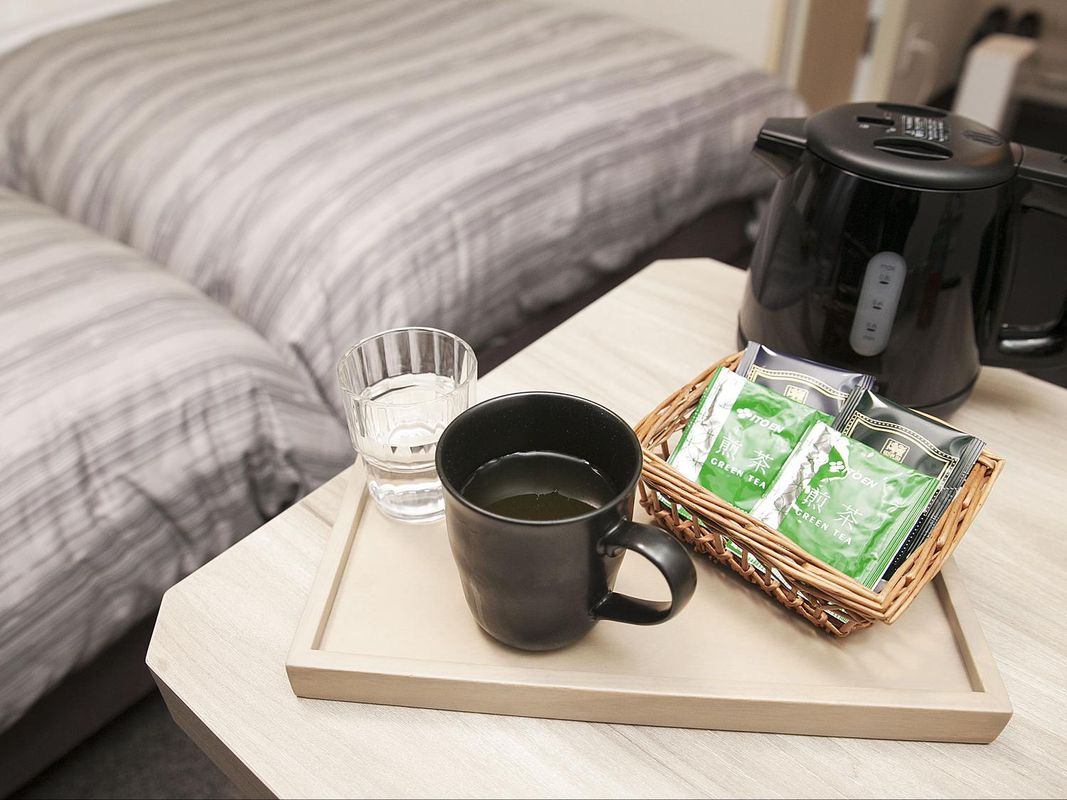
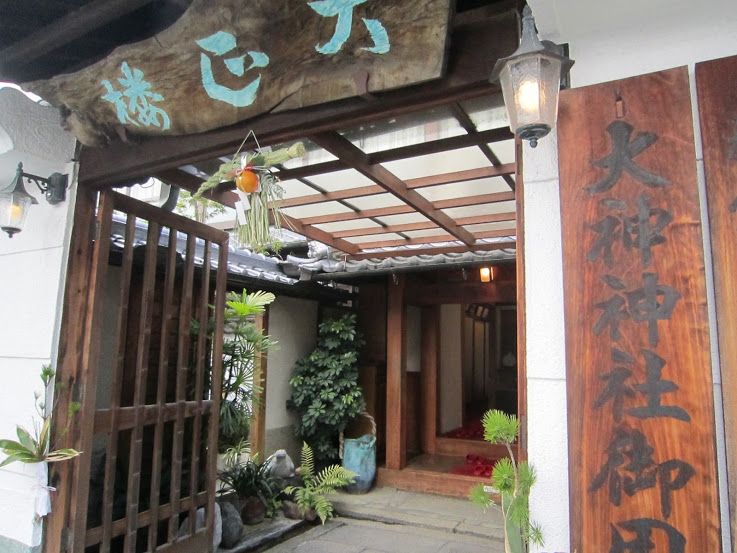
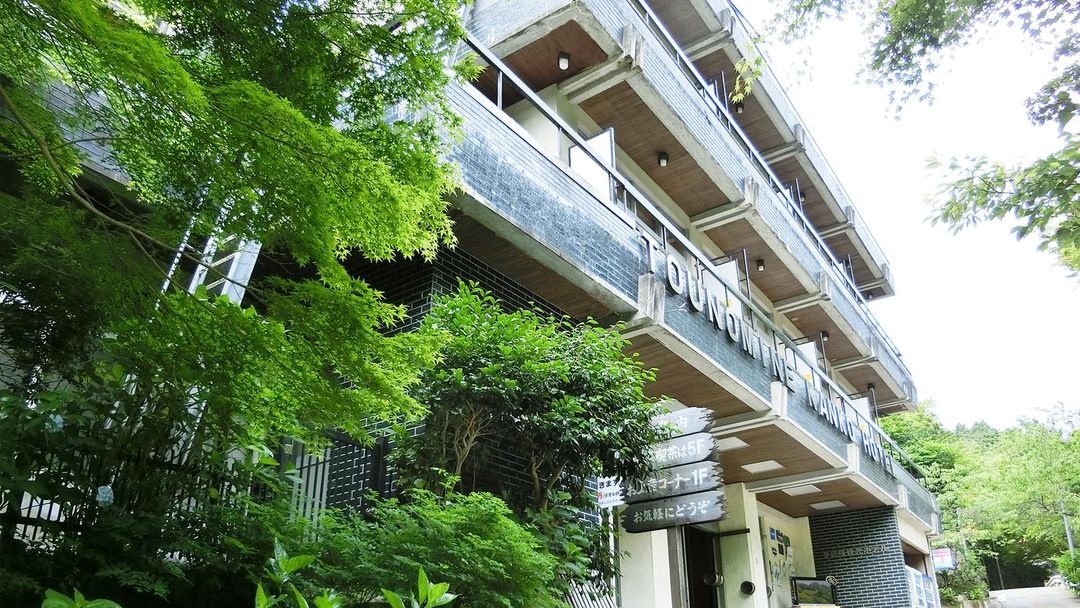
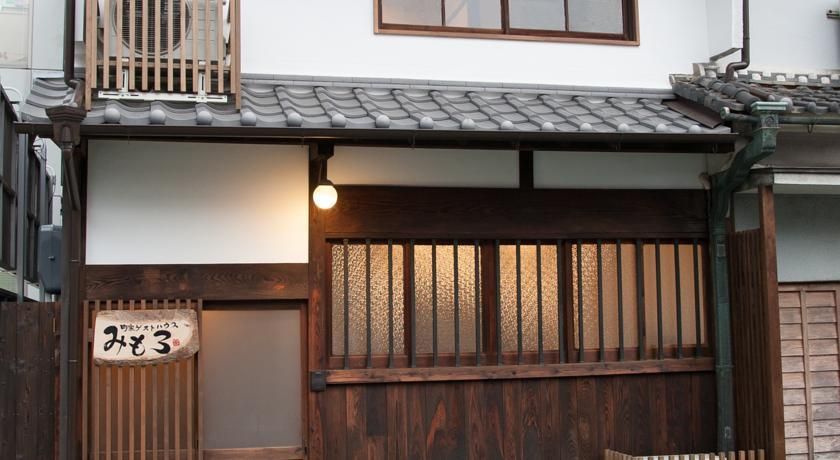
Best Hotels in Sakurai
Discover curated hotel collections in Sakurai
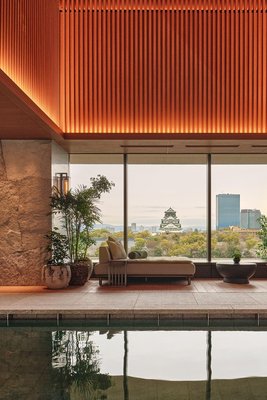
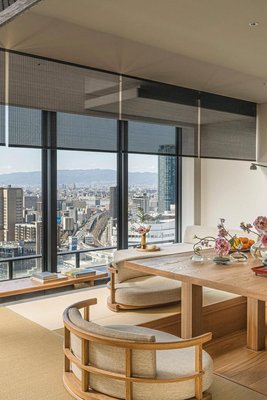
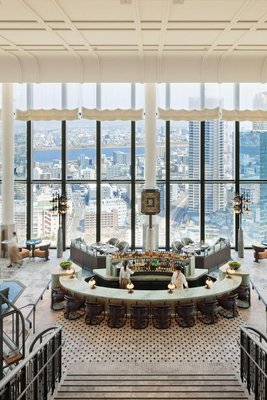
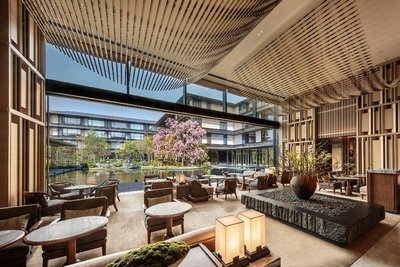
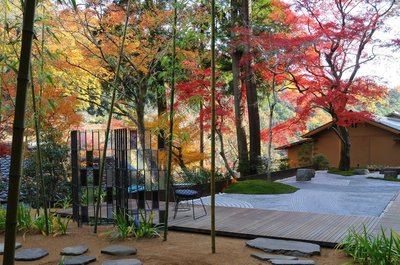
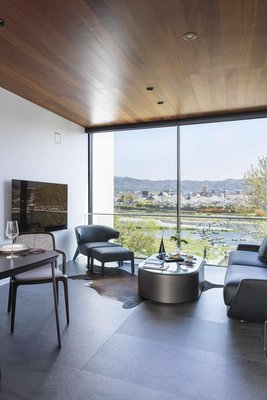
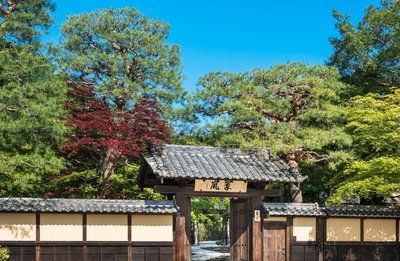
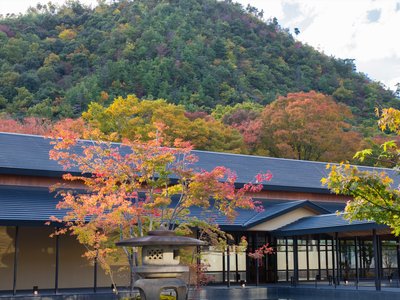
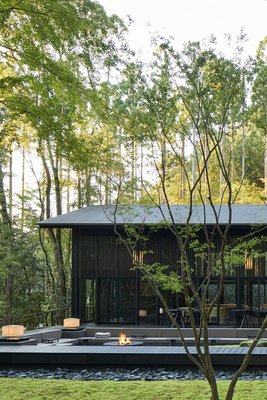
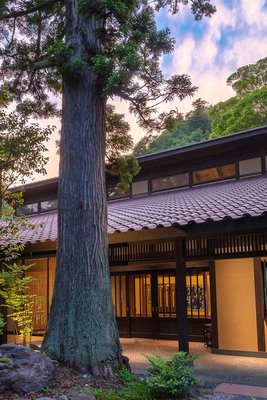
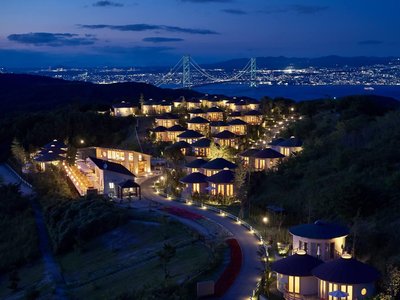
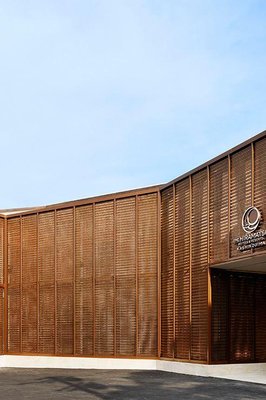
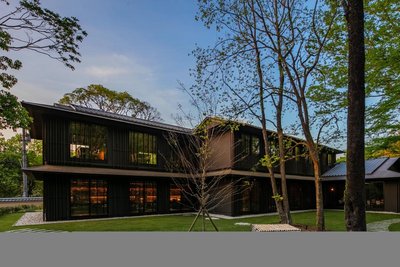
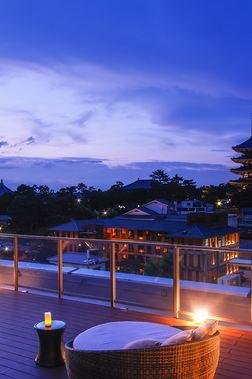

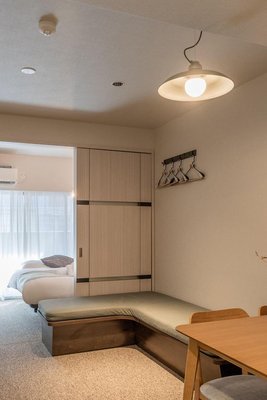
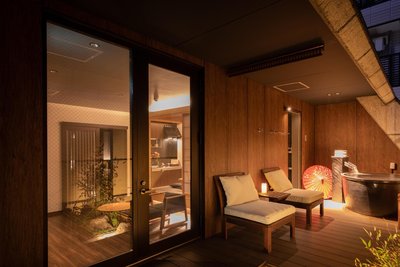
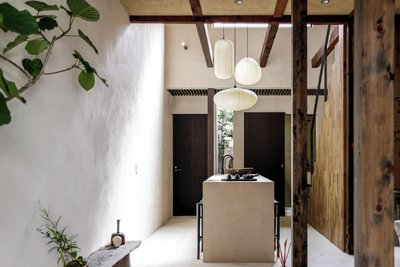
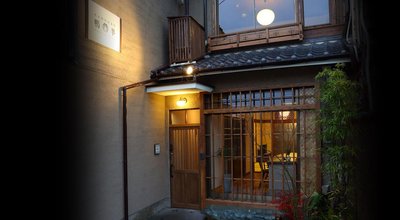
Frequently Asked Questions about Traveling to Sakurai
Questions You Might Need to Know About Traveling to Sakurai
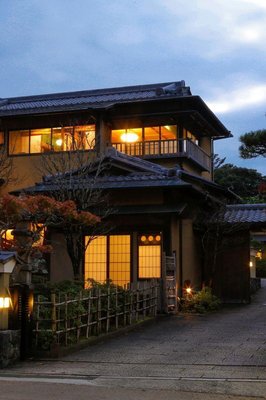
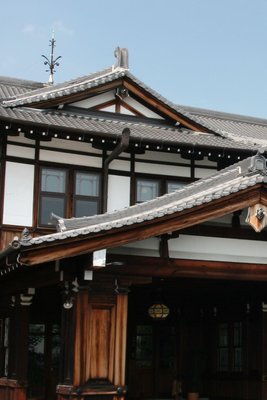
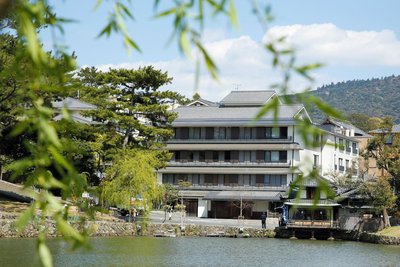
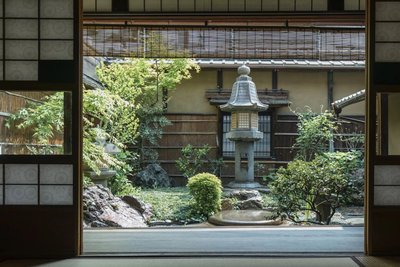
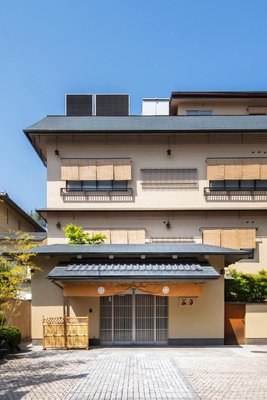
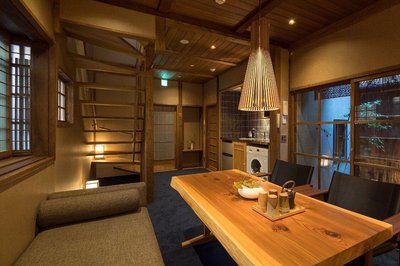
For cultural immersion in Sakurai City, stay at Sakurai Town Hall Hotel, located near the Asuka Historical Park and Horyu-ji Temple, Japan’s oldest wooden structure. The hotel offers traditional Japanese rooms, morning tea ceremonies, and guided tours to ancient burial mounds and the Baekje Royal Palace Site.
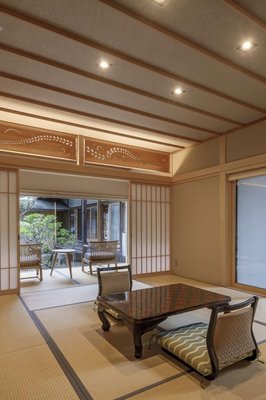
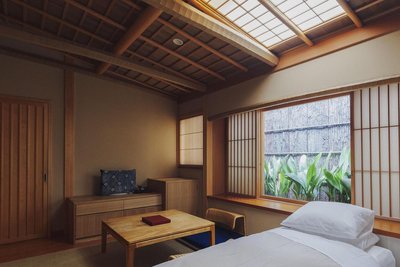
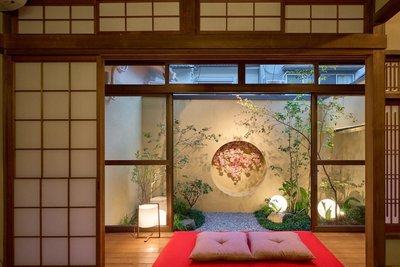
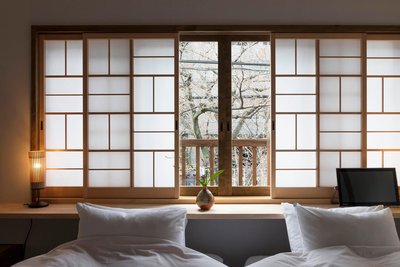
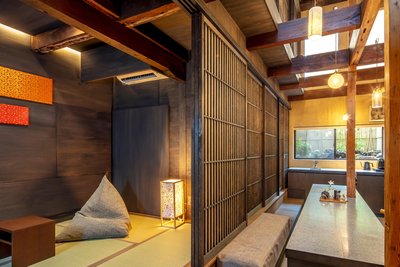
Alternatively, choose Yamato Road Guesthouses, which host weekly workshops on Asuka-period pottery, tea ceremony, and washi paper-making, all using local materials. Many rooms feature tatami flooring and shoji screens, enhancing the authentic atmosphere.
Key Experience: Explore the roots of Japanese Buddhism and imperial history through immersive stays that combine architecture, cuisine, and craftsmanship.
Top Picks: Sakurai Town Hall Hotel, Yamato Road Guesthouses, Asuka Cultural Center Accommodations.
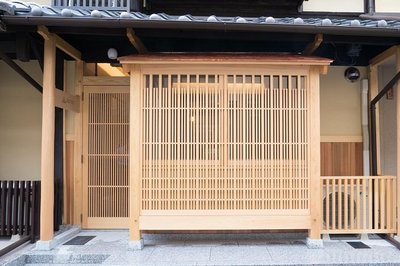
The best area for hotel stays in Sakurai City is Yamato Road and the vicinity of the Asuka Historical Park. This district lies within walking distance of Horyu-ji Temple, Kōfuku-ji Temple, and the Ancient Burial Mounds, making it ideal for travelers seeking proximity to UNESCO World Heritage Sites.
Hotels here, such as Sakurai Town Hall Hotel and Yamato Road Guesthouses, offer quiet, serene environments with traditional design elements. Many provide free shuttle services to major attractions and feature gardens inspired by Asuka-era landscaping.
Advantages: Close to historical sites, low traffic, rich cultural context, and access to local festivals like the Asuka Festival, which includes period reenactments and traditional music performances.
Ideal For: History enthusiasts, photographers, and those seeking tranquility amid ancient ruins.
Visitors to Sakurai City can enjoy several unique cultural experiences. Begin with a sunrise visit to Horyu-ji Temple’s Golden Hall, where you can witness monks performing early prayers and observe the temple’s ancient woodwork up close.
Participate in a hands-on pottery workshop at the Asuka Cultural Center, using clay sourced from local riverbeds to create replicas of ancient burial mound vessels. Attend a traditional tea ceremony led by a master practitioner who explains the spiritual significance of each gesture.
Don’t miss the Asuka Festival held annually in spring, featuring costumed reenactments of the 7th-century imperial court, dance performances, and exhibitions on the spread of Buddhism in Japan.
Highlights: Ancient temple rituals, artisan workshops, historical reenactments, and seasonal celebrations rooted in the Asuka Period (592–710 AD).
These experiences provide deep insight into Japan’s foundational era of culture and religion.
Yes, many hotels in Sakurai City are family-friendly. Sakurai Town Hall Hotel offers spacious family suites, child-sized bathrobes, and complimentary breakfast featuring local ingredients like Nara vegetables, salted mackerel, and sweet rice cakes.
Yamato Road Guesthouses provide children’s activity kits including coloring books about Asuka history, outdoor games, and guided nature walks through the surrounding rice fields and ancient forest trails.
Several hotels partner with the Sakurai Children’s Museum, offering free admission for guests and hosting interactive sessions on ancient tools, clothing, and daily life in the 7th century.
Family Perks: Free shuttles to Horyu-ji Temple, stroller rentals, high chairs, and special evening programs like storytelling under the stars near the ancient mounds.
Perfect for multi-generational travel with educational and fun activities built into the stay.
Yes, most hotels in Sakurai City provide free parking for guests. Sakurai Town Hall Hotel features a large underground garage with space for over 30 vehicles, including dedicated spots for electric vehicles with charging stations.
Yamato Road Guesthouses also offer free parking and operate a shuttle service to nearby attractions like Horyu-ji Temple and Asuka Historical Park, especially helpful during peak seasons.
Some hotels even include night-time parking access and luggage storage for early arrivals or late departures. During events like the Asuka Festival, however, advance reservation is recommended due to increased demand.
Key Benefits: No hidden parking fees, EV support, convenient access, and seamless travel for self-drive tourists exploring Nara Prefecture’s ancient sites.
Absolutely. Many hotels in Sakurai City offer authentic local dining experiences. Sakurai Town Hall Hotel serves a daily breakfast buffet featuring Asuka-style dishes, including fermented soybean paste (miso), pickled vegetables, and dango made with local rice flour.
At Yamato Road Guesthouses, guests can join a “Feast of the Ancient Court” dinner, where chefs recreate meals from the 7th century using historical recipes and ingredients like millet, chestnuts, and wild greens.
Workshops include handmade washi paper and food pairing, and some hotels organize visits to local farmers’ markets, where guests can taste fresh Nara persimmons, kuzu root desserts, and grilled mountain trout.
Culinary Highlights: Traditional cooking classes, heritage ingredient sourcing, seasonal menus, and farm-to-table experiences tied to Asuka-era culture.
A true gastronomic journey through Japan’s earliest culinary traditions.
Hotels in Sakurai City are strategically located near major historical sites. Sakurai Town Hall Hotel provides a free shuttle bus to Horyu-ji Temple, Asuka Historical Park, and the Baekje Royal Palace Ruins, with scheduled departures every hour.
Many hotels partner with the Asuka Cultural Guiding Association, offering private guided tours with historians who explain the architectural evolution of wooden temples and burial mounds.
Yamato Road Guesthouses even feature an interactive VR exhibit simulating life in the Asuka Period, allowing guests to virtually walk through ancient palaces and witness religious rituals.
Benefits: Direct access, expert-led insights, immersive technology, and no need for external transport—ideal for maximizing time at heritage sites.
Seamless integration between lodging and exploration of Japan’s earliest civilization.
Yes, Sakurai City hotels are well-connected by train. The Sakurai Station on the Kintetsu Namba Line is just a 5-minute walk from Sakurai Town Hall Hotel and Yamato Road Guesthouses.
From Sakurai Station, you can reach Nara Station in 25 minutes and Osaka Namba Station in 40 minutes. Most hotels offer guests discounted rail passes, including the Nara One-Day Pass and Kintetsu Express Ticket.
Additionally, some hotels provide bike-sharing services and electric scooter rentals, enabling easy access to nearby villages and burial mounds without relying solely on trains.
Convenience Factor: Excellent rail links, ticket discounts, and multimodal options make Sakurai City an ideal base for exploring central Japan’s historic regions.
Yes, Sakurai City hotels are ideal for photographers. Sakurai Town Hall Hotel offers early-morning access to Horyu-ji Temple’s Golden Hall and Five-Storied Pagoda, allowing photographers to capture stunning light filtering through ancient wood beams before crowds arrive.
Yamato Road Guesthouses have rooftop terraces overlooking the Asuka River and ancient burial mounds, perfect for long-exposure shots of dawn and sunset.
Many hotels collaborate with the Asuka Photography Society, providing guided sessions on capturing traditional architecture, seasonal changes, and ceremonial events like the Asuka Festival.
Photography Perks: Reserved access times, professional lighting setups, drone-friendly zones (with permission), and workshops on composition using asymmetrical balance and natural framing.
A paradise for both amateur and professional photographers seeking Japan’s oldest visual heritage.
Yes, many hotels in Sakurai City offer comprehensive accessibility features. Sakurai Town Hall Hotel has fully wheelchair-accessible rooms, wide doorways, non-slip flooring, and elevators with Braille signage.
Yamato Road Guesthouses provide ramps, grab bars in bathrooms, and audio-guided tour systems for visually impaired guests. Some rooms feature tactile maps of the Asuka Historical Park.
In partnership with Nara Prefecture’s Disability Support Center, these hotels offer rental services for mobility aids, hearing loops, and communication devices.
Accessibility Highlights: Wheelchair-friendly paths, priority check-in, staff trained in disability awareness, and multilingual assistance. Ideal for travelers with physical, sensory, or cognitive needs.
Ensuring inclusive access to one of Japan’s most historically significant cities.
Sakurai Overview
City Summary
Sakurai City in Nara Prefecture is a historic gem where ancient tombs coexist with sacred mountains. As the birthplace of Japan's early Yamato polity, it boasts national treasures like the Hashihaka Kofun and the spiritually significant Mt. Miwa. The city's tea fields and persimmon orchards reflect its agricultural heritage, while the annual Chrysanthemum Festival showcases traditional horticulture.
Must-See Attractions
Explore the massive Hashihaka Kofun tumulus and nearby Makimuku Ruins revealing 3rd-century structures. Ascend Mt. Miwa to visit the unique Ōmiwa Shrine with no main hall. Don't miss the peonies at Hase-dera Temple or the ancient cedars of Takikura Shrine. The Sakurai Station shopping arcade offers authentic local life glimpses.
Food Guide
Savor Miwa somen—ultra-thin handmade noodles with 1,300 years of history, best paired with Nara pickles. Try kakinoha-zushi (persimmon leaf-wrapped sushi) and local jidori chicken dishes. For desserts, kudzu mochi and wagashi with dried persimmons are musts, along with seasonal persimmon soft serve.
Transportation Guide
Reach Sakurai Station via Kintetsu Osaka Line (1hr from Osaka, transfer at Kashiharajingu-mae from Kyoto). Use community buses or taxis locally; bicycle rentals near the station are ideal. Note last bus times (usually before 6pm) for Mt. Miwa access, where some trails are hike-only.
Best Time to Visit
Prime seasons are April for cherry blossoms/peonies and November for autumn foliage. Avoid humid July-August. Mt. Miwa is year-round but some winter trails close. Weekdays offer quieter tomb visits than weekends.
Travel Tips
- Walk counterclockwise along Ōmiwa Shrine's approach
- Drone use prohibited at kofun sites
- Wear sturdy shoes for Mt. Miwa hikes (no vendors)
- Book somen workshops 3 days ahead
- Carry cash for shopping arcades
- Check sparse bus schedules carefully
- Reserve accommodations 2 months early for Chrysanthemum Festival
Useful Information
Language: Major sites have English signage; station staff know basic English. Payment: Cards accepted at hotels/larger restaurants; cash needed at markets. Internet: Free Wi-Fi at stations; prepaid SIMs recommended. Emergencies: Sakurai Municipal Hospital (0724-42-1001) is 1.5km from station; look for "薬" (pharmacy) signs. Etiquette: Ask permission before photographing locals; no eating in shrine precincts.