Hotels in Salam
Discover your perfect stay in Salam.
Salam(Indonesia) Travel 2026: Cheap Flights, Hotels & Top Attractions
Popular Landmarks in Salam
Discover the most iconic attractions in Salam
Recommended Hotels in Salam
Find the perfect place to stay in Salam
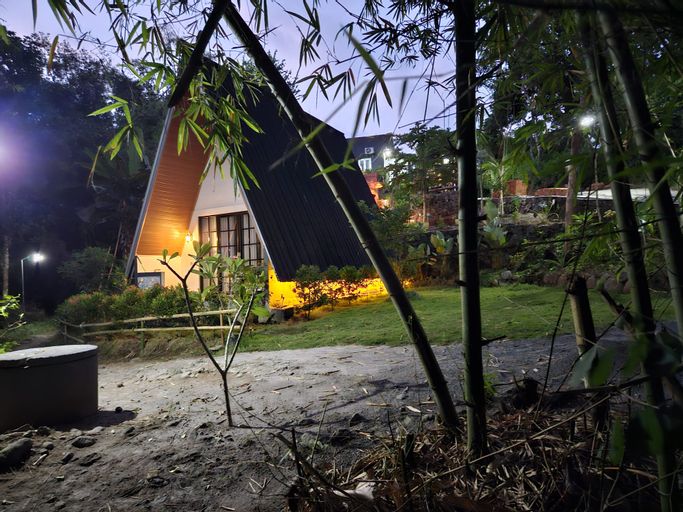
Khethech House

Hotel Purnama II
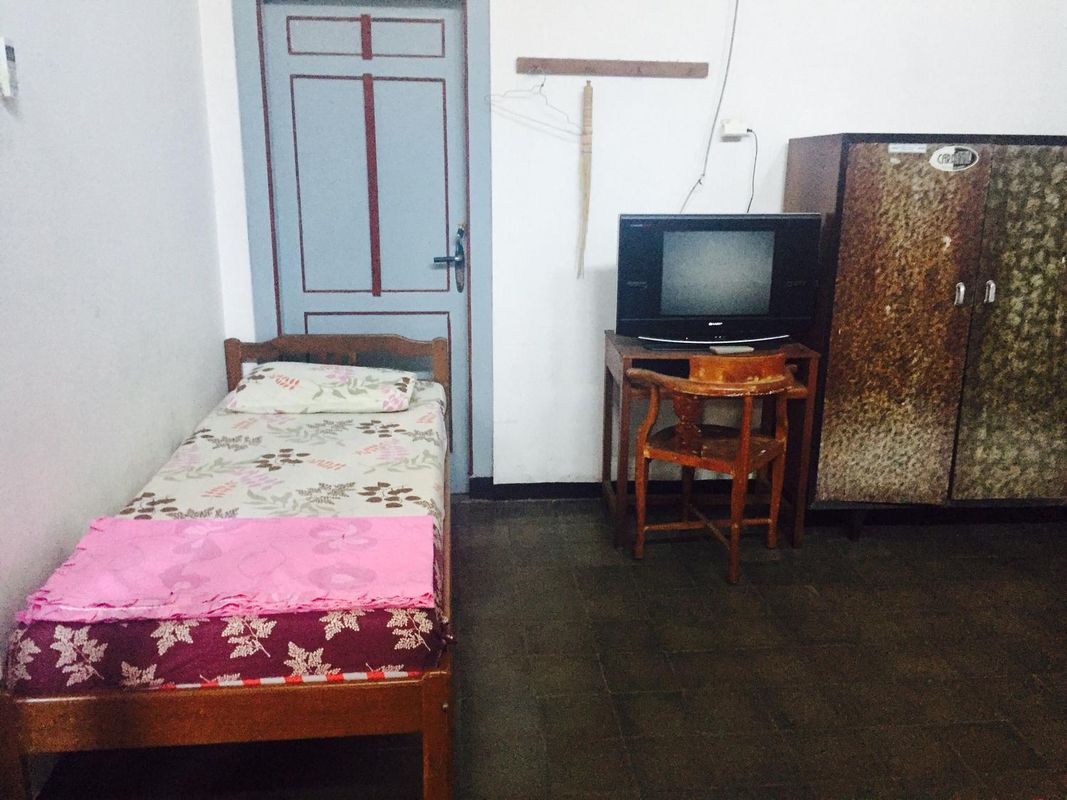
Hotel Purnama I
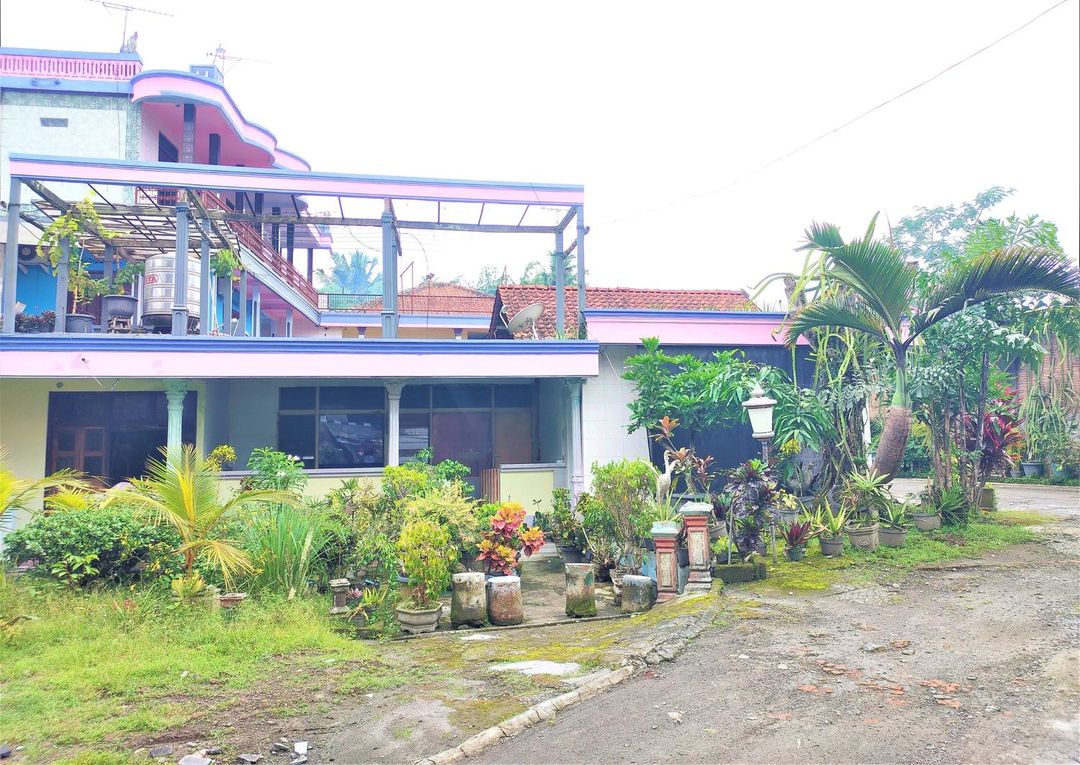
Sri MK Hotel
Frequently Asked Questions about Traveling to Salam
Questions You Might Need to Know About Traveling to Salam
In Solo, the top cultural boutique hotel is Sriwedari Heritage Hotel, located just minutes from Borobudur Temple. Housed in a restored 19th-century Javanese mansion, it blends traditional Javanese architecture with modern comfort. Guests can enjoy daily gamelan performances, participate in batik workshops, and dine on authentic Javanese cuisine like nasi liwet served on banana leaves. The property also offers guided visits to nearby Prambanan Temple Complex and local artisan markets, making it ideal for travelers seeking immersive Indonesian heritage experiences.
For first-time visitors, Central Solo is the most convenient and vibrant district. It’s within walking distance of Borobudur and Prambanan Temples, with easy access to restaurants, markets, and transportation hubs. Stay near Jalan Slamet Riyadi or Tirta Sari Road for a mix of local charm and quiet streets. Many guesthouses here offer homestay experiences, including breakfast with local street food specialties like tempeh bacem and wedang jahe. This area balances accessibility with authenticity, perfect for exploring Central Java’s cultural heart.
In Solo, join a hands-on batik-making workshop at Sriwedari Cultural Center, where master artisans teach you to use a canting (wax pen) to draw intricate Javanese motifs like kawung and merak. Visit Prambanan Village’s craft market to interact with local weavers and woodcarvers. Some homestays, like Bhumi Bhakti Homestay, offer family-style craft sessions, where you’ll learn to make herbal sachets or help prepare materials for religious ceremonies, giving you real insight into Javanese craftsmanship and spiritual traditions.
Don’t miss the Sekaten Festival, held annually during the Islamic month of Rajab, when Borobudur’s foothills transform into a sacred space for music, dance, and ritual offerings. Traditional gamelan ensembles perform ancient compositions, while locals serve Gudeg and candlenut drinks. During full moon nights, the Prambanan Temple complex hosts a breathtaking light-and-sound show that reenacts Hindu epics through illuminated carvings—ideal for photography and cultural immersion. These events reveal the deep spiritual rhythm of Javanese society.
Sumberdadi Family Resort is a top choice for families visiting Solo. It features private villas, a kids’ pool, and daily family activities like batik painting and rice field bike tours. The resort offers cultural storytelling shows and farm-to-table meals using organic local ingredients. Located just 15 minutes from Borobudur, it ensures safe, stress-free exploration for children and parents alike. With its warm hospitality and educational programs, it’s perfect for intergenerational travel in Central Java.
The most photogenic spots in Solo include the sunrise view at Borobudur Temple, where golden light floods over thousands of Buddha statues. Prambanan Temple’s twin towers framed by tropical greenery create dramatic symmetry, while Sewu Temple’s overgrown ruins offer hauntingly beautiful shots. For urban scenes, Warok Street’s colorful murals and traditional shop signs provide vibrant backdrops. Capture evening silhouettes against the Merapi Volcano skyline at Kaliurang Viewpoint, offering unforgettable moments of nature and history intertwined.
Hike the Tumpak Sewu Trail from Borobudur to Sewu Temple, a 4-kilometer path through terraced rice fields and lush forest. Along the way, enjoy panoramic views of Mount Merapi and the Central Java highlands from Kaliurang Vista Point. Guided tours include historical commentary and plant identification, ensuring both safety and depth. Start early to avoid midday heat and witness misty mornings in the valley—a perfect blend of natural beauty and cultural discovery.
Try a Gudeg cooking class at Bumi Sari Kitchen, where you’ll learn to slow-cook young jackfruit, pumpkin, and palm sap into the iconic Javanese dish Gudeg, traditionally served with fried tofu and peanut sauce. Participate in a street food tour at dusk, sampling grilled pork, sweet sticky rice cakes, and spiced coconut tea. Each bite reflects Javanese culinary philosophy: balance, aroma, and ritual. These experiences connect you deeply to local flavors and traditions.
Lumbung Retreat is perfect for solo travelers wanting tranquility. Nestled on a hillside overlooking terraced rice paddies, this former granary has been transformed into serene private cabins with personal balconies and meditation spaces. No loud bars—just daily yoga sessions, silent walks, and stargazing under clear skies. Staff are local practitioners who offer brief spiritual dialogues. It’s an ideal sanctuary for introspection, healing, and reconnecting with nature in Central Java.
Join the monthly Sekaten ceremony at Sewu Temple, led by local priests (Dukun) who perform offerings of flowers, incense, and rice to honor ancestral spirits. Some homestays, like Prambanan Lodge, offer family-involved rituals, where guests wear traditional kebaya and batik attire, learn sacred chants, and assist in preparing ceremonial items. These intimate experiences reveal the fusion of Hindu-Buddhist beliefs and animist traditions that shape Javanese spirituality.
Salam Overview
City Summary
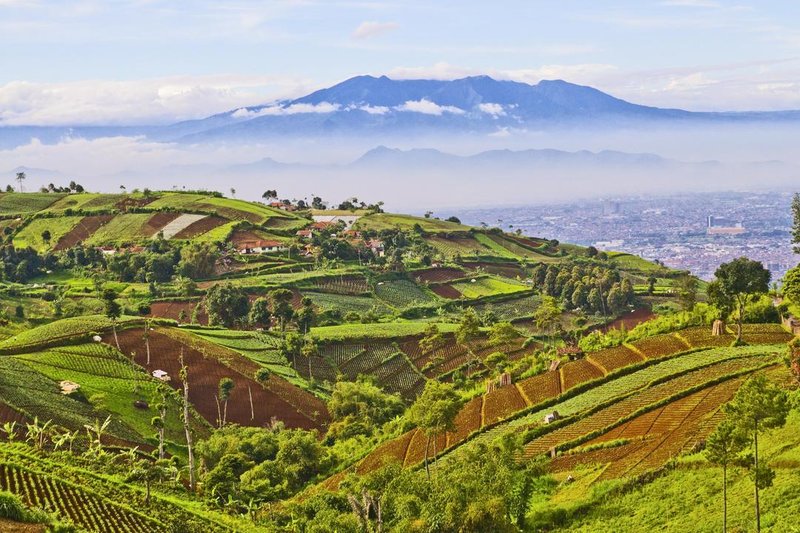
Salatiga, nestled in Central Java, Indonesia, is a hidden gem blending cool highland climate, Dutch colonial architecture, and Javanese cultural traditions. Known for its lush tea plantations and the majestic Mount Merbabu, this city offers a tranquil escape with rich historical layers from Hindu temples to colonial-era landmarks.
Must-See Attractions
Must-see spots include the serene Taman Kasih Sayang Park, ancient Gedong Songo Temple Complex, and panoramic Kopeng Tea Plantations. Dive into culture at Salatiga Cultural Park or explore Dutch-colonial churches. Don't miss the vibrant Pasar Trambalan night market for local crafts and snacks.
Food Guide
Food highlights: Try Soto Ayam Salatiga (aromatic chicken soup) and Nasi Liwet (coconut rice). Street food like Tempe Mendoan (crispy tempeh) and Es Dawet (palm sugar drink) showcase local flavors. Coffee aficionados must taste Kopi Jos (charcoal-brewed coffee) paired with Klepon (sticky rice balls).
Transportation Guide
Transport: Reliable options are motorcycle taxis (Ojek) and ride-hailing apps (Grab/Gojek). No metro system; for longer trips, use Trans Jateng buses or rent scooters (international license required). Note: Avoid mountain roads during rainy season (Nov-Mar); some attractions require chartered transport.
Best Time to Visit
Best visit period is April-October (dry season, ~25°C). Peak crowds in July-August; avoid Eid al-Fitr holiday (dates vary).
Travel Tips
- Etiquette: Remove shoes at mosques; women may cover hair.
- Cash: Street vendors accept IDR only—carry small bills.
- Attire: Bring a jacket for cool evenings.
- Safety: Avoid isolated areas at night.
- Health: Drink bottled water; skip raw foods.
- Connectivity: Telkomsel SIM cards work best in highlands.
Useful Information
Essentials:
- Language: Basic Bahasa phrases help; limited English in tourist areas.
- Internet: Prepaid SIMs sold at convenience stores (passport required).
- Payments: Credit cards accepted at major outlets; GrabPay widely used.
- Healthcare: RSI Hospital (Jl. Osamaliki) has 24/7 ER.
- Voltage: 220V, Type C plugs.
- Time: GMT+7 (no DST). Pack sunscreen and mosquito repellent.