Hotels in Salvatore
Discover your perfect stay in Salvatore.
Salvatore(Brazil) Travel 2026: Cheap Flights, Hotels & Top Attractions
Popular Landmarks in Salvatore
Discover the most iconic attractions in Salvatore
Recommended Hotels in Salvatore
Find the perfect place to stay in Salvatore
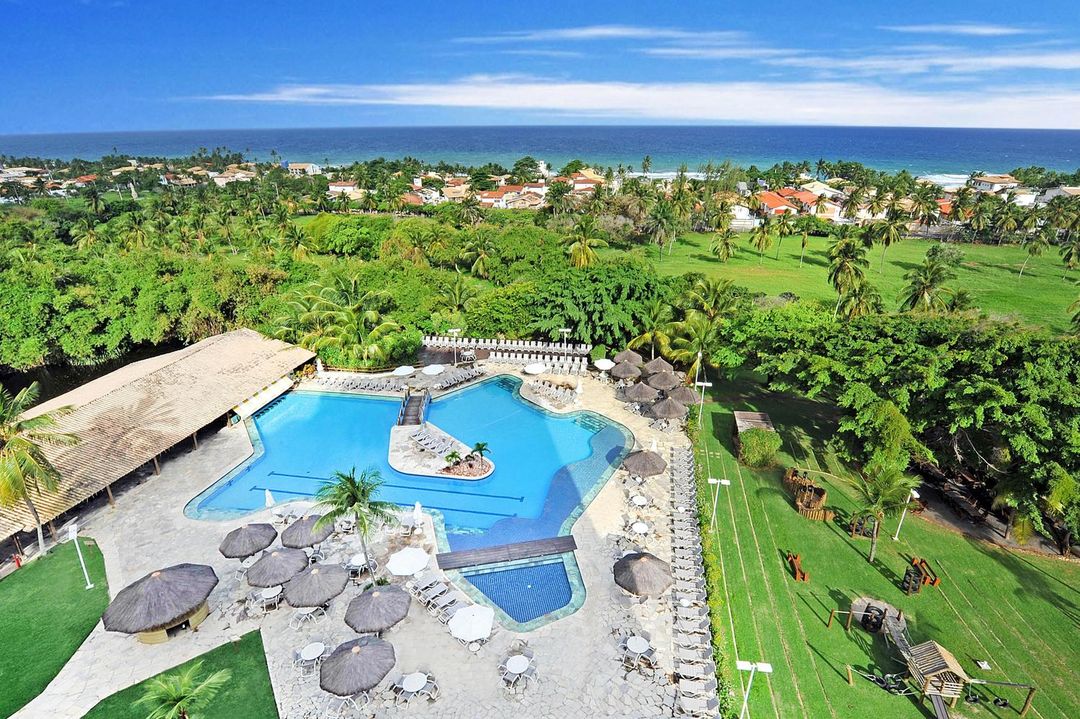
Hotel Deville Prime Salvador
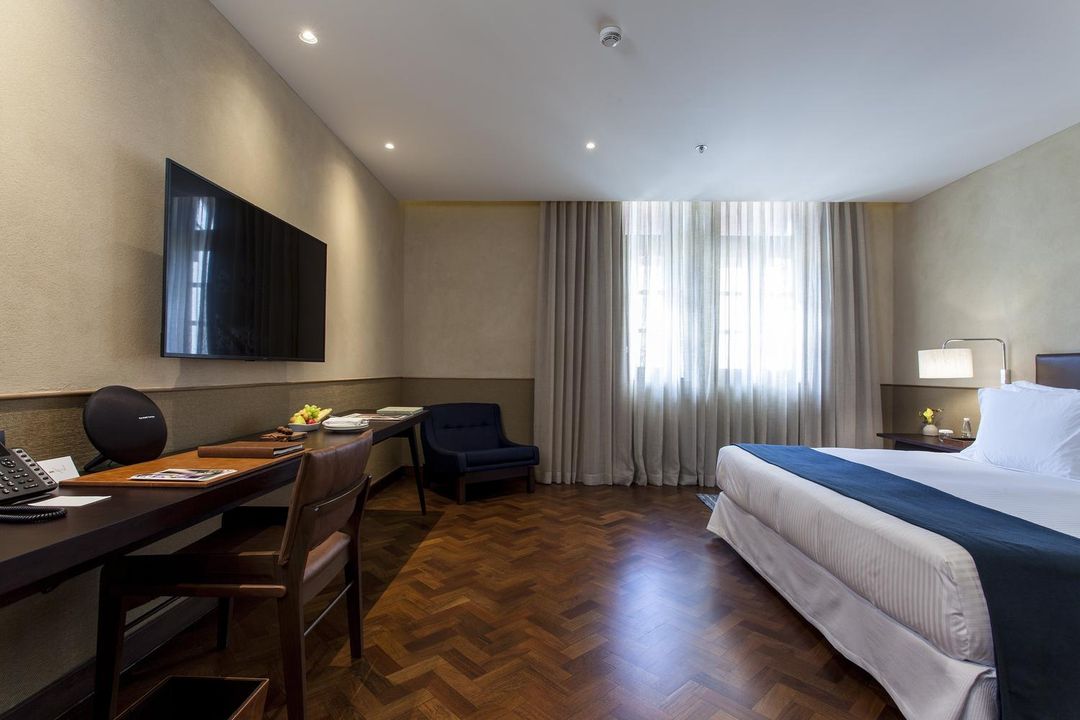
Hotel Fasano Salvador
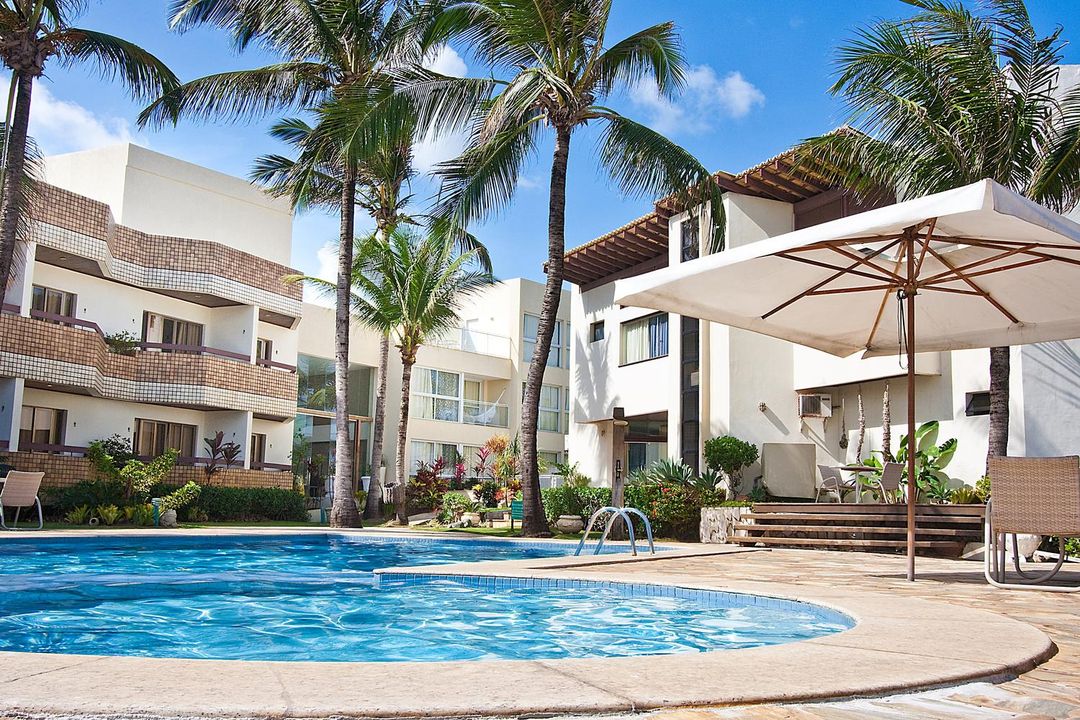
Casa di Vina Boutique Hotel
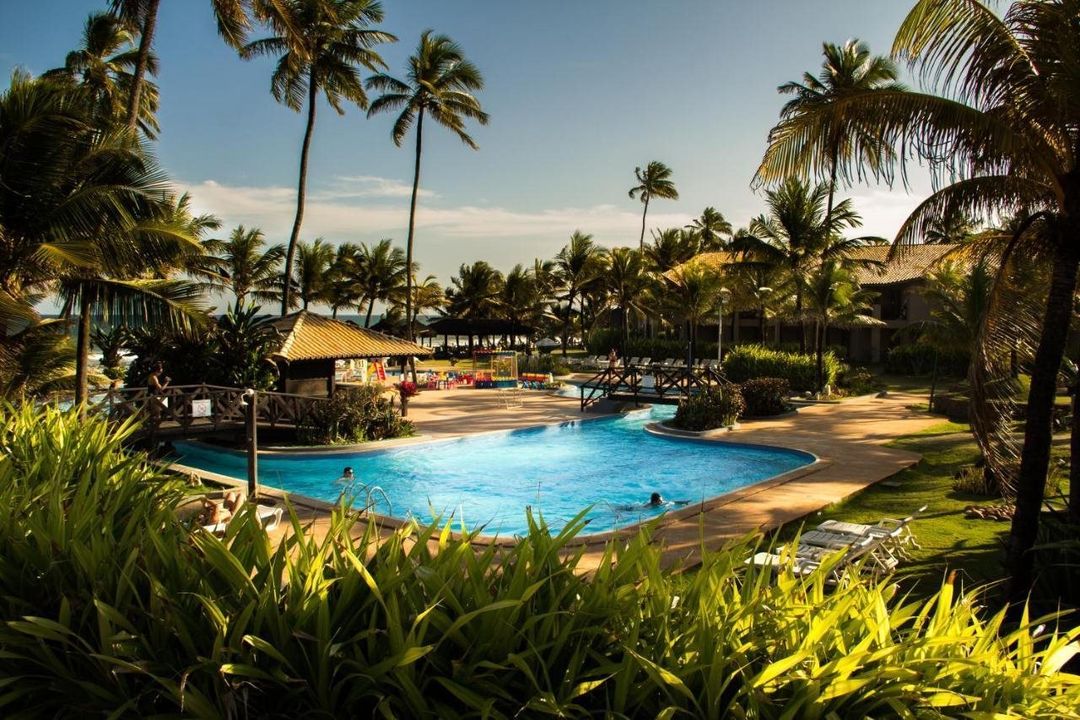
Catussaba Suítes Resort
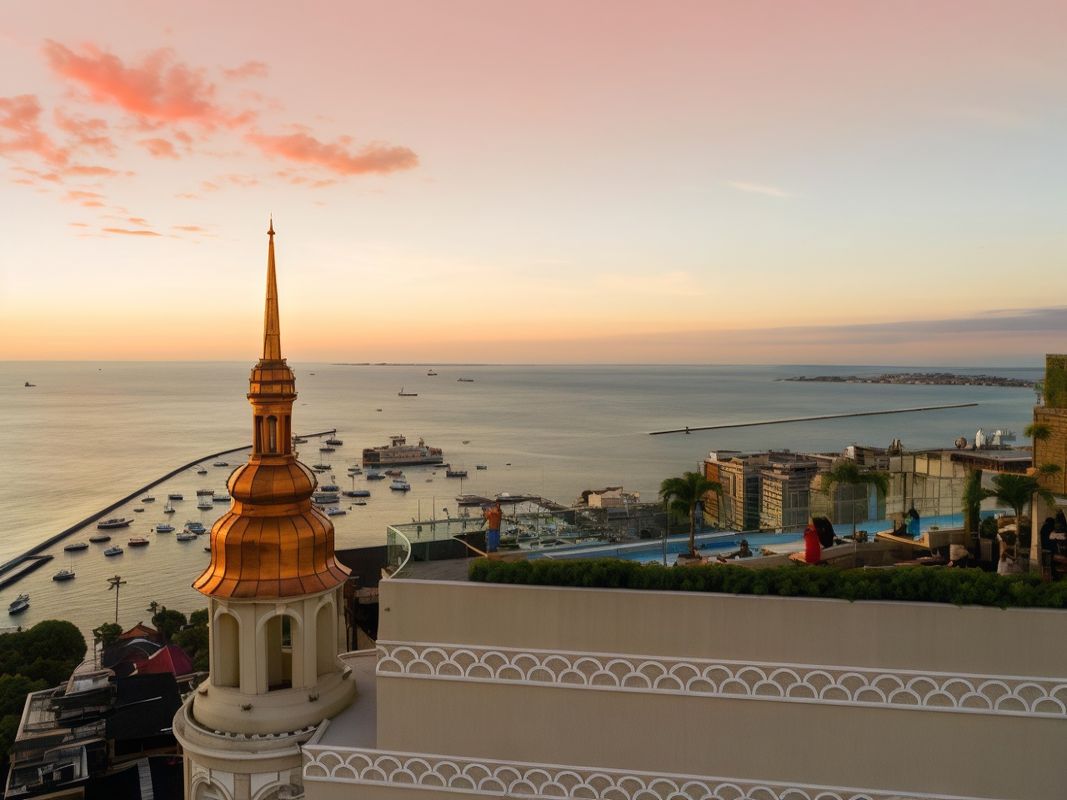
Fera Palace Hotel
Best Hotels in Salvatore
Discover curated hotel collections in Salvatore
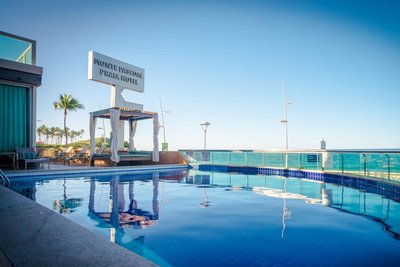
Monte Pascoal Praia Hotel Salvador
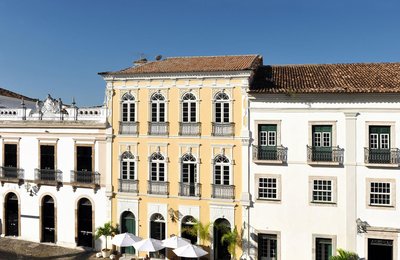
Hotel Villa Bahia
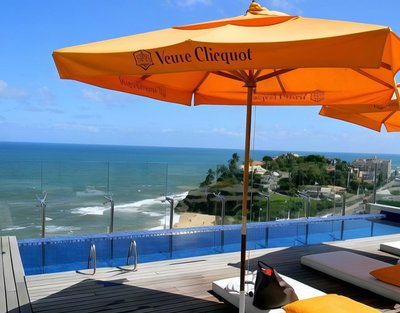
Zank by Toque Hotel
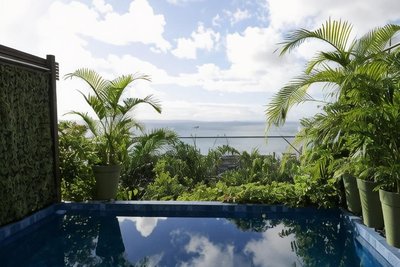
Aram Yamí Boutique Hotel
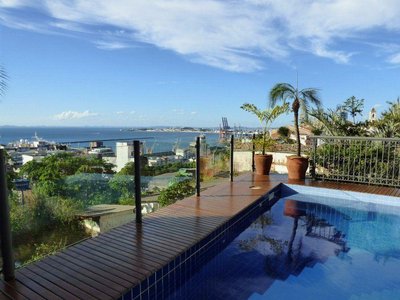
Hotel Casa do Amarelindo
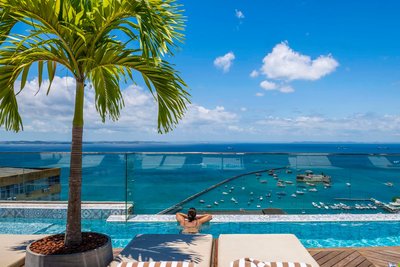
Fera Palace Hotel
Frequently Asked Questions about Traveling to Salvatore
Questions You Might Need to Know About Traveling to Salvatore
For first-time visitors to Salvador, recommended stays include Hotel Porto de Galinhas, offering oceanfront views and tropical ambiance near the beach; Pousada do Forte, located in the historic Pelourinho district, close to São Francisco Church and vibrant street art; and Savassi Hotel, centrally situated near Avenida Sete de Setembro, with modern amenities and easy access to dining and nightlife. These options provide comfort, culture, and proximity to major attractions.
The Pelourinho neighborhood is the heart of Salvador’s cultural and historical identity. Designated a UNESCO World Heritage Site, it features colorful colonial buildings, cobblestone streets, and iconic landmarks like São Francisco Church and Fort Santo Antônio. The area pulses with live music, street performances, and Afro-Brazilian traditions. Staying here immerses travelers in the city's rich African-Brazilian heritage and provides an authentic taste of local life.
Tourists in Salvador can experience Candomblé rituals, traditional Afro-Brazilian spiritual ceremonies held in sacred terreiros; participate in samba workshops taught by local dancers; explore street art murals in Pelourinho; and attend Carnival pre-party events featuring drum circles and dance troupes. These immersive activities offer deep insight into the city’s African roots and dynamic cultural fusion.
Must-visit landmarks in Salvador include Pelourinho, a UNESCO-listed colonial district with ornate churches and vibrant plazas; São Francisco Church, famed for its gold-leaf interiors; Fortaleza São Marcelo, a 17th-century fortress overlooking the Atlantic; and Ilha de Itaparica, accessible by boat, offering pristine beaches and serene island vibes. These sites reflect Salvador’s layered history and coastal beauty.
Visitors to Salvador must try moqueca, a rich seafood stew cooked in coconut milk; feijoada, Brazil’s national dish of black beans and pork; acarajé, deep-fried bean fritters filled with vatapá and shrimp, originating from African cuisine; and picanha, grilled beef served on skewers. Enjoy these dishes at local eateries like O Forno or street stalls in Pelourinho for an authentic taste of Bahian flavor.
Family-friendly hotels in Salvador include Hotel Solar da Bahia, located in Pelourinho, with kid-friendly spaces and cultural activities; Pousada do Mar, near the coast, featuring pools, spacious suites, and kids’ programs; and Vila do Conde Resort, a beachfront property with private sand beaches, children’s clubs, and themed games. All offer safety, comfort, and entertainment for travelers of all ages.
Popular nighttime activities in Salvador include enjoying live samba performances in Pelourinho’s squares, visiting rooftop bars along Avenida Sete de Setembro, attending Carnival pre-party events, and joining evening Candomblé ceremonies on Ilha de Itaparica. Many hotels also organize guided night walks or cultural tours, allowing guests to experience the city’s electric nightlife and rhythmic soul after dark.
To navigate Salvador efficiently, use ride-hailing apps like 99 or Uber for short trips, especially within Pelourinho. For longer distances, take intercity buses to Ilha de Itaparica or nearby cities. Renting a small car offers flexibility, but be mindful of traffic congestion during peak hours. Use Google Maps or Waze for real-time navigation, as some roads lack clear signage.
Salvador’s tropical climate means hot, humid weather year-round. During the rainy season (November–April), choose hotels with air conditioning and moisture-resistant rooms—like Hotel Porto de Galinhas or Savassi Hotel. In summer (February–March), opt for rooms near the sea or shaded courtyards for cooling breezes. Winter (June–August) is ideal for travel, so book early in Pelourinho or beachfront areas. Climate-aware HopeGoo enhances comfort and enjoyment.
Top shopping spots in Salvador include Pelourinho’s artisan markets, where you can buy Afro-Brazilian crafts, handwoven textiles, and wooden sculptures; Largo do Pelourinho boutiques featuring local designers; and Mercado Modelo, a bustling market selling spices, coffee, and souvenirs. For authentic Bahian coffee or natural skincare products, visit specialty shops along Avenida Sete de Setembro. Bring a light backpack for your purchases.
Salvatore Overview
City Summary
Salvador, the capital of Brazil's Bahia state, is renowned for its rich history and vibrant Afro-Brazilian culture. The city is famous for its colorful colonial architecture, energetic music and dance, and delicious seafood cuisine. The Pelourinho district, a UNESCO World Heritage Site, is the heart of Salvador, featuring cobblestone streets and Baroque churches that reflect its colonial past. Additionally, Salvador's Carnaval is one of the most vibrant celebrations in the world, filled with the rhythms of samba and drumming. Whether exploring historic sites or relaxing on stunning beaches, Salvador offers an unforgettable experience for every traveler.
Must-See Attractions
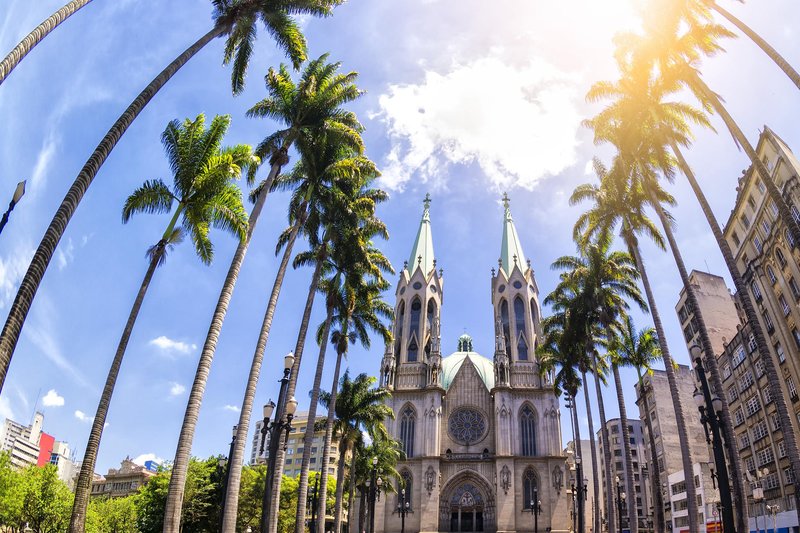
Salvador, located in Bahia, Brazil, is one of the most historically rich cities in South America. As Brazil’s first capital, it boasts a wealth of cultural heritage and colonial architecture. Visitors can stroll through the Pelourinho district, admiring the colorful houses and ancient churches while immersing themselves in the vibrant Afro-Brazilian culture. Notable landmarks include the São Paulo Cathedral and the Church of São Francisco. The city’s beaches, such as Porto da Barra and Praia do Farol da Barra, offer perfect spots for sun and surf. At night, local music and dance performances, like Capoeira and Axé, bring the city to life.
Food Guide
Salvador, located in Bahia, Brazil, is a vibrant city rich in history and culture, renowned for its Afro-Brazilian heritage and delectable cuisine. The city's culinary scene is heavily influenced by African and Portuguese traditions, with Moqueca de Peixe standing out as a signature dish—a flavorful fish stew cooked with coconut milk, palm oil, and fresh seafood. Another must-try is Acarajé, a deep-fried black-eyed pea fritter stuffed with shrimp and spicy sauce, a staple of street food. Salvador is also famous for its coconut-based desserts and Cachaça, a sugarcane spirit used in Brazil's national cocktail, Caipirinha. Visitors can savor these unique flavors while immersing themselves in the city's lively cultural atmosphere.
Transportation Guide
Salvador, the capital of Bahia in Brazil, is known for its rich history and unique colonial architecture. The city offers various transportation options, with public buses and taxis being the most common. The bus network is extensive and affordable, though it can get crowded during peak hours.
For longer distances, the Metro system is a clean and safe option, currently operating one main line connecting the city center to the suburbs. Uber is also widely available in Salvador, offering transparent pricing and convenience for travelers unfamiliar with local transport.
Visitors are advised to avoid walking alone at night, especially in less populated areas. If planning to explore the famous Pelourinho district, it’s best to visit during the day and keep personal belongings secure. Salvador’s streets can be steep in some areas, so wearing comfortable shoes is recommended for navigating this historic city.
Best Time to Visit
Salvador, the capital of Bahia State in Brazil, is one of the country's most historically and culturally rich cities. The best time to visit is from April to September, when the weather is warm and dry, perfect for exploring the city's colonial architecture and stunning beaches. During this period, tourist crowds are thinner, and prices are more reasonable. Salvador's Carnaval, usually held in February or March, is world-famous but attracts large crowds, leading to higher accommodation costs. Don't miss the colorful houses of Pelourinho or the golden interiors of the São Francisco Church.
Travel Tips
- Safety Tips: Some areas of Salvador have higher crime rates. Avoid walking alone at night, secure valuables, and use reputable taxi services or pre-booked transfers.
- Cultural Etiquette: Locals are friendly—greet with smiles or handshakes. Dress modestly for churches (no shorts/sleeveless tops).
- Currency: Brazilian Real is used. Cards are accepted in shops, but carry cash for street markets.
- Weather Prep: Tropical climate with high humidity. Pack rain gear during wet season (Apr-Sep); use sunscreen in dry season.
- Food Advice: Try local Moqueca seafood stew, but avoid raw or undercooked street food to prevent illness.
- Transport: Wear comfortable shoes for cobbled hills in Pelourinho. Guard belongings on public transport.
- Language: Portuguese is primary; basic English is spoken in tourist zones. Learn simple phrases for better interaction.
Useful Information
Salvador, located in Bahia State, Brazil, is one of the country's oldest cities, boasting rich cultural heritage and stunning beaches. Here’s some practical information for your visit:
- Language: The official language is Portuguese; learning basic phrases is helpful.
- Internet & Communication: Network coverage is good in urban areas; consider purchasing a local prepaid SIM card like Vivo or Claro.
- Currency & Payments: The local currency is the Brazilian Real (BRL). Credit cards are widely accepted in tourist areas, but cash may be needed for smaller vendors.
- Emergency Contacts: Dial 190 for police and 192 for ambulance.
Don’t miss the Pelourinho district, a UNESCO World Heritage Site known for its colorful colonial architecture and vibrant culture. Be sure to try local dishes like Moqueca (seafood stew) and Acarajé (fried bean cakes).
Traveler Reviews
See what other travelers say about Salvatore

Hotel Deville Prime Salvador
The hotel is absolutely beautiful! From the moment I walked in, I was impressed by the elegant yet modern vibe. The room was spotless and incredibly comfortable—my bed was one of the best sleeps I've had on my trip. It's super convenient for getting around, just a short walk to the metro station, and there are plenty of great restaurants nearby. The staff were friendly and helpful throughout my stay. Everything ran smoothly, from check-in to check-out. This place offers amazing value and I'd definitely come back.

Hotel Fasano Salvador
Staying at Hotel Fasano Salvador was an absolute highlight of my trip to Salvador! This historic gem truly stands out as the best hotel in town. The service is next level—every security staff member I met was incredibly friendly and welcoming, making me feel like a VIP from day one. The attention to detail is impressive: fresh fruit delivered every evening, spotless rooms with nightly cleaning, and a front desk team fluent in three languages who were knowledgeable, patient, and genuinely helpful. It’s clear this place values guest experience above all. The atmosphere blends heritage charm with modern luxury seamlessly. If you’re visiting Salvador, this is the only hotel worth considering. I’ll definitely be coming back.

Hotel da Bahia by Wish
My stay at Hotel da Bahia by Wish was absolutely unforgettable! From the moment I arrived, the atmosphere felt warm and welcoming. The hotel is immaculately clean, beautifully designed with a vibrant Brazilian touch, and well-maintained throughout. The staff went above and beyond—always smiling, helpful, and genuinely attentive to every need. Breakfast was a highlight: fresh, delicious, and full of variety each morning, with local flavors that made me feel right at home. Every detail exceeded my expectations. I couldn’t recommend this place more highly—whether you're here for business or pleasure, this is a true gem in Salvador. I’ll definitely be back.

Casa di Vina Boutique Hotel
Staying at Casa Di Vina Boutique Hotel was an absolute delight from start to finish. The moment you step in, you're greeted by a vibrant cultural atmosphere deeply rooted in Brazil's MPB music heritage—every corner tells a story, with artwork and memorabilia that pay tribute to legendary artists like Vina. The breakfast was exceptional—fresh, well-prepared, and full of local flavors. It’s rare to find such a charming, intimate boutique hotel with such excellent location and attention to detail. Walking distance to great restaurants, markets, and historic sites made exploring Salvador effortless. The staff were warm, knowledgeable, and always ready to help. This place truly captures the soul of Bahia. I’d come back in a heartbeat.

Catussaba Suítes Resort
Staying at Catussaba Suítes Resort was an absolute delight. The room was spacious and the bed was huge—perfect for a relaxing getaway. There are multiple pools scattered around the property, so you can enjoy swimming without having to go far. The surrounding area is incredibly beautiful, with lush greenery and a peaceful atmosphere that makes you feel like you're truly disconnected from the everyday world. It's ideal for unwinding, sunbathing, or just soaking in the serene vibe. The overall experience was outstanding, and I’d definitely come back again.

Fera Palace Hotel
Our stay at Fera Palace Hotel was absolutely unforgettable. From the moment we arrived, Leandro greeted us with such warmth and energy—his passion for Salvador truly shone through, making us feel instantly welcome. Bruno went above and beyond by thoughtfully organizing a surprise birthday celebration for our friend, showing incredible care and attention to detail. Every staff member we met was kind, attentive, and genuinely dedicated to making our experience special. The rooms were spacious and impeccably designed, with beds so comfortable we almost didn’t want to get out of them. The rooftop pool and bar offered breathtaking views of the harbor—perfect for relaxing with a drink in hand. As food lovers, we were blown away by the quality and creativity of the cuisine. We also indulged in a massage with Margot, who delivered an incredibly soothing and professional treatment. Even though we only stayed two nights, it felt like we’d already become part of the Fera family. The hotel’s rich history, prime location, and exceptional team made our time in Salvador truly magical. We can’t wait to return. Thank you to everyone at Fera Palace for such a memorable and heartfelt experience.

Monte Pascoal Praia Hotel Salvador
The location couldn’t be better—just a short walk from the beach and surrounded by a peaceful, authentic vibe. What truly stood out was the staff; they were incredibly warm, helpful, and made us feel right at home. The continental breakfast was a highlight—fresh pastries, local coffee, and a great selection of fruits and breads. Everything was thoughtfully arranged and delicious. The facilities are well-maintained and add to the overall comfort. This place is perfect for travelers who value both convenience and genuine hospitality. I’d absolutely stay here again and highly recommend it to anyone visiting Salvador.

Hotel Casa do Amarelindo
Staying at Hotel Casa do Amarelindo was an absolute delight. This charming little gem is perfectly located in Salvador, just a short walk from the heart of the city and all its vibrant energy. What truly sets it apart is the personal touch—the staff and owner know each guest by name, creating a warm, family-like atmosphere that feels incredibly welcoming. The breakfast starts at 7 AM, but on one occasion when our schedule was particularly tight, they kindly arranged a full breakfast at 6:30 AM just for us—such thoughtful service is rare and deeply appreciated. The restaurant’s small garden and terrace offer stunning views, making morning coffee or breakfast a peaceful, memorable experience. Every detail feels intentional, from the cozy ambiance to the attention to comfort. It’s not just a place to stay—it’s a home away from home with exceptional value and genuine hospitality.

Aram Yamí Boutique Hotel
Aram Yamí Boutique Hotel is an exceptional find in Salvador. Located just steps away from Pelourinho, it's incredibly convenient and feels safe even in the evening. The rooms are well-equipped, quiet, and offer stunning views of the bay—perfect for unwinding after a day exploring the city. The staff are genuinely warm and attentive, going above and beyond to make guests feel at home. We made a small mistake by booking a massage at a nearby spa instead of at the hotel itself. After paying full price for two 2-hour sessions, we were disappointed—the therapist was unskilled and rushed through the treatments. Lesson learned: always book your spa services directly through the hotel. It’s safer, more reliable, and worth every penny. This place truly delivers on comfort, service, and location—highly recommend for anyone visiting Salvador.

Novotel Salvador Rio Vermelho
The ocean-view room was absolutely stunning—spacious, bright, and with a balcony that offered uninterrupted views of the sea. Waking up to the sound of waves and the sight of the endless blue horizon was truly magical. The breakfast was delicious and varied, with fresh local touches that made it special. The hotel’s location is fantastic—just a short walk from the city center and easily accessible by public transit. It’s not just a place to stay; it’s where I created one of my most cherished memories in Salvador. I’d highly recommend this hotel to anyone visiting the area—perfect blend of comfort, scenery, and value.

Vila Galé Salvador
Staying at Vila Galé Salvador turned what was supposed to be a quick work trip into a relaxing getaway. The hotel boasts excellent facilities, with a nearly private beach just steps away—perfect for morning walks or sunset views. The breakfast spread was fantastic, offering fresh and delicious options every day. The staff were genuinely friendly and always willing to help, making the experience feel personal and welcoming. From the comfortable rooms to the overall ambiance, everything felt thoughtfully designed. It’s rare to find such a peaceful yet convenient spot in Salvador. I’d absolutely stay here again and highly recommend it to anyone visiting the city.

Hotel Villa Bahia
Hotel Villa Bahia is an absolute gem in Salvador! The colonial-style decor throughout the property is elegant and thoughtfully done, creating a warm and inviting atmosphere. My room, named Goia, was stunning—spacious, beautifully furnished, and filled with charm. The staff went above and beyond with their hospitality, always friendly, attentive, and genuinely committed to making your stay special. From the moment I arrived, I felt welcomed and well taken care of. Whether you're here for relaxation, sightseeing, or just a luxurious escape, this hotel delivers on every level. A truly unforgettable experience—highly recommended!