Hotels in San Gemini
Discover your perfect stay in San Gemini.
San Gemini(Italy) Travel 2026: Cheap Flights, Hotels & Top Attractions
Popular Landmarks in San Gemini
Discover the most iconic attractions in San Gemini
Recommended Hotels in San Gemini
Find the perfect place to stay in San Gemini
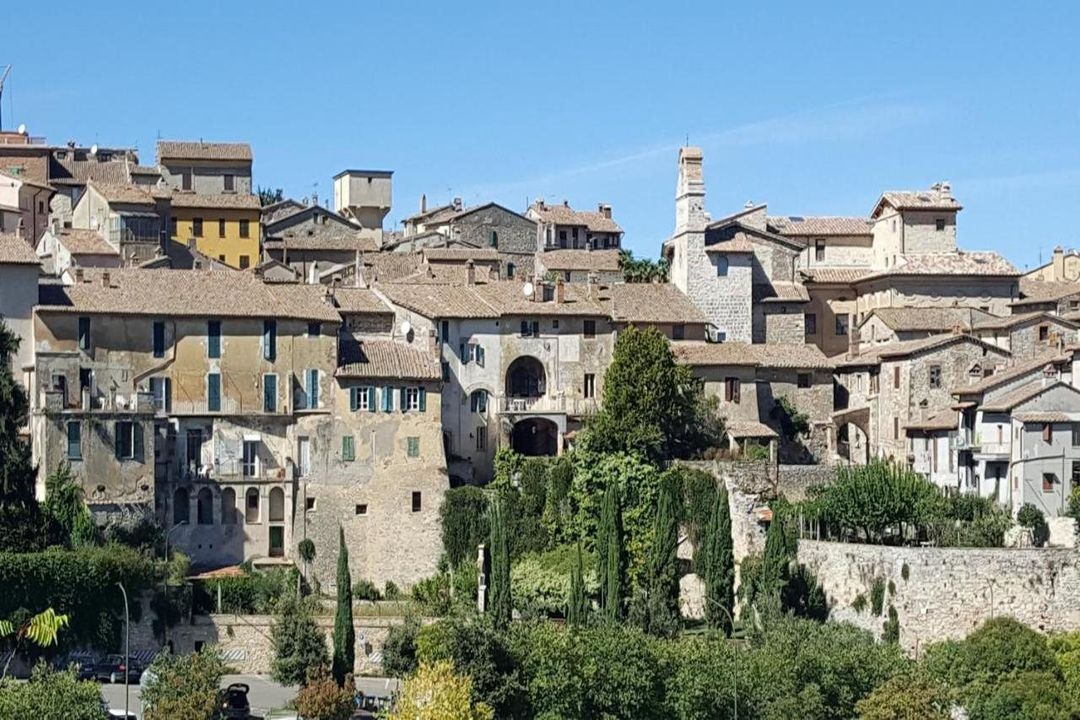
San Gemini Palace
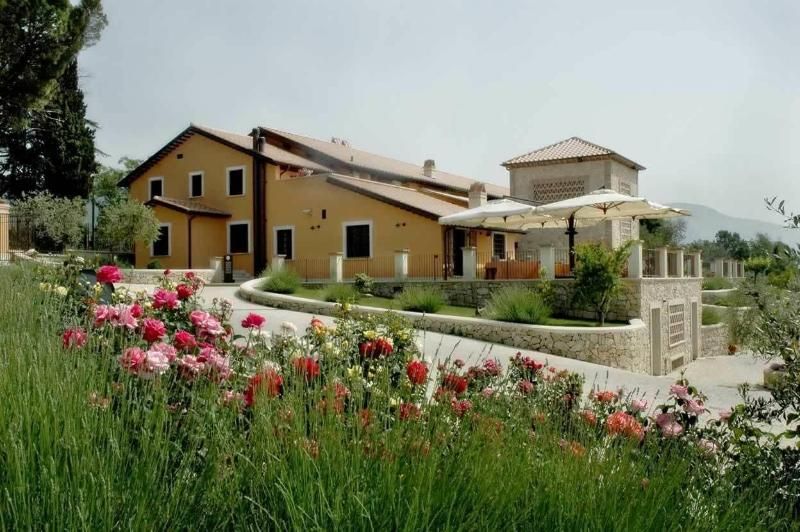
Vallantica Resort & Spa
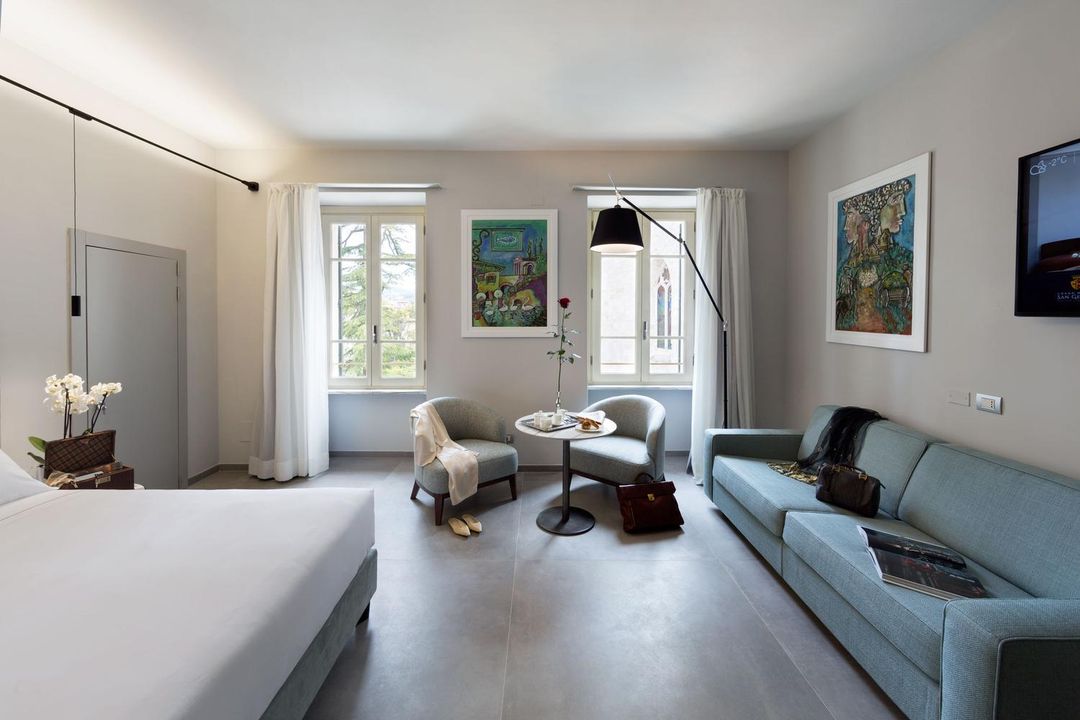
Grand Hotel San Gemini | UNA Esperienze
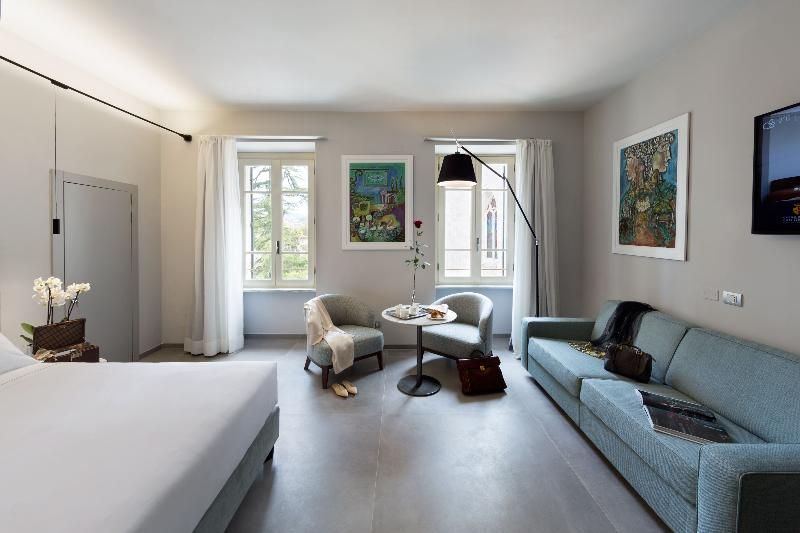
Albergo Duomo
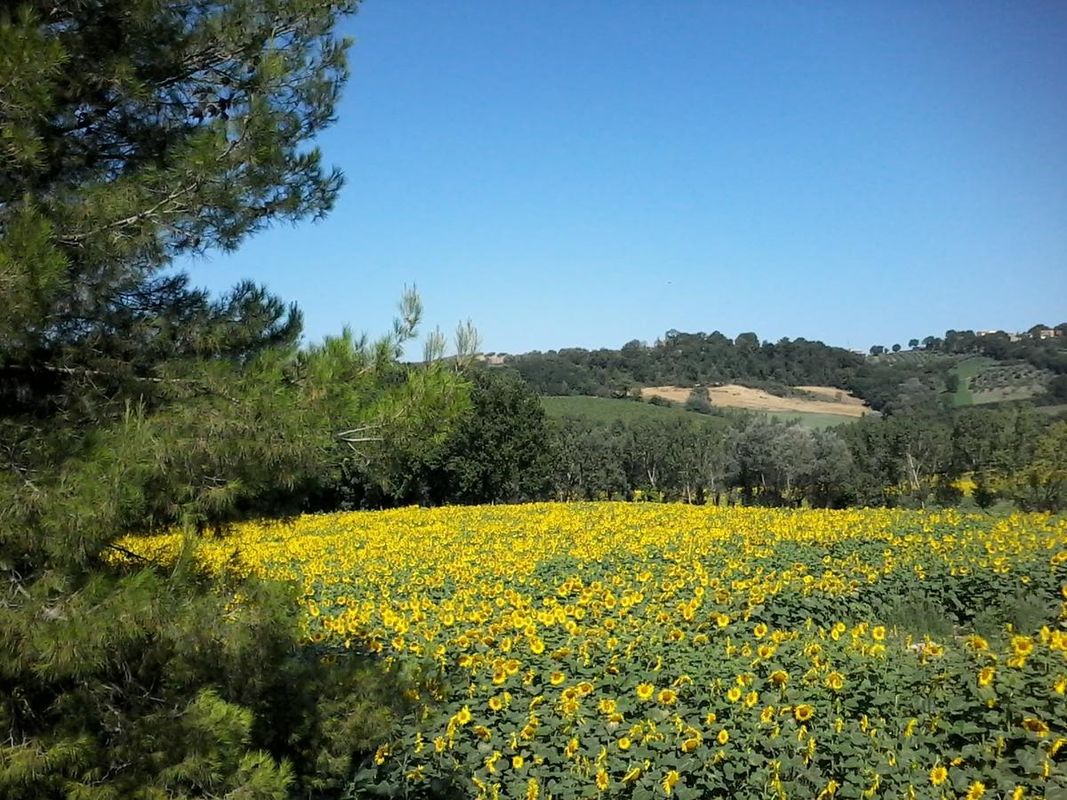
Bed and Breakfast Casale Isorella
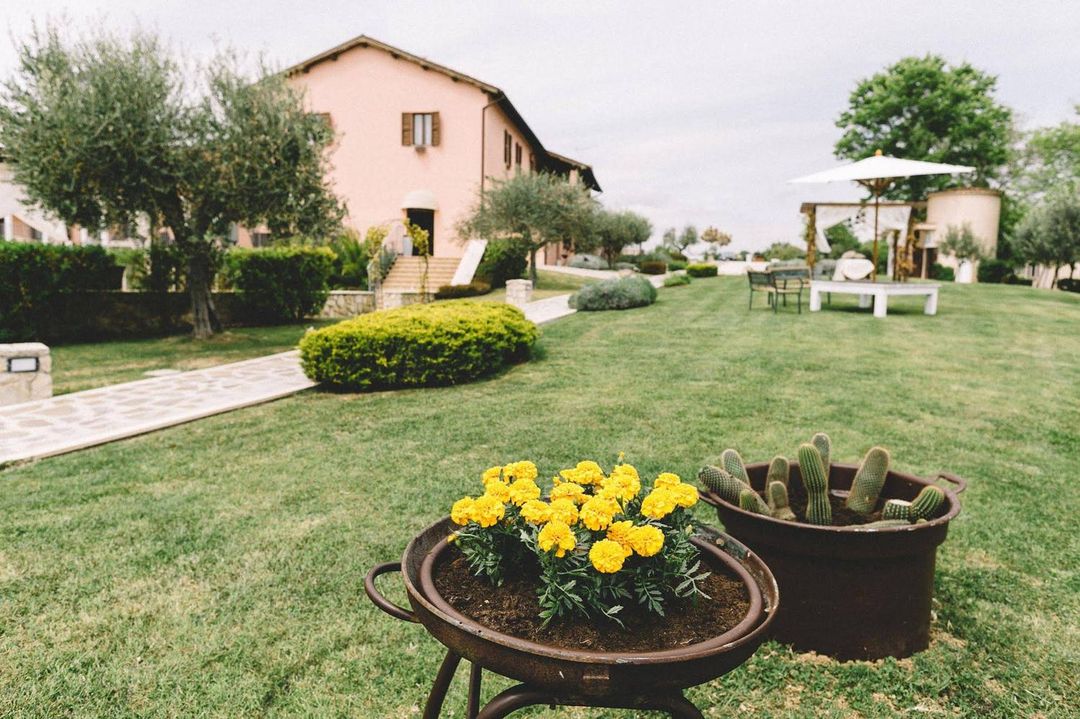
Tenuta Marchesi Fezia
Best Hotels in San Gemini
Discover curated hotel collections in San Gemini
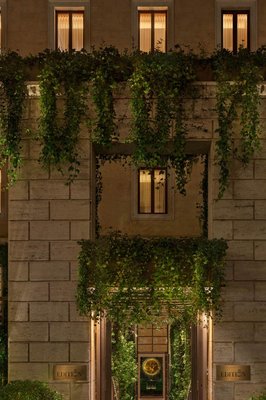
The Rome Edition
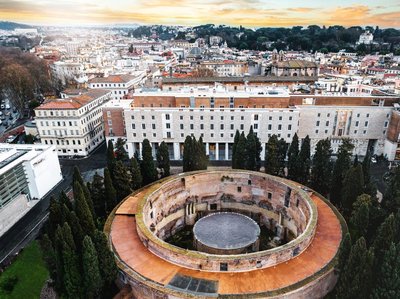
Bulgari Hotel Roma
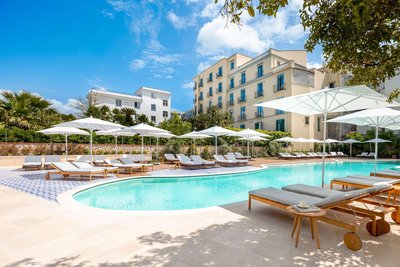
Ara Maris
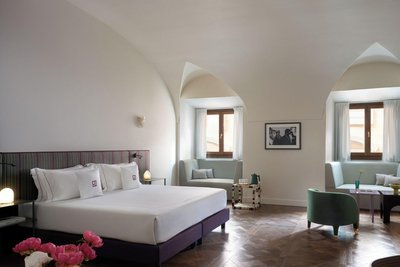
Palazzo Talìa - Small Luxury Hotels of the World
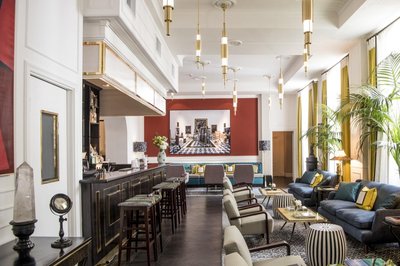
Hotel Vilòn
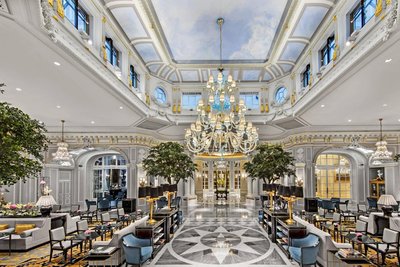
The St. Regis Rome
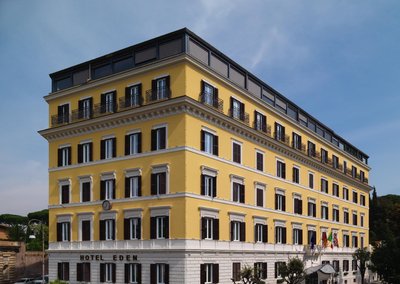
Hotel Eden - Dorchester Collection
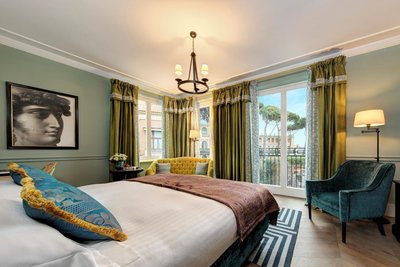
Rocco Forte Hotel de La Ville
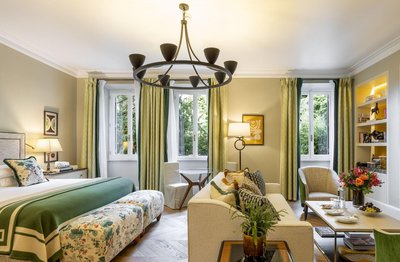
Rocco Forte Hotel De Russie
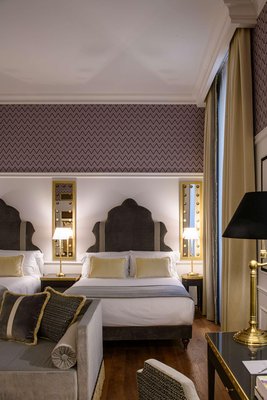
Il Tornabuoni Unbound
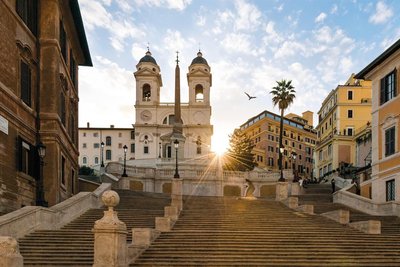
Hassler Roma
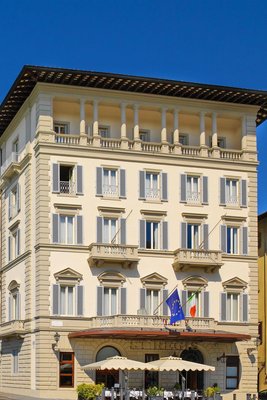
The St. Regis Florence
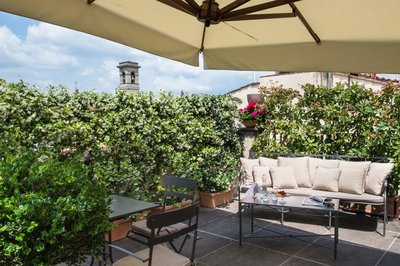
Palazzo Vecchietti - Residenza d'Epoca
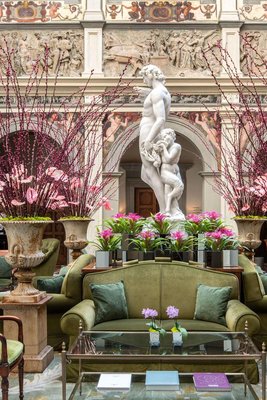
Four Seasons Hotel Firenze
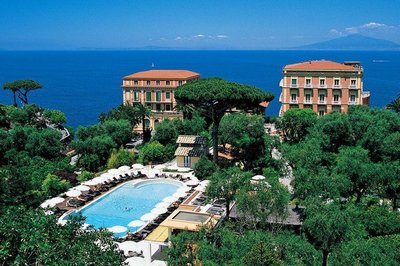
Grand Hotel Excelsior Vittoria
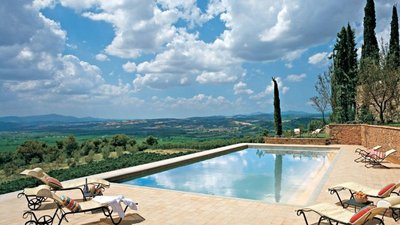
Castello Banfi - Il Borgo - Relais et Chateaux
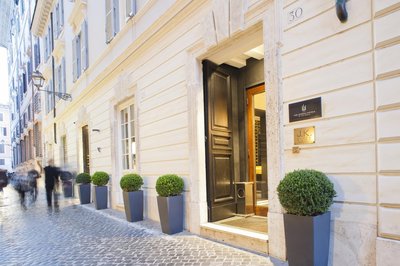
J.K. Place Roma - the Leading Hotels of the World
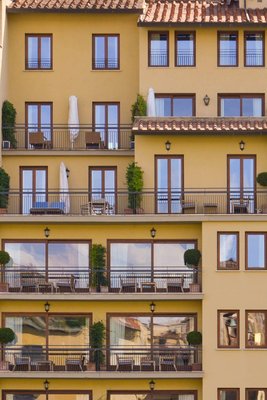
Hotel Lungarno - Lungarno Collection
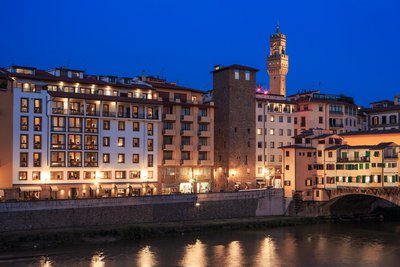
Portrait Firenze - Lungarno Collection
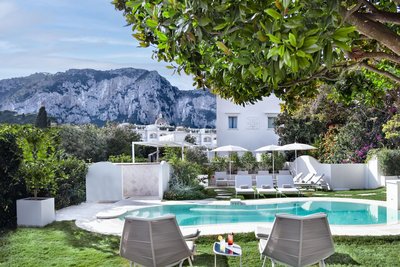
Pazziella Garden & Suites

Palazzo Roma

Palazzo Shedir - the Leading Hotels of the World
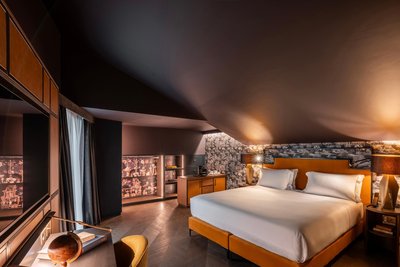
The Goethe Hotel
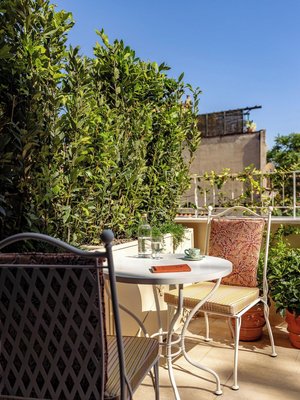
Hotel Casa Monti Roma
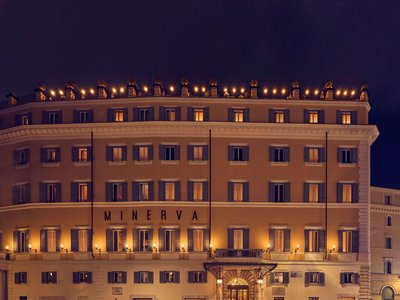
Orient Express la Minerva
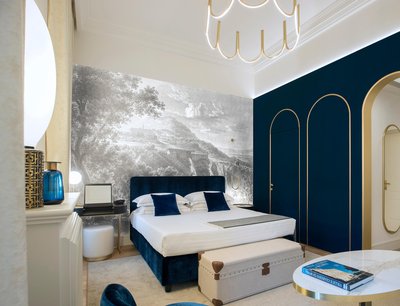
Elizabeth Unique Hotel Rome By Design Hotels

Singer Palace Hotel Roma
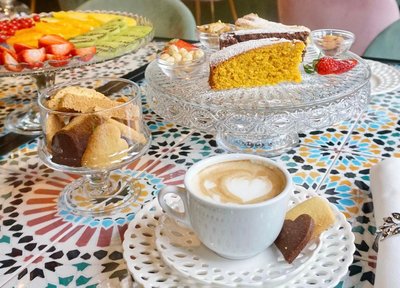
Hotel Caravita
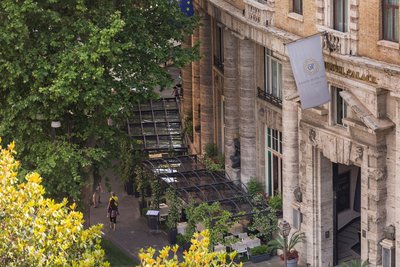
Grand Hotel Palace Rome
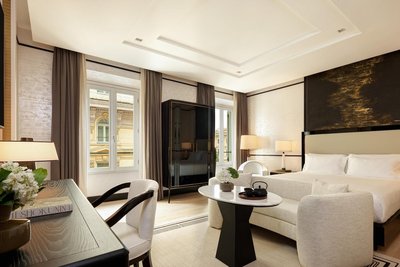
Nobu Hotel Roma
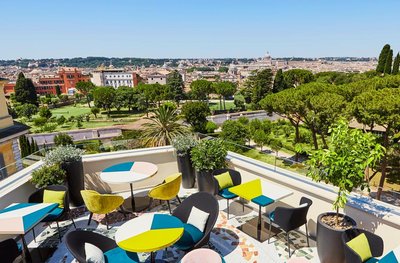
Sofitel Roma Villa Borghese
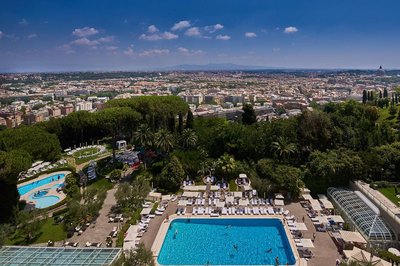
Rome Cavalieri, A Waldorf Astoria Hotel
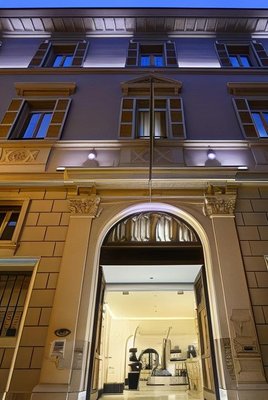
The First Arte - Preferred Hotels & Resorts
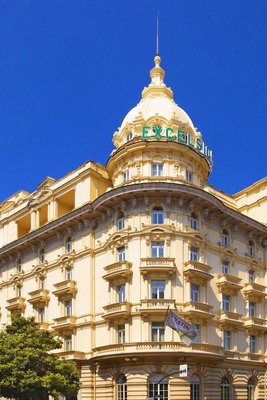
The Westin Excelsior, Rome
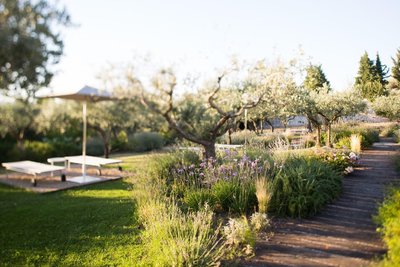
Nun Assisi Relais & Spa Museum
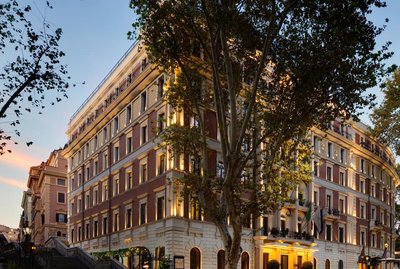
InterContinental Rome Ambasciatori Palace
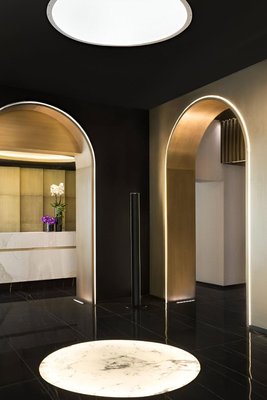
The Pantheon Iconic Rome Hotel, Autograph Collection
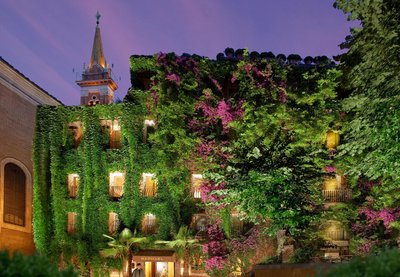
Bio Hotel Raphael - Relais & Châteaux
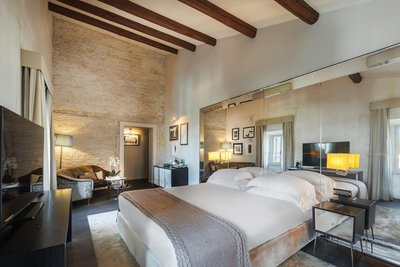
Dom Hotel Roma - Preferred Hotels & Resorts
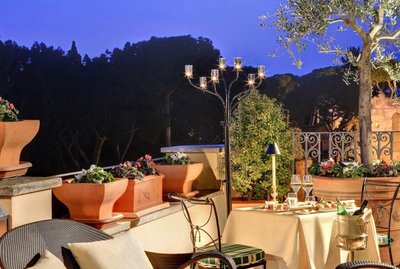
Hotel Splendide Royal - the Leading Hotels of the World
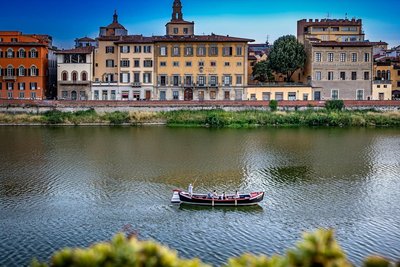
Il Rivalta
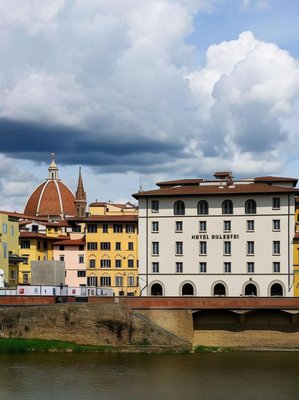
Hotel Balestri - Wtb Hotels
The St. Regis Florence
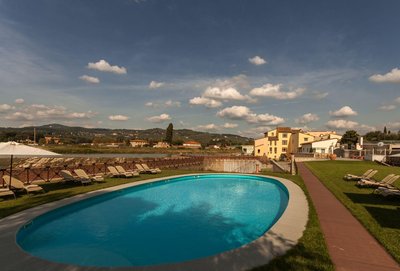
Hotel Mulino di Firenze, WorldHotels Crafted
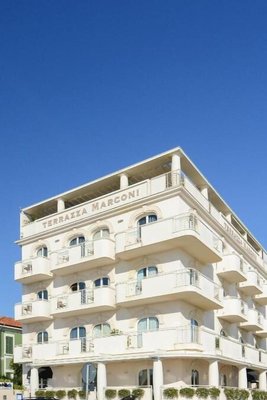
Terrazza Marconi Hotel&Spamarine

Boutique Hotel Torre di Cala Piccola
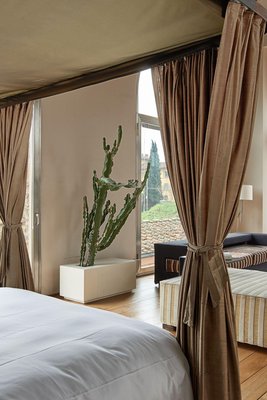
Riva Lofts Florence
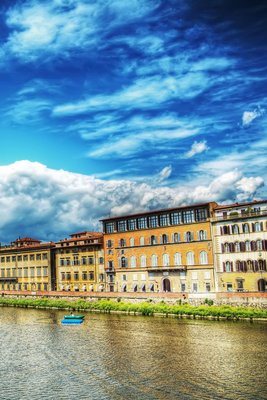
Palazzo Alfieri Residenza d'Epoca
Hotel Lungarno - Lungarno Collection
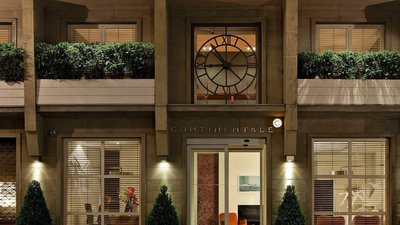
Hotel Continentale - Lungarno Collection
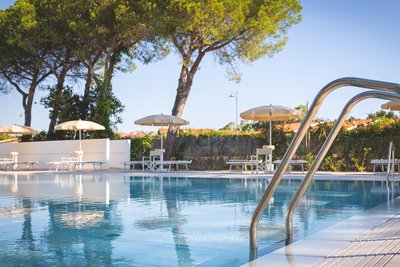
The Sense Experience Resort - Preferred Hotels & Resorts
Portrait Firenze - Lungarno Collection
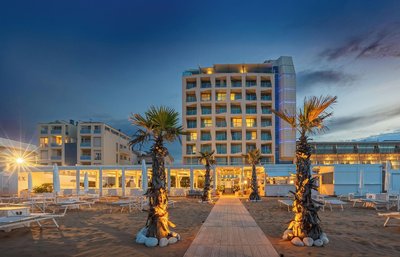
Excelsior Hotel, Spa & Lido
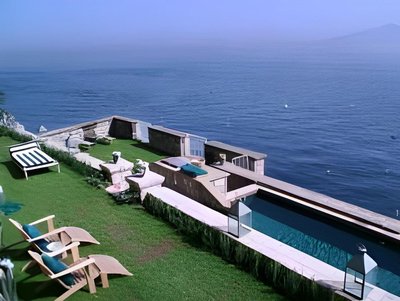
Maison la Minervetta

Grand Hotel Gallia
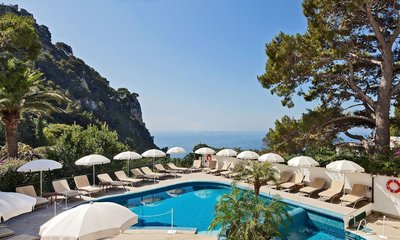
Hotel Della Piccola Marina
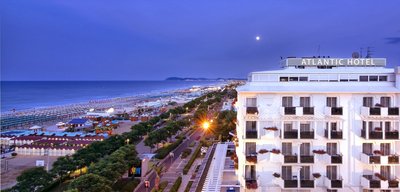
Hotel Atlantic
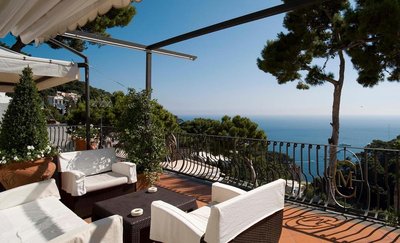
Hotel La Scalinatella
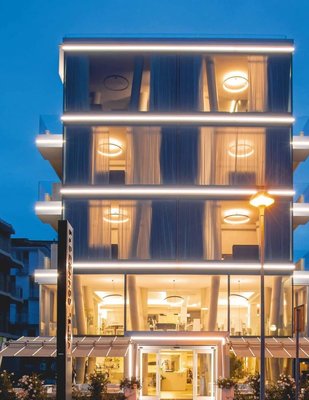
Hotel Commodore
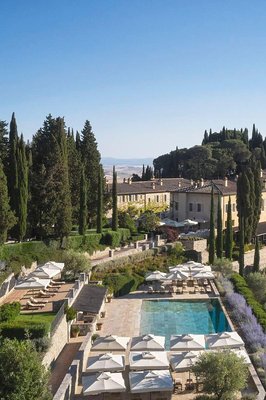
Rosewood Castiglion del Bosco
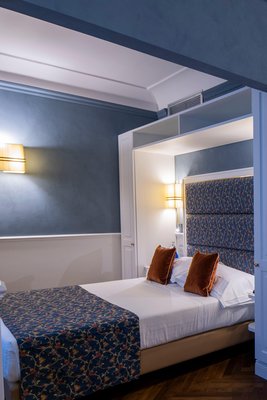
Rivoli Boutique Hotel
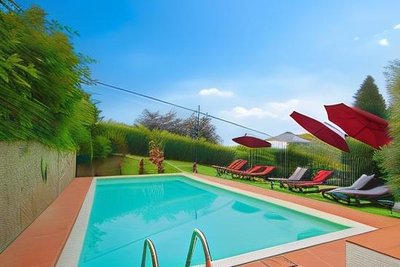
Hotel Villa Sermolli
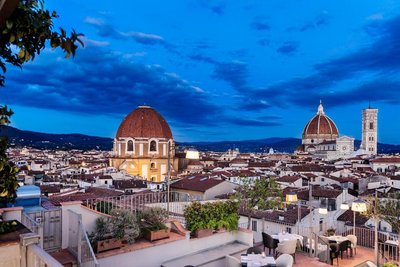
Grand Hotel Baglioni
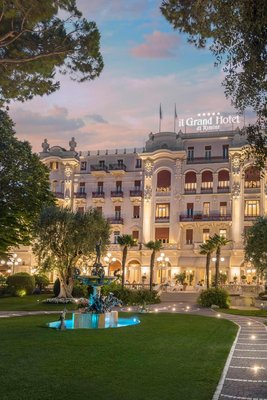
Grand Hotel Rimini
The St. Regis Rome
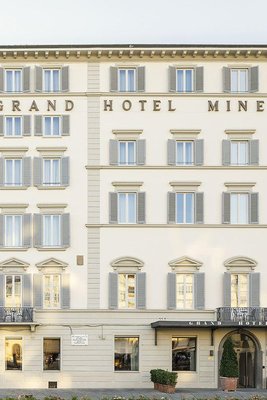
Grand Hotel Minerva
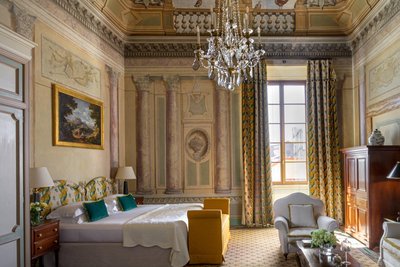
Grand Hotel Continental Siena - Starhotels Collezione
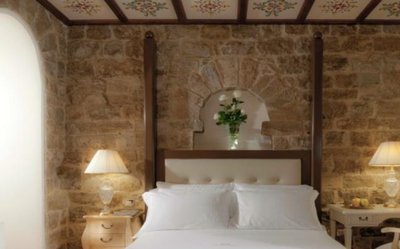
Golden Tower Hotel & Spa
The Westin Excelsior, Rome
InterContinental Rome Ambasciatori Palace
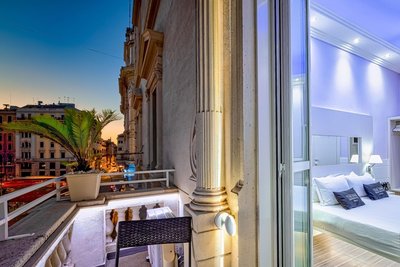
The One Boutique Hotel & Spa Rome
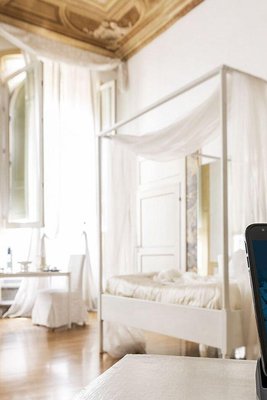
Palazzo Tolomei - Residenza d'Epoca
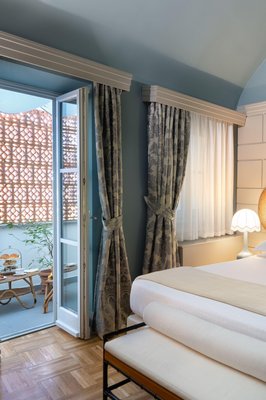
Hotel Number Nine
Dom Hotel Roma - Preferred Hotels & Resorts
Hotel Splendide Royal - the Leading Hotels of the World
Four Seasons Hotel Firenze
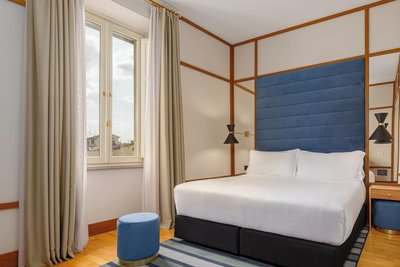
Room Mate Luca, Florence
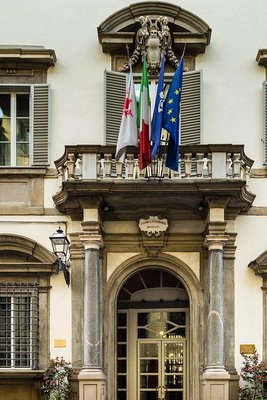
Palazzo Firenze by Baglioni Hotels & Resorts
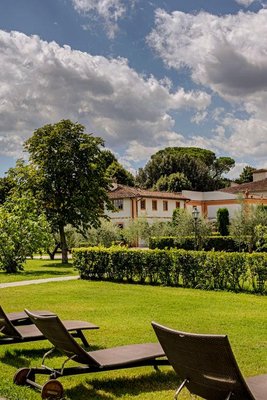
Villa Olmi Firenze
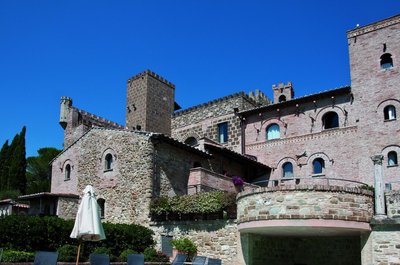
Castello di Monterone
Bulgari Hotel Roma
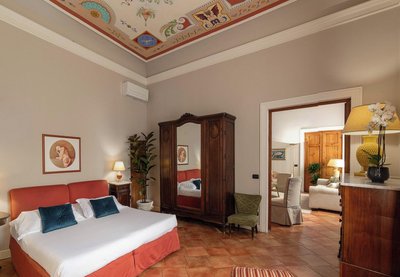
Palazzo Alfani - Residenza d'Epoca
Elizabeth Unique Hotel Rome By Design Hotels
Grand Hotel Minerva
The First Arte - Preferred Hotels & Resorts
Il Tornabuoni Unbound
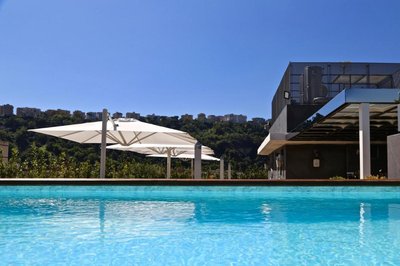
LHP Napoli Palace & Spa
Hassler Roma
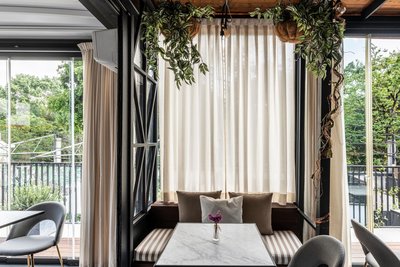
Horti 14 Borgo Trastevere Hotel
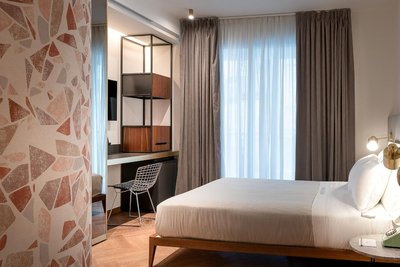
The Box Riccione - Adults Only
J.K. Place Roma - the Leading Hotels of the World
Portrait Firenze - Lungarno Collection
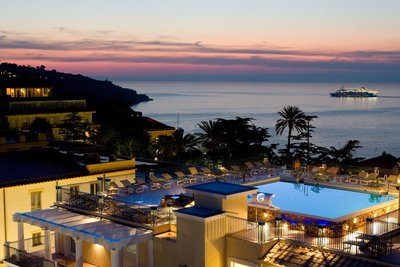
Grand Hotel la Favorita
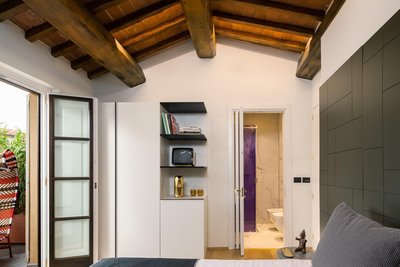
Hotel Milu Florence
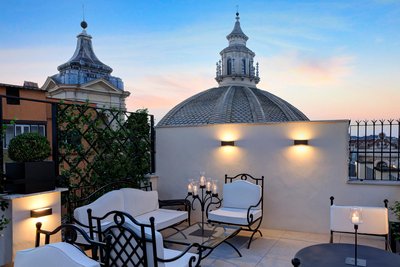
Palazzo Nainer
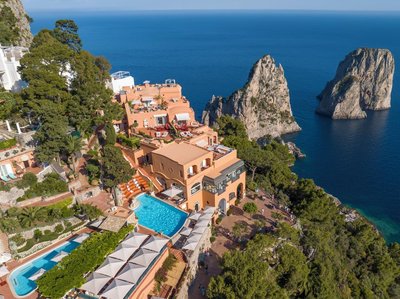
Hotel Punta Tragara
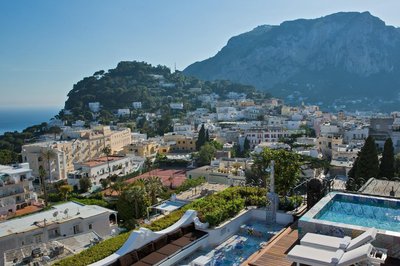
Capri Tiberio Palace
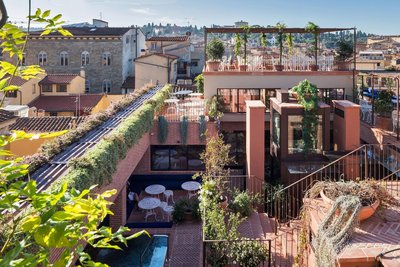
Hotel Calimala Florence
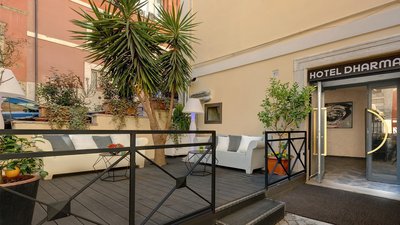
Dharma Boutique Hotel & Spa

U-VISIONARY ROMA HOTEL
Grand Hotel Baglioni
Hotel Eden - Dorchester Collection
Sofitel Roma Villa Borghese
Rome Cavalieri, A Waldorf Astoria Hotel
The First Arte - Preferred Hotels & Resorts
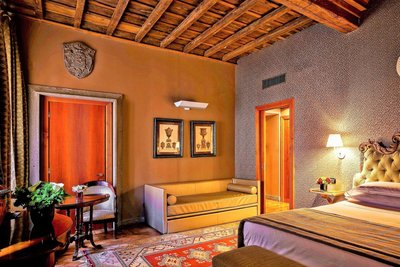
Hotel Valadier
Hassler Roma
The St. Regis Florence
The Pantheon Iconic Rome Hotel, Autograph Collection
Bio Hotel Raphael - Relais & Châteaux
Hotel Splendide Royal - the Leading Hotels of the World
Four Seasons Hotel Firenze
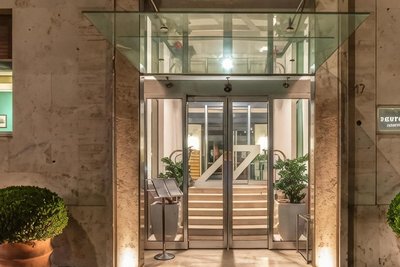
47 Boutique Hotel
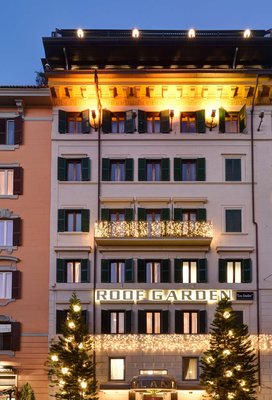
Atlante Star Hotel
Portrait Firenze - Lungarno Collection
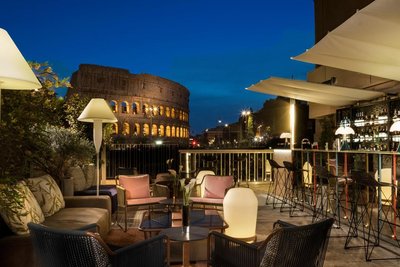
Hotel Palazzo Manfredi – Small Luxury Hotels of The World
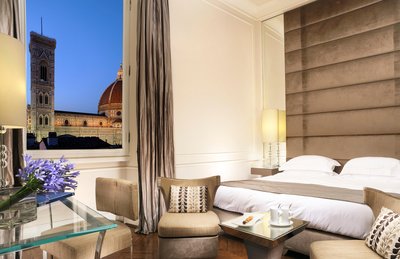
Brunelleschi Hotel
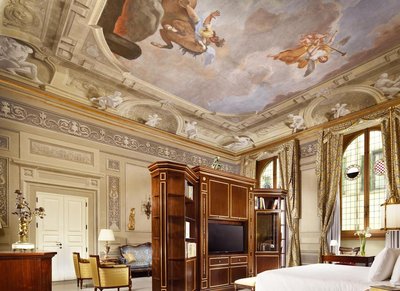
Palazzo Portinari Salviati Residenza d'Epoca
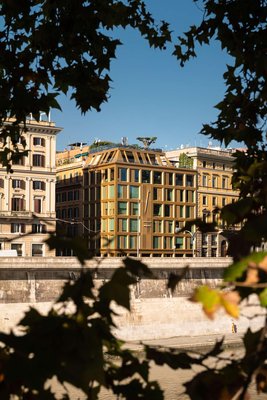
The First Musica - Preferred Hotels & Resorts
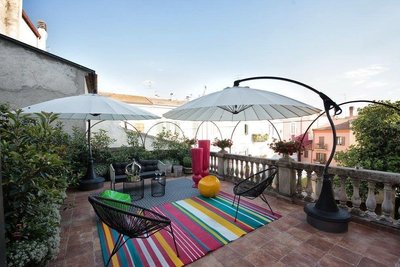
Palazzo Cannavina Suite & Private Spa
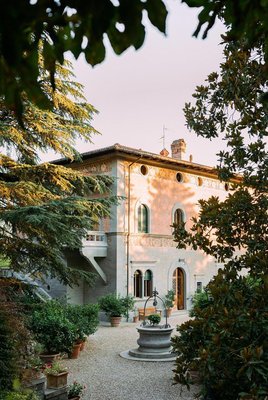
Villa la Commenda Concordia
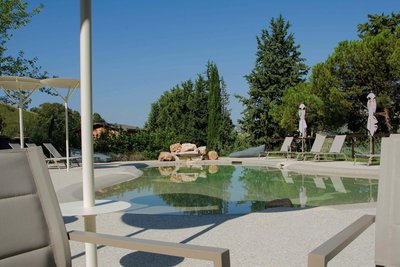
Colle Serrano Relais & Spa
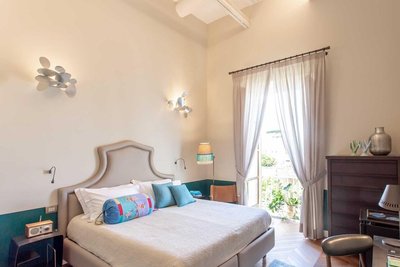
Accademia 39
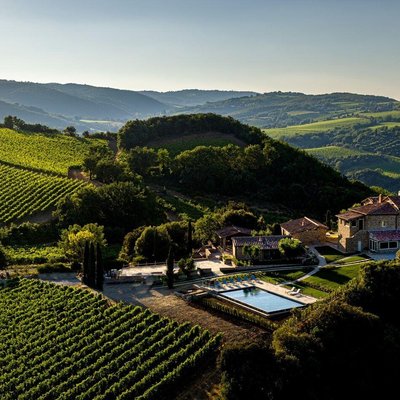
Mastrojanni Relais
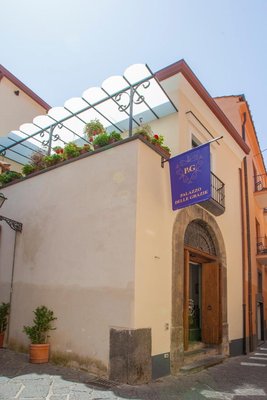
Palazzo Delle Grazie
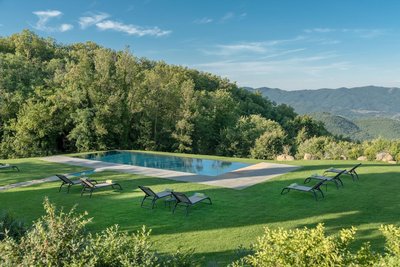
Badia di Pomaio
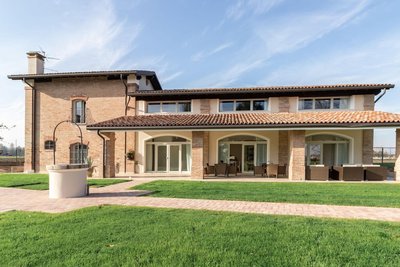
Monteborre
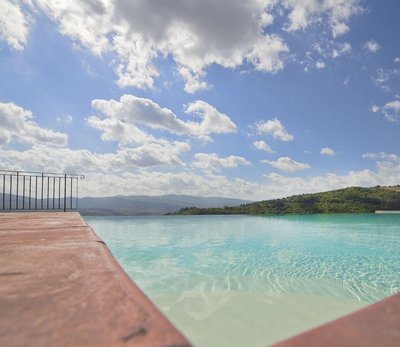
Castello Vicchiomaggio
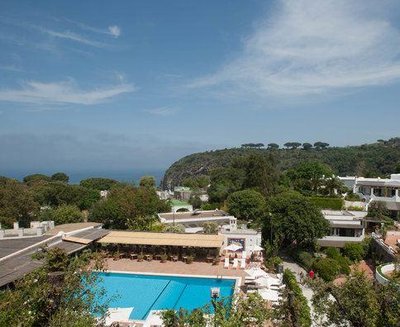
Botania Relais & Spa - the Leading Hotels of the World
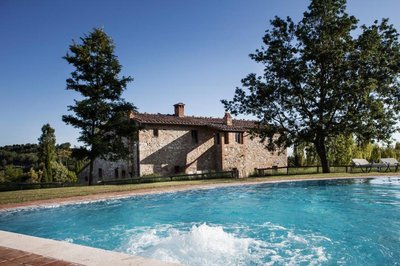
B&B - Podere Monti
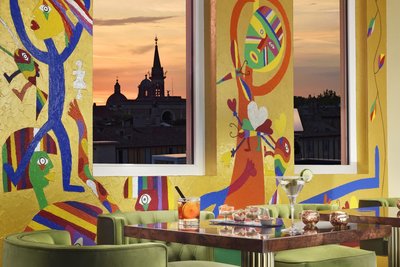
Lifestyle Suites Rome
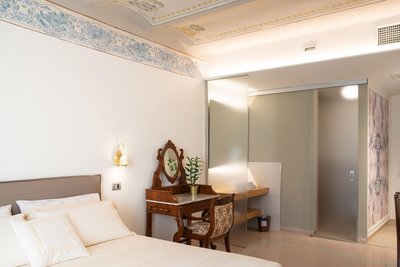
Portica10
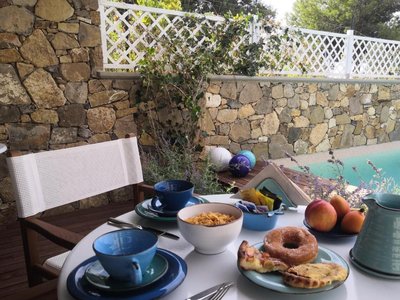
Stile Libero b&b
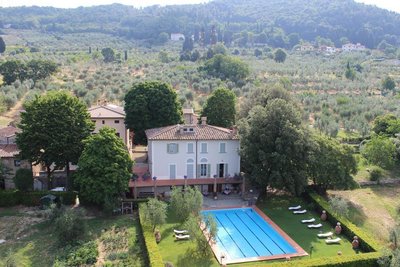
Borgo I Vicelli
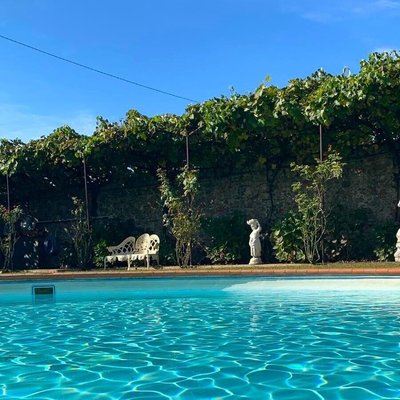
Villa la Preziosa
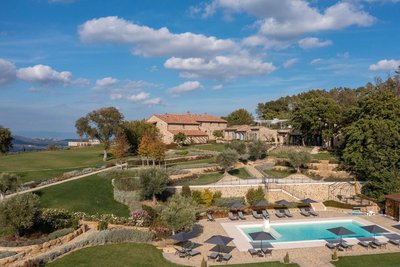
I Borghi Dell'Eremo
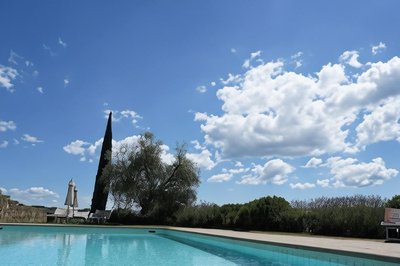
Wine Resort Dievole
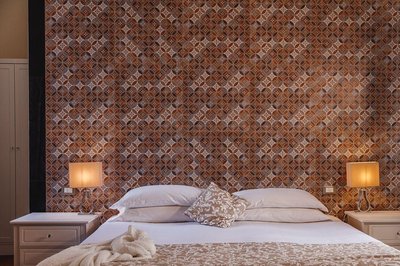
My Spanishsteps

Castello di Pandora

Vigna Caio Relais & Spa
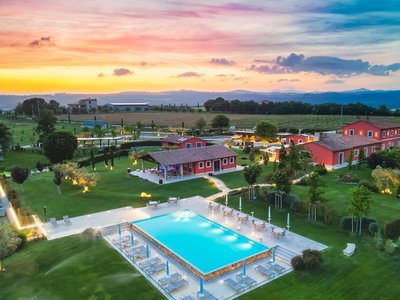
Tenuta Fogliani Resort & Natural Spa

Divina Luxury Hotel
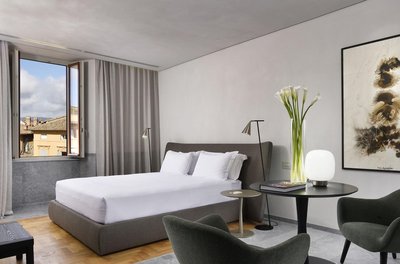
The Bank - Locanda Della Posta Dependance
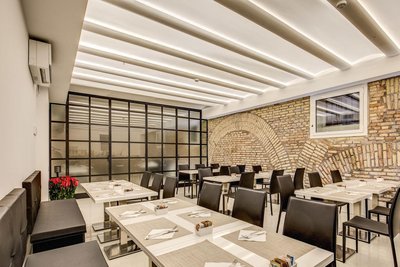
The Liberty Boutique Hotel
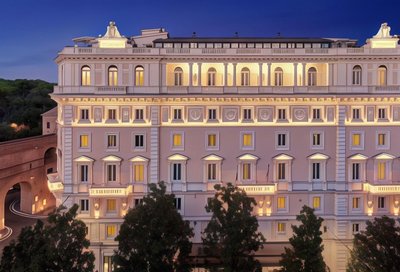
Rome Marriott Grand Hotel Flora
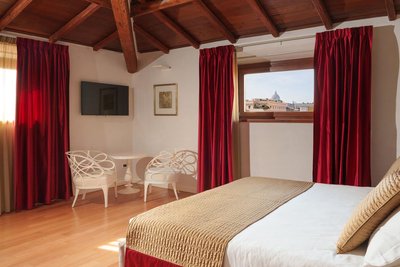
The Place 217
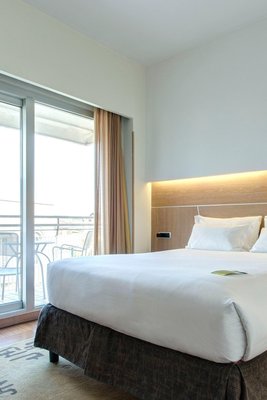
Hilton Garden Inn Rome Claridge
Hotel Valadier

The Regency, Rome, a Tribute Portfolio Hotel

Valle di Assisi Hotel & Spa

Babuino 181 - Small Luxury Hotels of the World
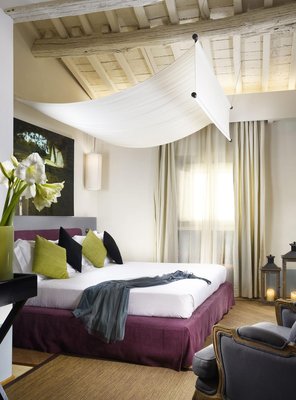
Mario De' Fiori 37
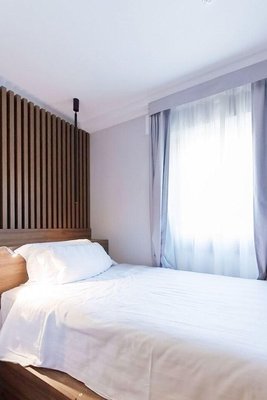
Radisson Blu Ghr Hotel
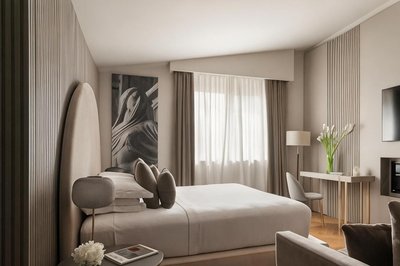
Palazzo Venere
Castello di Monterone
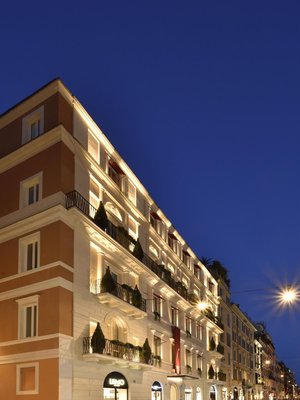
The First Dolce - Preferred Hotels & Resorts
Palazzo Nainer
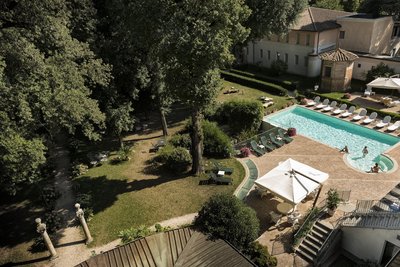
Posta Donini 1579 | UNA Esperienze
Frequently Asked Questions about Traveling to San Gemini
Questions You Might Need to Know About Traveling to San Gemini
In San Gimignano, the best choice for authentic Umbrian charm is Hotel San Giacomo, a boutique hotel nestled in the historic center with Renaissance-style architecture and a serene courtyard. Its rooms blend traditional Umbrian design elements—stone walls, exposed wooden beams—with modern comfort. Some suites offer panoramic views of the Church of Santa Maria Assunta.
Another exceptional option is Agriturismo La Vigna, located in a quiet vineyard just outside town. This farmstay offers immersive rural experiences, including wine tastings from estate-grown Sagrantino grapes and homemade meals using organic ingredients. The peaceful setting makes it ideal for travelers seeking tranquility and connection to the land.
For those drawn to history, Palazzo del Capitano, once a medieval town hall, now functions as a stylish boutique hotel with original stone arches and vaulted ceilings. All three properties are within walking distance of major sights, offering an authentic immersion into San Gimignano’s cultural heartbeat.
The historic center (Centro Storico) is the prime area for accommodation in San Gimignano. It’s centrally located, allowing easy access on foot to key landmarks such as the Piazza della Cisterna, Church of Santa Maria Assunta, and the Medieval Towers.
Staying here means waking up surrounded by cobbled streets, local cafés like Caffè Pasticceria D’Orazio, and family-run trattorias serving genuine Umbrian cuisine. The area is pedestrian-only, ensuring peace and quiet, especially at night.
For a quieter experience, consider staying near the Roman Forum ruins or along the southern lanes, where several boutique guesthouses offer private gardens and sun decks. These neighborhoods retain a residential feel while remaining close to the city’s cultural heart, making them perfect for travelers who value both convenience and serenity.
Visitors to San Gimignano can immerse themselves in rare Renaissance-era art workshops hosted by local artisans at Ceramica di San Gimignano, where you can learn hand-painting techniques on terracotta tiles inspired by ancient Roman motifs.
The annual Festival della Musica Antica is a highlight—held in the Piazza del Duomo, this summer event features performances of early music, period instruments, and improvisational opera scenes, showcasing the town’s deep-rooted musical heritage.
Don’t miss the "Afternoon Tea in the Courtyard" experience at Palazzo del Capitano, where guests sip locally brewed herbal tea and sample handmade pastries while listening to stories from elders about family legacies and local legends. These intimate events offer profound insight into the soul of Umbria’s timeless traditions.
Must-try dishes in San Gimignano include Tartufo Bianco, a delicate pasta dish featuring white truffle shavings over handmade pici (thick hand-rolled noodles) made with local spelt flour—rich, earthy, and unforgettable.
At Trattoria Il Soggiorno, order the signature Cinghiale al Forno (slow-roasted wild boar), seasoned with rosemary and garlic, served with grilled vegetables and a splash of local red wine sauce. Another regional specialty is Pici con Ragù di Cervo, hearty handmade pasta tossed in a rich deer meat ragù, reflecting the mountainous terroir.
Pair your meal with a glass of Sagrantino, a bold red wine from nearby Tenuta Monte Grosso, known for its high tannins and dark fruit notes. All dishes emphasize hyper-local, seasonal ingredients—a true celebration of Umbrian culinary identity.
Key historical sites in San Gimignano include the Roman Forum Ruins, one of the best-preserved ancient urban centers in Umbria, featuring intact arches, marble foundations, and a glimpse into daily life during the Roman era.
The Church of Santa Maria Assunta is a masterpiece of late-Gothic architecture, housing stunning frescoes from the 15th century, particularly the central panel of The Last Judgment—a masterpiece of religious artistry.
The medieval towers, especially the Torre Grossa, stand as iconic symbols of the town’s medieval power struggles. Climb the 228 steps for breathtaking panoramic views across the rolling hills of Umbria. These sites are all within walking distance, and guided audio tours provide context on how San Gimignano evolved from a Roman settlement to a powerful hilltop republic.
The best times to visit San Gimignano are spring (April–June) and autumn (September–October). Temperatures range between 15–22°C, ideal for exploring the historic center and surrounding countryside.
Spring brings vibrant blooms—fields of rapeseed and cherry blossoms paint the hillsides in golden and pink hues. Autumn showcases ripening grapes and olive harvests, filling the air with warm, earthy scents. These seasons also offer fewer crowds than peak summer.
Summer hosts lively events like the Music Festival and evening light tours, but it can be hot and crowded. Winter is quiet, with some attractions closed. For a balanced mix of weather, scenery, and cultural activity, spring and autumn are optimal.
For authentic crafts, visit Ceramica di San Gimignano, a workshop-run shop where artisans create hand-painted ceramics inspired by Roman mosaics and local nature—each piece unique and deeply rooted in tradition.
La Bottega del Gusto specializes in gourmet local products: try their white truffle spread, cold-pressed olive oil, and artisanal pecorino cheese, all sourced from nearby farms.
Every Saturday morning, the Piazza del Mercato transforms into a bustling farmers’ market, selling handmade textiles, natural dyes, vintage books, and ceramic tableware. These markets offer not only quality goods but also direct interaction with makers—perfect for meaningful souvenirs that tell a story.
Yes, San Gimignano is highly suitable for families. The entire historic center is pedestrian-only, making it safe and easy for children to explore.
Hotels like Hotel San Giacomo and Agriturismo La Vigna offer family-friendly rooms, baby beds, and child-sized cutlery. Many feature play areas or gardens.
The Roman Forum Ruins have interactive maps designed for kids, turning archaeology into a fun adventure. During summer, the town hosts "Family Art Day," where children craft clay sculptures and paint ceramic tiles under expert guidance.
Nearby farms welcome visits—kids can feed goats, pick olives, or help harvest grapes. With calm surroundings, educational activities, and gentle pace, San Gimignano provides a perfect blend of fun, learning, and relaxation for all ages.
San Gimignano is best explored on foot—the entire historic center is pedestrian-only, with narrow cobblestone streets and no vehicle access.
To reach the town, take a train to Perugia or Terni, then transfer to Regional Bus Line 710, which runs twice daily from Perugia to San Gimignano. The journey takes about 40 minutes and costs less than €10.
For those driving, rental cars are available at Perugia Airport or Terni Train Station, though they’re only recommended for trips beyond the town—such as visiting vineyards or hiking trails—due to limited parking and narrow roads.
E-bike rentals are also available locally, ideal for cycling through scenic routes to vineyards and olive groves. This eco-friendly option combines convenience with a taste of the countryside.
San Gimignano’s nightlife is calm, cultural, and intimate, perfect for travelers seeking atmosphere over noise.
Evenings often begin with a stroll through the Piazza del Duomo, where live acoustic music or poetry readings take place during summer months. Local restaurants like Trattoria Il Soggiorno stay open until 10 PM, serving authentic Umbrian dishes and regional wines.
A standout experience is the "Night Under the Stars" event at Palazzo del Capitano, where guests gather in the garden with candlelight, enjoy herbal tea, and listen to storytelling sessions about local myths and ancestral tales—blending history, folklore, and warmth.
With no bars or clubs, the town embraces a slower rhythm, making it ideal for couples, writers, or anyone looking to unwind in a serene, timeless environment.