Hotels in San Kamphaeng
Discover your perfect stay in San Kamphaeng.
San Kamphaeng(Thailand) Travel 2026: Cheap Flights, Hotels & Top Attractions
Popular Landmarks in San Kamphaeng
Discover the most iconic attractions in San Kamphaeng
Recommended Hotels in San Kamphaeng
Find the perfect place to stay in San Kamphaeng

Best Hotels in San Kamphaeng
Discover curated hotel collections in San Kamphaeng
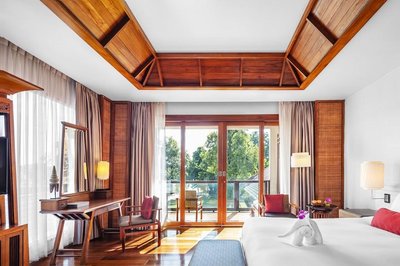
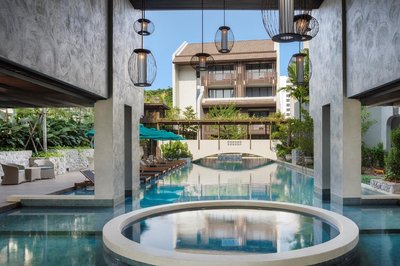
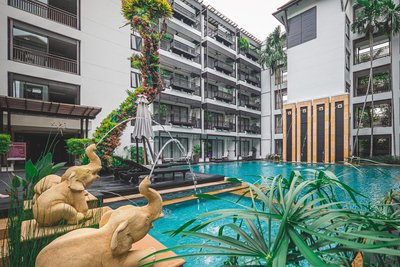
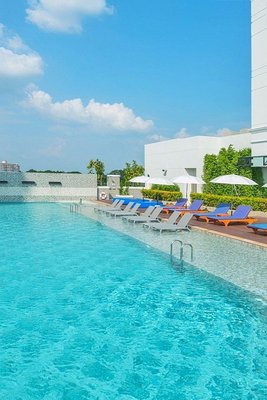

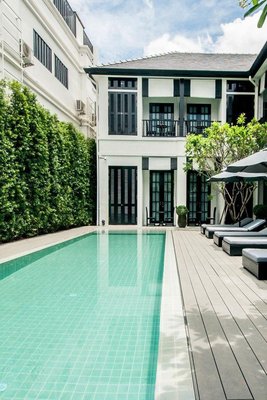
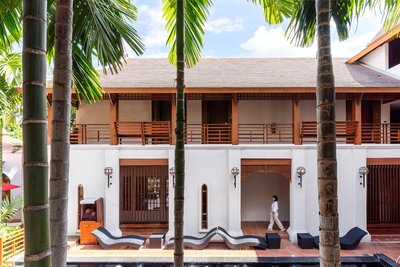
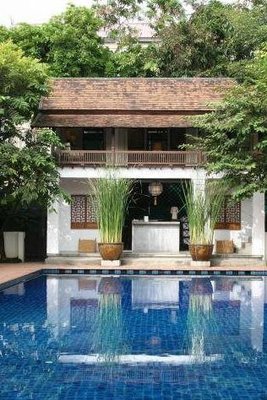
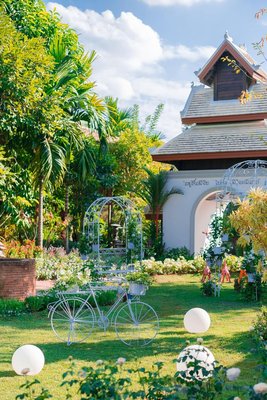
Frequently Asked Questions about Traveling to San Kamphaeng
Questions You Might Need to Know About Traveling to San Kamphaeng
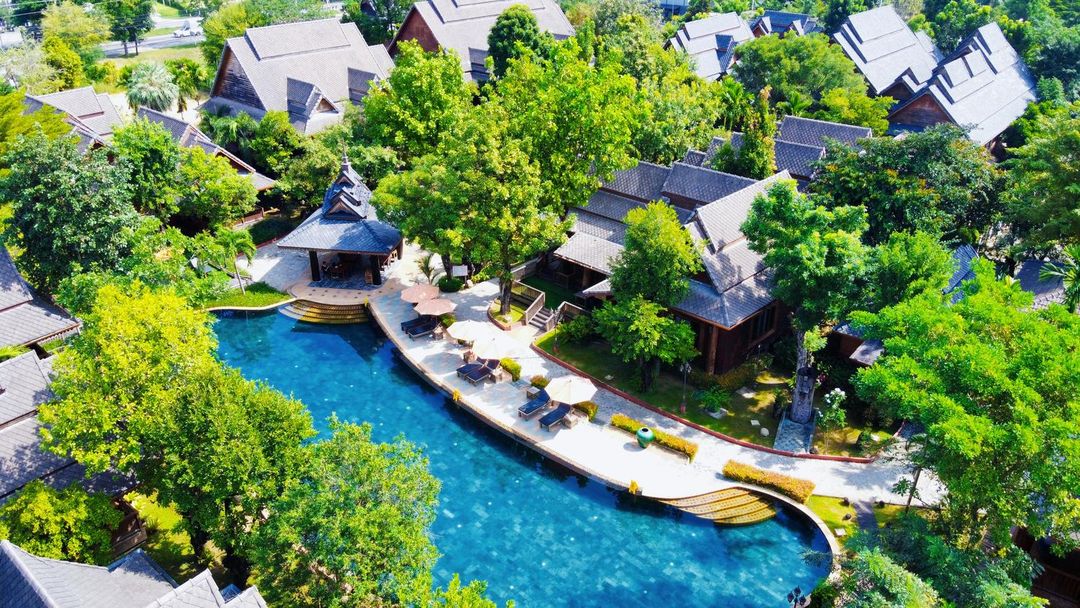
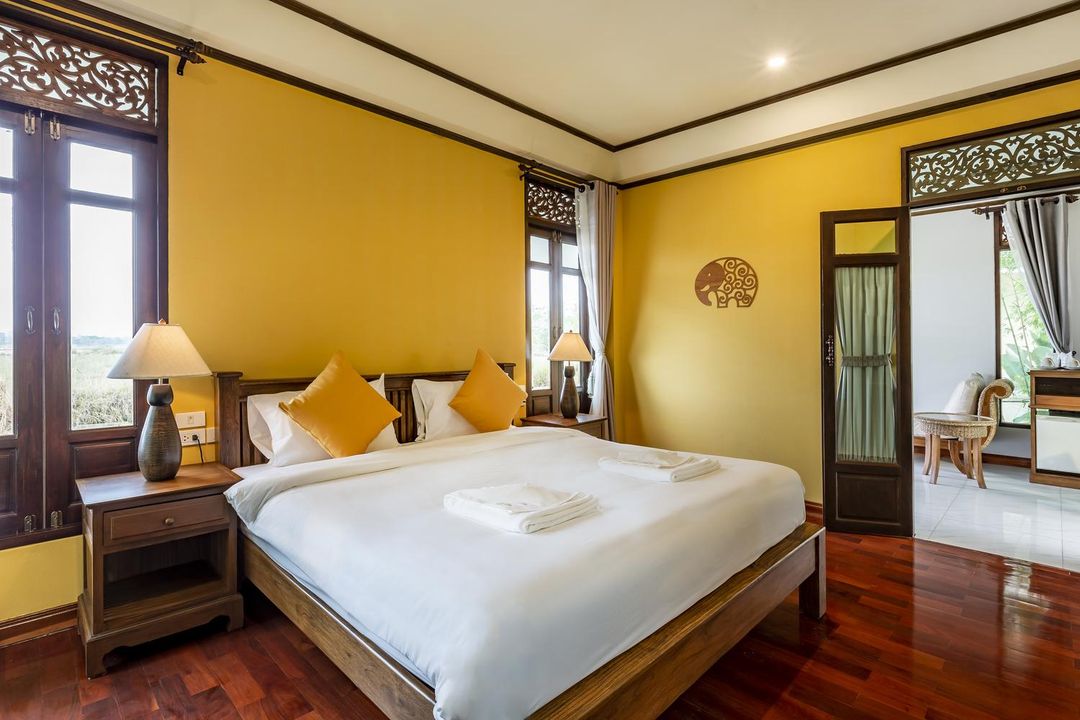
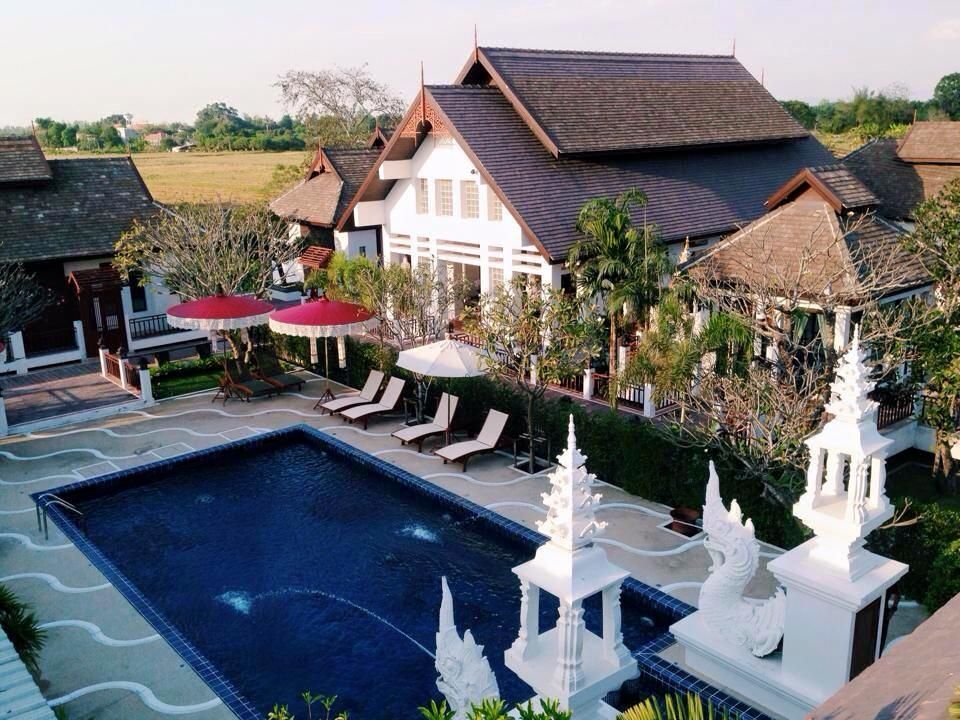
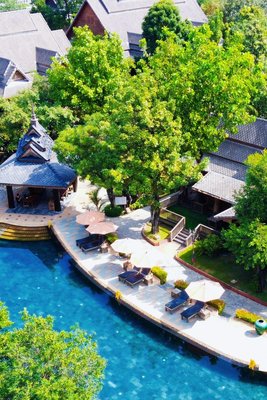
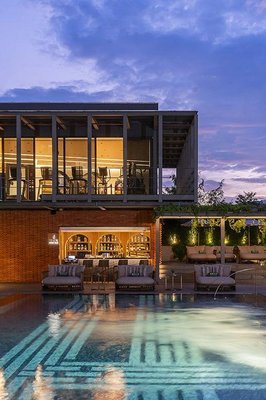
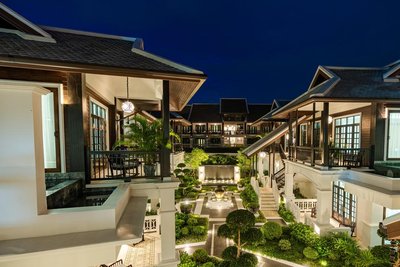
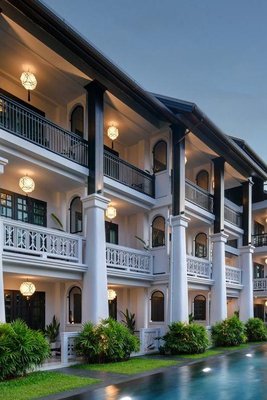
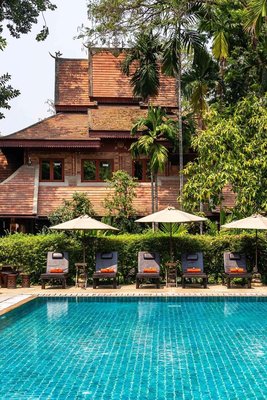
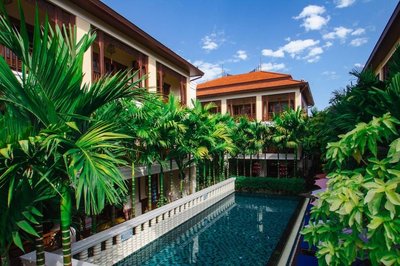
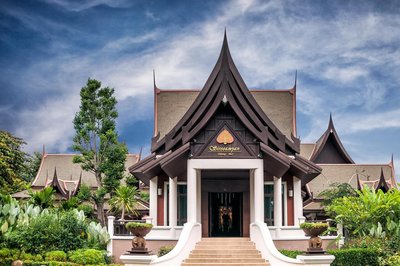
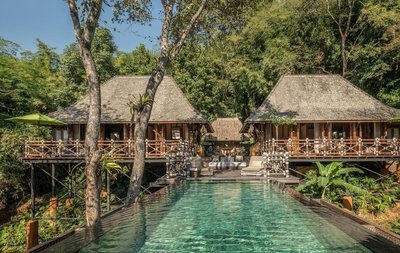
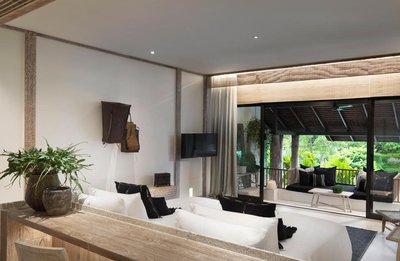
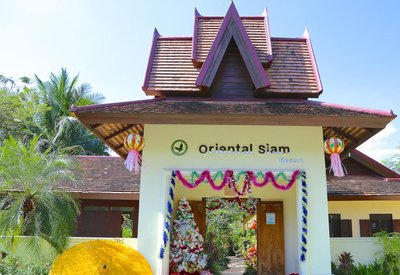
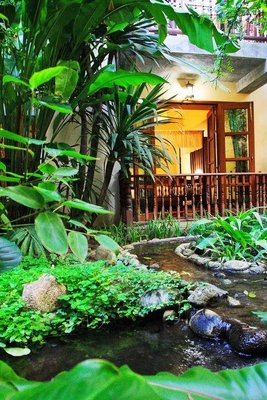
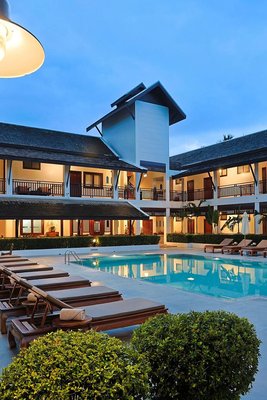
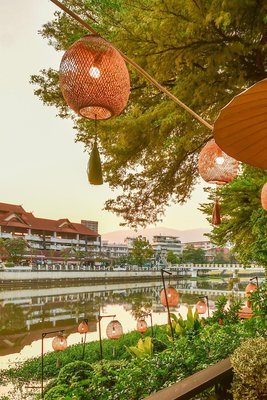
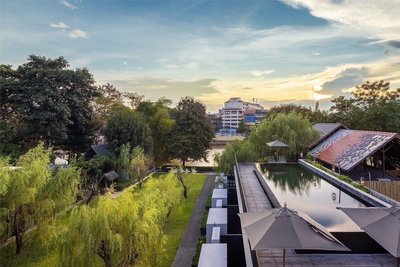
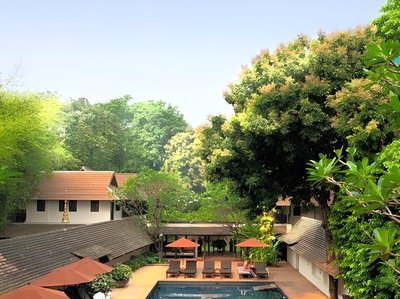
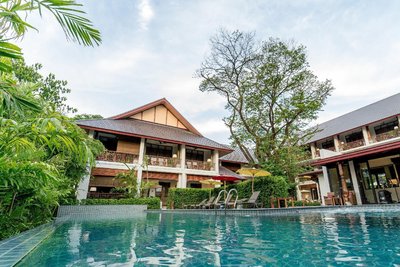
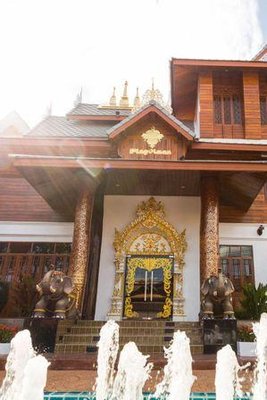
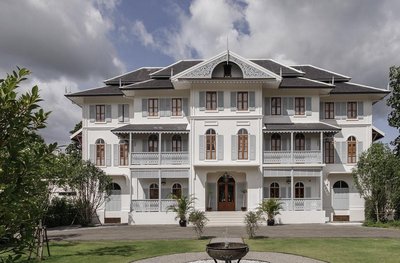
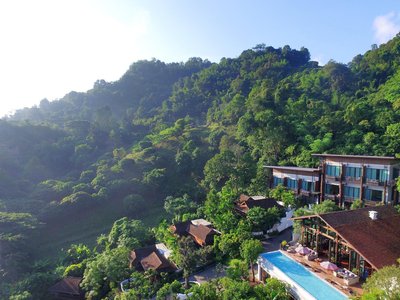
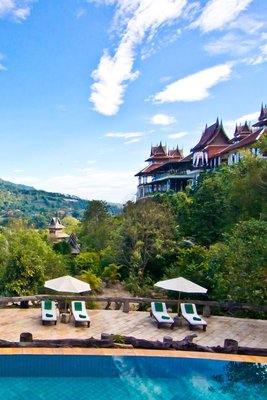
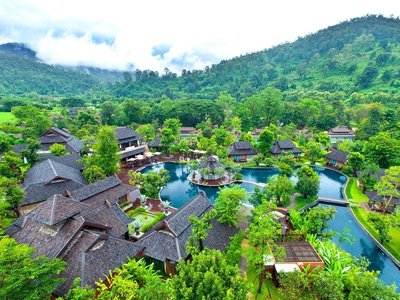
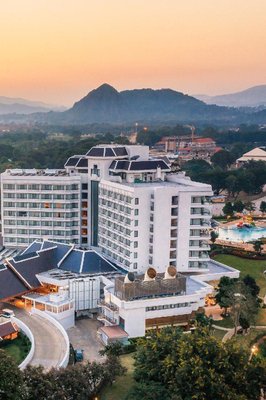
In Sangkhom Phum, the standout boutique stay is Chiang Mai Mountain Resort, a harmonious blend of traditional Thai architecture and modern comfort. Nestled near Doi Suthep, this eco-luxury retreat features private bamboo-lined gardens, natural rock pools, and daily Thai herbal baths. Guests enjoy farm-to-table breakfasts using organic produce from on-site gardens.
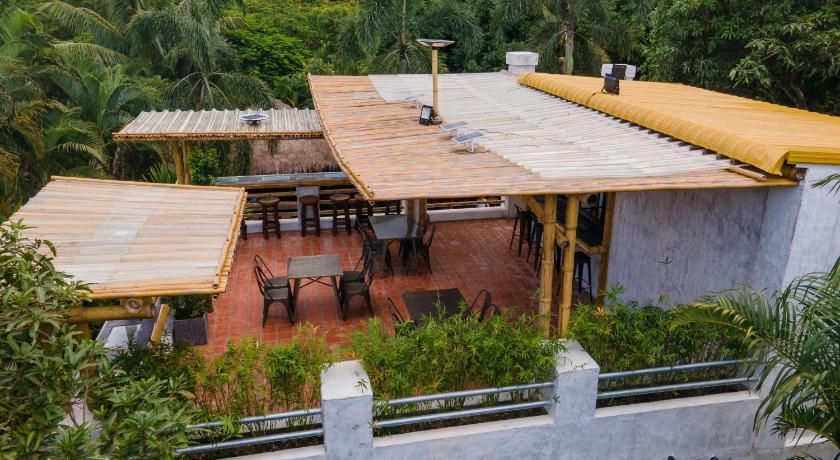
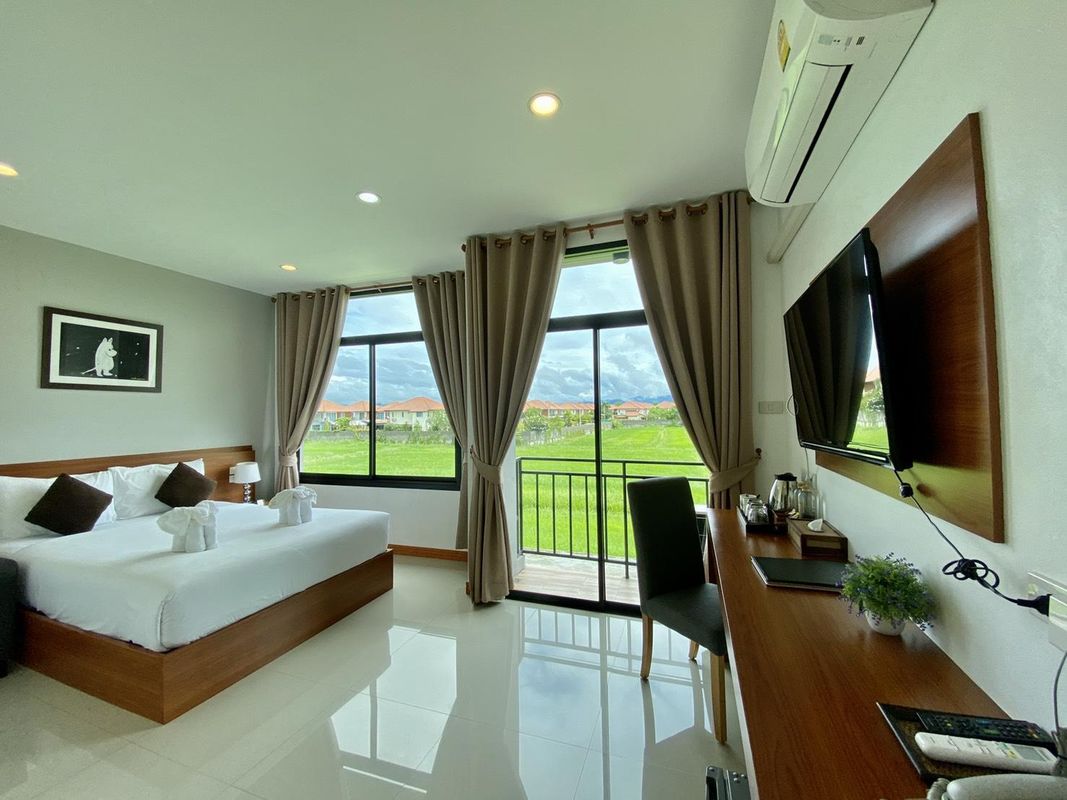
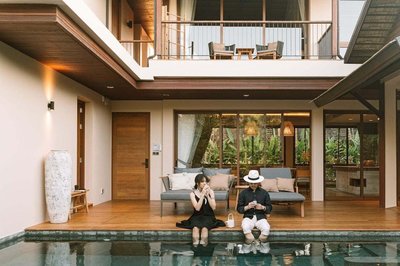
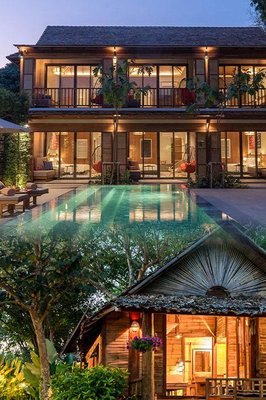
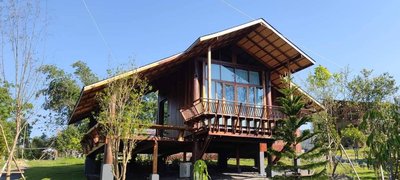
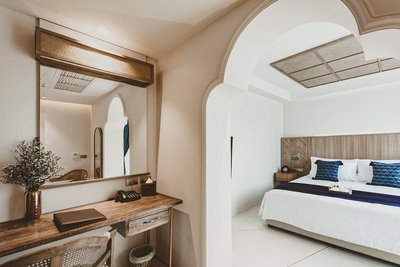
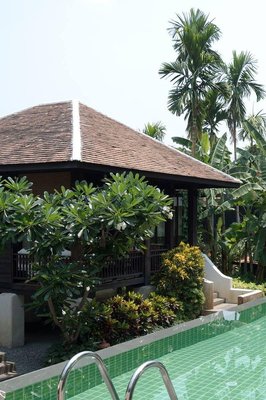
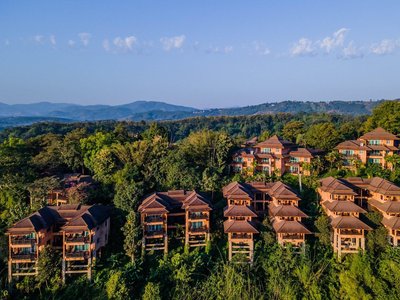
Another gem is Sangkhom Phum Hideaway, a low-impact villa complex offering secluded wooden bungalows with rooftop terraces perfect for sunrise views over the misty valley. Its minimalist design emphasizes sustainability, and many rooms feature open-air showers and handcrafted local textiles.
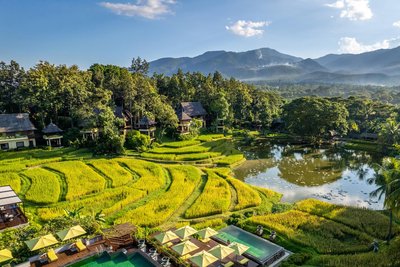
The most tranquil zone in Sangkhom Phum lies just below Doi Suthep Temple, where hillside villages offer serene, off-grid accommodations. These include standalone Thai-style wooden villas surrounded by rice paddies, pine forests, and morning fog.
Stays here prioritize peace and immersion in nature—many feature private gardens, starlit decks, and direct access to forest trails. The area’s low population density ensures minimal noise, while nearby temples and viewpoints remain easily reachable. Ideal for digital detoxes, yoga retreats, or couples seeking solitude.
Visitors to Sangkhom Phum can join traditional Lanna weaving workshops, led by local women who teach ancient backstrap loom techniques. Participants create unique handwoven cotton scarves using natural dyes.
Monthly floating lantern ceremonies take place along the river at full moon, where guests release handmade lotus lanterns with wishes written on paper. Additionally, weekend farmers’ markets sell fresh sticky rice cakes, green papaya salad, and homemade herbal pastes, offering a true taste of rural life. Some homestays also host Thai cooking classes using locally grown ingredients.
Yes, Family Green Farmstay is a top choice for families. This eco-friendly farm offers spacious two-story wooden cottages with kids’ play areas, a mini zoo (featuring goats and rabbits), and an organic vegetable garden.
Daily activities include bamboo craft sessions, rice field bike rides, and nighttime firefly watching—all designed to engage children while teaching environmental awareness. The restaurant serves age-specific meals using chemical-free ingredients, and the pool area is fenced for safety. Complimentary shuttles to Chiang Mai city are available upon request.
Traveling from Chiang Mai City to Sangkhom Phum is easiest via taxi or motorbike rental, taking about 30 minutes through scenic countryside roads lined with tea plantations and terraced fields.
For eco-conscious travelers, shared electric shuttle buses run from Chiang Mai University Station, stopping at Doi Suthep en route. Many guesthouses offer free pickup services—just book in advance. Avoid peak hours (7–9 AM & 5–7 PM) to reduce traffic delays, especially during weekends.
Sangkhom Phum shines as a romantic destination with Sky Lover’s Villa, a private mountain retreat featuring a rooftop hot tub and panoramic views of the valley and Doi Suthep Temple.
Each suite includes a candlelit bath, personalized love notes, and a curated welcome gift. Couples often book sunset hikes and starlight dinners under the open sky, prepared with local ingredients by a private chef. On-site couple’s spa treatments use aromatic herbs and natural oils, creating an intimate, healing experience.
Must-try dishes in Sangkhom Phum include Khao Soi with crispy pork skin, a rich coconut curry noodle soup with crunchy toppings; and Khao Soi Kung, steamed sticky rice wrapped in banana leaves with coconut milk and pandan leaf.
Street vendors serve Nam Prik Ong, a bold sour-spicy pig blood soup made with wild ginger and fermented fish paste. For dessert, try fresh mango shaved ice or durian-stuffed sticky rice from village orchards. Many homestays offer farm-to-table cooking experiences, letting guests harvest ingredients before preparing their own meals.
Absolutely. Sangkhom Phum is a hiker’s paradise with well-maintained trails leading to Doi Suthep Temple, Big Buddha, and hidden waterfall clusters. The White Waterfall Trail (2.5 km) winds through lush jungle, past streams and rare bird species.
Best visited early morning to avoid heat and crowds. Rest stops provide filtered water and light snacks. Guided tours are available for those wanting ecological insights—some even include nighttime firefly treks. Recommended gear: sturdy hiking shoes, insect repellent, and a lightweight backpack.
Sangkhom Phum has three seasons: hot (March–May), rainy (June–October), and cool (November–February). The cool season is ideal—temperatures range 18–25°C—perfect for outdoor activities.
During this time, choose lodges with heaters or fireplaces for chilly mornings. In the rainy season, opt for elevated wooden villas with strong ventilation to prevent dampness. Summer travelers should prioritize air-conditioned rooms and pool access. Most guesthouses offer free rain gear rentals for added convenience.
Guests in Sangkhom Phum may spot wild macaques playing near temple paths, peacocks strutting through village yards, and fireflies dancing above rivers at dusk.
Some homestays organize night safaris with local guides to observe nocturnal creatures like tree frogs and owls. The surrounding forests are home to rare birds such as the Siamese fireback pheasant. Birdwatching tours are available year-round, with binoculars and expert commentary provided. Always respect wildlife—no feeding or touching allowed.
San Kamphaeng Overview
City Summary
Sankamphaeng is a tranquil town in Chiang Mai Province, Thailand, renowned for its unique Lanna culture and traditional handicrafts. Away from urban hustle, it preserves authentic Northern Thai lifestyles, making it an ideal destination to explore Northern Thai culture. Its core appeal lies in vibrant handicraft markets and traditional textile workshops where visitors can witness silk-making processes firsthand.
Must-See Attractions
Must-see spots include the famous Sankamphaeng Handicraft Center showcasing exquisite Northern Thai crafts. Bo Sang Umbrella Village is another highlight where traditional paper umbrella making is demonstrated. Culture enthusiasts can visit local temples like Wat Przy Phai to experience Northern Thai Buddhist culture.
Food Guide
Sankamphaeng's cuisine reflects distinct Northern Thai flavors. Don't miss specialties like "Khao Soi" (curry noodles) and "Sai Oua" (Northern Thai sausage). Street snacks like fried bananas and sticky rice are equally delightful.
Transportation Guide
Renting motorcycles or bicycles is the most convenient way to explore Sankamphaeng. Shared red songthaews (converted pickup trucks) are common public transport. From Chiang Mai city, it's a 30-minute drive; taxis or Grab services are recommended.
Best Time to Visit
The ideal visiting period is November-February when the weather is cool and dry. Avoid April's Songkran peak season for fewer crowds.
Travel Tips
- Dress modestly, covering shoulders/knees when entering temples. 2. Learning basic Thai greetings fosters friendliness. 3. Drink bottled water to prevent stomach issues. 4. Polite bargaining is acceptable in markets. 5. Use sun protection against strong northern sun. 6. Respect local customs - never touch people's heads.
Useful Information
English is understood in tourist areas, but basic Thai phrases help. Cash (THB) is primary; carry sufficient amounts. Good network coverage with prepaid SIMs available at convenience stores. For emergencies, dial 191. Medical facilities are basic; serious cases should return to Chiang Mai city.