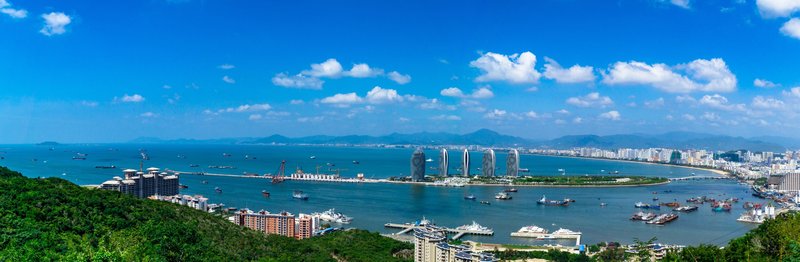
Hotels in San Mateo
Discover your perfect stay in San Mateo.
San Mateo(Philippines) Travel 2026: Cheap Flights, Hotels & Top Attractions
Popular Landmarks in San Mateo
Discover the most iconic attractions in San Mateo
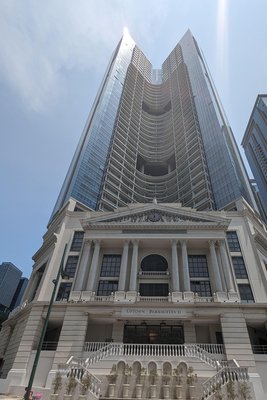
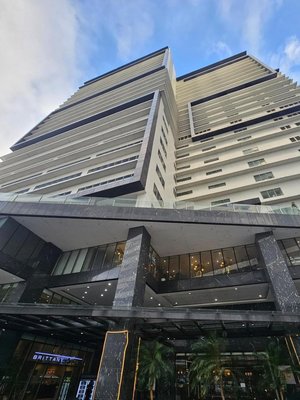
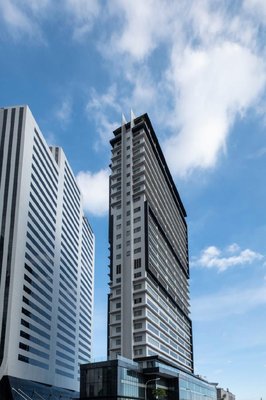
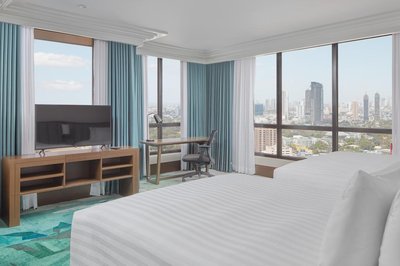
Recommended Hotels in San Mateo
Find the perfect place to stay in San Mateo
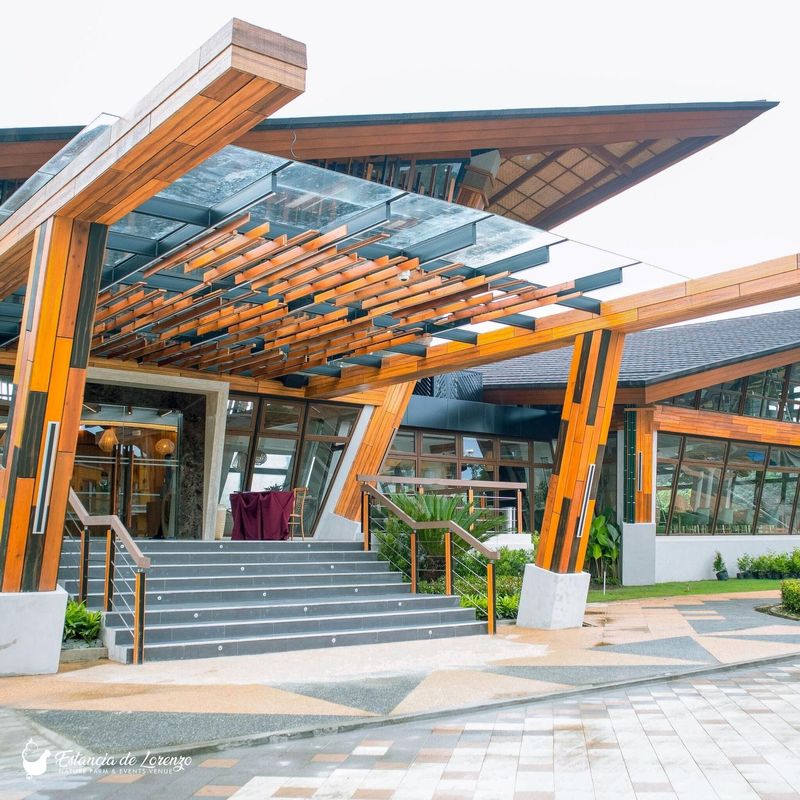
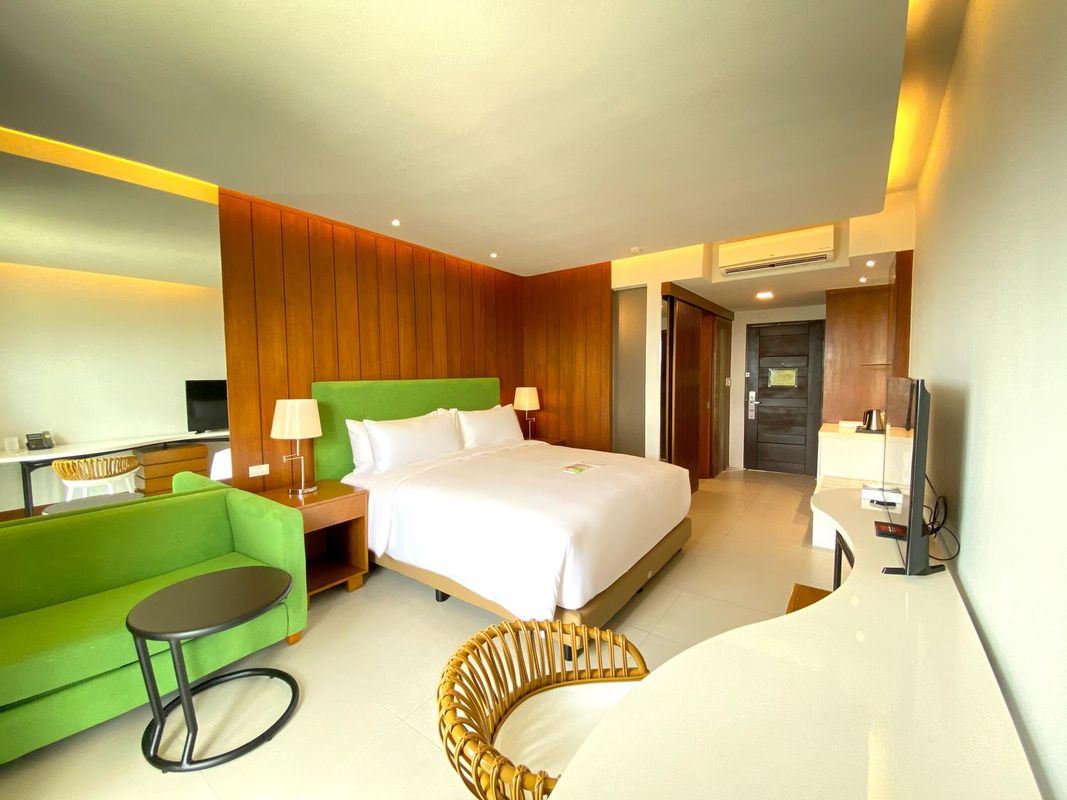
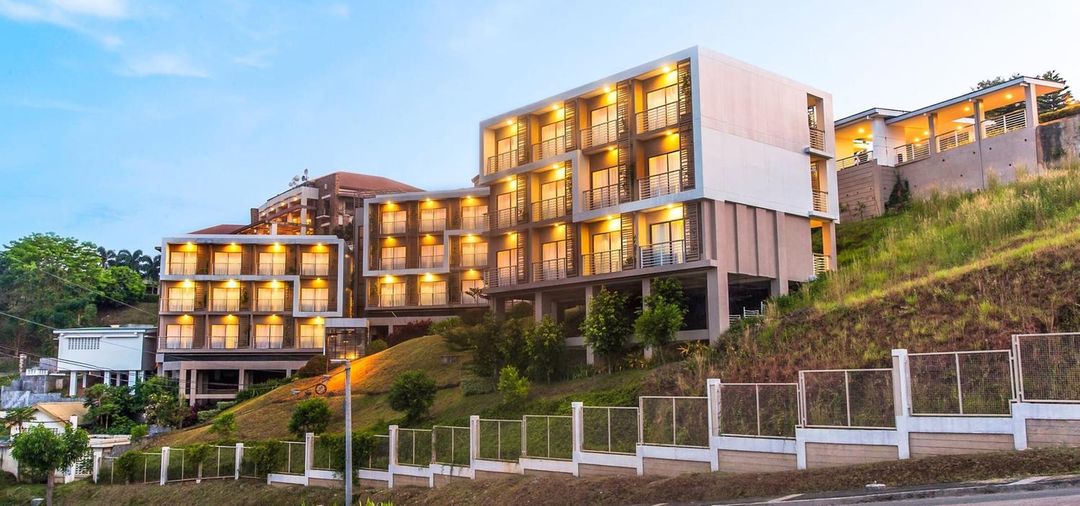
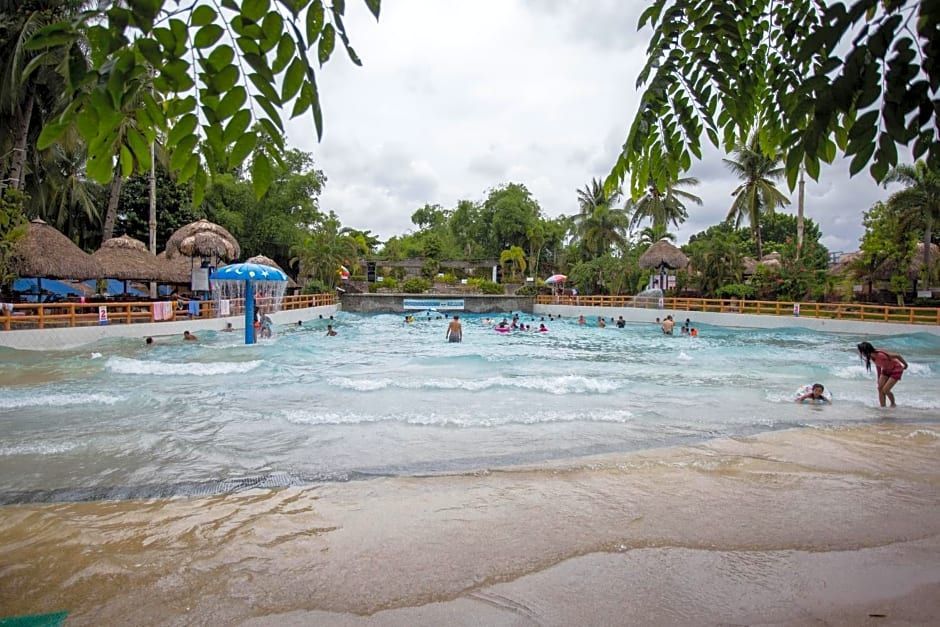
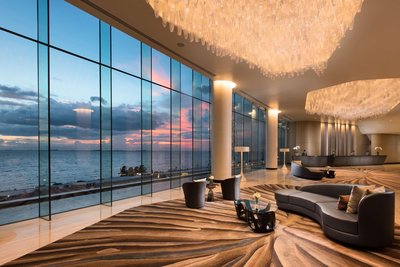
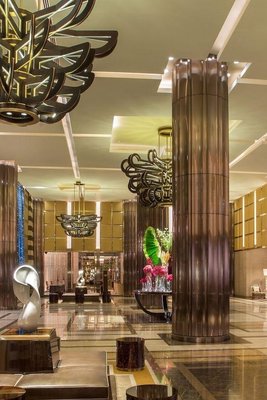
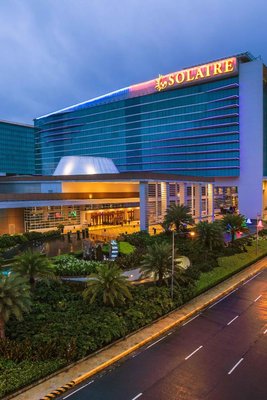
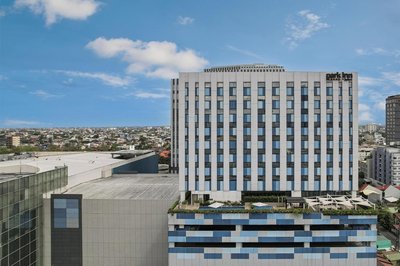
Best Hotels in San Mateo
Discover curated hotel collections in San Mateo
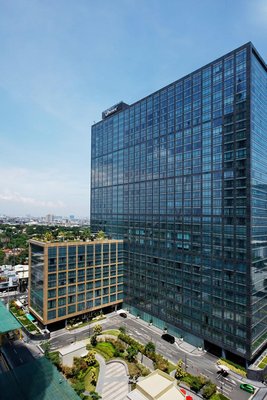

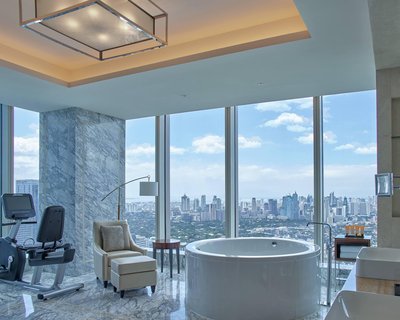
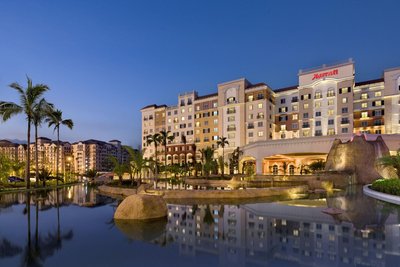








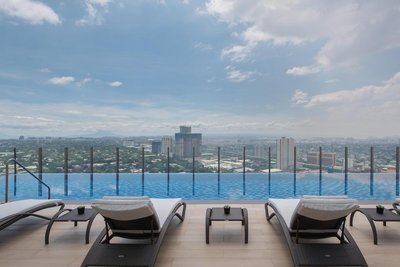
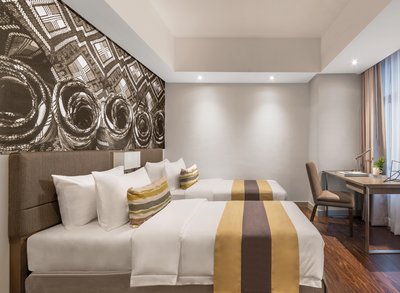

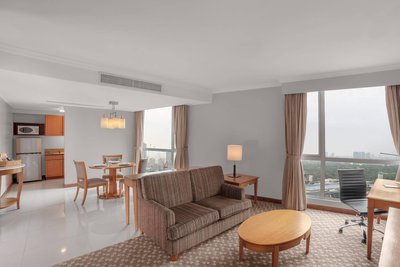
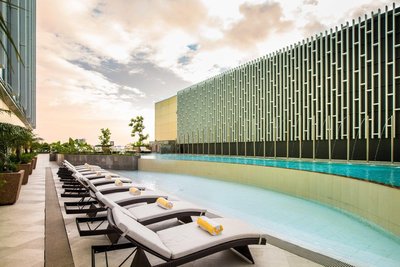











Frequently Asked Questions about Traveling to San Mateo
Questions You Might Need to Know About Traveling to San Mateo
In San Mateo, the best option is San Mateo Resort, a boutique hotel nestled in lush greenery of the Calabarzon Region. It features a swimming pool, spa services, and authentic Filipino cuisine. Located near the San Mateo Church and San Mateo Riverwalk, it’s ideal for travelers seeking tranquility and nature. For budget-conscious visitors, local homestays offer cultural immersion with warm hospitality.
The downtown area of San Mateo is the most convenient for lodging, offering easy access to landmarks like the San Mateo Market Plaza and San Mateo Cultural Center. This district hosts mid-to-high-end hotels and unique guesthouses. Nearby neighborhoods such as Kawadi-an and Blanca also provide affordable, high-quality accommodations, perfect for travelers wanting to experience local life authentically.
Don’t miss the annual San Mateo Christmas Festival, featuring traditional dances, craft markets, and fireworks. Visit the San Mateo Church to explore Spanish colonial architecture and religious heritage. Locals still practice traditional Ilocano weaving techniques—try a hands-on workshop to create your own souvenir and connect with indigenous culture.
Yes, San Mateo is highly family-friendly. The San Mateo Riverside Park offers playgrounds and picnic areas, while several hotels provide family rooms and childcare services. Nearby attractions include the San Mateo Children’s Museum and eco-farm tours. With safe streets and well-planned neighborhoods, it’s perfect for exploring nature and history with kids.
San Mateo is famous for fresh seafood and traditional Ilocano flavors. Must-try dishes include sinigang na isda (sour fish stew) and alugbati pie (okra pie). Local markets like the San Mateo Public Market sell handmade desserts and banana fritters. Many restaurants emphasize farm-to-table dining using locally grown ingredients, delivering authentic rural Filipino taste.
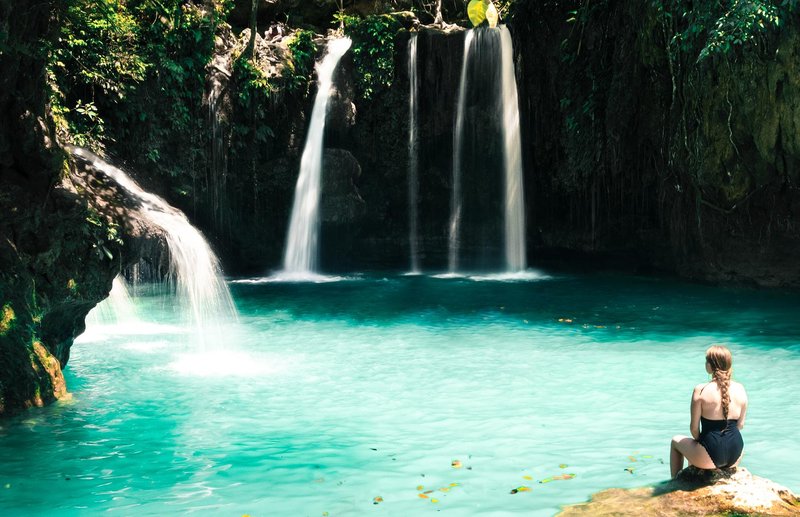
Explore the San Mateo Riverwalk, ideal for birdwatching and jogging along shaded pathways lined with banyan and palm trees. The San Mateo Forest Trail offers gentle hiking and photography opportunities. For a refreshing escape, visit San Mateo Falls Park, featuring crystal-clear streams and natural swimming pools—perfect for summer cooling. It’s also a prime spot to see the Philippine Eagle.
Yes, San Mateo has convenient transportation. Ride-hailing apps like Grab and Angkas operate widely, and tricycles (three-wheeled motorized vehicles) are readily available. The town is just about 1 hour from Metro Manila, accessible by bus or private car. Well-paved roads make biking or driving comfortable and efficient.
The San Mateo Church with its white arches and red brick façade makes a stunning photo backdrop, especially at golden hour. The San Mateo Riverwalk’s tree-lined paths and wooden benches are popular for candid shots. The colorful rooftops and flower-filled corners at the San Mateo Public Market create vibrant street scenes perfect for travel photography.
Absolutely. San Mateo welcomes backpackers with affordable hostels like San Mateo Hostel, offering shared dorms, free Wi-Fi, and social spaces. Locals are friendly, crime rates are low, and costs are lower than in Manila. Backpackers can join guided eco-tours, farm visits, and tribal cultural exchanges for deep, authentic experiences.
San Mateo’s nightlife is relaxed and community-focused. Cozy cafes like Riverside Café stay open late with soft lighting, ideal for quiet evenings. During festivals, the San Mateo Plaza hosts outdoor concerts and dance events. While it lacks big nightclubs, its peaceful atmosphere suits travelers seeking calm and inspiration.
San Mateo Overview
City Summary
San Mateo is a small town in the Calabarzon region of the Philippines, known for its natural beauty and cultural heritage. The main attraction lies in its pristine landscapes, including lush tropical forests and clear rivers, perfect for outdoor enthusiasts. The town's cultural richness is evident in the traditional Filipino way of life preserved by its residents, offering visitors an authentic rural experience.
Must-See Attractions
San Mateo boasts several key attractions, such as the San Mateo Falls, a hidden gem nestled in the tropical forest, ideal for hiking and swimming. The local market is a great place to experience Filipino rural culture, where visitors can buy handicrafts and try street food. Additionally, the San Mateo Church, a historic colonial-era building, showcases Spanish architectural influences.
Food Guide
San Mateo's street food features traditional Filipino dishes like Adobo (braised meat) and Sinigang (sour soup). The local market also offers grilled pork skewers and coconut-based desserts, which are must-tries. The culinary scene blends Spanish and indigenous flavors, best enjoyed at roadside stalls or small eateries.
Transportation Guide
San Mateo's primary modes of transport are jeepneys and tricycles, the most common public vehicles. Jeepneys cover major routes and are affordable, but routes should be confirmed in advance. Tricycles are suitable for short trips and fares can be negotiated. Carry small change and prioritize safety. The town lacks a subway system; for long-distance travel, buses or car rentals are recommended.
Best Time to Visit
The best time to visit is from November to February, when the weather is cooler and drier, ideal for outdoor activities. Avoid the rainy season (June to October) to prevent disruptions. Peak tourist periods occur during Christmas and Easter, so plan ahead.
Travel Tips
- Safety: Avoid isolated areas at night and keep valuables secure.
- Etiquette: Dress modestly when visiting churches.
- Customs: Be friendly when interacting with locals; tipping is not mandatory but appreciated.
- Health: Drink bottled water and avoid raw food.
- Currency: Carry enough cash, as small vendors may not accept cards.
- Language: Learn basic Filipino phrases like "Salamat" (Thank you).
Useful Information
Language: Filipino and English are widely spoken, with most signs bilingual. Internet: Wi-Fi is available in town; consider buying a local SIM card. Payment: Cash is preferred, though some restaurants and hotels accept cards. Emergency: Clinics are available in town, but serious cases may require travel to nearby cities. Travel insurance is recommended.
Other Cities You Might Like
Explore more amazing destinations