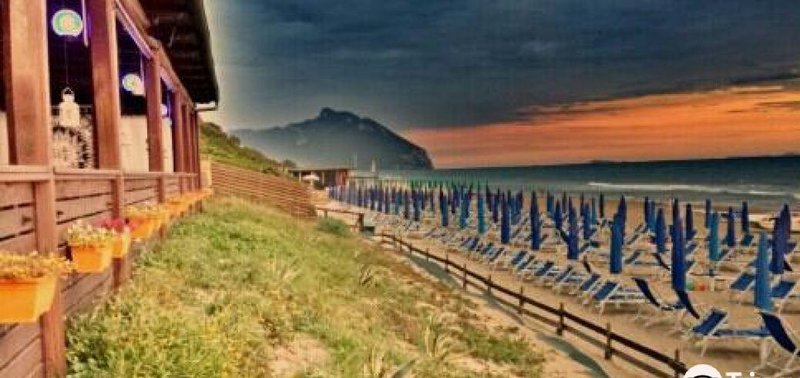
Hotels in San Quirico d'Orcia
Discover your perfect stay in San Quirico d'Orcia.
San Quirico d'Orcia(Italy) Travel 2026: Cheap Flights, Hotels & Top Attractions
Popular Landmarks in San Quirico d'Orcia
Discover the most iconic attractions in San Quirico d'Orcia
Recommended Hotels in San Quirico d'Orcia
Find the perfect place to stay in San Quirico d'Orcia
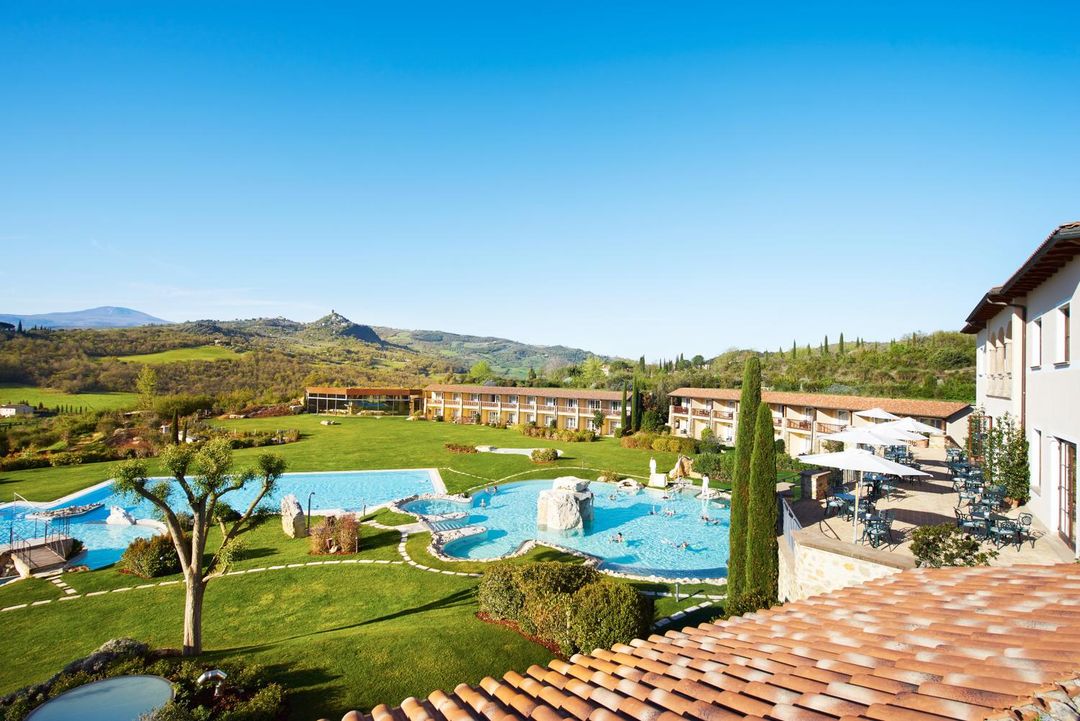
Adler Spa Resort Thermae
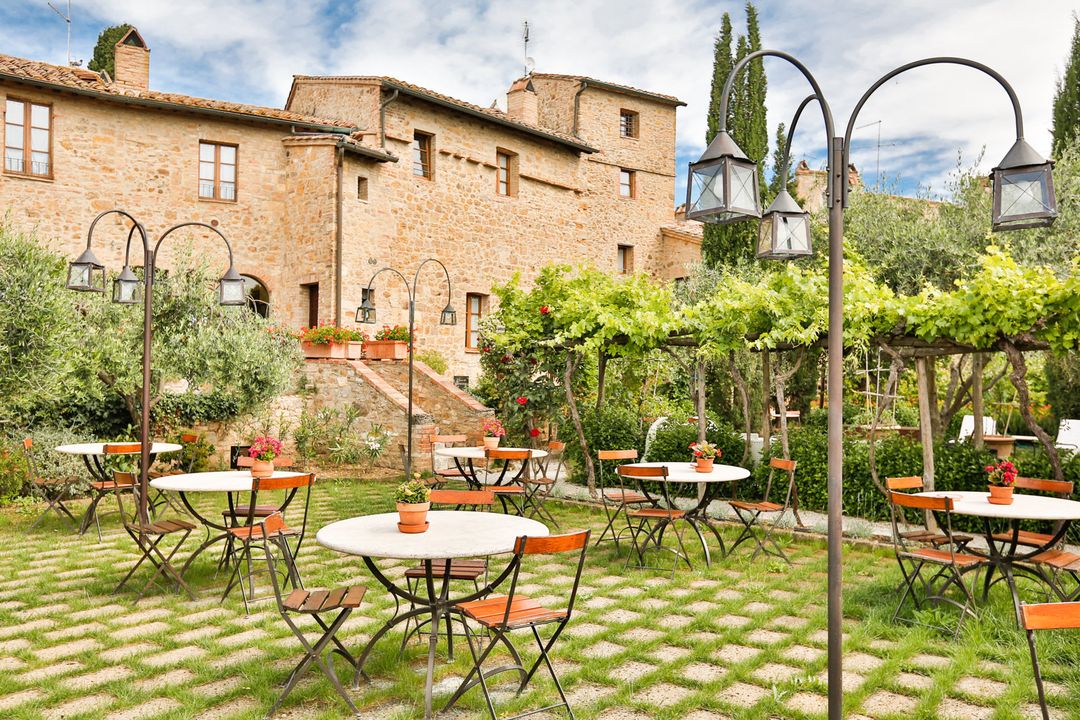
Palazzo Del Capitano Wellness & Relais - Luxury Borgo Capitano Collection
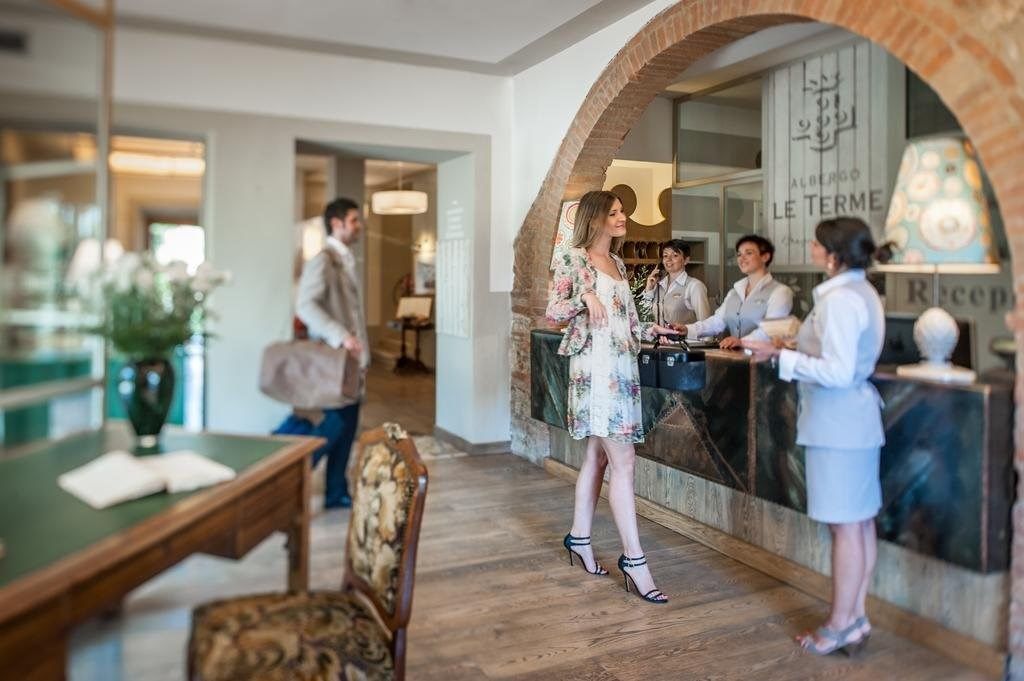
L'Orto Delle Terme
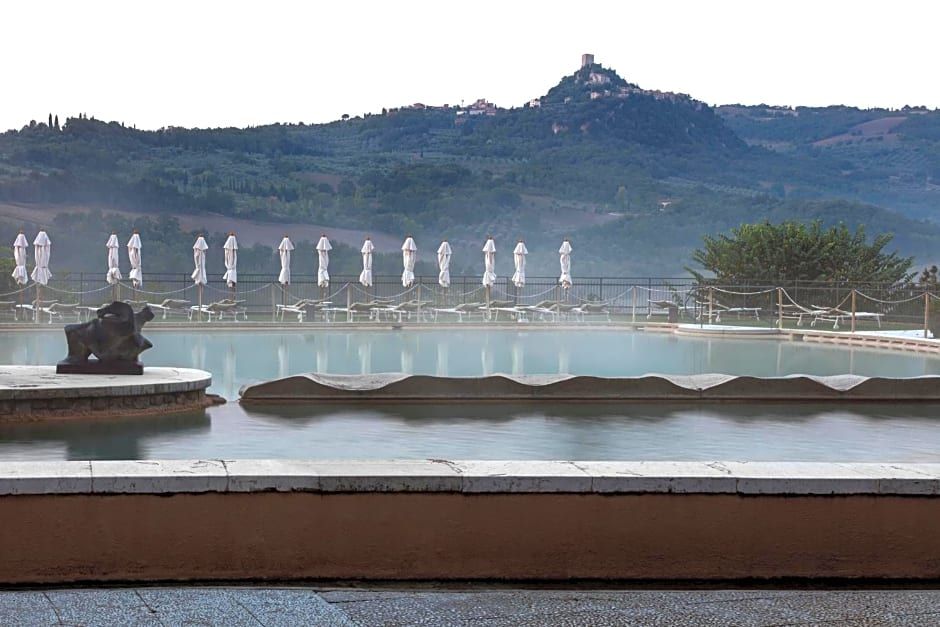
La Posta Hotel & Thermal Spa
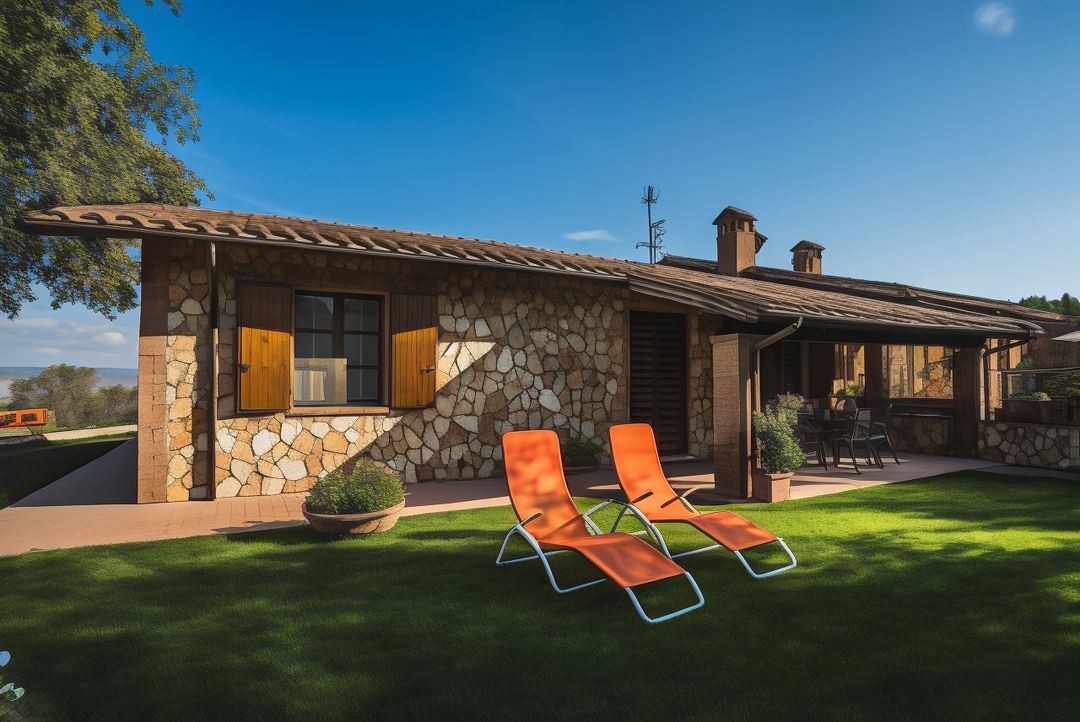
Agriturismo Cantagalli
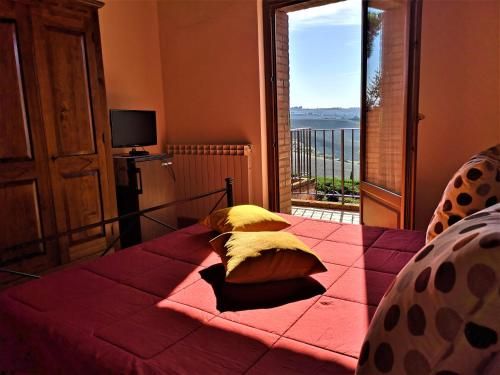
Agriturismo Palazzo Conti - B
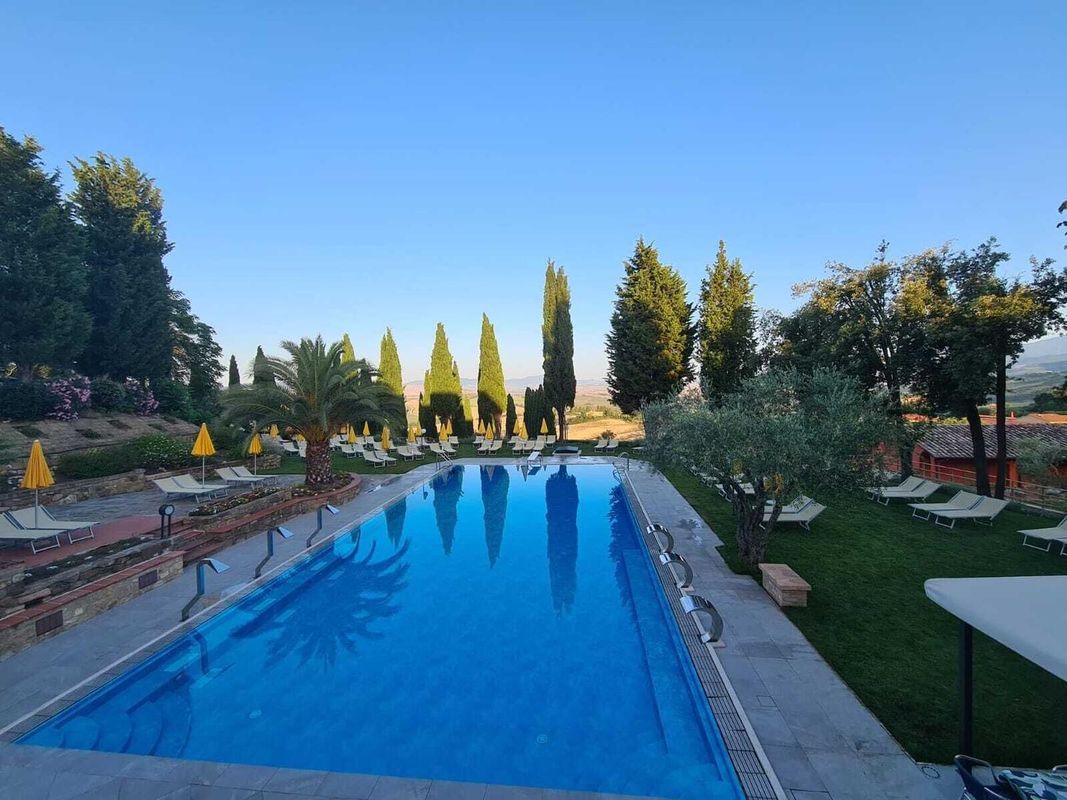
Casanova - Family Apartments Residence
Best Hotels in San Quirico d'Orcia
Discover curated hotel collections in San Quirico d'Orcia
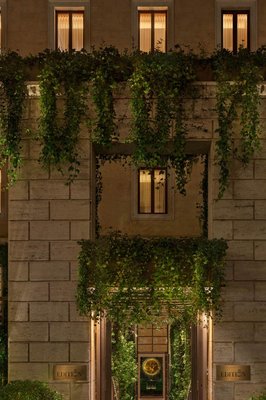
The Rome Edition
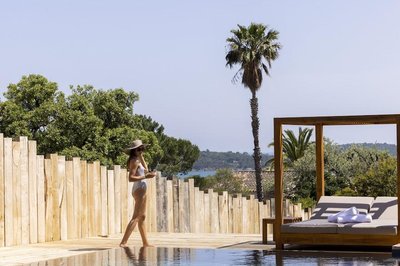
Les Regalia Hôtel & Spa
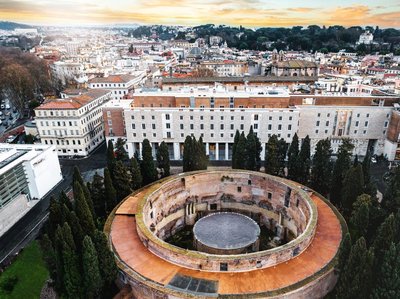
Bulgari Hotel Roma
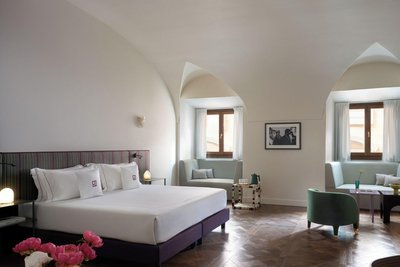
Palazzo Talìa - Small Luxury Hotels of the World
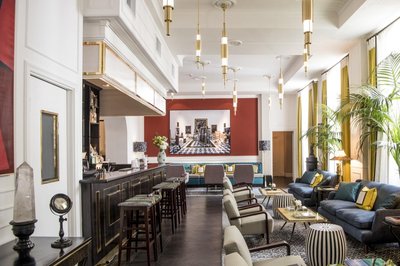
Hotel Vilòn
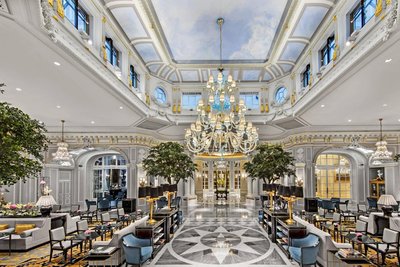
The St. Regis Rome
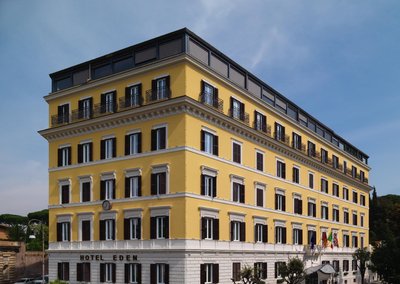
Hotel Eden - Dorchester Collection
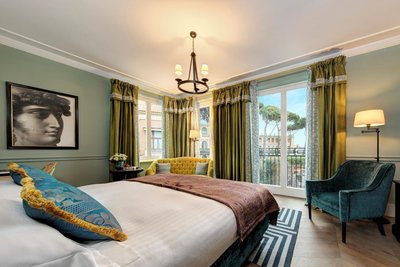
Rocco Forte Hotel de La Ville
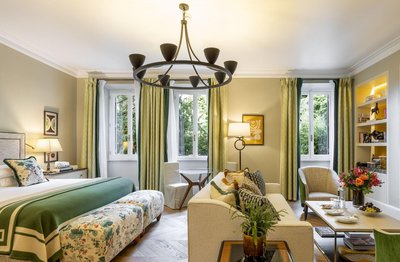
Rocco Forte Hotel De Russie
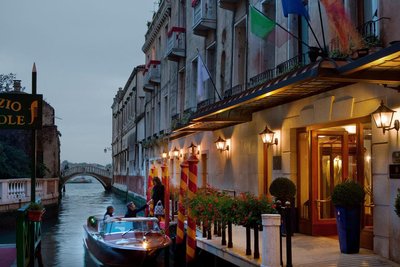
Baglioni Hotel Luna
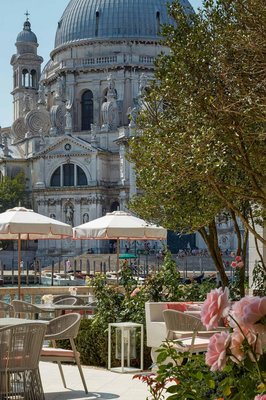
The St. Regis Venice
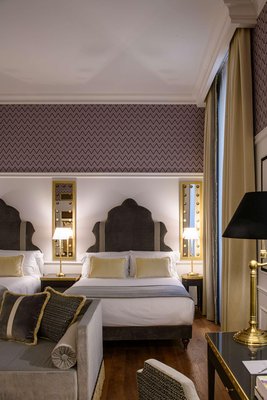
Il Tornabuoni Unbound
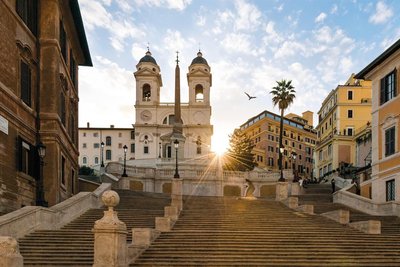
Hassler Roma
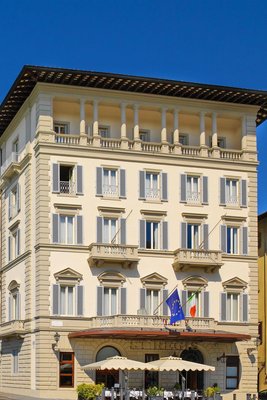
The St. Regis Florence
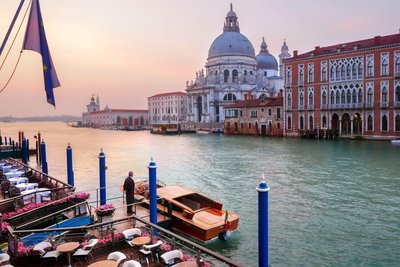
The Gritti Palace, a Luxury Collection Hotel, Venice
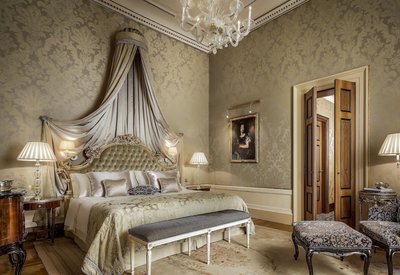
Hotel Danieli, Venice
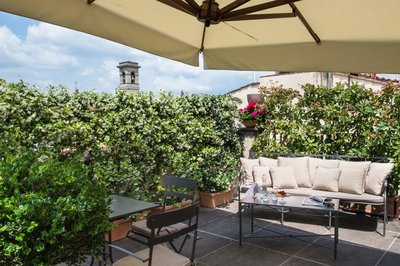
Palazzo Vecchietti - Residenza d'Epoca
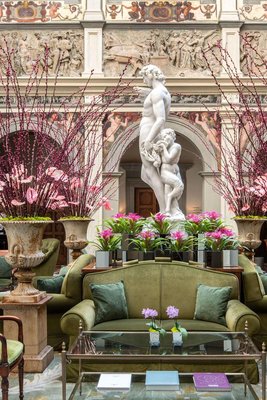
Four Seasons Hotel Firenze
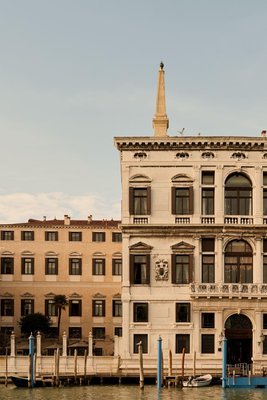
Aman Venice
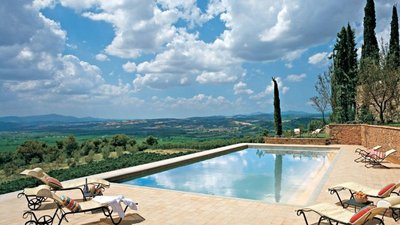
Castello Banfi - Il Borgo - Relais et Chateaux
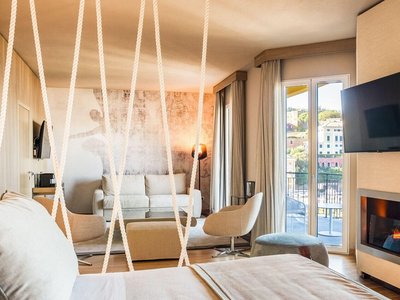
Miramare Suites
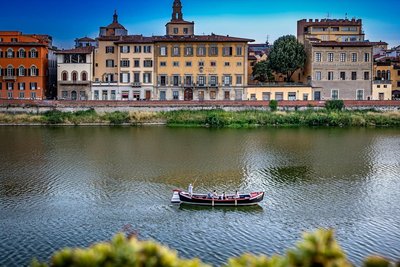
Il Rivalta
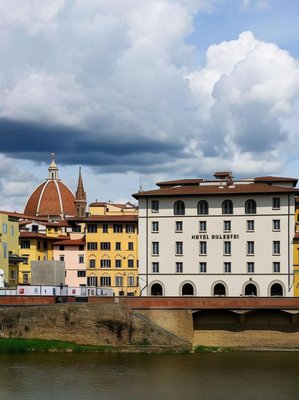
Hotel Balestri - Wtb Hotels
The St. Regis Florence
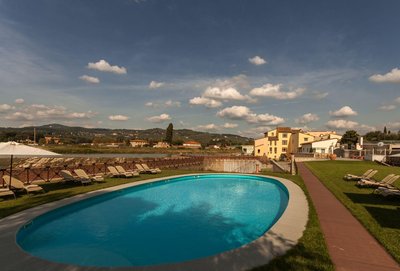
Hotel Mulino di Firenze, WorldHotels Crafted
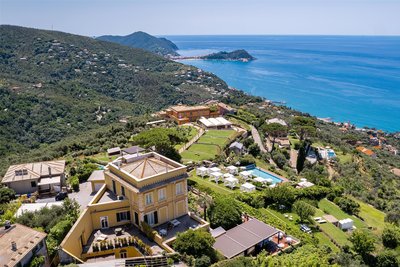
Villa Riviera Resort
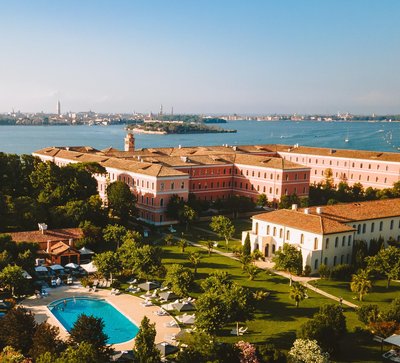
San Clemente Palace, Venice
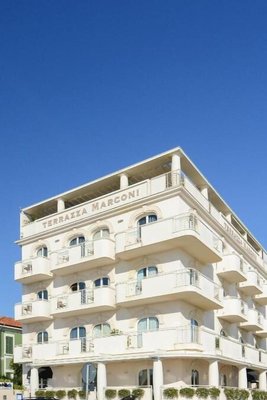
Terrazza Marconi Hotel&Spamarine

Boutique Hotel Torre di Cala Piccola
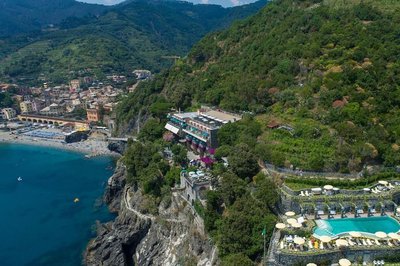
Hotel Porto Roca
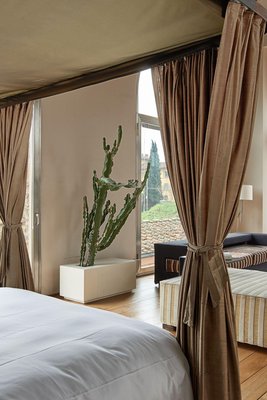
Riva Lofts Florence
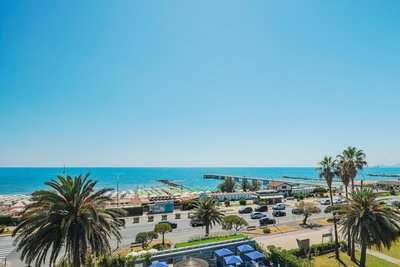
Hotel Excelsior
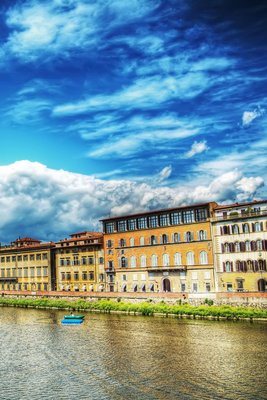
Palazzo Alfieri Residenza d'Epoca
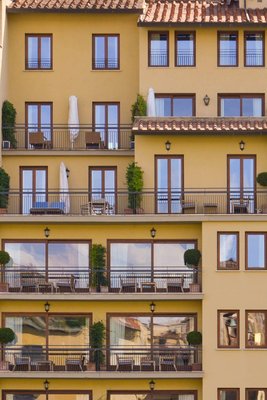
Hotel Lungarno - Lungarno Collection
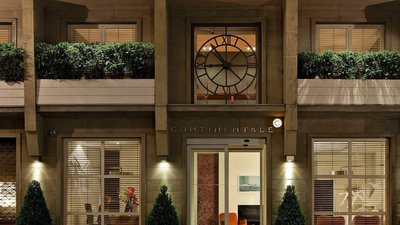
Hotel Continentale - Lungarno Collection
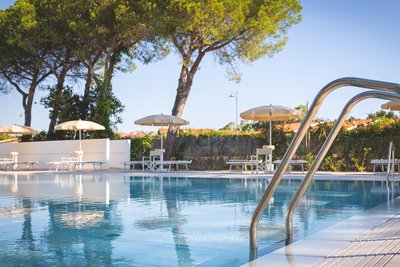
The Sense Experience Resort - Preferred Hotels & Resorts
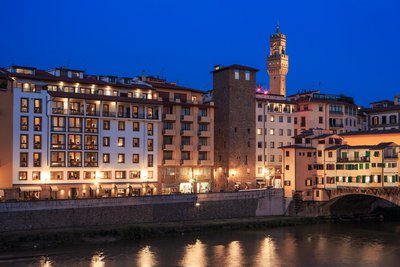
Portrait Firenze - Lungarno Collection
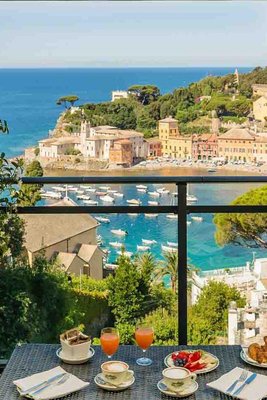
Hotel Vis à Vis
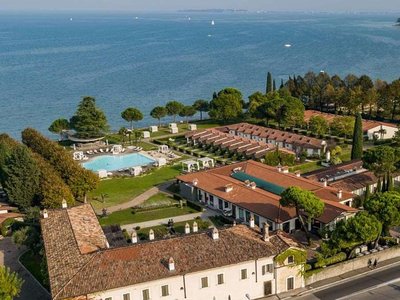
Splendido Bay Luxury Spa Resort
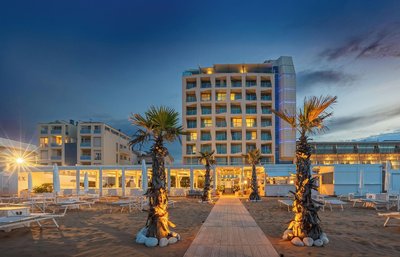
Excelsior Hotel, Spa & Lido
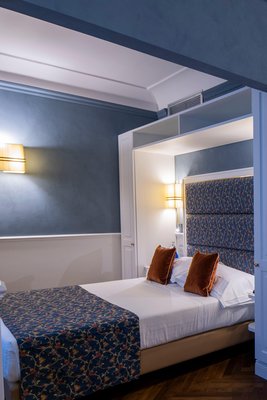
Rivoli Boutique Hotel
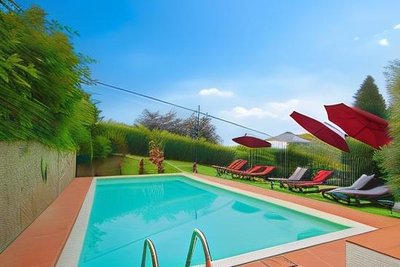
Hotel Villa Sermolli
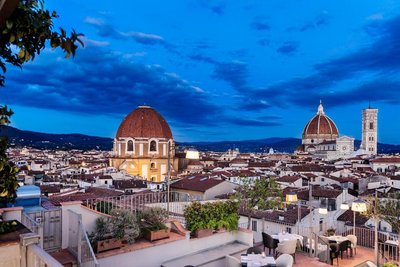
Grand Hotel Baglioni
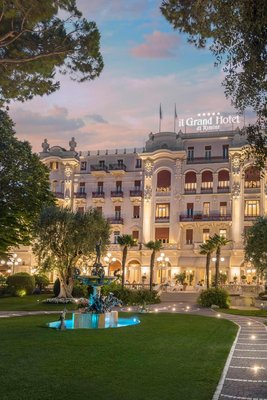
Grand Hotel Rimini
The St. Regis Rome
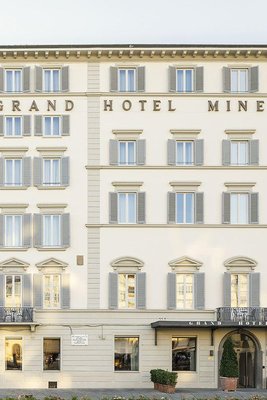
Grand Hotel Minerva
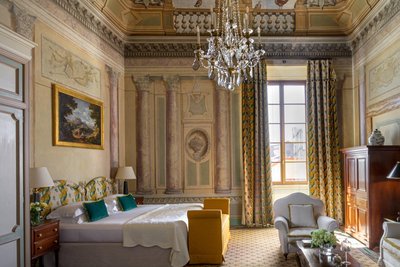
Grand Hotel Continental Siena - Starhotels Collezione
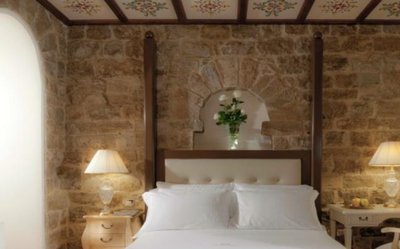
Golden Tower Hotel & Spa
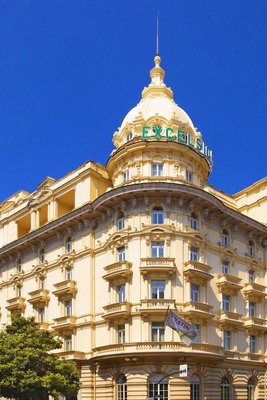
The Westin Excelsior, Rome
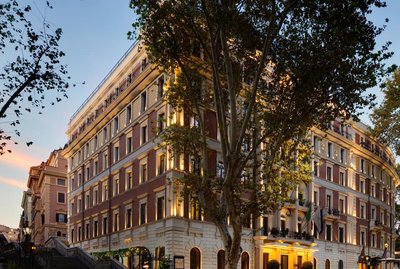
InterContinental Rome Ambasciatori Palace
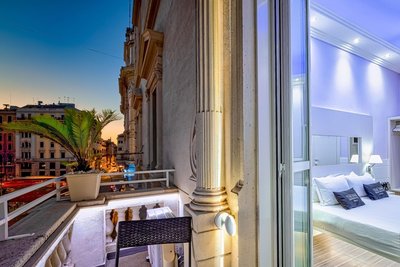
The One Boutique Hotel & Spa Rome
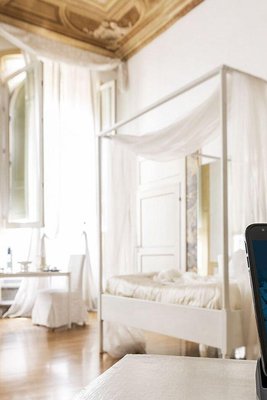
Palazzo Tolomei - Residenza d'Epoca
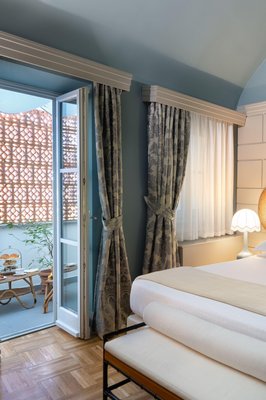
Hotel Number Nine
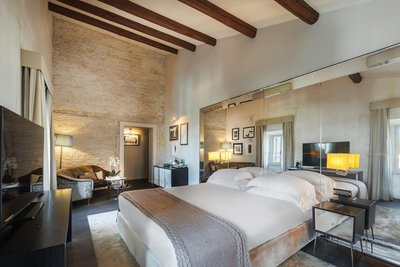
Dom Hotel Roma - Preferred Hotels & Resorts
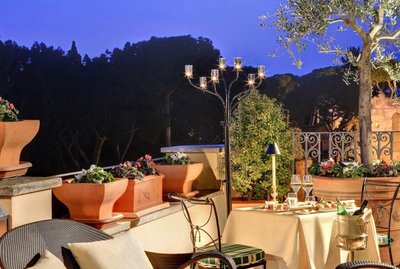
Hotel Splendide Royal - the Leading Hotels of the World
Four Seasons Hotel Firenze
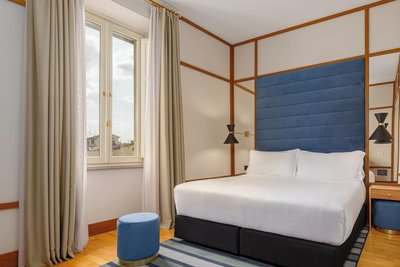
Room Mate Luca, Florence
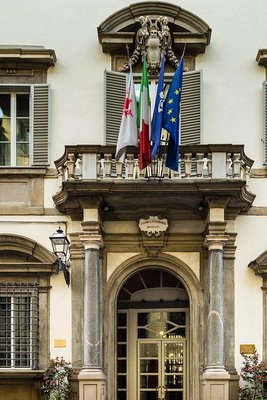
Palazzo Firenze by Baglioni Hotels & Resorts
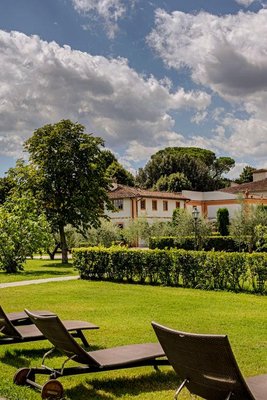
Villa Olmi Firenze
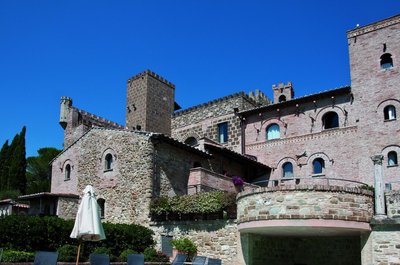
Castello di Monterone
Bulgari Hotel Roma
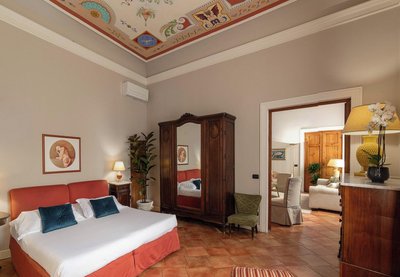
Palazzo Alfani - Residenza d'Epoca
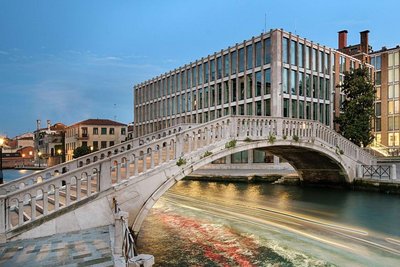
Avani Rio Novo Venice Hotel
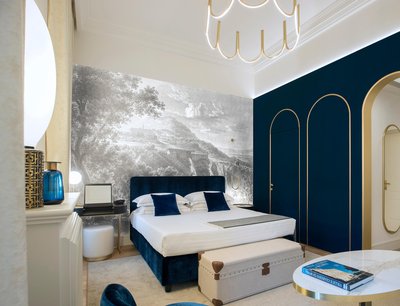
Elizabeth Unique Hotel Rome By Design Hotels
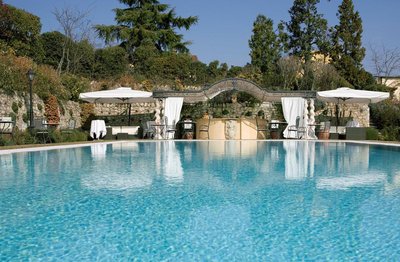
Byblos Art Hotel Villa Amista
Grand Hotel Minerva
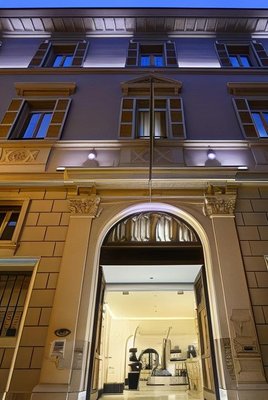
The First Arte - Preferred Hotels & Resorts
Il Tornabuoni Unbound
Hassler Roma
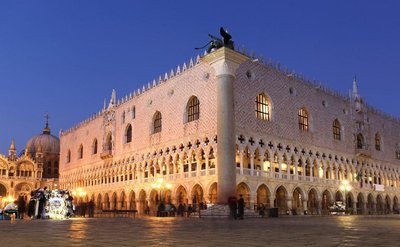
Ai Mori d'Oriente
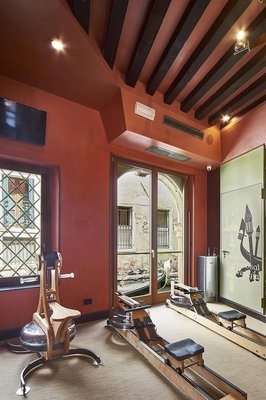
Hotel Saturnia & International
The Gritti Palace, a Luxury Collection Hotel, Venice
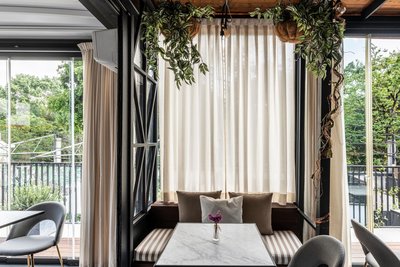
Horti 14 Borgo Trastevere Hotel
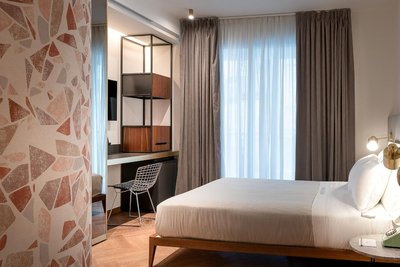
The Box Riccione - Adults Only
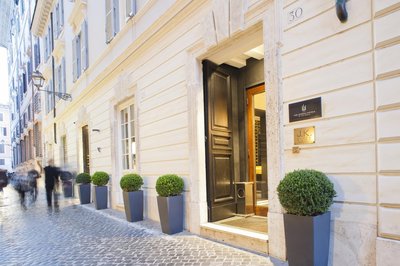
J.K. Place Roma - the Leading Hotels of the World
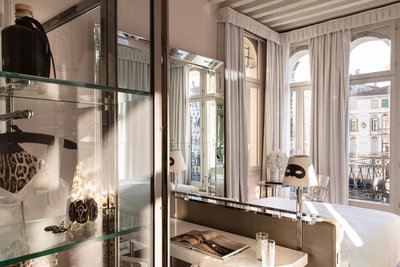
Palazzina Grassi
Portrait Firenze - Lungarno Collection
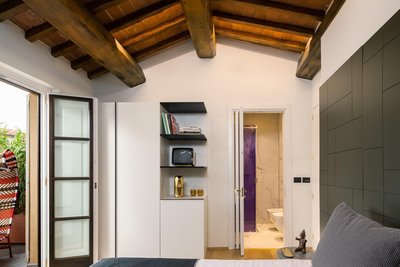
Hotel Milu Florence
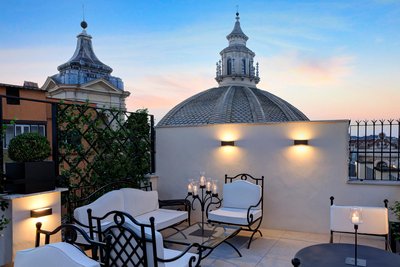
Palazzo Nainer
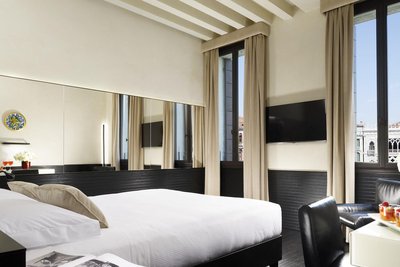
Hotel l'Orologio Venezia - Wtb Hotels
Grand Hotel Baglioni
Hotel Eden - Dorchester Collection
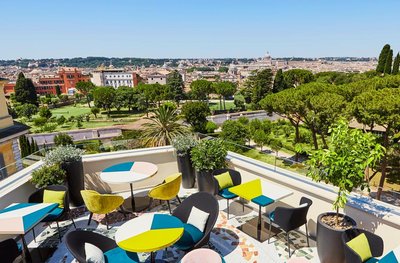
Sofitel Roma Villa Borghese
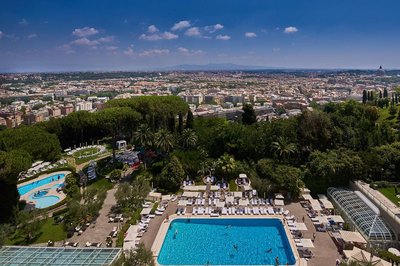
Rome Cavalieri, A Waldorf Astoria Hotel
The First Arte - Preferred Hotels & Resorts
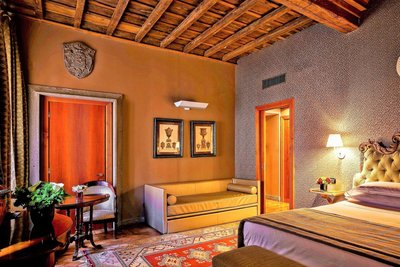
Hotel Valadier
Baglioni Hotel Luna
The St. Regis Venice
Hassler Roma
The St. Regis Florence
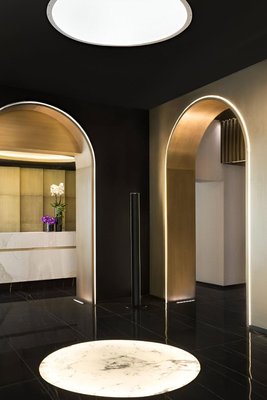
The Pantheon Iconic Rome Hotel, Autograph Collection
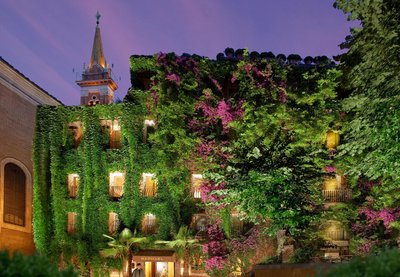
Bio Hotel Raphael - Relais & Châteaux
Hotel Splendide Royal - the Leading Hotels of the World
Four Seasons Hotel Firenze
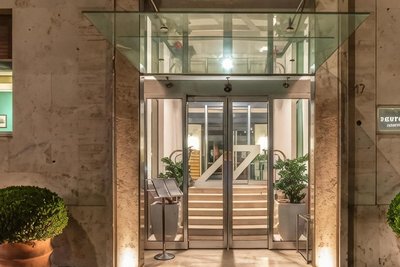
47 Boutique Hotel
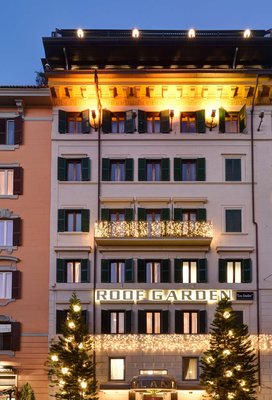
Atlante Star Hotel
Portrait Firenze - Lungarno Collection
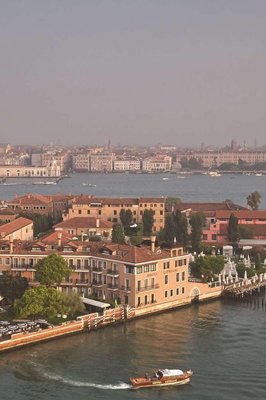
Hotel Cipriani, A Belmond Hotel, Venice
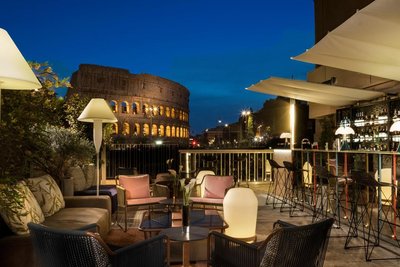
Hotel Palazzo Manfredi – Small Luxury Hotels of The World
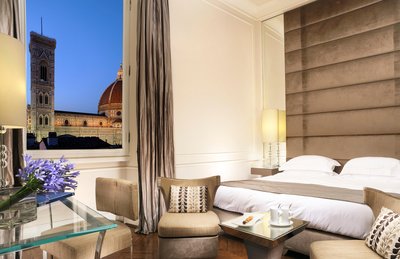
Brunelleschi Hotel
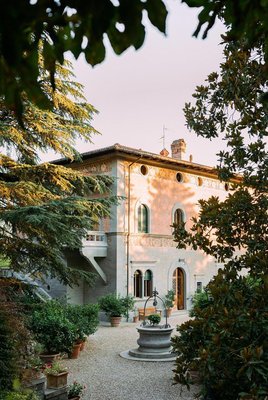
Villa la Commenda Concordia
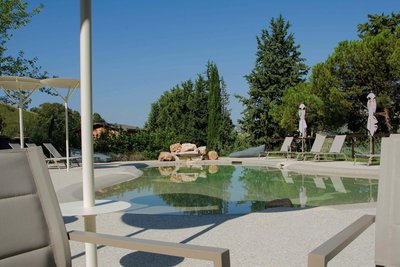
Colle Serrano Relais & Spa
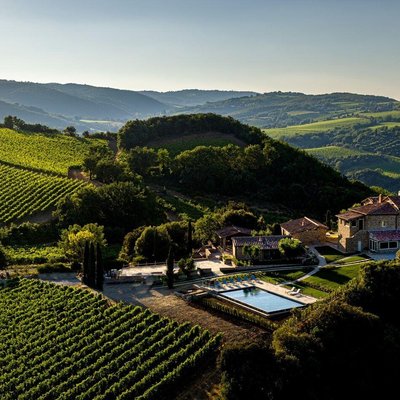
Mastrojanni Relais
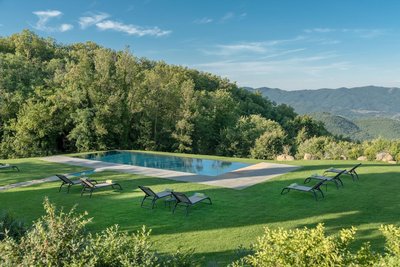
Badia di Pomaio
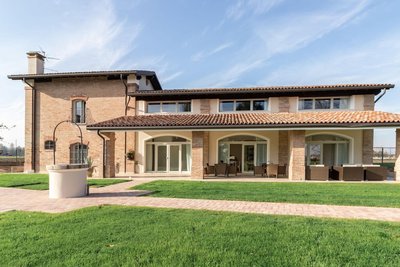
Monteborre
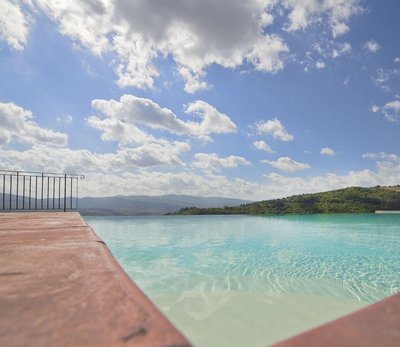
Castello Vicchiomaggio
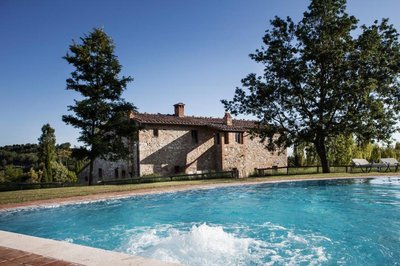
B&B - Podere Monti
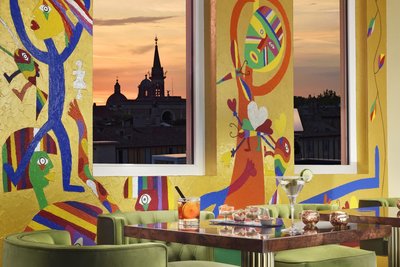
Lifestyle Suites Rome
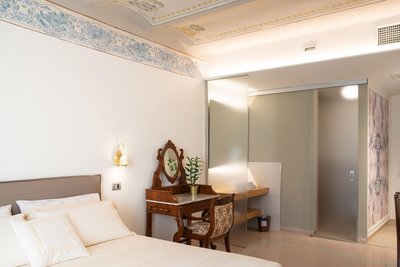
Portica10
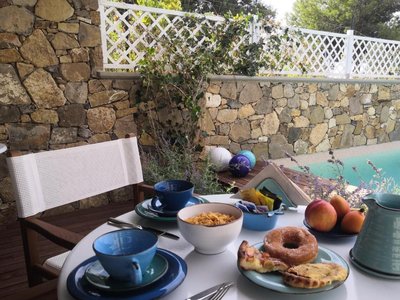
Stile Libero b&b
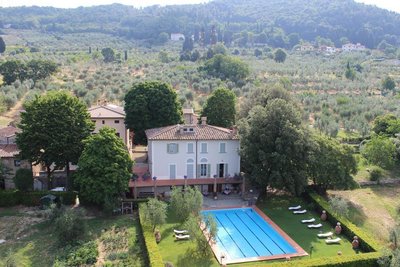
Borgo I Vicelli
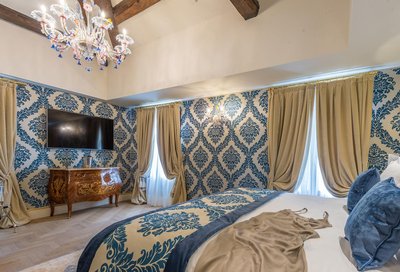
Ai Patrizi di Venezia
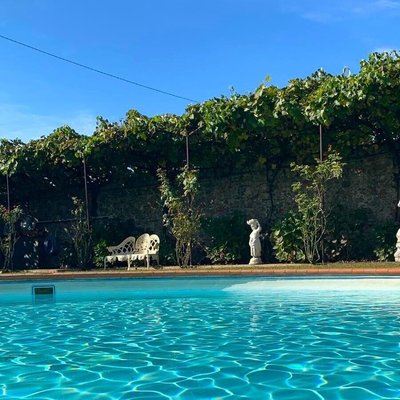
Villa la Preziosa
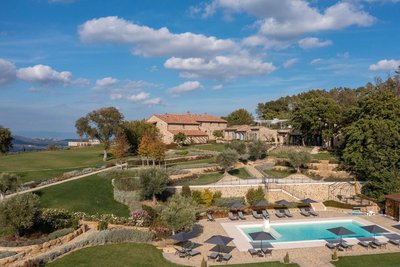
I Borghi Dell'Eremo
Wine Resort Dievole
Palazzo Gozzi Bed & Beauty
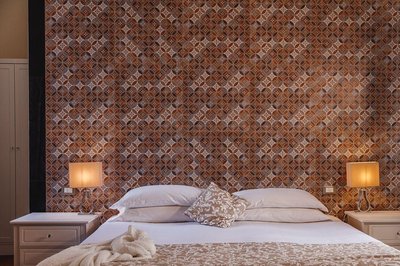
My Spanishsteps
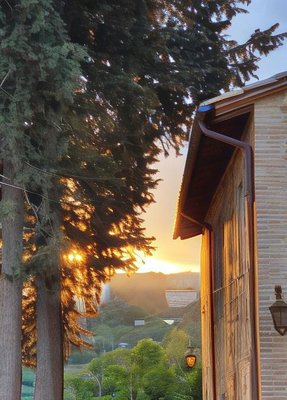
Stelle di Monte
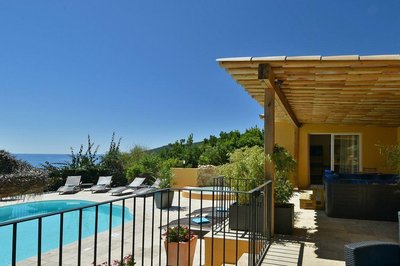
La Côte Bleue
Frequently Asked Questions about Traveling to San Quirico d'Orcia
Questions You Might Need to Know About Traveling to San Quirico d'Orcia
In San Quirico d'Orcia, the top boutique stay is Agriturismo La Vigna, a restored Tuscan farmhouse nestled among vineyards and olive groves. It offers rustic-chic rooms, an on-site wine cellar, and daily tasting sessions of local Chianti Classico. Another standout is Villa San Michele, perched on a hill with panoramic views of the Val d’Orcia landscape. Both properties emphasize sustainability, traditional craftsmanship, and immersive cultural experiences, making them ideal for travelers seeking authenticity and tranquility in Tuscany’s heartland.
The best area for lodging is the historic old town center, where stone-paved streets wind around medieval buildings and the 13th-century Church of Santa Maria Assunta. Staying here grants easy access to local cafés, artisan shops, and the weekly farmers’ market. Choose a converted townhouse B&B like B&B Il Castello for authentic charm and quiet evenings. The area is peaceful, ideal for morning walks and evening strolls under the stars, offering an intimate glimpse into rural Tuscan life.
Experience the Olive Oil Festival held every autumn, where locals demonstrate traditional cold-press extraction methods and offer tastings of premium extra virgin olive oil. Visit the Church of Santa Maria Assunta, home to 15th-century frescoes, and attend Sunday folk music performances. Join a guided walking tour through hidden valleys, passing ancient mills and shepherd huts, to learn about centuries-old farming traditions and oral history preserved by the community.
Start with a hike along the ancient stone paths to reach the San Marco Lookout, offering sweeping views of the Val d’Orcia. In the evening, book a family-style cooking class to prepare regional dishes like Pici pasta with onion sauce and pair them with local red wine. On weekends, visit the open-air market to buy handcrafted ceramics, wool blankets, and homemade jams—perfect souvenirs that capture the soul of this timeless village.
Yes, many hotels provide immersive culinary programs. Agriturismo La Vigna serves a Tuscan breakfast basket each morning with freshly baked focaccia, house-made jam, and regional cheese. Some host private cooking workshops led by local matriarchs teaching how to make classic dishes like roast duck with wild mushroom sauce. Others arrange wine-tasting tours at nearby vineyards, including aging cellars for Chianti Classico, ensuring a complete farm-to-table journey from soil to table.
Absolutely. Families will appreciate family-friendly agriturismi like Casa del Sole B&B, which features child-safe courtyards and supervised outdoor play areas. Nearby, a farm experience center lets kids interact with goats, chickens, and even help milk cows. Weekly kids’ craft workshops teach natural dyeing and wooden carving. With low noise levels and safe streets, it’s a perfect destination for families wanting a peaceful, nature-centered getaway away from urban chaos.
While not directly served by major transit lines, the nearest train station is Arezzo, about 40 minutes away via regional rail from Florence or Rome. From there, rental cars or shared e-bikes are recommended. Some hotels offer free shuttle services to key attractions. For exploring remote countryside trails, hiring a local guide is advised to navigate winding roads and ensure a smooth, stress-free journey through the UNESCO-listed Val d’Orcia landscape.
Though no natural hot springs exist, several boutique hotels feature high-end wellness amenities. Villa San Michele includes a sauna, aromatherapy massage room, and outdoor meditation terrace using locally sourced lavender and rosemary oils. They also offer yoga sessions amid forest glades and forest bathing experiences. These nature-integrated retreats focus on mental clarity and physical renewal, providing a serene alternative to conventional spas while honoring the region’s deep connection to the land.
Nightlife is calm and intimate. Local spots like Osteria della Piazza serve homemade wine and traditional pasta, often accompanied by live acoustic jazz or folk music. Residents gather in the central square for evening chats and strolls. For a livelier option, head to Arezzo, just 40 minutes away, for more restaurants and small concerts. Overall, San Quirico d’Orcia is perfect for those who value quiet evenings, starlit skies, and a slower pace of life.
The ideal times to visit are late spring (April–June) and early autumn (September–October). Spring brings blooming almond and cherry trees; autumn offers harvest festivals and golden vineyard landscapes. Summer can be hot and crowded; winter is chilly and some accommodations close. Avoid public holidays for a more private experience. Additionally, the Saints’ Festival in November features special church ceremonies and traditional rituals, adding spiritual depth to your visit.
San Quirico d'Orcia Overview
City Summary
San Quirico d'Orcia is a hidden gem in Tuscany, Italy, nestled in the heart of the UNESCO-listed Val d'Orcia. This medieval town captivates with its perfectly preserved architecture, serene countryside vistas, and world-renowned vineyards.
The town's core appeal lies in its unspoiled authenticity—cobblestone streets, 12th-century Romanesque churches, Renaissance gardens, and surrounding hills that epitomize the Tuscan landscape. It's a sanctuary for slow travel, ideal for connoisseurs of art, rural charm, and prestigious Brunello wines.
Must-See Attractions
Start with the medieval walls and three ancient gates, where Palazzo Pretorio's heraldic wall serves as an open-air history book.
The Collegiata di San Quirico showcases architectural evolution from Romanesque to Gothic, while Horti Leonini is one of Europe's oldest symmetrical gardens, hosting contemporary art exhibits in summer.
Nearby must-sees include sister towns Pienza and Montalcino, plus the iconic Cypress trees of San Quirico featured in "The English Patient."
Food Guide
Tuscan cuisine shines here: handmade pici pasta with wild boar ragù is a must-try staple.
Local markets offer Pecorino di Pienza cheese drizzled with honey and panforte made with Val d'Orcia wheat. Don't miss Trattoria Toscana's slow-cooked lamb (pecora alla cottora) paired with DOCG Brunello.
For dessert, almond cantucci biscuits dipped in Vin Santo make a perfect finale.
Transportation Guide
Driving is ideal—follow SR2 highway through Val d'Orcia for iconic photo stops; free parking available near town gates.
Public transport relies on Tiemme buses: Line 112 from Siena (4-6 daily, 1.5hrs) requires transfer at Buonconvento. Nearest train station is Chiusi-Chianciano Terme (25km south).
The town itself is walkable (500m diameter)—wear grippy shoes for cobblestones. Bike rentals (∼€25/day) are perfect for vineyard exploration.
Best Time to Visit
April-June offers poppy blooms with fewer crowds; September-October is harvest season but books out fast. Winter (November-March) brings fog and closures, though Christmas markets charm. Summer highs reach 35°C—avoid midday excursions.
Travel Tips
- Observe siesta hours (1-4pm) when shops close
- Cover shoulders/knees for church visits
- Carry €1 coins for public restrooms
- Seek permission before photographing private farms
- Always book winery tours in advance
- Drone flights prohibited in hill areas
- Few supermarkets—carry a water bottle
- Bring flashlight for dim evening lighting
Useful Information
Language: Basic Italian phrases help (e.g., "Dov'è il bagno?" for restrooms), though English is understood at tourist sites.
Payment: Cash-only at small eateries/markets; Visa/Mastercard accepted at hotels/wineries.
Internet: Free Wi-Fi in main square; TIM has best mobile coverage.
Healthcare: Pharmacies (green cross signs) handle minor issues; Siena Hospital (35km away) for emergencies.
Safety: Very low crime, but watch for wild boars on rural roads. Tourist office provides English maps/event calendars.