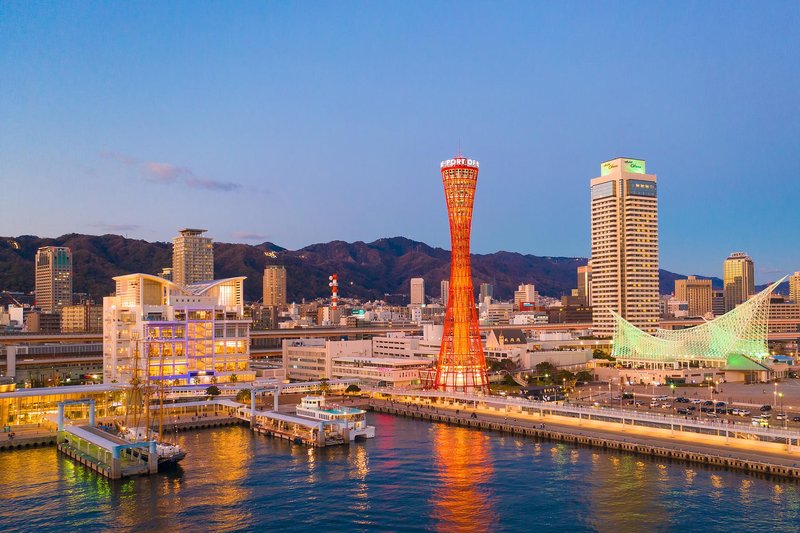
Hotels in Sanda
Discover your perfect stay in Sanda.
Sanda(Japan) Travel 2026: Cheap Flights, Hotels & Top Attractions
Popular Landmarks in Sanda
Discover the most iconic attractions in Sanda
Recommended Hotels in Sanda
Find the perfect place to stay in Sanda
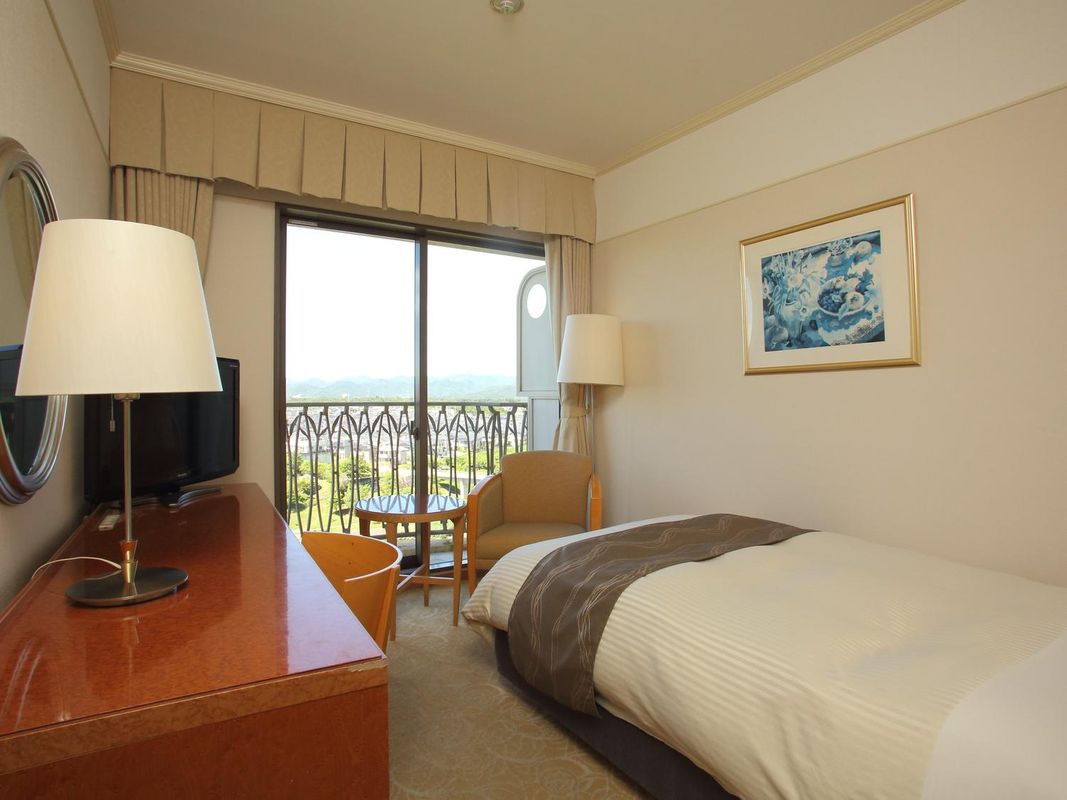
The Celecton Premier Kobe Sanda Hotel
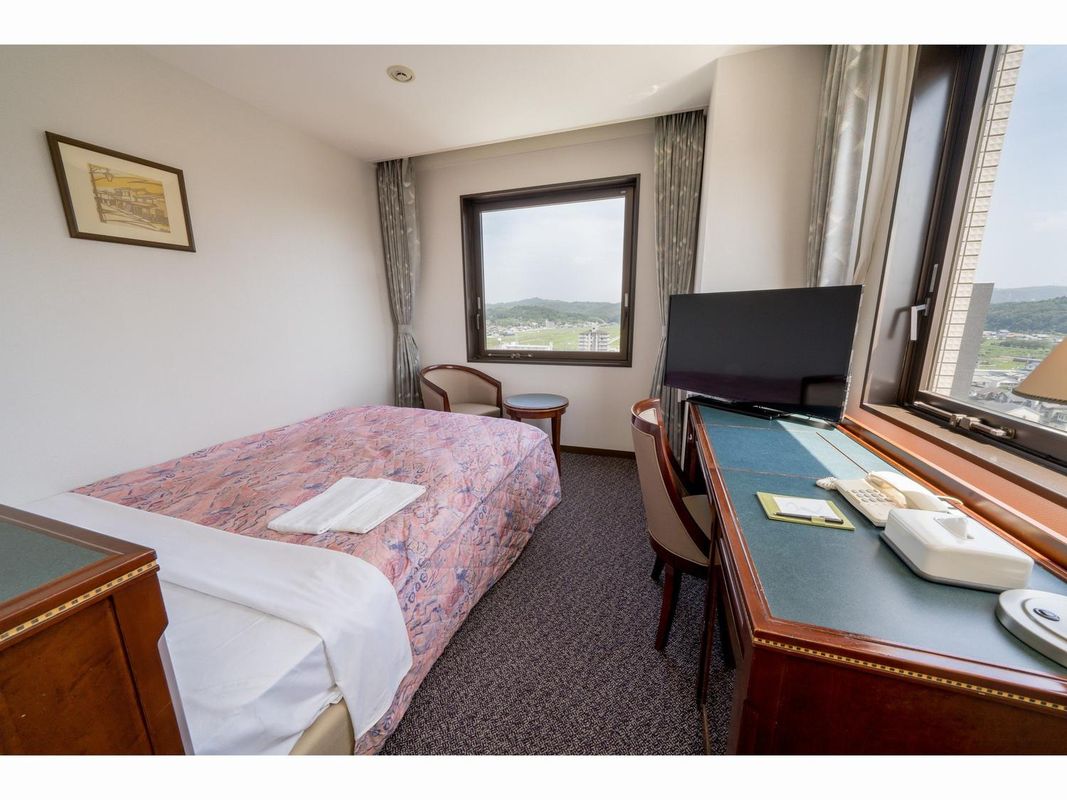
Hotel Melxe
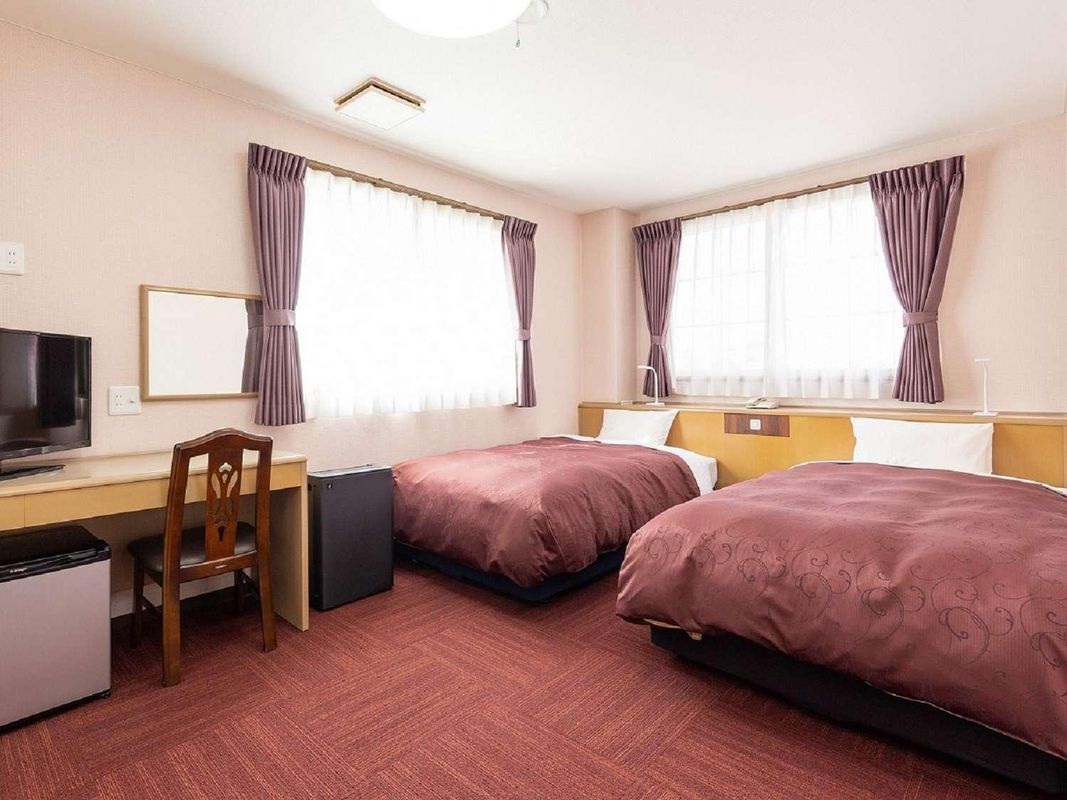
Sanda Sunrise Hotel
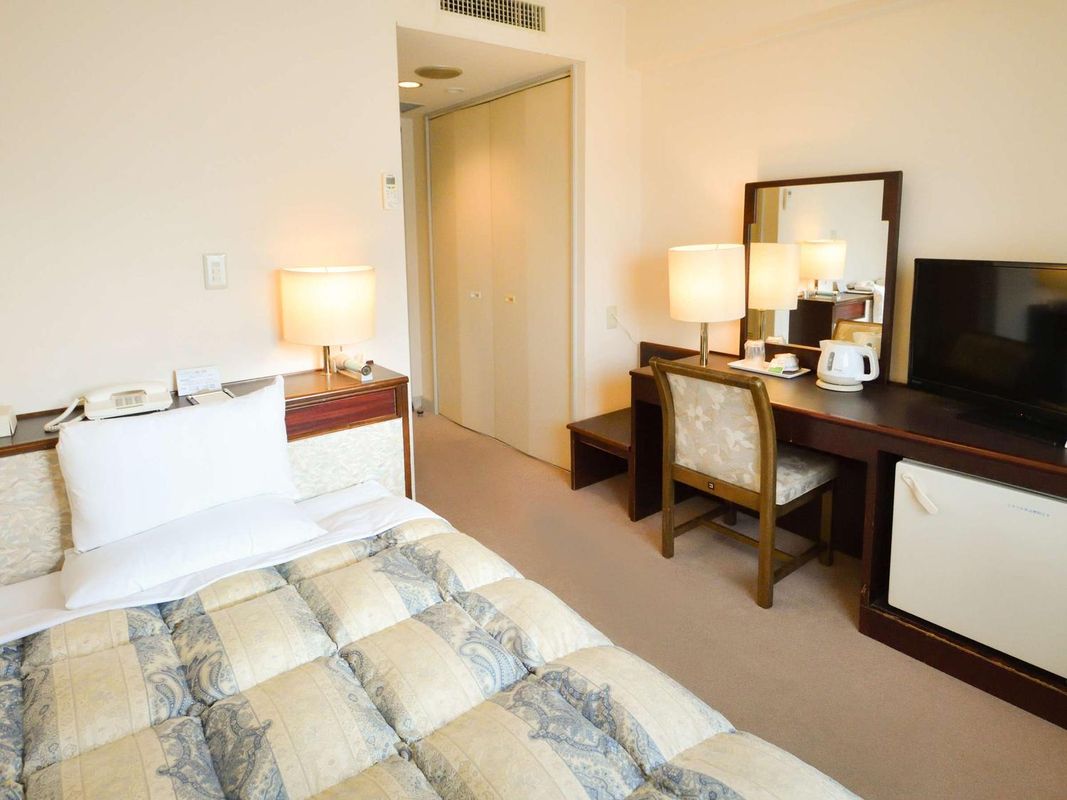
Sanda Summit Hotel
Best Hotels in Sanda
Discover curated hotel collections in Sanda
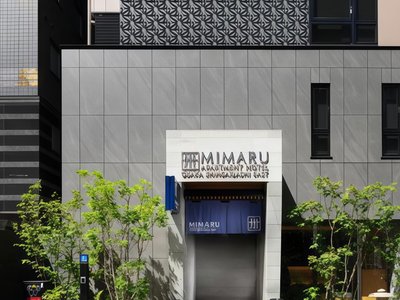
MIMARU Osaka Shinsaibashi East
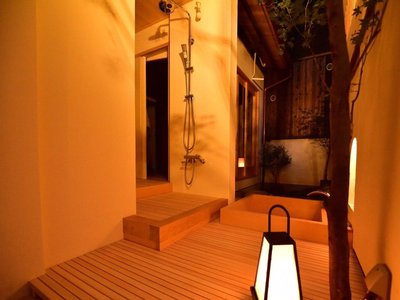
Yado Kiramachi
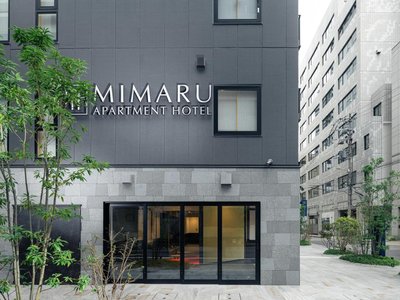
MIMARU Osaka Shinsaibashi North
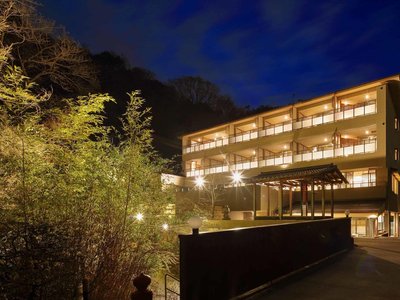
Okuno Hosomichi
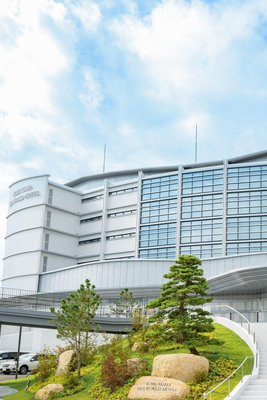
Kobe Suma Sea World Hotel
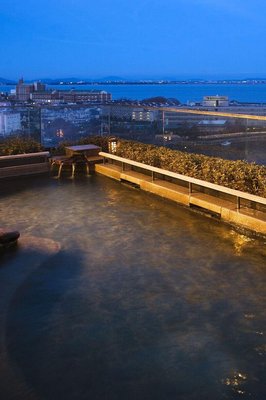
Yumotokan
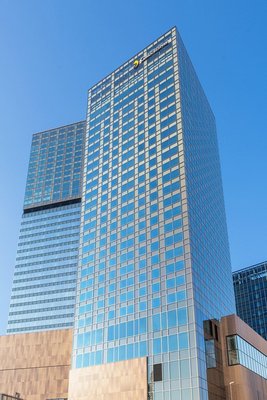
Hotel Hankyu GRAN RESPIRE OSAKA

Taikyourou
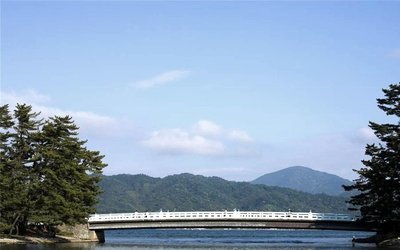
Monjusou Shourotei
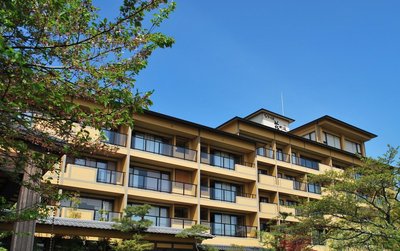
BIWAKO HANAKAIDO
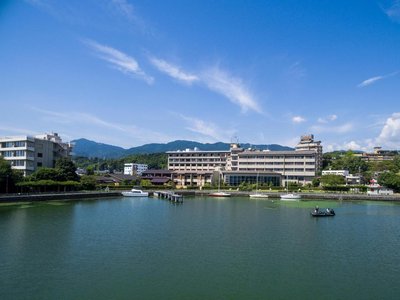
Biwako Ryokusuitei
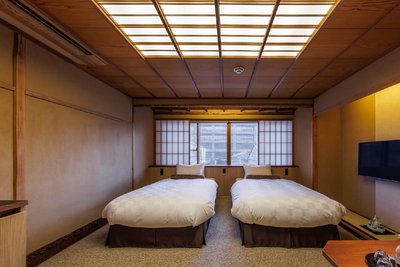
Kyoto Ryokan Sakanoue
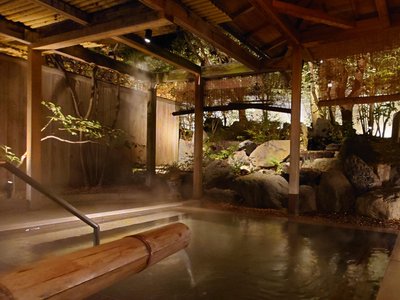
Kasuga Hotel
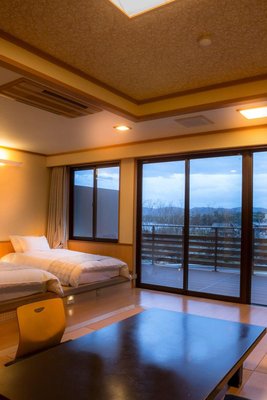
Hotel Kitanoya
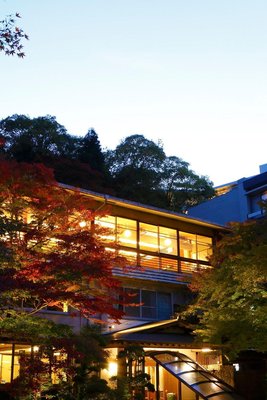
Negiya Ryofukaku
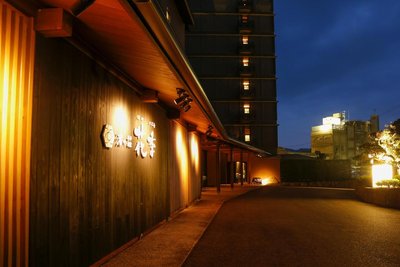
Hanagoyomi
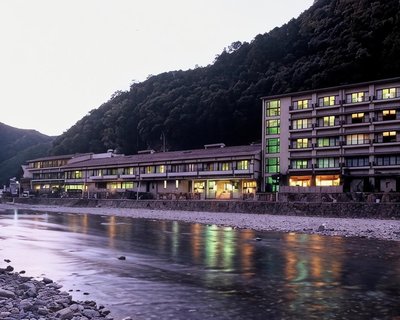
Kawayu Onsen Fujiya
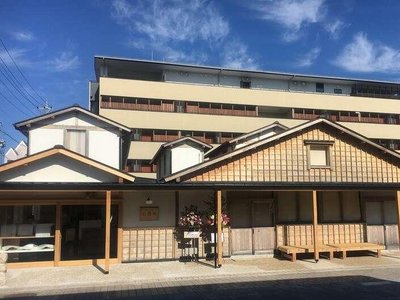
Isegekusando Iseshinsen
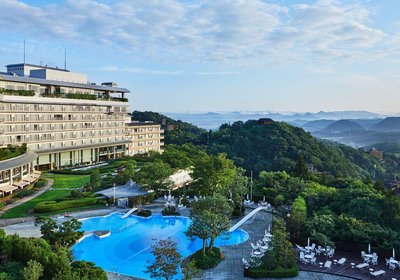
Arima Grand Hotel
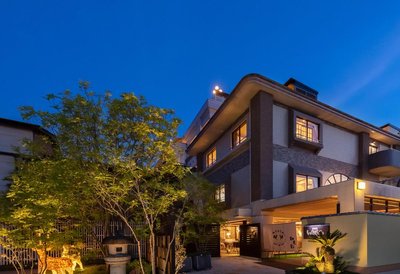
Hotel New Wakasa
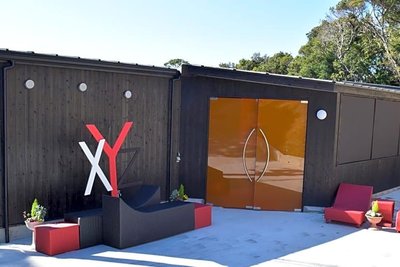
XYZ Private Spa and Seaside Resort
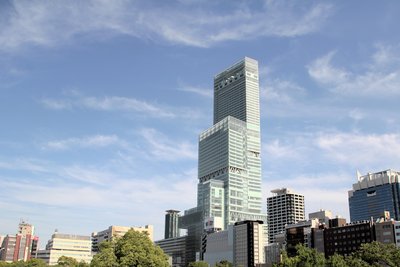
Osaka Marriott Miyako Hotel
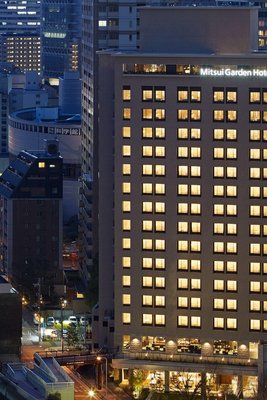
Mitsui Garden Hotel Osaka Premier
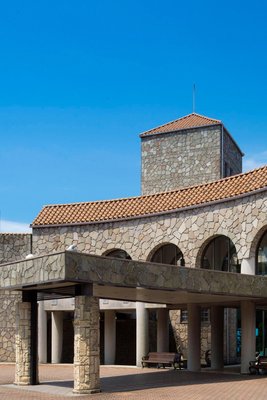
Izumigo Hotel Altia Toba
BIWAKO HANAKAIDO
Biwako Ryokusuitei
Hotel Kitanoya
Hanagoyomi
Kawayu Onsen Fujiya
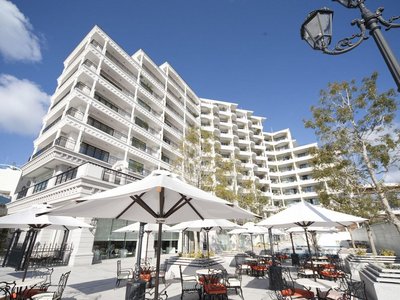
Hotel La Suite Kobe Harborland

AoAwo Naruto Resort
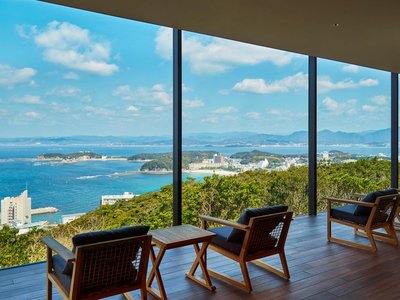
Infinito Hotel and Spa
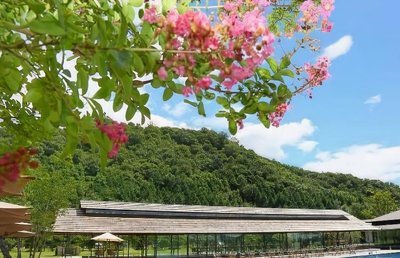
Bella Vista Spa and Marina Onomichi
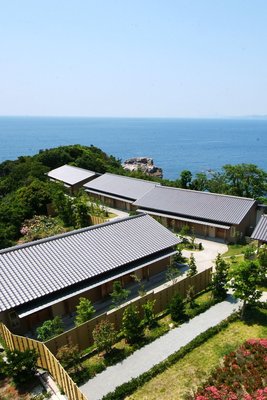
Hamachidorinoyu Kaisyu
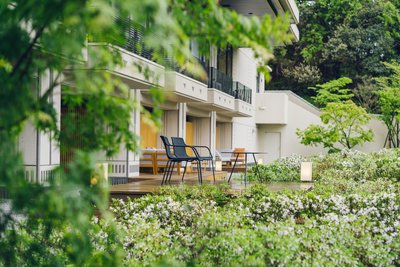
Hoshino Resorts Kai Enshu
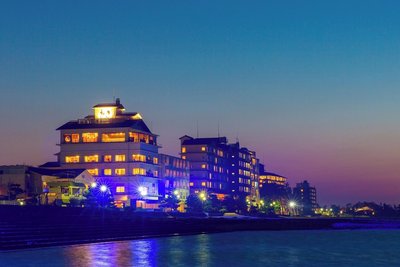
Kaike Shogetsu
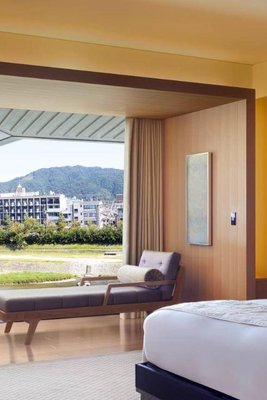
The Ritz-Carlton, Kyoto
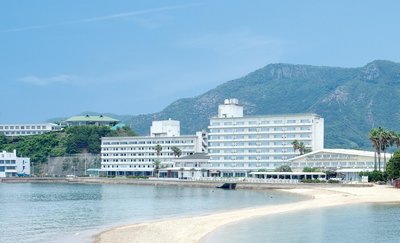
Shodoshima International Hotel
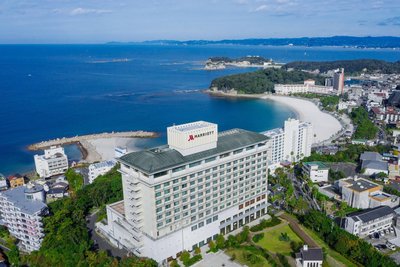
Nanki-Shirahama Marriott Hotel
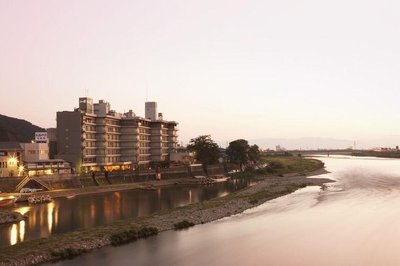
Juhachiro
Yado Kiramachi
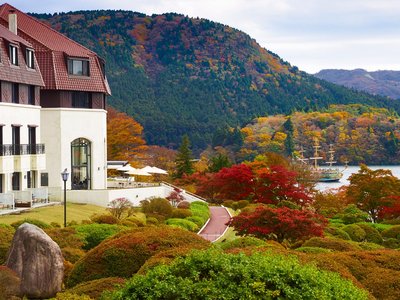
Hotakajyo
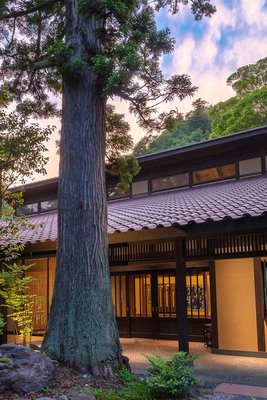
Arimasansoh Goshobessho
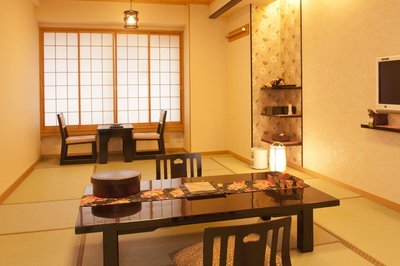
Matsui-Bekkan Hanakanzashi
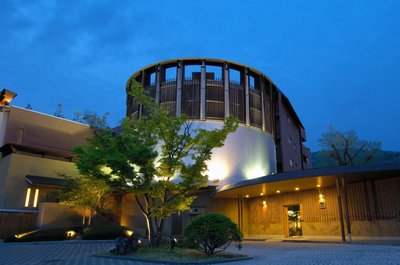
Hoshino Resorts Kai Matsumoto
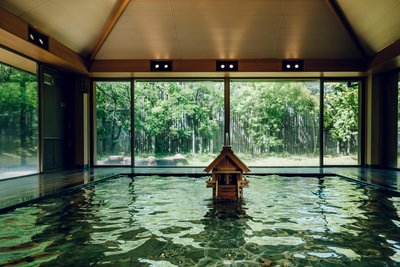
Hoshino Resorts KAI Tamatsukuri
Taikyourou
Monjusou Shourotei
Kasuga Hotel
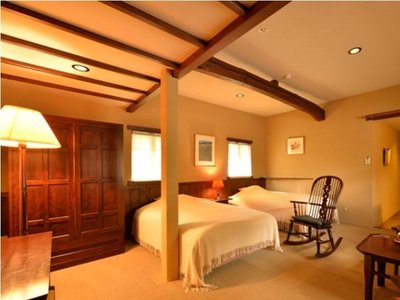
Ryokan Sugimoto
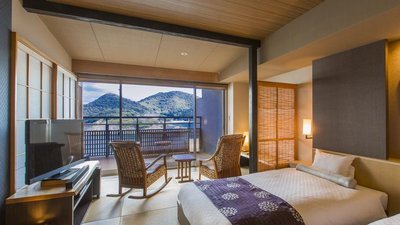
Migiwatei Ochi Kochi
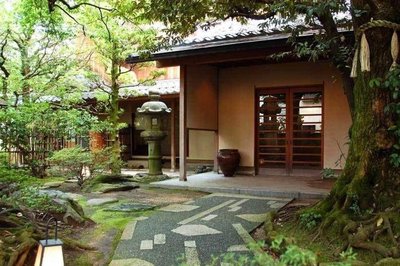
Kocho
Hotel New Wakasa
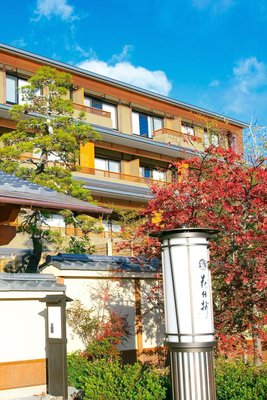
Kyoto Arashiyama Onsen Kadensho (Kyoritsu Resort)
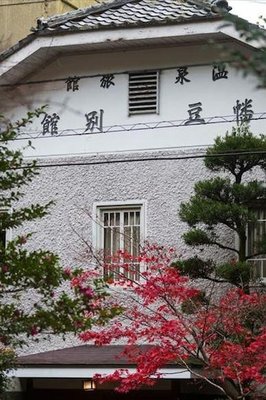
Oku-Mikawa・Yuya Onsen HAZU Bekkan
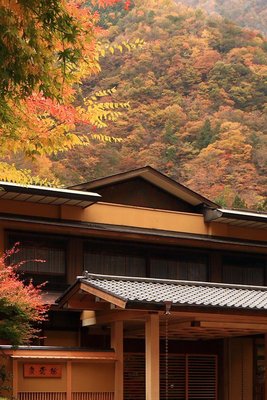
Nishiyama Onsen Keiunkan
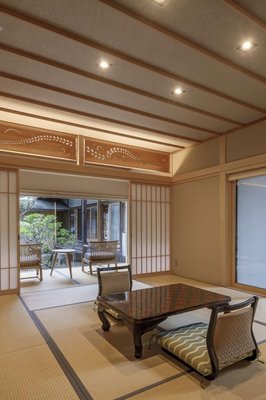
Ichijoin
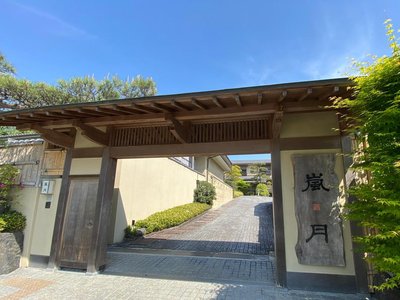
Rangetsu
The Ritz-Carlton, Kyoto
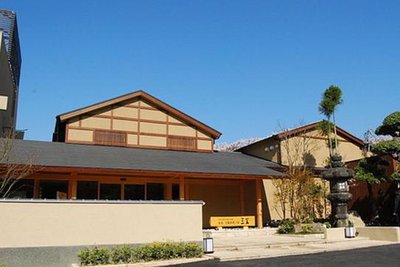
Mikasa
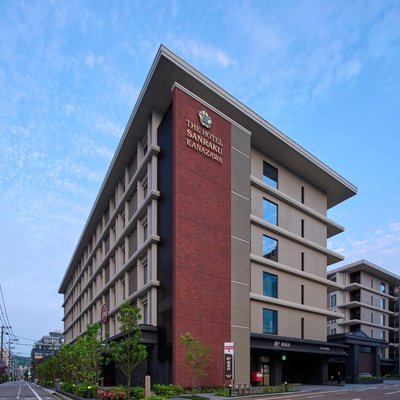
The Hotel Sanraku Kanazawa 21th December 2022 Open
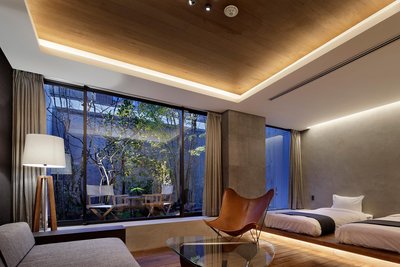
22 PIECES

The Ritz-Carlton, Osaka
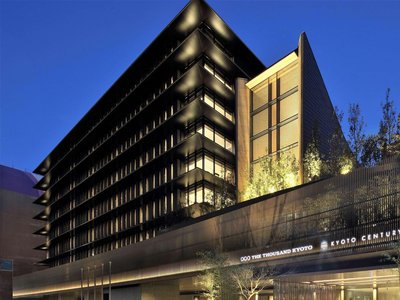
The Thousand Kyoto
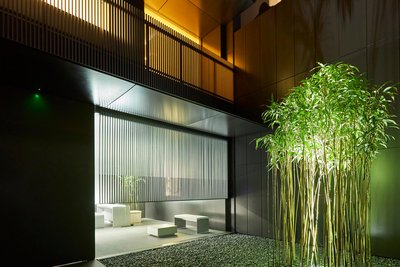
Mogana
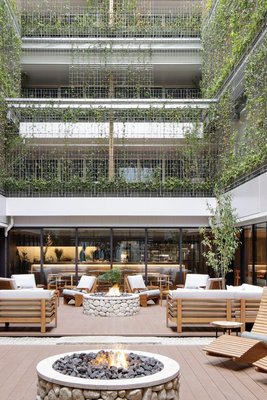
GOOD NATURE HOTEL KYOTO
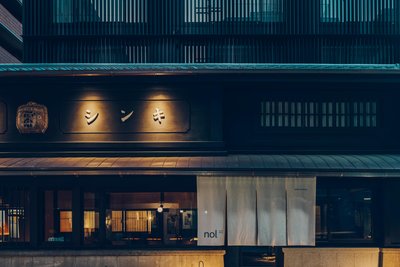
Nol Kyoto Sanjo
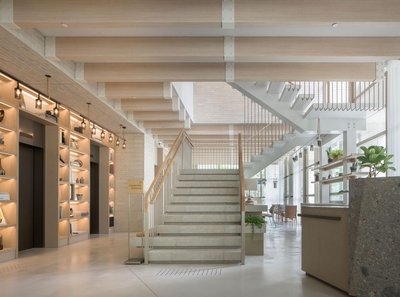
Zentis Osaka
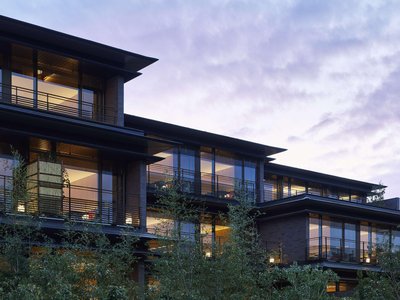
Garrya Nijo Castle Kyoto
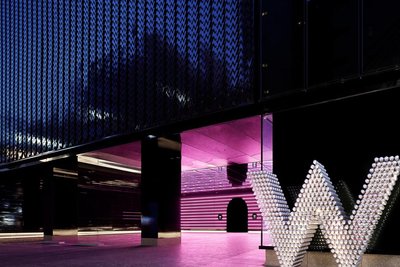
W Osaka
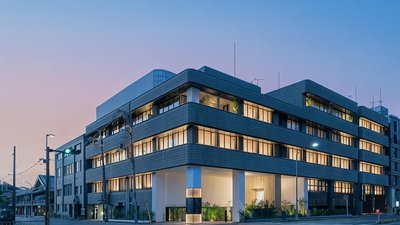
Hotel Kanra Kyoto
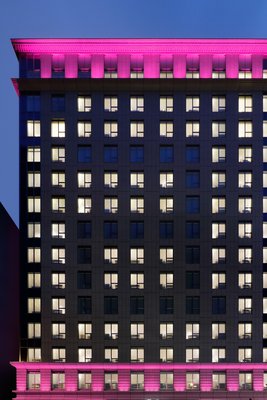
Aloft Osaka Dojima
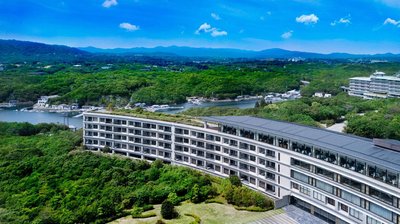
Shima Kanko Hotel the Bay Suites
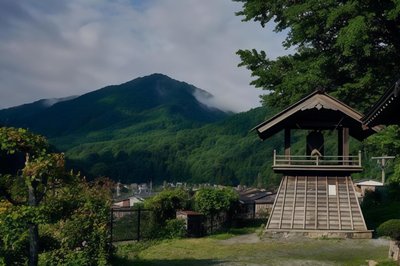
Byaku Narai
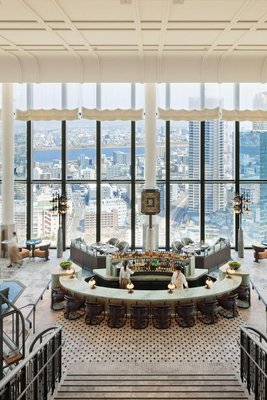
Waldorf Astoria Osaka
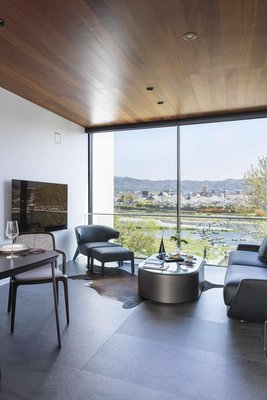
Kamo Residences by Reflections
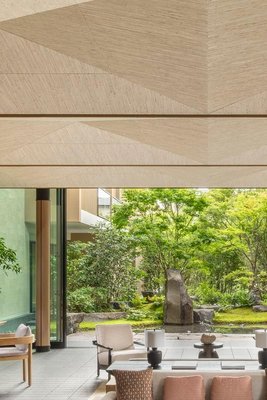
Six Senses Kyoto
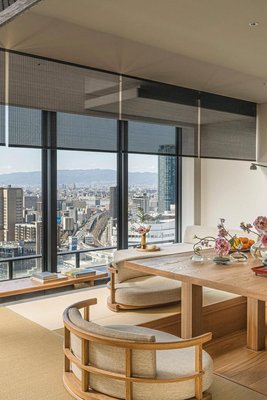
Four Seasons Hotel Osaka
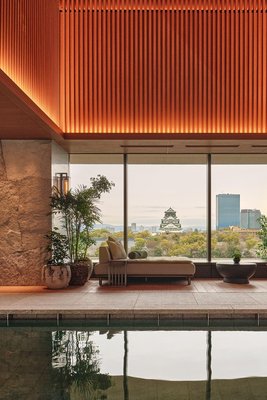
Patina Osaka
The Ritz-Carlton, Osaka
Arimasansoh Goshobessho
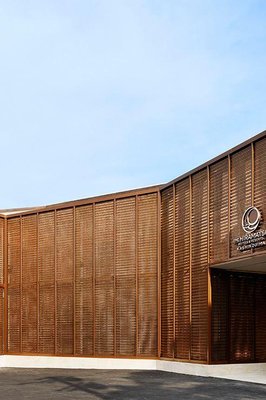
The Hiramatsu Hotels & Resorts Kashikojima
The Ritz-Carlton, Kyoto
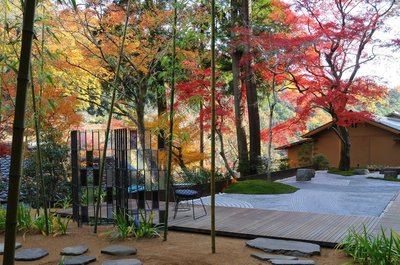
HOSHINOYA Kyoto
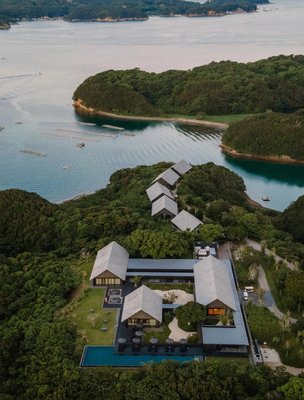
Amanemu
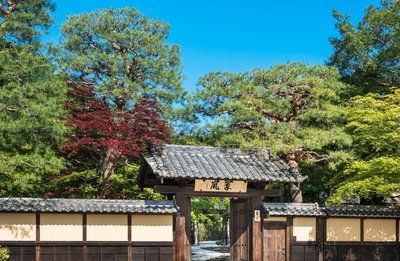
Suiran, a Luxury Collection Hotel, Kyoto
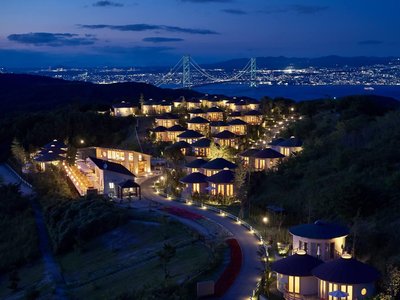
Grand Chariot Hokutoshichisei 135°
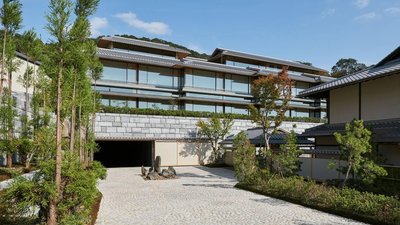
Park Hyatt Kyoto
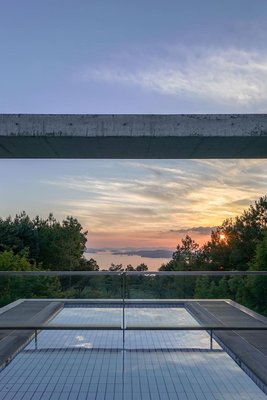
SETOUCHI RETREAT by Onko Chishin
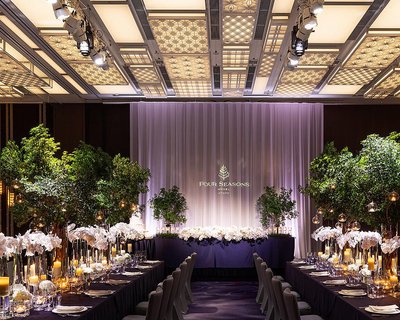
Four Seasons Hotel Kyoto
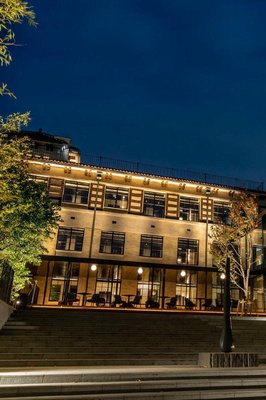
The Hotel Seiryu Kyoto Kiyomizu - a Member of the Leading Hotels of the World-
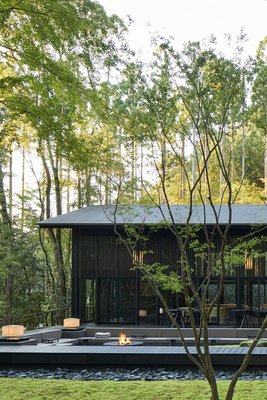
Aman Kyoto
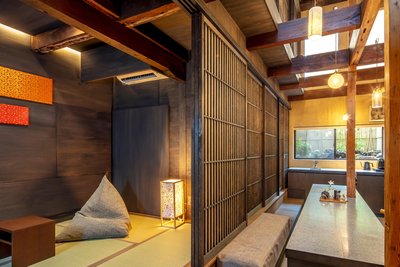
Kyo No Oozora Kihana
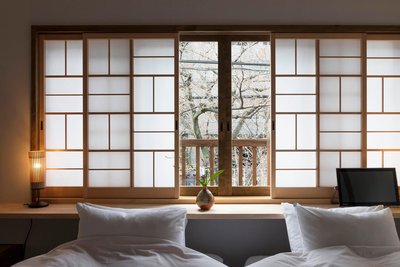
Hanagoromo Machiya House
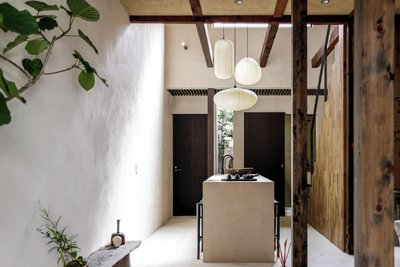
Maana Kiyomizu
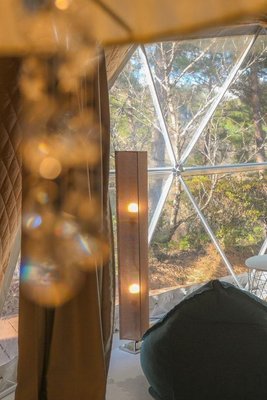
glampark Gekkabijin Nagano
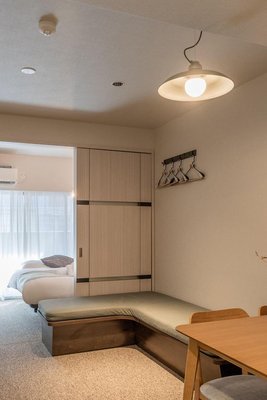
Apartment Hotel 11 Shinsaibashi
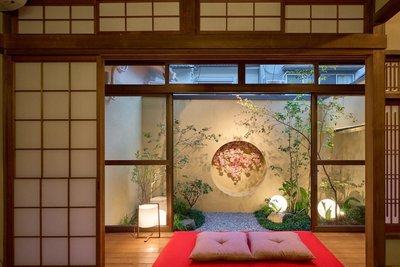
KONJAKUSO Osaka Tengachaya "NIHONCHA" Tea & Relax
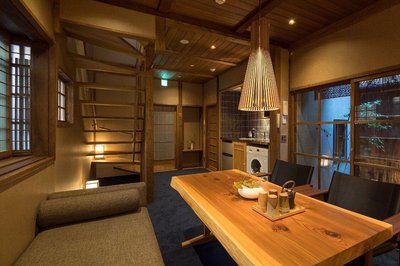
Bonbori an Machiya House
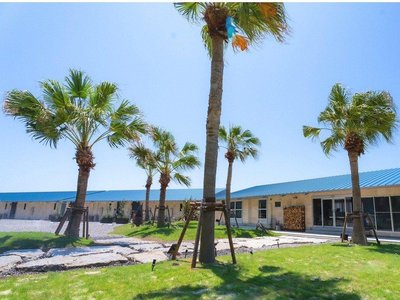
Glamping&Resort Wood Design Park Noma
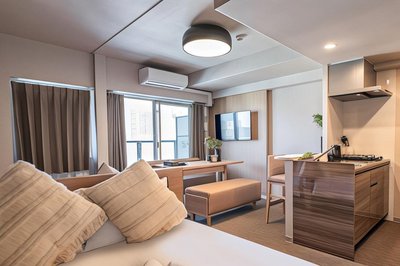
Apartment Hotel 11 Shinsaibashi III
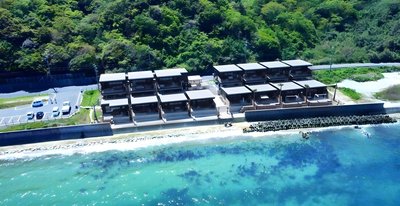
Solavilla Umi Terrace Minamiawaji
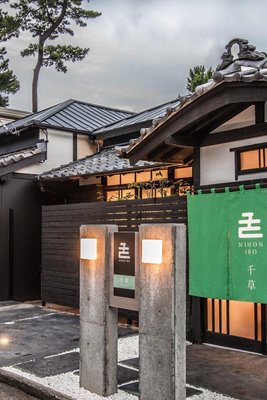
Nihon Iro
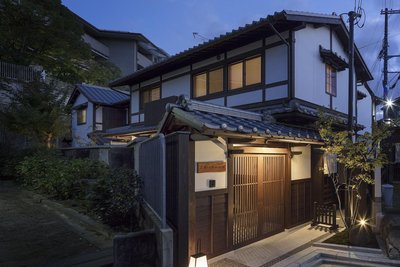
The Machiya Villa Sanjo Shirakawa Koji
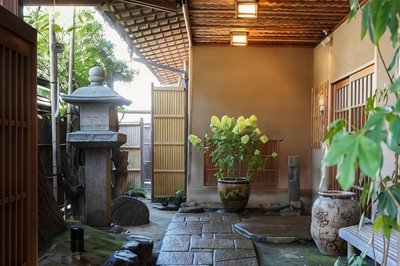
Ryokan Asadaya
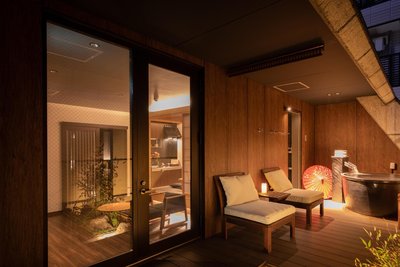
Konjaku-So Dotonbori
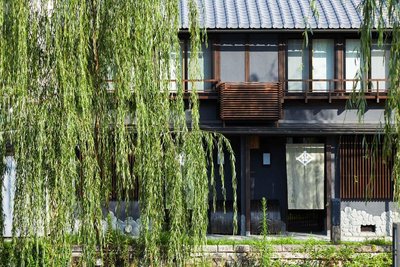
Gion Shirakawa No Yado

Kitashirakawa Natural Radium Onsen
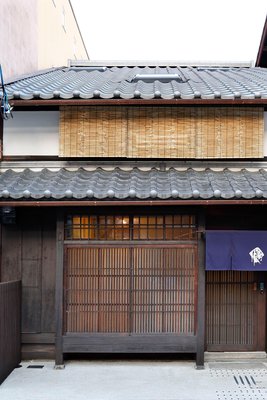
Kyo No Ondokoro Kamanza Nijo #2
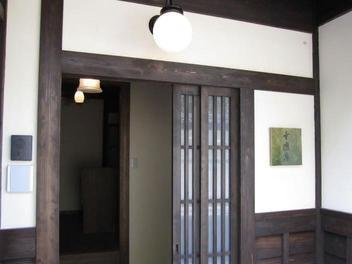
Gion Koyu an Machiya House
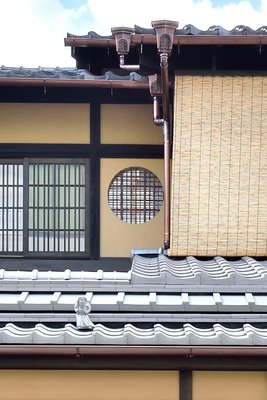
Kyo No Ondokoro Gokomachi Ebisugawa #3

Sana Mane - Glamp Domes
Shima Kanko Hotel the Bay Suites
Byaku Narai
Waldorf Astoria Osaka
Kamo Residences by Reflections
Six Senses Kyoto
Four Seasons Hotel Osaka
Patina Osaka
The Ritz-Carlton, Osaka
Arimasansoh Goshobessho
The Hiramatsu Hotels & Resorts Kashikojima
The Ritz-Carlton, Kyoto
HOSHINOYA Kyoto
Amanemu
Suiran, a Luxury Collection Hotel, Kyoto
Grand Chariot Hokutoshichisei 135°
Park Hyatt Kyoto
SETOUCHI RETREAT by Onko Chishin
Four Seasons Hotel Kyoto
The Hotel Seiryu Kyoto Kiyomizu - a Member of the Leading Hotels of the World-
Aman Kyoto
Frequently Asked Questions about Traveling to Sanda
Questions You Might Need to Know About Traveling to Sanda
In Sanda City, Yamato Hotel Sanda stands out for its blend of modern comfort and traditional Japanese aesthetics. Located near Sanda Castle Ruins Park, it offers tatami rooms, a tea ceremony space, and seasonal events like matcha tasting workshops. The hotel’s proximity to Sanda City Museum and San'yō Electric Railway Station makes it ideal for travelers seeking cultural immersion without sacrificing convenience. Local staff provide personalized recommendations for hidden gems in the region.
The city center district around Sanda Station is the most convenient area for lodging. It's within walking distance of Sanda Castle Ruins Park, Sanda City Museum, and numerous local eateries. With frequent San'yō Electric Railway services connecting to Kobe and Osaka, this area balances tranquility with accessibility. Many guesthouses here offer Japanese-style gardens and kotatsu-equipped rooms, perfect for experiencing authentic rural Japanese living.
Visitors to Sanda City can join guided archaeological tours at Sanda Castle Ruins, exploring the legacy of the Hosokawa Clan from the Sengoku period. During spring, don’t miss the Sanda Cherry Blossom Festival, where over a thousand Somei Yoshino cherry trees light up the park with soft illumination. Additionally, hands-on pottery workshops led by local artisans use regional clay, allowing guests to create their own traditional pieces—ideal for meaningful souvenirs.
Yamato Hotel Sanda is highly recommended for families, offering spacious family rooms, complimentary cribs, and children’s breakfasts. The hotel is steps away from Sanda Castle Ruins Park, perfect for kids to explore nature and ride bikes. Nearby, Sanda City Library and a children’s interactive exhibition hall provide educational fun. Family packages include spa vouchers and local gift sets, making it a stress-free, joyful stay for all ages.
While not a bustling metropolis, Sanda Castle Ruins Park transforms into a magical scene during nighttime illuminations. During cherry blossom season and festivals, the ancient walls and trees are softly lit, evoking a serene Edo-era atmosphere. Strolling along the riverside path, visitors can enjoy the gentle glow of street lamps reflecting on the water, accompanied by the quiet passage of San'yō Electric Railway trains—a peaceful, poetic experience perfect for evening photography.
Try Sanda beef steak, a more affordable version of Kobe beef, served at local restaurants in Sanda Old Town. Don’t miss Sanda tofu (Sakari Tofu), known for its smooth texture, often enjoyed in hot pots or sushi. Also sample fermented pickled fish made with Kobe soy sauce. At local markets, grab handmade malt candy and chestnut mochi—both crafted by local farmers and excellent as gifts or treats.
Take the San'yō Electric Railway from Namba Station in Osaka to Sanda Station, a 45-minute journey with frequent departures and a fare of about ¥700. Alternatively, transfer at Shin-Imamiya Station for direct access. Upon arrival, walk 10 minutes to major attractions and hotels. For drivers, take the Hanshin Expressway then the Kobe-Awaji Expressway, reaching Sanda in about 60 minutes—ideal for scenic views of the Akashi Strait Bridge.
Sanda Castle Ruins Park is a must-visit for photographers, especially during cherry blossom season when blooming trees contrast with ancient stone walls. Sanda Old Town features preserved Showa-era wooden buildings, red-brick facades, and paper lanterns—perfect for vintage-style shots. The Sanda City Museum courtyard hosts contemporary sculptures amid lush greenery, ideal for artistic portraits. Evenings bring dreamy reflections along the riverside path, enhanced by warm lamplight and tranquil ambiance.
Although Sanda lacks large-scale hot spring resorts, Yamato Hotel Sanda features an authentic indoor/outdoor onsen heated by natural groundwater rich in minerals, ideal for muscle relaxation. The bathhouse incorporates dry landscape garden elements, with views of bamboo groves through sliding doors. There’s also Sanda Onsen Kaikan, offering basic soaking and massage services. Reservations are advised, especially on weekends and holidays.
Sanda City appeals to travelers seeking slow travel, cultural authenticity, and serene countryside retreats. Ideal for history enthusiasts, craft lovers, and families wanting a peaceful escape from urban chaos. It’s also a perfect stopover for those exploring Kobe or Osaka, offering a low-key base with easy access to major cities. Compact layout means most sights are walkable, making it ideal for light-footed, mindful travelers.
Sanda Overview
City Summary
Sanda City, located in the southeastern part of Hyogo Prefecture, Japan, is a tranquil city blending nature and history. Known for Arima-Fuji Park and Sanda beef, it boasts rich hot spring resources and traditional crafts. Surrounded by the Rokko Mountain range, the city offers excellent hiking trails while preserving Edo-period streetscapes, reflecting its deep historical roots.
Must-See Attractions
Arima-Fuji Park is a must-visit with vast lawns and playgrounds ideal for families. Sanda City History and Folklore Museum showcases local history and crafts like Sanda-yaki pottery. Sanda Onsen provides a relaxing experience, while Mount Rokko is perfect for hiking and night views.
Food Guide
Sanda is famous for Sanda beef, a premium Wagyu known for its tenderness—try it grilled or in shabu-shabu. Local specialties include Hyogo miso and Sanda somen noodles. Street food like takoyaki and okonomiyaki are also recommended.
Transportation Guide
Sanda's primary transport is buses, with a well-connected network to major sites. From Kobe or Osaka, take JR or Hankyu Railway to Sanda Station (30-40 minutes). The Kansai Area Pass can save travel costs. Taxis are scarce; HopeGoo in advance is advised.
Best Time to Visit
The best seasons are spring (March-May) and autumn (September-November) for mild weather and scenic beauty. Summers are hot but great for mountain retreats; winters occasionally see snow, enhancing onsen experiences.
Travel Tips
- Sanda is quiet—keep noise levels low to respect locals.
- Follow onsen etiquette (e.g., shower before bathing).
- Some restaurants, especially Sanda beef specialties, require reservations.
- Carry water and sunscreen for mountain hikes.
- Cash is primary; carry sufficient yen.
- Public transport has limited schedules—check timetables in advance.
Useful Information
Japanese is the main language; some attractions have English signs. Network coverage is good—consider a local SIM or WiFi hotspot. Cash dominates payments, though some shops accept cards. For emergencies, dial 119; Sanda City Hospital is the main facility. Offline maps are recommended.