Hotels in Sankt Ingbert
Discover your perfect stay in Sankt Ingbert.
Sankt Ingbert(Germany) Travel 2026: Cheap Flights, Hotels & Top Attractions
Popular Landmarks in Sankt Ingbert
Discover the most iconic attractions in Sankt Ingbert
Recommended Hotels in Sankt Ingbert
Find the perfect place to stay in Sankt Ingbert
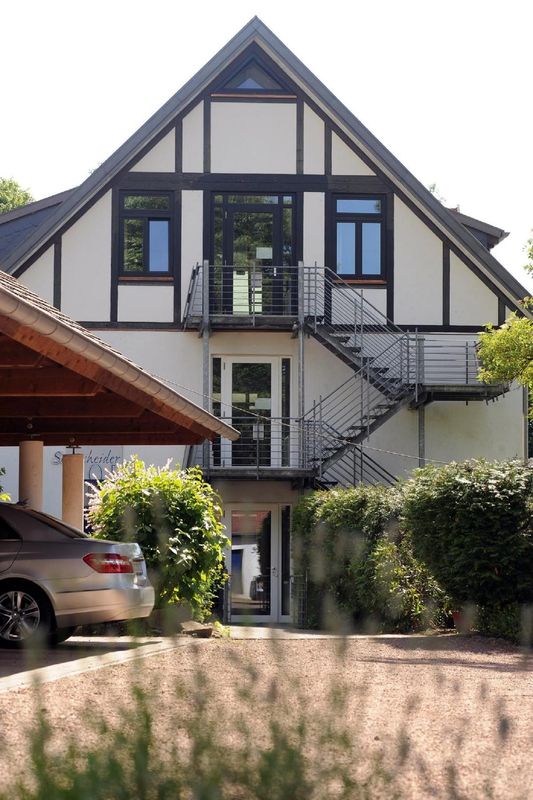
Hotel Restaurant Sengscheider Hof
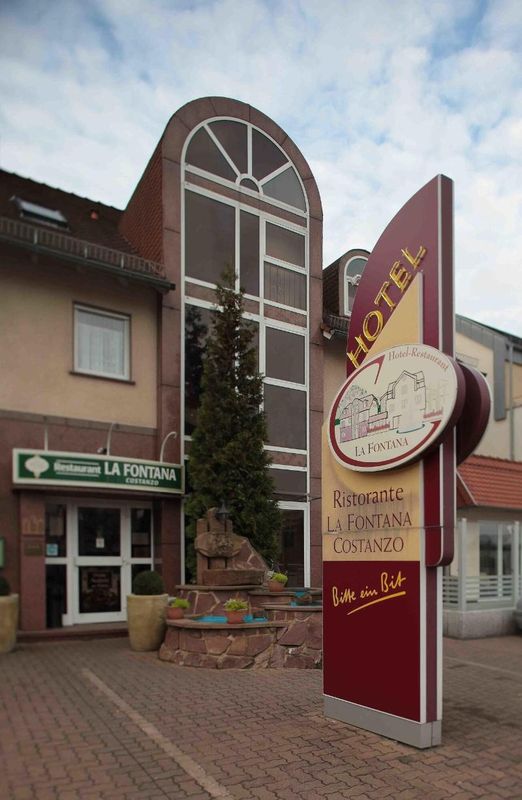
Hotel-Restaurant la Fontana
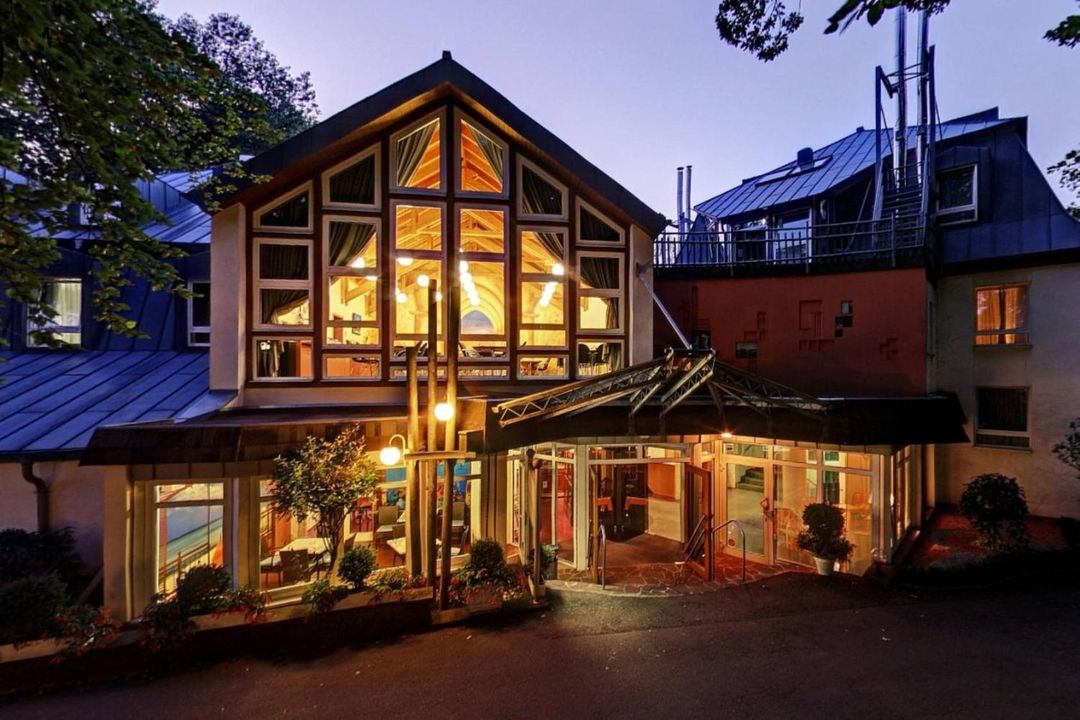
Alfa Hotel
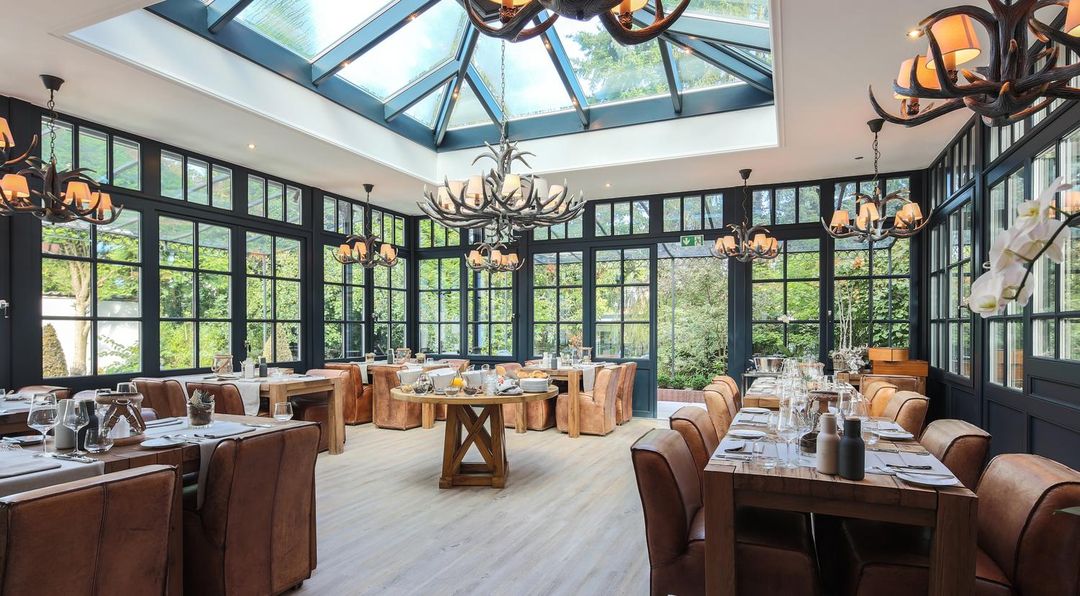
Villa Almarin
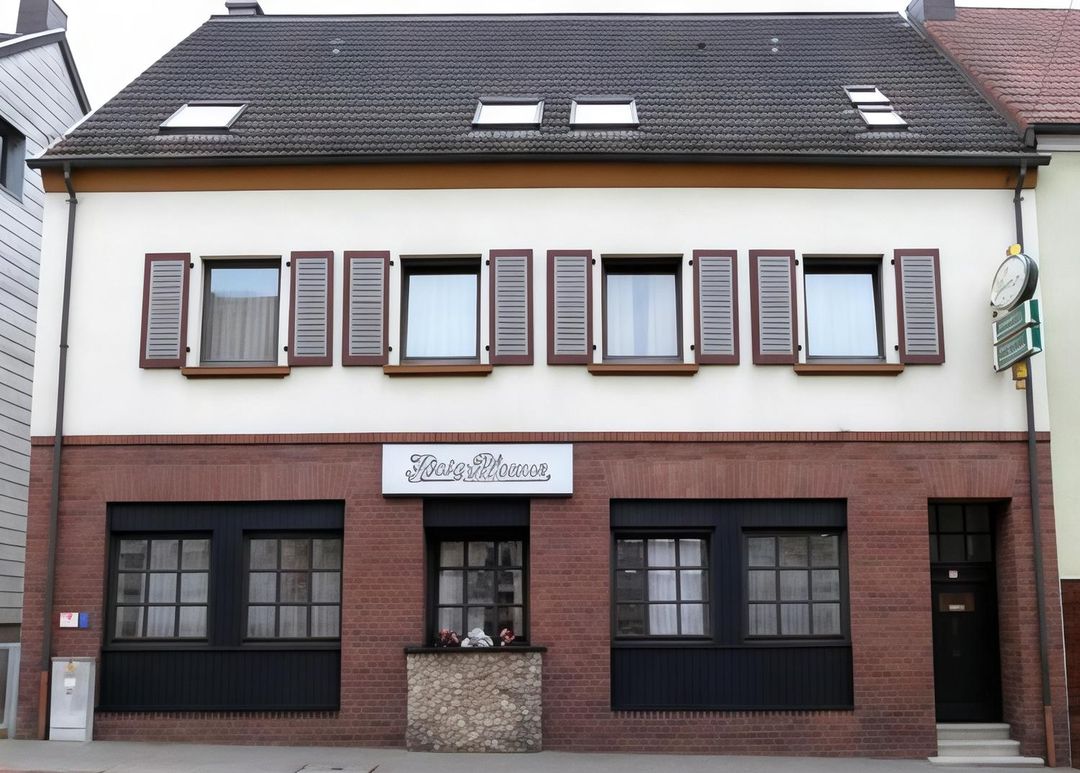
Zum Mühlehannes
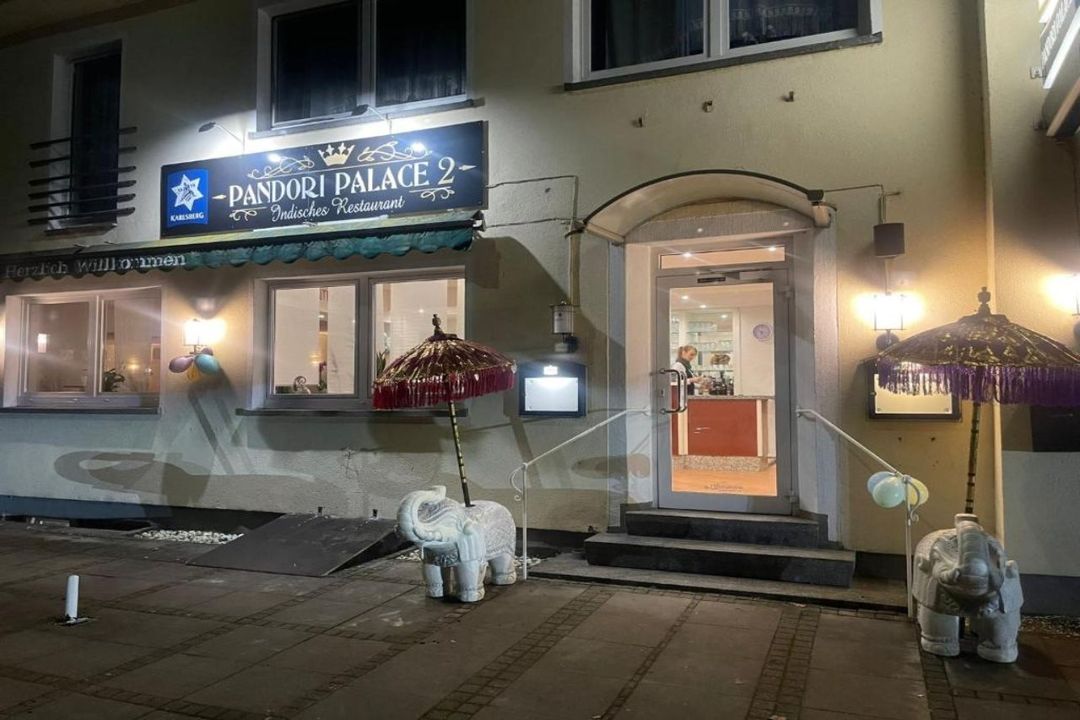
Hotel am Wildpark
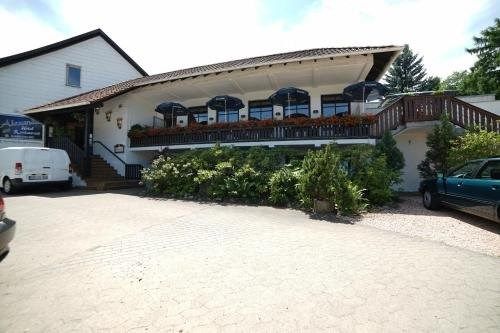
Hotel Alexander
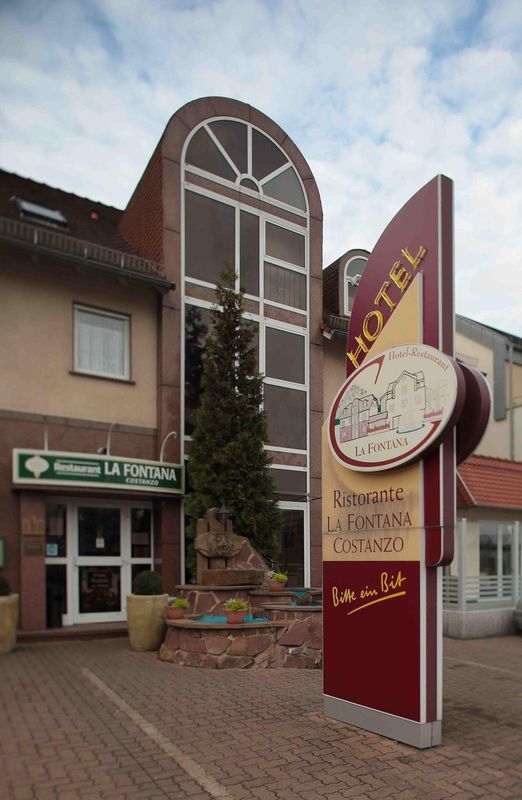
Hotel La Fontana Costanzo
Frequently Asked Questions about Traveling to Sankt Ingbert
Questions You Might Need to Know About Traveling to Sankt Ingbert
For an authentic cultural experience, stay at Hotel am Rathaus, located steps from the historic Rathaus (Town Hall). This boutique hotel blends traditional Saarland architecture with modern comforts, featuring wooden interiors and panoramic views of the Saar River. It offers free bicycle rentals to explore the scenic Rhine-Danube Trail. The on-site restaurant specializes in regional dishes like smoked pork and house-brewed sauerbier, providing a true taste of local life. Many guests praise its commitment to sustainability through solar energy and rainwater recycling systems.
The city center is ideal for first-time visitors, offering easy access to key attractions like the St. Martinus Church, Rathaus, and main shopping streets. Located just a 15-minute walk from Saarbrücken Train Station, it’s highly convenient for travelers. The area also hosts vibrant nightlife with traditional German taverns (Brauerei) and lively weekend events. Recent urban development has prioritized green spaces and eco-friendly infrastructure, making it both charming and sustainable for modern travelers.
Tourists should attend the annual Saarland Volksfest held in Brück Park, featuring folk parades, craft markets, and live regional music. Participate in a pottery workshop by the Saar River, where local artists teach traditional industrial-style ceramics. For history enthusiasts, visit the Old Miners' Museum, which preserves the city’s coal-mining heritage. These immersive activities offer deep insights into St. Ingbert’s identity as a former mining hub.
Yes, St. Ingbert is highly family-friendly. Key attractions include the KinderNaturpark (Children's Nature Park) and Saar River Splash Plaza, both designed with safety and play in mind. Most hotels offer complimentary cribs and family rooms. The St. Ingbert Zoo, though modest in size, features native species like the Saar wolf and European wild boar—ideal for children’s education. Electric shuttle buses accommodate strollers and luggage, enhancing accessibility throughout the city.
Local breakfasts often feature Saarland rye bread, house-made sauerkraut with smoked ham, and regional honey paired with fresh pastries and German sausages. Some upscale hotels, like Hotel Saarland, serve a "Miner's Breakfast" themed menu inspired by 19th-century miners’ meals—featuring roasted potatoes, cured beef, and black coffee. All ingredients are sourced from nearby farms, ensuring freshness and authenticity.
St. Ingbert’s nightlife is relaxed yet culturally rich. Traditional German taverns (Gasthäuser) like Zum Alten Schacht serve locally brewed sauerbier and hearty dishes such as duck stew. Every Friday, jazz nights take place at the Brück Park Outdoor Stage. Several bars feature underground wine cellars offering aged wines and artisanal liqueurs—perfect for quiet evenings. The atmosphere emphasizes community and tradition over noise.
Must-visit landmarks include St. Martinus Church, a 13th-century Gothic structure with a striking spire that defines the city skyline. The Old Miners' Memorial in Brück Park honors workers lost in mining accidents. Also notable is the Saarbrücke Bridge, rebuilt in original style, symbolizing the city’s industrial evolution. These sites can be easily explored via guided bike tours, connecting multiple heritage points seamlessly.
Yes, St. Ingbert has excellent public transit. A network of electric buses links major attractions and residential areas. From Saarbrücken Train Station, regional trains reach St. Ingbert Central Station in just 10 minutes. The city promotes low-carbon travel with free bike-sharing stations at Rathaus Square and Brück Park, making it easy to ride along the Saar River Trail. Parking is limited, so using public transport or shared bikes is strongly recommended.
Most hotels, including Hotel am Rathaus and Hotel Saarland, provide English and German service, with some staff fluent in French and Spanish. Multilingual brochures, menus, and digital guides are standard. Some hotels even feature smart voice assistants capable of real-time translation for greetings and itinerary reminders. The tourist information center offers 24/7 multilingual assistance, ensuring seamless communication for international guests.
Try Saarland smoked pork, rye bread with sauerkraut, and handmade duck stew. Visit Hofbräu St. Ingbert, known for its signature dish, the "Miner's Bowl" (Grubenkessel)—a hearty soup of root vegetables, potatoes, and cured meat reflecting the city’s mining roots. On Saturdays, head to Brück Market for fresh cheese, homemade jam, and artisanal chocolate from local producers. These culinary experiences offer a genuine taste of regional life.
Sankt Ingbert Overview
City Summary
St. Ingbert, located in the Saarland region of Germany, is a charming town with a medieval atmosphere. Renowned for its natural beauty and cultural heritage, it features lush forests, historic churches, and traditional German architecture. The town's tranquil vibe and slow-paced lifestyle attract visitors seeking a retreat from urban chaos, making it an ideal spot to explore rural Germany.
Must-See Attractions
In St. Ingbert, don't miss the St. Ingbert Church, a Gothic masterpiece with stunning interiors. The Marktplatz (Market Square) showcases traditional buildings and cozy cafés. For nature lovers, the nearby Blieskastel Forest offers excellent hiking and cycling trails.
Food Guide
Local specialties include Bratwurst (German sausage) and Sauerkraut. Try Sauerbraten (pot roast) and Kartoffelpuffer (potato pancakes) at traditional restaurants. Beer gardens serve a variety of local brews, perfect for experiencing German culinary culture.
Transportation Guide
Public transport includes buses and trains connecting to nearby cities. The town center is walkable, and bike rentals are available. Consider the Saarland Ticket for cost-effective travel. Renting a car is ideal for exploring regional attractions.
Best Time to Visit
The best times to visit are spring (April–June) and autumn (September–October), when the weather is mild and crowds are smaller. Summer (July–August) can be busy, while winter offers festive markets.
Travel Tips
- Respect local customs: Dress modestly in churches.
- Check shop hours: Many close on Sundays.
- Carry cash: Some small vendors don’t accept cards.
- Learn basic German: Simple phrases help with communication.
- Keep change handy: Public restrooms may charge a fee.
- Follow traffic rules: Cross streets only at designated signals.
Useful Information
The primary language is German, but English is understood in tourist areas. Free Wi-Fi spots are limited; consider a local SIM card. Cash is widely preferred, though cards work at larger establishments. Emergency services can be reached at 112. The voltage is 230V (Type F plug).