Hotels in Sano
Discover your perfect stay in Sano.
Sano(Japan) Travel 2026: Cheap Flights, Hotels & Top Attractions
Popular Landmarks in Sano
Discover the most iconic attractions in Sano
Recommended Hotels in Sano
Find the perfect place to stay in Sano
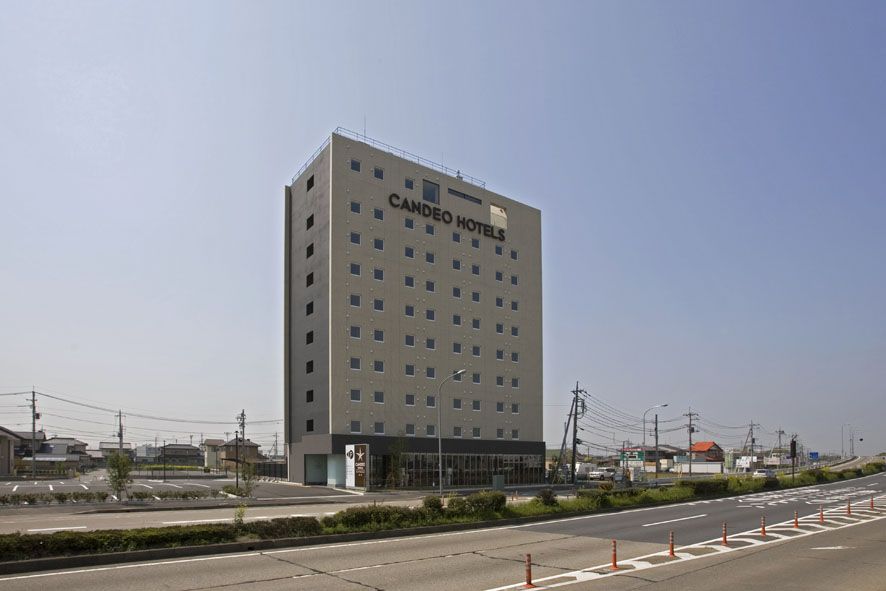
Candeo Hotels Sano
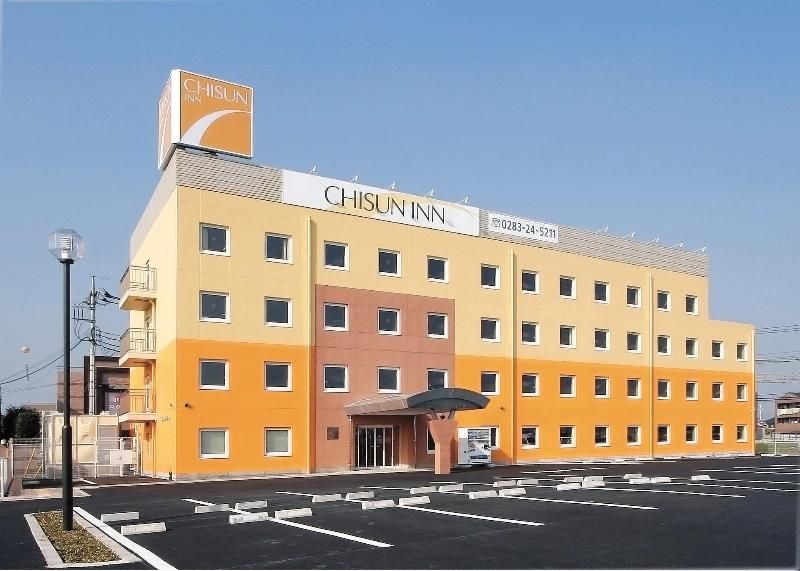
Comfort Inn Sano Fujioka Inter
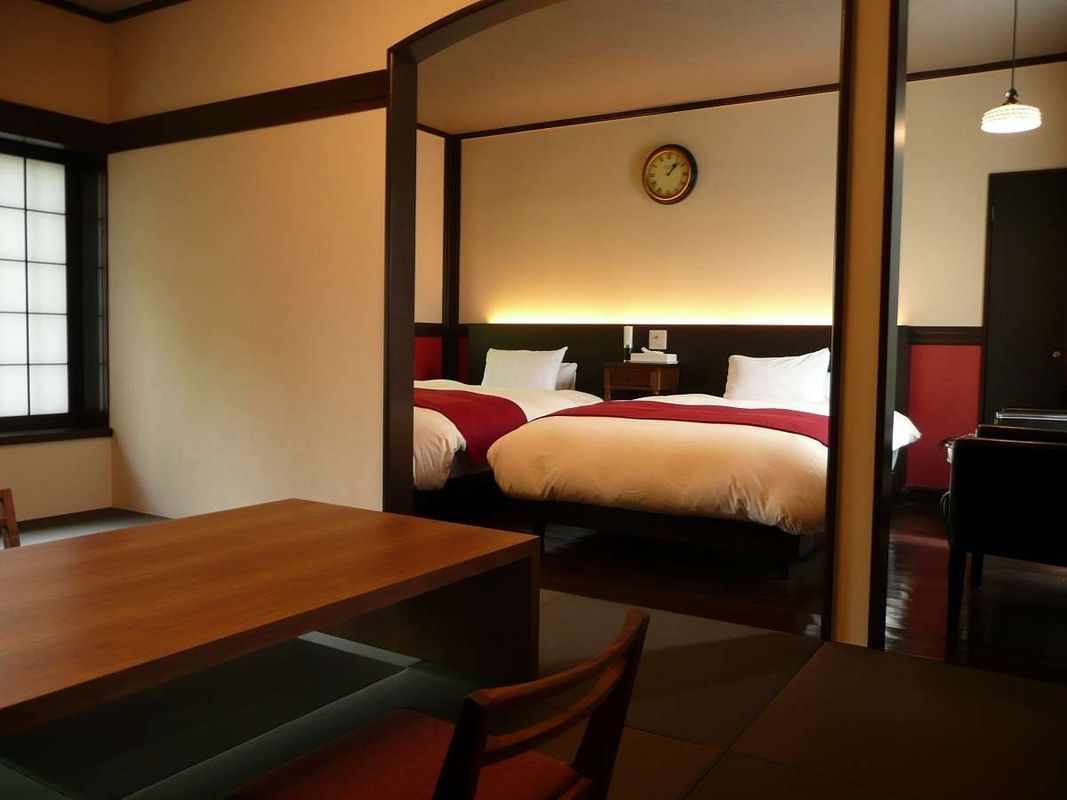
Hotel Ichinokan
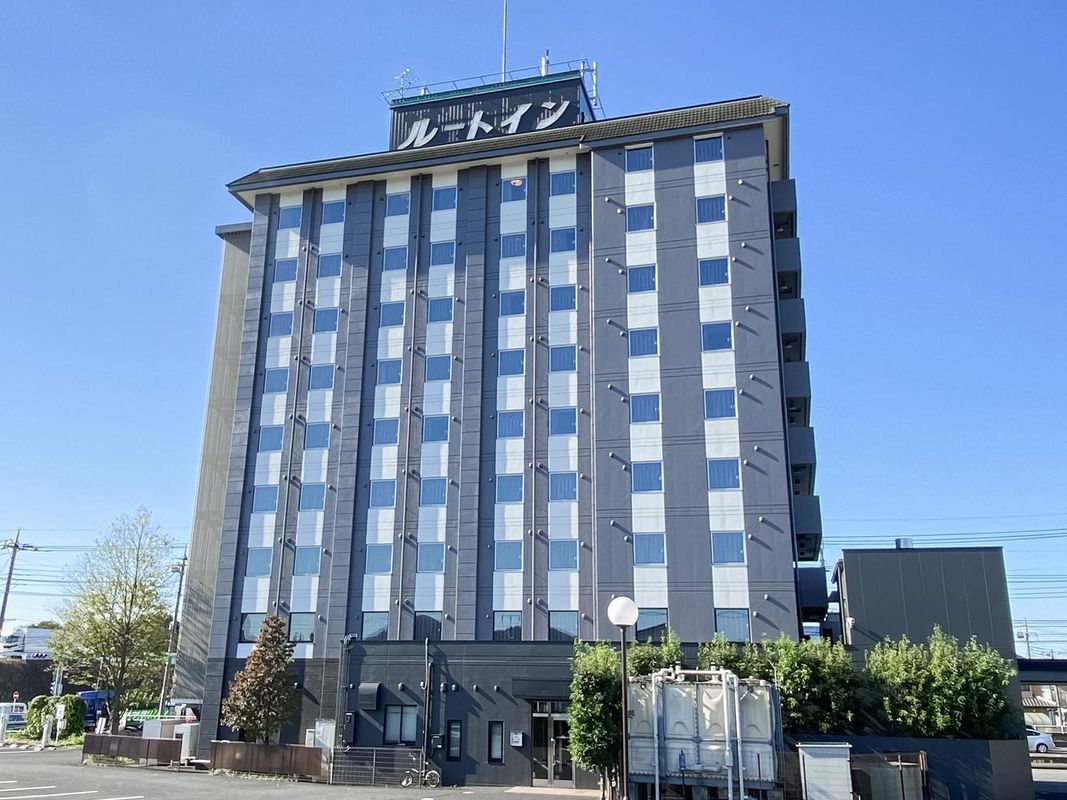
Hotel Route-Inn Sanofujioka Inter
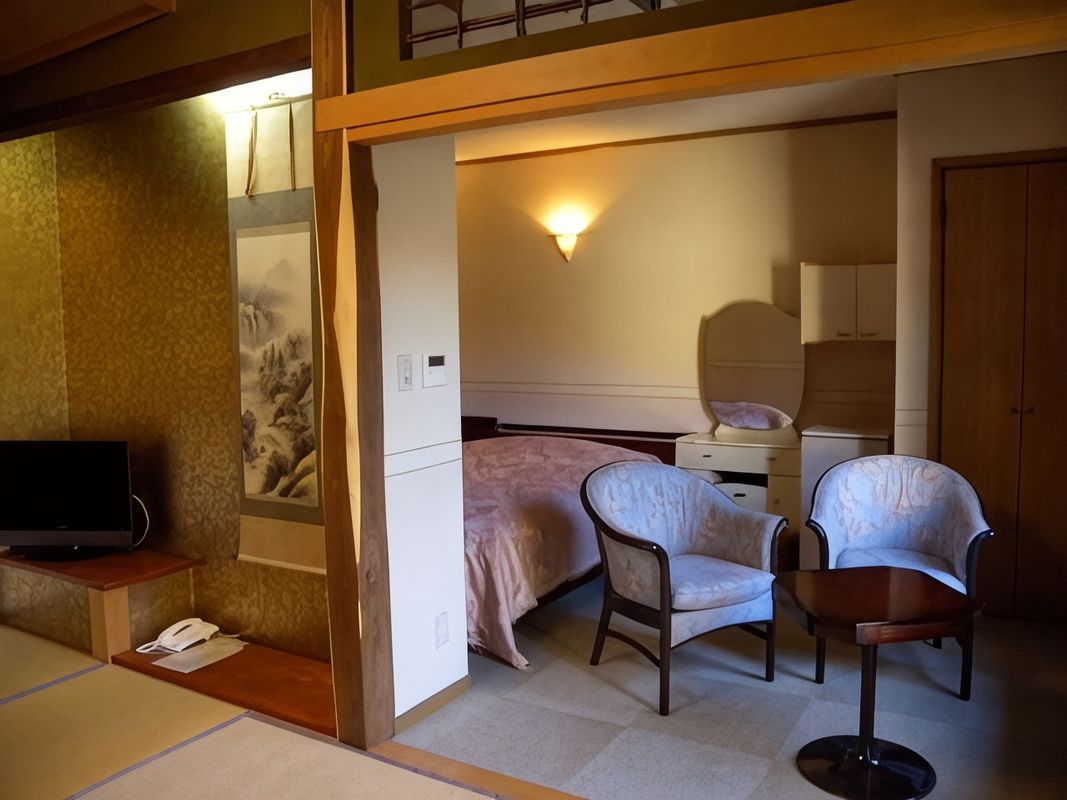
Koensou
Best Hotels in Sano
Discover curated hotel collections in Sano
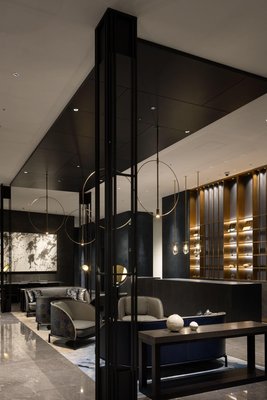
Bellustar Tokyo, A Pan Pacific Hotel
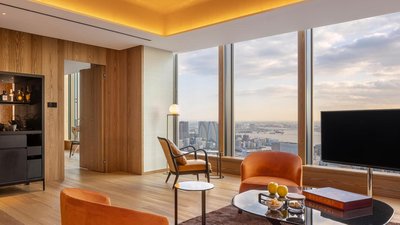
Bvlgari Hotel Tokyo
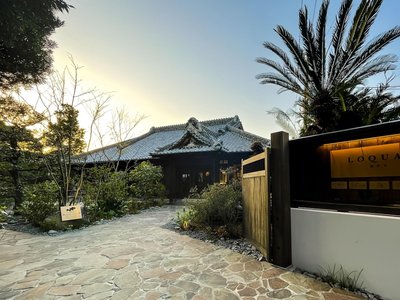
Loquat Nishiizu
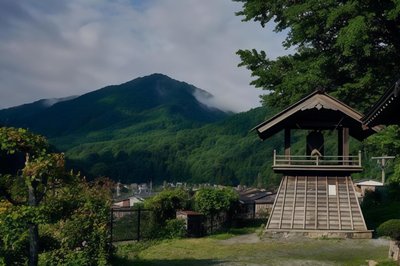
Byaku Narai
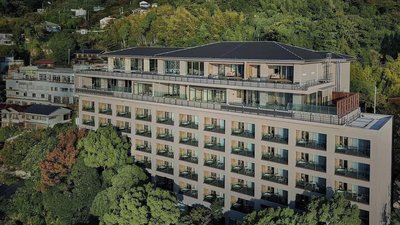
Atami Izusan Karaku
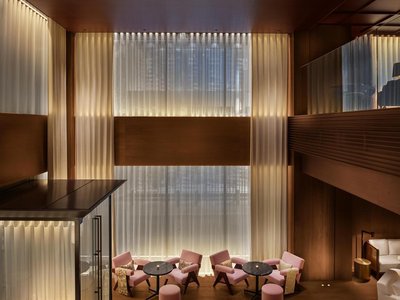
The Tokyo Edition, Ginza
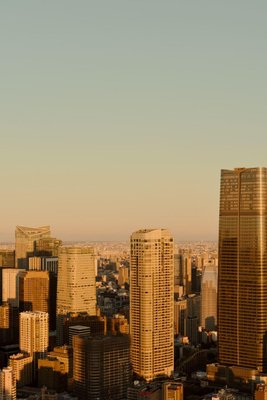
Janu Tokyo
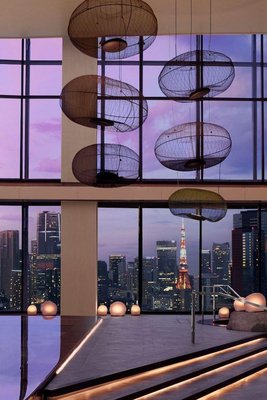
JW Marriott Hotel Tokyo
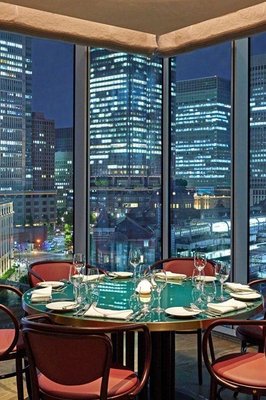
Four Seasons Hotel Tokyo at Marunouchi

Mandarin Oriental, Tokyo
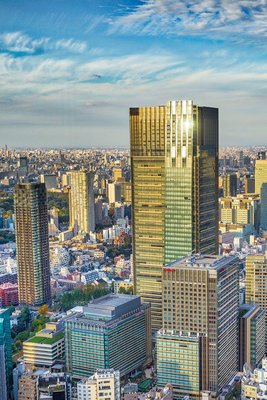
The Ritz-Carlton, Tokyo
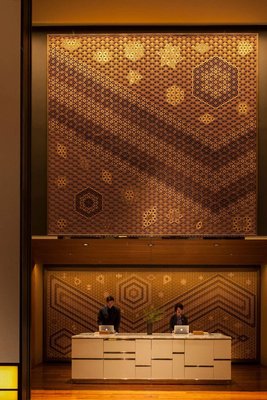
Andaz Tokyo Toranomon Hills- A Concept by Hyatt
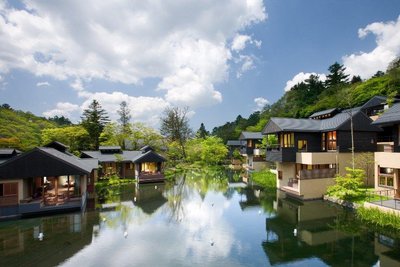
Hoshinoya Karuizawa
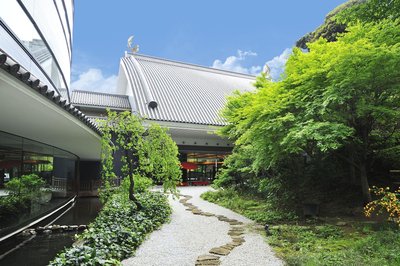
Hotel Gajoen Tokyo
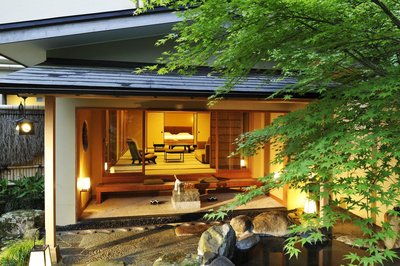
Gora Kadan
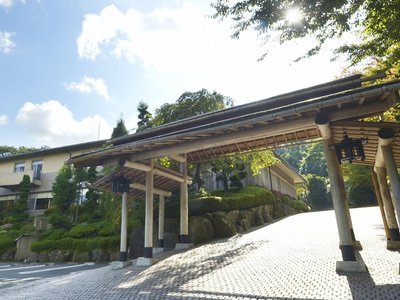
Gora Hanaougi
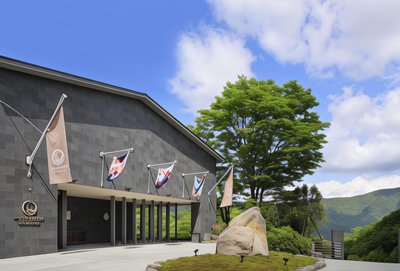
The Hiramatsu Hotels & Resorts Sengokuhara Hakone
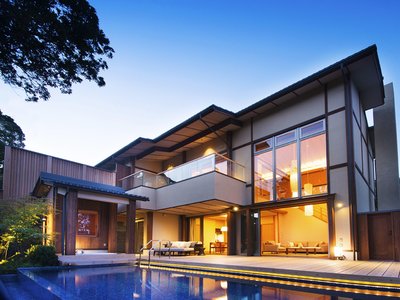
Abba Resorts Izu - Zagyosoh
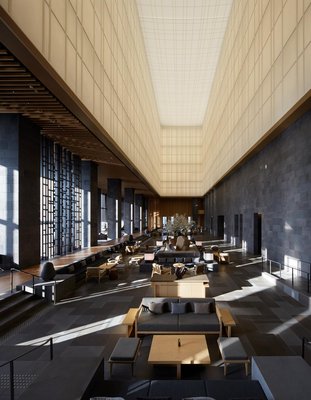
Aman Tokyo
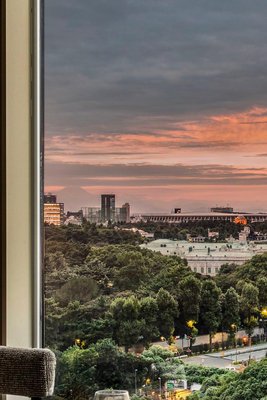
Hotel New Otani Tokyo, Executive House Zen
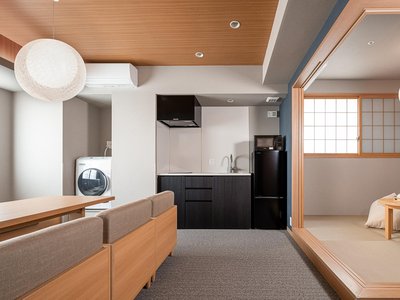
MIMARU SUITES Tokyo Asakusa
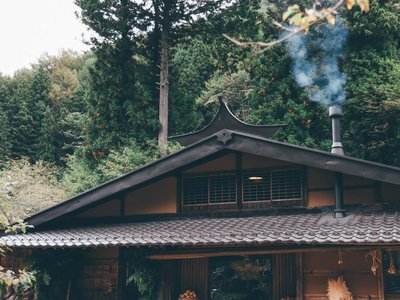
La Terra Resort
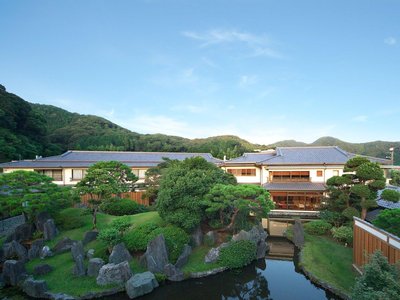
Kagetsutei
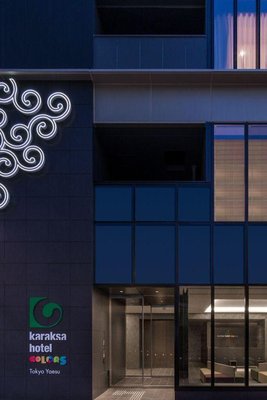
karaksa hotel colors Tokyo Yaesu
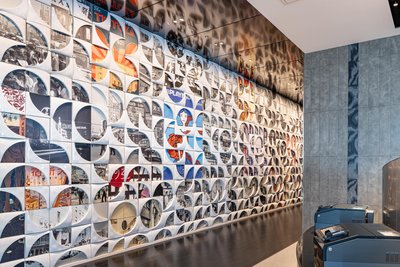
HOTEL GROOVE SHINJUKU, A PARKROYAL Hotel

EN Resort Grandeco Hotel
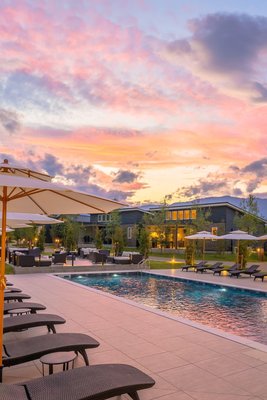
Awaumi Fujikawaguchiko Resort
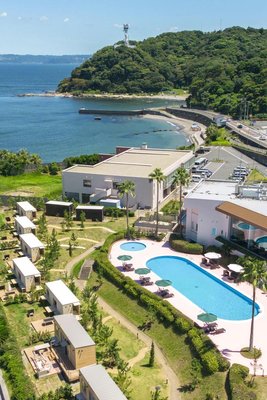
La vista Yokosuka Kannonzaki Terrace
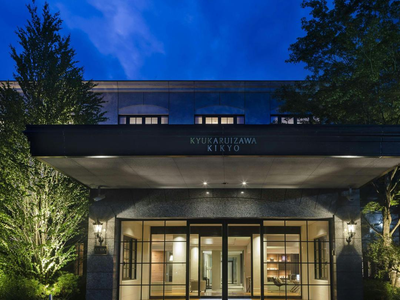
Fufu Karuizawa Wind of Sunshine
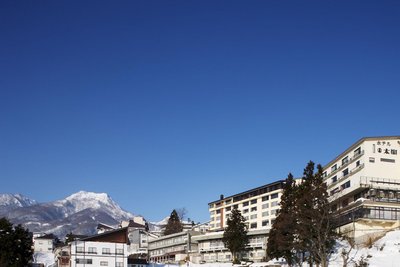
Hotel Taiko, Akakura Onsen
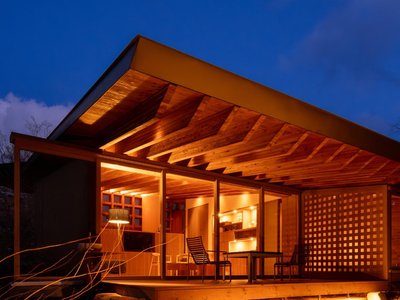
Nasu Mukunone
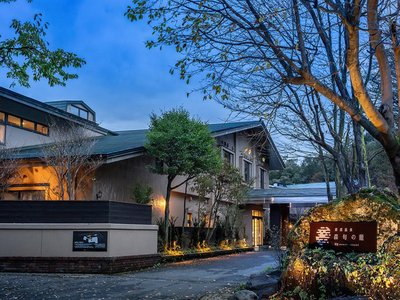
Nasu Onsen Shinshun no Kago Hewitt Resort

Scapes the Suite
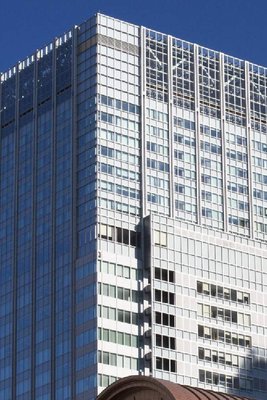
Hotel Metropolitan Tokyo Marunouchi
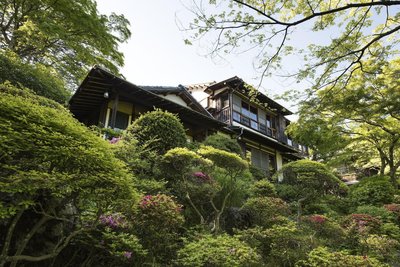
Gora Kansuiro
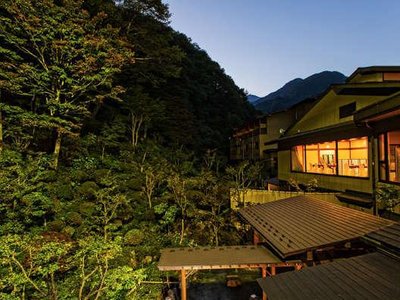
Futari Shizuka
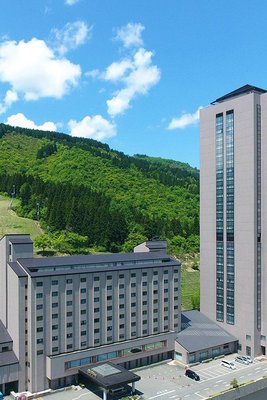
Naspa New Otani
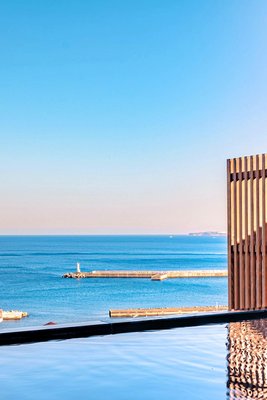
HOTEL KANICHI
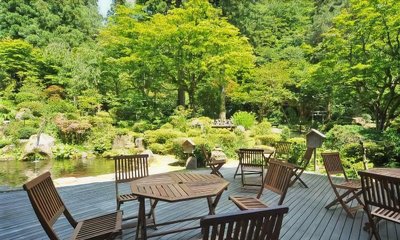
Choseikan
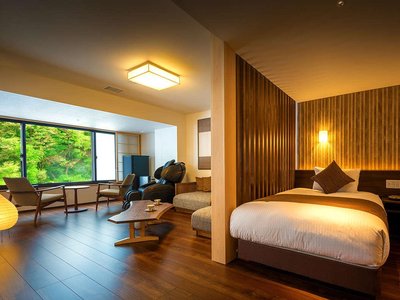
Harataki
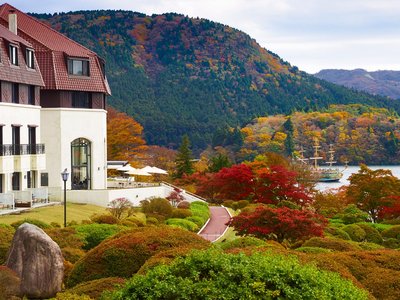
Hotakajyo
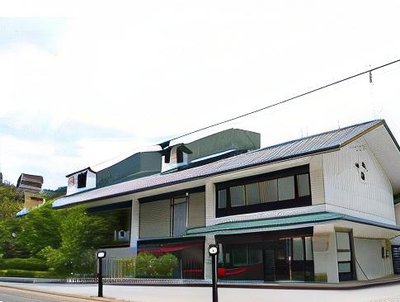
Auberge Suzukane

Onyado Nono Asakusa Bettei Hot Spring
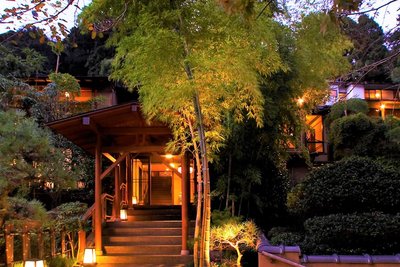
Shiki wo Ajiwau Yado Yamano Chaya
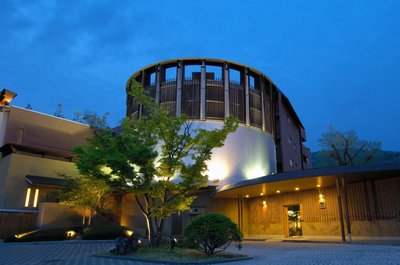
Hoshino Resorts Kai Matsumoto
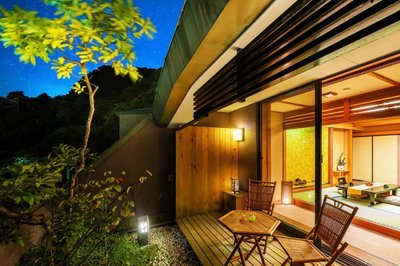
Konjakutei
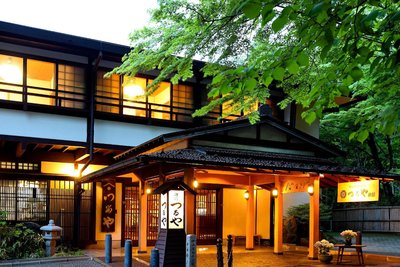
Tsuruya Ryokan
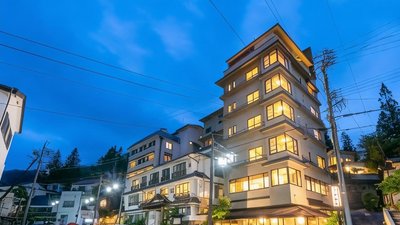
Nakamatsuya Ryokan
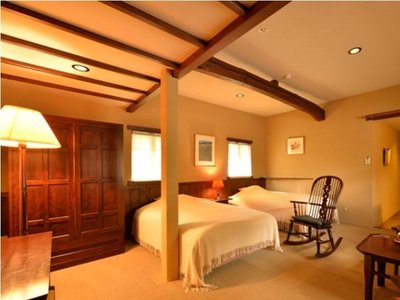
Ryokan Sugimoto
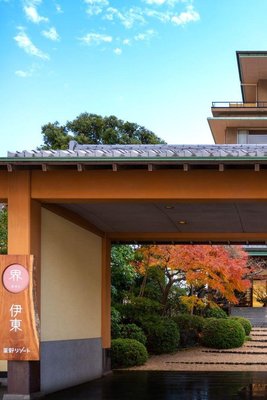
Hoshino Resorts Kai Ito
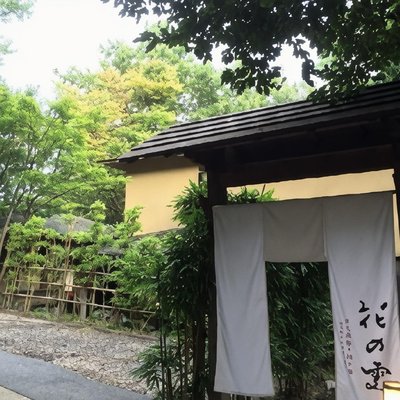
Hana No Kumo
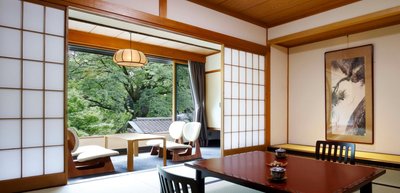
Yoshiike Ryokan
Hotel Gajoen Tokyo
Gora Hanaougi
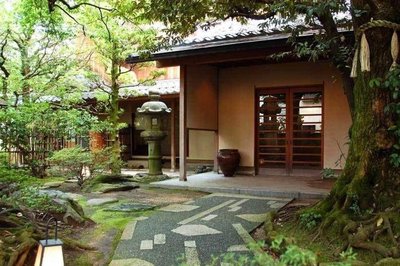
Kocho
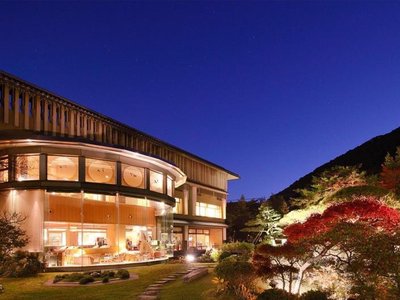
Shikisai Ichiriki
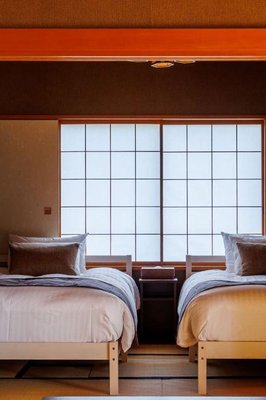
Sado Resort Hotel Azuma
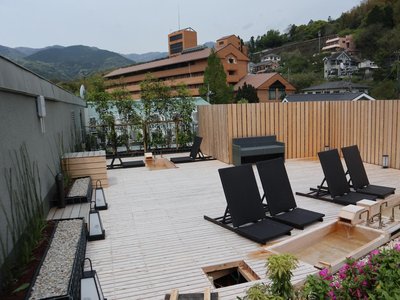
Fukiya Ryokan
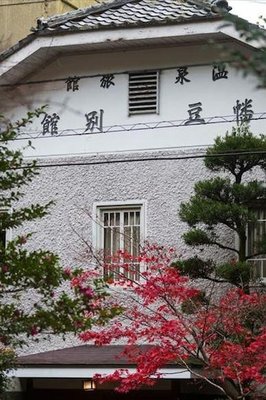
Oku-Mikawa・Yuya Onsen HAZU Bekkan
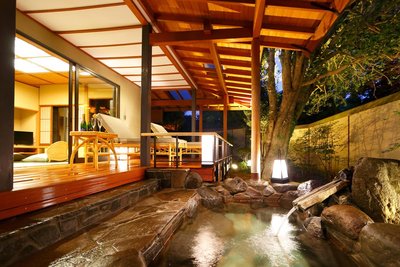
Yoshiharu Ryokan – Izu Nagaoka Onsen
Bellustar Tokyo, A Pan Pacific Hotel
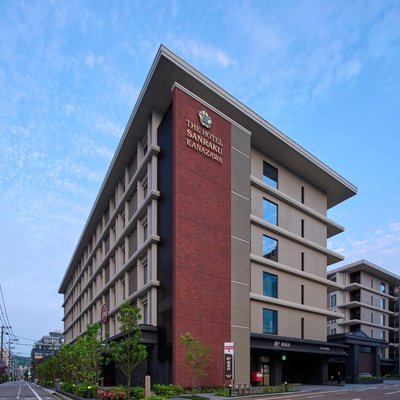
The Hotel Sanraku Kanazawa 21th December 2022 Open
JW Marriott Hotel Tokyo
Andaz Tokyo Toranomon Hills- A Concept by Hyatt
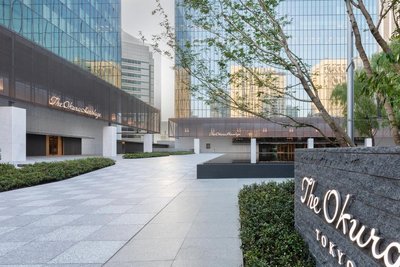
The Okura Tokyo
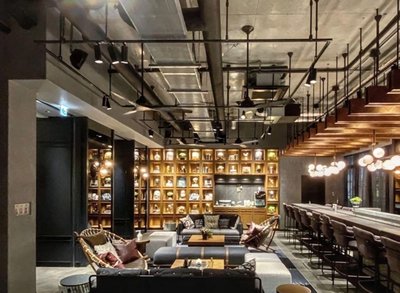
The Lively Azabujuban Tokyo
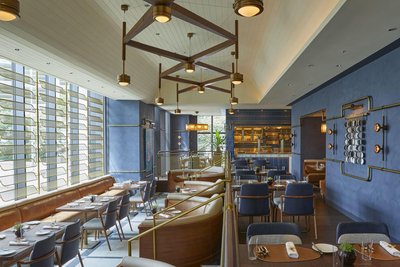
Kimpton Shinjuku Tokyo

HOTEL K5
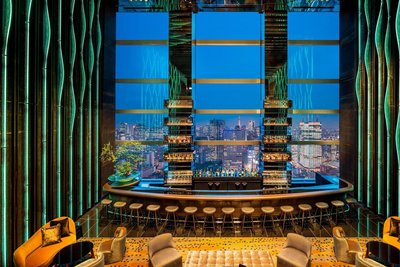
The Prince Gallery Tokyo Kioicho, a Luxury Collection Hotel
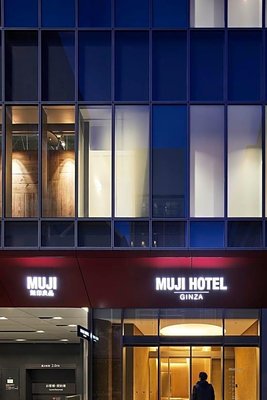
Muji Hotel Ginza
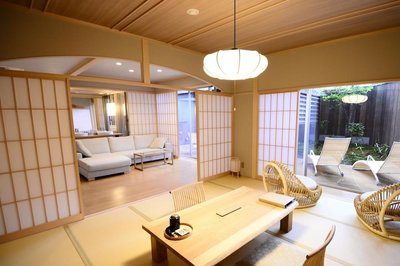
Hakone Gora Byakudan
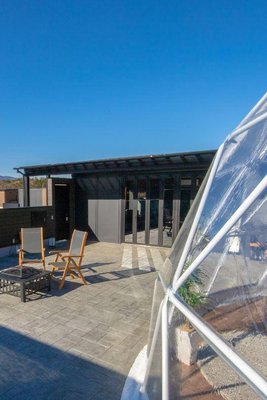
Panoramic Mt. Fuji Views from All Rooms – Vision Glamping Resort & Spa Yamanakako
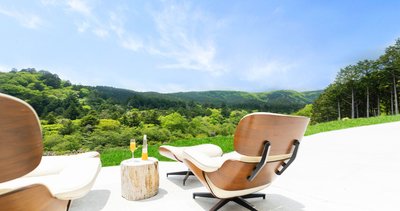
Shelter Garden Nikko
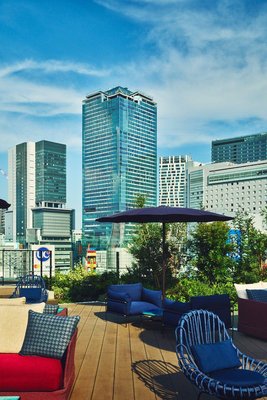
Hotel Indigo Tokyo Shibuya
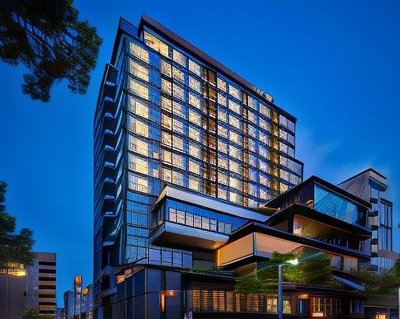
TIAD, AUTOGRAPH COLLECTION
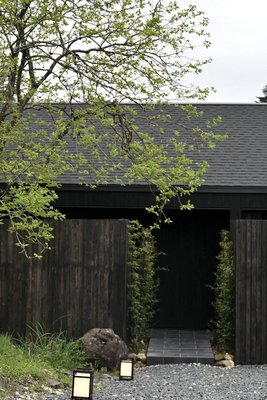
THE LAKOTAN
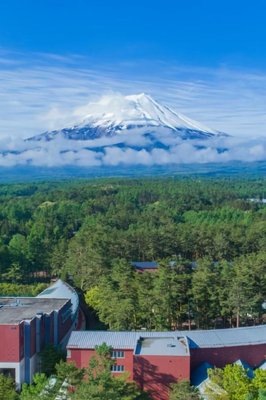
Forest Village (Fuji Premium Resort)
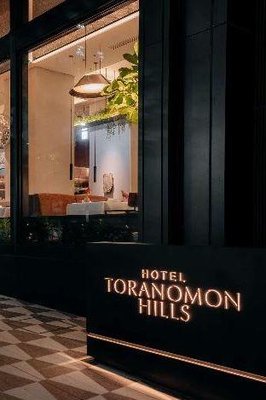
Hotel Toranomon Hills
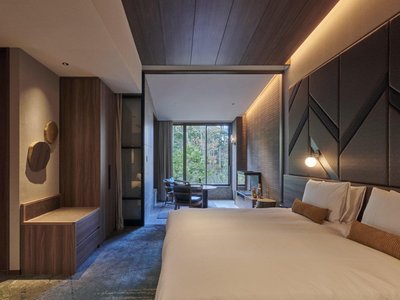
Fufu Kyu-Karuizawa Restful Forest
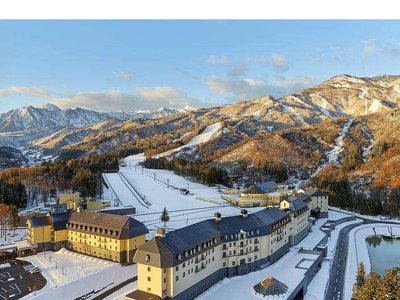
Lotte Arai Resort
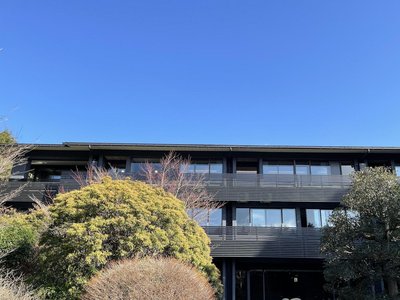
Sengokubara Cocon
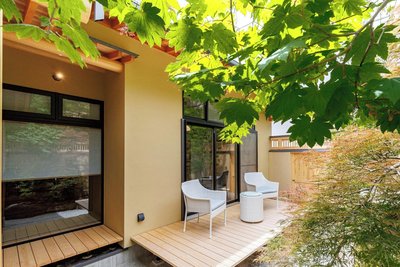
Shoraiso
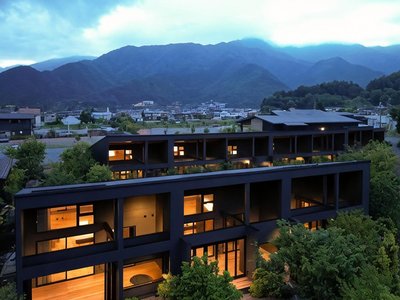
7C Villa and Winery
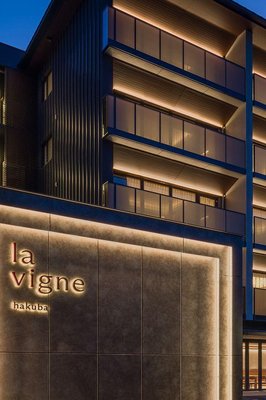
Hotel la Vigne Hakuba by Onko Chishin
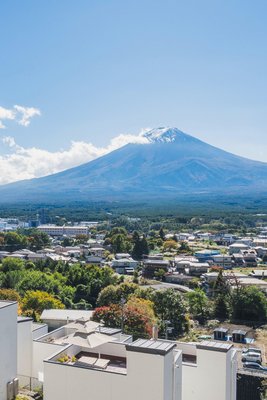
THE TOKI FujiKawaguchiko
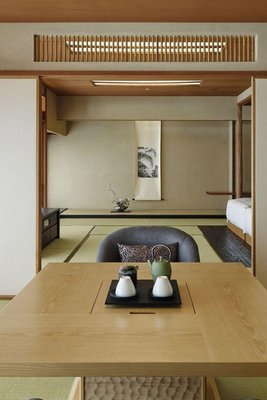
Takanawa Hanakohro (in Grand Prince Hotel Takanawa)
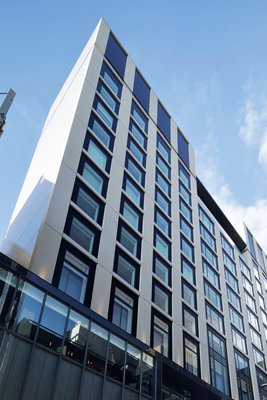
Hyatt Centric Ginza Tokyo
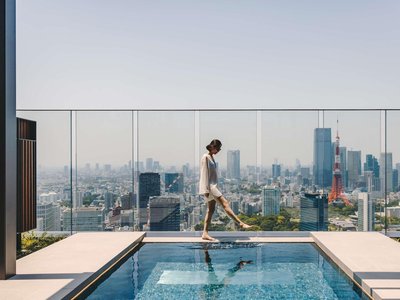
Fairmont Tokyo
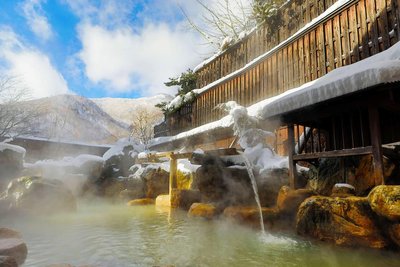
Miyamaouanbekkan yumegurinoyado hirayukan
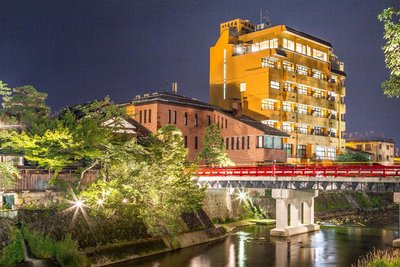
HONJIN HIRANOYA BEKKAN
Bvlgari Hotel Tokyo
Four Seasons Hotel Tokyo at Marunouchi
Mandarin Oriental, Tokyo
The Ritz-Carlton, Tokyo
Andaz Tokyo Toranomon Hills- A Concept by Hyatt
Gora Kadan
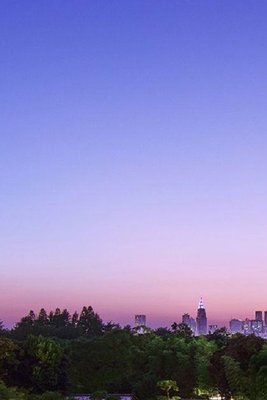
Hotel New Otani Tokyo the Main
Aman Tokyo
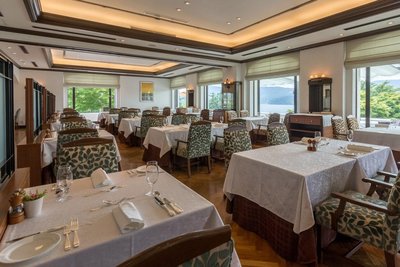
Odakyu Hotel de Yama
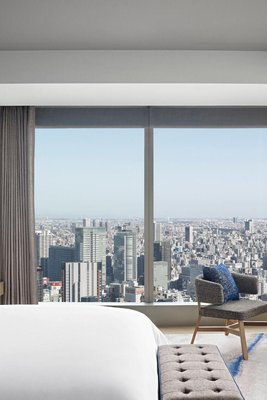
Four Seasons Hotel Tokyo at Otemachi
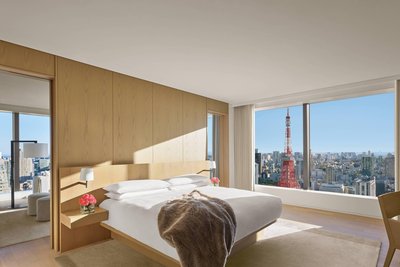
The Tokyo Edition, Toranomon
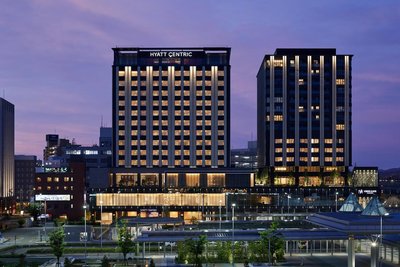
Hyatt Centric Kanazawa
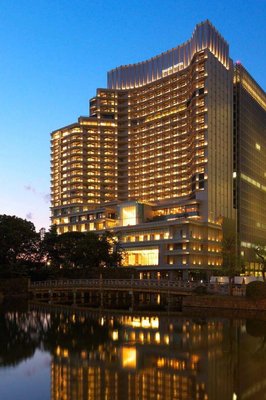
Palace Hotel Tokyo
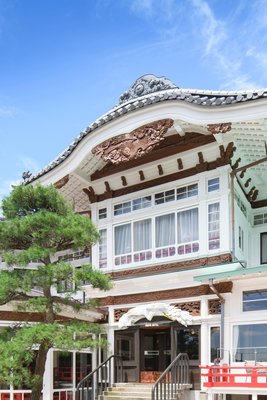
Fujiya Hotel
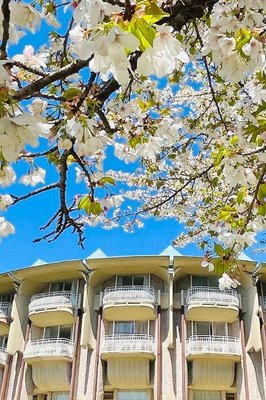
The Prince Hakone Lake Ashinoko
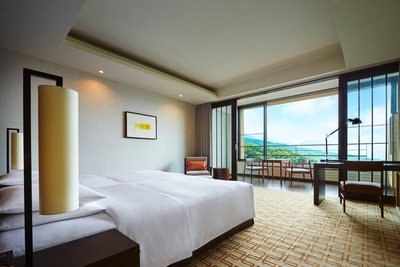
Hyatt Regency Hakone Resort and Spa
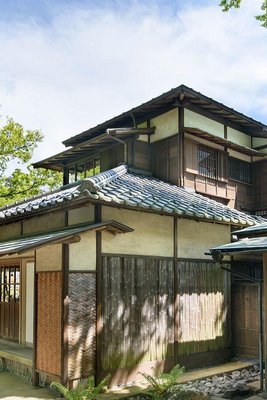
Hakone Suishoen
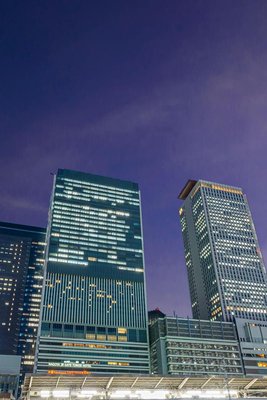
Nagoya JR Gate Tower Hotel (JR-Central Hotels)
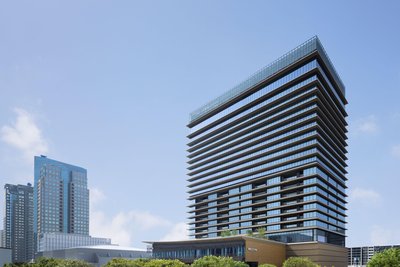
The Westin Yokohama
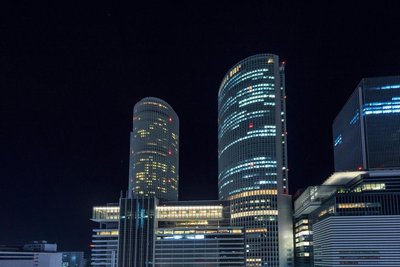
Nagoya Marriott Associa Hotel
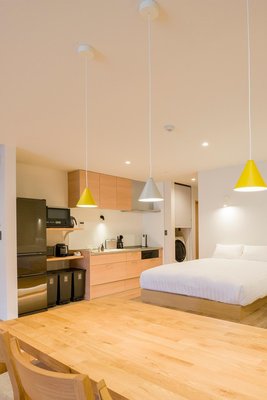
Rakuten STAY VILLA Nasu
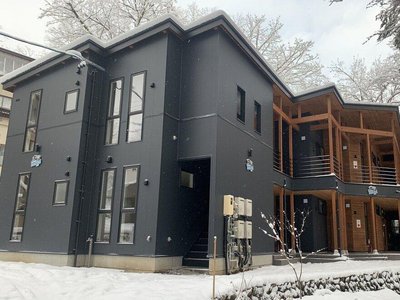
Hakuba Gondola Apartments
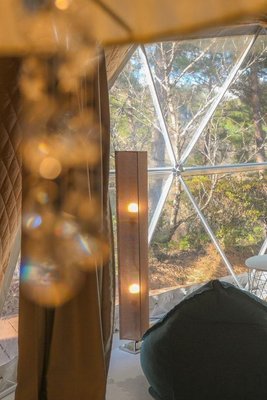
glampark Gekkabijin Nagano
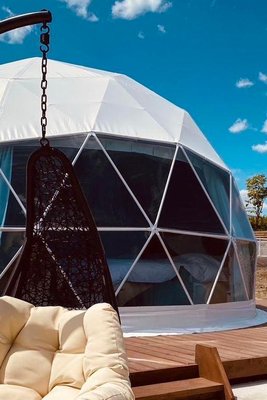
chillout glamping zao
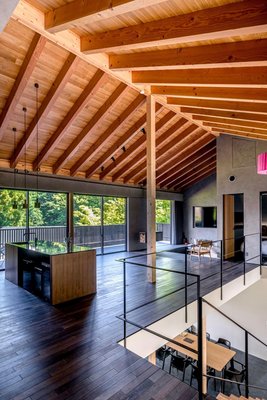
MONS GORA

Phoenix Chalets by Hhg
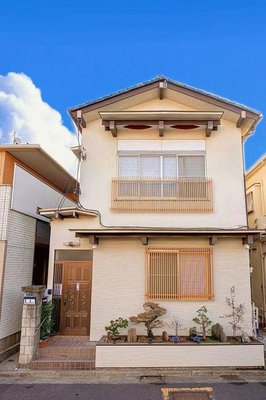
Tokyo Star House-Shinkoiwa
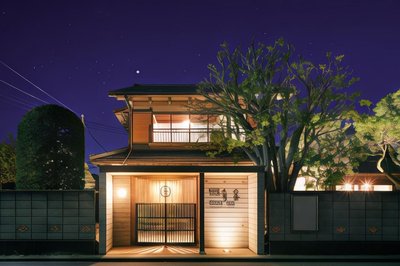
Machi-Jyu
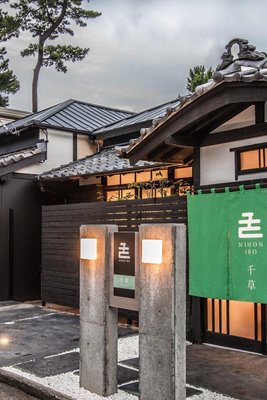
Nihon Iro
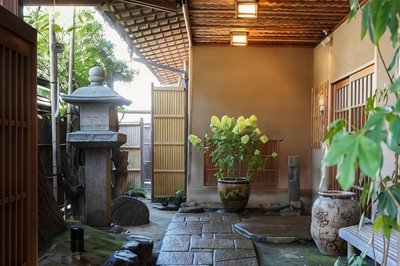
Ryokan Asadaya
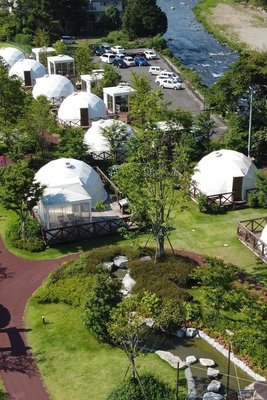
Ufufu Village
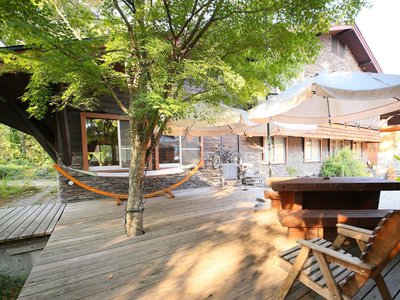
Kunugi Relaxation with 4 Modern Rooms
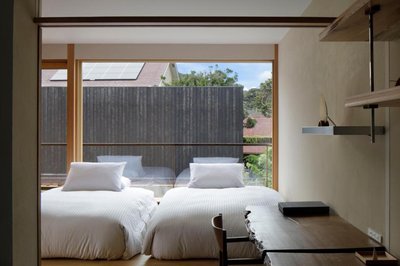
Modern Ryokan Kishi-ke
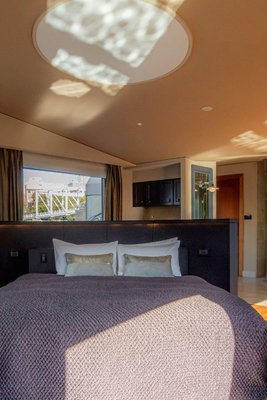
Petals Tokyo - Floating Hotel
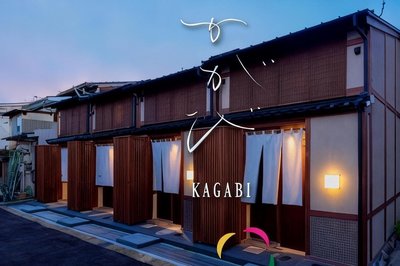
Kagabi Machiya House
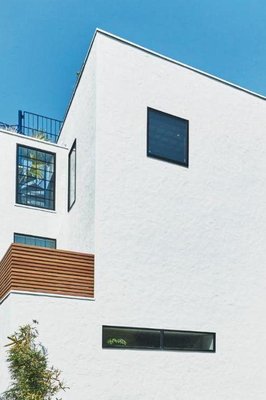
The Flow Kamakura
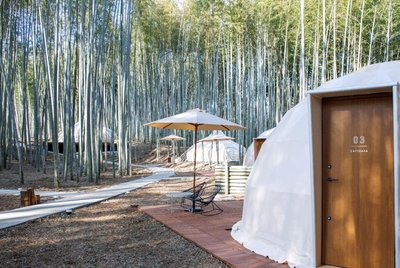
THE BAMBOO FOREST
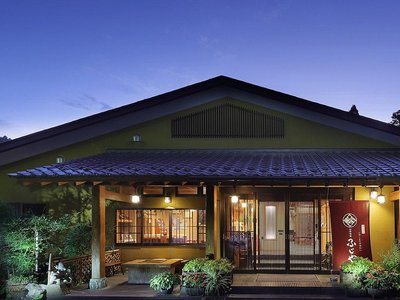
Shikimitei Fujiya
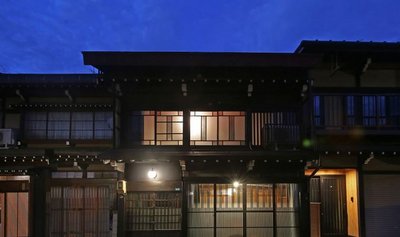
Iori Stay Hida
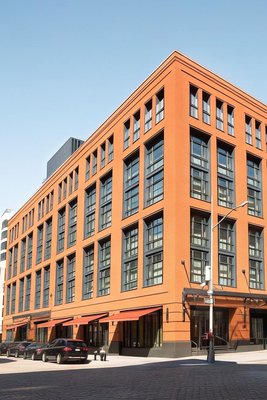
Hotel Barrière Fouquet's New York
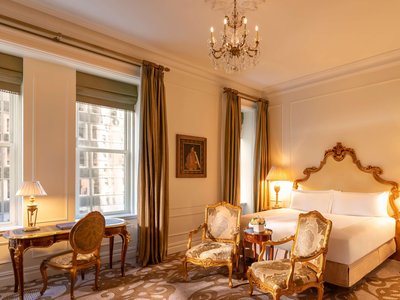
The Plaza - A Fairmont Managed Hotel
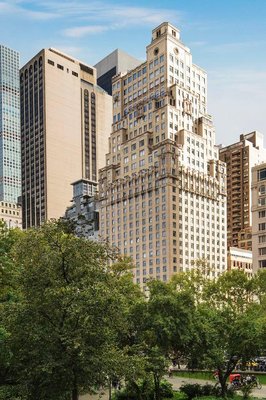
The Ritz-Carlton New York, Central Park
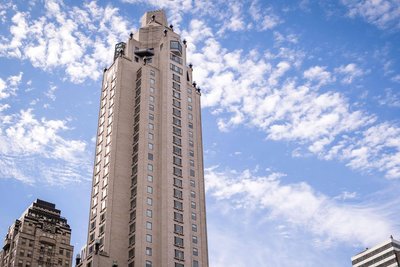
Four Seasons Hotel New York
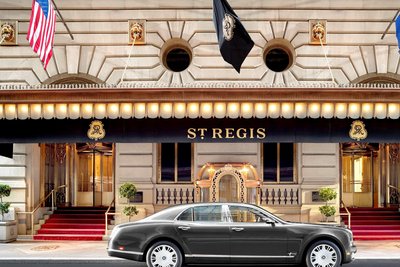
The St. Regis New York
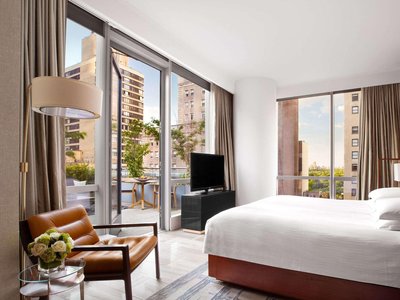
Park Hyatt New York
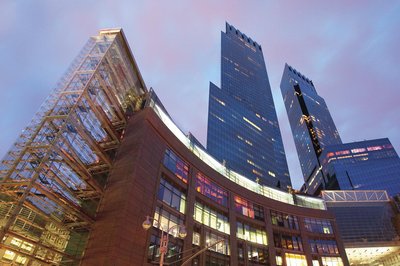
Mandarin Oriental New York
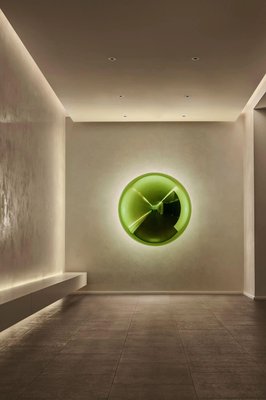
Times Square Edition New York

Loews Regency New York Hotel
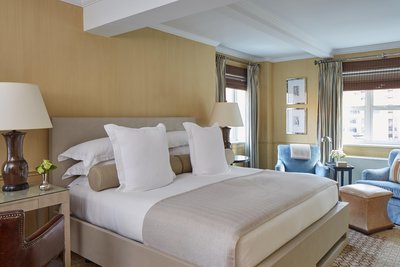
Lowell Hotel
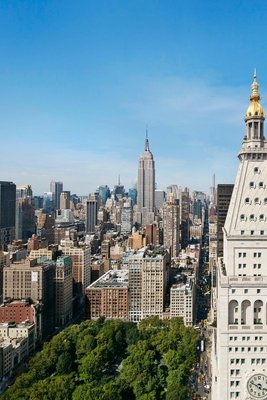
New York Edition
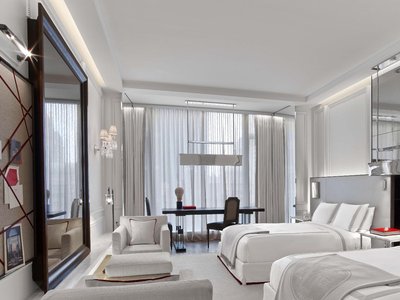
Baccarat Hotel New York
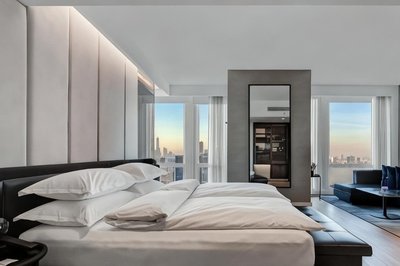
Equinox Hotel New York
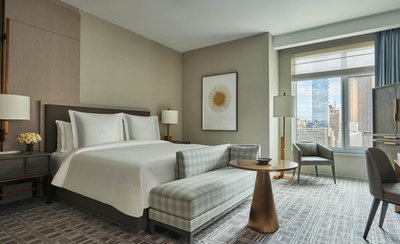
Four Seasons Hotel New York Downtown
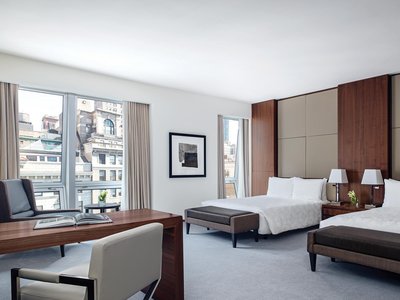
The Langham, New York, Fifth Avenue

The Carlyle, A Rosewood Hotel

The Chatwal, in the Unbound Collection by Hyatt
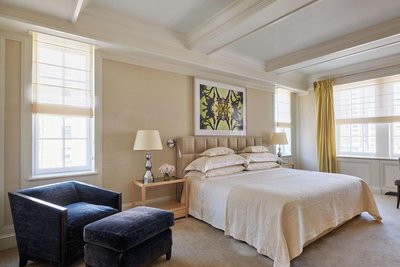
The Mark New York
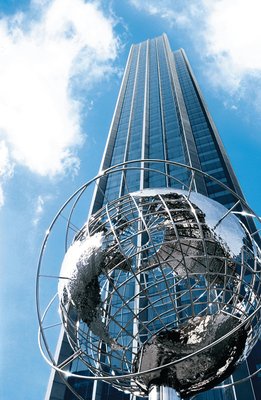
Trump International Hotel & Tower® New York
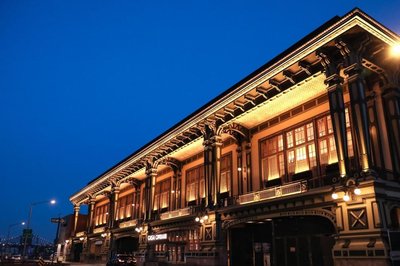
Casa Cipriani New York
Frequently Asked Questions about Traveling to Sano
Questions You Might Need to Know About Traveling to Sano
In Sano City, stay at Sano Royal Hotel, renowned for its serene Japanese garden design and proximity to Sano City Museum and Sano Castle Ruins Park. The hotel features an on-site hot spring bath and a restaurant serving premium local dishes like Sano beef and persimmon-leaf sushi. For budget travelers, Daiwa Roynet Hotel Sano Ekimae offers excellent value with easy access to the train station and downtown shopping areas, blending convenience with authentic regional character.
Sano Station area is the most convenient district for first-time visitors, offering seamless access to public transport, including Tobu Railway's Nikko Line, which connects directly to Tokyo in under 60 minutes. This vibrant zone hosts major hotels like Mitsui Garden Hotel Sano, restaurants specializing in Sano beef, and lively streets filled with local shops. It’s also close to Sano Civic Hall and Kubota River Promenade, making it perfect for both business and leisure travelers seeking comfort and cultural immersion.
Explore Sano Castle Ruins Park, where guided tours reveal stories of General Shingen Yana and his legacy during the Warring States period. Attend the annual Chrysanthemum Festival in autumn, featuring intricate floral displays, traditional tea ceremonies, and Noh theater performances that highlight Japan’s refined arts. Don’t miss the Sano City Museum, housing rare pottery and historical documents from the Edo era, offering deep insight into the city’s rich heritage.
Must-try dishes include Sano beef, a premium Wagyu known for its marbled texture and rich flavor—best enjoyed grilled at Gyuuya Sano Main Store. Another local specialty is persimmon-leaf sushi, wrapped in fermented persimmon leaves for a subtle aroma and crisp taste, available at historic sushi shops. Also sample Sano curry rice, made with locally grown onions and beef, often sold as a souvenir pack—perfect for taking home a taste of the region.
Visit the Sano Children’s Science Museum, featuring interactive experiments and a planetarium where kids learn science through play. The Sano City Zoo offers animal encounters, feeding sessions, and a petting farm for younger guests. On weekends, join the Kubota River Family Kayaking program—a safe, guided paddle along the scenic river, ideal for bonding and enjoying nature together.
Stroll along the Kubota River Greenway, a 5-kilometer path flanked by cherry blossoms in spring and fiery foliage in autumn—perfect for walking or cycling. Explore Sano Castle Ruins Park, where ancient stone walls offer panoramic views of the city and surrounding hills. During summer, experience the Floating Lantern Festival on the river, creating a magical night scene. For hikers, Kitayama Forest Park provides forest trails and observation decks with sweeping vistas of the countryside.
Head to Sano Central Shopping Street, a bustling pedestrian zone with boutique stores, cosmetics shops, and traditional wagashi sweets stalls. Pick up persimmon-leaf sushi gift boxes as souvenirs. For fresh local produce, visit Sano Market Street, open daily with vendors selling seasonal vegetables, seafood, and handmade tofu. Sano Station Front Mall offers large supermarkets and brand outlets, ideal for last-minute shopping needs.
Yes, Sano City is well-connected via the Tobu Railway Nikko Line, linking Tokyo in just over an hour. Local buses serve all major attractions, while bike rentals are widely available along the Kubota River Greenway for eco-friendly exploration. To reach Nikko or Kusatsu Onsen, take a direct express bus—about 40 minutes. The city’s compact layout and clear signage make it easy for tourists to navigate independently.
Experience the Sano Cherry Blossom Festival along the Kubota River, where illuminated trees create a dreamy nighttime ambiance. In summer, join the Floating Lantern Festival, where thousands of paper lanterns drift down the river in prayer and remembrance. The autumn Chrysanthemum Festival at Sano Castle Ruins Park showcases elaborate flower arrangements. Winter brings the Sano Light Festival, transforming the city center into a glowing wonderland with festive lights and holiday markets.
Capture stunning shots at Sano Castle Ruins Park, where ancient stone walls meet blooming cherry trees or autumn leaves. The Kubota River Wooden Bridge reflects beautifully in still waters—ideal for landscape photography. The modernist facade of the Sano City Museum creates striking architectural contrast. Don’t miss the bronze statue and fountain at Sano Station Square, a popular backdrop for candid cityscapes. Visit early morning or late afternoon for soft lighting and fewer crowds.
Sano Overview
City Summary
Sano City in Tochigi Prefecture, Japan, is renowned for its traditional crafts and natural landscapes. A key post town during the Edo period, it preserves historic streetscapes. Sano Ramen and strawberry cultivation are local specialties, with spring strawberry-picking attracting many visitors.
Must-See Attractions
Must-see spots include Karasuyama Castle Ruins (famous for cherry blossoms), Sano Premium Outlets, and the Sano City Local Museum. Experience culture at Kasuga Shrine"s festivals and the nostalgic Watarase Keikoku Railway.
Food Guide
Try Sano Ramen (soy sauce-pork broth with thick noodles) and street snacks like mochi dumplings. Local sake "Tenmei" and Sano Miso make unique souvenirs. Traditional meals at "Sanoya" restaurant are highly recommended.
Transportation Guide
From Tokyo, take JR Nikko Line (80 mins to Sano Station). City travel relies on buses (1-day pass: ¥500) and taxis (starting fare ¥600). Rent bicycles (¥1000/day) for countryside tours. The Watarase Railway (30 mins) goes to Ashikaga Flower Park.
Best Time to Visit
Best in April for cherry blossoms/strawberries or November for autumn foliage. Humid summers and occasional snow in winter enhance onsen experiences.
Travel Tips
- Purify hands/mouth before shrine entry
- Strict trash separation - use convenience store bins
- Carry ¥20,000 cash as some shops don"t accept cards
- Tattoos prohibited in onsens
- Book strawberry farms in advance - no eating while picking
- Check sparse bus schedules carefully
- Rural roads lack lighting - return before dusk
Useful Information
Japanese is primary language; stations have Chinese guides. Free WiFi at stations/malls; pocket WiFi rentals recommended (¥500/day). Visa/JCB cards widely accepted. For emergencies: Sano Municipal Hospital (0243-24-1111), "Sundrug" pharmacies stock OTC medicine. Post offices handle international mail; dial #9110 (police) or #119 (ambulance).









