Hotels in Sant'Agata de'Goti
Discover your perfect stay in Sant'Agata de'Goti.
Sant'Agata de'Goti(Italy) Travel 2026: Cheap Flights, Hotels & Top Attractions
Popular Landmarks in Sant'Agata de'Goti
Discover the most iconic attractions in Sant'Agata de'Goti
Recommended Hotels in Sant'Agata de'Goti
Find the perfect place to stay in Sant'Agata de'Goti
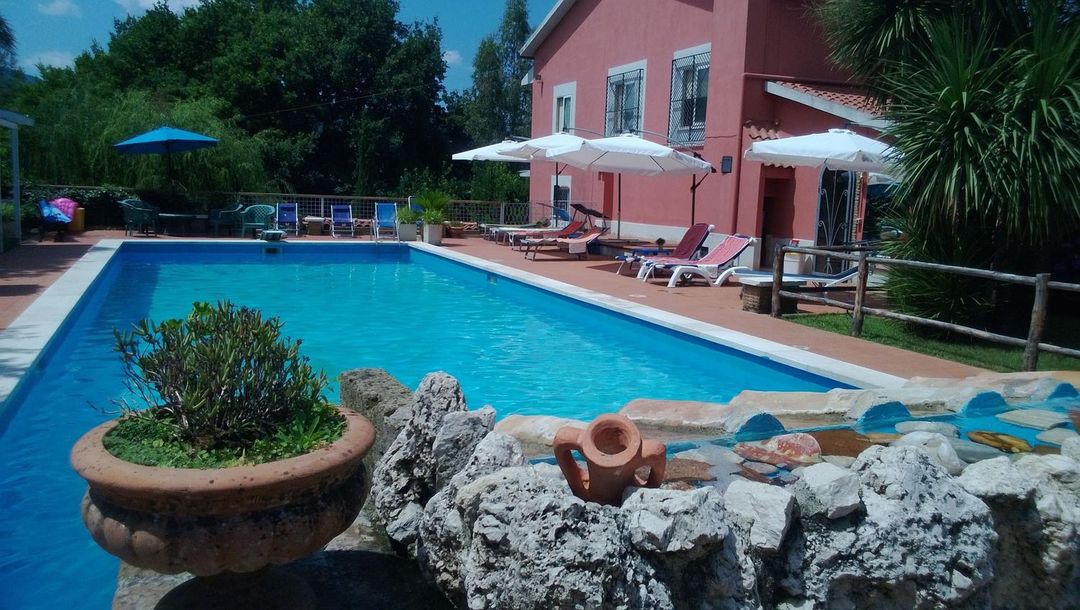
Magione B&B
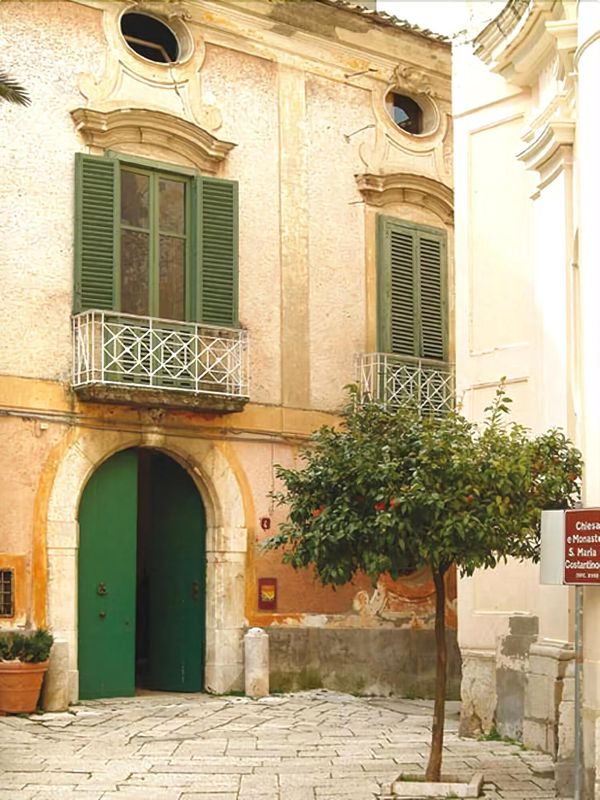
Agriturismo Mustilli
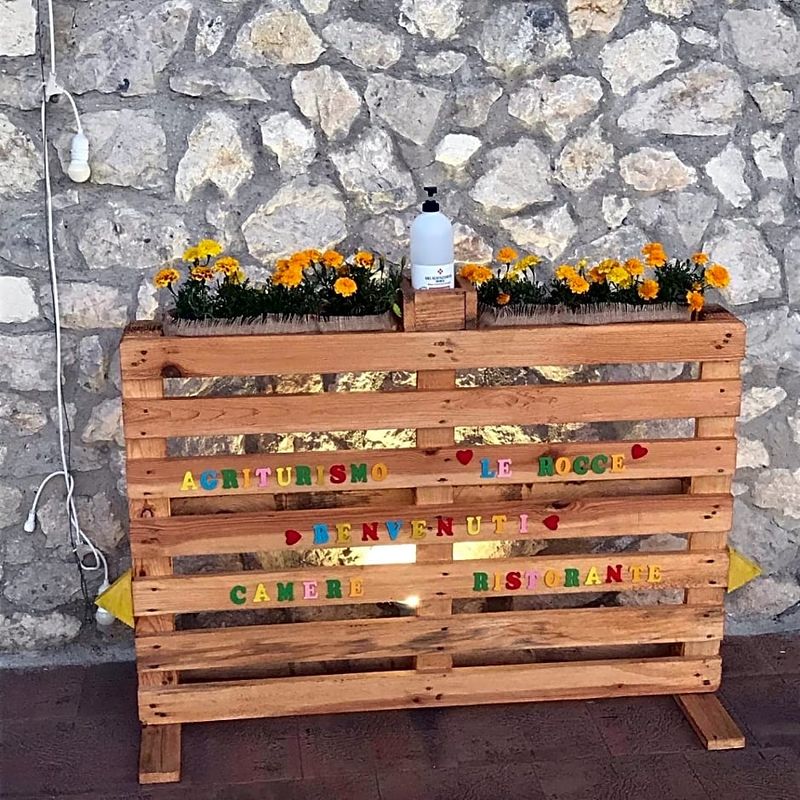
Le Rocce
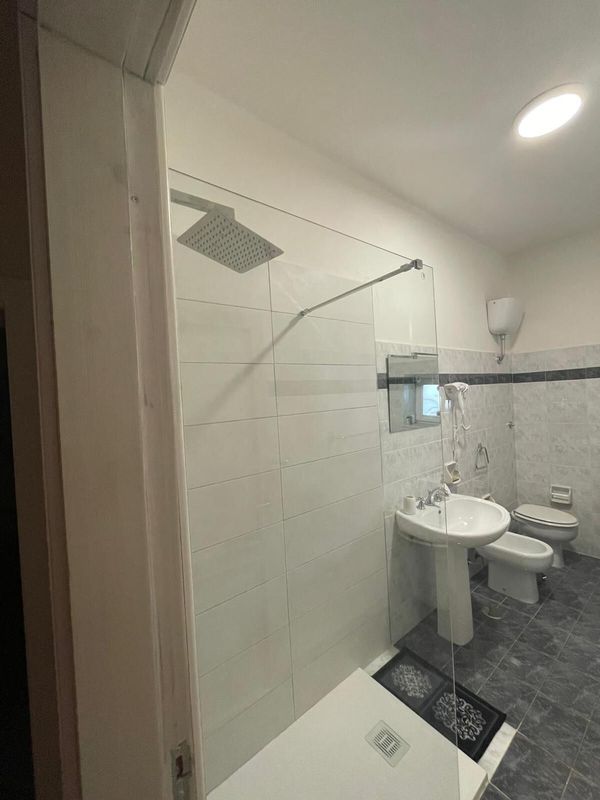
Goti Rooms B&B
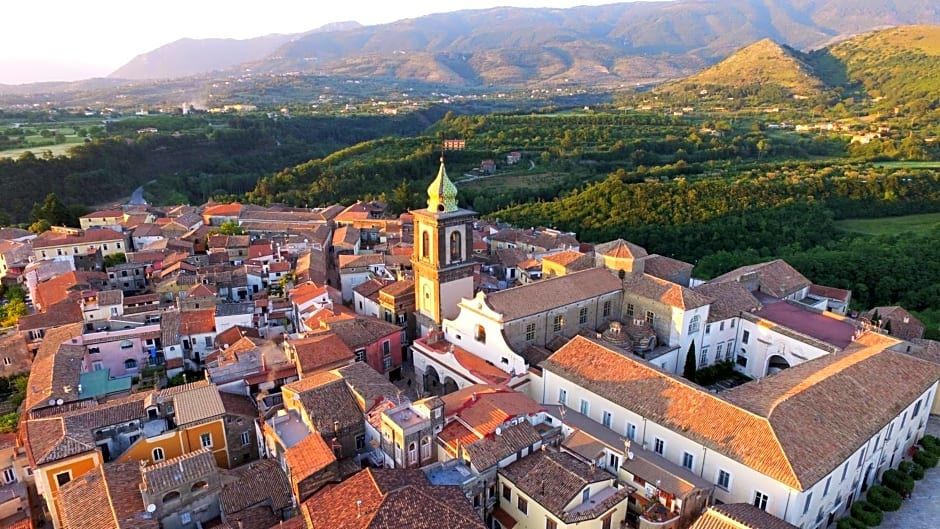
Giualduomo B&B
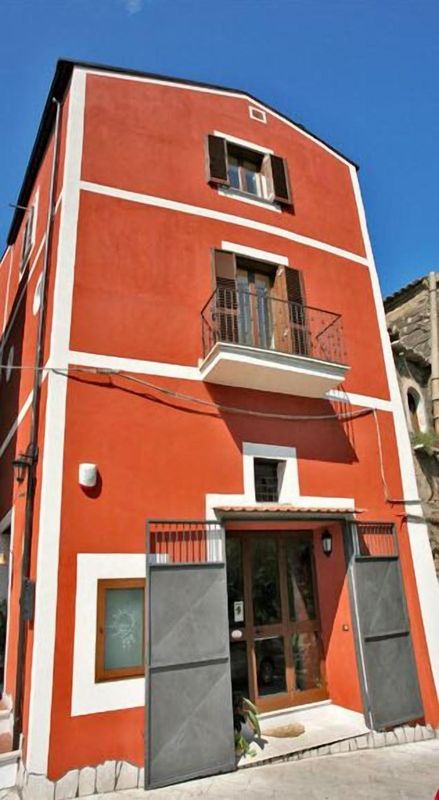
La Perla del Sannio
Frequently Asked Questions about Traveling to Sant'Agata de'Goti
Questions You Might Need to Know About Traveling to Sant'Agata de'Goti
For boutique stays with sea views, Villa Serra and La Vista B&B are top choices in San Agata de' Goti, nestled on hilltops overlooking the Tyrrhenian Sea and the distant Amalfi Coast. Both offer panoramic terraces, private balconies, and minimalist Italian design blending modern comfort with traditional craftsmanship. Villa Serra features floor-to-ceiling glass walls for unobstructed sunrise views, while La Vista provides a rooftop lounge perfect for evening stargazing.
These accommodations emphasize privacy and tranquility, ideal for travelers seeking a serene escape. Guests enjoy access to nearby hiking trails, local farm-to-table dining, and guided tours of ancient Roman quarries. The average rate is €120–€200 per night during peak season, with seasonal discounts available in winter. Their elevated positioning ensures both breathtaking vistas and easy access to the historic town center—just a 10-minute walk away.
The best area for first-time visitors is the hilltop district near Piazza del Mercato, offering a balance of scenic views, accessibility, and authentic charm. Staying here grants immediate access to the Church of Santa Agata, a 16th-century Baroque landmark, and the weekly farmers’ market filled with regional produce, handmade ceramics, and local pastries.
Hotels like Hotel Villa Margherita and B&B Il Giardino are located within this zone, combining traditional stone architecture with modern amenities. These properties provide warm hospitality, breakfast featuring fresh olive oil and artisan bread, and proximity to walking paths leading to the Roman quarry ruins and Sun Trail (Sentiero del Sole). The area is quiet yet well-connected, making it ideal for exploring the town’s culture, cuisine, and natural beauty without feeling isolated.
In San Agata de' Goti, immerse yourself in authentic Campanian rural traditions through hands-on workshops. Join a handmade pasta-making class where you’ll learn to craft Pasta di Grano Duro using stone-ground semolina, a regional specialty passed down through generations.
You can also visit local pottery studios to observe artisans shaping clay into traditional Roman-style amphorae and planters, often inspired by ancient designs. Some workshops even offer one-day courses where you can create your own piece to take home.
During summer, participate in the Festa della Assunzione (August 15), a vibrant festival featuring processions in traditional costumes, live folk music, and fireworks over the valley. These experiences go beyond sightseeing—they connect you with the living heritage of a community that values craftsmanship, faith, and community bonds in everyday life.
Must-try dishes in San Agata de' Goti include Risotto alla Pescatora, a rich seafood risotto made with freshly caught fish and tomatoes, reflecting the region’s coastal bounty. Another highlight is Sarde a Beccafico, whole anchovies stuffed with a mixture of walnuts, pine nuts, herbs, and breadcrumbs, then baked to golden perfection—a signature dish of Campanian cuisine.
Don’t miss Cannoli di San Agata, a sweet treat made with crisp pastry shells filled with ricotta and red bean paste, available daily at Pasticceria del Sole, a century-old bakery. Pair it with a glass of Limoncello, a bright lemon liqueur crafted from locally grown citrus fruits, known for its refreshing finish.
All dishes emphasize freshness, simplicity, and respect for ingredients—an embodiment of the Mediterranean diet philosophy. Every meal feels like a celebration of place and tradition.
The most convenient way to travel from Naples to San Agata de' Goti is via the Circumvesuviana regional train. Take a direct train from Napoli Centrale to San Giuseppe Vesuviano Station, which takes about 30 minutes. From there, transfer to a local bus or taxi—just a 10-minute ride—to reach the town center.
For more flexibility, book a private shuttle service, which offers door-to-door transport in approximately 40 minutes, passing scenic routes along the slopes of Mount Vesuvius and the Amalfi Coast. Several tour operators also offer day-trip packages including round-trip transport, guided visits, and meals, perfect for travelers wanting a hassle-free experience.
Avoid weekends during high season to prevent delays. Public transit is reliable but limited after 7 PM, so plan accordingly.
Key historical sites in San Agata de' Goti include the Church of Santa Agata, a 16th-century Baroque masterpiece with an ornate façade and frescoed dome, housing 18th-century altarpieces and religious relics.
Nearby, the Roman Quarry Ruins (Grotte Romane) remain intact, revealing ancient tunnels used for stone extraction. Guided tours explain their function in antiquity, with wall inscriptions in Latin still visible. The site is well-lit and accessible, suitable for history enthusiasts.
Also worth visiting is Castello di Ficarolo, a 19th-century manor now transformed into a cultural center hosting art exhibitions and concerts. It symbolizes the revival of rural heritage and offers insight into the town’s architectural evolution. Together, these landmarks reflect the deep layers of Campanian history, from Roman engineering to post-medieval transformation.
Photography lovers will find endless inspiration in San Agata de' Goti. At dawn, head to the Punta della Vetta viewpoint for dramatic shots of mist-covered valleys and the glowing Tyrrhenian Sea—perfect for long-exposure landscapes.
The old market square (Piazza del Mercato) on Saturday mornings bursts with color: baskets of ripe figs, handmade pottery, and locals in traditional attire create dynamic street scenes. Try capturing silhouettes against the morning sun.
Evening photography shines at the steps in front of Santa Agata Church, where candlelit processions form striking contrasts. The white-washed houses cascading down the hillsides, framed by stone terraces and wild shrubs, offer geometric compositions ideal for wide-angle lenses.
Bring a tripod and use low-light settings to capture starry skies over the village. These moments embody the poetic essence of southern Italy’s countryside—raw, timeless, and deeply atmospheric.
Near San Agata de' Goti, explore the Mediterranean maquis—a dense scrubland of rosemary, thyme, and oak trees that supports diverse wildlife. In spring, the hills bloom with purple lavender and yellow daisies, creating a vivid tapestry across the landscape.
Hike the Sentiero del Sole, a 2.5-kilometer trail winding through ancient chestnut groves and rocky outcrops. Interpretive signs detail flora and fauna, including sightings of European kestrels and Mediterranean lizards. This path leads to scenic overlooks with sweeping views of the coast.
The Palude di San Agata wetlands serve as a critical stopover for migratory birds like herons and ducks during winter months—ideal for birdwatching and macro photography. All trails are maintained by local conservation groups, promoting sustainable tourism. Visitors are encouraged to follow eco-friendly practices to protect this fragile Mediterranean ecosystem.
The main festival is the Festa della Assunzione, held annually on August 15, celebrating the Assumption of Mary. The event begins with a solemn procession through cobbled streets, led by townspeople in traditional attire carrying candles and flags, culminating at the Church of Santa Agata.
Afternoon brings a bustling open-air market with local crafts, organic produce, and street food. Evening features live folk music performances and a dazzling fireworks display lighting up the valley.
In October, join the Grape Harvest Festival, where visitors can pick grapes, taste new wine, and enjoy communal meals. These celebrations are more than entertainment—they’re living traditions rooted in faith, family, and community identity, offering travelers a genuine glimpse into rural Campanian life.
Accommodation prices in San Agata de' Goti vary by season and type. During peak season (June–September), boutique hotels and hillside villas range from €120 to €250 per night. Villa Serra and La Vista B&B offer premium views and services like breakfast and guided tours.
In off-season (October–May), rates drop significantly—B&Bs like B&B Il Giardino start at €70, while larger properties such as Hotel Villa Margherita begin at €150. Many offer discounts for longer stays, such as "3 nights, pay for 2".
Prices remain competitive compared to nearby Amalfi Coast destinations, where similar quality accommodations cost 20–30% more. HopeGoo early is recommended, especially during festivals. Overall, San Agata de' Goti offers excellent value for travelers seeking authentic, scenic, and culturally rich stays in southern Italy.
Sant'Agata de'Goti Overview
City Summary
Sant'Agata de' Goti is a charming small town in the Campania region of Italy, known for its medieval architecture, tranquil atmosphere, and rich history. Perched on a hill overlooking the surrounding countryside, it is an ideal destination for those seeking peace. The cobblestone streets and ancient churches are full of historic charm, while local handicrafts and traditional festivals showcase its deep cultural heritage.
Must-See Attractions
The main attractions in Sant'Agata de' Goti include the Church of Sant'Agata, a centuries-old religious building with exquisite interiors. The town square is a great place to experience local life, surrounded by cafes and small shops. History enthusiasts will appreciate the remnants of the ancient town walls and medieval towers. At night, the town's lights and starry sky create a romantic ambiance.
Food Guide
The cuisine of Sant'Agata de' Goti features traditional Italian flavors. Try the handmade pasta, especially with local tomato sauce and fresh herbs. Roasted lamb and cured olives are also local specialties. The town's wine, particularly reds from the Campania region, is excellent. For dessert, don't miss the almond biscuits or tiramisu.
Transportation Guide
Driving is the primary mode of transportation in Sant'Agata de' Goti, with scenic rural roads perfect for exploration. For public transport, regional buses connect to nearby cities like Naples or Salerno, but schedules are limited, so check in advance. Walking is ideal within the town due to its small size and narrow streets. For longer trips, trains are available from Naples or Salerno.
Best Time to Visit
The best times to visit Sant'Agata de' Goti are spring (April to June) and autumn (September to October), when the weather is pleasant and crowds are smaller. Summers can be warm and crowded, while winters are quieter but some attractions may be closed.
Travel Tips
- Respect local customs and dress modestly when visiting churches.
- The town is hilly, so wear comfortable walking shoes.
- Cash is preferred in small shops and restaurants; carry some with you.
- Learning a few basic Italian phrases like "Grazie" (thank you) and "Buongiorno" (good morning) will earn you smiles.
- Note business hours, as many shops and restaurants close for afternoon siestas.
- If driving, be aware of parking restrictions to avoid fines.
Useful Information
Italian is the main language, though some locals speak basic English. Network coverage is good, but signal may be weak in older buildings. Cash is widely used, though credit cards are accepted in some restaurants and hotels. For emergencies, dial 118 for medical assistance; the nearest hospital is in a nearby city. Travel insurance is recommended. The voltage is 230V, and the plug type is F.