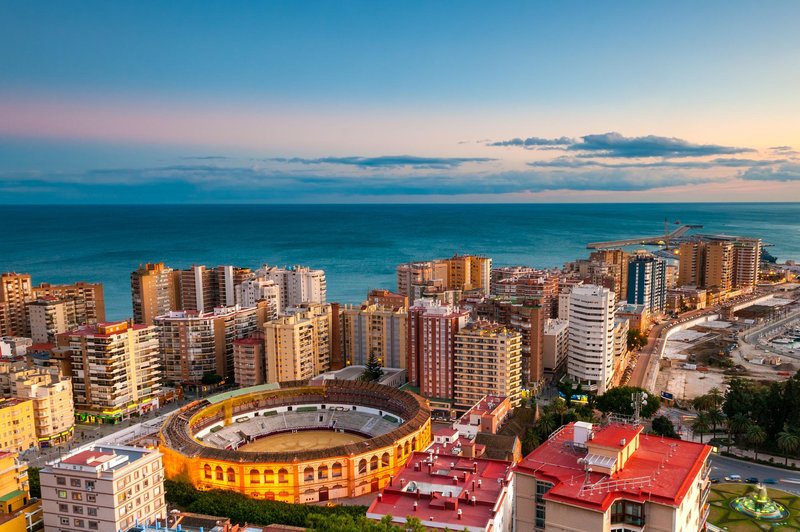
Hotels in Sant Antoni de Vilamajor
Discover your perfect stay in Sant Antoni de Vilamajor.
Sant Antoni de Vilamajor(Spain) Travel 2026: Cheap Flights, Hotels & Top Attractions
Popular Landmarks in Sant Antoni de Vilamajor
Discover the most iconic attractions in Sant Antoni de Vilamajor
Recommended Hotels in Sant Antoni de Vilamajor
Find the perfect place to stay in Sant Antoni de Vilamajor
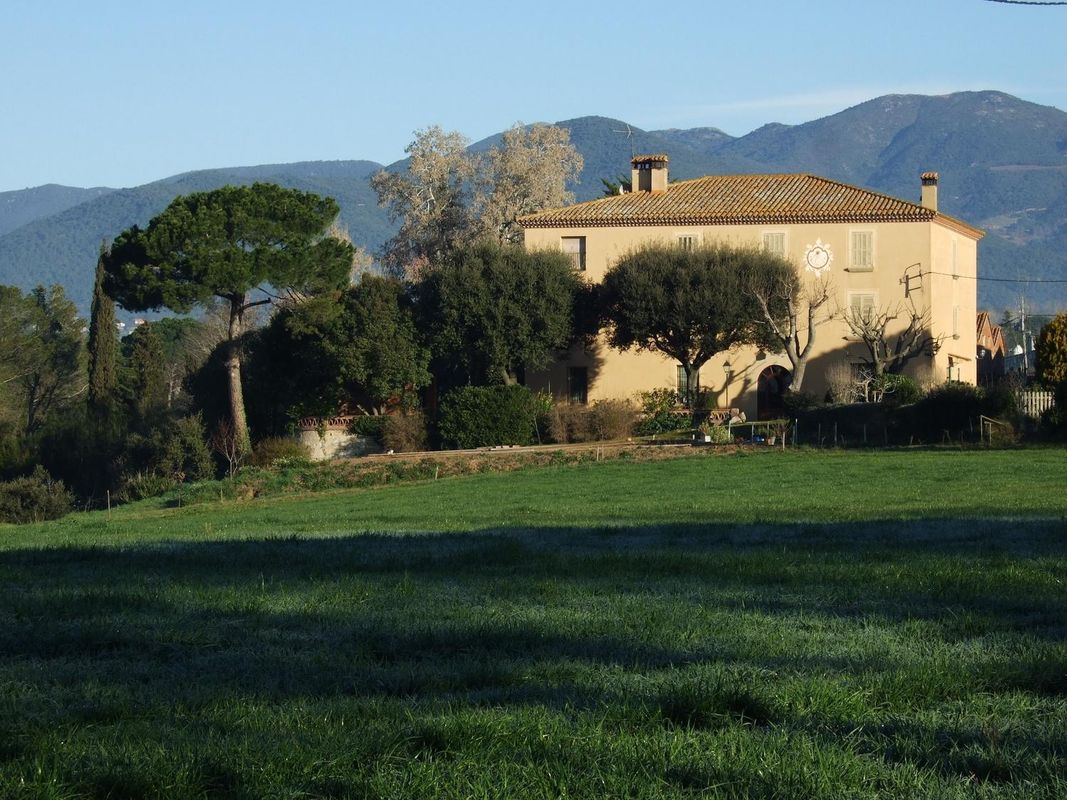
Hotel Can Ribalta
Frequently Asked Questions about Traveling to Sant Antoni de Vilamajor
Questions You Might Need to Know About Traveling to Sant Antoni de Vilamajor
In Sant Antoni de Bivalló, the top boutique choice is Hotel Can Culleretes, a restored 19th-century farmstead blending traditional Catalan stone architecture with modern minimalist design. Located in the heart of the village, it offers panoramic views of the Guadalupe Mountains and serves farm-to-table breakfasts using ingredients from its own garden. The hotel also hosts seasonal workshops on local crafts like pottery and cheese-making, making it ideal for travelers seeking authentic rural experiences in Catalonia.
The best area for accommodation is the historic village center, where you’ll find cobbled streets, whitewashed houses, and easy access to key landmarks like the Church of the Assumption and the weekly farmers’ market. Staying here allows you to immerse yourself in daily Catalan life—locals gather at small cafés, children play in the squares, and traditional music often echoes through the alleys. Many family-run guesthouses offer cozy rooms with wooden beams and handmade textiles, creating a warm, intimate atmosphere perfect for slow travel.
Don’t miss the Sant Antoni Festival held annually in summer, featuring folk dances, live troubadour music, and artisan markets showcasing handwoven textiles and ceramics. You can also join a traditional farming workshop at the village’s heritage farm, learning to use ancient wooden plows and harvest local grains. The Old Mill Museum offers guided tours explaining centuries-old flour production methods. These immersive activities provide deep insight into the region’s agrarian roots and community spirit.
Absolutely. Sant Antoni de Bivalló offers child-friendly trails like the Oak Forest Path and Riverbirdwatching Route, both safe and educational. The village has a Nature Discovery Center with hands-on activities such as making clay sculptures and identifying local plants. Family-friendly accommodations provide spacious rooms and baby beds. Weekends often feature outdoor picnics with storytelling sessions, allowing parents to relax while kids explore nature and make friends in a peaceful setting.
Must-try dishes include Cassola de gallina—a rich chicken stew cooked with wild herbs; Balsac bread, crispy on the outside, soft inside, served with homemade olive oil dip; and Turrón de almendras, a traditional almond nougat made by generations-old confectioners. All are available at the Market Square or at El Molí, a family-run restaurant known for its authenticity. Reservations are recommended due to limited seating and high demand during peak season.
Take the R2 Nord regional train from Barcelona Sants station to Sant Isidre Station, then transfer to a local bus bound for Sant Antoni de Bivalló—total journey time around 1.5 hours. For those driving, follow the N-II highway north, passing through Valldebòs, then take the country road signs to the village. Use Google Maps with offline mode for navigation, especially in remote areas. Park at the designated lot outside the village center to avoid traffic in narrow historic streets.
The village sits at the edge of the Guadalupe Mountains, offering lush forests and diverse wildlife. Hike the Sant Antoni Valley Trail, where you can spot wild azaleas, red deer, and squirrels. In autumn, the hills turn golden—perfect for photography. Nearby Alcos Lake is ideal for birdwatching and sunset views. Interpretive signs throughout the area explain native flora like Catalan oak trees and heather bushes, making it an excellent outdoor classroom for nature lovers.
Yes! The Church of the Assumption with its Gothic spire and white stone facade makes a stunning backdrop, especially at sunrise. The Old Stone Bridge spanning the stream, draped in ivy, looks like a scene from a fairy tale. The ruins of the old mill surrounded by fields create a classic Catalan landscape. The curved paths of the valley framed by autumn foliage form natural picture frames. Use a wide-angle lens and shoot during the golden hour—between 10 AM and 4 PM—for the most atmospheric shots.
Nightlife is quiet and serene. There are no bars or clubs—just the sound of church bells and flowing streams. Local taverns like La Carroça serve homemade fruit brandies and wines, often accompanied by live acoustic guitar. During summer, occasional stargazing events are hosted by amateur astronomers. For more social options, visit nearby Turiàlva or Barcelona, but the village’s tranquility is part of its charm—ideal for unwinding under the stars.
Public transport is functional but limited. The R2 Nord train runs frequently between Barcelona and Sant Isidre Station, about 15 minutes from the village. From there, local buses connect to the village center. No buses run within the village itself, so renting a bicycle or walking is best. Consider joining a shared ride service organized by locals for longer trips. Overall, it’s ideal for travelers who prefer independence and scenic journeys over urban convenience.
Sant Antoni de Vilamajor Overview
City Summary
Sant Antoni de Vilamajor is a charming town in Catalonia, Spain, renowned for its Mediterranean charm and traditional fishing village culture. With serene beaches, historic churches, and vibrant markets, it's an ideal escape from urban hustle. The local seafood cuisine and handicrafts are particularly noteworthy.
Must-See Attractions
Must-see attractions include the Sant Antoni Church, a 17th-century Baroque gem. The seafront promenade (Passeig Marítim) is perfect for strolls with Mediterranean views. For local culture, visit the Saturday market, offering handmade crafts and fresh produce.
Food Guide
The town's seafood dishes are exceptional. Try Arròs a la Cassola (seafood rice) and Peix al Forn (baked fish). Local taverns (Tascas) serve traditional Tapas, like marinated olives and fried squid. Don’t miss Crema Catalana, a classic Catalan dessert.
Transportation Guide
Public transport relies on buses, connecting to cities like Barcelona. Walking is best within town due to compact streets. For nearby exploration, renting a car is advisable. Taxis are available but costly. Summer crowds may require route planning.
Best Time to Visit
The best times to visit are spring (April-June) and autumn (September-October), with mild weather and fewer tourists. Summer (July-August) is lively but crowded and more expensive.
Travel Tips
- Respect local culture: Catalans are proud of their language and traditions; learning a few Catalan phrases is appreciated.
- Sun protection: Mediterranean sun is strong; carry sunscreen and a hat.
- Cash & cards: Most shops accept cards, but small markets may only take cash.
- Safety: Generally safe, but keep valuables secure.
- Festivals: The Festa d'Antoni in January features traditional music and dance.
Useful Information
Language: Catalan and Spanish are spoken; English is understood in tourist areas. Internet: Free Wi-Fi is available in cafés and hotels. Payment: Euros are used; carry small bills. Emergency: A medical center is in town; dial 112 for emergencies. Pharmacies (Farmacia) display green cross signs.