Hotels in Sant Llorenc d'Hortons
Discover your perfect stay in Sant Llorenc d'Hortons.
Sant Llorenc d'Hortons(Spain) Travel 2026: Cheap Flights, Hotels & Top Attractions
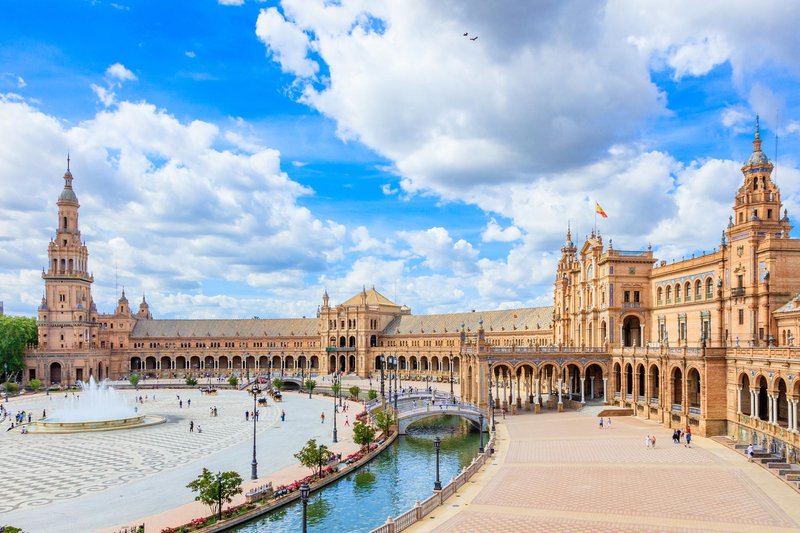
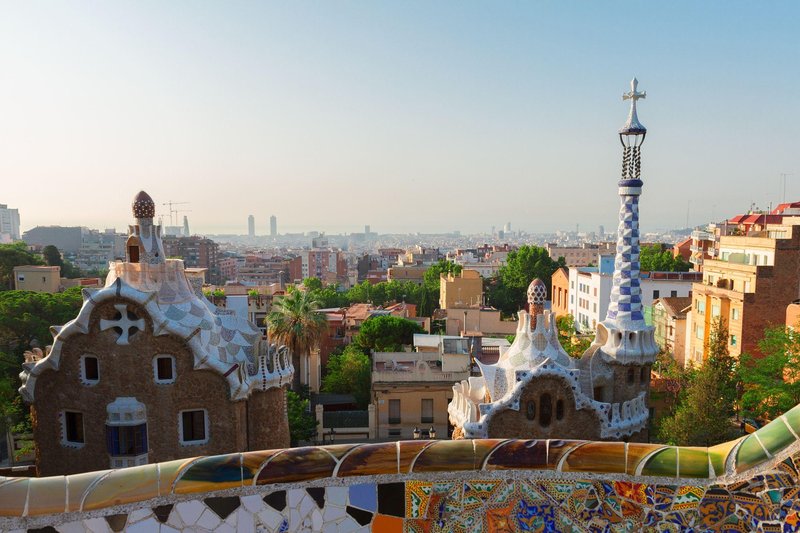
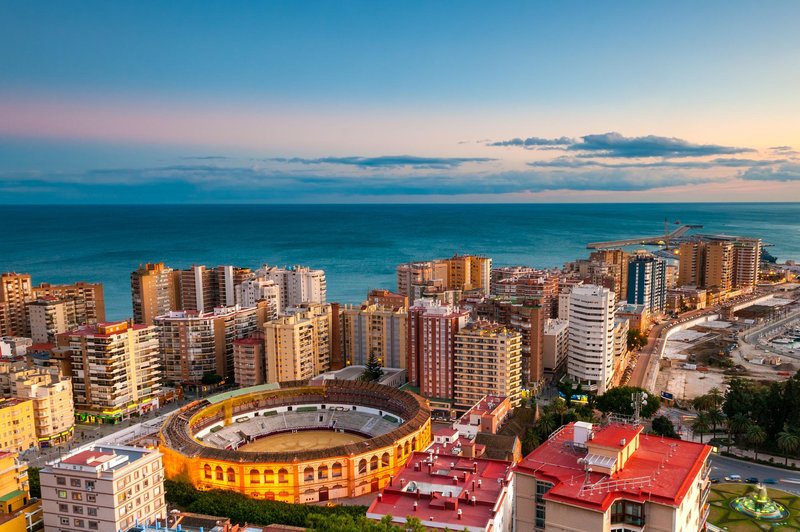
Popular Landmarks in Sant Llorenc d'Hortons
Discover the most iconic attractions in Sant Llorenc d'Hortons
Recommended Hotels in Sant Llorenc d'Hortons
Find the perfect place to stay in Sant Llorenc d'Hortons
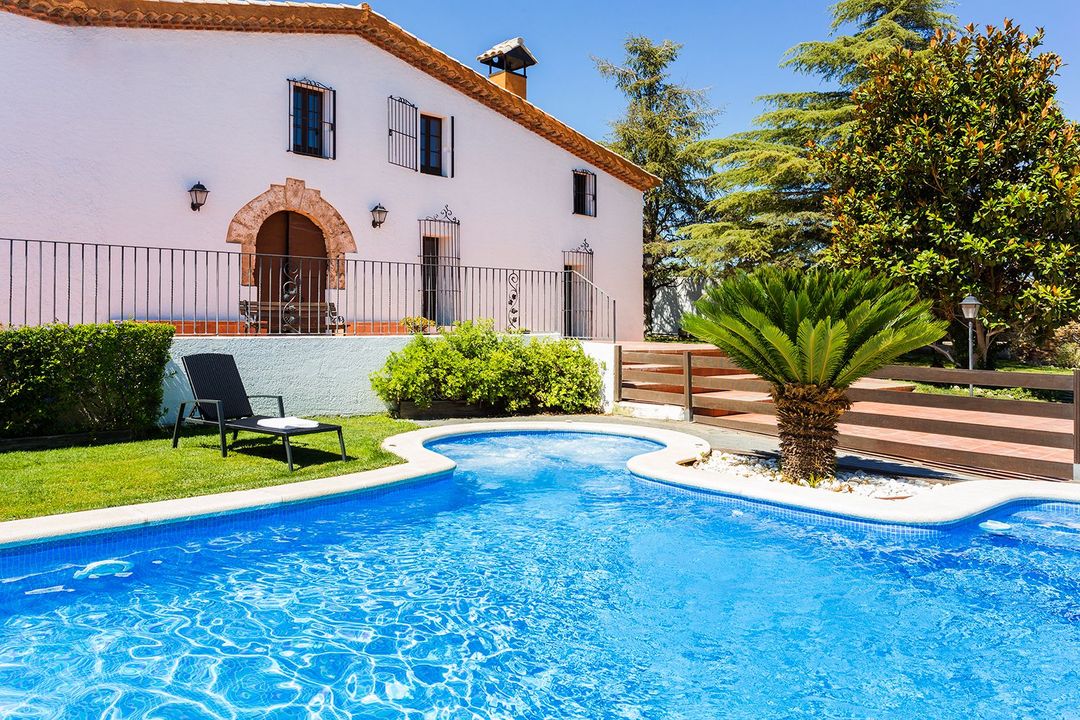
Masia Can Canyes & Spa
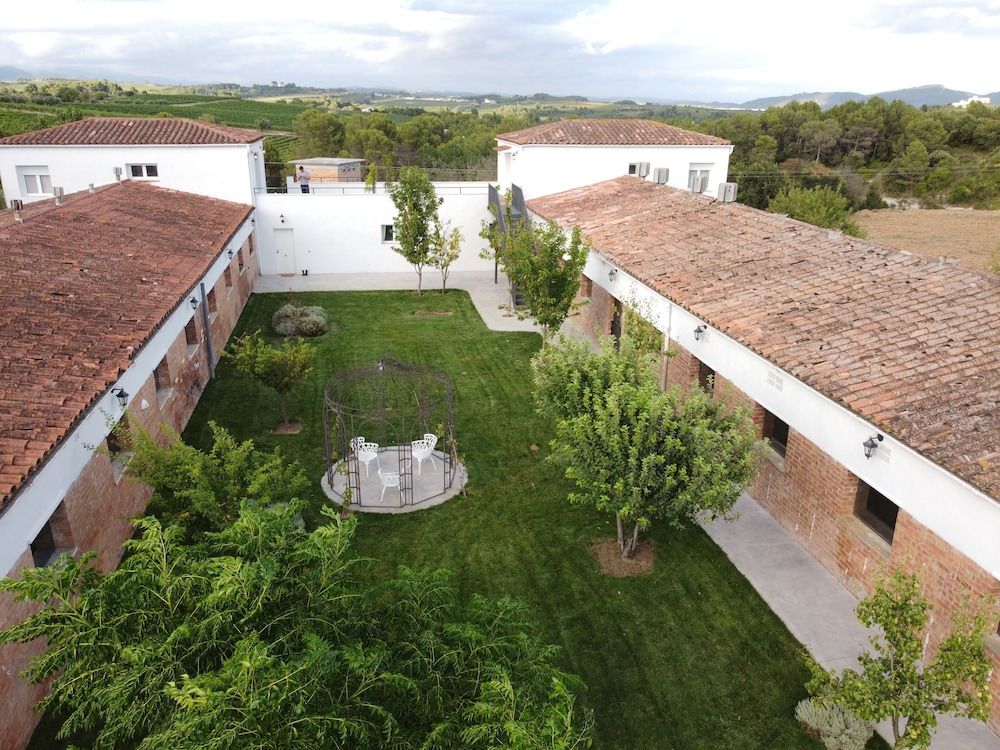
Masia Can Rovira
Frequently Asked Questions about Traveling to Sant Llorenc d'Hortons
Questions You Might Need to Know About Traveling to Sant Llorenc d'Hortons
In Sant Llorenç de Cardassar, the top choice is Hotel Masia Els Llans, a charming boutique hotel housed in a restored 18th-century stone farmhouse. Located on a hillside overlooking the Aragon Valley, it offers panoramic views and authentic Catalan architecture with exposed beams and local stone. The property features an outdoor terrace, natural hot spring baths, and serves traditional Catalan cuisine made with regional ingredients.
Another excellent option is Casa Rural Can Serra, a converted 19th-century farmstead offering rustic-chic rooms, eco-friendly design, and a tranquil countryside setting perfect for families or small groups seeking seclusion. Both properties are ideal for travelers interested in cultural immersion and nature-based experiences.
Guests can also participate in on-site workshops such as Catalan pottery-making, weaving, and cooking classes using local recipes—offering a deep connection to the region’s heritage.
The ideal times to visit Sant Llorenç de Cardassar are spring (March to May) and autumn (September to October), when temperatures range from 15°C to 22°C—perfect for hiking and outdoor exploration. Spring brings wildflower blooms across the Aragon Valley, including golden poppies and purple vetch, while autumn offers stunning foliage and crisp, clear skies.
Don’t miss the Festival of Sant Llorenç, held during the first week of May, featuring traditional costumes, folk dances, artisan markets, and vibrant street decorations. In September, the Wine Festival celebrates local winemaking with tastings, vineyard tours, and workshops showcasing indigenous varieties like Pinyol and Tintorera. Book accommodations early, as demand surges during these events and options are limited.
To immerse yourself in authentic Catalan culture, join hands-on workshops offered by local hotels or cultural centers. At Masia Els Llans, you can learn to hand-weave the traditional Barretina hat, symbolizing rural identity and regional pride.
Participate in a family-style farm dinner, where local farmers prepare Escudella, a hearty Catalan stew made with fresh meats, wild mushrooms, and home-pickled vegetables, served with regional red wine—a true taste of La Taula Catalana (Catalan table culture).
Visit the Church of Sant Llorenç’s historical museum to explore 17th-century maps and religious artifacts reflecting the area’s strong Catholic heritage. During festivals, witness the traditional Sardana dance, a collective circle dance that embodies Catalan unity and spirit—an unmissable cultural highlight.
Near Sant Llorenç de Cardassar, the Aragon Valley is a top natural destination—ideal for hiking and mountain biking. Its terraced fields, ancient stone walls, and medieval irrigation channels reflect centuries-old agricultural wisdom.
The Montserrat Slope Ruins offer a fascinating glimpse into Roman-era life, with remnants of farmhouses, granaries, and pottery workshops. Archaeological finds like ceramic shards and coins are displayed along guided trails with informative signage.
Nature lovers should not miss Cascada de la Càrrega, a 30-meter waterfall with a crystal-clear pool perfect for swimming in summer. Bring non-slip shoes and waterproof bags, and respect local conservation rules to preserve this pristine environment.
Sant Llorenç de Cardassar is located in a remote part of Catalonia, making access somewhat challenging. The best way to reach it is by taking the regional train (R2 Nord) from Barcelona to Sant Cugat del Vallès, then transferring to a bus or renting a car—approximately 1.5 hours total travel time.
There is no metro or direct public transit within the village. Private vehicles or taxis are essential for local travel. Renting a compact car is recommended due to narrow, winding mountain roads, some of which allow only one-way traffic.
Local bus service, operated by Vallès Connect, runs only on weekends and holidays with limited frequency. Always check schedules in advance. Many hotels offer shuttle services, especially during festivals—book ahead to ensure availability.
The cuisine of Sant Llorenç de Cardassar centers on authentic Catalan rural dishes emphasizing fresh, local, and seasonal ingredients. Must-try dishes include Escudella, a rich stew made with lamb, chicken, and root vegetables, slow-cooked to perfection and traditionally served with bread.
Another highlight is Pa amb Oli amb Formatge—crusty bread topped with Queso d'Alcàra, a local aged cheese, and homemade tomato sauce, offering a bold, savory flavor. The region also produces premium black pork ham (Xàbac), known for its intense aroma and deep taste, perfect for slicing and enjoying with wine.
Every Friday evening features a farmers’ market where local artisans sell handmade jams, honey, and fresh produce. For a deeper culinary experience, enroll in a home cooking class to learn how to make traditional Pastís de Fruita or Fogassa (corn flatbread)—a memorable journey through Catalan gastronomy.
Sant Llorenc d'Hortons Overview
City Summary
Sant Llorenç d'Hortons is a charming town in Catalonia, Spain, renowned for its tranquil rural landscapes and rich wine culture. It's an ideal escape from urban hustle, where visitors can immerse in vineyard views and medieval architecture, experiencing traditional Catalan charm.
Must-See Attractions
Must-see spots include the Església de Sant Llorenç, a Romanesque church reflecting the town's history. Vineyard tours are a highlight, with many wineries offering tastings. Hiking and cycling through the countryside are also excellent ways to explore the natural scenery.
Food Guide
Local cuisine features Catalan classics like Escudella i carn d'olla (meat stew) and Panellets (almond sweets). The town's restaurants and bars serve local wines paired with cured olives and rustic bread, offering unique flavors.
Transportation Guide
Driving is the most convenient way to reach Sant Llorenç d'Hortons, about 1 hour from Barcelona. Public transport involves taking a train to nearby towns and transferring by bus. The town itself is walkable, but check bus schedules in advance due to limited service.
Best Time to Visit
The best times to visit are spring (April-June) and autumn (September-October), with mild weather and picturesque vineyards. Summers can be hot, while winters are quieter, ideal for solitude seekers.
Travel Tips
- Respect local culture: Catalans have their own language and traditions; learning basic Catalan greetings is appreciated.
- Wine-tasting etiquette: Keep voices low and follow guides' instructions at wineries.
- Dress comfortably: Wear lightweight shoes and clothes for rural activities.
- Carry cash: Some small shops may not accept cards.
- Eco-friendly travel: Strict recycling rules apply; adhere to local environmental policies.
Useful Information
Language: Catalan and Spanish are spoken; English proficiency is limited. Internet: Free Wi-Fi is available in most hotels and restaurants. Payments: Cards work in larger establishments, but small shops prefer cash. Emergencies: The nearest hospital is in a nearby town; travel insurance is recommended. Emergency number: Dial 112 for all emergencies.