Hotels in Santa Comba Dao
Discover your perfect stay in Santa Comba Dao.
Santa Comba Dao(Portugal) Travel 2026: Cheap Flights, Hotels & Top Attractions
Popular Landmarks in Santa Comba Dao
Discover the most iconic attractions in Santa Comba Dao
Recommended Hotels in Santa Comba Dao
Find the perfect place to stay in Santa Comba Dao
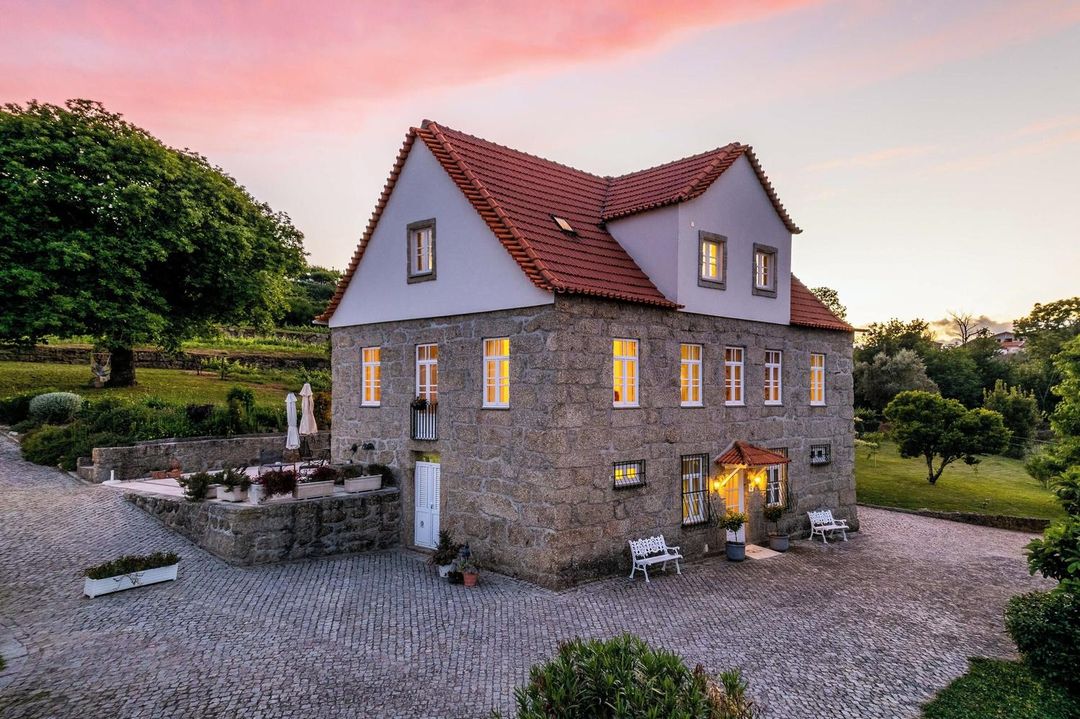
Quinta Lusitânia
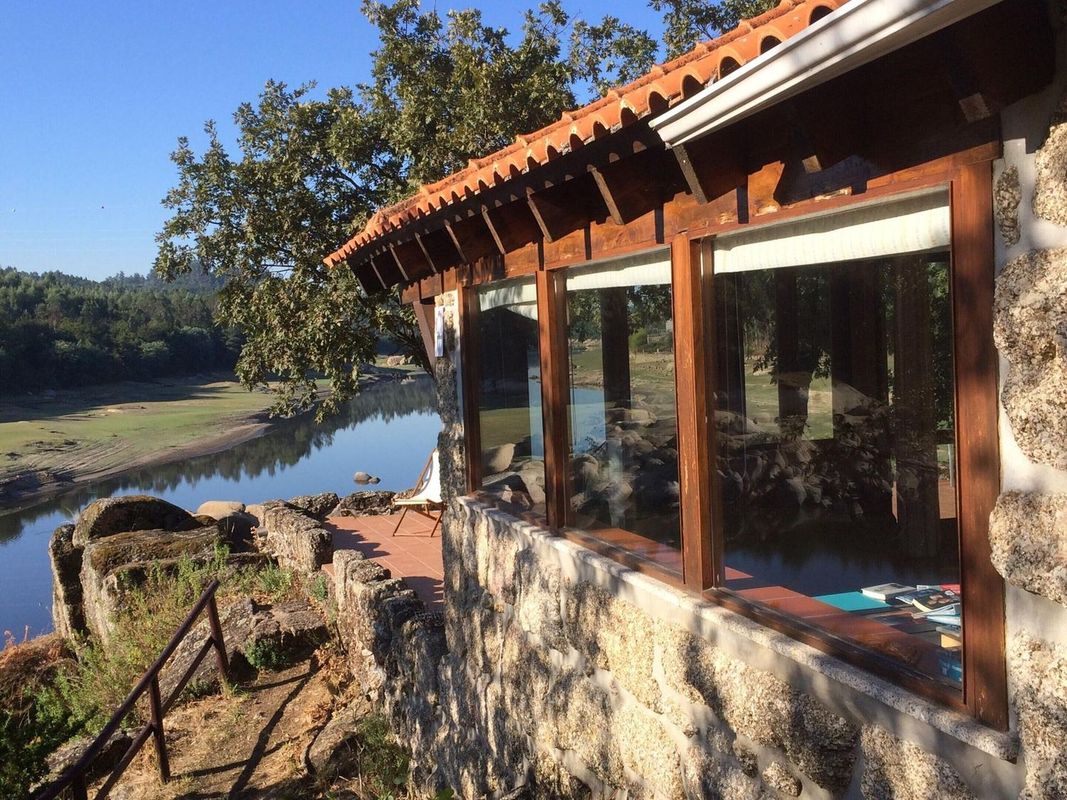
Mansion in Dão Valley by River Beach
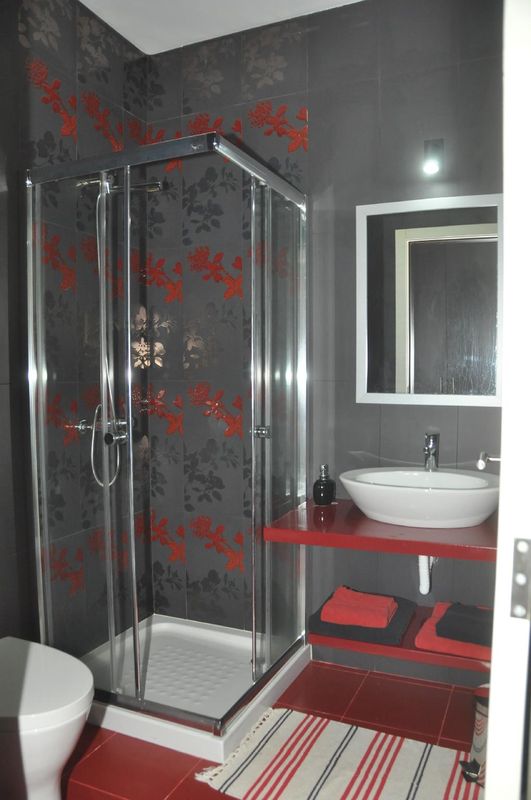
Room in B&B - Vale Martinho - Paradise is Real
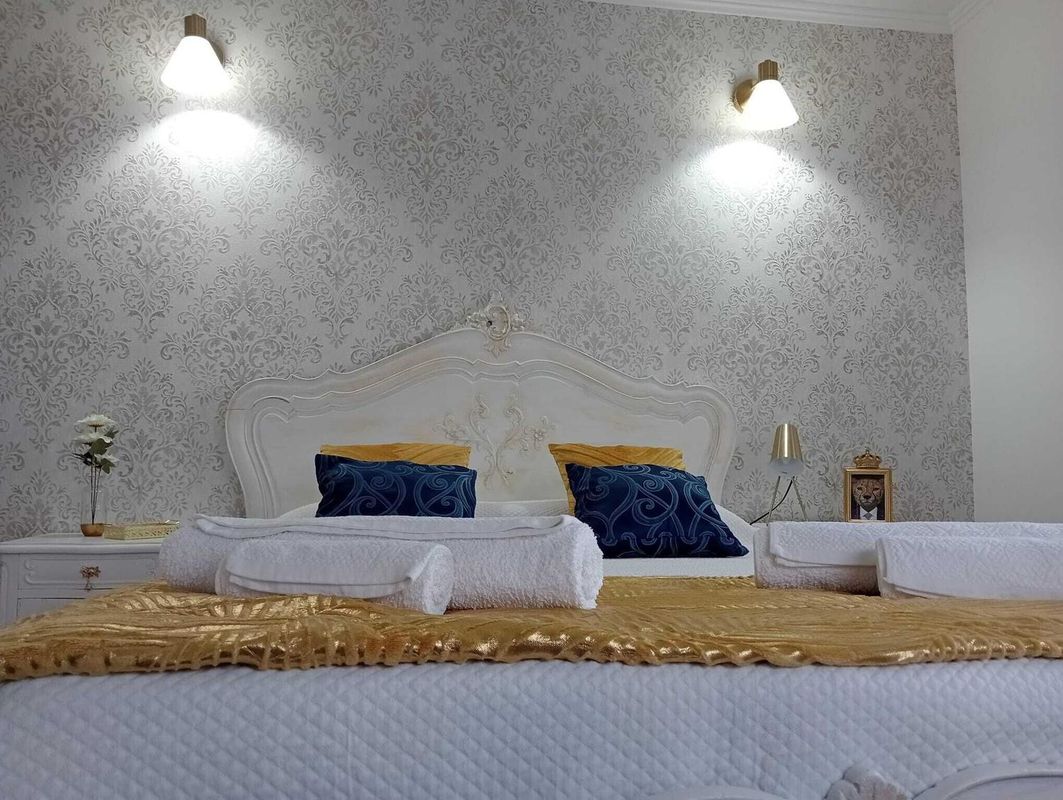
Casinhas do Miga
Best Hotels in Santa Comba Dao
Discover curated hotel collections in Santa Comba Dao
Sublime Comporta Country Retreat & Spa
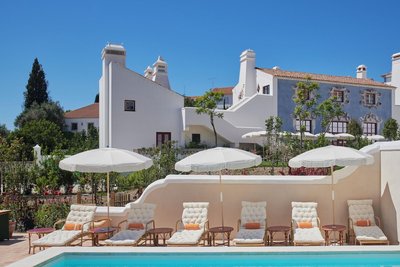
Vermelho Melides - Relais & Châteaux
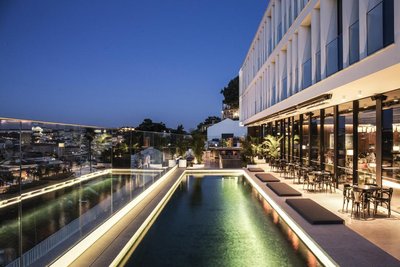
Memmo Príncipe Real - Design Hotels
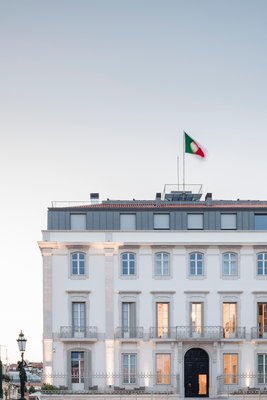
Verride Palácio Santa Catarina
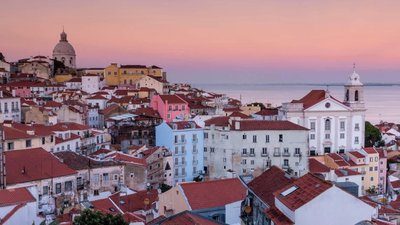
Four Seasons Hotel Ritz Lisbon
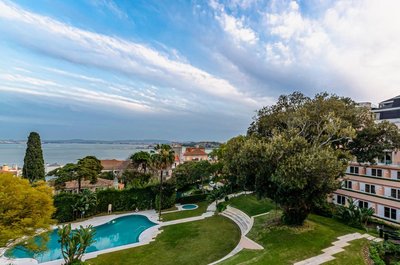
Olissippo Lapa Palace – The Leading Hotels of the World
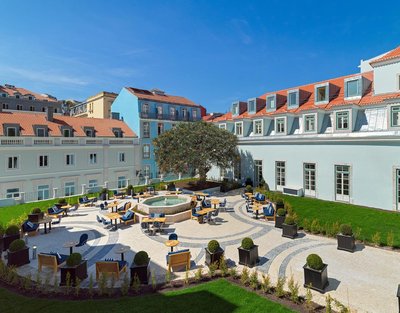
The One Palácio da Anunciada
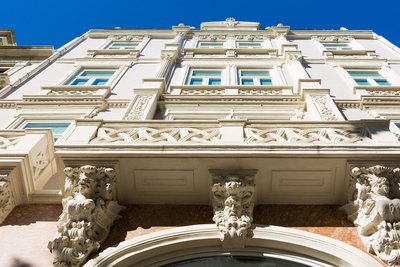
Hotel Valverde Lisboa - Relais & Chateaux
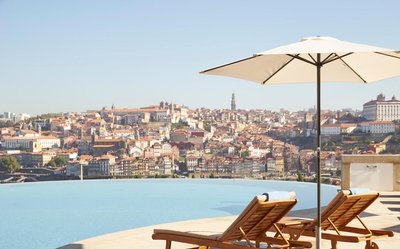
The Yeatman
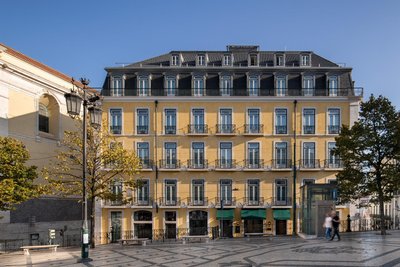
Bairro Alto Hotel
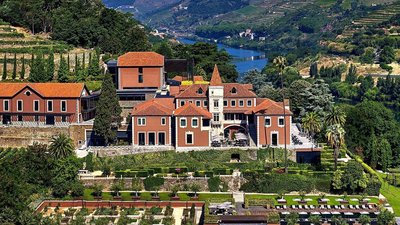
Six Senses Douro Valley
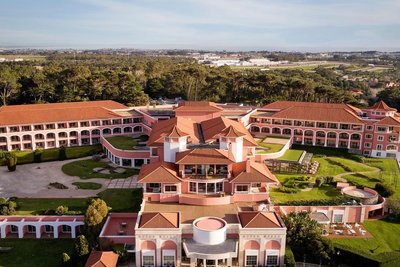
Penha Longa Resort
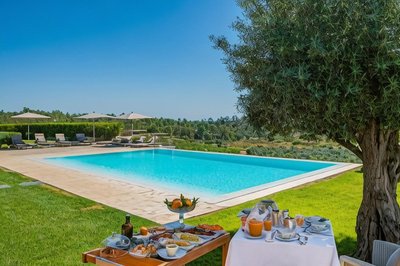
Herdade da Malhadinha Nova - Relais & Châteaux
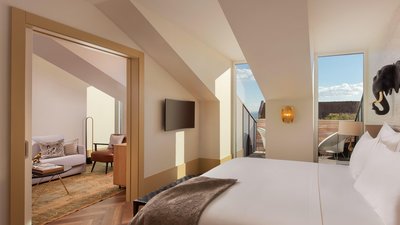
The Ivens, Autograph Collection
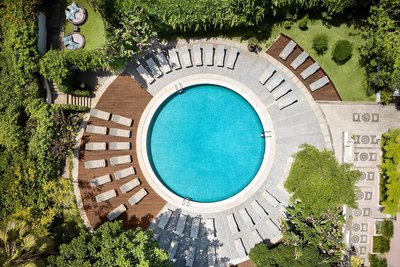
Tivoli Avenida Liberdade
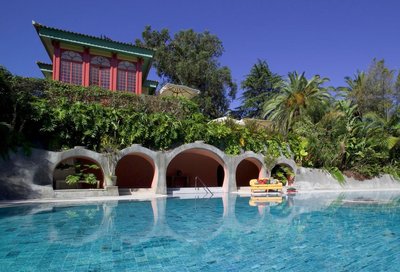
Pestana Palace Lisboa Hotel & National Monument - the Leading Hotels of the World
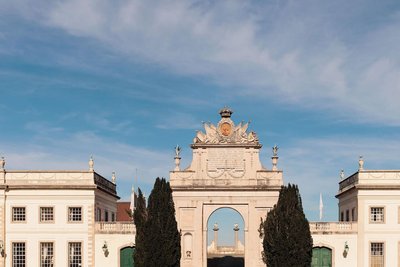
Valverde Sintra Palácio de Seteais - the Leading Hotels of the World
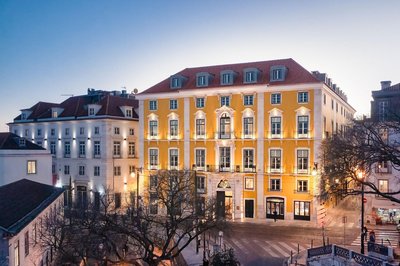
Palácio Ludovice Wine Experience Hotel
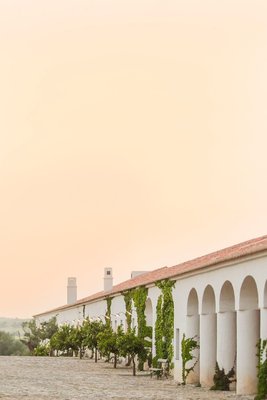
São Lourenço do Barrocal
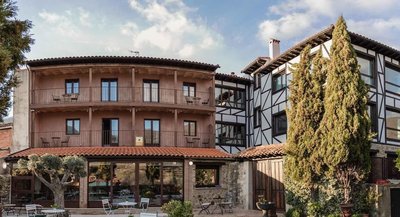
Hotel Spa Aura del Jerte
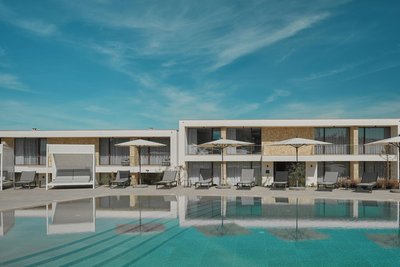
West Cliffs Ocean and Golf Resort
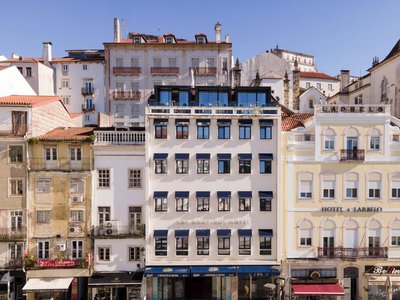
CBR Boutique Hotel - Coimbra
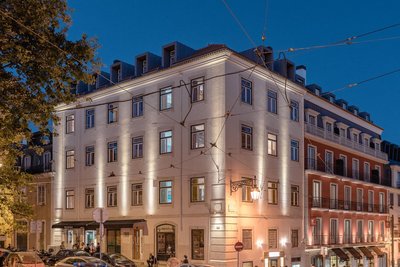
Chiado Arty Flats
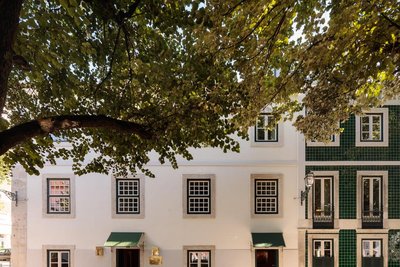
Hotel Das Amoreiras - Small Luxury Hotels of the World
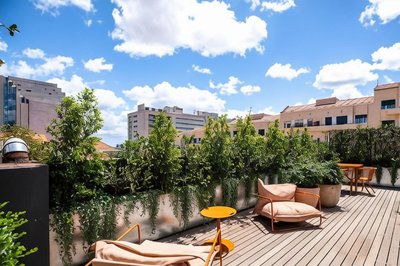
Sublime Lisboa
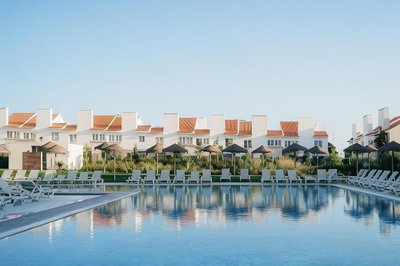
Porto Covo Praia Hotel & Spa

Aqua Et Oleum
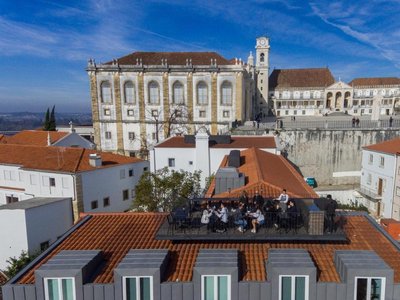
Sapientia Boutique Hotel
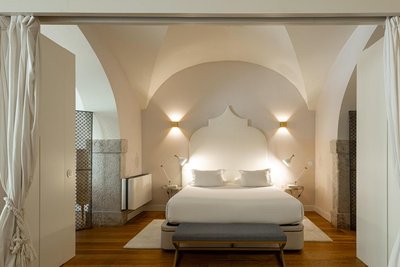
Almaria - Da Corte Apartments | Chiado

Villa Theatro Heritage Apartments
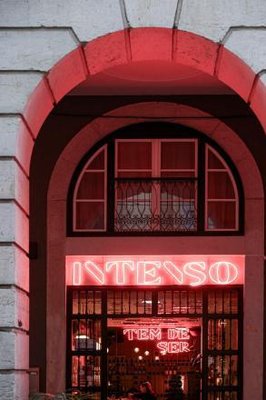
Look Living, Lisbon Design Apartments
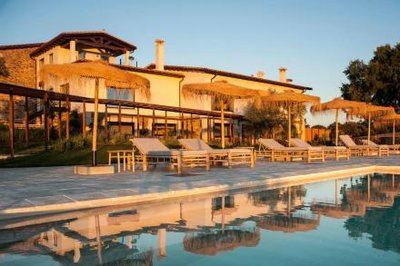
Hábitat Cigüeña Negra

Hotel Cotto do Gatto
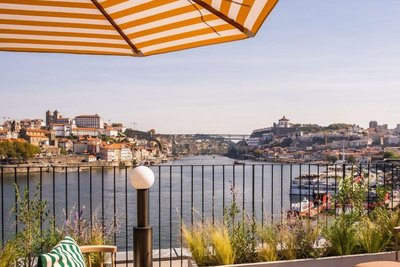
The Rebello Hotel & Spa - Small Luxury Hotels of the World
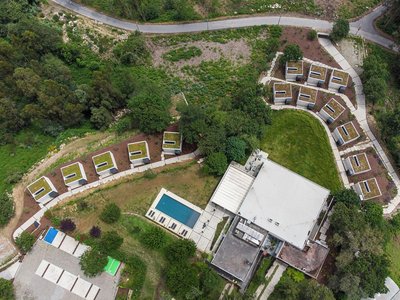
Hotel Pepe Vieira
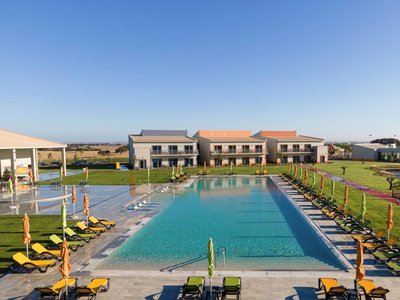
Vila Gale Nep Kids

Atmos Hotel Boutique
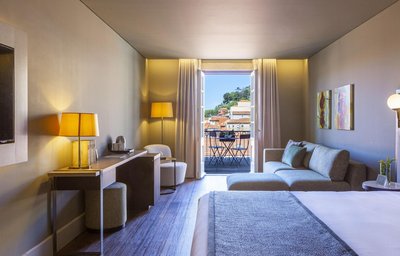
Timbre Virtudes
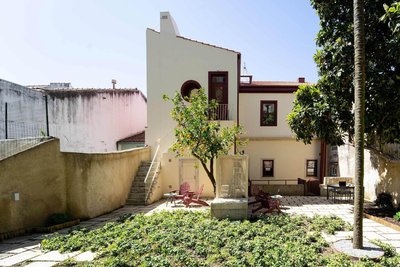
Entre Ruas Apartments
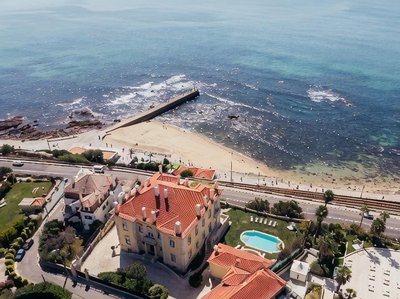
Estoril Vintage Hotel
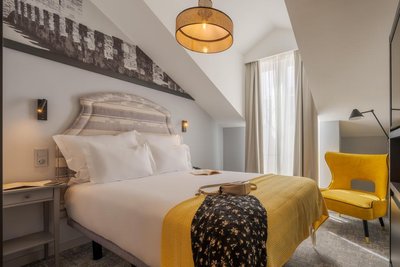
Pousada Alfama
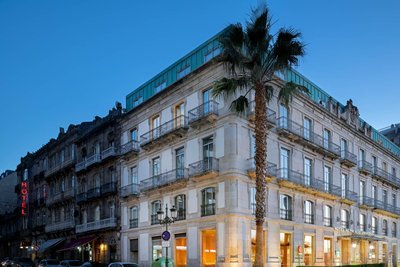
AC Hotel Palacio Universal
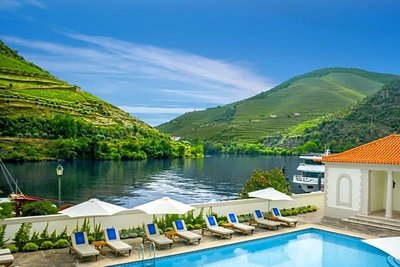
The Vintage House - Douro
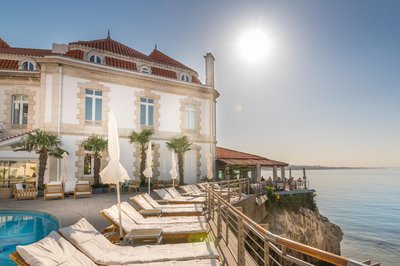
The Albatroz Hotel
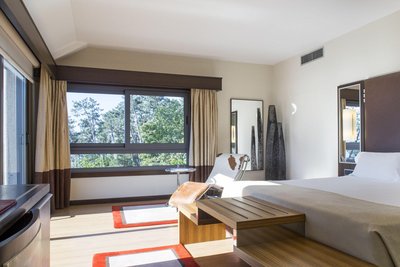
Gran Talaso Hotel Sanxenxo
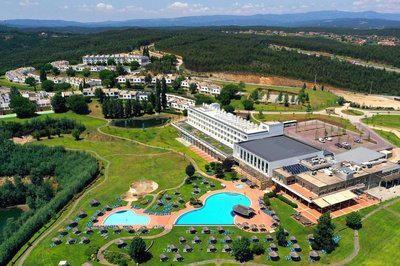
Montebelo Aguieira Lake Resort & Spa
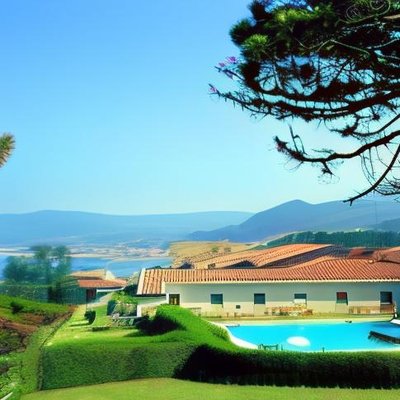
Parador de Baiona
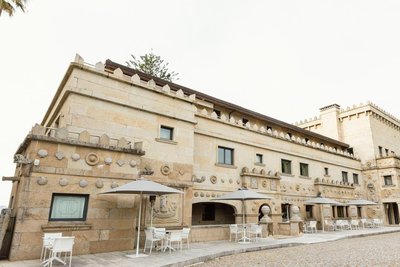
Pazo Los Escudos Hotel Spa & Resort
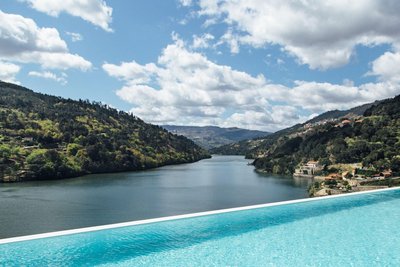
Douro Royal Valley Hotel & Spa
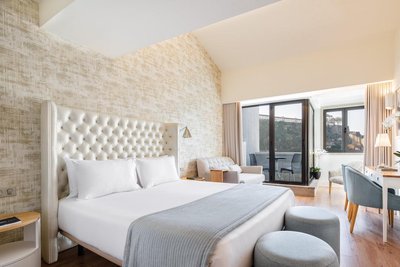
Eurostars Porto Douro
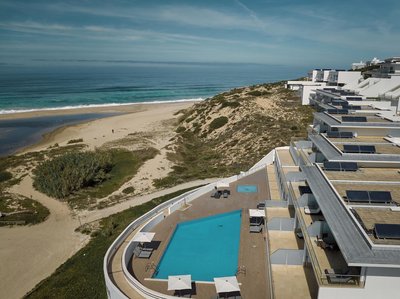
The Beachfront - Praia d'El Rey Golf & Beach Resort
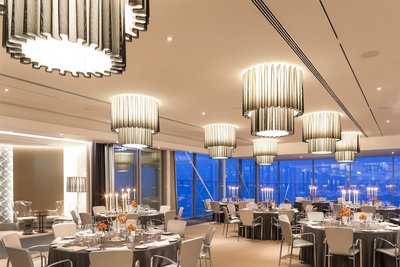
MYRIAD by SANA Hotels
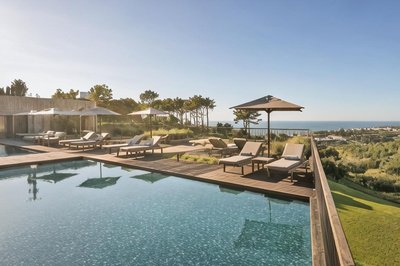
Immerso Hotel, a Member of Design Hotels
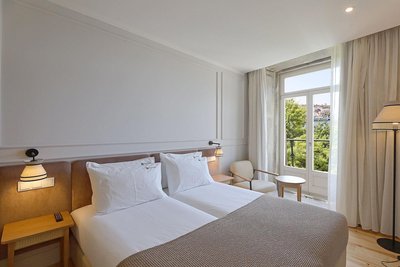
Memoria Porto FLH Hotels
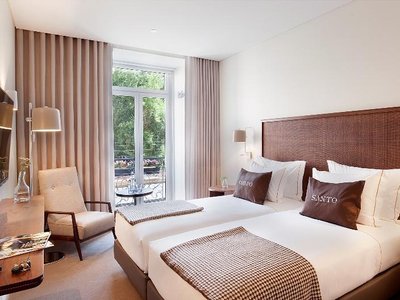
Corpo Santo Lisbon Historical Hotel
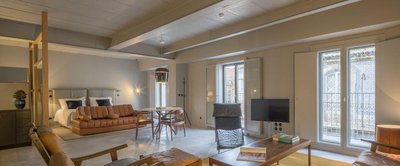
Raw Culture Art & Lofts Bairro Alto
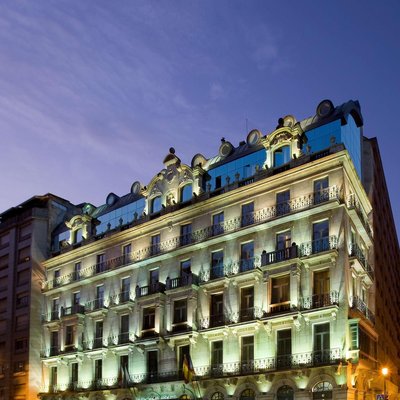
NH Collection Vigo
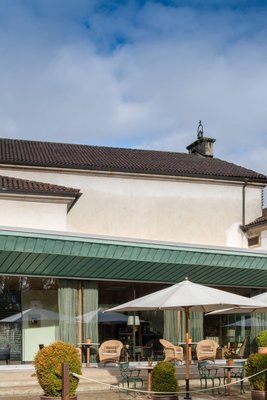
Hotel Palacio del Carmen, Autograph Collection
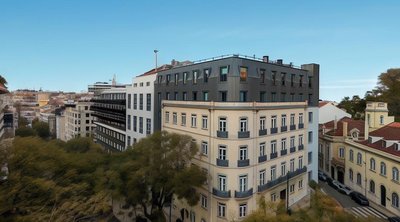
The Vintage Hotel & Spa – Lisbon

Dom Pedro Lisboa Hotel, a member of Radisson Individuals
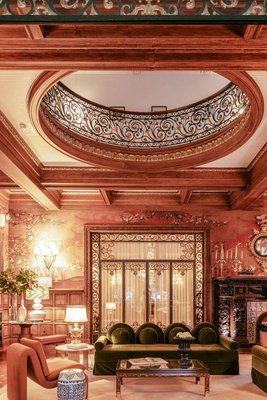
Small Luxury Hotels of the World - Hospes Infante Sagres Porto
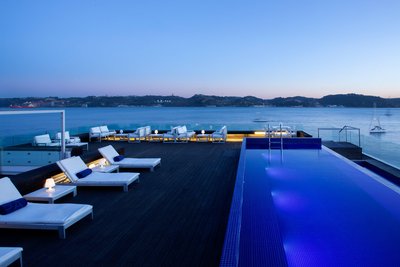
Altis Belem Hotel & Spa, a Member of Design Hotels
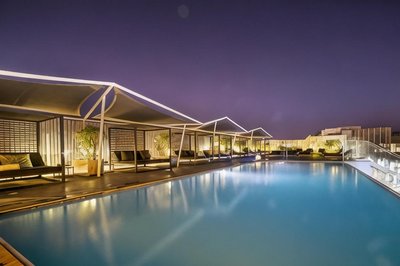
EPIC SANA Lisboa Hotel
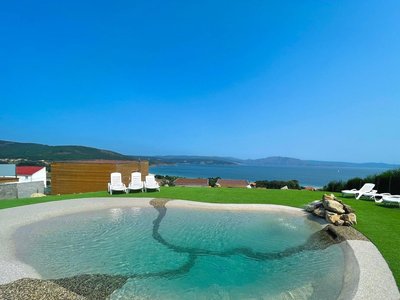
Cabañas Fisterra
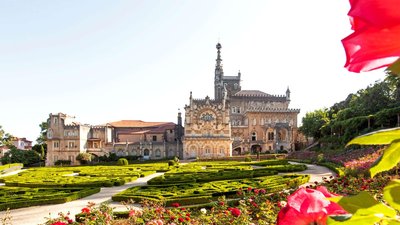
Palace Hotel do Bussaco
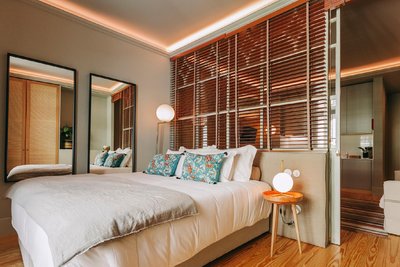
Torel 1884 Suites & Apartments
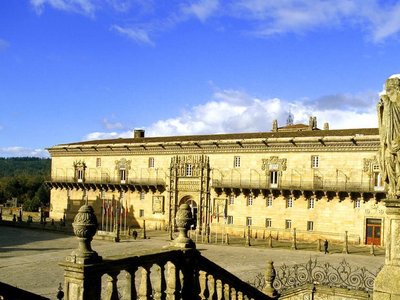
Parador de Santiago - Hostal Dos Reis Catolicos
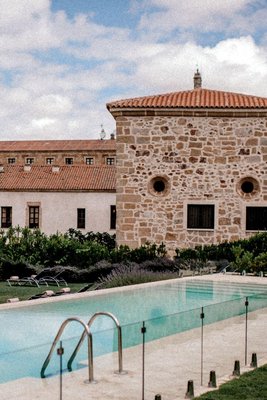
Hospes Palacio de San Esteban
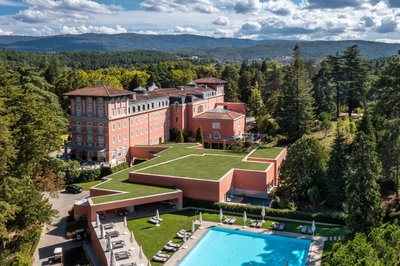
Vidago Palace
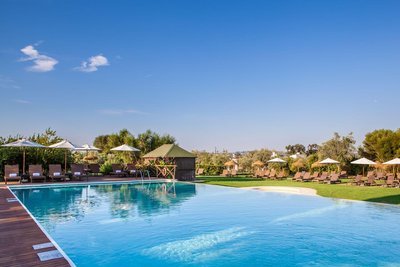
Convento do Espinheiro, Historic Hotel & Spa
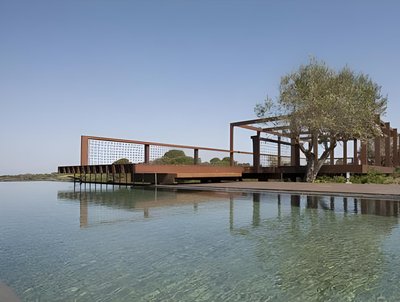
Wecamp Reserva Alecrim
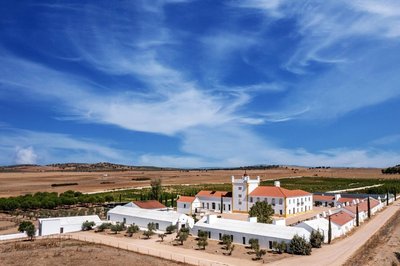
Torre de Palma Wine Hotel, Monforte, a Member of Design Hotels
The Ivens, Autograph Collection
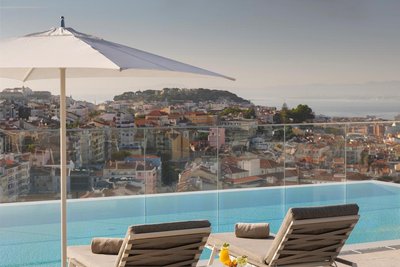
EPIC SANA Marquês Hotel
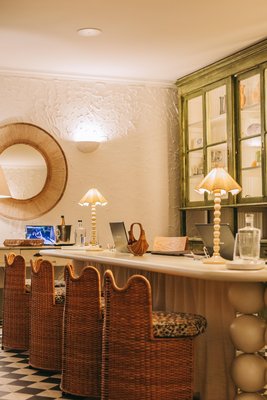
Torel Saboaria
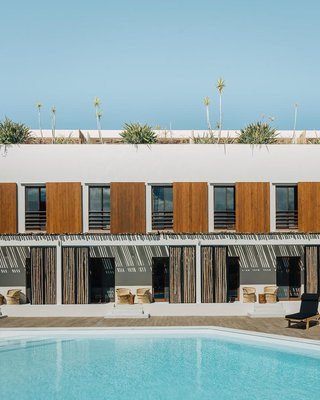
AlmaLusa Comporta
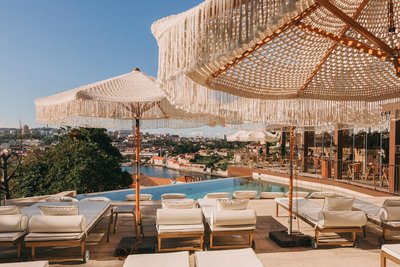
Torel Avantgarde
Memmo Príncipe Real - Design Hotels
Corpo Santo Lisbon Historical Hotel
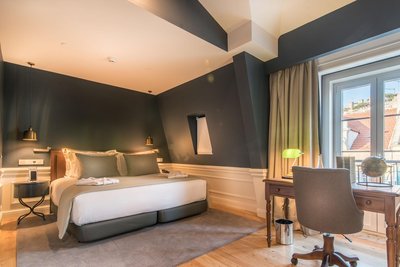
Hotel da Baixa
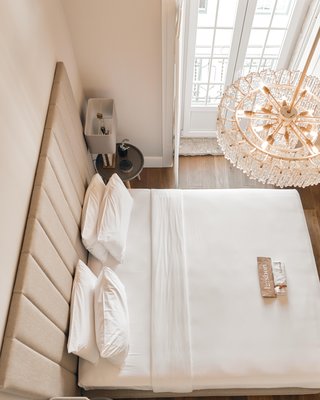
Dare Lisbon House
The One Palácio da Anunciada
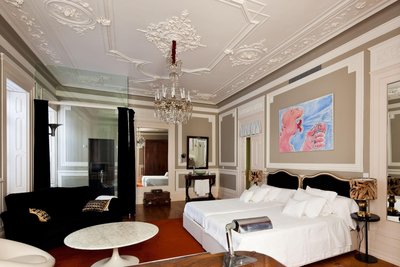
Palacete Chafariz Del Rei - by Unlock Hotels
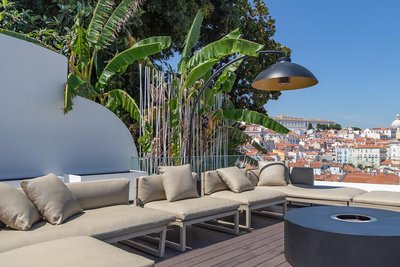
Memmo Alfama - Design Hotels
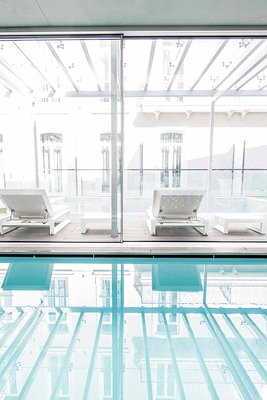
BessaHotel Liberdade
Hotel Valverde Lisboa - Relais & Chateaux
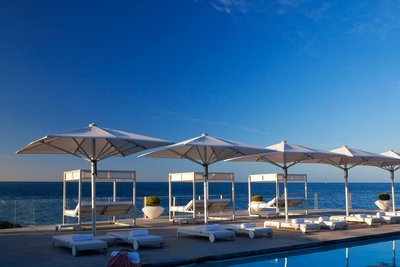
Farol Hotel
The Albatroz Hotel
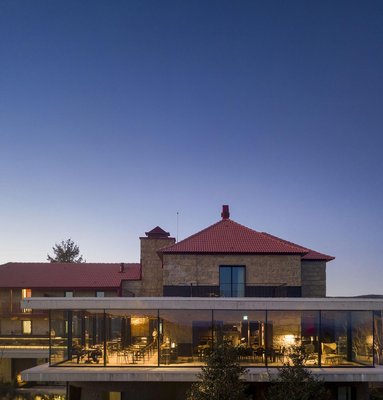
Casa de São Lourenço - Burel Panorama Hotel - Member of Design Hotels
Torel 1884 Suites & Apartments
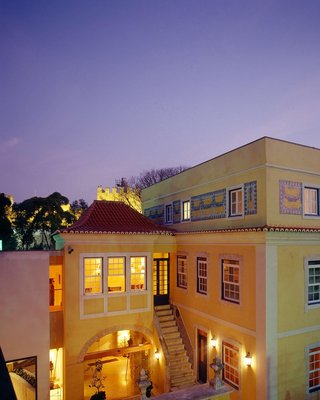
Solar do Castelo - Lisbon Heritage Collection - Alfama
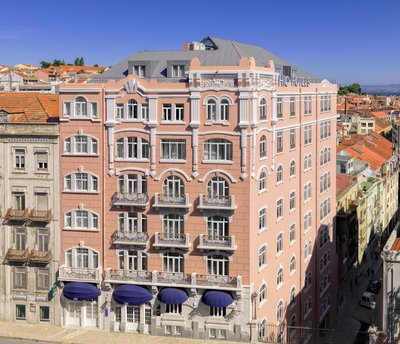
H10 Duque de Loule
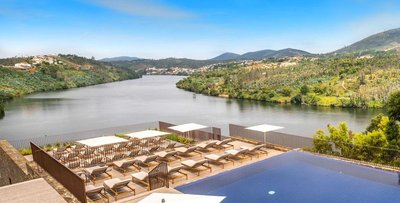
Octant Douro
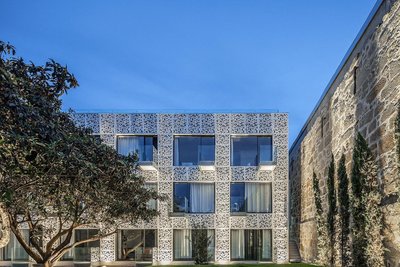
Caléway Hotel
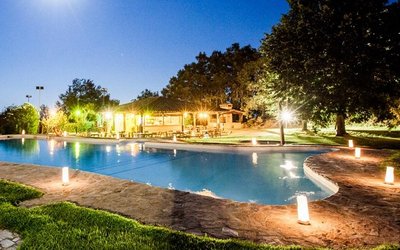
Hotel Rural Peña Del Alba
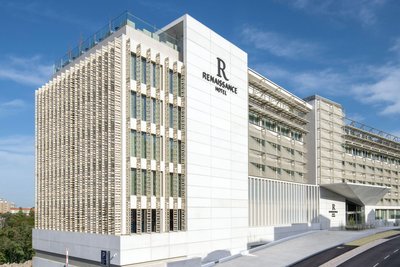
Renaissance Porto Lapa Hotel
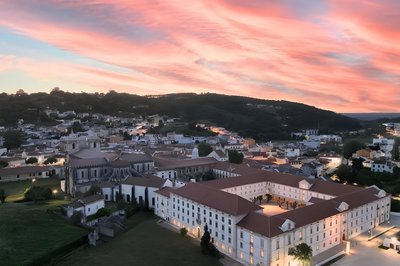
Montebelo Mosteiro de Alcobaça Historic Hotel
Estoril Vintage Hotel
Torel Avantgarde

Wine & Books Porto Hotel
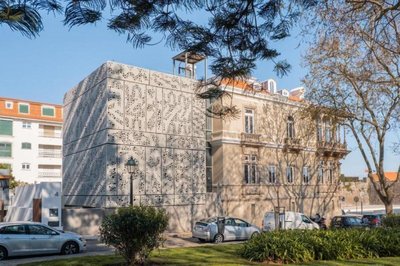
Artsy Cascais
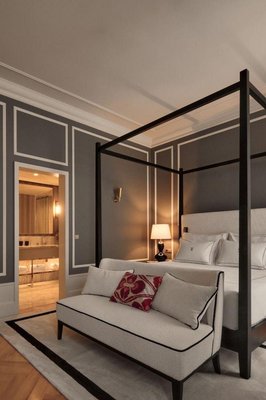
GA Palace Hotel & Spa, a Xixth-Century Villa
Corpo Santo Lisbon Historical Hotel
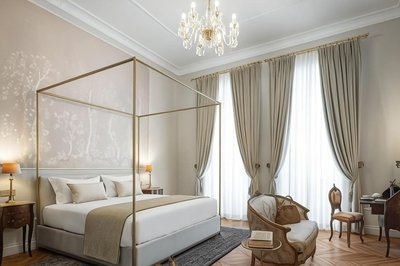
MS Collection Aveiro - Palacete Valdemouro
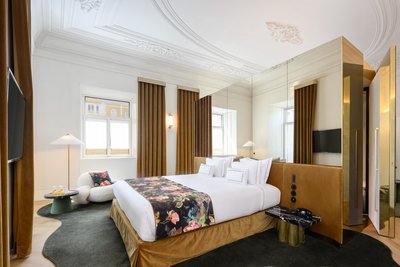
Montebelo Vista Alegre Lisboa Chiado Hotel
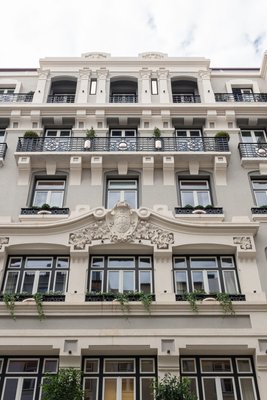
Art Legacy Hotel
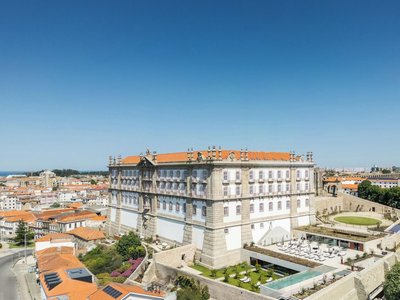
The Lince Santa Clara
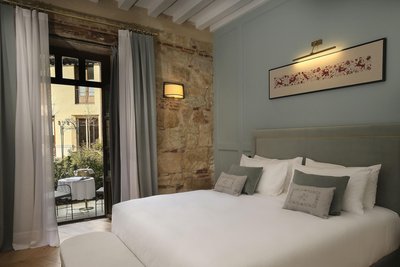
Eunice Hotel Gastronómico
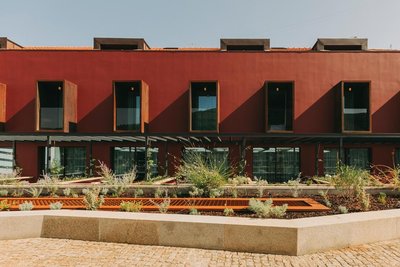
Torel Quinta da Vacaria – Douro Valley
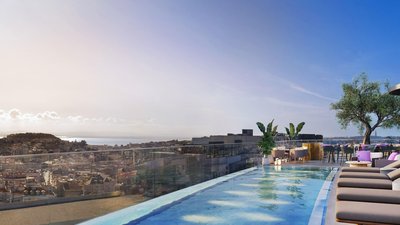
ME Lisbon
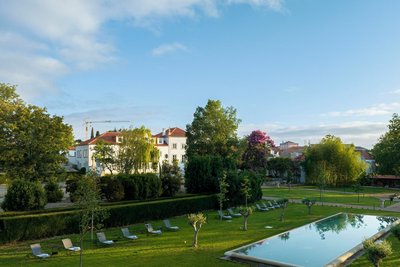
Valverde Santar Hotel & SPA
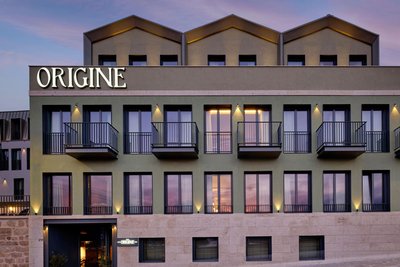
Origine Porto Gaia, a Tribute Portfolio Hotel
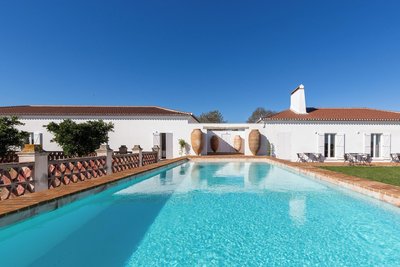
Cenoura-Brava Villas & Suites.

Áurea Museum by Eurostars Hotel Company
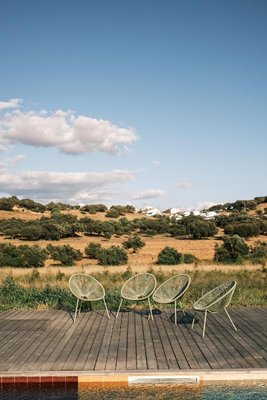
Viva! Farmhouse
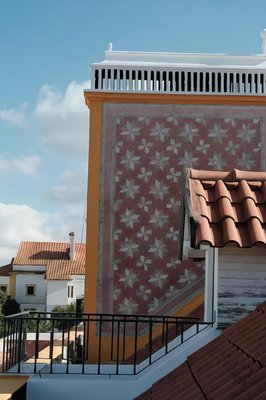
Lilases Boutique House & Garden
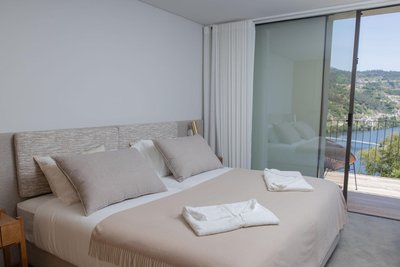
Quinta Alto Do Rio
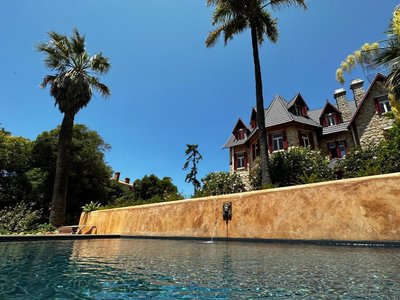
Chalet Ficalho
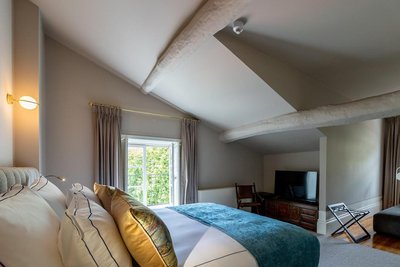
Maison Bleue by Vila Foz
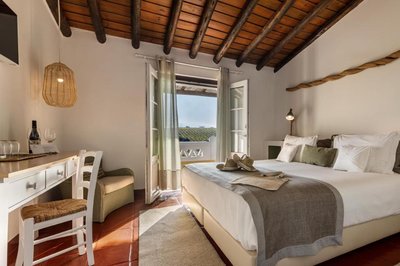
Herdade Do Sobroso Wine & Luxury Boutique Hotel
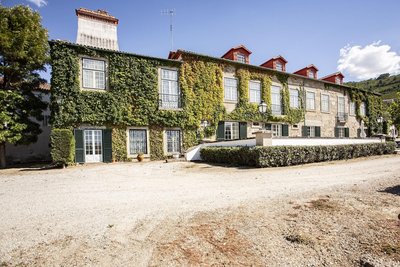
Casa Do Cimo
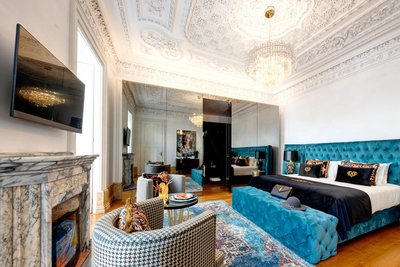
1877 Estrela Palace

Hotel Barrière Fouquet's New York
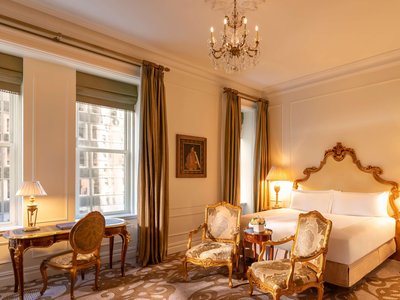
The Plaza - A Fairmont Managed Hotel
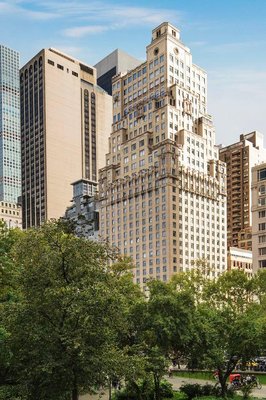
The Ritz-Carlton New York, Central Park

Four Seasons Hotel New York
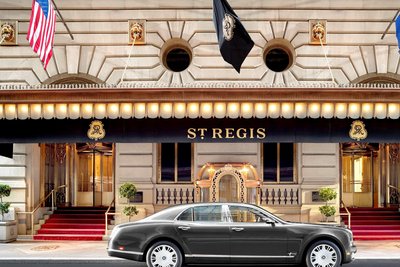
The St. Regis New York
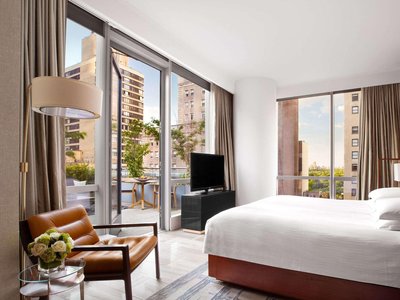
Park Hyatt New York
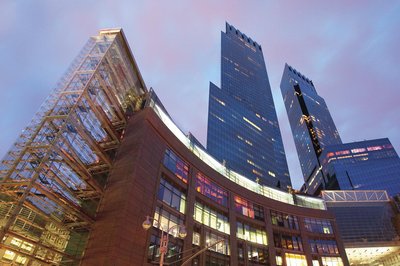
Mandarin Oriental New York
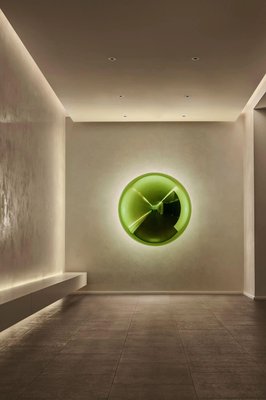
Times Square Edition New York
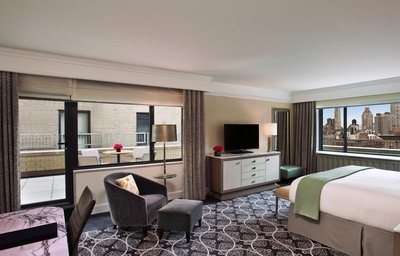
Loews Regency New York Hotel
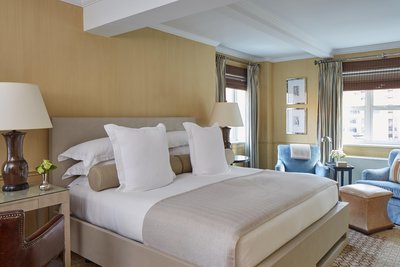
Lowell Hotel
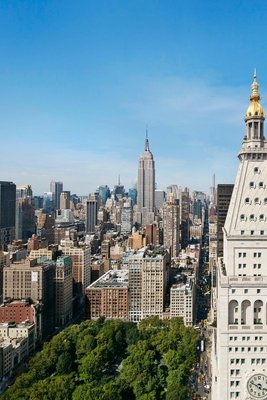
New York Edition
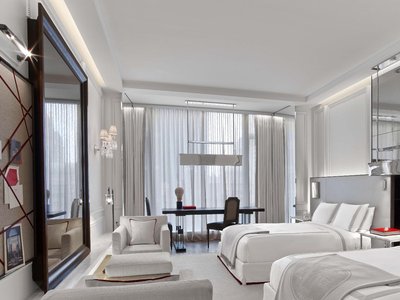
Baccarat Hotel New York
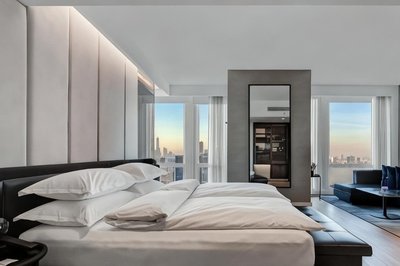
Equinox Hotel New York
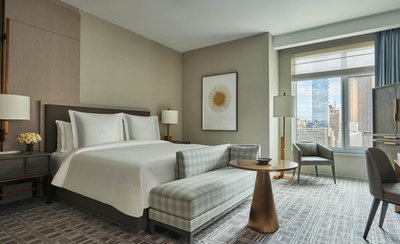
Four Seasons Hotel New York Downtown
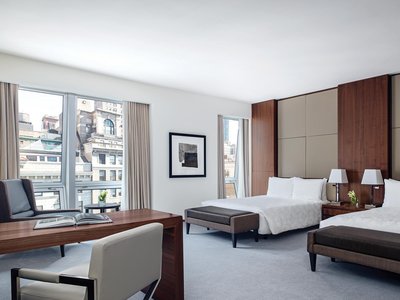
The Langham, New York, Fifth Avenue
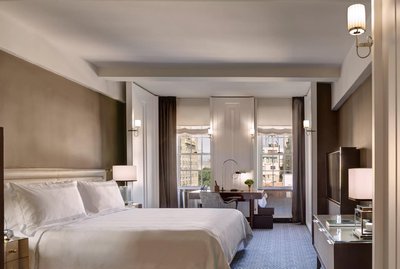
The Carlyle, A Rosewood Hotel

The Chatwal, in the Unbound Collection by Hyatt
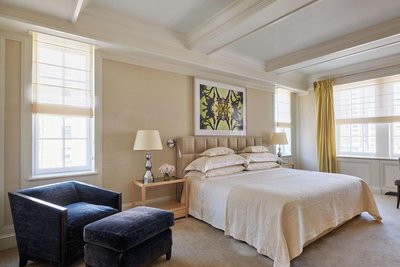
The Mark New York

Trump International Hotel & Tower® New York
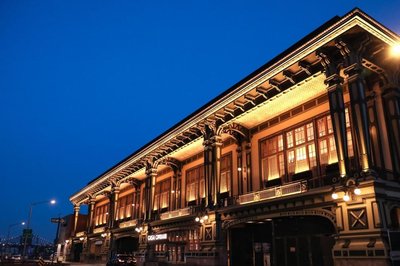
Casa Cipriani New York
Frequently Asked Questions about Traveling to Santa Comba Dao
Questions You Might Need to Know About Traveling to Santa Comba Dao
In São João da Madeira, the top boutique choice is Casa do Moinho, a restored 19th-century mill turned eco-luxury retreat. Nestled along the Ribeira de Santa Clara river, it offers serene views and private terraces with vineyard panoramas. The hotel features locally sourced materials, organic breakfasts, and guided tours to nearby cork forests and traditional azulejo tile workshops. Perfect for travelers seeking authentic Portuguese rural charm and sustainable stays near the Viseu District.
The most authentic experience lies in the historic center of São João da Madeira, especially around the Church of São João Baptista and the Old Market Square. This area hosts family-run guesthouses like Pousada da Vila, where owners share stories of regional traditions, including cork harvesting festivals and handwoven textile craft. Strolling through cobbled alleys lined with azulejo tiles reveals centuries-old architecture and hidden cafés serving pastéis de nata. It’s also the gateway to nearby Estrada dos Cântaros, a scenic route ideal for cycling or slow travel through rolling hills and vineyards in the Viseu District.
Visitors to São João da Madeira should not miss the Annual Agri-Festival, celebrating local farming heritage with live demonstrations of cork production, clay pottery, and wool weaving. Hands-on workshops let guests try making traditional wine pressings using century-old techniques, followed by tastings of Viseu red wines. Every Saturday evening, the Storytelling Night at the Town Square features elders sharing folk tales accompanied by acoustic guitar. During autumn, join the acorn gathering tour to learn how communities sustainably harvest cork oak resources—highlighting the region’s deep connection to nature and tradition.
For families, Fazenda Família São João stands out as a fully equipped farmstay offering spacious family suites, a kids’ playroom, and an organic vegetable garden where children can help harvest. The hotel provides family packages with breakfast, afternoon snacks, and guided tours to historic watermills and forest trails. A highlight is the interactive cooking workshop, where kids learn to make traditional Portuguese dishes. Located just a 5-minute drive from the Children’s Museum of São João, it’s ideal for educational yet fun getaways. Evening BBQs with local chefs complete the authentic family experience.
Yes, several hotels provide immersive culinary experiences. Casa de Almeida hosts a monthly "Taste of São João" dinner featuring seasonal dishes like cozido à portuguesa, grilled lamb with rosemary, and honey almond cake, all made with ingredients sourced from local farms. Guests can join hands-on workshops to prepare pastéis de nata and wine-based sauces in a traditional kitchen setting. Some hotels also partner with nearby farmers for "Farm to Table" excursions—harvesting tomatoes, milking goats, and cooking together. These activities deepen understanding of central Portugal’s gastronomic heritage while creating lasting memories.
Absolutely. Hostel Serra Verde is specifically designed for solo travelers, offering private single rooms, co-working spaces, and a vibrant social lounge hosting monthly traveler meetups and language exchange events. Located near the São João da Madeira Library and Café Trail, it’s surrounded by indie bookshops and art galleries—perfect for quiet reflection or creative inspiration. The hostel organizes regular hiking expeditions and stargazing nights to hidden viewpoints in the Serra da Estrela Mountains, fostering meaningful connections. Eco-conscious, affordable, and community-focused, it’s ideal for independent explorers seeking authenticity and serenity.
Santa Comba Dao Overview
City Summary
São Comba Dão is a charming small town in the Viseu District of central-northern Portugal. Known for its beautiful natural landscapes, rich history, and traditional craftsmanship, São Comba Dão offers a peaceful retreat from city life. Surrounded by lush forests and vineyards, the town blends rural traditions with modern influences, creating a unique cultural experience.
Must-See Attractions
The top attractions in São Comba Dão include its historic churches, traditional buildings, and nearby nature reserves. Visitors can explore the São Comba Dão Church, showcasing unique architectural and religious art. The surrounding forested parks provide excellent hiking and cycling opportunities for nature lovers. Additionally, local vineyards and wineries welcome tourists for wine tastings and insights into traditional Portuguese winemaking.
Food Guide
The culinary scene in São Comba Dão reflects Portugal’s rural traditions, featuring hearty dishes like lamb stew and roasted suckling pig, prepared with local olive oil and spices. Don’t miss the region’s fresh cheeses and homemade sausages, best paired with local wines. Street snacks like Portuguese fried cornbread and the famous Pastel de Nata custard tart are also must-tries.
Transportation Guide
Getting around São Comba Dão primarily relies on cars and buses. The town center is small and walkable, but renting a car is recommended to explore the surrounding nature reserves. Public bus services are limited, with infrequent schedules. Regular buses run from Viseu (around 1 hour away). Be aware rural roads can be narrow with unclear signage, so GPS navigation or advance route planning is advised.
Best Time to Visit
The best time to visit São Comba Dão is in spring (April–June) and autumn (September–October), when the weather is mild, and crowds are smaller—ideal for outdoor activities. Summers are warm but may be busier, while winters are chilly yet festive during Christmas celebrations.
Travel Tips
- Etiquette: Locals are friendly—greeting strangers with a nod or hello is appreciated.
- Safety: Crime is low, but safeguard valuables in tourist areas.
- Currency: Euros are used, but ATMs are scarce; carry cash.
- Language: Portuguese is spoken; basic phrases help as English isn’t widely spoken.
- Customs: Dress modestly and stay quiet in churches.
- Eco-friendly: Follow environmental rules—avoid littering or harming nature.
Useful Information
While São Comba Dão is generally safe, travel insurance is recommended. Healthcare facilities are limited; serious cases may require treatment in Viseu. Internet coverage is spotty—Wi-Fi is available in some cafés. Cash is preferred for small businesses; credit cards work in larger establishments. Check bus schedules in advance. The town’s post office and tourist center provide basic services and maps.