Hotels in Santa Maria de Palautordera
Discover your perfect stay in Santa Maria de Palautordera.
Santa Maria de Palautordera(Spain) Travel 2026: Cheap Flights, Hotels & Top Attractions
Popular Landmarks in Santa Maria de Palautordera
Discover the most iconic attractions in Santa Maria de Palautordera
Recommended Hotels in Santa Maria de Palautordera
Find the perfect place to stay in Santa Maria de Palautordera
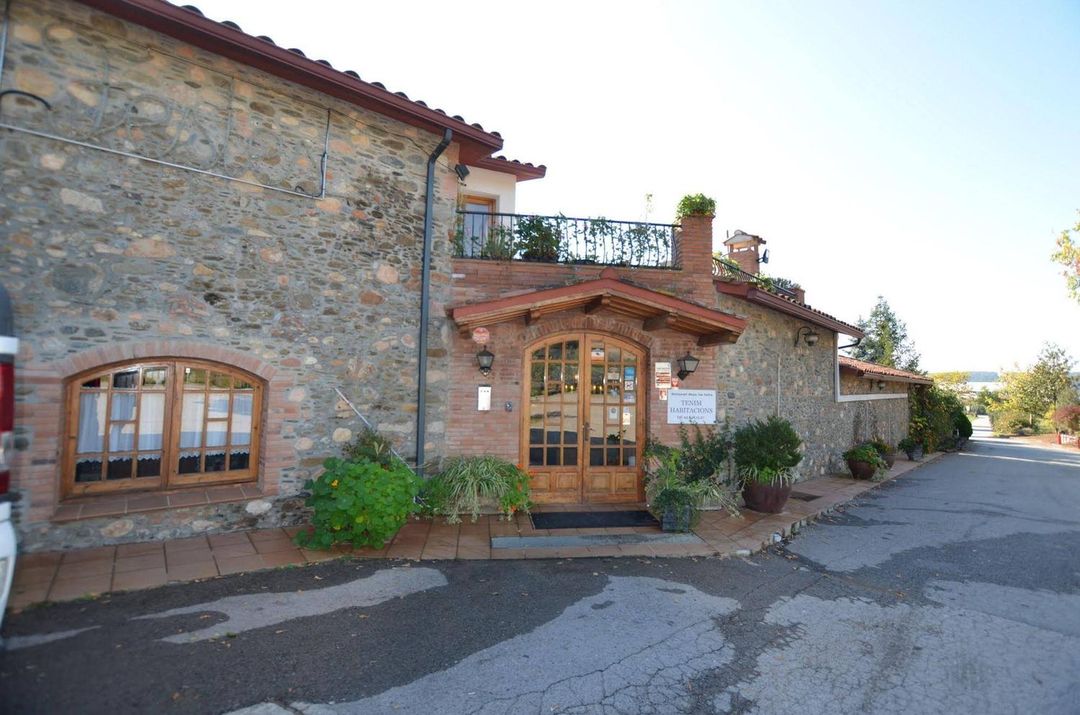
Hostal Can Nofre
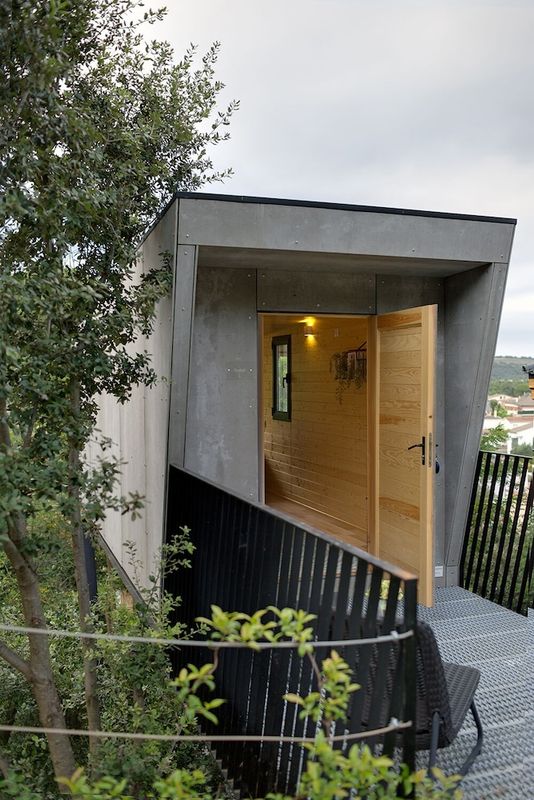
Les Suites
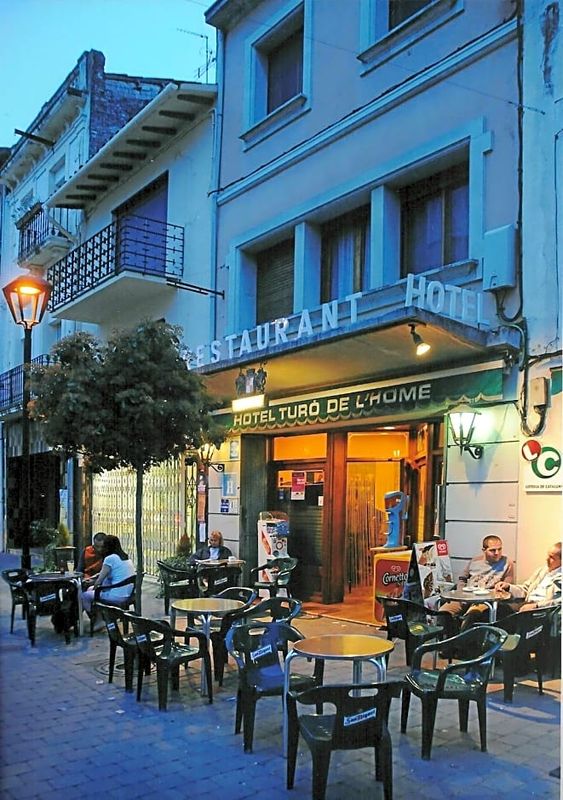
Turó de l´Home
Frequently Asked Questions about Traveling to Santa Maria de Palautordera
Questions You Might Need to Know About Traveling to Santa Maria de Palautordera
In Santa Maria de Palautordera, the top boutique stay is Hotel Masia Els Vinyes, a restored 19th-century farmhouse blending Catalan rustic charm with modern elegance. Nestled on a hillside, it offers panoramic views of the Valencia Basin and features an organic garden, outdoor pool, and farm-to-table breakfasts. Ideal for travelers seeking authentic rural experience and proximity to historic sites like Sant Maria Church.
The best area for lodging is the historic town center, close to Sant Maria Church and the local market. This district preserves 19th-century stone buildings and narrow alleys, offering a quiet, authentic atmosphere. Stay at family-run guesthouses like Casa Rural La Serranía, which provide terraces overlooking vineyards and easy access to cultural events and scenic trails.
Experience the annual Festa de la Mare de Déu (Assumption Festival) in August, featuring traditional music, folk dances, and costumes. Participate in a hands-on olive oil pressing workshop at a local farm to learn ancient Mediterranean techniques. In the evening, dine at a taverna and savor calçots (grilled spring onions) with romesco sauce—authentic Catalan culinary tradition.
Yes, Hotel Els Oliverers is ideal for families, offering a children’s playroom, outdoor pool, and a mini-farm where kids can interact with chickens and goats. Located just outside the town center, it provides peaceful surroundings while being within a 10-minute drive of Sant Maria Church. The hotel also hosts kid-friendly nature walks and provides cribs and baby essentials upon request.
Take the Renfe R2 Nord regional train from Barcelona Sants Station to Vilafranca del Penedès, then transfer to a local bus to Santa Maria de Palautordera—about 1 hour total. Alternatively, rent a car via N-151 highway, passing through lush vineyards and oak forests. For short-distance travel, use the Bicing bike-sharing system to explore the town at a relaxed pace.
Must-try dishes include calçots (grilled spring onions), escudella i carn d’olla (hearty stew), and pa amb tomàquet (tomato bread). Enjoy fresh calçots at El Bosc restaurant, paired with romesco sauce. Visit the Mercat de Sant Maria market for local cheeses, honey, and artisanal bread—ingredients sourced directly from nearby farms, embodying Catalan "from field to table" cuisine.
Absolutely. The Sant Maria Church is a stunning example of Gothic architecture, dating back to the 14th century, with well-preserved frescoes and stained-glass windows. Its central square often hosts markets and concerts, making it a cultural hub. The town also features several 18th-century stone houses and old mills, designated as Catalan heritage sites, perfect for walking tours and photography.
Yes, the area boasts excellent hiking trails like Camí de les Cols and Ruta dels Vins, winding through vineyards, oak forests, and streams. Trails range from 3 to 6 km, suitable for all levels. Early morning or late afternoon hikes offer sightings of deer and birds, with fresh air and scenic views. Interpretive signs explain local flora and history, enhancing the immersive experience.
Peak season runs from May to September, especially during the Festa de la Mare de Déu in August and summer festivals. Expect higher prices and more visitors; book accommodations early. Winter months are quieter but ideal for those seeking tranquility, local crafts fairs, and authentic rural traditions without crowds.
Look for locally crafted extra virgin olive oil, Catalan honey, and lavender soaps. These are produced by small farms like Molí de l'Oliverer, using traditional stone presses and natural ingredients. Also consider hand-embroidered dolls and ceramic tableware made by local artisans—beautiful, sustainable keepsakes that reflect Catalan craftsmanship and heritage.
Santa Maria de Palautordera Overview
City Summary
Santa Maria de Palautordera is a charming small town in the Catalonia region of Spain, located in the province of Barcelona. Known for its tranquil rural atmosphere and rich natural landscapes, it is an ideal destination for escaping the hustle and bustle of the city. The town is surrounded by dense forests and mountains, perfect for hiking and outdoor activities. Additionally, it retains medieval architectural styles, especially in its churches and traditional stone houses, showcasing Catalonia's history and culture.
Must-See Attractions
The main attractions in Santa Maria de Palautordera include the Santa Maria de Palautordera Church, a medieval Romanesque church with exquisite architectural details. The surrounding Montseny Natural Park is a great spot for hiking and birdwatching. Visitors can also explore local traditional farms to experience Catalan rural life.
Food Guide
In Santa Maria de Palautordera, visitors can enjoy authentic Catalan cuisine. Recommended dishes include Escudella i Carn d'Olla (a traditional meat stew) and Panellets (almond sweets). Local restaurants and bars offer fresh regional ingredients, especially mushrooms and game, which are specialties of the area.
Transportation Guide
Transportation in Santa Maria de Palautordera mainly relies on buses and driving. From Barcelona, visitors can take a bus or train to nearby towns and then transfer to a local bus. Walking is the most convenient way to get around the town, as attractions are concentrated and streets are narrow. Self-driving tourists are advised to plan routes in advance, as some rural roads are narrow.
Best Time to Visit
The best time to visit is during spring (April to June) and autumn (September to October), when the weather is mild and ideal for outdoor activities. Summer (July to August) is hotter but less crowded, suitable for travelers who prefer quiet. Winter (December to February) is colder, but visitors can experience local Christmas festivities.
Travel Tips
- Respect local culture: Catalans have their own language and traditions, so learning a few Catalan greetings is appreciated.
- Wear comfortable shoes: The town has cobblestone streets, so comfortable walking shoes are recommended.
- Carry cash: Some small shops and restaurants may not accept credit cards.
- Eco-friendly travel: Montseny Natural Park is a protected area; please do not leave trash.
- Book in advance: Restaurants and accommodations may be crowded during peak season, so HopeGoo ahead is advised.
- Stay safe: When hiking, carry a map and water, and avoid entering undeveloped areas alone.
Useful Information
Language: The main languages are Catalan and Spanish, with English spoken in tourist areas. Internet: Free Wi-Fi hotspots are available in town, but signals may be unstable; consider using mobile data. Payment: Most places accept credit cards, but small shops and markets may only take cash. Emergency: The nearest hospital is in Barcelona, but the town has a clinic for minor injuries. Voltage: 220V, with European standard two-pin round plugs.