Hotels in Santana
Discover your perfect stay in Santana.
Santana(Portugal) Travel 2026: Cheap Flights, Hotels & Top Attractions
Popular Landmarks in Santana
Discover the most iconic attractions in Santana
Recommended Hotels in Santana
Find the perfect place to stay in Santana

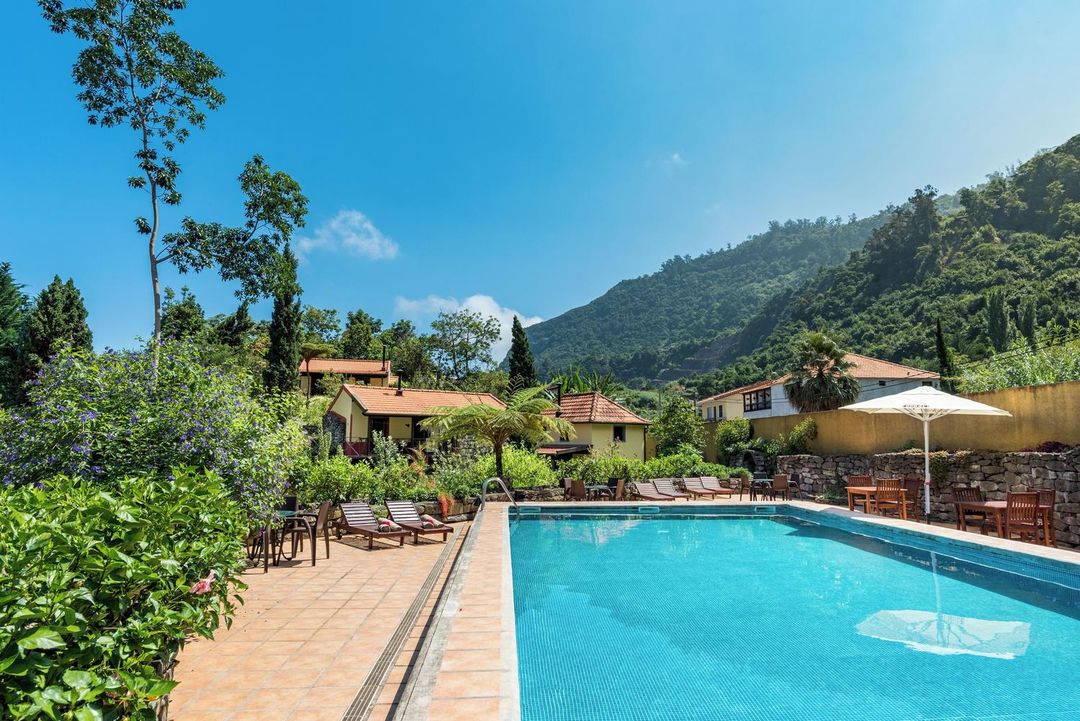
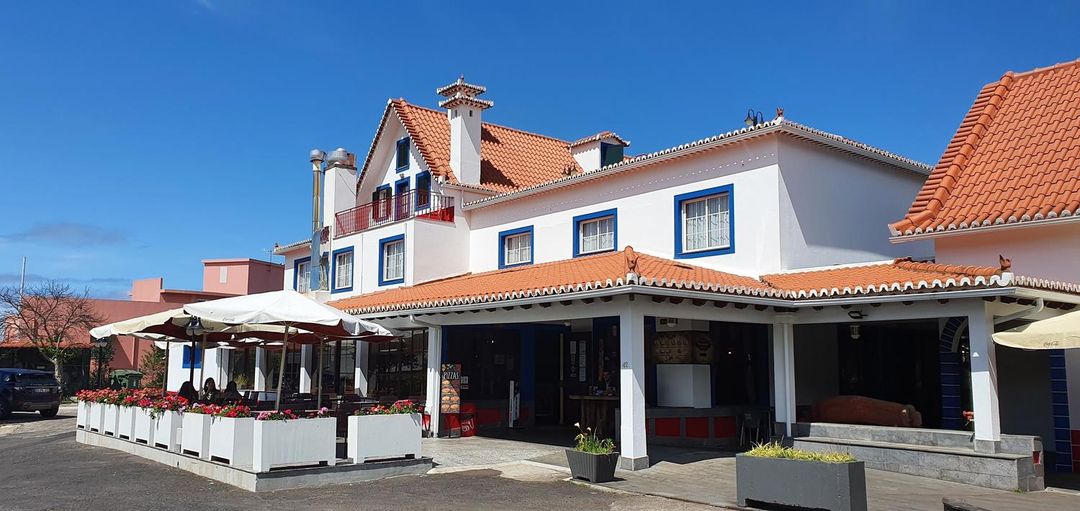
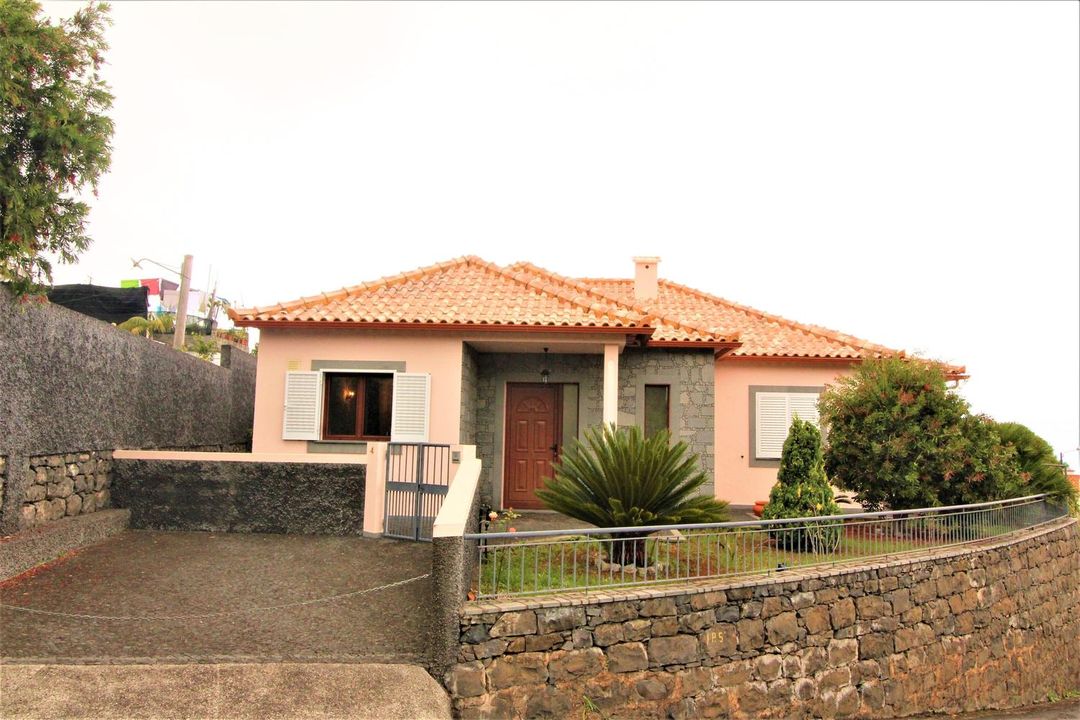
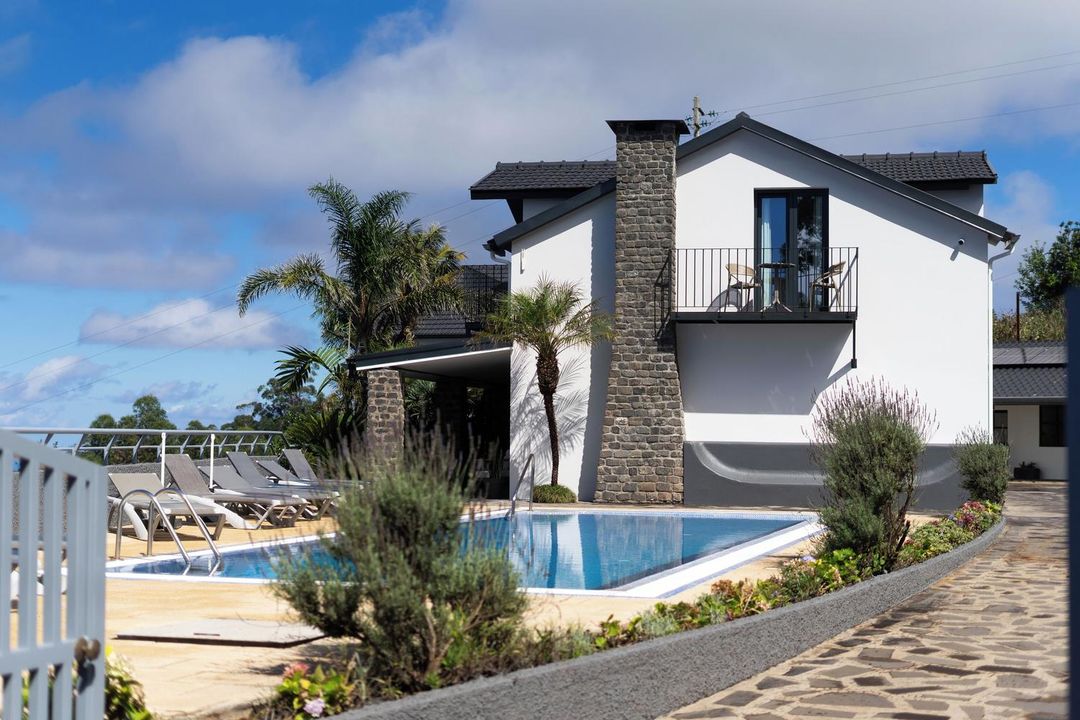
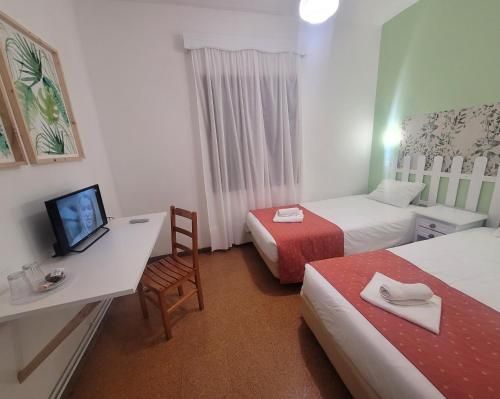
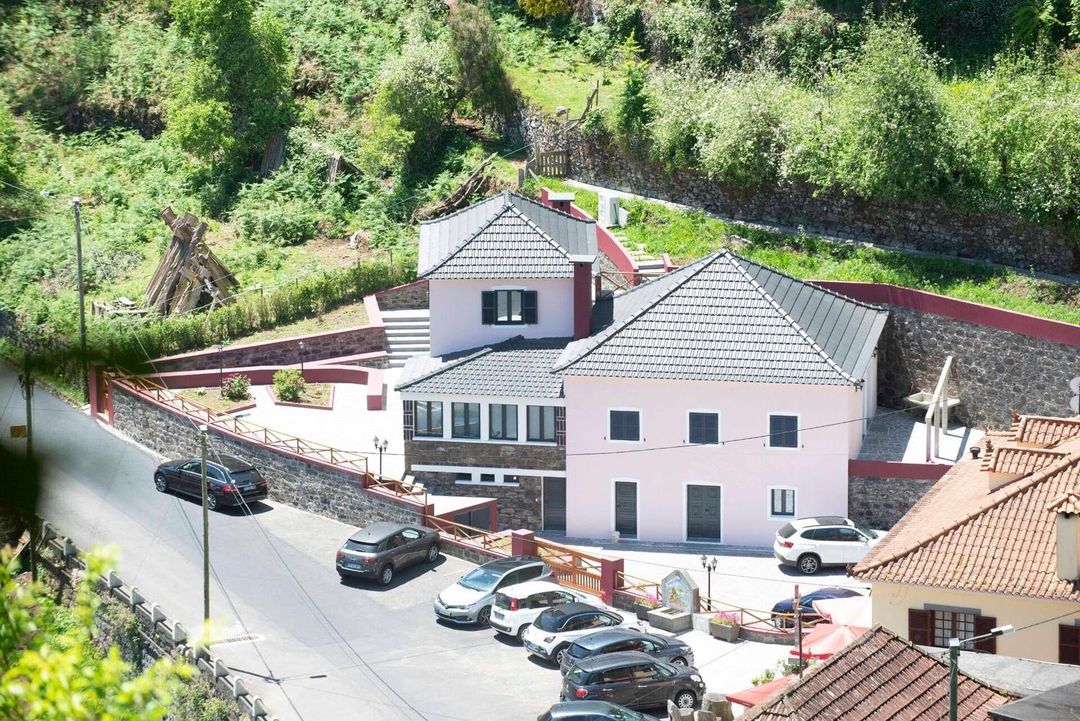
Best Hotels in Santana
Discover curated hotel collections in Santana

Frequently Asked Questions about Traveling to Santana
Questions You Might Need to Know About Traveling to Santana
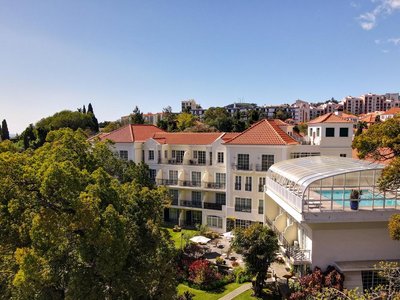
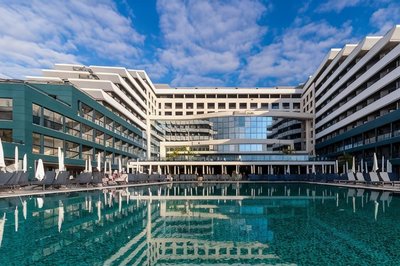
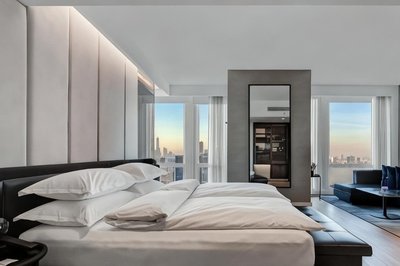
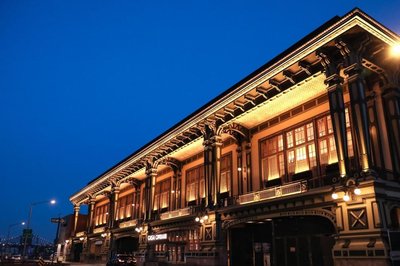
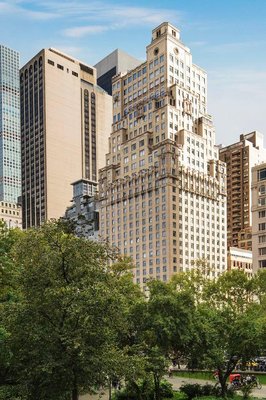
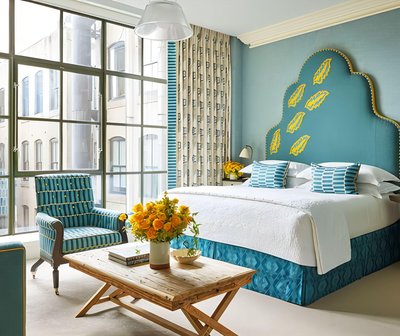
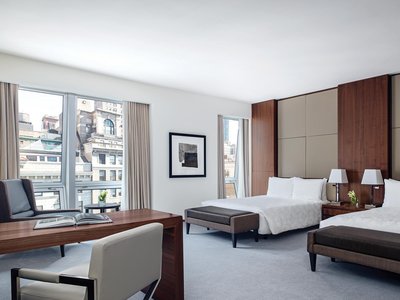
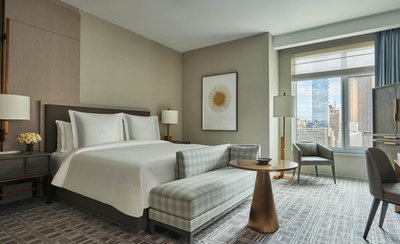
In Santana, the standout choice is Pousada de Santana, a beautifully restored historic farmhouse offering authentic Madeira island architecture with red-tiled roofs and stone walls. Modern amenities blend seamlessly with traditional charm, and many rooms offer views of lush valleys. For a more intimate stay, Casa do Lago provides cozy, family-run guesthouse experiences with homemade breakfasts and easy access to Church of Nossa Senhora da Oliveira. Both properties emphasize local culture and tranquility.
The central village area of Santana is ideal for lodging, offering walkable access to landmarks like the Church of Nossa Senhora da Oliveira, local markets, and artisan shops. Staying near the main square allows you to immerse in daily village life while enjoying quiet evenings. The area is safe, peaceful, and perfect for travelers seeking an authentic, slow-paced experience away from tourist crowds. Many small hotels and guesthouses line the cobbled streets.
Visit local ceramic workshops to learn how to craft traditional Madeira terra-cotta pots adorned with vibrant patterns. Participate in seasonal village festivals featuring folk dances, live music, and handmade textiles. You can also join family farm tours to explore terraced agriculture systems unique to the island, and taste regional dishes like Espetada (grilled meat skewers) and honey wine. These experiences provide deep insight into rural Madeiran heritage.
Hike the Serra da Tronqueira trail, a scenic 2-hour path starting from Santana, winding through ancient forests and crystal-clear streams. The route offers panoramic views of the Atlantic coastline and distant Travarga Mountains. Ideal for early morning visits when the air is crisp and wildlife like the Madeira bird is active. Bring a windbreaker and sturdy shoes—well-marked viewpoints and resting benches make it accessible for all levels. Perfect for photographers and nature lovers.
Don’t miss Bolo do Caco, a soft, charcoal-grilled bread served warm with local cheese or olive oil. Try Marmelada de Laranja, a thick orange jam made from island-grown fruit, often paired with breakfast. At family-run spots like Restaurante A Terra, savor Madeira stew made with mountain goat cheese and wild herbs. These dishes reflect the region’s rich agricultural roots and are best enjoyed with a glass of local honey wine.
Yes, Santana is highly family-friendly. Easy trails like Lagoa dos Pescadores feature gentle paths and birdwatching spots perfect for kids. Local farms host children’s farming workshops, where they can plant tomatoes and lemons. The Santana Museum includes interactive exhibits on island ecology and traditional tools, making it both educational and fun. Parents can relax at a café on the main square while children play safely in green spaces. Many locals speak English and welcome visitors warmly.
The Church of Nossa Senhora da Oliveira features stunning Baroque-style architecture with hand-painted azulejo tiles depicting biblical scenes and local legends. Its ornate gilded altar and century-old wooden beams create a serene atmosphere. The bell tower offers a sweeping view of the village and surrounding hills—ideal for photography. During Easter and Virgin Mary festivals, the church hosts candlelit processions and traditional masses, offering a rare glimpse into spiritual traditions deeply rooted in the community.
While Santana is a small village, Madeira’s public bus service (Transmaçã) connects it directly from Funchal via Route 303, with hourly departures and a journey time of about 40 minutes. Within the village, walking and cycling are the primary modes of transport. For trips to nearby highland areas, local taxi services are reliable and friendly—drivers often double as guides. HopeGoo ahead is recommended during peak season, especially for longer excursions. Cash is still widely accepted.
Look for handmade ceramic items featuring traditional Madeira motifs—each piece crafted using age-old techniques. Natural beeswax candles and organic honey are popular souvenirs. Visit the Saturday market in the village center, where local artisans sell fresh produce, woven baskets, and handmade soaps. Some stalls accept cash only, so carry euros. These items not only make meaningful gifts but support sustainable local craftsmanship.
The best times to visit Santana are spring (April to June) and autumn (September to October). Temperatures range from 18–22°C, with minimal rainfall and clear skies. Spring brings blooming camellias and rhododendrons, while autumn offers golden light perfect for photography. Avoid July and August if you prefer quieter surroundings—these months see higher tourist traffic. The town’s charm shines brightest during these milder seasons, with more opportunities for authentic interactions with residents.
Santana Overview
City Summary
Santana, located on the northern coast of Madeira Island in Portugal, is famous for its traditional thatched-roof houses (Casas de Colmo). This small town boasts stunning natural landscapes, including lush forests, majestic mountains, and clear streams, making it a paradise for hikers and nature lovers. Santana's rich cultural heritage is preserved by its residents, offering visitors an authentic Madeiran experience.
Must-See Attractions
Santana's main attractions include the Santana Traditional Houses, colorful triangular cottages that symbolize Madeiran culture. The Madeira Natural Park offers numerous hiking trails, such as the famous Pico do Arieiro route. Visitors can also explore the Santana Theme Park to learn about local history and traditional crafts.
Food Guide
Santana's cuisine features traditional Madeiran dishes like Espetada (grilled beef skewers) and Bolo do Caco (traditional Madeiran bread). Local restaurants serve fresh seafood, including black scabbardfish and octopus. Don't miss the chance to try Madeira Wine, especially the renowned sweet variety.
Transportation Guide
Public transportation in Santana relies on buses, with Rodoeste operating routes from Funchal to Santana. Renting a car offers more flexibility, but be cautious of narrow and winding mountain roads. Taxis are available but expensive. Plan your routes in advance, especially for remote natural sites.
Best Time to Visit
The best time to visit is during spring (April to June) and autumn (September to October), when the weather is mild and crowds are smaller. Summer (July to August) is warm but busy. Winter (November to March) is rainy but ideal for quiet getaways.
Travel Tips
- Wear comfortable hiking shoes, as mountain trails can be slippery.
- Respect local culture; do not enter private thatched houses without permission.
- Carry cash, as some small vendors do not accept cards.
- Be prepared for sudden weather changes in the mountains.
- Learn basic Portuguese greetings to connect with locals.
- Protect the environment by not littering.
Useful Information
Portuguese is the main language, but English is understood in tourist areas. Network coverage is good, with 4G available in main towns. Cash is preferred, though some restaurants and hotels accept cards. The emergency number is 112, and travel insurance is recommended for unexpected situations.