Hotels in Santo Tirso
Discover your perfect stay in Santo Tirso.
Santo Tirso(Portugal) Travel 2026: Cheap Flights, Hotels & Top Attractions
Popular Landmarks in Santo Tirso
Discover the most iconic attractions in Santo Tirso
Recommended Hotels in Santo Tirso
Find the perfect place to stay in Santo Tirso

Cidnay Santo Tirso - Charming Hotel & Executive Center

Quinta de Silvalde

Aldeia da Quinta do Paço - Santo Tirso

Santo Thyrso Hotel

B&B HOTEL Santo Tirso
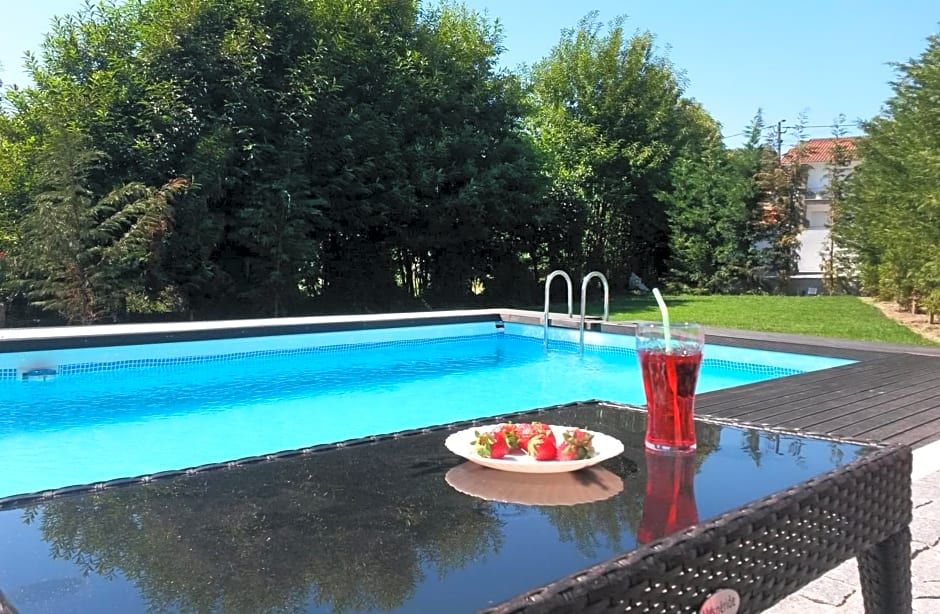
Equinaturi
Frequently Asked Questions about Traveling to Santo Tirso
Questions You Might Need to Know About Traveling to Santo Tirso
The best area to stay in Santo Tirso is the historic Centro Velho district, where charming 18th-century buildings house local art galleries and traditional cafés. Stay at Hotel Avenida Palace, a heritage-listed hotel near the Igreja de Santo Tirso, offering elegant rooms with modern amenities and daily breakfast. The hotel hosts rotating exhibitions of regional crafts and photography.
For a more intimate experience, choose Casa de Santa Tereza, a restored 19th-century villa nestled in a quiet garden with citrus trees and lavender. Its rooftop terrace offers panoramic views of the Douro River Valley, perfect for sunset moments. This area is ideal for exploring local festivals, artisan markets, and traditional Portuguese cuisine.
Yes, Hotel Avenida Palace in Santo Tirso offers family-friendly accommodations with spacious connecting rooms and kid-friendly amenities such as cribs, high chairs, and a dedicated playroom. It’s just a 5-minute walk from Parque de Santo Tirso, which features playgrounds, sand pits, picnic areas, and shaded walking paths—ideal for children.
For larger families or extended stays, Casa de Santa Tereza provides a private garden with citrus trees, lavender beds, and a covered patio perfect for outdoor meals. The property includes a kitchenette and laundry facilities, making it suitable for self-catering families. Nearby, the Museu Infantil showcases traditional rural tools and vintage toys, offering an educational yet fun experience for kids.
Top cultural attractions in Santo Tirso include the Igreja de Santo Tirso, a 13th-century Gothic church featuring pointed arches, stained-glass windows, and a bell tower that dominates the skyline. Adjacent to it, Praça do Município hosts weekend craft fairs selling handmade ceramics, embroidery, and local honey.
Another must-visit is the Museu Histórico de Santo Tirso, which displays artifacts from prehistoric times to the industrial era, including traditional farming tools and looms used by local weavers. Outside, the Árvore Centenária Square serves as a community hub—featuring open-air concerts, folk dances, and seasonal festivals that showcase authentic Portuguese rural traditions.
Santo Tirso offers a quiet but vibrant night scene centered around its historic core. Ribeira Bar, tucked in a narrow alley, is a favorite spot for live flamenco music and traditional Portuguese folk songs. Local bands perform nightly, paired with signature dishes like Bacalhau à Brás and glasses of Port wine, creating an authentic cultural atmosphere.
Another highlight is Café Central, which transforms into a literary café after dark, hosting poetry readings and small theater performances. Though modest in size, it captures the soul of local life—perfect for those seeking genuine, low-key evenings away from tourist crowds.
Must-try local foods in Santo Tirso include Tacho de Bolo, a hearty stew made with cornmeal, potatoes, smoked pork, and slow-cooked over an open fire—typically served during festivals and family gatherings. Another standout is Pastéis de Santo Tirso, flaky pastries filled with almond paste and syrup, crafted daily by the century-old Padaria da Rua Nova, known for their limited availability.
Local markets also feature artisanal cheeses and raw honey sourced from nearby farms. Pair them with a glass of Port wine for a true taste of northern Portugal’s rustic culinary heritage.
The best time to visit Santo Tirso is during spring (March to May), when temperatures range from 15–20°C and skies are clear. This period offers ideal conditions for walking through the historic center and exploring surrounding farmland.
In April, the Festa de Santo Tirso takes place—a vibrant festival featuring parades, folk dances, and traditional bonfire rituals. Streets are adorned with flags, and the town buzzes with celebration. After spring rains, the Douro Valley turns lush green, making it perfect for photography and outdoor sketching. Book accommodations early, as demand surges during the festival.
Transportation in Santo Tirso is convenient and well-connected. Located just 25 km from Porto city, it’s accessible by bus or taxi in about 30 minutes. Most attractions—like the Centro Velho and Igreja de Santo Tirso—are within walking distance or bike-friendly zones.
Regular shuttle buses link Santo Tirso to nearby towns such as Amadora and Cavaleiros. For deeper exploration, electric bike rentals are available along dedicated cycling paths and stations. The nearest airport is Porto International Airport (OPO), a 40-minute drive away, offering numerous domestic and international flights—making it easy for travelers to reach this charming town.
Santo Tirso Overview
City Summary
Santo Tirso, located in the Porto District of Portugal, is a small city rich in history and culture. Known for its Baroque architecture, religious heritage, and natural beauty, Santo Tirso features historic churches and monasteries, most notably the Mosteiro de Santo Tirso, showcasing medieval religious art. Surrounded by lush hills and tranquil rivers, the city is perfect for outdoor enthusiasts.
Must-See Attractions
Key attractions include the Mosteiro de Santo Tirso, a 10th-century monastery that is the spiritual heart of the city, adorned with exquisite interiors. The Parque Urbano de Santo Tirso offers beautiful gardens and walking trails for relaxation. Art lovers will enjoy the Parque Internacional de Esculturas, featuring modern sculptures from artists worldwide.
Food Guide
Santo Tirso's cuisine revolves around traditional Portuguese flavors. Try the Francesinha, a meat-and-cheese sandwich smothered in a rich sauce, a Porto specialty. Local grilled fish and seafood rice dishes are also must-tries. For dessert, savor the iconic Pastel de Nata (custard tart) paired with Port Wine for an authentic experience.
Transportation Guide
Public transport in Santo Tirso includes buses and taxis. Multiple bus routes connect major sights and nearby areas, with tickets available onboard or at stations. Taxis are affordable for short trips. For travel to Porto or other cities, regional trains and long-distance buses are available. Driving is convenient, with well-maintained roads and ample parking.
Best Time to Visit
The best times to visit are spring (April-June) and autumn (September-October), when the weather is mild. Summer (July-August) sees more tourists, while winter is quieter but festive with events like the Christmas market in December. Off-peak travel offers a more peaceful experience.
Travel Tips
- Respect local customs: Dress modestly in churches and keep noise levels low.
- Watch your belongings: Crowded areas may attract pickpockets.
- Learn basic Portuguese: Locals appreciate greetings in their language.
- Tipping etiquette: A 5%-10% tip in restaurants is customary.
- Be punctual: Portuguese value timeliness; lateness may seem rude.
- Use public Wi-Fi: Many cafes and hotels offer free internet access.
Useful Information
Portuguese is the official language, but English is widely understood in tourist areas. The Euro (EUR) is the currency; credit cards are accepted in most places, but small vendors may only take cash. Medical facilities are reliable, with pharmacies and clinics in the city center. For emergencies, dial 112. The voltage is 230V, with Type F sockets; bring an adapter if needed. Network coverage is good, and local SIM cards or roaming services are available.